Plastic Clip Suppliers and Manufacturers for SourcingX
Explore 21 verified Plastic Clip suppliers offering products from China Anhui, Zhejiang, and other regions. Compare response times, lead times, certifications like ISO9001 and TS16949, and pricing to find the right partner. Contact suppliers directly to request quotes; review the available evidence before requesting comparable quotations from suitable candidates.
Suppliers List
- Verified by TUVRHEINLAND
- Trading Company
- China Anhui
- Lead time45 days
- Avg. response≤ 18h
Main productsEraser, Pencil, Chalk, Paper Clip, Crayon, Stick Pen, Sheet Protector, Punch, Mathematerical Instruments, Pencil Sharpener
Main marketsSouth America,Africa,North America
Anhui Boom Auto Parts Co., Ltd.
- Verified by SGS
- Combined
- China Anhui
- Lead time30 days
- Avg. response≤ 13h
Main marketsNorth America

Hangzhou Chuangqi Display Products Co., Ltd.
- Trading Company
- Zhejiang, China
- Lead time15 days
- Avg. response≤ 10h
Main productsPopular Clip,Popular Stent,Price Board,Poster Protector,Poster Pole,Acrylic Products
Main marketsDomestic Market(47.00%), Southeast Asia(8.00%), Mid East(8.00%), North America(6.00%), Eastern Europe(5.00%), Oceania(5.00%), South America(4.00%), Southern Europe(4.00%), Eastern Asia(3.00%), Northern Europe(3.00%), Western Europe(3.00%), Africa(2.00%), South Asia(1.00%), Central America(1.00%)

Yuyao Xianghao Mold Technology Company Limited
- Verified by BV
- Trading Company
- China Zhejiang
- Lead time30 days
- Avg. response≤ 10h
Main productsInjection Mold, Plastic Mold, Injection Molding, Rapid Prototyping, 3D Pritting, Manhole Cover Mold, Silicone Rubber Mould, Wire Rack, Car Air Compressor, LED Light
Main marketsNorth America
Shenzhen Xincheng Innovation Co., Ltd.
- Manufacturer, Trading Company, Distributor/Wholesaler
- Guangdong, China
- Lead time10 days
- Avg. response≤ 3h
Main productsRobot Vacuum,Vacuum cleaner,filter screen,Filter mesh
Main marketsWestern Europe(20.00%), Eastern Europe(20.00%), Southern Europe(20.00%), North America(20.00%), Northern Europe(15.00%), South America(5.00%)
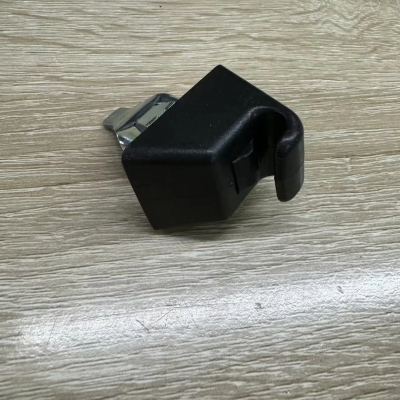
$4.14 - $6.21
Clip From China with 1 Year Warranty
$4.14 - $6.21
Xingtai Hongmao Auto Part Co., Ltd.
- Verified by SGS
- Trading Company
- China Hebei
- Lead time30 days
- Avg. response≤ 6h
Main productsHydraulic Oil Seal, Auto Seal, Customized Rubber Gasket, Agricultural Machinery Oil Seal, Excavator Oil Seal, Bonded Seal, Tc Oil Seal, Un Oil Seal, PU Oil Seal, O Ring
Main marketsSouth America,Europe,North America

Jiangsu Leader Greenhouse Equipment Co., Ltd.
- Trading Company
- China Jiangsu
- Lead time38 days
- Avg. response≤ 3h
Main productsGreenhouse, Wiggle Wire, Lock Profile, Zigzag Wire, Lock Channel, Shading Net, Insect Net, Roll up Motor, Greenhouse Film, Film Clip
Main marketsSouth America,Africa,Southeast Asia/ Mideast,East Asia(Japan/ South Korea),Europe,Australia,North America

Zhongde (Beijing) Machinery Equipment Co., Ltd.
- Verified by TUVRHEINLAND
- Trading Company
- China Beijing
- Lead time30 days
- Avg. response≤ 9h
Main productsCustom Molded Rubber Parts, Custom Molded Plastic Parts, CNC Machined Parts, High Pressure Oil Hoses, PU Rollers, Bushings, End Caps, Gaskets, Sealing Strips, Gears
Main marketsEurope,Australia,North America
Jiashan Eastern Display Plastic Plant
- Verified by SGS
- Combined
- China Zhejiang
- Lead time30 days
- Avg. response≤ 17h
Main productsData Strip, Plastic Profile, Plastic Strip, Plastic Product, Strip, PVC Extrusion Product
Main marketsSouth America,Southeast Asia/ Mideast,East Asia(Japan/ South Korea),Europe,North America

Rizhao Fenghua Scaffoldings Co., Ltd.
- Verified by BV
- Combined
- China Shandong
- Lead time45 days
- Avg. response≤ 14h
Main productsScaffolding, Scaffold, Forging, Formwork, Scaffold Couplers, Swivel Coupler, Frame System, Hand Tools, Scaffold Plank
Main marketsSouth America,East Asia(Japan/ South Korea),Europe,North America

MOQ: 1000 Pieces

MOQ: 1000 Pieces

MOQ: 5000 Pieces

MOQ: 10000 Pieces

Jiangxi Heying Technology Co., Ltd.
- Verified by SGS
- Combined
- China Jiangxi
- Lead time15 days
- Avg. response≤ 10h
Main productsRotary Damper, Push Latch, Rivet, Auto Clips and Retainers, Plastic Screw and Nut, Book Screw, PCB Support, Wire Mount, Cable Clamp, Foot Pad
Main marketsEast Asia(Japan/ South Korea)
Yuyao Jiahao Plastic Industry Co., Ltd.
- Combined
- China Zhejiang
- Lead time23 days
- Avg. response≤ 6h
Main productsPlastic Mould Plastic Molding
Main marketsSouth America,Africa,Southeast Asia/ Mideast,East Asia(Japan/ South Korea),Domestic,Europe,Australia,North America
Ningbo Hollan Stationery Co., Ltd.
- Trading Company
- Zhejiang, China
- Lead time30 days
- Avg. response≤ 15h
Main productsStationery,Office Suppliers
Main marketsSouth America(25.00%), North America(21.00%), Africa(15.00%), Western Europe(7.00%), Oceania(6.00%), Mid East(5.00%), Eastern Europe(5.00%), Northern Europe(4.00%), Central America(3.00%), Eastern Asia(3.00%), South Asia(2.00%), Southern Europe(2.00%), Southeast Asia(2.00%)

Shijiazhuang Yilushun Import and Export Trade Co., Ltd.
- Verified by BV
- Trading Company
- China Hebei
- Lead time15 days
- Avg. response≤ 5h
Main productsCar Clip, Sealing Strip, Mats Clips, Metal Screws, Cable Tie Tape, The Car Accessories, Automotive Service Set, Auto Clip, Plastic Rivet, Plastic Washer
Main marketsSouth America,Africa,Southeast Asia/ Mideast,East Asia(Japan/ South Korea),Domestic,Europe,Australia,North America

Jinjiang Jiaxing Supply Management Co., Ltd.
- Verified by TUVRHEINLAND
- Trading Company
- China Fujian
- Lead time30 days
- Avg. response≤ 1h
Main productsEVA Clogs, Flip Flop, Shoe Charms, Shopping Bags, Wristbands, Gifts, Promotional Gifts, Slipper, Sport Cap, Ball
Main marketsNorth America
Xiamen Neway Rubber & Plastic Products Co., Ltd.
- Verified by BV
- Combined
- China Fujian
- Lead time15 days
- Avg. response≤ 4h
Main productsPlastic Injection Molding, Plastic Parts, Silicone Rubber Parts, Gasket Seals, Rubber Grommet, Mould, O Ring, Extrusion Strip, Metal Parts, Suction Cup
Main marketsSouth America,Africa,Southeast Asia/ Mideast,East Asia(Japan/ South Korea),Europe,Australia,North America

Plastic Push Clips Auto Plastic Clips and Fasteners Car Clips Plastic Rivets Auto Body Clips
$0.15 - $1.20
MOQ: 1 Pieces


Plastic Auto Clips Fastener Auto Parts Factory Supply Car Plastic Clips for Universal Car
$0.15 - $1.20
MOQ: 1 Pieces


Hongxing Manufacturing Group Ltd.
- Manufacturer/Factory
- China Zhejiang
- Lead time45 days
- Avg. response≤ 13h
Main productsValve, Fitting, Dzr Brass, Lead Free, Sanitary Ware, Cable Tie, Ball Valve, Stop Valve, Thermostat, Gate Valve
Main marketsSouth America,Eastern Europe,Mid East,North America,Southeast Asia,Eastern Asia,Oceania,Western Europe,Africa

Weifang Palconn Plastics Technology Co., Ltd.
- Verified by BV
- Combined
- China Shandong
- Lead time15 days
- Avg. response≤ 14h
Main productsPex Plumbing System, Polybutylene Plumbing System, Multilayer Plumbing System, PPR Plumbing System, Underfloor Heating System, Gas Piping System, Irrigation Piping System, PP Soundproof Drainage Piping System, PVC Piping System, Various Type Brass Fittings & Manifold
Main marketsSouth America,Africa,Southeast Asia/ Mideast,Europe,Australia,North America
Wuxi Zhongyin Textile Tech. Co., Ltd.
- Trading Company
- China Jiangsu
- Lead time45 days
- Avg. response≤ 10h
Main productsWarping Machine, Warp Knitting Machine, Warping Machinery Spare Parts, Spare Parts of Warp Knitting Machine, Other Textile Machinery Spare Parts, Second-Hand Textile Machinery
Main marketsSouth America,Africa,Others(foreignTradeCapacity.exportBusinessCapacityMarketOther),Europe,North America

Hangzhou Times Import and Export Co., Ltd.
- Manufacturer/Factory
- China Zhejiang
- Lead time0 days
- Avg. response≤ 25h
Main productsEMT, IMC, Steel Conduit, Socket Sets, Cable Tray, Accessories, Wrench, Conduit Box

Changzhou HITEK Electronics Co., Ltd.
- Combined
- China Jiangsu
- Lead time30 days
- Avg. response≤ 24h
Main productsHDMI Cable, Connector, Antenna, RCA Cable, DVI Cable, AV Cable, Vedio Cable, Audio Cable, USB Cable, Network Cable
Main marketsDomestic

MOQ: 1000 Pieces

MOQ: 1000 Pieces


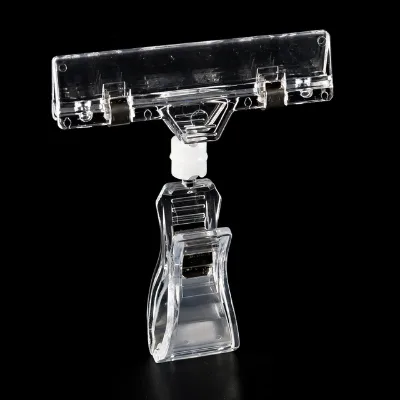
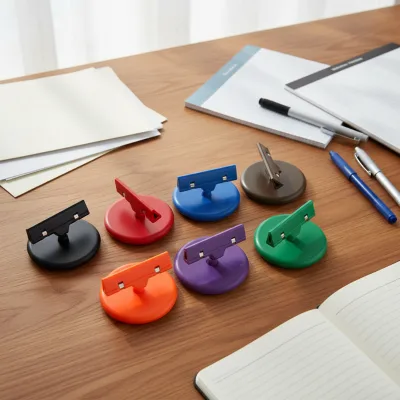


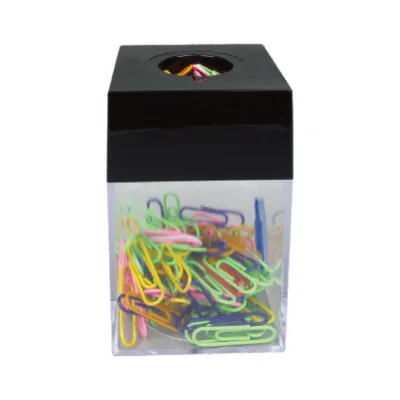
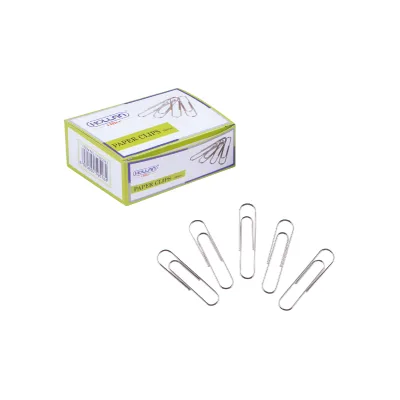


Comprehensive Sourcing Guide
Plastic Clip Supplier Concentration and Factory Types
The current supplier landscape for plastic clips reveals a distinct geographic and structural diversity that buyers must navigate carefully. Evidence indicates that manufacturing entities are concentrated in specific Chinese provinces, with Anhui and Zhejiang emerging as notable hubs for production. In Anhui, suppliers are primarily identified as trading companies, which suggests a model focused on aggregation and distribution rather than direct manufacturing. This structure often implies that the buyer is interacting with an intermediary who sources from various factories, potentially adding a layer of complexity to communication and quality control. Conversely, Zhejiang-based suppliers display a more varied operational profile, including combined entities and specialized manufacturers. These Zhejiang firms often highlight main products such as popular clips, stents, and acrylic products, indicating a broader capability in plastic molding and assembly. The presence of injection molding and rapid prototyping services in Zhejiang further suggests a cluster of factories equipped for high-volume, precision plastic component production. Understanding this concentration allows buyers to target regions with established supply chains for specific clip types, whether they are simple office paper clips or complex automotive fasteners. The distinction between trading companies and combined or manufacturing entities is critical, as it directly impacts the buyer’s ability to customize products, verify factory conditions, and negotiate pricing structures. Buyers should prioritize suppliers whose stated company type aligns with their need for direct factory access or flexible trading services.
Beyond geography, the types of companies offering plastic clips vary significantly in their core competencies and product ranges. Some suppliers specialize in general office supplies, offering items like erasers, pencils, and standard paper clips, while others focus on industrial applications such as automotive heater hose brackets or cable retaining clips. This specialization often correlates with the verification status and certification levels displayed. For instance, some entities hold TUVRHEINLAND or SGS verification, signaling a commitment to international quality standards. Others may possess ISO9001:2015 or ISO14001:2015 certificates, which are particularly relevant for buyers requiring environmental or quality management system compliance. The product evidence also shows a wide array of materials, from basic plastic to thermosetting plastics and ABS, indicating that suppliers have diverse molding capabilities. Buyers should assess whether a supplier’s main products align with their specific technical requirements, such as the need for custom branding, specific material properties like UV resistance, or precise dimensional tolerances. The presence of ODM and OEM capabilities in some supplier profiles suggests that these entities are equipped to handle custom design projects, whereas others may only offer standard catalog items. Recognizing these differences helps buyers filter out suppliers who lack the necessary infrastructure for their specific order volume or customization needs.
How to Verify Plastic Clip Suppliers
Verifying the legitimacy and capability of Plastic Clip suppliers requires a multi-layered approach that goes beyond surface-level profile reviews. The first step is to scrutinize the verification badges and certifications displayed on supplier profiles. Evidence shows that some suppliers are verified by TUVRHEINLAND, SGS, or BV, which are reputable third-party inspection agencies. These verifications often involve on-site audits of the factory’s production lines, quality control processes, and business licenses. Buyers should request copies of these verification reports to understand the scope of the audit, including whether it covers manufacturing capacity, labor practices, and product quality standards. Additionally, certifications such as ISO9001:2015 for quality management and ISO14001:2015 for environmental management provide further assurance of a supplier’s operational maturity. For automotive-related plastic clips, certifications like TS16949 are critical, as they indicate compliance with automotive industry-specific quality management standards. Buyers should also check for product-specific certifications such as CCC, CE, or RoHS, which are essential for market access in various regions. These certifications not only validate the supplier’s claims but also reduce the risk of receiving non-compliant products that could lead to customs delays or legal issues. It is important to note that while certifications are strong indicators of reliability, they should be cross-referenced with other verification methods to ensure accuracy.
In addition to certifications, buyers should actively engage with suppliers to assess their responsiveness and technical expertise. The response time metric, which ranges from approximately 9 to 17 hours in the current data, can serve as an initial indicator of a supplier’s operational efficiency. Faster response times often correlate with better communication channels and more agile customer service teams, which are crucial for resolving issues during production or shipping. Buyers should initiate conversations to ask specific questions about production processes, material sourcing, and quality control measures. For example, inquiring about the molding methods used, such as injection molding, can reveal the supplier’s technical depth. Asking for detailed product specifications, including material types like ABS or thermosetting plastic, and standard sizes, can help gauge the supplier’s attention to detail. Furthermore, buyers should request samples to physically inspect the quality of the plastic clips, checking for defects such as flash, warping, or inconsistent coloring. Sample evaluation is a critical step in verifying that the supplier can meet the buyer’s quality expectations before committing to a large order. By combining verification badges, certification checks, direct communication, and sample testing, buyers can build a comprehensive profile of each supplier’s reliability and capability.
What to Compare Across Plastic Clip Suppliers
When evaluating multiple suppliers for plastic clips, buyers must systematically compare key operational metrics to identify the most suitable partner for their needs. One of the most critical factors is the lead time, which indicates how quickly a supplier can fulfill an order. Current data shows lead times ranging from 15 to 45 days, depending on the supplier and product complexity. Shorter lead times, such as 15 days, are advantageous for buyers with urgent requirements or those seeking to maintain lean inventory levels. However, buyers should verify whether these lead times are realistic for their specific order volume and customization requirements. Longer lead times may be necessary for complex custom molds or high-volume production runs. Another essential metric is the Minimum Order Quantity (MOQ), which varies significantly across suppliers. Some suppliers have MOQs as low as 500 units, making them suitable for small businesses or trial orders, while others require MOQs of 10,000 units or more, catering to large-scale industrial buyers. Buyers should align their order volume with the supplier’s MOQ to avoid excessive inventory costs or production delays. Additionally, comparing pricing is crucial, as costs can range from fractions of a cent to several dollars per unit, depending on the material, size, and customization level. Buyers should request detailed quotes that include all costs, such as tooling, packaging, and shipping, to ensure accurate cost comparisons.
Beyond operational metrics, buyers should also compare the range of products and customization options offered by each supplier. Some suppliers specialize in standard office clips, while others offer a broader range of products, including automotive fasteners and cable clamps. This specialization can impact the supplier’s expertise and quality control in specific areas. Buyers should assess whether the supplier can accommodate custom branding, such as logo printing or custom packaging, which is often available as indicated in product attributes. The availability of customization options can be a significant differentiator, especially for buyers seeking to enhance their brand identity. Furthermore, buyers should compare the supplier’s main products to ensure alignment with their specific needs. For instance, if a buyer requires plastic clips for supermarket promotions, a supplier specializing in pop clips and acrylic products may be more suitable than one focused on industrial automotive parts. The supplier’s location also plays a role in logistics and communication, with suppliers in Anhui and Zhejiang offering different advantages in terms of proximity to ports and manufacturing infrastructure. By systematically comparing lead times, MOQs, pricing, customization options, and product ranges, buyers can make informed decisions that balance cost, quality, and delivery speed. This comparative analysis helps mitigate risks and ensures that the selected supplier can meet the buyer’s specific operational requirements.
Common Plastic Clip Sourcing Risks
Sourcing plastic clips from international suppliers involves several inherent risks that buyers must proactively manage to ensure a smooth procurement process. One significant risk is the potential for quality inconsistencies, particularly when dealing with trading companies or suppliers with limited quality control infrastructure. Plastic clips are often small, low-cost items, which can lead to complacency in quality assurance if not properly monitored. Buyers may receive batches with defects such as broken clips, inconsistent coloring, or poor material strength, which can disrupt their operations. This risk is heightened when suppliers lack relevant certifications or verification badges, as there is less external oversight of their production processes. To mitigate this risk, buyers should insist on pre-shipment inspections and request detailed quality control reports from suppliers. Additionally, ordering samples before committing to large volumes allows buyers to verify the quality of the product firsthand. Another common risk is the discrepancy between the quoted price and the final invoice, often due to hidden costs such as mold fees, packaging charges, or shipping surcharges. Buyers should ensure that all costs are clearly itemized in the quotation to avoid unexpected expenses. It is also important to verify the supplier’s ability to meet the agreed-upon lead times, as delays can disrupt the buyer’s supply chain and result in stockouts. Clear communication and regular follow-ups can help monitor production progress and address any potential delays early.
A further risk in Plastic Clip sourcing is the lack of customization flexibility, which can limit the buyer’s ability to differentiate their products in the market. Some suppliers may offer limited customization options, such as only providing standard sizes and colors, which may not meet the buyer’s specific branding or functional requirements. This risk is particularly relevant for buyers seeking unique designs or specialized materials, such as UV-resistant or fire-retardant plastics. Buyers should carefully review the supplier’s customization capabilities and confirm that they can accommodate their specific needs before placing an order. Additionally, there is a risk of intellectual property infringement if the buyer provides custom designs to a supplier who may share them with competitors. To protect their intellectual property, buyers should use non-disclosure agreements (NDAs) and work with suppliers who have a strong reputation for confidentiality. Another risk is the potential for logistical issues, such as damage during transit or customs delays, which can affect the delivery of the plastic clips. Buyers should choose suppliers with experience in international shipping and ensure that products are packaged securely to prevent damage. By identifying and addressing these common risks through thorough due diligence, clear contracts, and active monitoring, buyers can minimize disruptions and ensure a successful sourcing experience. Proactive risk management is essential for maintaining supply chain stability and protecting the buyer’s business interests.
Plastic Clip Regional Sourcing and Logistics
The geographic location of Plastic Clip suppliers significantly influences logistics costs, delivery times, and overall supply chain efficiency. Current evidence highlights that suppliers are primarily located in China, with notable concentrations in Anhui and Zhejiang provinces. These regions are well-established manufacturing hubs with robust infrastructure, including proximity to major ports like Shanghai and Ningbo, which facilitates efficient export operations. Sourcing from Zhejiang, in particular, offers advantages due to its dense cluster of plastic molding and assembly factories, which can lead to competitive pricing and faster production cycles. Buyers sourcing from this region may benefit from shorter transit times to international destinations, reducing the overall lead time for their orders. However, buyers should also consider the specific logistics capabilities of each supplier, as some may have more experience with international shipping and customs clearance than others. Understanding the supplier’s location helps buyers estimate shipping costs and select the most appropriate freight method, whether it is air freight for urgent orders or sea freight for cost-effective bulk shipments. Additionally, regional sourcing can impact the buyer’s ability to conduct factory audits or visit suppliers in person, which may be a consideration for high-value or high-risk orders.
Logistics planning also involves coordinating with suppliers to ensure that products are packaged and labeled according to international standards to prevent damage and customs
FAQs
What certifications do plastic clips from these suppliers hold?
Suppliers offer certifications including CCC, CE, ISO, RoHS, and TS16949 depending on the product type. Some manufacturers also provide ISO9001:2015 and ISO14001:2015 certificates for their quality management systems. Buyers should verify specific product certifications before placing large orders to ensure compliance with regional safety standards.
What are the typical lead times for Plastic Clip orders?
Lead times vary significantly based on the supplier and product complexity, ranging from 15 to 45 days. Some suppliers in Zhejiang can deliver within 15 days, while others in Anhui may require up to 45 days. Buyers should confirm exact delivery schedules with the specific vendor to align with their project timelines effectively.
What is the minimum order quantity for plastic clips?
Minimum order quantities generally start at 1000 units for standard items like pop clips. Some specialized automotive fasteners or bulk office supplies may require a minimum of 5000 or 10000 units. Buyers need to check the specific MOQ for each product variant to ensure it fits their procurement volume requirements.
Where are the Plastic Clip manufacturers located?
Manufacturers are primarily located in China, with specific hubs in Anhui and Zhejiang provinces. These regions host trading companies and combined suppliers offering various clip types. Buyers should verify the exact factory location to assess shipping costs and logistics efficiency for their specific sourcing needs.
How quickly do suppliers typically respond to inquiries?
Response times vary among suppliers, with some responding within 9 to 17 hours. Specific data shows response times ranging from 9.43 to 17.35 hours depending on the company. Buyers should expect a response within a day but should follow up if no reply is received within the stated timeframe.
What materials are used to make these plastic clips?
Common materials include plastic, ABS, PS, and thermosetting plastic in powder form. Some products feature metal springs or stainless steel components for added durability. Buyers should specify their material requirements to ensure the clips meet the necessary strength and chemical resistance standards for their intended application.
Are customization options available for plastic clips?
Yes, most suppliers offer customization services including OEM and ODM capabilities. Buyers can request specific sizes, colors, and packaging options like transparent OPP bags or corrugated boxes. Customization is available for various clip types, allowing buyers to tailor products to their brand or functional requirements.