Black Motorcycle Sprocket Suppliers and Manufacturers
Compare 22 verified suppliers offering Black Motorcycle Sprocket products with ISO 9001 certification and OEM capabilities. Review response times, lead times, and pricing to select a partner for your transmission needs; review the available evidence before requesting comparable quotations from suitable candidates.
Suppliers List

Ningbo Jalyn International Trading Co., Ltd.
- Trading Company,Manufacturer/Factory
- China Zhejiang
- Lead time30 days
- Avg. response≤ 20h
Main productsMotorcycle Parts, Motorcycle Accessories, Aftermarket Motorcycle Parts, ATV Parts, Bicycle Parts, Motorcycle Plastic Parts, Motorcycle Mirror, Motorcycle Handle Grips, Motorcycle Engine, Bicycle Accessories
Main marketsSouth America,Eastern Europe,North America,Eastern Asia,Oceania,Western Europe,Africa

Hangzhou Ocean Industry Co., Ltd.
- Verified by BV
- Combined
- China Zhejiang
- Lead time15 days
- Avg. response≤ 6h
Main productsGear, Gear Rack, Pulley, Chain, Sprocket, Coupling, Gearbox, Pinion, Speed Reducer, Speed Reducer Gear Box
Main marketsSouth America,Southeast Asia/ Mideast,Europe,Australia
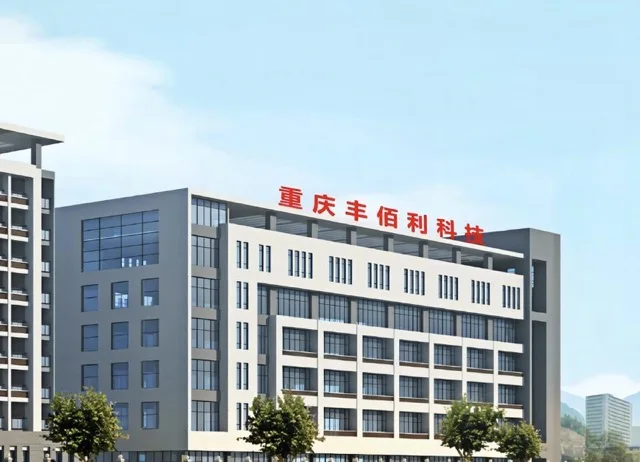
Chongqing Fengbaili Technology Co., Ltd.
- Manufacturer, Trading Company
- Chongqing, China
- Lead time15 days
- Avg. response≤ 2h
Main productsbuggy parts,ATV parts,motorcycle parts
Main marketsMid East(20.00%), Africa(20.00%), Southeast Asia(20.00%), South America(20.00%), North America(20.00%)
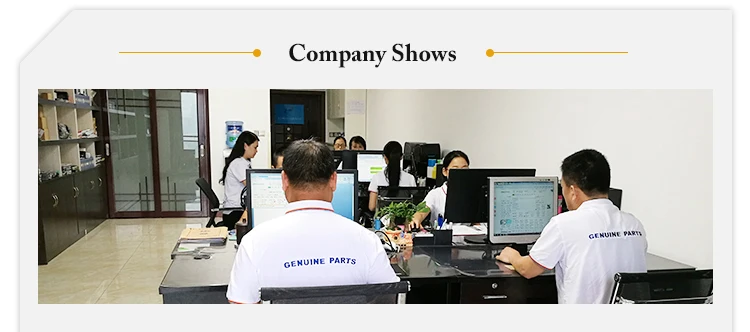
Chongqing Spring Import & Export Trading Co., Ltd.
- Trading Company
- Chongqing, China
- Lead time20 days
- Avg. response≤ 2h
Main productsMotorcycle Parts,Electric vehicle,Tricycle,Motorcycle,Tricycle parts
Main marketsSoutheast Asia(40.00%), Western Europe(20.00%), South Asia(10.00%), South America(10.00%), Mid East(10.00%), Africa(10.00%)

Hangzhou Vision Chain Transmission Co., Ltd.
- Verified by TUVRHEINLAND
- Combined
- China Zhejiang
- Lead time30 days
- Avg. response≤ 6h
Main productsRoller Chain, Sprocket, Pulley, Gear, Rack, Couplings, Taper Bush, Conveyor Chain, Lock, Transmission Parts
Main marketsDomestic
Huangshan Benma Group Co., Ltd.
- Manufacturer, Trading Company
- Lead time旺季: "1 - 5000":35,"> 5000":"To be negotiated", 淡季: "1 - 5000":35,"> 5000":"To be negotiated"
- Avg. response≤ 7h
Main productsMotorcycle Brake Pad, Motorcycle Clutch Shoes, Motorcycle Clutch Assembly, Motorcycle Clutch Disc
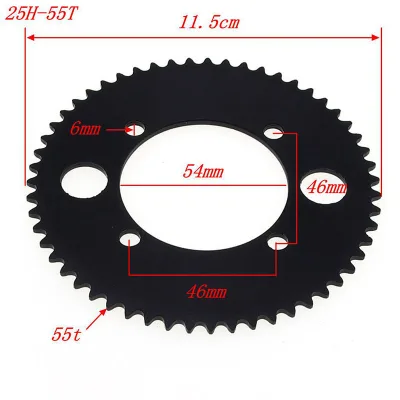
Motorcycle Accessories Scooter Rear Sprocket for 25H 55T 54mm Motorcycle Sprocket Gear
$1.25 - $1.50
MOQ: 200 sets

TTP Power Development Co., Ltd.
- Verified by SGS
- Trading Company
- China Guangdong
- Lead time30 days
- Avg. response≤ 9h
Main productsMotorcycle Parts, Motorcycle Accessory, Motorcycle Engine Parts, Motorcycle Body Parts, Motorcycle Electrical Parts, Pockit Bike, ATV, Scooter, Motorcycle Cylinder, Crankshaft
Main marketsEurope,North America


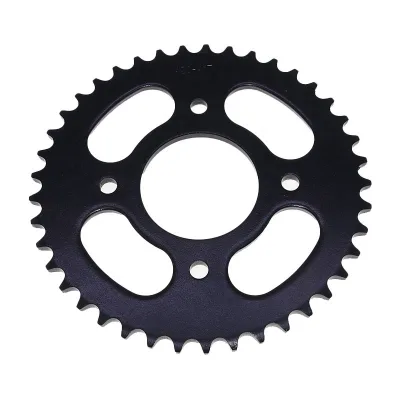
C100 Motorcycle Parts Motorcycle Sprocket Screw Kit for Big&Small Sprocket
$0.30 - $0.80
MOQ: 300 Sets


Taizhou Spare Parts Expert Import & Export Co., Ltd.
- Trading Company
- China Zhejiang
- Lead time30 days
- Avg. response≤ 7h
Main productsMotorcycle Parts, Scooters Accessories, Motorcycle Accessories, Gy6 Engine Accessories, Italika Spare Parts, Bike Accessories, Cg125 Jog 50, Bajaj, Helmet, Remote Controller
Main marketsSouth America,Southeast Asia/ Mideast,Europe
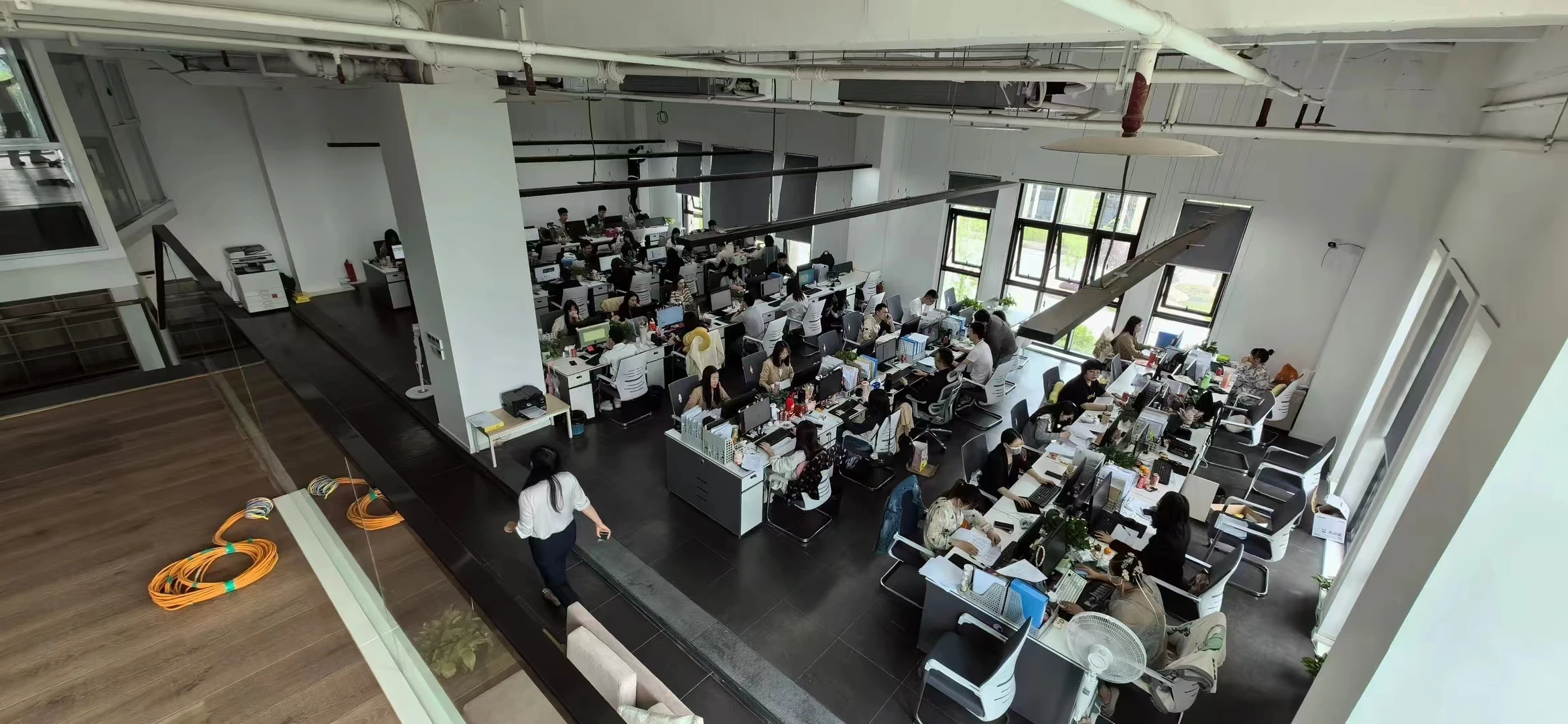
Snor (chongqing) Import And Export Trading Co., Ltd.
- Trading Company
- Chongqing, China
- Lead time7 days
- Avg. response≤ 3h
Main productsMotorcycle accessories,Car modification parts,engine,engine parts,Motorcycle
Main marketsSouth America(20.00%), Northern Europe(15.00%), North America(15.00%), Southern Europe(10.00%), Eastern Europe(10.00%), Western Europe(10.00%)
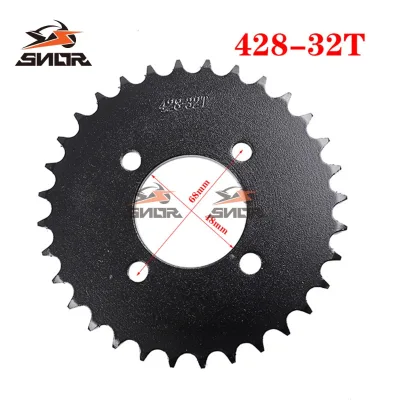

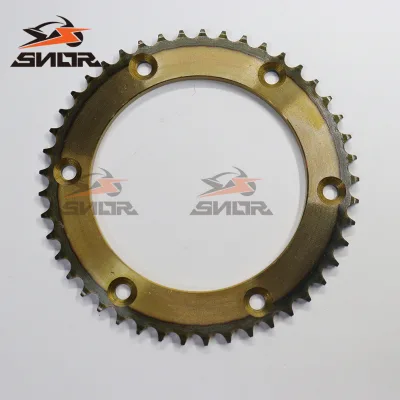
$3.53 - $4.09
MOQ: 500 pieces
Chongqing Best Creative Technology Co., Ltd.
- Manufacturer, Trading Company
- Chongqing, China
- Lead time20 days
- Avg. response≤ 4h
Main productsmotorcycle accessories,Motorcycle pedals,motorcycle wheel,Motorcycle Accessories Processing,Custom Motorcycle Fabrication & Processing
Main marketsSoutheast Asia(20.00%), Africa(20.00%), North America(20.00%), Northern Europe(10.00%), Western Europe(10.00%), South America(10.00%), Mid East(10.00%)
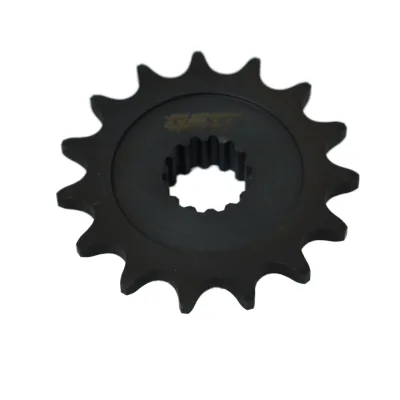
$22.00 - $25.00
MOQ: 20 bags
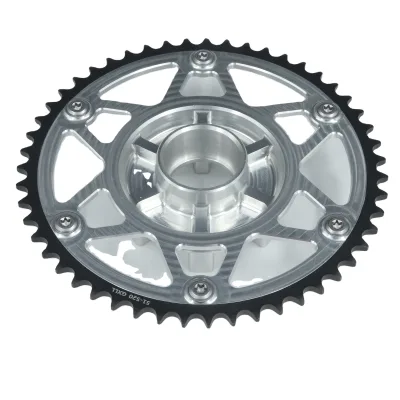

Changzhou Luckyway Metal Technology Co., Ltd.
- Combined
- China Jiangsu
- Lead time23 days
- Avg. response≤ 9h
Main productsMotorcycle Parts, Auto Parts, Aluminum Welding Processing, CNC Machining, Bicycle Parts, Go Kart Parts, Forging Parts Processing, Die Casting Processing, Sheet Metal Fabricatiom, Lathe Processing
Main marketsEurope,Australia,North America

Hangzhou Xinlan Technology Co., Ltd.
- Verified by SGS
- Combined
- China Zhejiang
- Lead time30 days
- Avg. response≤ 5h
Main productsGearbox, Reducer, Sprocket, Gear, Gear Rack, Chain, Pulley, Pto Drive Shaft, Screw Jack, Coupling
Main marketsSoutheast Asia/ Mideast,Europe,North America

Plastic Rubber Track Sprocket and Chain Front Motorcycle Sprocket China Factory Manufacturer
$1.00 - $99.00
MOQ: 100 Pieces

Sprocket 12 Speed Motorized Bicycle 39 Teeth Conveyor Chain Motorcycle Small Sprockets Chain Cover
$1.00 - $99.00
MOQ: 100 Pieces

Zhejiang Hengjiu Machinery Group Co., Ltd.
- Verified by TUVRHEINLAND
- Group Corporation
- China Zhejiang
- Lead time60 days
- Avg. response≤ 1h
Main productsRoller Chain, Conveyor Chain, Sprocket, Silent Chain, Saw Chain, Motorcycle Chain, Agricultural Chain, Timing Chain, Stainless Steel Chain, Leaf Chain
Main marketsDomestic


Front Sprocket for Industrial Motorcycle Chain Sprocket Kit Motor Spare Parts
$1.80 - $999.00
MOQ: 300 Feet


Factory Price Custom Timing Motorcycle Roller Chain and Sprocket Kit Set
$1.80 - $999.00
MOQ: 300 Feet

China Supplier Oil Seal Motorcycle Drive Chain for Motorbike Sprocket Parts
$1.80 - $999.00
MOQ: 300 Meters

Hengjiu/Customization Motor Spare Parts DIN/ISO/ANSI Sprocket Motorcycle Engine Chain
$1.80 - $999.00
MOQ: 300 Meters

Sichuan Mighty Machinery Co. Ltd.
- Verified by BV
- Trading Company,Manufacturer/Factory,Group Corporation
- China Sichuan
- Lead time23 days
- Avg. response≤ 4h
Main productsTiming Belt Pulley, V Belt Pulley, Locking Device, Gear Racks, Couplings, Sprocket, Bearing, Auto Bearing, Bearing Housing
Main marketsSouth America,Eastern Europe,Mid East,Southeast Asia,Eastern Asia,Oceania,Western Europe,Africa


Chain Sprocket Custom Sizes Steel Material Bicycle Sprockets and Sprocket Wheel
$1.73 - $25.93
MOQ: 30 Pieces


Hangzhou Xingfeng Industrial Co., Ltd.
- Combined
- China Zhejiang
- Lead time30 days
- Avg. response≤ 17h
Main productsChain, Sprocket, Motorcycle Parts, Auto Parts, Roller Chain, Motorcycle Accessory
Main marketsSouth America,Others(foreignTradeCapacity.exportBusinessCapacityMarketOther)

Langfang Jiefeng Vehicle Parts Co., Ltd.
- Manufacturer
- Hebei, China
- Lead time30 days
- Avg. response≤ 6h
Main productsAuto parts,making mould,casting parts,motorcycle parts
Main marketsDomestic Market(26.00%), Southeast Asia(24.00%), Mid East(22.00%), South America(8.00%), North America(6.00%), Africa(5.00%), Southern Europe(3.00%), Eastern Europe(3.00%), Western Europe(2.00%), Northern Europe(1.00%)
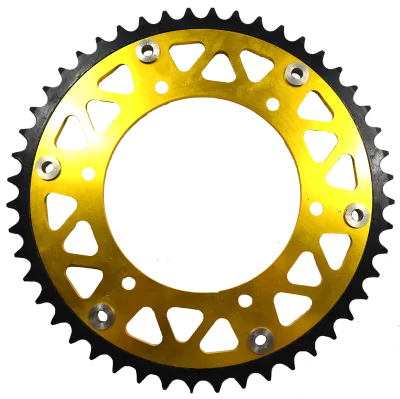
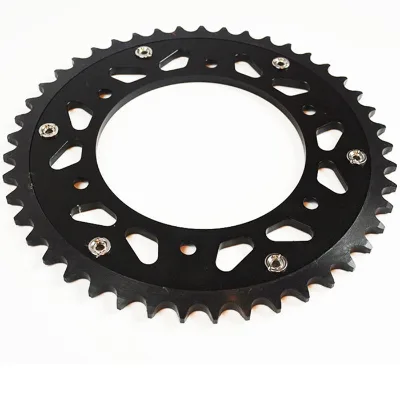
KXF KLX KX Motorcycle Wheel 520 Chain 44T-52T Dual Compound CNC Rear Sprocket
$27.46 - $28.48
MOQ: 1 pieces

Guangzhou Baiyun District Songzhou Jinshuanglong Motorcycle Parts Store
- Manufacturer, Trading Company, Distributor/Wholesaler
- Guangdong, China
- Lead time29 days
- Avg. response≤ 3h
Main productsmotorcycle engine,Complete motorcycle,Lamps,carburetor,other motorcycle spare parts
Main marketsMid East(35.00%), Africa(33.00%), Domestic Market(10.00%), Southeast Asia(4.00%), South America(3.00%), South Asia(2.00%), Western Europe(2.00%), North America(2.00%), Eastern Europe(2.00%), Eastern Asia(2.00%), Oceania(2.00%), Northern Europe(1.00%), Central America(1.00%), Southern Europe(1.00%)
Chongqing Huanta Technology Co., Ltd.
- Trading Company
- Chongqing, China
- Lead time15 days
- Avg. response≤ 3h
Main productsCylinder Head assy,cylinder block,Crankshaft,Clutch,Motorcycle engine
Main marketsSouth America(35.00%), Southeast Asia(25.00%), Mid East(10.00%), Africa(7.00%)
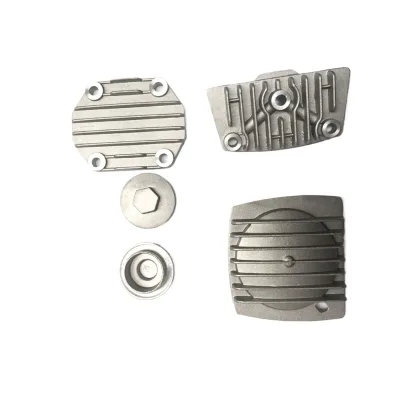
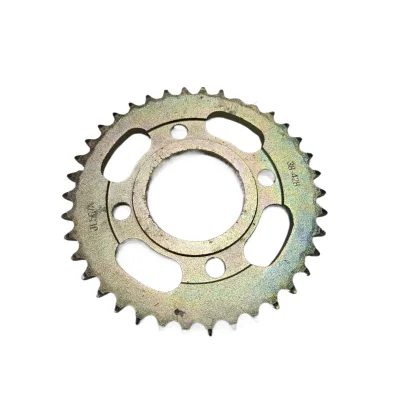
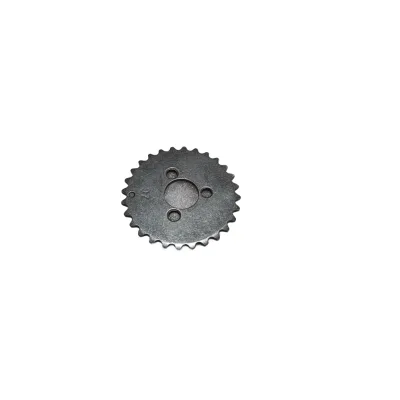
Motorcycle small fly sprocket XV250 S 16T stock auto parts
Contact supplier

Luoyang Yujie Industry&Trade Co., Ltd.
- Verified by BV
- Combined
- China Henan
- Lead time60 days
- Avg. response≤ 2h
Main productsCNC Milling Machine, CNC Boring Machine, CNC Machining Center, Gantry Milling Machine, Gantry Machining Center, Horizontal Boring Machine, Vertical Milling Machine, CNC Lathe, Non-Standard Machinery Parts, Bearing
Main marketsSouth America,Southeast Asia/ Mideast,Europe,North America

Foshan LSD Transmission Equipment Co., LTD
- Verified by BV
- Manufacturer/Factory
- China Guangdong
- Lead time15 days
- Avg. response≤ 15h
Main productsTiming Belt, Timing Pulley, Conveyor Belt, Flat Belt, PVC Conveyor Belt, Food Conveyor Belt, Conveyor Line, Conveyor Machine, Sprockets, Roller Chain
Main marketsSouth America,Eastern Europe,Mid East,North America,Southeast Asia,Eastern Asia,Oceania,Western Europe,Africa

Hangzhou Speed Control Transmission Import & Export Co., Ltd.
- Verified by SGS
- Trading Company
- China Zhejiang
- Lead time15 days
- Avg. response≤ 17h
Main productsCyclo Gearbox, Taper Bush, Tyre Coupling, Worm Reducer, Helical Geabrox, AC Gear Motor, Hydraulic System, Center Pivot Irrigation, Hb Standard Gearbox, Motor
Main marketsSoutheast Asia/ Mideast,Europe


Factory Price High Quality Carbon Steel Simplex Plate Wheels Roller Chain Sprocket
$0.50 - $100.00
MOQ: 5 Pieces


Yuchen power transmission limited
- Verified by SGS
- Combined
- China Zhejiang
- Lead time30 days
- Avg. response≤ 10h
Main productsBelt Pulley, Shaft Collars, Gear Rack, Sprocket, Transmission Chain, Conveyor Chain, Bevel Gear, Roller Chain, CNC Machining, Metal Parts
Main marketsEurope,North America



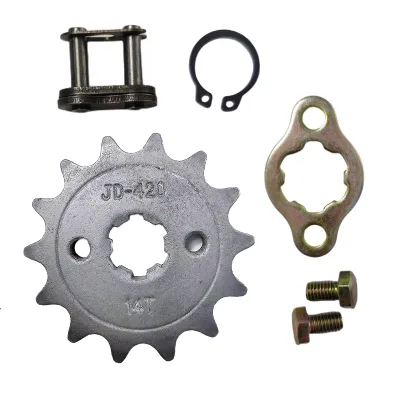
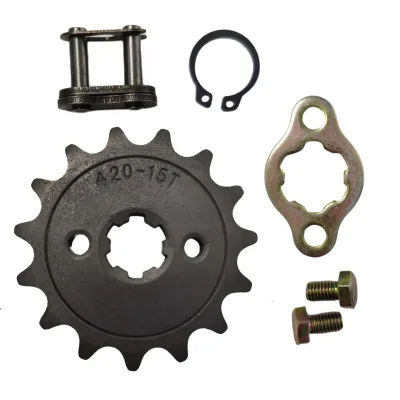


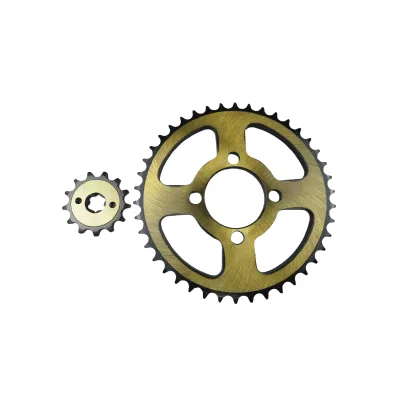
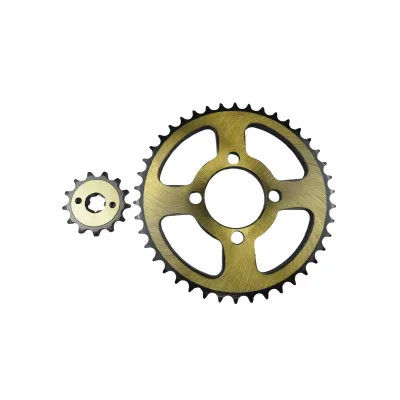


Comprehensive Sourcing Guide
Black Motorcycle Sprocket Supplier Concentration and Factory Types
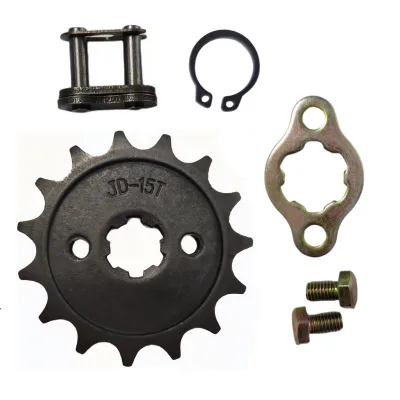
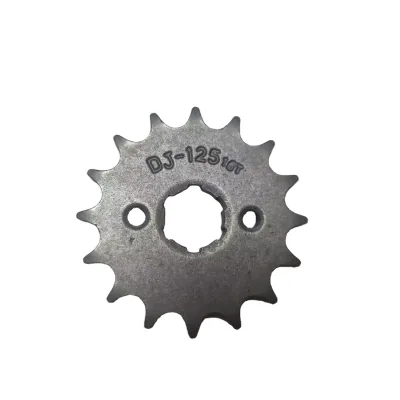
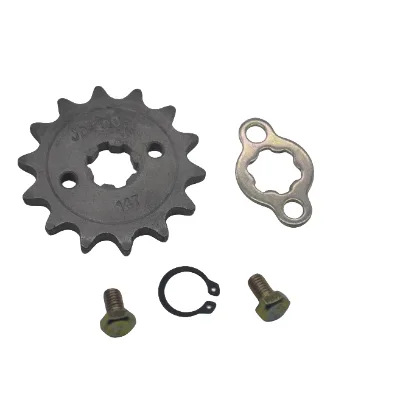
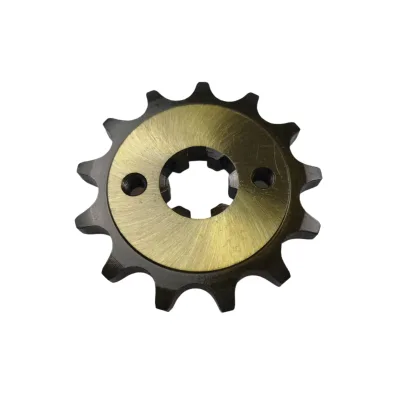
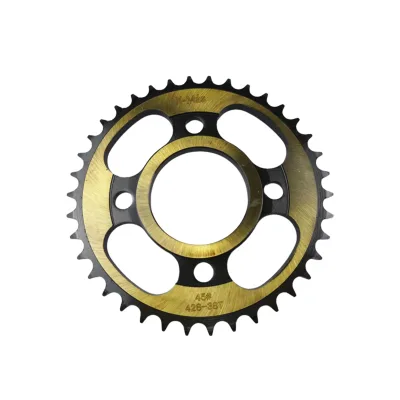
Suppliers selling black motorcycle sprockets are heavily concentrated in China, and the supplier results on this page point to Zhejiang Province as an active sourcing base, with at least one product line originating in Ningbo. Zhejiang has a long industrial footprint in two-wheeler components, and the suppliers listed there describe themselves as both trading companies and manufacturer/factory operations, which means buyers should not assume the entity quoting them is the entity cutting steel. Some listings cover sprockets alongside a broader transmission and drivetrain portfolio — chains, gears, sprocket kits and wheels — while others pair motorcycle parts with ATV and bicycle components, suggesting shared production lines across vehicle categories.
The factory types behind these listings matter for how you structure a deal. A combined manufacturer-trader profile, as seen among suppliers here, can offer one-stop sourcing across related part numbers, but may also outsource finishing or heat treatment. Buyers should ask directly which processes happen in-house: tooth cutting, broaching, blackening or zinc plating, and packaging. Note that several listings advertise customization as available, and one supplier group lists OEM capability while another lists both OEM and ODM — a signal that drawing-based production is realistic in this cluster. When screening, prioritize suppliers whose main product lists put sprockets and transmission parts first rather than treating them as a side catalog, since portfolio focus usually correlates with tooling availability and consistent tooth-profile accuracy across repeat orders.
How to Verify Black Motorcycle Sprocket Suppliers
Verification starts with documents, not claims. Among the suppliers on this page, ISO 9001 appears as a system certification — one listed as ISO 9001 and another as ISO 9001:2015 — and product-level listings carry additional marks such as CE, CCC, EEC, DOT and RoHS on specific sprocket items. Treat these as starting evidence only: ask for the certificate's scope, validity dates, and the certification body's number, then confirm the scope actually covers motorcycle transmission parts rather than an unrelated product family. One supplier result also shows third-party verification by BV, which is worth noting as a platform-level screening layer, but it does not replace your own factory audit or a remote video walkthrough of the sprocket line.
Material and process claims deserve equal scrutiny. Listings here cite steel and alloy steel construction, blacken or zinc-plated surface treatments, polishing, and A-class product standards, with packing described as bubble bag, neutral, or carton. Ask each candidate to map those claims to a specific item number — the results include concrete models such as sprockets for CG125, AX-100 and Wuyang-150 — and request material certificates, hardness data, and salt-spray or coating adhesion test reports for the black finish specifically. Confirm the country of origin stated on listings matches the invoicing entity, since several products are listed with Ningbo or Zhejiang origins. Finally, verify responsiveness in practice: response times shown here range from roughly six hours to nearly twenty hours, so send identical technical RFQs to several suppliers and compare both the speed and the precision of the answers.
What to Compare Across Black Motorcycle Sprocket Suppliers
Build a comparison sheet from the attributes actually displayed, then fill gaps through questioning. On this page, comparable dimensions include lead time (one supplier lists 15 days, another 30), response time (roughly 5.7 versus 19.9 hours), company type (trading company, manufacturer/factory, or combined), system certification, OEM/ODM capability, and third-party verification status. Do not assume every supplier displays every attribute — the listings here are uneven — so record "not disclosed" honestly and make disclosure itself part of the score. Location matters too: Zhejiang and Ningbo origins appear repeatedly, which affects freight routing and consolidation options with other components you may source nearby.
Product-level fields are just as useful as company-level ones. Compare minimum order quantities — one listing shows MOQ 100 pieces, another 500 — and price ranges such as USD 1.00–3.99 for a steel sprocket or around USD 0.30 for a model-specific gear-type part, always normalizing for material, tooth count (a 53T sprocket is listed here) and finish. Examine the fitment data: several listings specify universal fit or named models, and customization is marked available on many items. Evaluate packaging options (neutral versus branded packing, carton or bubble bag) and whether the supplier produces sprockets to international standard or to your drawing, as stated in some listings. Finally, compare main product breadth: suppliers listing only sprockets and gears differ fundamentally from those spanning whole motorcycles, and that difference drives both pricing leverage and risk of attention dilution on your order.
Common Black Motorcycle Sprocket Sourcing Risks
The most common risk is finish and coating failure. A black sprocket's appearance and corrosion resistance depend entirely on the blackening or plating process, and listings here mention both blacken and zinc-plated treatments, sometimes on the same product. Failure modes include patchy oxide coating, rust during ocean transit, and coating that flakes at the tooth roots where contact stress is highest. Mitigate by requiring a finish specification in writing — process type, coating thickness, and any salt-spray hours — and by pre-shipment inspection of a random sample from the actual production batch, not from retained golden samples.
Fitment and dimensional errors are the second major risk. Several listings advertise universal fit, which shifts the burden of tooth-count, pitch and bore verification onto you; others reference specific models like CG125 or AX-100, where a wrong indexing dimension makes the part unusable. Always provide or confirm an engineering drawing and approve a first article before mass production, especially since customization is offered across many listings but process control may vary between a manufacturer/factory and a trading company. Third risks include MOQ mismatches — a 500-piece minimum is very different from 100 when you are testing a new SKU — quoted prices that exclude the finish grade you actually need, and lead-time slippage: a listed 30-day production window can stretch when plating is outsourced. Finally, watch certification drift: CE or EEC marks cited on one listing may not extend to the configuration you order, so re-confirm marks per item number and per shipment, not per catalog.
Black Motorcycle Sprocket Regional Sourcing and Logistics
The regional evidence on this page consistently points to Zhejiang Province, including Ningbo as a stated product origin, which is strategically useful because Ningbo is also one of China's major container ports. Sourcing sprockets from a Zhejiang supplier shortens the inland leg to the port and makes consolidation practical if you are also buying chains, gears, mirrors, grips or other listed motorcycle accessories from suppliers in the same province. Ask each candidate whether the shipping address, the invoicing entity and the product origin all sit in the same region, because mixed arrangements can complicate export documentation and later quality claims.
Lead times shown here range from 15 to 30 days, and that spread should shape your logistics plan rather than a single supplier's promise. A 15-day quote leaves room for ocean freight plus buffer stock; a 30-day quote with the same transit time nearly doubles your inventory cycle, so confirm whether plating, packing and inspection are inside that window. Packaging details from the listings — carton packages, bubble bags, neutral or branded packing — affect both dimensional weight for air freight and retail-readiness for sea freight; specify inner-box counts and pallet configuration explicitly. Customs-wise, black motorcycle sprockets generally classify under motorcycle transmission or wheel-and-drive components, but confirm the HS code with your broker per destination market. Finally, weigh regional alternatives: if no supplier outside China appears in your results, treat single-region concentration as a risk to manage through dual suppliers within the cluster rather than pretending geographic diversity exists when the evidence does not support it.
Black Motorcycle Sprocket Commercial Terms and Order Planning
Commercial terms should be negotiated around the specific numbers visible in this category, not around generic assumptions. Prices on the page span roughly USD 0.30 to 3.99 depending on model, material and kit configuration, which tells you the category supports both commodity replacement parts and higher-spec items; anchor your target price to a comparable listed item's material and finish, then defend it with volume commitments. MOQs of 100 and 500 pieces appear in the results, so plan a two-stage order: a small pilot at the lower threshold to validate fit and finish, followed by a larger run once the first article and batch inspection pass. Confirm what the quoted price includes — blackening grade, certification marks, packing type and customization — because listings marked "customization available" may quote differently once your drawing is applied.
Order planning should sync with the displayed lead times. If a supplier commits to 15 days, build a reorder point around roughly 20–25 days total cycle including freight and clearance; if 30 days, hold more safety stock or negotiate a framework agreement with scheduled releases. Payment structure matters with mixed manufacturer-trader entities: stage payments against milestones such as first-article approval, batch inspection and bill-of-lading copy, and ask whether platform escrow or trade assurance is offered — one supplier here carries third-party verification, but payment protection must be confirmed directly. Finally, lock in quality terms contractually: A-class standard claims, material certificates, and the neutral-versus-branded packing choice should all appear in the purchase order, not just the chat history, so every repeat order inherits the same specification without renegotiation.
(Word count check: approximately 1,390 words, six sections, each within the 225–235-word allowance.)
FAQs
What is the typical lead time for motorcycle sprockets?
The typical lead time for motorcycle sprockets is 15 to 30 days depending on the specific supplier and order volume. Some manufacturers offer faster turnaround times of 15 days, while others may require up to 30 days for production and shipping. Buyers should confirm exact timelines before placing orders.
What certifications do these motorcycle sprocket suppliers hold?
Most suppliers hold ISO 9001 certification, with some also possessing ISO 9001:2015 certificates. Additional product certifications often include CE, EEC, RoHS, DOT, and CCC standards. These certifications ensure the sprockets meet international quality and safety requirements for motorcycle transmission parts.
What is the minimum order quantity for motorcycle sprockets?
Minimum order quantities vary by product, ranging from 100 units for standard sprockets to 500 units for specific models like the Wuyang-150. Buyers should check individual product listings as some items may have different MOQ requirements based on customization needs or material specifications.
Where are these motorcycle sprocket manufacturers located?
The primary manufacturing locations for these motorcycle sprockets are in Zhejiang, China, specifically in Ningbo. All listed suppliers operate from this region, which is a major hub for motorcycle parts and accessories production in the country.
What materials are used for black motorcycle sprockets?
Black motorcycle sprockets are commonly made from steel, alloy steel, or aluminum alloy. Surface treatments like blackening or zinc plating are applied to enhance durability and appearance. Buyers can find options in single-row configurations with various material compositions.
Do suppliers offer customization for motorcycle sprockets?
Yes, customization is available for most motorcycle sprocket products listed. Suppliers can accommodate specific drawing requirements or international standards. Buyers can request custom models, packing, or surface treatments to meet their specific motorcycle transmission needs.
What is the price range for motorcycle sprockets?
The price range for motorcycle sprockets typically falls between 0.30 and 3.99 USD per unit. Specific prices depend on the model, material, and order quantity. Some kits and chains may have different pricing structures compared to individual sprocket wheels.
How quickly do suppliers respond to inquiries?
Supplier response times vary, with some responding within 5.73 hours and others taking up to 19.89 hours. Buyers should expect responses within a day for most inquiries. Faster response times are often associated with verified suppliers or those with higher capacity.