Brass Zircon Couple Ring Suppliers and Manufacturers
Explore 26 verified Brass Zircon Couple Ring suppliers offering stainless steel and brass options with customizable sizes and plating. Compare response times, lead times, and certifications like BSCI and REACH before requesting samples; review the available evidence before requesting comparable quotations from suitable candidates.
Updated
Suppliers List
Dongguan Ason Jewelry Co., Ltd.
- Verified by SGS Group
- Manufacturer, Trading Company
- Lead time15 days
- Avg. response≤ 4h
Main productsEarrings, Necklaces, Bracelets, Ring, Jewelry Set
Main marketsNorth America(35%), Western Europe(20%), South America(10%)

GOODLINESS JEWELLERY CO., LIMITED
- Verified by SGS
- Manufacturer
- China Guangdong
- Lead time23 days
- Avg. response≤ 6h
Main products925 Silver Ring, Brass Jewelry, 925 Silver Earring, 925 Silver Necklace, 925 Silver Set, 925 Silver Bangle, Customer's Design, 925 Silver Bracelet, Silver Accessory, Brass Accessory
Main marketsSoutheast Asia/ Mideast,Europe,North America


Women Brass Ring Opening Zircon Exquisite Ring Elegant Color Preservation
$1.30 - $3.00
MOQ: 30 Pieces


Fashion Accessories 925 Sterling Silver or Brass Copper Wedding Jewelry Ring
$7.00 - $8.60
MOQ: 10 Pieces

- Verified by BV
- Trading Company,Manufacturer/Factory
- China Guangdong
- Lead time0 days
- Avg. response≤ 9h
Main productsSilver Jewelry, Brass Jewelry, Fashion Jewelry, Semi-Precious
Main marketsSouth America,Eastern Europe,Mid East,Southeast Asia,Eastern Asia,Oceania,Western Europe,Africa


Classic Luxury 925 Sterling Silver Ring Zircon Wedding For Women Jewelry Rings
$7.50 - $8.00
MOQ: 15 Pieces

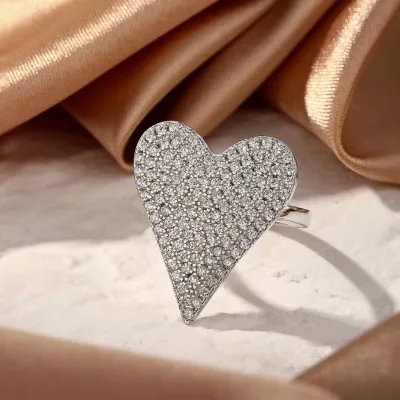
High design ladies jewelry sparkling zirconia ring for fashion accessories
$40.20 - $74.81
MOQ: 1 Pieces


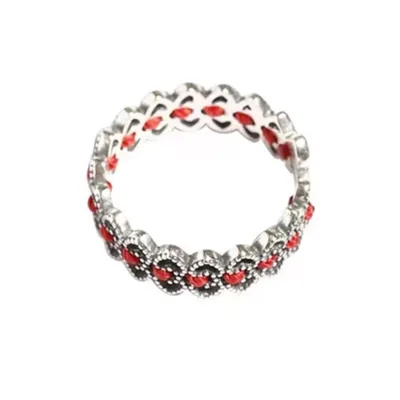
Elegant 925 Sterling Silver Women's Black Flower Colorful Zircon Romantic Ring
$10.06 - $11.02
MOQ: 15 Pieces

Jinjiang Jiaxing Supply Management Co., Ltd.
- Verified by TUVRHEINLAND
- Trading Company
- China Fujian
- Lead time30 days
- Avg. response≤ 2h
Main productsEVA Clogs, Flip Flop, Shoe Charms, Shopping Bags, Wristbands, Gifts, Promotional Gifts, Slipper, Sport Cap, Ball
Main marketsNorth America

Longyuan (Guangzhou) Industrial Development Co., Ltd.
- Verified by TUVRHEINLAND
- Manufacturer/Factory
- China Guangdong
- Lead time23 days
- Avg. response≤ 6h
Main productsJewelry, Fashion Watch, Hair Accessories, Men Jewelry, Women Jewelry, Pendants, Brooches, Bracelets, Crowns, Necklaces
Main marketsSouth America,Eastern Europe,Mid East,North America,Western Europe

Vintage Style Copper Silver Plated Zircon Rings Engagement Wedding Jewelry
$1.70 - $1.99
MOQ: 10 Pieces

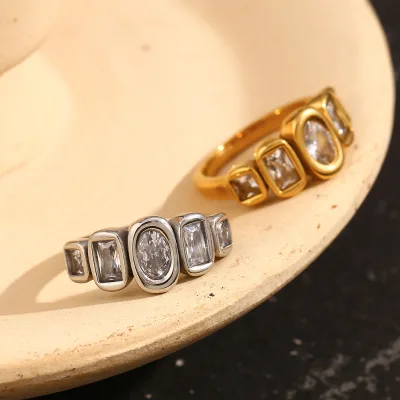
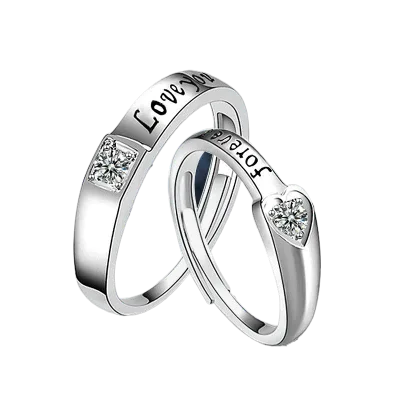
Adjustable Women′ S Niche Premium Zircon Couple Wedding Rings for Women
$2.50 - $2.85
MOQ: 30 Pieces


Guangdong Kalen Jewelry Company Limited
- Verified by SGS
- Combined
- China Guangdong
- Lead time30 days
- Avg. response≤ 5h
Main productsStainless Steel Jewelry, Fashion Accessories, Bracelets, Necklaces, Rings, Earrings, Pendants, Bangles, Jewelry Sets, Cufflinks
Main marketsSouth America,Europe,Australia,North America


Modern Fashion Couple Round Rings in Stainless Steel with Zircon Crystals
$0.98 - $1.35
MOQ: 30 Pieces

Yiwu Renrui E-commerce Business
- Trading Company
- China Zhejiang
- Lead time0 days
- Avg. response≤ 4h
Main productsSouvenir Gift, Craft, Scented Candle, Artificial Flower, Christmas Ornaments, Daily Use, Home Decoration, Solid Wood Carvings, Accessories, Photo Frame

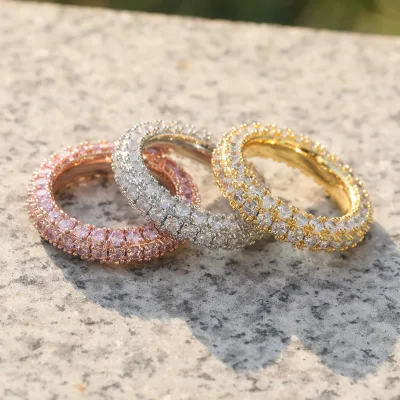
Vintage Style Stackable Ring Set - Three Band Couple Rings with Zircon Accent
$4.30 - $4.50
MOQ: 10 Pieces

Guangzhou Dongai Jewelry Co., Ltd.
- Verified by TüVRheinland
- Manufacturer, Trading Company
- Lead time0 days
- Avg. response≤ 1h
Main productsCopper Inlay Set, Fashion Necklace, Branded Earrings, Combination Ring, Natural Stone Bracelet
Main marketsNorth America(20%), South America(20%), Eastern Europe(20%)
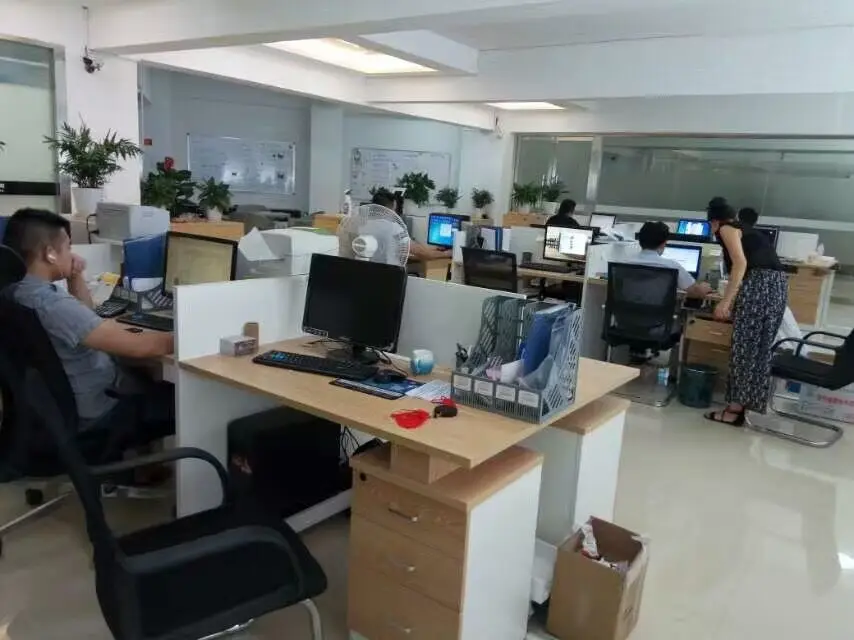
Yiwu Feiling Jewelry Co., Ltd.
- Trading Company
- Zhejiang, China
- Lead time15 days
- Avg. response≤ 3h
Main productsbracelet,necklace,earring,rings,sunglasses
Main marketsNorth America(30.00%), South America(15.00%), Central America(10.00%), Western Europe(8.00%), Eastern Europe(7.00%), Southern Europe(6.00%), Northern Europe(5.00%), Africa(5.00%), Southeast Asia(5.00%), Mid East(5.00%), South Asia(2.00%), Eastern Asia(2.00%)

- Verified by BV
- Combined
- China Guangdong
- Lead time23 days
- Avg. response≤ 4h
Main products925 Sterling Silver Jewelry, Brass Jewelry, Fashion Jewelry, Jewelry, Jewellery, Necklace, Ring, Bracelet, Bangle, Pendant
Main marketsEurope,North America

- Verified by SGS
- Trading Company
- China Zhejiang
- Lead time15 days
- Avg. response≤ 13h
Main productsChristmas Decoration, Christmas Tree, Christmas Gift, Party Decoration, Promotional Product, Festival Items, Gift, Valentine, Party Items, Halloween Decorations
Main marketsEurope,Australia

Hot-Selling 925 Sterling Silver Six-Claw Zircon Brand Wedding Ring Female Ring
$3.20 - $3.60
MOQ: 200 Pieces


Hot-Selling 925 Sterling Silver Six-Claw Zircon Female Brand Wedding Ring
$3.88 - $4.37
MOQ: 200 Pieces

Wholesale New Simple Line Titanium Steel Ring with Diamond Zircon Couple Ring
$0.97 - $1.09
MOQ: 900 Pieces

Hot Selling Round Zircon Ring Niche Simple Finger Fashionable Versatile Ring
$1.05 - $1.18
MOQ: 900 Pieces
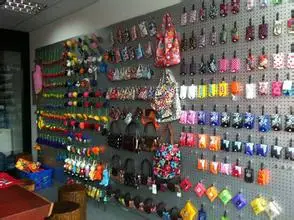
- Trading Company
- Zhejiang, China
- Lead time0 days
- Avg. response≤ 5h
Main productsCustom Logo branded products for ASI SAGE PPAI DC etc,Custom Jewelry & Parts,Stock Jewelry/Bag 1 pcs dropshippingas required,Magazine Gifts and Toys,Personalized gift and capsule toys
Main marketsNorthern Europe(20.00%), Central America(20.00%), Western Europe(20.00%), South America(20.00%), North America(20.00%)
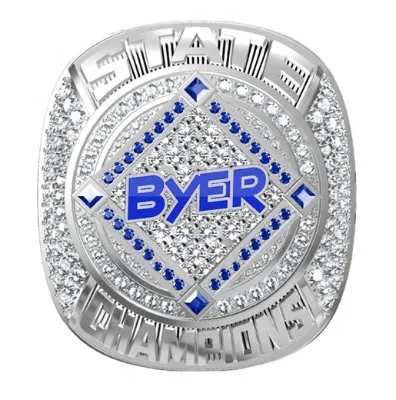
Byer Jewelry Manufacturer Ltd.
- Verified by Intertek
- Manufacturer, Trading Company
- Lead time30 days
- Avg. response≤ 12h
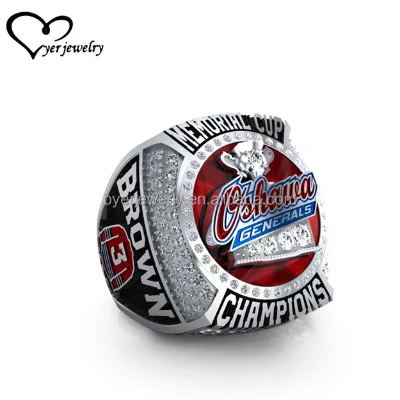
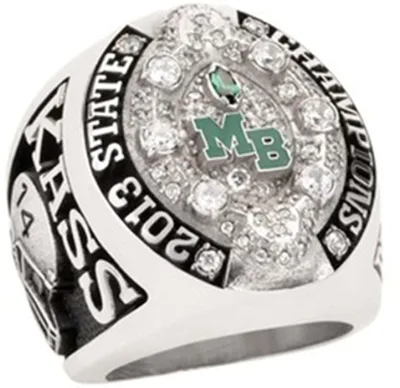
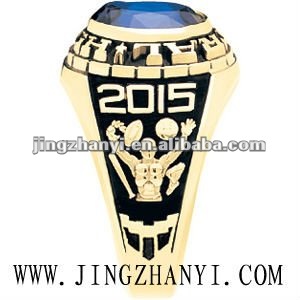
Main productsChampionship Ring, Class Rings, Sigent Rings, Championship Bracelets, Championship Pendants
Main marketsNorth America(85%), South America(10%), Eastern Europe(3%)
Dongguan Huawang Ornament Manufactory
- Manufacturer, Trading Company
- Guangdong, China
- Lead time7 days
- Avg. response≤ 7h
Main productsPet clothes,DIY slide charms,pet collars & leashes,necklaces,fashion jewelry
Main marketsWestern Europe(20.00%), Eastern Europe(20.00%), South America(20.00%), North America(20.00%), Northern Europe(10.00%), Domestic Market(2.00%), South Asia(2.00%), Mid East(2.00%), Central America(2.00%), Africa(2.00%)

Guangzhou Baobaili Jewelry Co., Ltd.
- Verified by SGS
- Combined
- China Guangdong
- Lead time15 days
- Avg. response≤ 9h
Main marketsDomestic,North America

Guangzhou Huifu Jewelry Co., Ltd.
- Verified by BV
- Manufacturer/Factory
- China Guangdong
- Lead time90 days
- Avg. response≤ 4h
Main productsJewelry, Stainless Steel Jewelry, Stainless Steel Ring, Stainless Steel Pendant, Stainless Steel Earring, Fashion Jewelry, Ring, Necklace, Pendant, Bracelet
Main marketsEastern Europe,Mid East,North America,Western Europe,Africa
Lianyungang Jialin Jewelry Co., Ltd.
- Trading Company
- Jiangsu, China
- Lead time25 days
- Avg. response≤ 4h
Main productsFashion Jewelry Necklaces,Fashion Jewelry Earrings,Fashion Jewelry Rings,Fashion Jewelry Bracelets & Bangles,Crystal Crafts
Main marketsNorth America(50.00%), Oceania(22.00%), Southeast Asia(7.00%), Domestic Market(4.00%), South America(3.00%), Eastern Europe(3.00%), Mid East(2.00%), Central America(2.00%), South Asia(2.00%), Western Europe(2.00%), Northern Europe(1.00%), Southern Europe(1.00%), Eastern Asia(1.00%)
Guangzhou Yabead Jewelry Co., Ltd.
- Manufacturer, Distributor/Wholesaler
- Guangdong, China
- Lead time7 days
- Avg. response≤ 3h
Main productsjewelry,accessories,Wedding,Jewelry Making,Beading
Main marketsDomestic Market(7.14%), South Asia(7.14%), Southern Europe(7.14%), Northern Europe(7.14%), Central America(7.14%), Western Europe(7.14%), Eastern Asia(7.14%), Mid East(7.14%), Oceania(7.14%), Africa(7.14%), Southeast Asia(7.14%), Eastern Europe(7.14%), South America(7.14%), North America(7.14%)
Jiujiang Hongxin Jewelry Co., Ltd.
- Verified by TüVRheinland
- Manufacturer, Trading Company
- Lead time30 days
- Avg. response≤ 3h
Main productsJewelry Set, Necklace, Earring, Bracelet, Ring
Main marketsMid East(50%), Southeast Asia(10%), Eastern Asia(10%)
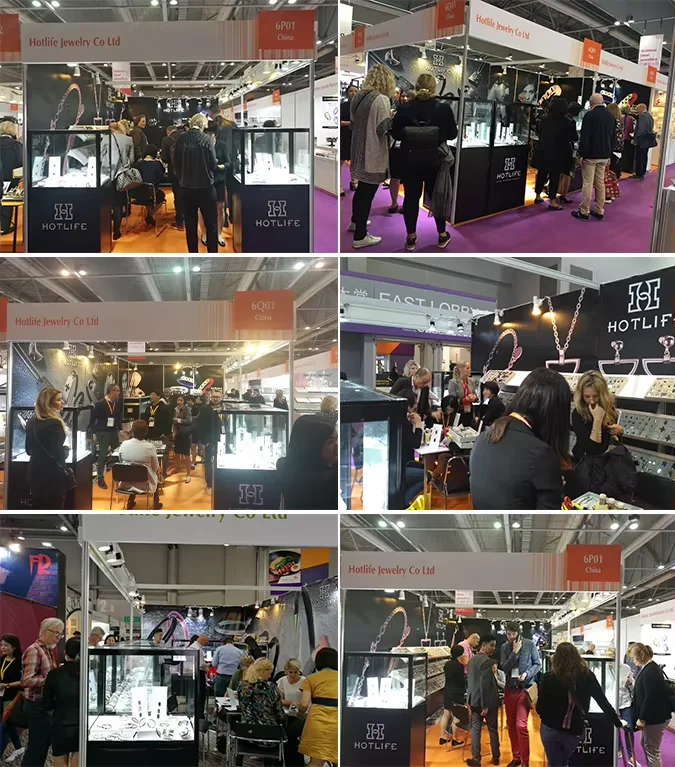
Guangzhou Tianyi Jewelry Co., Ltd.
- Manufacturer, Trading Company, Distributor/Wholesaler
- Guangdong, China
- Lead time15 days
- Avg. response≤ 4h
Main productsBracelet,Necklace,Earring,Ring,Pendant
Main marketsWestern Europe(40.00%), Northern Europe(20.00%), Central America(10.00%), North America(10.00%), South America(10.00%), Southern Europe(5.00%), Eastern Europe(5.00%)
Guangzhou Aijier Jewelry Company Limited
- Verified by SGS Group
- Manufacturer, Trading Company
- Lead time30 days
- Avg. response≤ 2h
Main productsK Gold/925 Silver/Brass Jewelry
Main marketsNorth America(30%), South America(20%), Western Europe(20%)

Shenzhen Jinshengrun Technology Co., Ltd.
- Manufacturer/Factory
- China Guangdong
- Lead time0 days
- Avg. response≤ 3h
Main productsStainless Steel Bracelets and Necklaces, Tungsten Steel Ring, Tungsten Ring, Smartwatch(Activity Tracker), Smart Ring, Titanium Steel Necklace, Necklace Pendant, Smart Glasses


Black Rose Gold Tungsten Plated Ring for Men and Women's Engagement and Wedding Rings
$4.50 - $4.80
MOQ: 50 Pieces

- Combined
- China Guangdong
- Lead time15 days
- Avg. response≤ 3h
Main productsOpal
Main marketsDomestic,Europe,North America
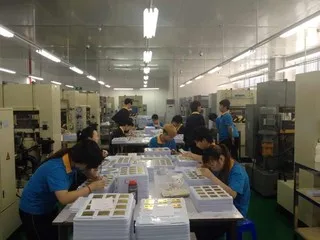
Shenzhen Jingzhanyi Jewelry Company Limited
- Manufacturer, Trading Company, Distributor/Wholesaler
- Guangdong, China
- Lead time15 days
- Avg. response≤ 1h
Main productsJewelry mold design and manufacture,24k/22k/18k/14k gold set diamond jewelry design and manufacture,925 sterling silver jewelry design and manufacture,Filling glue/enamel/baking paint/drop glue jewelry manufacturing,Precious metal and hardware material CNC products carving
Main marketsEastern Europe(12.00%), Eastern Asia(10.00%), Domestic Market(10.00%), Central America(10.00%), Southeast Asia(10.00%), North America(10.00%), South America(10.00%), Northern Europe(6.00%), Western Europe(6.00%), Mid East(5.00%), Oceania(5.00%), Southern Europe(4.00%), South Asia(2.00%)

- Verified by BV
- Combined
- China Guangdong
- Lead time45 days
- Avg. response≤ 2h
Main productsStainless Steel Ring, Titanium Ring, Jewelry
Main marketsEurope,North America
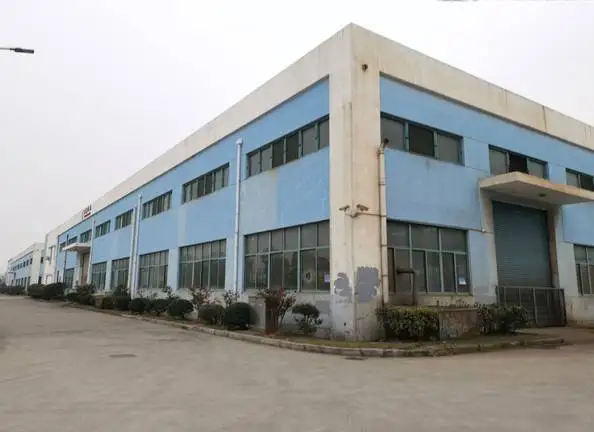
Huizhou Mairuidi Trade Co., Ltd.
- Trading Company
- Guangdong, China
- Lead time0 days
- Avg. response≤ 11h
Main productsdiy jewelry,earring,necklace,sunglasses
Main marketsNorth America(70.00%), Domestic Market(5.00%), Southern Europe(5.00%), Northern Europe(5.00%), Western Europe(5.00%), Eastern Europe(5.00%), South America(5.00%)






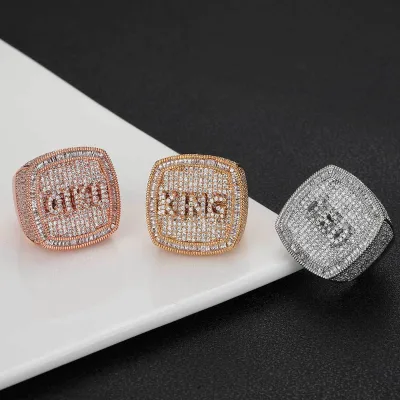
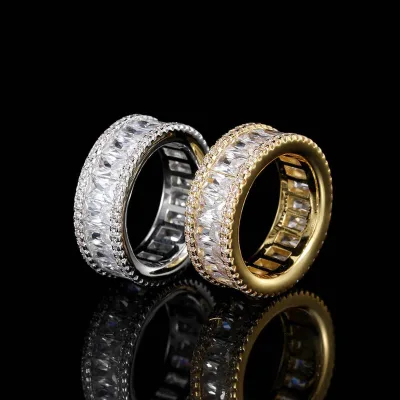


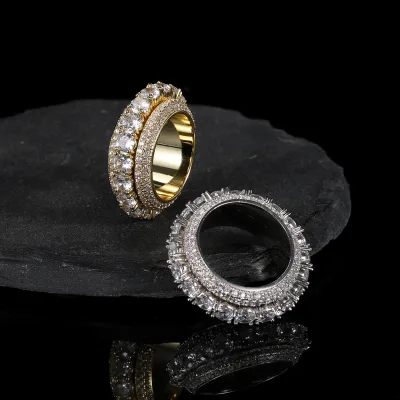
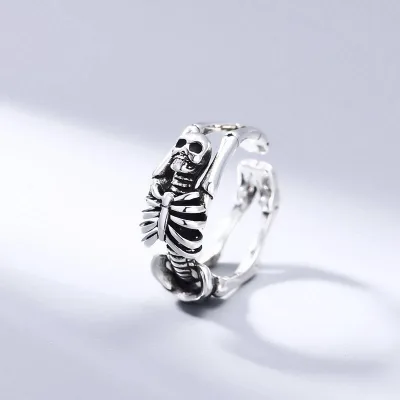
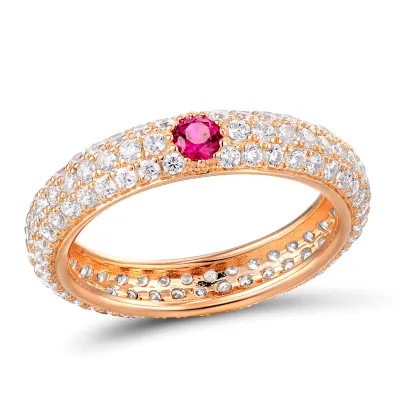


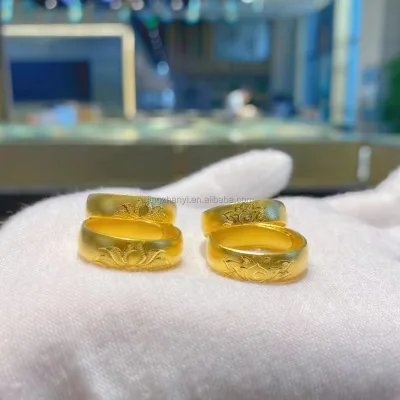


Comprehensive Sourcing Guide
Brass Zircon Couple Ring Supplier Concentration and Factory Types
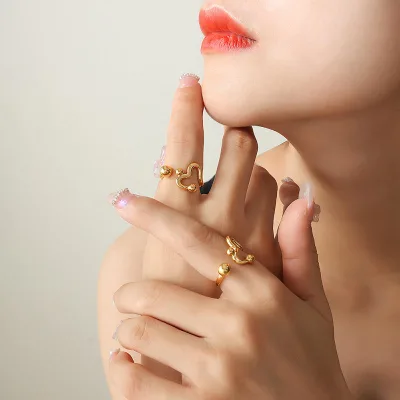
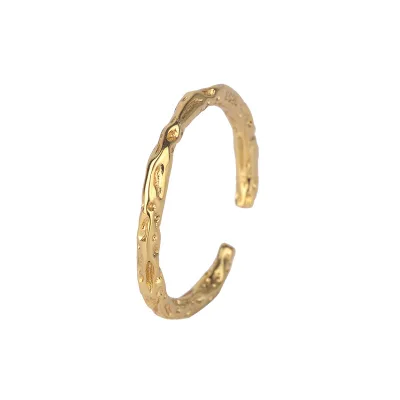
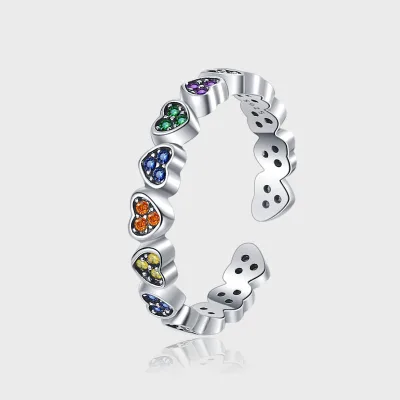
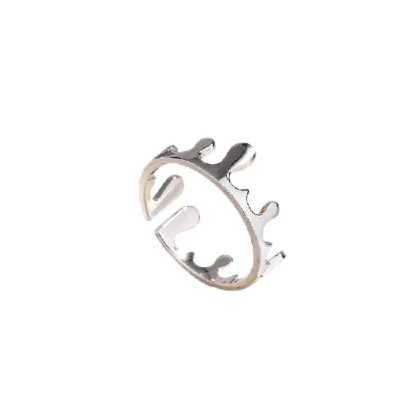
The sourcing landscape for brass zircon couple rings features a mix of manufacturing entities and trading companies, each offering distinct advantages for buyers seeking specific production capabilities. Manufacturers typically provide direct access to production lines, enabling greater control over customization processes such as ODM and OEM services. These suppliers often specialize in specific materials, including 925 silver, brass, and stainless steel, allowing for precise material selection based on budget and aesthetic requirements. Trading companies, on the other hand, may aggregate products from multiple factories, offering a broader catalog of styles, from simple geometric designs to intricate couple sets. This diversity allows buyers to compare various product attributes, such as plating options like rhodium, rose gold, or yellow gold, and setting techniques like wax setting or electroplating. Understanding the company type is crucial for determining the level of direct interaction with the production process and the flexibility available for custom orders.
When evaluating supplier types, it is essential to look at the specific capabilities listed in their profiles, such as light customization, sample processing, and graphic processing. Some suppliers may focus on high-volume production of standard items, while others excel in small-batch, customized designs. The presence of certifications like BSCI, REACH, or CPC can indicate a supplier’s commitment to ethical manufacturing and safety standards, which is particularly important for jewelry items that come into direct contact with skin. Buyers should verify if the supplier is verified by third-party inspection groups like SGS, as this adds a layer of trust regarding the supplier’s operational legitimacy. The combination of manufacturer and trading company options provides a flexible sourcing environment, but buyers must carefully assess which model aligns with their specific needs for quality control, lead time, and customization depth.
How to Verify Brass Zircon Couple Ring Suppliers
Verification is a critical step in ensuring that the suppliers you engage with are legitimate and capable of delivering high-quality brass zircon couple rings. One of the primary indicators of a reliable supplier is third-party verification, such as being verified by SGS Group. This verification process typically involves a thorough assessment of the supplier’s business license, factory conditions, and production capabilities. Buyers should look for suppliers who display these verification badges prominently, as they serve as a baseline for trust. Additionally, checking for system certifications like BSCI, REACH, and CPC can provide further assurance that the supplier adheres to international standards for social responsibility and chemical safety. These certifications are particularly relevant for jewelry products, where material safety and ethical labor practices are of increasing concern to global consumers.
Beyond verification badges, buyers should assess the supplier’s response time and communication efficiency. A quick and professional response to initial inquiries can indicate a well-organized sales team and a higher likelihood of smooth order processing. Suppliers with response times under five days are generally considered responsive, but faster response times can be a significant advantage when negotiating terms or resolving issues. It is also important to verify the supplier’s location, as this can impact logistics and communication time zones. For instance, suppliers located in China Guangdong may have established supply chains for brass and zircon materials, but buyers should confirm this through direct communication. By combining verification badges, certifications, and responsiveness metrics, buyers can build a more comprehensive profile of each potential supplier, reducing the risk of engaging with unreliable partners.
What to Compare Across Brass Zircon Couple Ring Suppliers
When comparing suppliers, buyers should focus on key operational metrics such as lead time, minimum order quantity (MOQ), and pricing structure. Lead times can vary significantly, with some suppliers offering production times of around 15 days, while others may require up to 23 days or more. Understanding these timelines is crucial for inventory planning and meeting customer demand, especially for seasonal collections or urgent orders. MOQs are another critical factor, with some suppliers requiring as few as 10 pieces, while others may set minimums at 30 or more. Lower MOQs are beneficial for testing new designs or starting small, but they may come with higher per-unit costs. Buyers should also compare the price ranges for similar products, noting that prices can vary based on material quality, plating thickness, and zircon size.
In addition to operational metrics, buyers should evaluate the range of main products and customization options offered by each supplier. Some suppliers may specialize in 925 silver rings, while others focus on brass or stainless steel options. The availability of customization services, such as ODM and OEM, can be a significant differentiator for buyers looking for unique designs. It is also important to compare the specific product attributes, such as ring sizes, colors, and plating options, to ensure they meet your target market’s preferences. Suppliers that offer a wide variety of styles, from simple geometric shapes to intricate couple sets, provide greater flexibility in product selection. By systematically comparing these factors, buyers can identify suppliers that best align with their business model, whether it prioritizes low MOQs, fast lead times, or extensive customization capabilities.
Common Brass Zircon Couple Ring Sourcing Risks
One of the primary risks in sourcing brass zircon couple rings is the potential discrepancy between the sample quality and the bulk production output. Suppliers may provide high-quality samples that do not reflect the consistency of mass production, leading to customer dissatisfaction and returns. This risk is particularly relevant when dealing with custom designs or specific plating requirements, where minor variations in color or finish can be noticeable. Buyers should mitigate this risk by requesting pre-shipment inspections or third-party quality control services to ensure that the bulk order meets the agreed-upon standards. Additionally, verifying the supplier’s production capacity and history can provide insights into their ability to maintain consistent quality across large orders.
Another significant risk is the delay in delivery, which can disrupt supply chains and miss critical market windows. Lead times can be affected by various factors, including material availability, production bottlenecks, and logistical challenges. Buyers should establish clear communication channels with suppliers to monitor production progress and address any potential delays early. It is also important to have contingency plans in place, such as identifying alternative suppliers or adjusting inventory levels, to minimize the impact of unexpected delays. Furthermore, buyers should be cautious of suppliers who do not provide transparent information about their production processes or certifications, as this can indicate a lack of professionalism or reliability. By proactively addressing these risks, buyers can protect their business interests and ensure a smoother sourcing experience.
Brass Zircon Couple Ring Regional Sourcing and Logistics
Sourcing brass zircon couple rings from specific regions can offer logistical advantages, particularly when dealing with suppliers located in established manufacturing hubs. For instance, suppliers in China Guangdong are often part of a well-developed jewelry supply chain, with easy access to raw materials like brass and zircon. This regional concentration can lead to more efficient production processes and competitive pricing. However, buyers should verify the exact location of the supplier, as this can impact shipping costs and delivery times. Understanding the regional logistics network can help buyers optimize their supply chain, reducing transit times and associated costs. Additionally, suppliers in these regions may have experience with international shipping standards, ensuring that products are packaged and shipped securely.
Logistics planning should also consider the specific requirements of the product, such as the need for secure packaging to prevent damage to delicate zircon settings. Suppliers may offer various packaging options, from simple OPP bags to more robust carton packaging, depending on the order size and destination. Buyers should discuss packaging requirements with suppliers to ensure that the products arrive in pristine condition. Furthermore, understanding the import regulations and duties associated with sourcing from specific regions can help buyers calculate the total landed cost accurately. By leveraging regional sourcing advantages and planning logistics carefully, buyers can enhance the efficiency and reliability of their supply chain, ensuring that brass zircon couple rings reach the market in a timely and cost-effective manner.
Brass Zircon Couple Ring Commercial Terms and Order Planning
Commercial terms play a crucial role in the overall cost and risk management of sourcing brass zircon couple rings. Buyers should carefully review payment terms, such as the use of escrow services, to ensure secure transactions. Escrow services can provide an additional layer of protection by holding funds until the buyer confirms receipt and quality of the goods. It is also important to negotiate clear terms regarding refunds, returns, and dispute resolution in case of quality issues or delivery failures. Understanding these commercial terms can help buyers avoid unexpected costs and legal complications, ensuring a smoother business relationship with suppliers. Additionally, buyers should consider the total cost of ownership, including shipping, duties, and insurance, when evaluating supplier quotes.
Order planning should be aligned with the supplier’s lead times and MOQs to optimize inventory levels and cash flow. Buyers should develop a forecasting model that accounts for seasonal demand fluctuations and potential supply chain disruptions. By maintaining open communication with suppliers and regularly reviewing order performance, buyers can adjust their plans as needed to meet market demands. It is also beneficial to establish long-term relationships with reliable suppliers, as this can lead to better pricing, priority production, and improved service levels. By focusing on robust commercial terms and strategic order planning, buyers can build a resilient and efficient sourcing operation for brass zircon couple rings, supporting their business growth and customer satisfaction.
FAQs
What is the price range for brass zircon couple rings?
Brass zircon couple rings typically range from $1.30 to $8.90 per unit. Prices vary based on plating options, zircon quality, and customization requirements. Buyers should expect minimum order quantities between 10 and 30 pieces. Final costs depend on specific design complexity and material purity standards selected during the ordering process.
What certifications are available for these jewelry suppliers?
Suppliers offer various certifications including BSCI, REACH, CPC, and SGS verification. Some products carry specific SGS certificates for quality assurance. Buyers should verify individual supplier credentials as not all manufacturers hold every listed certification. Compliance with international standards ensures product safety and ethical manufacturing practices for global distribution channels.
What are the typical lead times for production?
Production lead times generally range from 15 to 23 days. Some suppliers offer faster delivery windows of 5 to 10 days for specific items. Extended timelines of 20 to 30 days may apply for complex custom orders. Buyers should confirm exact schedules with suppliers before placing bulk orders to ensure timely delivery.
Can suppliers handle custom designs and OEM orders?
Yes, many manufacturers support OEM and ODM services with light customization options. Buyers can request specific plating colors, ring sizes, and stamping requirements. Customization is available for shapes, materials, and packaging. Suppliers offer graphic processing and sample handling to meet unique design specifications and brand identity requirements.
Where are these brass ring suppliers located?
Suppliers are primarily located in Guangdong, China. This region is a major hub for jewelry manufacturing and export. Buyers can source directly from these facilities to benefit from established supply chains and manufacturing expertise. Location proximity to ports facilitates efficient logistics and shipping for international orders.
What is the minimum order quantity for these rings?
Minimum order quantities typically range from 10 to 30 pieces. Some suppliers require 20 pieces for specific styles. Lower MOQs may be available for sample processing or simple designs. Buyers should check individual product listings for exact requirements as MOQs vary by supplier and customization complexity.