Source Micro Insert Body Jewelry for Nose, Surface, and Ear
Compare 30 Micro Insert Body Jewelry options featuring titanium materials, various colors, and customizable designs. Buyers can evaluate specifications like rod diameter, threading, and plating from suppliers in China ready for shipment; compare the available evidence and request quotations based on your requirements.
Updated
Key considerations
Products List
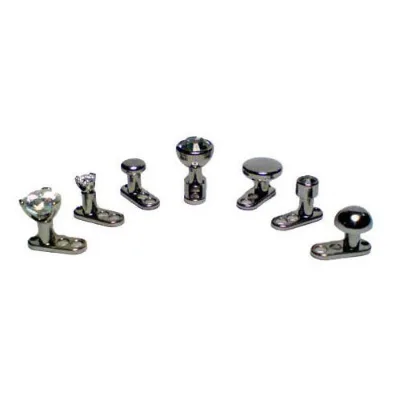



Body Piercing Jewelry Thorny Heart Lip Stud Labret Women Daily Wear Jewelry
$1.49 - $2.38
MOQ: 50 Pieces


Cute Water Drop Hoop Stainless Steel Nose Ring Body Piercing Jewelry Nose Ring
$0.96 - $1.54
MOQ: 50 Pieces
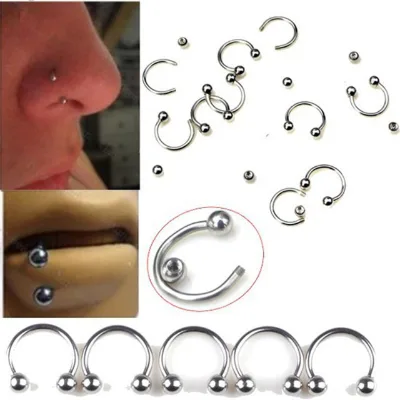
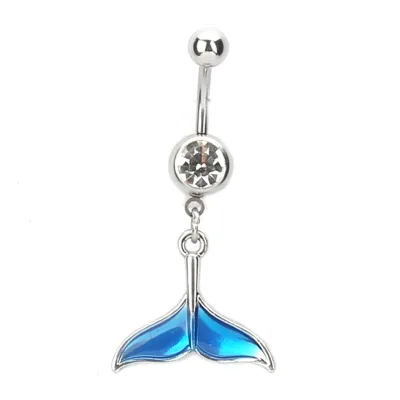
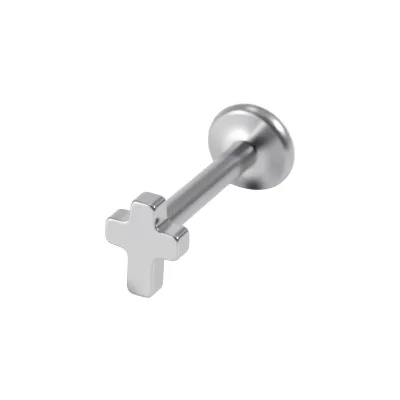
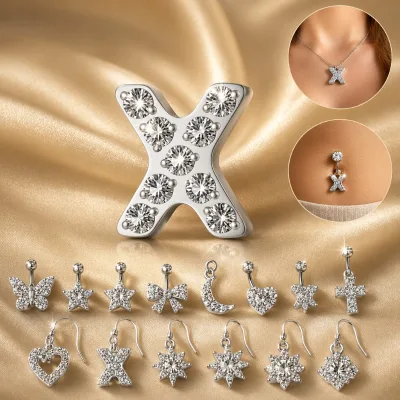
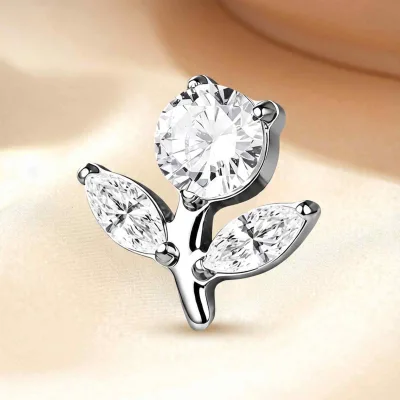
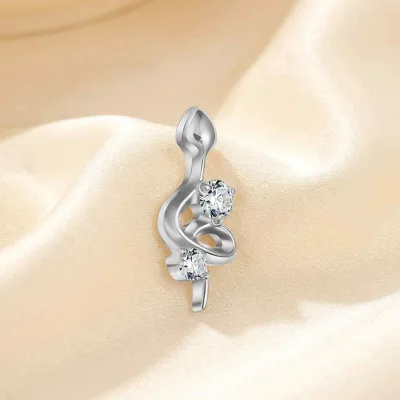
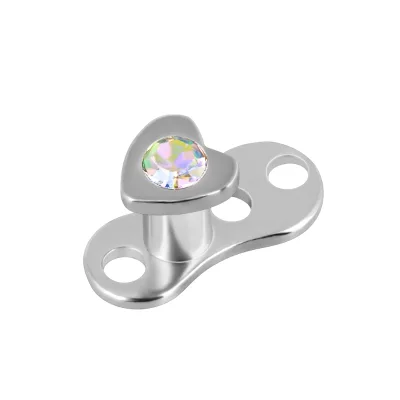


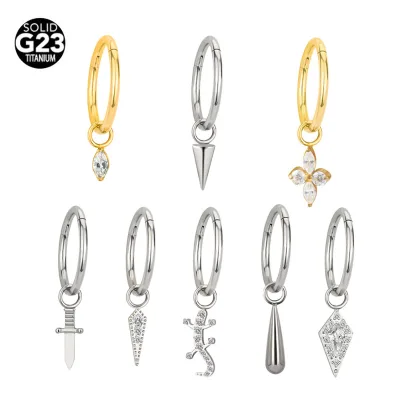
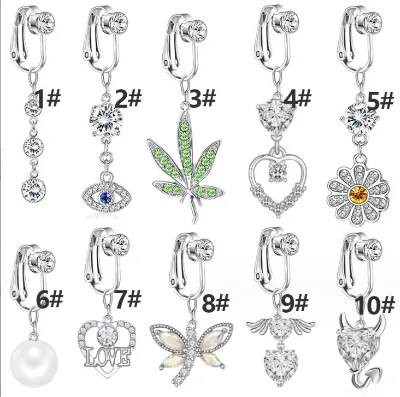
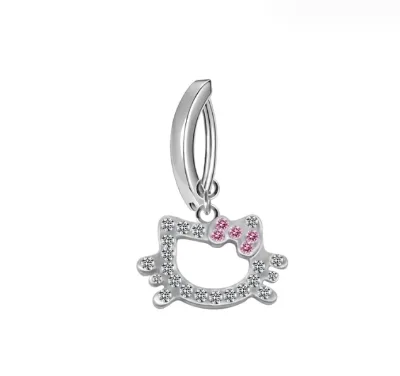
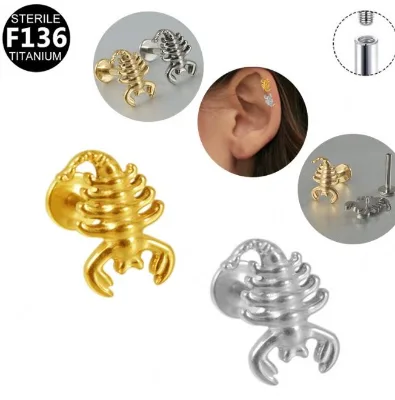


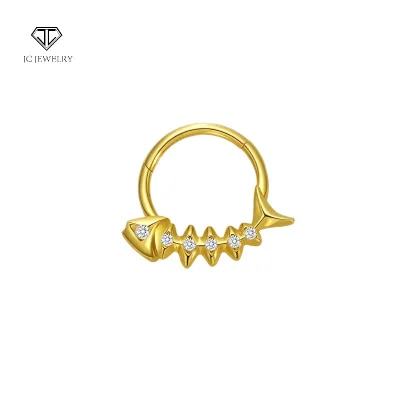
Comprehensive Sourcing Guide
Micro Insert Body Jewelry Sourcing Guide
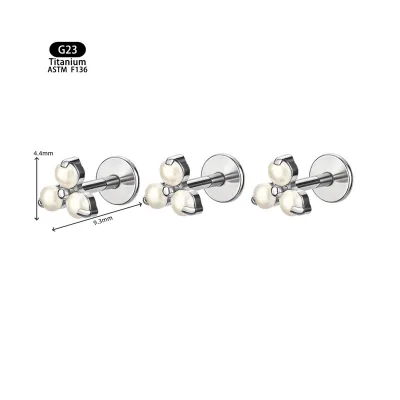
Procuring Micro Insert Body Jewelry requires a disciplined approach to material integrity and dimensional precision, as these items sit directly against sensitive tissue. Buyers must prioritize suppliers who demonstrate consistent adherence to biocompatibility standards, particularly when sourcing for unisex or female-specific markets. The observed product landscape indicates a strong preference for titanium materials, specifically those conforming to ASTM F136 standards, which are critical for minimizing allergic reactions and ensuring long-term wearability.
Sourcing decisions should also account for the diverse aesthetic and functional requirements visible in current listings. Products range from simple, elegant designs to vintage styles with pearl accents, indicating that buyers need flexible suppliers capable of handling customizations in color, packaging, and design. Understanding the specific piercing type, such as surface or nose piercings, is essential for matching the correct rod diameter and shape, whether it be a barbell or a plug, to ensure both comfort and security for the end-user.
Product Scope and Observed Listing Signals
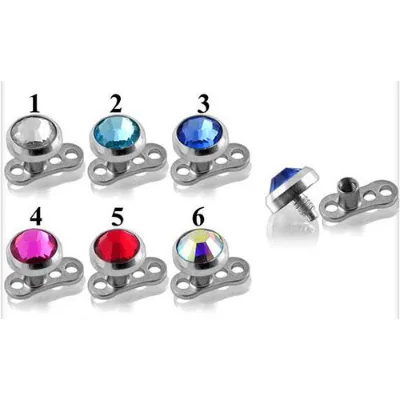
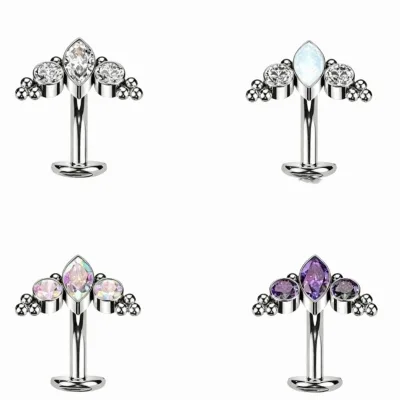
The current market for Micro Insert Body Jewelry exhibits a wide variety of design options, with observed listings featuring colors such as clear, red, green, khaki, gray, purple, multi, blue, and pink. These aesthetic variations suggest that buyers should expect significant customization capabilities from their suppliers, including options for package, color, and design modifications. The presence of both simple and elegant styles indicates that the product scope extends beyond basic utility to include fashion-forward pieces that cater to diverse consumer preferences in the body jewelry sector.
Technical observations reveal that rod diameters typically range from 1.2mm to 1.6mm, corresponding to standards like 14G. This variation necessitates careful verification of specifications to ensure compatibility with existing piercings or intended use cases. Additionally, the jewelry types observed include body jewelry, ear piercing jewelry, and specific forms like barbells and plugs, highlighting the need for buyers to clearly define their requirements regarding shape, thread type, and plating, such as 18K gold plating, to avoid mismatches in procurement orders.
Technical Specifications to Verify
Verifying the rod diameter is a critical step in the procurement process, as observed specifications include both 1.6mm and 1.2mm options. Buyers must confirm that the selected diameter aligns with the intended piercing type, whether it is for surface piercings, nose piercings, or ear piercings. The standard 14G/1.6mm specification is commonly noted, but deviations exist, so precise measurement verification is essential to ensure that the jewelry fits securely without causing tissue damage or rejection by the body.
Material composition and processing methods also require strict verification to ensure quality and safety. The primary material observed is titanium, with specific references to F136 Titanium, which is known for its high biocompatibility. Buyers should confirm that the processing involves polishing, either by hand or by machine, to achieve a smooth finish that reduces irritation. Additionally, checking for features like eco-friendly production and anti-fatigue properties can provide insight into the durability and ethical standards of the manufacturing process, ensuring the final product meets both functional and ethical expectations.
Compliance and Safety Documentation
Compliance with international material standards is non-negotiable for body jewelry, particularly when sourcing titanium products. Buyers must request documentation confirming that the material meets ASTM F136 standards, which specify the chemical and mechanical properties required for implant-grade titanium. This standard ensures that the jewelry is safe for long-term contact with the body, minimizing the risk of adverse reactions. Verification of this standard should be a primary checkpoint in the supplier qualification process, as it directly impacts the safety and liability profile of the purchased goods.
In addition to material standards, buyers should inquire about additional certifications and testing protocols that may apply to their specific market. While some listings mention SGS standards, it is crucial to clarify whether this refers to product testing, quality management systems, or specific compliance with regional regulations like REACH. Understanding the scope of these certifications helps buyers assess the supplier’s commitment to quality control and regulatory adherence, ensuring that the products can be legally and safely sold in their target regions without facing compliance hurdles.
Cost Drivers and Commercial Terms
Cost structures for Micro Insert Body Jewelry are influenced by several factors, including material quality, customization complexity, and order volume. The observed minimum order quantities (MOQ) range from 20 to 1000 pieces, indicating that suppliers offer flexibility for both small-scale trials and larger bulk orders. Buyers should analyze how these MOQs impact unit pricing and consider whether the cost of customization, such as specific colors or packaging, justifies the minimum order size for their business model.
Commercial terms also play a significant role in the total cost of ownership. Payment methods like T/T or Western Union are commonly accepted, but buyers should negotiate clear terms regarding delivery schedules and shipping methods, which can include air or sea freight. Understanding the lead times associated with different production runs, especially for customized designs, is essential for inventory planning. Additionally, the packaging method, whether standard export packages or custom OPP inner bags and outer cartons, can affect shipping costs and product protection during transit.
Supplier Qualification and Quality Control
Evaluating supplier capabilities requires a focus on their production processes and quality assurance mechanisms. Buyers should verify that suppliers have established procedures for polishing and finishing, as these steps directly impact the comfort and safety of the jewelry. Inquiring about the supplier’s ability to handle customizations, such as internal threading or specific plating techniques, is also important to ensure they can meet diverse product requirements. A supplier’s experience in producing body jewelry for unisex or female-specific markets can serve as an indicator of their versatility and market understanding.
Quality control measures should be rigorously assessed to ensure consistent product quality. Buyers should ask about inspection protocols, including how defects are identified and corrected before shipment. The presence of ready-to-ship stock for certain models, such as DA700 or DA701, may indicate a supplier’s capacity for rapid fulfillment, but it is essential to confirm that these items meet the same quality standards as made-to-order pieces. Establishing a clear communication channel for addressing quality issues and requesting samples before large orders can help mitigate risks and ensure supplier reliability.
Long-Term Procurement Checks
Establishing long-term relationships with suppliers requires ongoing monitoring of product consistency and supplier performance. Buyers should regularly review product samples to ensure that materials, finishes, and dimensions remain consistent over time. Tracking any changes in supplier processes or material sources is crucial, as even minor deviations can impact the safety and quality of the body jewelry. Maintaining open communication with suppliers about feedback from end-users can help identify potential issues early and drive continuous improvement in product design and manufacturing.
Additionally, buyers should periodically reassess their supplier base to ensure alignment with evolving market trends and regulatory requirements. This includes staying informed about new standards or certifications that may become relevant to the body jewelry industry. By maintaining a diversified supplier portfolio and regularly evaluating performance metrics, buyers can mitigate risks associated with supply chain disruptions and ensure a steady supply of high-quality Micro Insert Body Jewelry that meets the needs of their customers.
FAQs
What materials are used for Micro Insert Body Jewelry?
Micro Insert Body Jewelry is primarily crafted from ASTM F136 titanium, ensuring biocompatibility and safety for sensitive skin. Some variants feature 18K gold plating for enhanced aesthetics. The material type is strictly F136 titanium, providing durability and resistance to corrosion. This material choice supports the eco-friendly feature and premium quality standards required for professional body piercing applications.
Can I customize the design and packaging of this jewelry?
Yes, customization is available for package, color, and designs. Buyers can select from various colors including red, green, clear, and silver. The jewelry supports surface and nose piercing styles with elegant or simple aesthetics. Packaging options include OPP inner bags with outer cartons or standard export packages, allowing for tailored branding and secure shipping for wholesale orders.
What are the standard specifications for rod diameter and length?
Standard specifications include rod diameters of 1.6mm and 1.2mm, corresponding to 14G standards. Lengths typically range from 4mm to 14mm, accommodating various piercing needs. Models like DA700 and DA701 offer specific design dimensions such as 1.6*2.5mm. These precise measurements ensure proper fit and comfort for unisex and female customers seeking high-quality body jewelry.
What is the minimum order quantity for bulk purchases?
The minimum order quantity is 20 pieces per design, making it accessible for small businesses and individual buyers. This low MOQ allows for diverse inventory management without excessive stock pressure. Orders can be processed via T/T or Western Union, with ready-to-ship stock available for immediate dispatch. This flexibility supports efficient sourcing for various retail and wholesale requirements.
How is the jewelry processed and finished for quality?
The jewelry undergoes polishing processes, either by hand or by machine, to achieve a smooth and elegant finish. This processing ensures high-quality surface treatment suitable for body piercing. The products are certified under SGS standards and meet ASTM F136 material requirements. This attention to detail guarantees durability and safety, making the jewelry suitable for both professional piercers and end consumers.
Where is the Micro Insert Body Jewelry manufactured?
The jewelry is manufactured in China, with specific origins in Guangdong province. This location supports efficient production and export logistics. Products are ready for shipment via air or sea freight, ensuring timely delivery to global markets. The manufacturing process adheres to strict quality controls, including SGS certification, to maintain consistent product standards for international buyers and distributors.