Luxury Pearl Bracelet Suppliers and Manufacturers
Source 17 verified Luxury Pearl Bracelet suppliers from Guangdong, Fujian, and Zhejiang. Compare response times, lead times, MOQs, and certifications like ISO 9001 and TÜV Rheinland. Contact suppliers directly to request quotes and verify production capabilities; review the available evidence before requesting comparable quotations from suitable candidates.
Updated
Suppliers List
Dongguan Mange Stainless Steel Jewelry Co., Ltd.
- Manufacturer, Trading Company
- Guangdong, China
- Lead time0 days
- Avg. response≤ 2h
Main productsStainless steel jewelry,Jewelry accessories
Main marketsSouthern Europe(20.00%), Domestic Market(10.00%), North America(10.00%), Northern Europe(10.00%), Western Europe(10.00%), Eastern Asia(10.00%), Southeast Asia(10.00%), Eastern Europe(10.00%), South America(10.00%)

Putian Chengqiu Hui Trading Co., Ltd.
- Verified by TUVRHEINLAND
- Trading Company
- China Fujian
- Lead time15 days
- Avg. response≤ 5h
Main productsSports Shoes, Watch, Slippers, Bags, Training Clothes, Clothing Design, Hat, Jewel, Sunglasses, Belt
Main marketsDomestic

Wholesale Elegant Irregular Pearl Bracelet for Ladies Luxury Chain Bracelet Fashion Ot Clasp
$4.73 - $5.53
MOQ: 2 Pieces

Luxury Baroque Pearl Moss Agate Bead Bracelet Charm Gemstone Elastic Bracelets for Ladies
$4.47 - $5.47
MOQ: 2 Pieces

Ins Style Natural Pearl Gold Bracelet Light Luxury Temperament Bead Bangle Jewelry
$1.50 - $2.00
MOQ: 2 Pieces
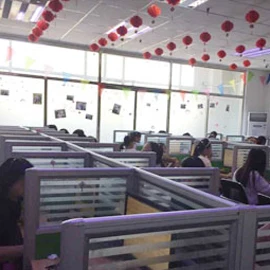
Yiwu Noya Accessories Co., Ltd.
- Trading Company
- Zhejiang, China
- Lead time25 days
- Avg. response≤ 7h
Main productsaccessories,Jewelry,headband,bag,agent
Main marketsWestern Europe(30.00%), North America(30.00%), Domestic Market(10.00%), Northern Europe(10.00%), Eastern Europe(10.00%)

Longyuan (Guangzhou) Industrial Development Co., Ltd.
- Verified by TUVRHEINLAND
- Manufacturer/Factory
- China Guangdong
- Lead time23 days
- Avg. response≤ 6h
Main productsJewelry, Fashion Watch, Hair Accessories, Men Jewelry, Women Jewelry, Pendants, Brooches, Bracelets, Crowns, Necklaces
Main marketsSouth America,Eastern Europe,Mid East,North America,Western Europe


Temperament Silver Pearl Bracelet Female Trend Hand Ornaments Fashion Accessories
$16.00 - $17.00
MOQ: 20 Pieces

Dongguan weiyizao import and Export Co., Ltd.
- Verified by BV
- Trading Company,Manufacturer/Factory
- China Guangdong
- Lead time45 days
- Avg. response≤ 10h
Main productsUnderwear, Sportwear, Seamless Underwear, Mould Bra, Nursing Bra, Panty, Garment Accessories, Garment Decoration-Jewelry, Bra Strap, Belt
Main marketsSouth America,Eastern Europe,Mid East,North America,Southeast Asia,Eastern Asia,Oceania,Western Europe,Africa


Best Quality Factory Price Jewelry Crystal Stones Bracelet Pearl Bracelet
$2.19 - $2.59
MOQ: 500 Pairs

YIWU JINYE IMPORT AND EXPORT CO., LTD
- Verified by SGS
- Trading Company
- China Zhejiang
- Lead time15 days
- Avg. response≤ 25h
Main productsBangle, Wrist Band, Bracelet, Fashion Jewelry
Main marketsNorth America


Fashion Europe and The United States Vintage Shell Pearl Bracelet Jewelry
$1.20 - $3.60
MOQ: 100 Pieces


Shenzhen Right Grand Jewelry Co., Ltd.
- Verified by SGS
- Manufacturer
- China Guangdong
- Lead time15 days
- Avg. response≤ 5h
Main productsNecklace, Bracelet, Earring, Ring, Nose Ring, Ear Piercing, Belly Ring, Nipple Ring
Main marketsSouth America,Europe,North America


Non Tarnish Stainless Steel Gold Plated High Quality Fresh Water Pearl Bracelet for Women
$1.80 - $3.80
MOQ: 50 Pieces

GOODLINESS JEWELLERY CO., LIMITED
- Verified by SGS
- Manufacturer
- China Guangdong
- Lead time23 days
- Avg. response≤ 6h
Main products925 Silver Ring, Brass Jewelry, 925 Silver Earring, 925 Silver Necklace, 925 Silver Set, 925 Silver Bangle, Customer's Design, 925 Silver Bracelet, Silver Accessory, Brass Accessory
Main marketsSoutheast Asia/ Mideast,Europe,North America


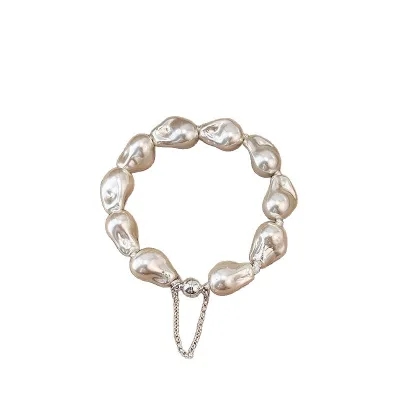
Magnetic Adjustable Copper Gold Chain Pearl String Friendship Hand Bracelet
$3.24 - $5.61
MOQ: 20 Pieces

Shenzhen Hengda Xin Jewelry Co., Ltd.
- Verified by BV
- Combined
- China Guangdong
- Lead time15 days
- Avg. response≤ 2h
Main productsJewelry, Stainless Steel Fittings, Stainless Steel Jewelry, Necklace, Bracelet, Stud Earrings, Ring, Pendant, Fashion Jewelry, Fashion Accessories
Main marketsSoutheast Asia/ Mideast,East Asia(Japan/ South Korea),Domestic,Europe,Australia,North America
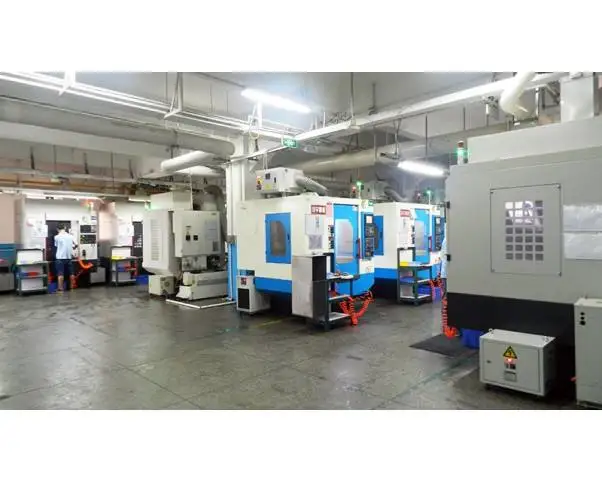
Dongguan Iladi Jewelry Co., Ltd.
- Manufacturer, Trading Company
- Guangdong, China
- Lead time20 days
- Avg. response≤ 2h
Main productsstainless steel jewelry,zinc alloy,brass,925 silver,fashion jewelry
Main marketsNorth America(35.00%), Central America(10.00%), Northern Europe(10.00%), Mid East(10.00%), Southeast Asia(10.00%), Eastern Europe(10.00%), South America(10.00%), Eastern Asia(5.00%)
- Verified by Intertek
- Trading Company
- Zhejiang, China
- Lead time10 days
- Avg. response≤ 4h
Main productsFashion Bracelet, Fashion Necklace, Fashion Ring, Fashion Earrings, Loose Bead
Main marketsNorth America(40%), Western Europe(30%), South America(20%)

Qingdao Gemopia Jewelry Co., Ltd.
- Combined
- China Shandong
- Lead time30 days
- Avg. response≤ 5h
Main productsGold Jewelry, Silver Ring
Main marketsSouth America,Africa,Southeast Asia/ Mideast,East Asia(Japan/ South Korea),Domestic,Europe,Australia,North America
Guangzhou Laursain Jewelry Co., Ltd.
- Manufacturer, Trading Company
- Lead time旺季: "1 - 30":15,"> 30":"To be negotiated", 淡季: "1 - 30":15,"> 30":"To be negotiated"
- Avg. response≤ 7h
Main productsFashion Necklace/ Fashion Bracelet/ Handmade Necklace/ Gemstone Bangle/ Chain Accessories

Xiamen Yuxiang Magnetic Materials Technology Co., Ltd.
- Trading Company
- China Fujian
- Lead time23 days
- Avg. response≤ 6h
Main productsNdFeB Magnet, SmCo Magnet, AlNiCo Magnet, Ferrite Magnet, Rubber Magnet, Fridge Magnet, Magnetic Powder, Magnetic Compound, Magnetic Core, Magnetic Materials
Main marketsSouth America,Africa,Southeast Asia/ Mideast,East Asia(Japan/ South Korea),Europe,Australia,North America

Shenzhen Marvel Electronic Co., Ltd.
- Verified by TUVRHEINLAND
- Trading Company
- China Guangdong
- Lead time15 days
- Avg. response≤ 9h
Main productsCustom Jewelry, Silver Jewelry, Earring, Necklace, Bracelet, Nose Ring, Jewelry Set, Fashion Jewelry, Brooch
Main marketsEurope,North America
Guangzhou Sanrui Hardware Co., Ltd.
- Manufacturer, Trading Company
- Guangdong, China
- Lead time0 days
- Avg. response≤ 9h
Main productsAcrylic chain,Resin arm,Wooden clamps,Acrylic Japanese button,Resin chain
Main marketsDomestic Market(20.00%), South Asia(15.00%), North America(10.00%), Southeast Asia(10.00%), Eastern Asia(10.00%), Central America(5.00%), Eastern Europe(5.00%), Mid East(5.00%), Oceania(3.00%), Northern Europe(2.00%), South America(2.00%), Southern Europe(2.00%)

Shenzhen Amengwei Jewelry Co., Ltd.
- Trading Company,Manufacturer/Factory
- China Guangdong
- Lead time23 days
- Avg. response≤ 18h
Main productsBody Piercing Jewelry, Hinged Segment Ring, Nose Ring Belly Ring, Stainless Steel Jewelry, Labret Lip Ring, Earring, Necklace, Bracelet, Ring
Main marketsSouth America,Eastern Europe,Mid East,North America,Southeast Asia,Eastern Asia,Oceania,Western Europe,Africa
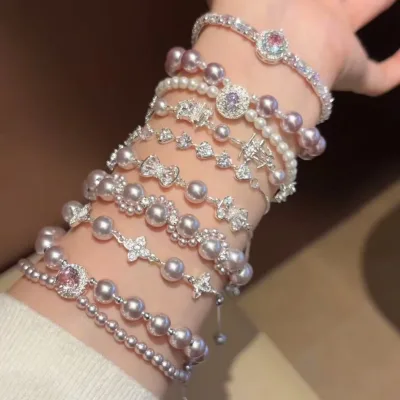
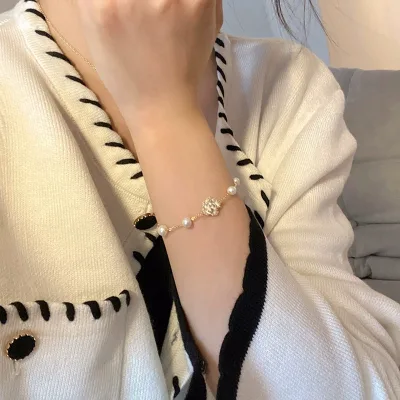
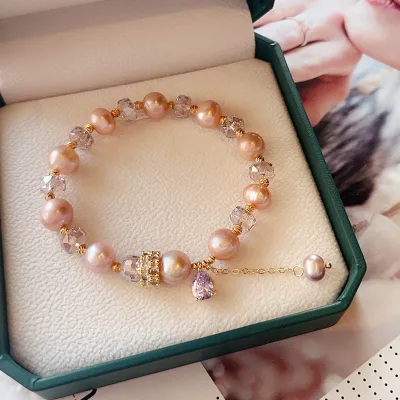
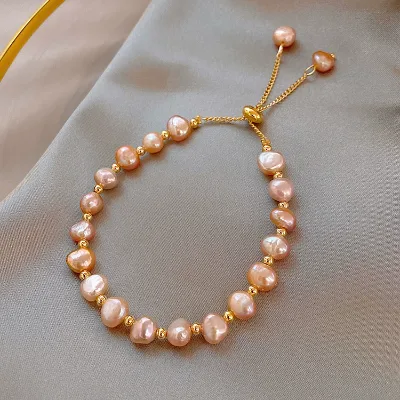


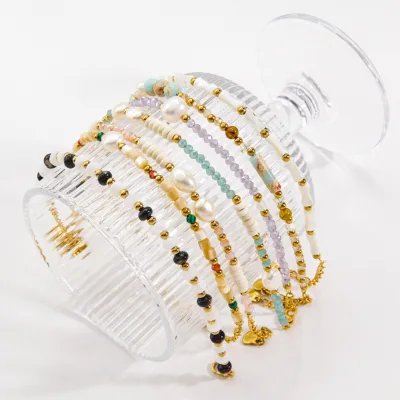


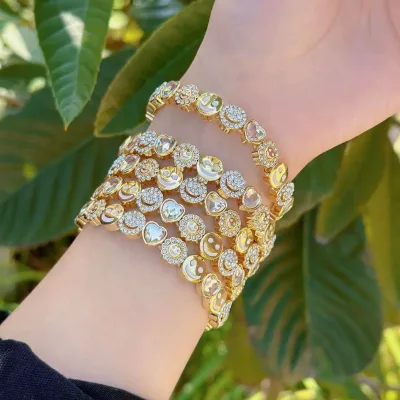
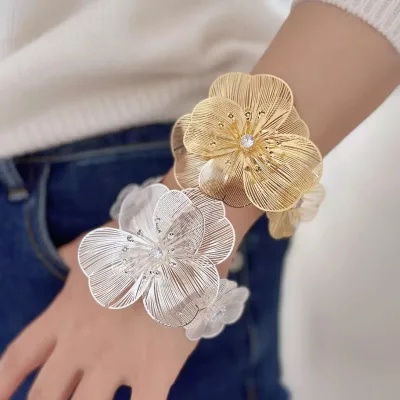


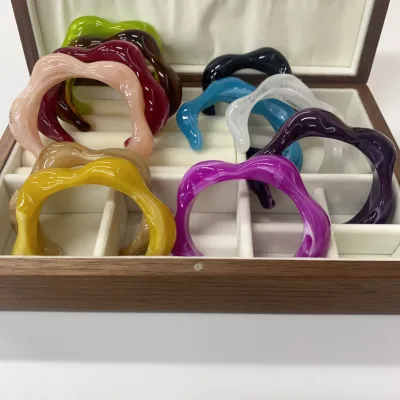


Comprehensive Sourcing Guide
Luxury Pearl Bracelet Supplier Concentration and Factory Types
The current supplier landscape for luxury pearl bracelets reveals a diverse mix of manufacturing capabilities concentrated in specific Chinese provinces. Evidence indicates that suppliers are located in Guangdong, Fujian, and Zhejiang, with Guangdong appearing as a primary hub for both manufacturers and trading companies. This geographic clustering suggests that buyers can find a high density of potential partners in these regions, which are known for their robust supply chains in jewelry and fashion accessories. The presence of both manufacturers and trading companies in Guangdong highlights the importance of distinguishing between direct factory sources and intermediaries when evaluating potential partners. Manufacturers in this region often possess the infrastructure for OEM services, allowing for greater customization of product designs, while trading companies may offer a broader range of existing stock items.
In contrast, suppliers in Fujian and Zhejiang present different operational profiles. Fujian-based suppliers are identified as trading companies, which may provide a more curated selection of products but potentially less direct control over the manufacturing process. Zhejiang suppliers are also noted, with a focus on accessories and jewelry, indicating a specialized cluster for fashion-forward items. The variation in company types across these locations means that buyers must carefully assess whether they prioritize direct factory engagement for cost efficiency and customization or the convenience of a trading company for streamlined ordering. Understanding these structural differences is crucial for aligning supplier selection with specific business needs, whether that involves high-volume production or niche, design-led collections. The concentration of these entities in distinct provinces allows for targeted sourcing strategies based on the desired balance of control, variety, and logistical efficiency.
How to Verify Luxury Pearl Bracelet Suppliers
Verification is a critical step in ensuring the reliability and quality of Luxury Pearl Bracelet suppliers. One key indicator of supplier credibility is the presence of third-party verification badges, such as those from TÜV Rheinland. Suppliers displaying such certifications have undergone rigorous audits that assess their business legitimacy, production capabilities, and quality management systems. Buyers should prioritize suppliers with these verifications, as they provide an additional layer of confidence regarding the supplier's operational standards. Additionally, response time is a significant metric for evaluating supplier professionalism and responsiveness. Suppliers with faster response times, such as those averaging two to five hours, are generally more reliable and engaged, indicating a higher level of customer service commitment. This metric can serve as a proxy for how quickly issues might be resolved during the sourcing process.
Beyond verification badges and response speeds, buyers should examine the supplier's main products and company type to ensure alignment with their specific requirements. For instance, if a buyer seeks custom manufacturing, they should look for suppliers explicitly identified as manufacturers or factories, particularly those with OEM capabilities. Conversely, if the goal is to source a wide variety of existing designs quickly, trading companies might be more suitable. It is also important to check for specific certifications like ISO 9001, which indicates a standardized quality management system. However, not all suppliers will display every possible credential, so buyers must use a combination of these factors to build a comprehensive profile. By cross-referencing verification status, response efficiency, and operational focus, buyers can mitigate risks and select partners who are both credible and capable of meeting their specific sourcing goals.
What to Compare Across Luxury Pearl Bracelet Suppliers
When evaluating multiple suppliers, it is essential to compare key operational metrics such as lead time, minimum order quantity (MOQ), and pricing structures. Lead times can vary significantly, with some suppliers offering as little as zero days for immediate stock items, while others may require up to twenty-five days for production. This variance allows buyers to match suppliers with their inventory needs, whether they require rapid restocking or planned production runs. Similarly, MOQs range widely, from as low as two pieces for certain fashion items to forty pieces for others. Understanding these thresholds helps buyers determine which suppliers can accommodate their order sizes without incurring excessive costs or requiring large initial investments. Comparing these metrics side-by-side enables a more nuanced assessment of each supplier's flexibility and suitability for different business models.
Pricing and product attributes are also critical comparison points. Prices for luxury pearl bracelets can range from approximately $1.40 to $5.53, depending on materials, design complexity, and order volume. Buyers should analyze these price points in conjunction with product specifications, such as material composition (e.g., stainless steel, alloy, pearl) and plating options (e.g., gold, silver). Additionally, customization availability is a key differentiator; some suppliers offer extensive customization options, while others provide standard designs. By comparing these factors, buyers can identify suppliers that offer the best value proposition for their specific needs. It is also important to consider the supplier's main products to ensure they specialize in the desired category. A supplier focusing primarily on jewelry and accessories may offer better quality and variety than a generalist trading company. This holistic comparison ensures that buyers select partners who align with their quality, cost, and operational requirements.
Common Luxury Pearl Bracelet Sourcing Risks
One significant risk in sourcing luxury pearl bracelets is the potential mismatch between supplier claims and actual capabilities. For instance, a supplier may claim to be a manufacturer but operate primarily as a trading company, leading to higher costs and less control over production quality. Buyers must carefully verify the company type and production capacity to avoid such discrepancies. Another risk is the variability in product quality, particularly when dealing with materials like faux pearls or alloy bases. Without proper verification, buyers may receive products that do not meet their expected standards for durability or aesthetic appeal. This is especially relevant for items marketed as "luxury" or "high-end," where the distinction between genuine and imitation materials can be subtle but impactful. Buyers should request samples and detailed product specifications to ensure that the materials and craftsmanship align with their brand expectations.
Logistical and communication risks also pose challenges in the sourcing process. Suppliers with slower response times or longer lead times may struggle to meet tight deadlines, potentially disrupting inventory planning. Additionally, the lack of standardized packaging or labeling can lead to confusion during shipping and retail preparation. For example, some suppliers use OPP bags for packaging, while others may use cartons, which can affect storage and display requirements. Buyers must clearly communicate their packaging and labeling needs to avoid misunderstandings. Furthermore, the absence of clear certification or quality assurance documentation can leave buyers vulnerable to receiving substandard products. To mitigate these risks, buyers should establish clear communication channels, request detailed product documentation, and consider using escrow services or other payment protections to safeguard their transactions. Proactive risk management is essential for maintaining product quality and operational efficiency.
Luxury Pearl Bracelet Regional Sourcing and Logistics
Sourcing from different regions in China offers distinct logistical advantages and challenges. Suppliers in Guangdong, for example, benefit from proximity to major ports and established logistics networks, which can facilitate faster shipping and lower transportation costs. This region's concentration of manufacturers and trading companies also means that buyers can access a wide variety of products and suppliers in a single trip or through consolidated shipments. However, the high density of suppliers in Guangdong may also lead to increased competition, potentially driving up prices or complicating supplier selection. Buyers must weigh these factors against the benefits of proximity and variety when deciding on their sourcing strategy. Additionally, the local infrastructure in Guangdong supports efficient handling of both small and large orders, making it a versatile choice for various business needs.
In contrast, suppliers in Fujian and Zhejiang may offer different logistical profiles. Fujian-based trading companies might provide more streamlined ordering processes for specific product lines, while Zhejiang suppliers could offer specialized designs that are unique to their regional expertise. However, these regions may have less developed logistics infrastructure compared to Guangdong, potentially leading to longer shipping times or higher costs. Buyers should consider these logistical differences when planning their supply chain. For instance, if speed is a priority, sourcing from Guangdong might be preferable, whereas if unique designs are more important, exploring suppliers in Zhejiang could be beneficial. Additionally, buyers should factor in the time zones and communication styles of suppliers in different regions to ensure smooth collaboration. Understanding these regional nuances allows buyers to optimize their sourcing strategy for efficiency, cost, and product quality.
Luxury Pearl Bracelet Commercial Terms and Order Planning
Effective order planning requires a clear understanding of commercial terms, including payment methods, shipping arrangements, and return policies. Buyers should negotiate terms that align with their cash flow and risk tolerance, such as using escrow services for secure transactions. Additionally, understanding the supplier's return and refund policies is crucial for managing potential issues with product quality or delivery delays. Buyers should also consider the total cost of ownership, including shipping, customs duties, and handling fees, which can significantly impact the final price. By comparing these commercial terms across suppliers, buyers can identify the most cost-effective and reliable partners. It is also important to establish clear communication regarding order tracking and delivery updates to ensure timely receipt of goods.
Furthermore, buyers should plan for scalability and flexibility in their sourcing strategy. This includes negotiating volume discounts, establishing long-term partnerships with reliable suppliers, and maintaining a diversified supplier base to mitigate risks. Buyers should also consider the supplier's capacity to handle peak demand periods, such as holiday seasons or promotional events. By planning for these scenarios, buyers can ensure a steady supply of luxury pearl bracelets without disruptions. Additionally, buyers should regularly review and update their supplier performance metrics to identify areas for improvement and maintain high standards. This proactive approach to commercial terms and order planning helps buyers build a resilient and efficient supply chain, ultimately supporting their business growth and customer satisfaction.
FAQs
What is the typical lead time for luxury pearl bracelets?
Manufacturers in Guangdong and Zhejiang report lead times ranging from 15 to 25 days. Suppliers in Fujian also offer a 15-day turnaround. Buyers should confirm specific schedules with the supplier before placing orders to ensure timely delivery for their inventory needs.
What are the minimum order quantities for these bracelets?
Minimum order quantities vary significantly by supplier. Some factories require as few as 2 pieces, while others set the bar at 5 or 40 units. Trading companies often have lower thresholds than manufacturers. Always check the specific product listing for the exact MOQ applicable to your order size.
How quickly do suppliers respond to inquiries?
Response times differ across the supplier base. Some manufacturers reply within 2 hours, while others take up to 7 hours. A trading company in Fujian shows a 4.60-hour average. Faster response times often indicate higher availability, but buyers should verify current status directly with the seller.
What materials are used in luxury pearl bracelets?
Common materials include stainless steel, alloy, and natural pearls. Some designs feature zircon, agate, or faux pearls. Plating options like gold and silver are available. Buyers should review product attributes for specific material compositions, as some items use alloy bases with pearl accents for a light luxury aesthetic.
Are customization options available for these bracelets?
Many suppliers offer customization services for luxury pearl bracelets. Buyers can often request specific colors, lengths, or packaging options like OPP bags. Some manufacturers support OEM production. Verify customization capabilities and any associated costs or minimum order requirements directly with the supplier to ensure the final product meets your brand standards.
What certifications do these suppliers hold?
Certification status varies among suppliers. One trading company in Fujian holds TÜV Rheinland verification. Another manufacturer in Guangdong holds ISO 9001 certification. Buyers should request valid certificates directly from the supplier to confirm compliance with quality standards and safety regulations relevant to their target market.
What is the price range for these bracelets?
Prices for luxury pearl bracelets range from approximately $1.40 to $5.53 per unit. Lower prices often correspond to alloy materials or higher minimum order quantities. Higher prices may reflect stainless steel construction or intricate designs. Buyers should compare quotes based on material quality, customization needs, and order volume.