Source Vintage Stainless Steel Tarot Necklace for gifts, casual wear, and decoration
Compare 30 listings of Vintage Stainless Steel Tarot Necklace options featuring gold plating, geometric designs, and customizable settings. Buyers can evaluate lengths, materials, and MOQs from suppliers in Guangdong and Zhejiang, China; compare the available evidence and request quotations based on your requirements.
Updated
Key considerations
Products List
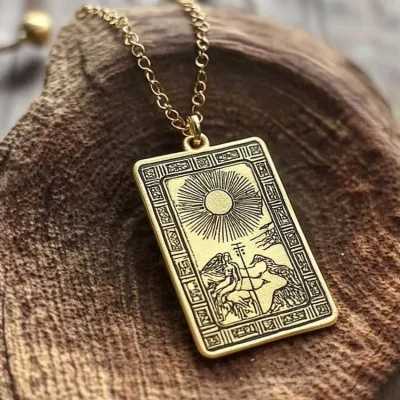
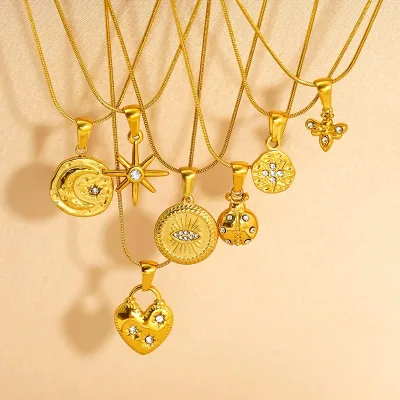
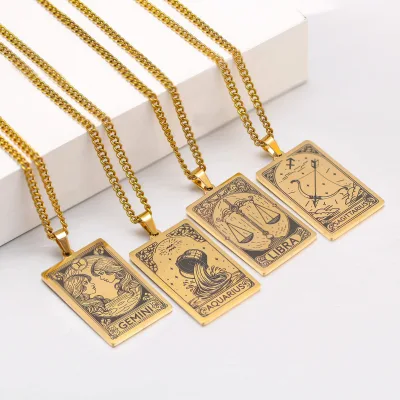
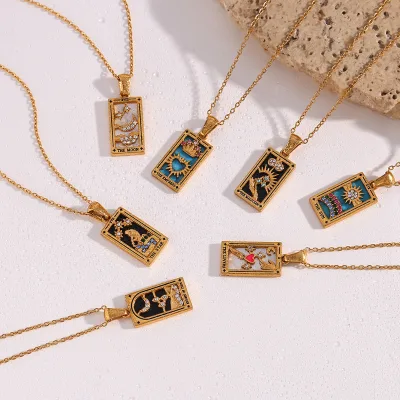
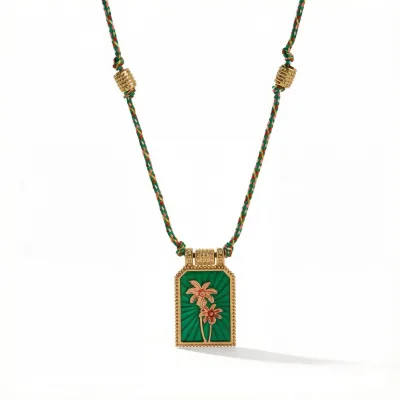

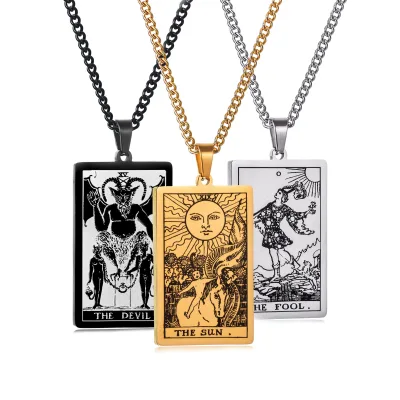
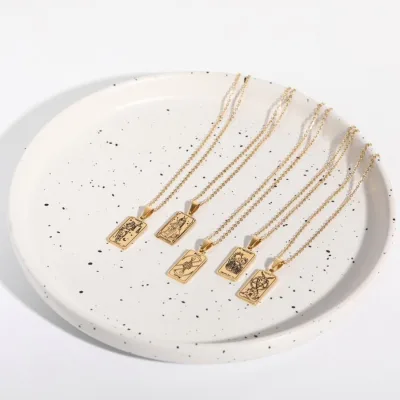
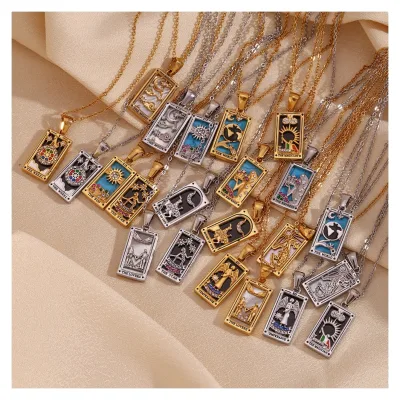

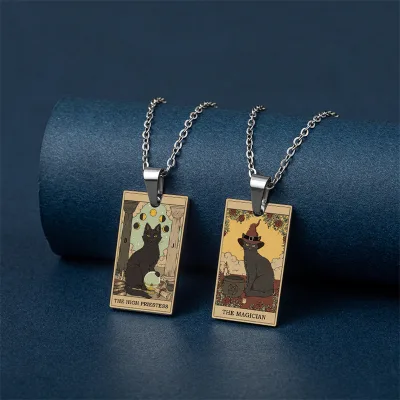
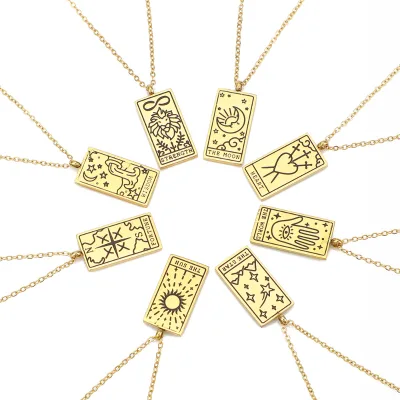
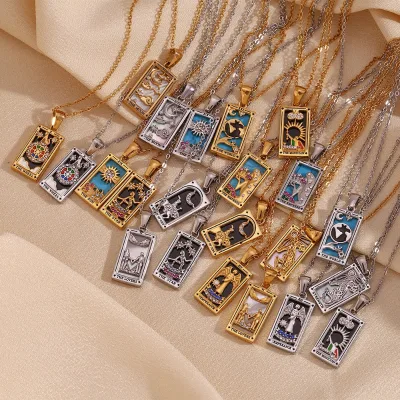


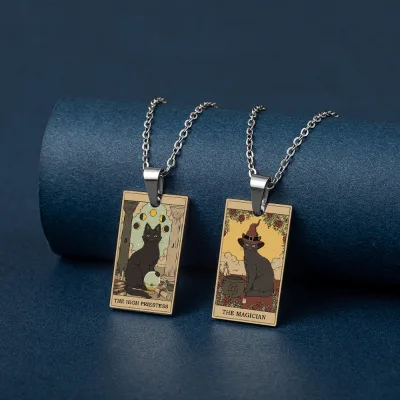
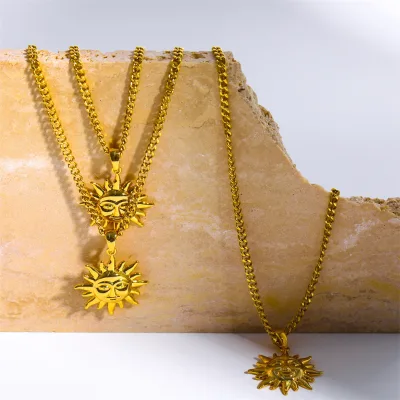
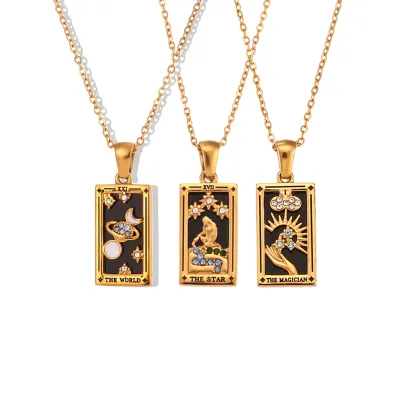
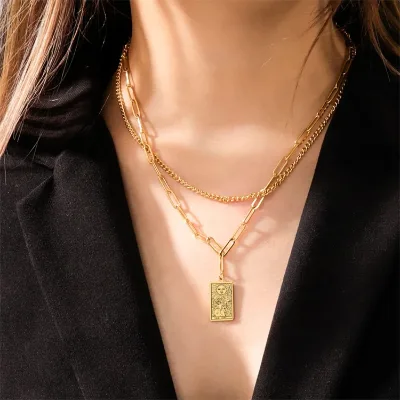
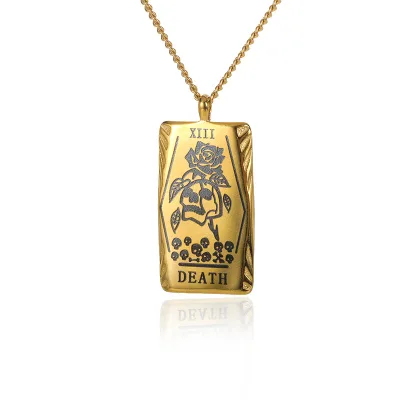

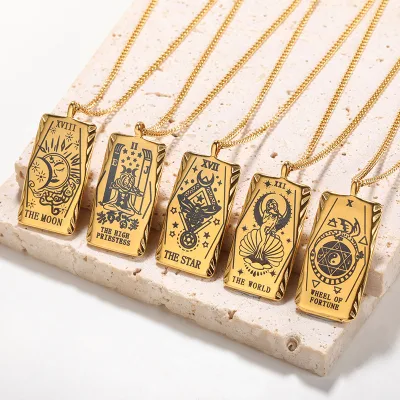
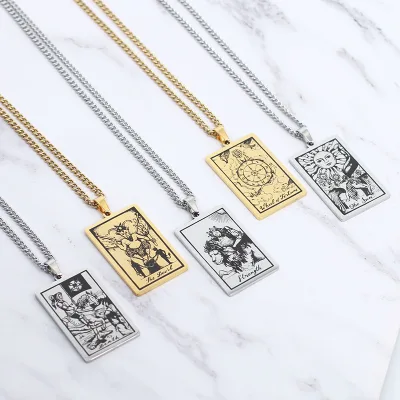
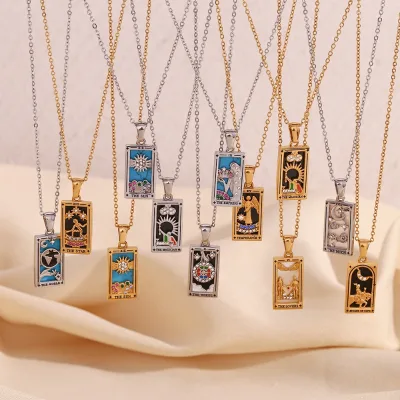
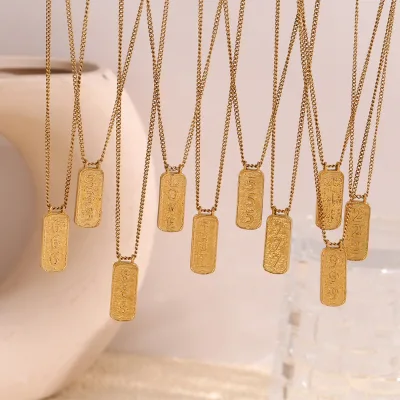


Comprehensive Sourcing Guide
Vintage Stainless Steel Tarot Necklace Sourcing Guide
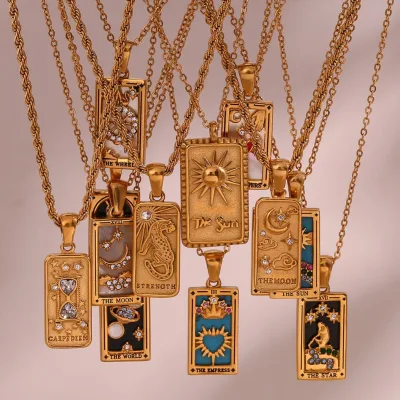
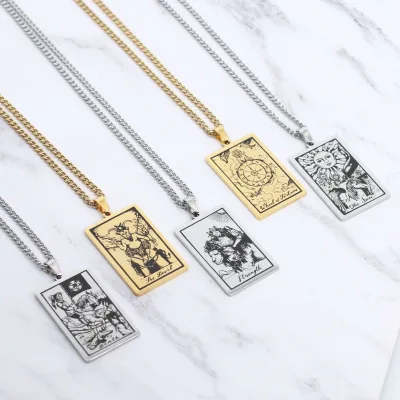
Sourcing vintage-style stainless steel tarot necklaces requires a careful balance between aesthetic authenticity and material durability. Buyers must recognize that the "vintage" descriptor often refers to the geometric or symbolic design language rather than the age of the item. The core material, typically stainless steel, provides a robust foundation for intricate pendant shapes, such as those inspired by tarot cards or celestial motifs. This material choice ensures resistance to tarnishing and corrosion, making it suitable for daily wear in casual or gift-oriented markets.
The visual appeal of these pieces is heavily influenced by plating options and color variations. Suppliers frequently offer 18K gold plating, rhodium finishes, or raw steel colors to achieve specific vintage aesthetics. It is crucial to verify the thickness and quality of these platings, as they determine the longevity of the jewelry’s appearance. Buyers should also consider the unisex appeal of these designs, which often feature neutral tones and symbolic imagery that transcend traditional gender-specific marketing, broadening the potential customer base for retail distribution.
Product Scope and Observed Listing Signals
Current market listings indicate a diverse range of product attributes available from manufacturers, primarily located in Guangdong and Zhejiang provinces in China. Observed specifications include lengths ranging from 18 inches to 60cm, with common configurations like 40+5cm or 48cm+6cm for adjustable fit. The jewelry type is predominantly classified as pendant necklaces, featuring link chains that complement the central tarot or geometric pendants. These signals suggest a mature supply chain capable of producing varied chain styles to match different pendant weights and designs.
Color and plating options are extensive, with suppliers offering gold variants, steel colors, and black finishes. Some listings specify multiple color codes, indicating a high degree of customization potential for bulk orders. The style is often described as vintage, cute, or fashion-forward, appealing to a broad demographic. Additionally, the application is frequently noted as casual or for gifts, highlighting the product’s versatility in retail settings. Buyers should note that while many listings mention gold plating, others specify rhodium or silver plating, requiring careful selection based on target market preferences.
Technical Specifications to Verify
When evaluating technical specifications, the model number and single package dimensions are critical for logistics planning. For instance, specific models like z2026072901 or G101 may have distinct packaging requirements, such as 8x6x6 cm single packages. The gross weight is typically around 0.020 kg per item, which influences shipping costs and inventory management. Buyers must verify the exact chain type, such as link chains, and ensure the pendant setting, whether wax setting or otherwise, aligns with durability expectations for the intended use.
Length and adjustability are key technical factors that impact customer satisfaction. Listings show lengths of 20 inches, 18 inches, and metric equivalents like 40+5cm or 60cm. It is essential to confirm whether the chain includes an extender for size adjustment, as this affects the fit for different neck sizes. The diamond shape, if applicable, is often described as round brilliant cut, adding a touch of elegance to the vintage design. Buyers should request detailed technical drawings or samples to verify these specifications before committing to large orders, ensuring the physical product matches the digital listing accurately.
Compliance and Safety Documentation
Compliance with international standards is non-negotiable for importing jewelry into regulated markets. Suppliers may provide certifications such as SGS, which verifies material safety and quality standards. It is vital to confirm the specific scope of these certifications, ensuring they cover heavy metal content and plating durability. The certificate type is often listed as third-party appraisal, which adds credibility to the supplier’s claims. Buyers should request copies of these documents and verify their validity with the issuing body to mitigate risks associated with non-compliant materials.
Additionally, understanding the standard practices of the supplier is crucial for long-term partnership stability. The prod_standard may reference specific industry norms, although explicit details are not always provided in initial listings. Buyers should inquire about the supplier’s adherence to environmental and labor standards, such as BSCI, which, while low-confidence in some contexts, indicates a commitment to ethical manufacturing. Ensuring that all documentation is up-to-date and relevant to the destination country’s regulations is a critical step in the procurement process to avoid customs delays or product recalls.
Cost Drivers and Commercial Terms
Cost drivers for vintage stainless steel tarot necklaces include material quality, plating thickness, and customization complexity. The MOQ (Minimum Order Quantity) typically ranges from 2 to 200 pieces, with some suppliers setting a baseline of 10 PCS. This flexibility allows smaller buyers to test the market, while larger orders benefit from economies of scale. The delivery time is generally estimated at 20-30 days, which buyers must factor into their inventory planning. Understanding these commercial terms helps in negotiating better prices and ensuring timely delivery for seasonal demands.
Pricing structures are influenced by the chosen plating and color options. Listings show a price range of 1-6.3 USD, reflecting variations in design complexity and material costs. Buyers should clarify whether the price includes packaging, such as OPP bags or strong cartons, as per customer requirements. The service offered, including OEM/ODM capabilities, adds value for brands seeking unique designs. It is advisable to request detailed quotations that break down costs by component, allowing for transparent comparison between suppliers and informed decision-making based on total landed cost.
Supplier Qualification and Quality Control
Supplier qualification involves assessing their production capacity, customization services, and quality control processes. Suppliers offering OEM/ODM services demonstrate flexibility in meeting specific brand requirements, from design modifications to packaging customization. The place of origin, such as Guangzhou or Guangdong, indicates access to a robust jewelry manufacturing ecosystem. Buyers should verify the supplier’s ability to handle large volumes while maintaining consistent quality, as this is critical for scaling operations. Requesting references or case studies can provide insights into their reliability and performance.
Quality control measures should be explicitly defined in the purchase agreement. This includes pre-production samples, in-line inspections, and final random inspections. The customization availability allows for unique product offerings, but it also requires rigorous QC to ensure consistency across batches. Buyers should establish clear acceptance criteria for defects, such as plating peeling or chain breakage, and agree on remediation processes. Regular communication with the supplier regarding production progress and quality issues helps in maintaining high standards and building a trustworthy partnership.
Long-Term Procurement Checks
Long-term procurement success depends on continuous monitoring of supplier performance and market trends. Buyers should regularly review supplier certifications and compliance documentation to ensure ongoing adherence to standards. Tracking delivery times and quality metrics over multiple orders helps in identifying potential issues early. Building a strong relationship with the supplier can lead to better pricing, priority production, and access to new designs. It is also important to stay updated on changes in import regulations and consumer preferences in the target market.
Diversifying the supplier base can mitigate risks associated with single-source dependency. Engaging with multiple suppliers allows for comparison of quality, price, and service levels. Buyers should periodically re-evaluate their supply chain strategy to incorporate new technologies or materials that enhance product appeal. Continuous feedback loops with the supplier facilitate improvements in product design and manufacturing processes. By maintaining a proactive approach to procurement, buyers can ensure a steady supply of high-quality vintage stainless steel tarot necklaces that meet evolving market demands.
FAQs
What materials are used for vintage stainless steel tarot necklaces?
The primary material is stainless steel, often featuring 18K gold plating or rhodium finishes. Some variants include wax settings for decorative elements. The jewelry is designed for casual wear and gift occasions, ensuring durability and a vintage aesthetic suitable for unisex styling.
Can I customize the Vintage Stainless Steel Tarot Necklace design?
Yes, customization is available for these necklaces. Buyers can request OEM or ODM services to tailor specific aspects of the product. This allows for unique branding or design adjustments to meet specific market needs while maintaining the core vintage stainless steel construction and quality standards.
What is the typical lead time for these necklaces?
The standard delivery time is 20-30 days. This timeframe applies to standard orders and may vary based on customization requirements or order volume. Buyers should plan their inventory accordingly to ensure timely receipt of goods, especially for bulk orders requiring specific plating or packaging options.
Which certifications apply to these stainless steel necklaces?
These necklaces are certified with SGS standards. This third-party appraisal ensures the product meets specific quality and safety requirements. Buyers can rely on this certification for compliance in various markets, providing assurance regarding the material integrity and manufacturing processes used in the production of these vintage-style items.
What are the available length options for these necklaces?
Lengths include 18 inches, 20 inches, 40+5 cm, 48 cm+6 cm, and 60 cm. These options cater to different styling preferences and body types. The variety ensures that buyers can select the most appropriate size for their target audience, whether for casual wear or specific fashion statements.
What is the minimum order quantity for these necklaces?
The minimum order quantity is 10 pieces. This low MOQ allows buyers to test the market or order small batches for specific needs. It facilitates easier entry for new sellers or those looking to diversify their inventory without committing to large initial stock volumes, reducing financial risk.
Where are these vintage stainless steel necklaces manufactured?
These necklaces are manufactured in Guangdong and Zhejiang, China. Specifically, some origins are listed as Guangzhou. This location is known for its robust jewelry manufacturing industry, ensuring access to skilled labor and efficient supply chains for producing high-quality stainless steel jewelry with vintage designs.