Geometric Pattern Stainless Steel Bracelet Suppliers and Manufacturers
Explore 28 verified suppliers offering Geometric Pattern Stainless Steel Bracelet options with customizable features like polishing and logo services. Compare response times, lead times, and pricing to source effectively; review the available evidence before requesting comparable quotations from suitable candidates.
Updated
Suppliers List

Guangzhou Huifu Jewelry Co., Ltd.
- Verified by BV
- Manufacturer/Factory
- China Guangdong
- Lead time90 days
- Avg. response≤ 4h
Main productsJewelry, Stainless Steel Jewelry, Stainless Steel Ring, Stainless Steel Pendant, Stainless Steel Earring, Fashion Jewelry, Ring, Necklace, Pendant, Bracelet
Main marketsEastern Europe,Mid East,North America,Western Europe,Africa
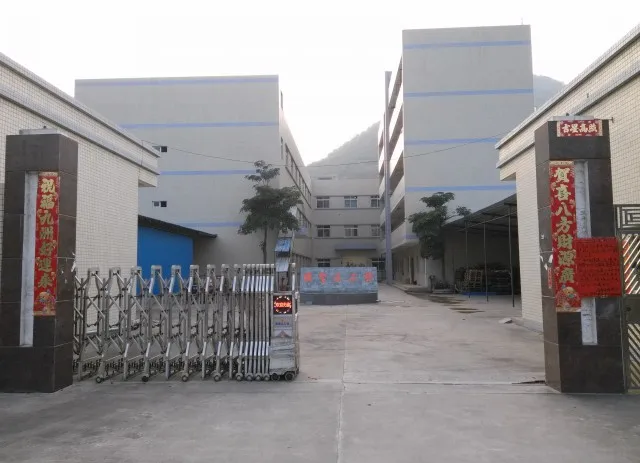
Guangzhou Maiduo Gifts Co., Ltd.
- Manufacturer, Trading Company
- Guangdong, China
- Lead time10 days
- Avg. response≤ 2h
Main productsFashion jewelry,Identification bracelet,pet items,other gifts,custom service
Main marketsSouth America(30.00%), Eastern Europe(25.00%), Western Europe(25.00%), Southern Europe(10.00%), North America(10.00%)

Shenzhen Hengda Xin Jewelry Co., Ltd.
- Verified by BV
- Combined
- China Guangdong
- Lead time15 days
- Avg. response≤ 2h
Main productsJewelry, Stainless Steel Fittings, Stainless Steel Jewelry, Necklace, Bracelet, Stud Earrings, Ring, Pendant, Fashion Jewelry, Fashion Accessories
Main marketsSoutheast Asia/ Mideast,East Asia(Japan/ South Korea),Domestic,Europe,Australia,North America
Dongguan Mange Stainless Steel Jewelry Co., Ltd.
- Manufacturer, Trading Company
- Guangdong, China
- Lead time0 days
- Avg. response≤ 2h
Main productsStainless steel jewelry,Jewelry accessories
Main marketsSouthern Europe(20.00%), Domestic Market(10.00%), North America(10.00%), Northern Europe(10.00%), Western Europe(10.00%), Eastern Asia(10.00%), Southeast Asia(10.00%), Eastern Europe(10.00%), South America(10.00%)
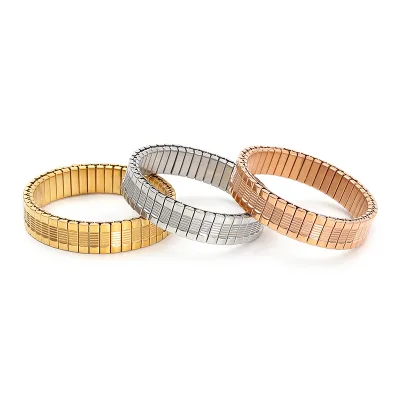
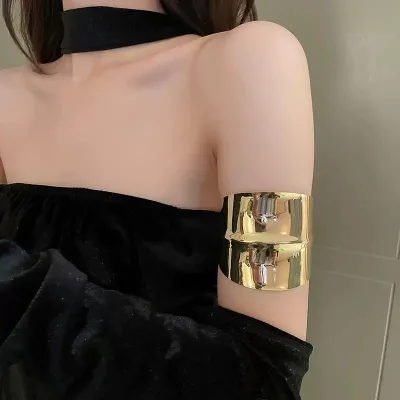
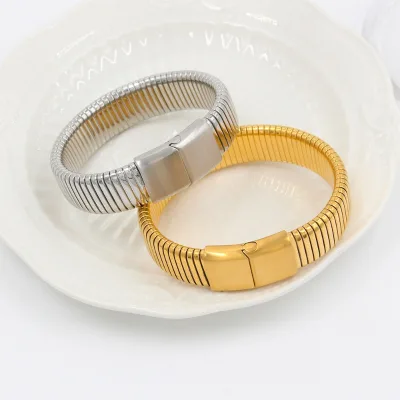
European American Irregular Geometric Bracelet - Minimalist Luxury Women's Bangle
$0.9814 - $2.1767
MOQ: 5 Minimum
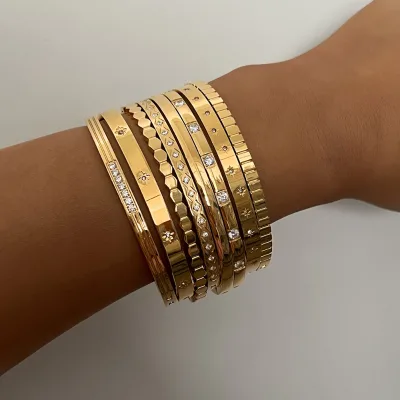

Guangzhou Anfook & Dakerden Jewelry Co., Ltd
- Trading Company
- China Guangdong
- Lead time0 days
- Avg. response≤ 14h
- Manufacturer, Trading Company
- Lead time旺季: "1 - 2":10,"3 - 60":12,"61 - 120":15,"> 120":"To be negotiated", 淡季: "1 - 2":10,"3 - 60":12,"61 - 120":15,"> 120":"To be negotiated"
- Avg. response≤ 4h
Main productsJewelry, Bracelet, Necklace, Earrings, Accessories
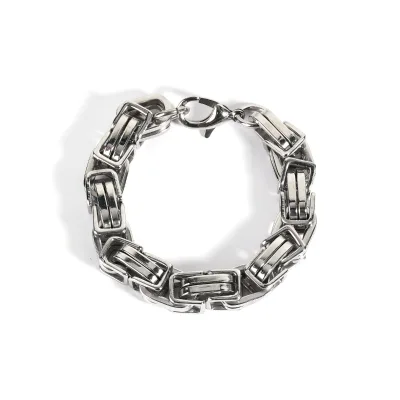
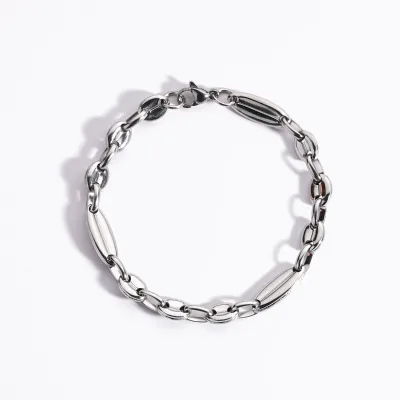
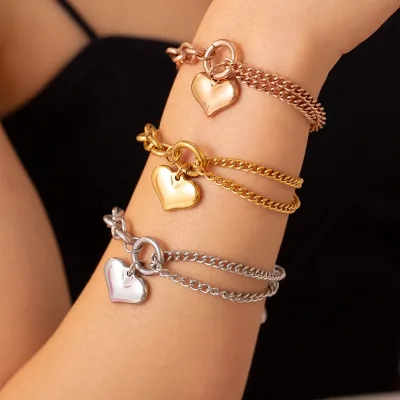
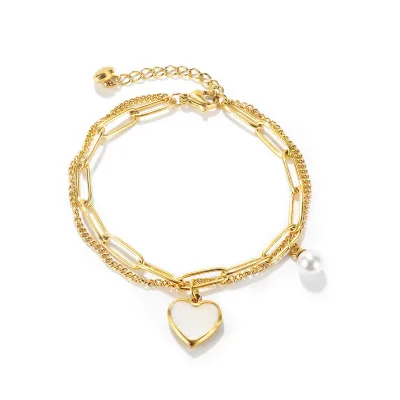
Wholesale Minimalist 18K Gold Plated Stainless Steel Heart Bracelet Non Fading Chain Spliced Jewelry
$2.3966 - $3.2089
MOQ: 10 pieces

Guangzhou Mimier Jewelry, Co, Ltd.
- Manufacturer/Factory
- China Guangdong
- Lead time120 days
- Avg. response≤ 21h
Main productsFashion Jewelry, Fashion Earrings, Fashion Bracelets, Fashion Rings, Fashion Necklace, Stainless Steel Jewelry, Jewellery Accessories, Jewellery Set
Main marketsEastern Europe,North America,Western Europe,Africa

Shenzhen Marvel Electronic Co., Ltd.
- Verified by TUVRHEINLAND
- Trading Company
- China Guangdong
- Lead time15 days
- Avg. response≤ 9h
Main productsCustom Jewelry, Silver Jewelry, Earring, Necklace, Bracelet, Nose Ring, Jewelry Set, Fashion Jewelry, Brooch
Main marketsEurope,North America

Shenzhen Amengwei Jewelry Co., Ltd.
- Trading Company,Manufacturer/Factory
- China Guangdong
- Lead time23 days
- Avg. response≤ 18h
Main productsBody Piercing Jewelry, Hinged Segment Ring, Nose Ring Belly Ring, Stainless Steel Jewelry, Labret Lip Ring, Earring, Necklace, Bracelet, Ring
Main marketsSouth America,Eastern Europe,Mid East,North America,Southeast Asia,Eastern Asia,Oceania,Western Europe,Africa
Guangzhou Hanna Gifts Co., Ltd.
- Trading Company, Distributor/Wholesaler
- Guangdong, China
- Lead time20 days
- Avg. response≤ 6h
Main productsStainless Steel jewelry,Silver Jewelry,custom necklace,custom bracelet,custom patch
Main marketsNorth America(47.00%), Western Europe(10.00%), South America(10.00%), Northern Europe(6.00%), Central America(5.00%), Mid East(5.00%), Southern Europe(3.00%), Southeast Asia(3.00%), Eastern Europe(3.00%), South Asia(3.00%), Eastern Asia(3.00%), Oceania(2.00%)

Longyuan (Guangzhou) Industrial Development Co., Ltd.
- Verified by TUVRHEINLAND
- Manufacturer/Factory
- China Guangdong
- Lead time23 days
- Avg. response≤ 6h
Main productsJewelry, Fashion Watch, Hair Accessories, Men Jewelry, Women Jewelry, Pendants, Brooches, Bracelets, Crowns, Necklaces
Main marketsSouth America,Eastern Europe,Mid East,North America,Western Europe


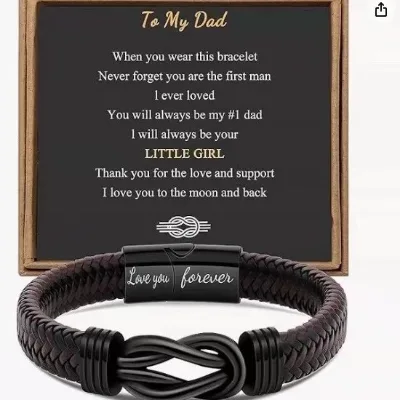
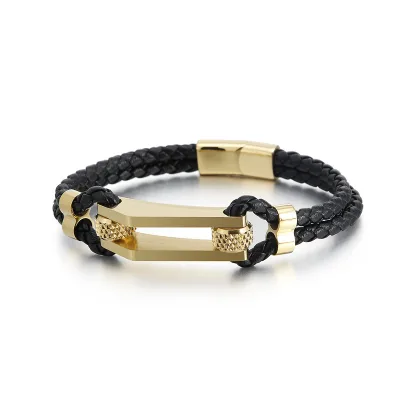
Fashion Bracelet Men's Stainless Steel Leather Braided Bracelet Leather Jewelry
$4.43 - $5.23
MOQ: 30 Pieces

Dongguan Cherry Stainless Steel Jewelry Co., Ltd.
- Verified by TüVRheinland
- Manufacturer, Trading Company
- Lead time35 days
- Avg. response≤ 3h
Main productsStainless Steel Necklace, Stainless Steel Bracelet, Stainless Steel Earrings, Stainless Steel Ring, Stainless Steel Key Chain
Main marketsNorth America(25%), South America(10%), Western Europe(10%)
- Verified by TüVRheinland
- Manufacturer, Trading Company
- Lead time15 days
- Avg. response≤ 5h
Main productsNecklace, Earring, Bracelet, Ring, Accessory
Main marketsNorth America(40%), Domestic Market(20%), Western Europe(15%)
$0.8916 - $0.9844
MOQ: 1 pieces
$2.3622 - $2.5776
MOQ: 3 pieces

Shenzhen Right Grand Jewelry Co., Ltd.
- Verified by SGS
- Manufacturer
- China Guangdong
- Lead time15 days
- Avg. response≤ 5h
Main productsNecklace, Bracelet, Earring, Ring, Nose Ring, Ear Piercing, Belly Ring, Nipple Ring
Main marketsSouth America,Europe,North America

Religious Jewelry Stainless Steel Bracelet Adjustable Length Square Bracelet
$3.10 - $3.64
MOQ: 3 Pieces

Stainless Steel Jewelry Magnetic Clasp Custom Braided Cross Leather Bracelet
$3.82 - $4.69
MOQ: 2 Pieces


Shenzhen Jinshengrun Technology Co., Ltd.
- Manufacturer/Factory
- China Guangdong
- Lead time0 days
- Avg. response≤ 3h
Main productsStainless Steel Bracelets and Necklaces, Tungsten Steel Ring, Tungsten Ring, Smartwatch(Activity Tracker), Smart Ring, Titanium Steel Necklace, Necklace Pendant, Smart Glasses
Yiwu City Mj Jewelry Co., Ltd.
- Manufacturer, Trading Company
- Lead time旺季: "1 - 50":7,"51 - 500":15,"> 500":"To be negotiated", 淡季: "1 - 50":7,"51 - 500":15,"> 500":"To be negotiated"
- Avg. response≤ 3h
Main productsWaterproof Jewelry, Stainless Steel Necklace, Stainless Steel Ring, Stainless Steel Earring, Stainless Steel Bracelet

- Verified by TUVRHEINLAND
- Combined
- China Guangdong
- Lead time30 days
- Avg. response≤ 4h
Main marketsDomestic


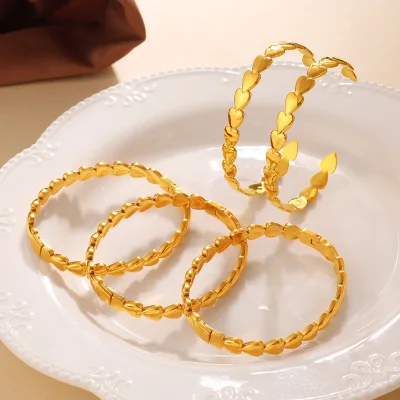
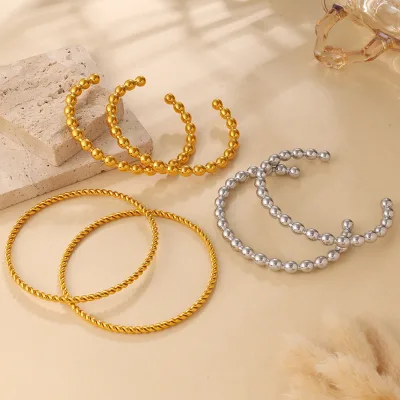
Fashion Stainless Steel Bangle Minimalist Design Stackable Bracelets for Wholesale
$1.60 - $1.90
MOQ: 50 Pieces

Guangdong Kalen Jewelry Company Limited
- Verified by SGS
- Combined
- China Guangdong
- Lead time30 days
- Avg. response≤ 5h
Main productsStainless Steel Jewelry, Fashion Accessories, Bracelets, Necklaces, Rings, Earrings, Pendants, Bangles, Jewelry Sets, Cufflinks
Main marketsSouth America,Europe,Australia,North America
Dongguan Iladi Jewelry Co., Ltd.
- Manufacturer, Trading Company
- Guangdong, China
- Lead time20 days
- Avg. response≤ 2h
Main productsstainless steel jewelry,zinc alloy,brass,925 silver,fashion jewelry
Main marketsNorth America(35.00%), Central America(10.00%), Northern Europe(10.00%), Mid East(10.00%), Southeast Asia(10.00%), Eastern Europe(10.00%), South America(10.00%), Eastern Asia(5.00%)

Guangzhou IO Jewelry Co., Ltd.
- Combined
- China Guangdong
- Lead time30 days
- Avg. response≤ 6h
Main productsJewelry, Fashion Jewelry, Stainless Steel Jewelry, Custom Jewelry, Stainless Steel Beads, Stainless Steel Charms, Stainless Steel Rings, Stainless Steel Pendants, Beads, Charms
Main marketsSouth America,Domestic,Europe,Australia,North America
Guangzhou Ouyuan Hardware Jewelry Company Limited
- Verified by TüVRheinland
- Manufacturer, Trading Company
- Lead time15 days
- Avg. response≤ 3h
Main productsTungsten Carbide Ring, Ceramic Ring, Stainless Steel Ring, Titanium Ring, Leather Bracelet
Main marketsSouth America(20%), Mid East(15%), North America(10%)
- Trading Company
- Zhejiang, China
- Lead time25 days
- Avg. response≤ 4h
Main productsNecklace,Bracelet,Ring,Earring,Jewelry Accessories
Main marketsDomestic Market(100.00%), South America(100.00%), Mid East(100.00%), North America(34.00%), Western Europe(20.00%), Southern Europe(10.00%), Northern Europe(10.00%), Oceania(10.00%), Southeast Asia(5.00%), Eastern Europe(5.00%), Eastern Asia(2.00%), Central America(2.00%), Africa(1.00%), South Asia(1.00%)

Shenzhen Hengfeng Jewelry Co., Limited
- Verified by SGS
- Combined
- China Guangdong
- Lead time30 days
- Avg. response≤ 1h
Main marketsSouth America,Africa,Southeast Asia/ Mideast,East Asia(Japan/ South Korea),Europe,Australia,North America

- Manufacturer, Trading Company
- Zhejiang, China
- Lead time20 days
- Avg. response≤ 5h
Main productsBracelet,Necklace,Anklet,Key Ring
Main marketsNorth America(59.60%), Western Europe(37.80%), Africa(1.60%), Northern Europe(0.50%), Oceania(0.50%)
Qingdao Freda Jewelry Co., Ltd.
- Trading Company
- Shandong, China
- Lead time7 days
- Avg. response≤ 5h
Main productsnecklace,bracelet,earings,rings
Main marketsNorth America(50.00%), Northern Europe(10.00%), Western Europe(10.00%), Oceania(10.00%), Eastern Europe(5.00%), Africa(2.00%), Central America(2.00%), Southeast Asia(2.00%), Eastern Asia(2.00%), South America(2.00%), South Asia(2.00%), Domestic Market(1.00%), Mid East(1.00%), Southern Europe(1.00%)

YIWU JINYE IMPORT AND EXPORT CO., LTD
- Verified by SGS
- Trading Company
- China Zhejiang
- Lead time15 days
- Avg. response≤ 25h
Main productsBangle, Wrist Band, Bracelet, Fashion Jewelry
Main marketsNorth America
- Trading Company
- Zhejiang, China
- Lead time0 days
- Avg. response≤ 5h
Main productsCustom Logo branded products for ASI SAGE PPAI DC etc,Custom Jewelry & Parts,Stock Jewelry/Bag 1 pcs dropshippingas required,Magazine Gifts and Toys,Personalized gift and capsule toys
Main marketsNorthern Europe(20.00%), Central America(20.00%), Western Europe(20.00%), South America(20.00%), North America(20.00%)
Guangzhou Saijing Glass Products Co., Ltd.
- Verified by TüVRheinland
- Trading Company
- Lead time15 days
- Avg. response≤ 2h
Main productsGlass Beads, Seed Beads, Shells Flower, Seven Chakras, Stone Beads
Main marketsWestern Europe(44%), North America(30%), Southeast Asia(8%)




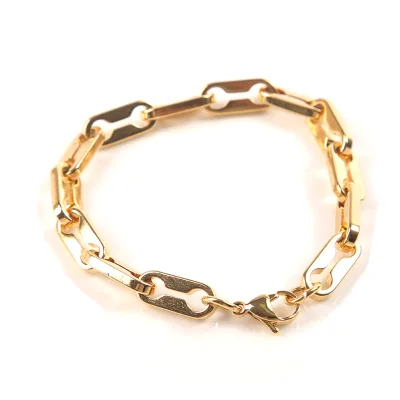
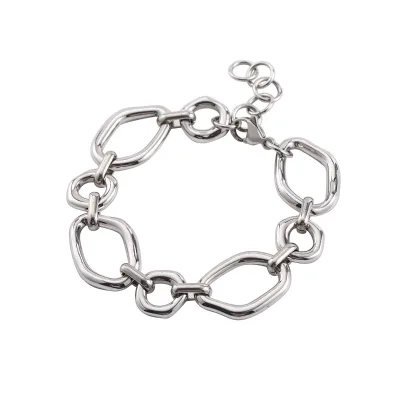










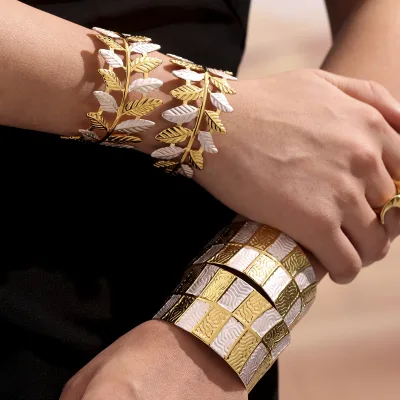
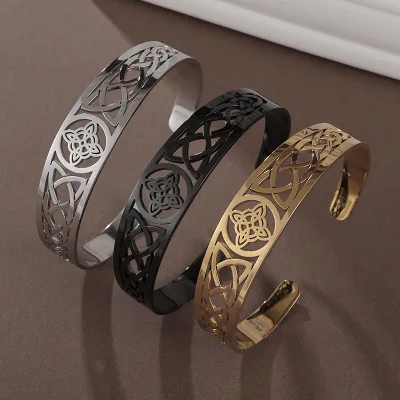
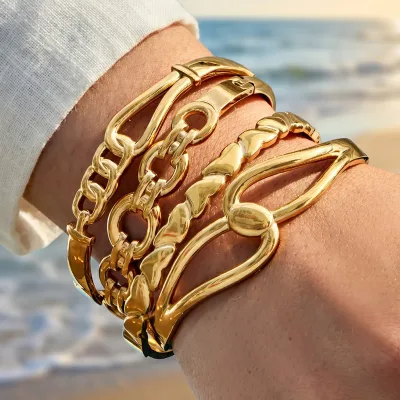
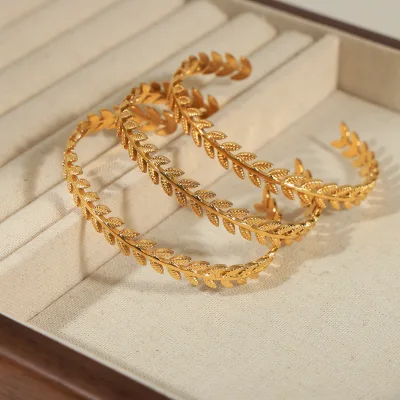
Comprehensive Sourcing Guide
Geometric Pattern Stainless Steel Bracelet Supplier Concentration and Factory Types
The sourcing landscape for geometric pattern stainless steel bracelets is heavily concentrated in specific manufacturing hubs, with Guangdong, China emerging as a primary cluster for this category. Suppliers located in this region often specialize in fashion jewelry, identification bracelets, and custom service offerings, indicating a mature ecosystem for metalworking and accessory production. When evaluating potential partners, buyers should distinguish between pure manufacturers and trading companies, as the latter may offer broader product ranges but potentially less direct control over production quality. Many verified entities in this cluster operate as manufacturers or factories, possessing the necessary infrastructure to handle complex geometric designs and stainless steel fabrication. This concentration allows for efficient supply chain logistics, though it requires careful vetting to ensure the supplier’s actual capabilities align with their stated company type. Buyers must verify if the entity is a direct factory or a trading intermediary, as this distinction impacts pricing structures and communication efficiency. The presence of BV verification on some suppliers provides an additional layer of confidence regarding their operational legitimacy and business practices. Understanding the specific factory type is crucial for determining who holds the intellectual property rights for custom geometric designs and who manages the final quality control processes.
Within this concentrated region, suppliers often offer a mix of OEM and ODM services, allowing buyers to either source existing geometric patterns or develop unique designs. The main products listed by many suppliers in this cluster include stainless steel rings, pendants, earrings, and bracelets, suggesting a versatile production line capable of handling various jewelry forms. Some suppliers explicitly state their ability to handle own brand development, which is essential for buyers looking to establish a distinct market presence. The availability of customization services, such as logo printing and specific plating options, is common among these manufacturers. Buyers should inquire about the supplier’s specific expertise in geometric patterns, as this requires precise cutting and polishing techniques. The distinction between a manufacturer and a trading company becomes particularly relevant when discussing technical specifications like material grade and surface treatment. Direct manufacturers may offer more flexibility in adjusting the geometric design parameters, while trading companies might provide faster access to a wider variety of pre-existing styles. Evaluating the supplier’s primary product focus helps determine if they are a dedicated jewelry specialist or a general gift supplier, which can influence the depth of their expertise in stainless steel jewelry.
How to Verify Geometric Pattern Stainless Steel Bracelet Suppliers
Verifying the authenticity and capability of suppliers requires a multi-layered approach that goes beyond basic profile checks. Buyers should prioritize suppliers with third-party verification badges, such as BV verification, which indicates that an independent agency has audited the company’s business license and operational status. This verification is a critical first step in establishing trust, especially when sourcing from international markets where direct oversight is limited. Beyond verification badges, buyers must scrutinize the supplier’s response time and communication quality, as these metrics often reflect their operational efficiency and customer service commitment. A response time of under four hours, as seen in some verified profiles, suggests a responsive team capable of handling urgent inquiries and complex customization requests. Buyers should also examine the supplier’s main product listings to ensure they align with the specific geometric pattern requirements. Suppliers listing fashion jewelry and stainless steel accessories as their core offerings are more likely to possess the necessary technical expertise than general merchandise traders.
In addition to verification badges and response metrics, buyers should request detailed product attributes and sample information to assess quality control standards. Key attributes to verify include the material composition, specifically the grade of stainless steel used, and the surface treatment processes such as polishing, plating, or black mop finishes. Suppliers should provide clear information on whether their products are fade-resistant, non-oxidizing, and hypoallergenic, as these are critical for customer satisfaction in the jewelry market. Buyers should also inquire about the supplier’s sample time, with many reputable suppliers offering samples within one to three business days. This rapid turnaround allows for quick evaluation of the geometric pattern’s precision and the overall finish quality. Furthermore, buyers should check for any specific certifications or standards the supplier adheres to, although these may not always be explicitly listed in the initial search results. Requesting a video tour of the production facility or detailed photos of the manufacturing process can provide additional assurance of the supplier’s capabilities. By combining verification badges, response time analysis, and detailed product attribute scrutiny, buyers can build a comprehensive profile of each potential supplier’s reliability and quality standards.
What to Compare Across Geometric Pattern Stainless Steel Bracelet Suppliers
When comparing suppliers, buyers must evaluate a range of operational and commercial metrics to identify the best fit for their specific needs. Lead time is a critical factor, with some suppliers offering production times as short as ten days, while others may require up to ninety days. This variance can significantly impact inventory planning and market launch strategies, making it essential to align supplier lead times with business requirements. Buyers should also compare the minimum order quantities (MOQ), which can range from small batches suitable for testing to larger volumes for mass production. Understanding the MOQ helps in assessing the supplier’s flexibility and willingness to accommodate different order sizes. Response time is another key metric, with faster responses indicating a more agile and customer-focused operation. Buyers should also consider the supplier’s location, as proximity to shipping hubs can influence logistics costs and delivery speeds. Suppliers located in Guangdong, China, often benefit from established export infrastructure, which can streamline the shipping process.
Beyond operational metrics, buyers should compare the customization options and product attributes offered by each supplier. The availability of OEM and ODM services is crucial for buyers seeking unique geometric designs or private labeling. Buyers should also evaluate the range of plating options, such as silver, gold, rose gold, or black gun plating, to ensure the supplier can meet aesthetic requirements. The type of clasp, length, and pendant shape are also important details that vary between suppliers. Buyers should compare the price ranges for similar products, keeping in mind that lower prices may sometimes correlate with lower quality or higher MOQs. The availability of logo services and custom packaging options can also differentiate suppliers, especially for buyers focused on brand building. Additionally, buyers should assess the supplier’s ability to handle specific occasions, such as formal or informal events, and their expertise in creating styles that match current fashion trends. By systematically comparing these factors, buyers can make informed decisions that balance cost, quality, and service levels.
Common Geometric Pattern Stainless Steel Bracelet Sourcing Risks
Sourcing geometric pattern stainless steel bracelets involves several potential risks that buyers must proactively manage to ensure a successful procurement process. One significant risk is the discrepancy between the advertised product specifications and the actual delivered goods, particularly regarding material quality and finish durability. Buyers must be vigilant about verifying the stainless steel grade and ensuring that the geometric patterns are precisely executed without sharp edges or uneven surfaces. Another risk is the variability in lead times, which can disrupt supply chain schedules if not properly managed. Suppliers may promise short lead times but fail to deliver on time due to production bottlenecks or material shortages. Buyers should establish clear communication channels and regular progress updates to mitigate this risk. Additionally, the risk of intellectual property infringement is present when sourcing custom geometric designs, as suppliers may replicate designs for other clients. Buyers should ensure that their designs are protected through appropriate legal agreements and that the supplier has a strong track record of respecting confidentiality.
Quality control is another major area of risk, as inconsistent manufacturing standards can lead to high defect rates and customer complaints. Buyers should implement rigorous quality inspection protocols, including pre-shipment inspections and sample approvals, to catch defects early. The risk of non-compliance with international standards and regulations is also a concern, particularly for markets with strict safety and environmental requirements. Buyers must verify that their suppliers adhere to relevant certifications and standards, although these may not always be explicitly listed in initial search results. Another risk is the potential for hidden costs, such as shipping fees, customs duties, and packaging charges, which can inflate the total cost of ownership. Buyers should request detailed quotes that include all potential costs to avoid surprises. Finally, the risk of supplier reliability issues, such as financial instability or operational disruptions, can impact long-term partnerships. Buyers should conduct due diligence on the supplier’s financial health and operational capacity to ensure they can meet ongoing demand. By identifying and addressing these risks early, buyers can build a more resilient and secure supply chain.
Geometric Pattern Stainless Steel Bracelet Regional Sourcing and Logistics
Regional sourcing plays a pivotal role in determining the efficiency and cost-effectiveness of the supply chain for geometric pattern stainless steel bracelets. Suppliers located in Guangdong, China, benefit from a well-developed manufacturing ecosystem and proximity to major shipping ports, which facilitates efficient export logistics. This regional concentration allows for faster production cycles and reduced transportation costs, making it an attractive option for buyers seeking timely delivery. However, buyers must also consider the logistical challenges associated with international shipping, including customs clearance, import duties, and potential delays due to global supply chain disruptions. Understanding the specific logistics capabilities of each supplier is essential, as some may offer door-to-door delivery services while others require buyers to arrange their own freight forwarding. Buyers should also evaluate the supplier’s experience with international trade, including their familiarity with export documentation and compliance requirements.
Logistics planning should also account for the packaging and handling requirements of stainless steel jewelry, which is susceptible to scratching and damage during transit. Buyers should ensure that suppliers use appropriate packaging materials, such as PP bags or custom boxes, to protect the products during shipping. The weight and dimensions of the shipments can also impact shipping costs, so buyers should optimize their order quantities and packaging to minimize freight expenses. Additionally, buyers should consider the lead time for sample shipments, as quick sample delivery is crucial for product evaluation and approval. Suppliers with efficient logistics networks can provide samples within a few days, accelerating the sourcing process. Buyers should also establish clear communication regarding shipping methods and tracking information to monitor the progress of their orders. By carefully planning regional sourcing and logistics, buyers can ensure a smooth and cost-effective supply chain for their geometric pattern stainless steel bracelets.
Geometric Pattern Stainless Steel Bracelet Commercial Terms and Order Planning
Commercial terms and order planning are critical components of a successful sourcing strategy for geometric pattern stainless steel bracelets. Buyers must negotiate clear payment terms, such as escrow services or letters of credit, to protect their financial interests and ensure secure transactions. Understanding the supplier’s pricing structure, including any volume discounts or setup fees for custom designs, is essential for accurate cost forecasting. Buyers should also clarify the terms for sample orders, including whether samples are free or charged, and if the sample cost is deductible from the final order. Order planning should involve detailed forecasting of demand to determine the optimal order quantities and production schedules. Buyers should consider the supplier’s lead time and MOQ when planning their inventory levels to avoid stockouts or excess inventory. Additionally, buyers should establish clear quality acceptance criteria and return policies to handle any potential issues with the delivered goods.
Effective order planning also requires regular communication with the supplier to monitor production progress and address any emerging issues promptly. Buyers should schedule regular check-ins to review production status, quality control results, and shipping arrangements. This proactive approach helps to prevent delays and ensures that the orders are completed on time. Buyers should also plan for potential contingencies, such as supply chain disruptions or changes in market demand, by maintaining a buffer stock or identifying alternative suppliers. Understanding the commercial terms related to intellectual property and confidentiality is also crucial, especially for custom designs. Buyers should ensure that their agreements include clauses that protect their proprietary designs and prevent the supplier from sharing them with competitors. By carefully managing commercial terms and order planning, buyers can build a robust and reliable sourcing process for their geometric pattern stainless steel bracelets.
FAQs
What is the price range for stainless steel bracelets?
Prices typically range from $1.30 to $16.00 per unit depending on the specific design and material grade. Basic fashion bracelets start around $1.30, while more complex items like skull bangles cost approximately $16.00. Buyers should verify exact pricing with suppliers for bulk orders.
What is the minimum order quantity for these items?
The minimum order quantity is generally 100 pieces for standard stainless steel bracelets. This baseline allows buyers to test market demand without excessive inventory risk. Specific suppliers may have different thresholds, so confirming the exact MOQ during negotiation is essential for accurate budgeting.
How long does production take for custom orders?
Lead times vary significantly, ranging from 10 days for standard items to 90 days for complex custom manufacturing. Buyers requiring faster turnaround should prioritize suppliers with shorter stated lead times. Always confirm production schedules with the supplier before finalizing payment terms.
Are these bracelets suitable for sensitive skin?
Many stainless steel options are marketed as non-allergic, fade-resistant, and oxidation-free. These properties make them suitable for sensitive skin compared to cheaper alloys. Buyers should request material certifications or samples to verify hypoallergenic claims before placing large orders.
Can I get custom logos or branding?
Customization is widely available, including logo services and OEM/ODM capabilities. Suppliers support various styles, from simple engravings to complex ethnic trends. Buyers should discuss design files and proofing processes early to ensure the final product matches their brand requirements.
Where are these manufacturers located?
Most suppliers are located in Guangdong, China, a major hub for jewelry manufacturing. This region offers established supply chains for stainless steel and fashion accessories. Buyers can leverage this geographic concentration for efficient logistics and competitive pricing on bulk orders.