Non-Slip Suede Yoga Mat Suppliers and Manufacturers
Compare 13 verified suppliers offering non slip suede yoga mats from China Jiangsu, Guangdong, and Zhejiang. Review response times, lead times, certifications, and MOQs to select a partner. Contact suppliers directly to request samples and confirm pricing; review the available evidence before requesting comparable quotations from suitable candidates.
Suppliers List

Nanjing Tropical International Co., Ltd.
- Verified by BV
- Trading Company
- China Jiangsu
- Lead time30 days
- Avg. response≤ 14h
Main productsYoga Block, Yoga Mat, Yoga Wheel, Foam Roller, Yoga Bolster, Yoga Towel, Yoga Ball, Yoga Bag, Pilates Ring, Resistance Band
Main marketsEurope,North America

Dongguan Jiuzilong Industrial Co., Ltd.
- Verified by SGS
- Manufacturer
- China Guangdong
- Lead time30 days
- Avg. response≤ 4h
Main productsMouse Pad, Yoga Mat, Bar Mat, Gaming Pad, Floor Mat, Mousepad, RGB LED Mouse Pad, Glass Mouse Pad, Door Mat, Chair Mat
Main marketsDomestic


Foldable Travel Fitness Non Slip Natural Rubber Microfiber Suede Yoga Mat
$5.60 - $7.50
MOQ: 100 Pieces


Custom Logo Eco-Friendly Durable Pilates Mat Anti-Slip PU Suede Yoga Mat
$5.60 - $7.50
MOQ: 100 Pieces

Wholesale Suede Rubber Soft Yoga Mat Non-Slip Sweat Absorbent High Quality Low Price
$5.60 - $7.50
MOQ: 100 Pieces

Hangzhou Lutai Import and Export Trading Co., Ltd
- Verified by BV
- Trading Company
- China Zhejiang
- Lead time30 days
- Avg. response≤ 4h
Main productsTraffic Cone, Speed Hump, Cable Protector Ramp, Traffic Post, Wheel Chock, Corner Guard, Traffic Barricade, Reflective Traffic Sign, Convex Mirror
Main marketsDomestic
Hangzhou Jukui Technology Co., Ltd.
- Verified by SGS Group
- Manufacturer, Trading Company
- Lead time15 days
- Avg. response≤ 4h
Main productsMouse Pad, Yoga Mat, Yoga Towel, Yoga Wheel and Yoga Block, Game Mat
Main marketsNorth America(35%), Western Europe(30%), Northern Europe(6%)
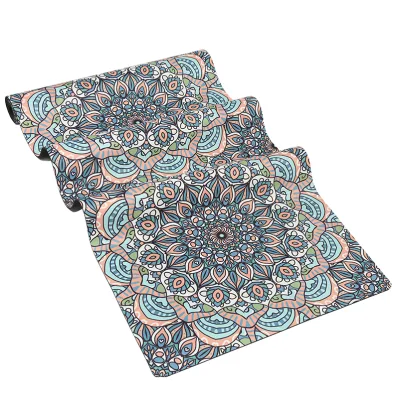
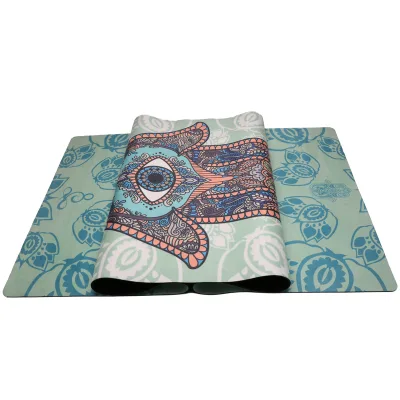
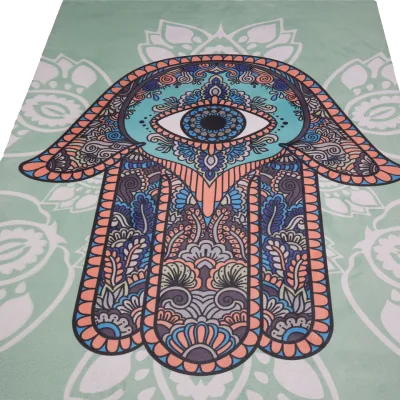
Custom Designs Engraving Printing Anti-Slip Suede Yoga Mat,Eco-Friendly Workout Yoga Mat
$12.50 - $12.80
MOQ: 10 pieces
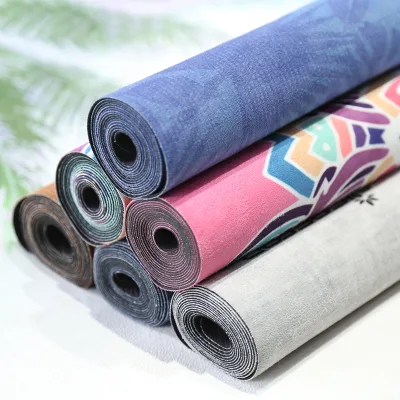
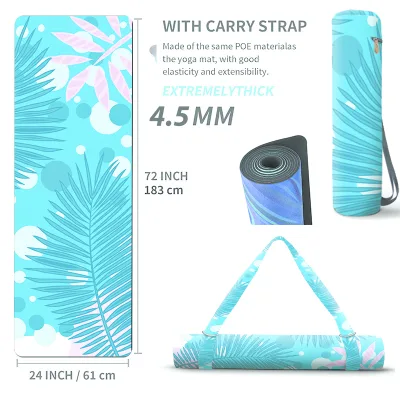
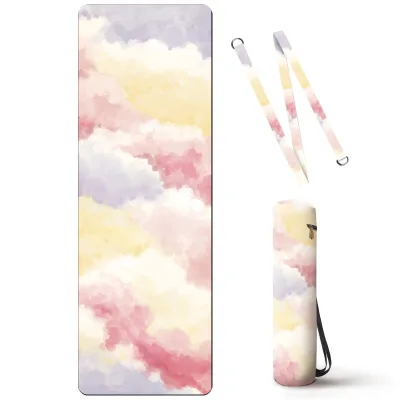

Sansd (Jiangsu) Environmental Technology Co., Ltd.
- Verified by BV
- Combined
- China Jiangsu
- Lead time15 days
- Avg. response≤ 4h
Main productsEVA Foam, EVA Mat, EVA Sheet, EVA Roll, EVA, Yoga Mat, EVA Foam Sheet, PE Foam, EVA Foam Ma, EVA Products
Main marketsDomestic

Soft and Light Anti Slip Waterproof Suede Yoga Mat Strong Grip 8mm Yoga Mat
$5.60 - $9.00
MOQ: 500 Pieces

Non-Slip Suede Yoga Mat High Density Waterproof Eco Friendly Pilates Gym Mat From China
$5.60 - $9.00
MOQ: 500 Pieces

Suede Pilates Yoga Mat Gym Fitness Customized Eco Friendly Non Slip for Exercise
$5.60 - $9.00
MOQ: 500 Pieces

8mm Non-Slip Suede Yoga Mat Fitness Sports Gym Mat Thicken with High Quality Material
$5.60 - $9.00
MOQ: 500 Pieces

Hot Sale Portable Natural Suede Yoga Mat Eco Friendly Anti Slip for Exercise in Gym
$5.60 - $9.00
MOQ: 500 Pieces

Bei Mei Ti Home Supplies (Shenzhen) Co., Ltd
- Verified by BV
- Manufacturer/Factory
- China Guangdong
- Lead time38 days
- Avg. response≤ 7h
Main productsLeather Mat, Baby Play Mats, Dogs Mats, Home Mats, Placemats, Mouse Pads, Kitchen Mats
Main marketsSouth America,Eastern Europe,Mid East,North America,Southeast Asia,Eastern Asia,Oceania,Western Europe,Africa

Eco Friendly Suede Natural Rubber Non Slip High Quality Yoga Fitness Mat
$9.98 - $14.80
MOQ: 10 Pieces


Qingdao SOL Industrial and Trade Co., Ltd.
- Verified by BV
- Manufacturer/Factory
- China Shandong
- Lead time15 days
- Avg. response≤ 3h
Main productsRubber Flooring, Rubber Mat, Rubber Tile, Gym Floor Mat, Fitness Equipment, Rubber Paver, Acoustic Underlayer, Rubber Floor Tile, Gym Flooring, Gym Tile
Main marketsSouth America,Eastern Europe,Mid East,North America,Southeast Asia,Eastern Asia,Oceania,Western Europe,Africa

Shenzhen Villsun Sports Technology Co., Ltd
- Verified by SGS
- Trading Company
- China Guangdong
- Lead time23 days
- Avg. response≤ 2h
Main productsFitness Equipment, Yoga Mats, Resistance Bands, Yoga Ball, Shin Guards, Knee Pads, Elbow Pads, Strength Fitness Equipment, Hand Grip, Yoga Wear
Main marketsSouth America,Southeast Asia/ Mideast,Europe,Australia,North America

Non Slip Round Yoga Mat Natural Rubber with Sueded Surface Exercise Mat
$15.88 - $19.65
MOQ: 200 Pieces


Nantong Ironman Sporting Industrial Co., Ltd.
- Verified by BV
- Trading Company,Manufacturer/Factory
- China Jiangsu
- Lead time60 days
- Avg. response≤ 10h
Main productsDumbbell Set, Yoga Accessories, Barbell Set, Home Equipment, Gym Equipment, Jump Rope, Kettlebells, Plates, Weightlifiting Set, Bars
Main marketsSouth America,Eastern Europe,Mid East,North America,Southeast Asia,Eastern Asia,Oceania,Western Europe,Africa

Ningbo East Packaging Technology Co., Ltd.
- Verified by BV
- Trading Company
- China Zhejiang
- Lead time23 days
- Avg. response≤ 3h
Main productsDisposable Gloves, Nitrile Gloves, Vinyl Gloves, Latex Gloves, Food Packaging, Disposable Tableware, PPE Products, Packaging & Labels, Flashlights, General Consumer Products
Main marketsDomestic
Hunan Greenleader Sports Co., Ltd.
- Verified by SGS Group
- Trading Company
- Lead time35 days
- Avg. response≤ 3h
Main productsYoga Mat, Yoga Accessories, Reformer Mat, Acupressure Mat, Resistance Band
Main marketsNorth America(75%), Western Europe(15%), Southeast Asia(4%)
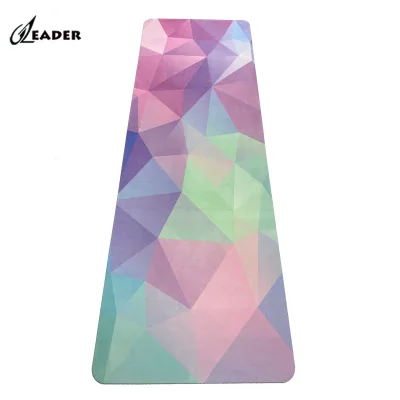
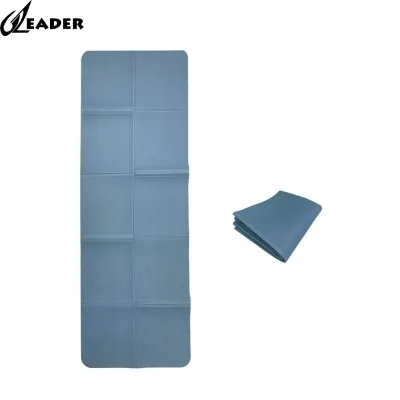
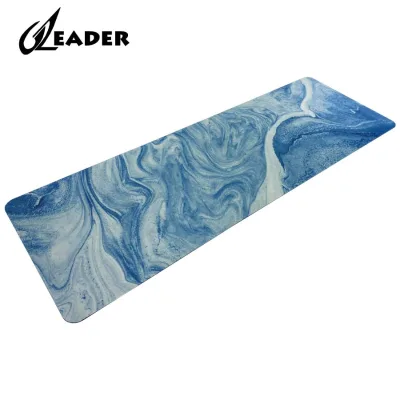
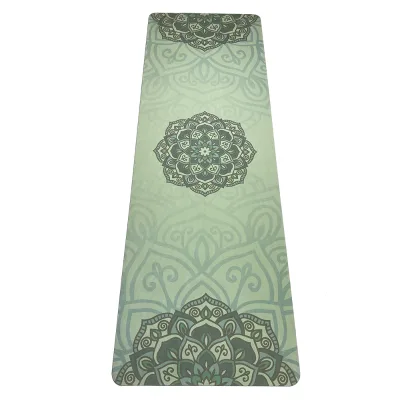
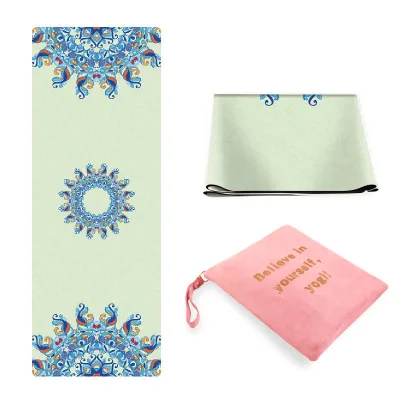
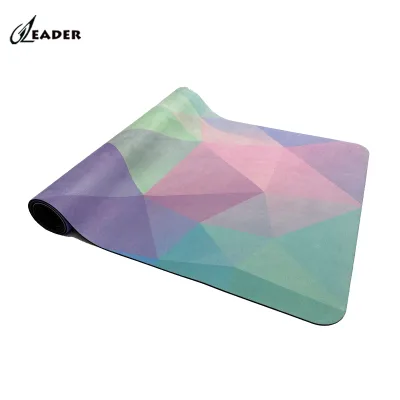
Green Yellow Mandala Colourful Yoga Mat
$11.10 - $13.30

Jiangsu Miaohong Environmental Protection New Material Co., Ltd.
- Verified by BV
- Combined
- China Jiangsu
- Lead time15 days
- Avg. response≤ 7h
Main productsSponge, Cleaning Sponge, Kitchen Sponge, Dishcloth, Magic Sponge
Main marketsSouth America,Southeast Asia/ Mideast,Domestic,Europe,North America

Shanghai Ritmark Sports Co., Ltd.
- Verified by BV
- Trading Company,Manufacturer/Factory
- China Shanghai
- Lead time23 days
- Avg. response≤ 5h
Main productsPVC Boat Fender, Fitness Ball, Fitness Sandbag, Waist Belt, Massage Tools, Acupressure Mat, Buoys, Dock Bumper, Yoga Items, Fitness Products
Main marketsSouth America,Eastern Europe,Mid East,North America,Southeast Asia,Eastern Asia,Oceania,Western Europe,Africa


Comprehensive Sourcing Guide
Non-Slip Suede Yoga Mat Supplier Concentration and Factory Types
The current supplier landscape for non slip suede yoga mats reveals a distinct concentration of manufacturing and trading entities within specific Chinese provinces. Verified data indicates active suppliers operating from Jiangsu, Guangdong, and Zhejiang, each presenting different operational models. In Jiangsu, the primary entity identified is a trading company specializing in a broad range of fitness accessories including yoga blocks, wheels, and resistance bands. This suggests that while the core product is a yoga mat, the supplier's broader inventory may influence their sourcing strategy and inventory depth for suede-based products. Conversely, the Guangdong region features a manufacturer with capabilities in ODM and OEM services, offering a more direct production line for custom designs and specific material compositions like natural rubber and microfiber suede.
Zhejiang-based suppliers appear in the results with a focus on traffic safety equipment, yet they also list non slip suede yoga mats within their product portfolio. This indicates a potential diversification strategy where suppliers may not specialize exclusively in fitness gear but maintain a presence in the yoga mat market. When evaluating factory types, buyers must distinguish between trading companies that aggregate products from various factories and manufacturers who control the production process. The presence of a trading company in Jiangsu implies a potential layer of intermediation, whereas the manufacturer in Guangdong offers direct access to production capabilities. Buyers should verify the actual factory location and ownership structure to ensure they are dealing with the source of production rather than a reseller, as this impacts quality control and communication efficiency.
How to Verify Non-Slip Suede Yoga Mat Suppliers
Verification of Non-Slip Suede Yoga Mat suppliers requires a rigorous examination of third-party credentials and platform-specific trust indicators. The available data highlights that some suppliers hold BV verification status, while others possess SGS certification. These external validations serve as critical evidence of a supplier's operational legitimacy and adherence to specific business standards. Buyers should prioritize suppliers with these verified badges, as they indicate that an independent agency has reviewed the company's business license, factory conditions, or product quality. However, the absence of a specific certification like BV or SGS in the provided data does not automatically disqualify a supplier, but it necessitates a deeper inquiry into their internal quality assurance processes.
Beyond external badges, buyers must scrutinize the specific product attributes and certifications listed for the non slip suede yoga mats. Evidence shows that some products carry certifications such as RoHS, ISO9001, CE, SGS, and Sedex, which are vital for international compliance and safety. These certifications confirm that the materials used, such as the suede top layer and rubber base, meet specific environmental and safety standards. Buyers should request copies of these certificates and verify their validity with the issuing bodies. Additionally, the response time of a supplier, observed in the data as varying from 3.14 to 13.84 hours, serves as a proxy for their operational responsiveness. A faster response time often correlates with better communication channels and a more active sales team, which is essential for resolving issues during the sourcing process.
What to Compare Across Non-Slip Suede Yoga Mat Suppliers
When comparing suppliers for non slip suede yoga mats, the primary dimensions to evaluate include minimum order quantities, lead times, and pricing structures. The data indicates a wide variance in these metrics; for instance, one supplier lists a minimum order quantity of 100 pieces, while another accepts orders as low as 30 pieces. This difference is crucial for buyers with varying inventory needs, as a high MOQ might strain cash flow for smaller startups, whereas a low MOQ could result in higher per-unit costs. Lead times also vary significantly, with some suppliers offering a standard delivery window of 30 days, while others specify a range of 30 to 60 days for formal orders. Buyers must align these timelines with their sales cycles to avoid stockouts or excess inventory.
Pricing and customization options form another critical comparison point. The observed price range for non slip suede yoga mats spans from approximately 5.60 to 8.70 per unit, depending on the specific model and material composition. Suppliers offering OEM services and custom logo printing allow for brand differentiation, which is often a key requirement for retailers. The data confirms that customization is available across multiple listings, with options for custom shapes, colors, and packaging. However, buyers should note that custom orders often incur longer lead times and potentially higher sample costs. Comparing the sample delivery times, which range from 3 to 5 days for some manufacturers to 15 days for others, helps buyers assess the speed at which they can validate product quality before committing to a large order.
Common Non-Slip Suede Yoga Mat Sourcing Risks
One significant risk in sourcing non slip suede yoga mats involves the discrepancy between claimed material quality and actual product performance. While many listings advertise eco-friendly, non-toxic, and natural rubber materials, the specific composition can vary between suppliers. Some products are described as having a suede top with a natural rubber base, while others may use TPE or PVC alternatives that mimic the suede texture. Without physical testing or verified lab reports, buyers risk receiving mats that lack the advertised non-slip properties or durability. The presence of certifications like RoHS and ISO9001 helps mitigate this, but buyers must ensure these certifications apply to the specific batch of goods being ordered, not just the company's general compliance status.
Another prevalent risk is the inconsistency in packaging and shipping logistics, which can lead to product damage or delays. The data shows varied packaging methods, ranging from simple paper wraps to more protective options like boxes or carry straps. Inadequate packaging can result in the suede surface getting soiled or the mat being creased during transit, rendering it unsellable. Furthermore, the response times of suppliers, which can vary from under four hours to nearly fourteen hours, indicate potential communication bottlenecks. A slow response time may delay critical decisions regarding order modifications or quality disputes. Buyers should establish clear communication protocols and request detailed packaging specifications before finalizing orders to ensure the product arrives in pristine condition.
Non-Slip Suede Yoga Mat Regional Sourcing and Logistics
Regional sourcing strategies for non slip suede yoga mats must account for the specific manufacturing hubs identified in the data, primarily Jiangsu, Guangdong, and Zhejiang. Each region offers distinct logistical advantages and challenges. Jiangsu-based trading companies may offer a consolidated inventory of various fitness products, potentially simplifying the sourcing process for buyers looking for a one-stop shop. However, the involvement of a trading company might introduce additional layers in the supply chain, potentially affecting lead times and cost structures. In contrast, manufacturers in Guangdong often provide direct access to production lines, which can facilitate faster turnaround times for custom orders and more transparent quality control measures.
Logistics from these regions generally involve shipping from major Chinese ports, but the specific origin affects transit times and freight costs. Suppliers in Guangdong and Zhejiang are often closer to coastal shipping hubs, which can streamline export procedures. Buyers should verify the exact port of loading for each supplier to estimate shipping durations accurately. Additionally, the product dimensions and weight, such as the standard sizes of 180x66cm or 173x61cm, influence freight calculations. Bulk orders of non slip suede yoga mats can be heavy, and improper consolidation of shipments can lead to unexpected freight charges. Buyers should request detailed shipping terms, including Incoterms, to understand who bears the risk and cost during transit, ensuring that the regional location of the supplier aligns with their logistical capabilities and budget constraints.
Non-Slip Suede Yoga Mat Commercial Terms and Order Planning
Commercial terms for Non-Slip Suede Yoga Mat orders typically include payment methods, sample policies, and delivery schedules that must be carefully negotiated. The data indicates that suppliers accept various payment methods, including PayPal, Western Union, TT, and Trade Assurance. Trade Assurance is particularly valuable as it offers buyer protection, ensuring that funds are only released once the order meets the agreed-upon specifications. Buyers should prioritize suppliers who offer this protection to mitigate financial risks. Additionally, sample policies vary, with some suppliers offering samples within 3 to 5 days and others taking up to 15 days. Understanding these timelines is essential for planning the product launch and ensuring that the final bulk order matches the sample quality.
Order planning must also consider the minimum order quantities and production lead times to maintain a healthy inventory flow. With MOQs ranging from 30 to 100 pieces, buyers can tailor their initial orders to their market demand without overcommitting capital. However, the lead times, which can extend from 30 to 60 days for formal orders, require advance planning to avoid stock shortages. Buyers should factor in the time required for sample approval, production, and shipping when creating their procurement schedule. Furthermore, the availability of customization options, such as custom logos and packaging, should be integrated into the order plan to ensure brand consistency. By aligning commercial terms with realistic production timelines, buyers can optimize their supply chain efficiency and reduce the risk of delays or cost overruns.
FAQs
What is the minimum order quantity for suede yoga mats?
The minimum order quantity is typically 100 pieces for standard suede yoga mats from suppliers in Jiangsu. Some manufacturers in Guangdong offer lower thresholds starting at 30 pieces for custom designs. Buyers should verify specific MOQs per product model before placing orders.
How long does delivery take for formal orders?
Formal delivery times generally range from 30 to 60 days depending on the supplier location and order volume. Sample delivery is faster, often taking 15 days or less for standard items. Specific timelines vary by manufacturer capacity and current production schedules.
Which certifications do these yoga mats hold?
Many products carry RoHS, ISO9001, CE, SGS, and Sedex certifications to ensure safety and quality standards. These certifications apply to specific models like the 6mm non-slip suede mats. Buyers must confirm current certification status for each supplier before finalizing purchases.
What payment methods are accepted for these mats?
Accepted payment methods include PayPal, Western Union, T/T, and Trade Assurance for secure transactions. These options are standard across most trading companies and manufacturers in the region. Buyers should select Trade Assurance for additional protection during the sourcing process.
Are custom logos and designs available for these mats?
Customization is available for logos, colors, and shapes on most suede yoga mat models. Suppliers accept OEM requests and offer various packaging options like paper wrap or carry straps. Buyers need to provide design files to initiate the customization process with the manufacturer.
What is the price range for non-slip suede yoga mats?
Prices typically range from 5.60 to 8.70 USD per piece depending on material and customization. Specific models like the 6mm suede mats often fall between 6.80 and 7.50 USD. Final pricing depends on order quantity and specific supplier terms.
Where are these yoga mat manufacturers located?
Manufacturers are primarily located in Jiangsu, Guangdong, and Zhejiang provinces in China. Jiangsu suppliers often focus on trading and standard mats, while Guangdong facilities may offer more custom manufacturing options. Location affects shipping times and logistics costs significantly.
How quickly do suppliers respond to inquiries?
Response times vary, with some suppliers replying within 3 to 4 hours and others taking up to 14 hours. Faster response rates are common among manufacturers in Guangdong compared to trading companies. Buyers should check individual supplier profiles for current response metrics.