Bullet Key Chain Kerosene Lighter Suppliers and Manufacturers
Compare 15 verified suppliers offering Bullet Key Chain Kerosene Lighter products from Zhejiang, China. Review response times, lead times, and MOQs to find the right partner. Contact suppliers directly to request samples and confirm pricing; review the available evidence before requesting comparable quotations from suitable candidates.
Updated
Suppliers List
- Trading Company
- Zhejiang, China
- Lead time15 days
- Avg. response≤ 2h
Main productslighter,ashtray,cigarette case,Cigar accessorries,torch lighter
Main marketsNorth America(50.00%), Eastern Europe(20.00%), Southeast Asia(20.00%), South America(10.00%)
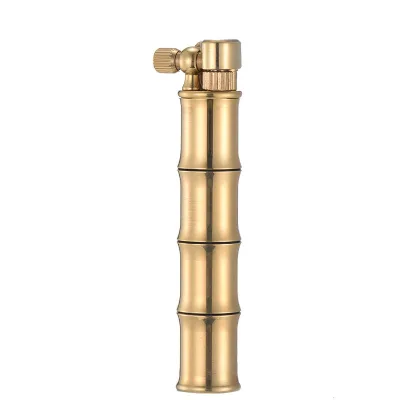
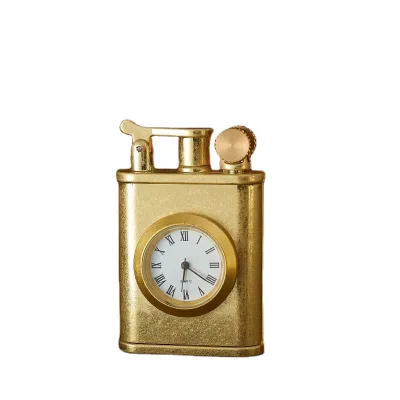
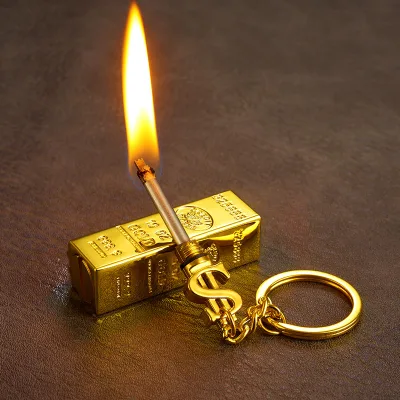
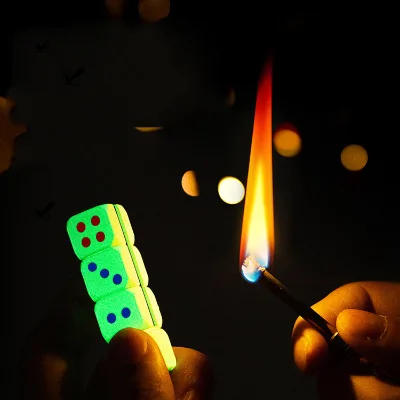
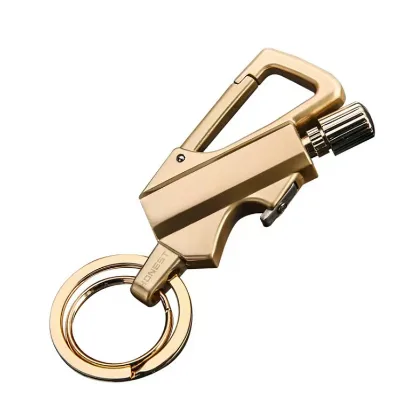
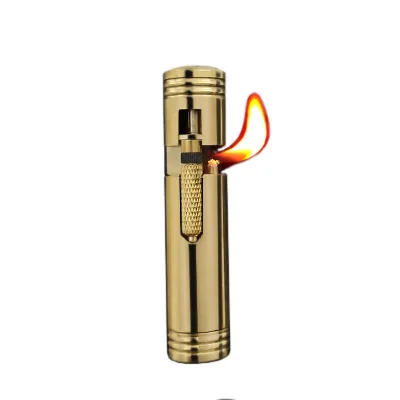
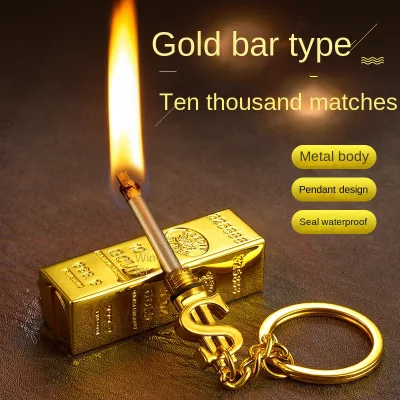
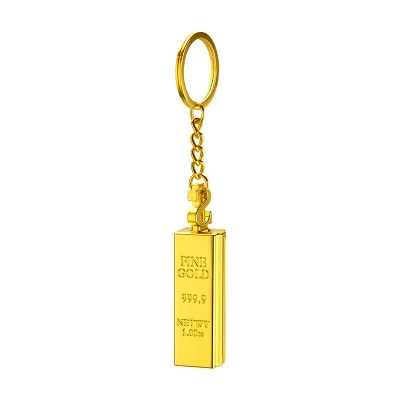
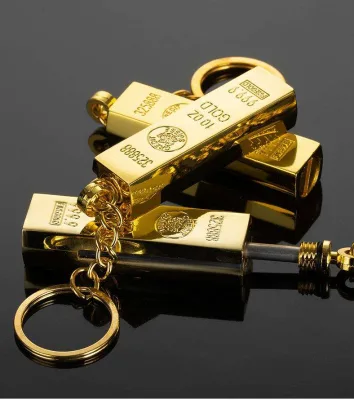
New Metal Golden Bar Shaped Key Chain Lighter Multifunctional Kerosene Lighter
$1.07 - $1.53
MOQ: 2 pieces
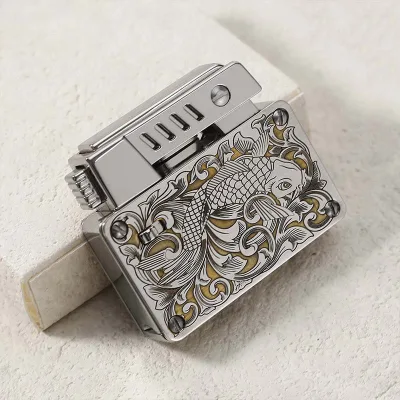
$1.65 - $2.18
MOQ: 2 pieces
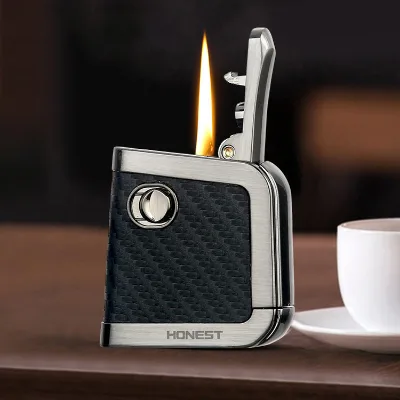
Jiashan Jiaxin Electronic Products Co., Ltd.
- Verified by TüVRheinland
- Manufacturer, Trading Company
- Lead time15 days
- Avg. response≤ 2h
Main productsLighter, Electronic Lighter, Cigarette Lighter, USB Lighter
Main marketsNorth America(30%), South America(30%), Eastern Europe(30%)
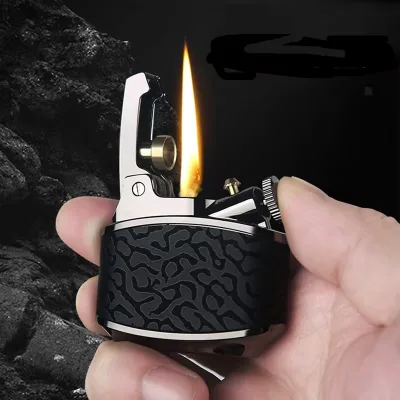
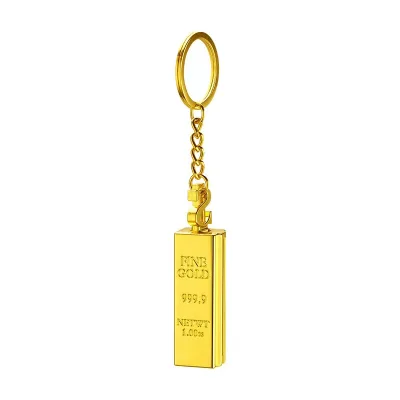
Creative Gold Bar Shaped Lighter Vintage Kerosene Lighter Match Key Chain
$1.9491 - $2.0509
MOQ: 1 pieces
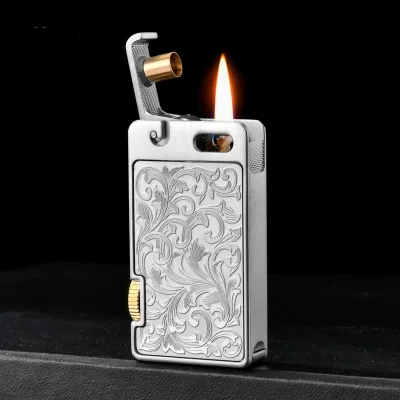
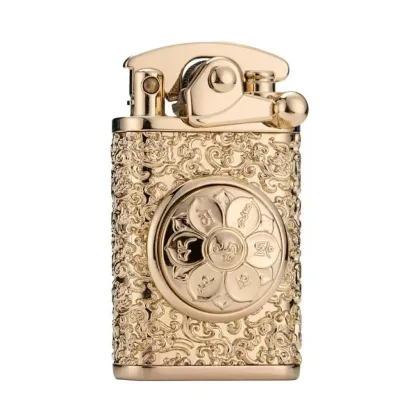
Creative Ejection Ignition Personality Business Men's Gift Asprey Kerosene Lighter
$13.8428 - $14.8682
MOQ: 5 pieces
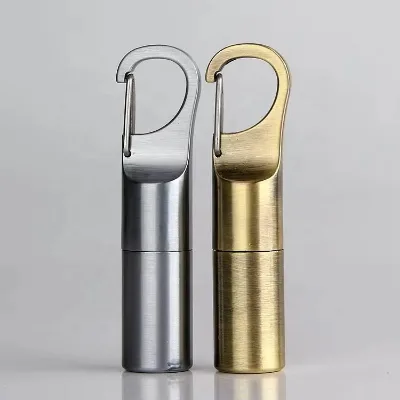
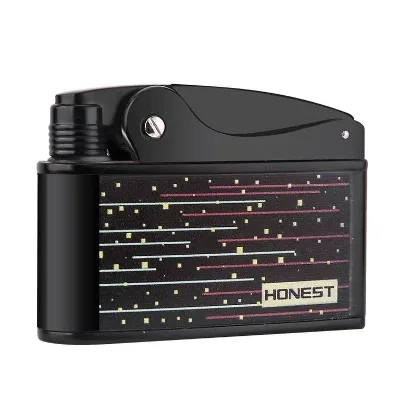
Zhejiang Jiaxin Electronic Products Co., Ltd.
- Manufacturer, Trading Company
- Zhejiang, China
- Lead time15 days
- Avg. response≤ 2h
Main productsLighters,Electronic USB Lighter,Cigarette set,herb grinder,BBQ torch ignitor
Main marketsEastern Europe(30.00%), South America(30.00%), North America(30.00%), Southeast Asia(10.00%)
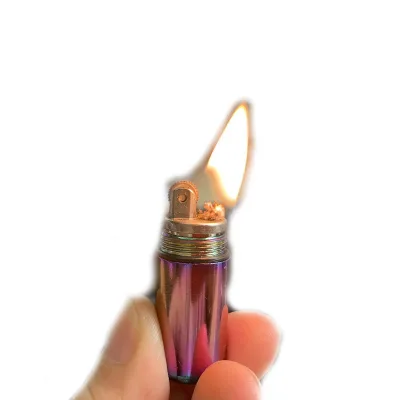
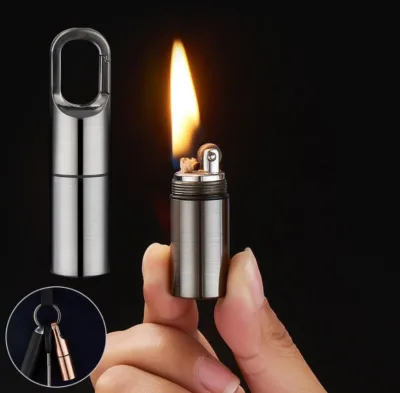
Novelty Mini Key Chain Kerosene Lighter Kerosene Lighter Vintage Oil Lighter Manufacturer
$0.9775 - $1.235
MOQ: 5 pieces
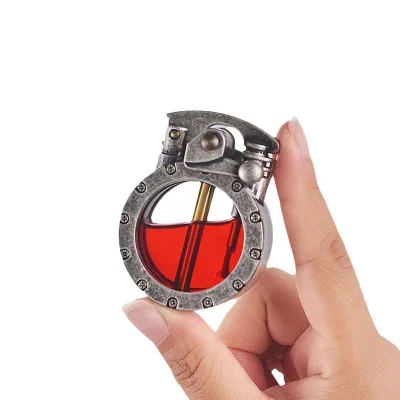
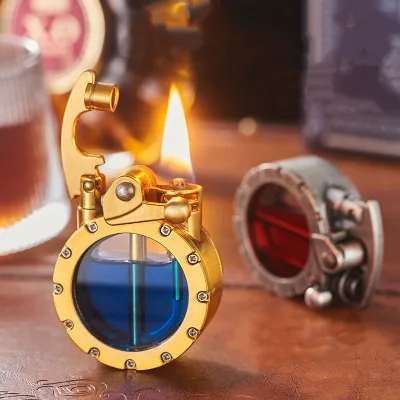
Gift Packaging with One Bottle Kerosene Lighter Kerosene Lighter Brass Kerosene Cigarette Lighter
$11.7215 - $12.0823
MOQ: 5 pieces

Hangzhou Radiant Glass Import & Export Co., Ltd.
- Verified by SGS
- Trading Company
- China Zhejiang
- Lead time23 days
- Avg. response≤ 5h
Main productsGlass Water Pipe, Glass Pipe, Oil Burner Pipe/Bowl, Silicone Pipe, Quartz Banger, Downstem, Glass Bowl, Glass Accessories, Ash Catcher, Glass Smoking Pipe
Main marketsSouth America,North America

Zhongshan Saiya Souvenirs & Gifts Manufacturer
- Verified by SGS
- Combined
- China Guangdong
- Lead time23 days
- Avg. response≤ 4h
Main productsFridge Magnet, Metal Crafts, Keychain, Shot Glass, Bottle Opener, License Plate, Photo Frame, Souvenir Bag
Main marketsSoutheast Asia/ Mideast,Europe,North America

Customized Logo Antique Russia Souvenir Metal Cigarette Lighter Smoking Kerosene Lighter
$1.00 - $1.20
MOQ: 720 pieces

Souvenir Windproof Lighter Custom Logo Metal Cigarette Smoking Kerosene Lighter
$1.00 - $1.20
MOQ: 720 pieces

Customized Engraved Logo Vintage Souvenir Windproof Cigarette Metal Kerosene Lighter
$1.00 - $1.20
MOQ: 720 pieces

Customised Engraved Logo 3D Oil Metal Lighter Cigarette Souvenir Windproof Kerosene Lighter
$1.00 - $1.20
MOQ: 720 pieces

Wholesale Custom Logo Norway Souvenir Metal Lighter Cigarette Kerosene Lighter
$1.00 - $1.20
MOQ: 720 pieces

Wholesale Customized Engraved Printing Logo Vintage Windproof Metal Smoking Kerosene Lighter
$1.00 - $1.20
MOQ: 720 pieces

Yushan County Tiger Ping Trade Co., Ltd.
- Trading Company
- Jiangxi, China
- Lead time15 days
- Avg. response≤ 5h
Main productsPet
Main marketsNorth America(40.00%), Central America(25.00%), Eastern Asia(20.00%), Southern Europe(5.00%), Northern Europe(5.00%), Western Europe(5.00%)
Shenzhen Ottoya Technology Co., Ltd.
- Manufacturer, Agent, Government ministry/Bureau/Commission
- Guangdong, China
- Lead time0 days
- Avg. response≤ 3h
Main productsElectronic lighter,Windproof lighter,Torch lighter,Metal lighter,Smoking accessories
Main marketsNorth America(42.00%), Western Europe(16.00%), Mid East(8.00%), Northern Europe(7.00%), Eastern Europe(5.00%), Southern Europe(4.00%), Eastern Asia(4.00%), South America(3.00%), South Asia(2.00%), Central America(2.00%), Africa(2.00%), Oceania(2.00%), Southeast Asia(2.00%), Domestic Market(1.00%)
- Verified by SGS Group
- Trading Company
- Lead time15 days
- Avg. response≤ 3h
Main productsLighters, Cigarette Case, Ashtray
Main marketsNorth America(70%), Northern Europe(25%), Southeast Asia(5%)
Shenzhen Bothwinner Plastic Electronic Factory
- Verified by TüVRheinland
- Manufacturer, Trading Company
- Lead time5 days
- Avg. response≤ 7h
Main productsChicken Coop Door, Pet Toy, Pet Cleaning Products, Bird Sound Box, Bicycle Phone Holder
Main marketsNorth America(20%), Northern Europe(20%), South America(10%)

Foshan Zhuiyue Metal Products Co., Ltd
- Verified by CTI
- Trading Company
- China Guangdong
- Lead time23 days
- Avg. response≤ 3h
Main productsSmoking Accessories, Rolling Paper, Herb Grinder, Packaging, Glass Tips
Main marketsDomestic


Unique Keychain Lighter: Accept Customer Requirements for Design and Color
$0.50 - $0.80
MOQ: 500 Pieces

Customizable Logo Keychain Lighter - Accepting Unique Designs and Colors
$0.50 - $0.80
MOQ: 500 Pieces


- Trading Company
- Zhejiang, China
- Lead time10 days
- Avg. response≤ 2h
Main productsbluetooth wireless headset,data charging cable,USB lighter,Wired Gaming Headset,sports headphones
Main marketsNorth America(30.00%), Southeast Asia(20.00%), South America(20.00%), Mid East(10.00%), Africa(10.00%), Eastern Europe(10.00%)

Shenzhen Lovisle Technology Co., Ltd.
- Verified by TUVRHEINLAND
- Trading Company,Manufacturer/Factory,Group Corporation
- China Guangdong
- Lead time38 days
- Avg. response≤ 9h
Main productsTorch Gas Lighter, Cigarette Lighter, Cigarettes Cases, USB Lighter, Herb Grinder, Water Hookah Shisha, Rolling Machine, Smoking Accessories, Electronic Cigarettes Lighters
Main marketsSouth America,Eastern Europe,Mid East,North America,Southeast Asia,Eastern Asia,Oceania,Western Europe,Africa

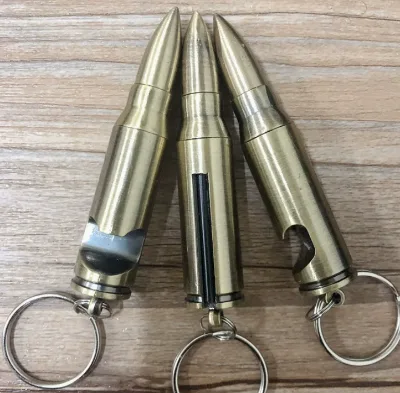
Metal Keychain Lighter Eternal Match Bullet Shaped Torch Gas Smoking Cigarette Lighter
$1.50 - $2.50
MOQ: 50 Pieces

Pipe Lighter Pocket Smoking Tool Pipe Lighter Gift Butane Refillable Smoking Lighter
$4.80 - $5.30
MOQ: 200 Pieces

Hunan Dongyi Electric Co., Ltd.
- Verified by CTI
- Combined
- China Hunan
- Lead time15 days
- Avg. response≤ 17h
Main productsElectronic Lighter, Flint Lighter, BBQ Lighter, USB Lighter, Utility Lighter, LED Item
Main marketsSouth America,Africa,Southeast Asia/ Mideast,East Asia(Japan/ South Korea),Domestic,Europe,Australia,North America

Printing Plastic Cigarette Lighter Electric Gas Lighter OEM High Quality Lighter
$0.0521 - $0.073
MOQ: 200000 Pieces


Classic Disposable Rubber Color Hot Selling Electric Lighter Cigarette Lighter
$0.01 - $0.18
MOQ: 200000 Pieces


Benxi Fenghe Lighter Co., Ltd.
- Verified by TUVRHEINLAND
- Combined
- China Liaoning
- Lead time30 days
- Avg. response≤ 7h
Main productsFlint Lighter, Electronic Lighter, Cr Lighter, Disposable Lighter, Refillable Lighter, Torch Lighter, Cigarette Lighter, Plastic Lighter, Gas Lighter, Pocket Lighter
Main marketsEast Asia(Japan/ South Korea)


High Quality Butane Gas Filled Plastic Custom Lighter for Bottle Opener
$0.075 - $0.08
MOQ: 200000 Pieces

High Quality Classic Good Plastic Gas Manufacturer Lighter for Gift and Customization
$0.088 - $0.093
MOQ: 200000 Pieces

Top Seller Butane Gas Plastic Wholesale Custom Lighter for Cigarette and Promotion Gift
$0.088 - $0.098
MOQ: 200000 Pieces

Ningbo Klaid Imp & Exp Co., Ltd.
- Verified by TUVRHEINLAND
- Trading Company
- China Zhejiang
- Lead time30 days
- Avg. response≤ 9h
Main productsChafing Fuel, Gel Fuel, Wire Chafing Dish Racks, Butane Gas Refill, Lighter Gas Refill, Chafing Fuel Cans, Disposable Biodegradable Packaging
Main marketsSouth America,Southeast Asia/ Mideast,Europe,North America


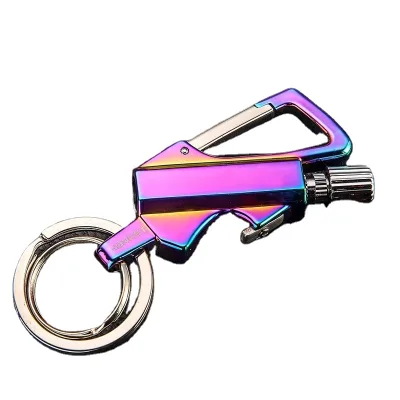
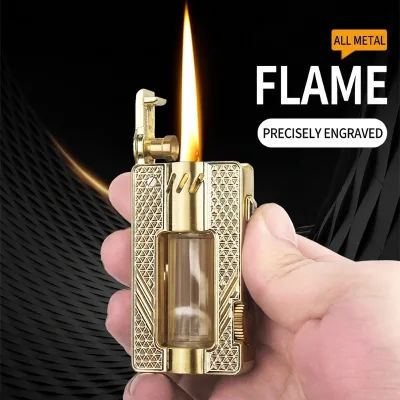
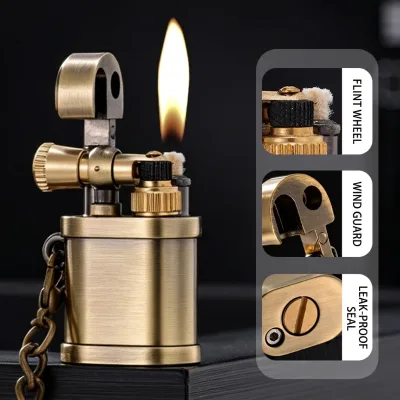
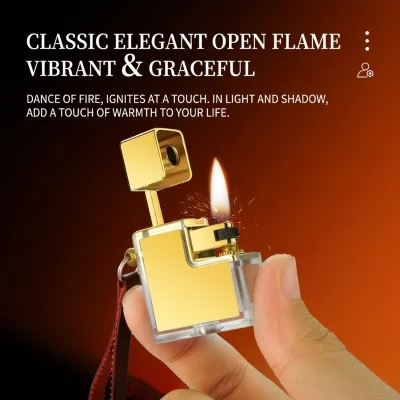
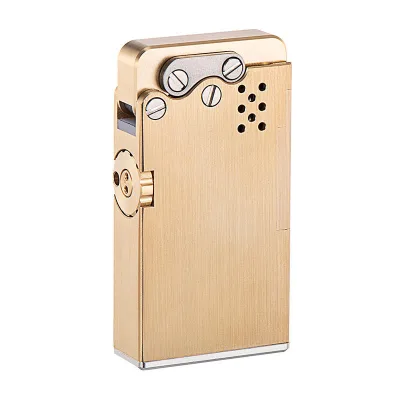
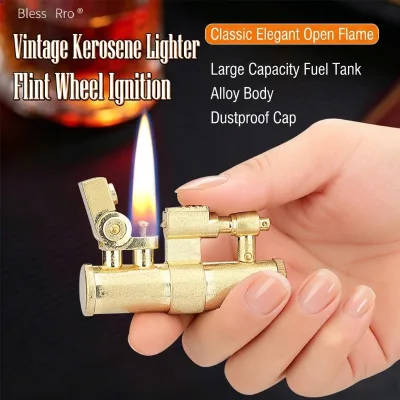
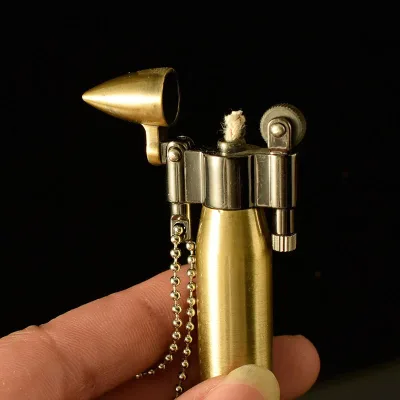
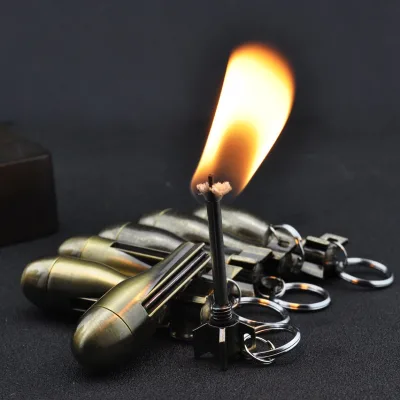
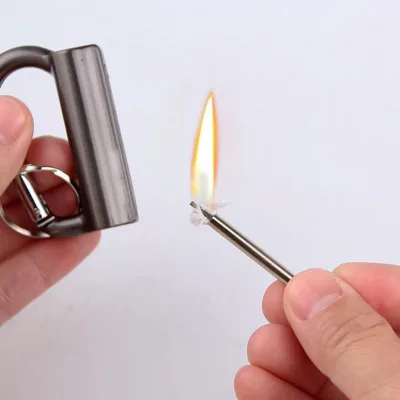
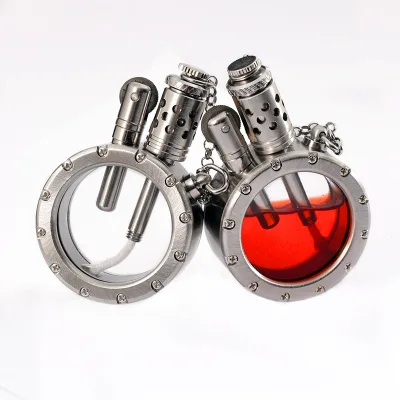
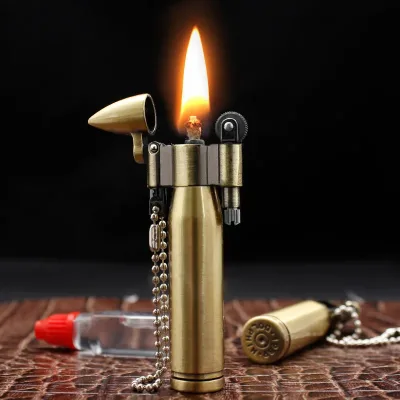
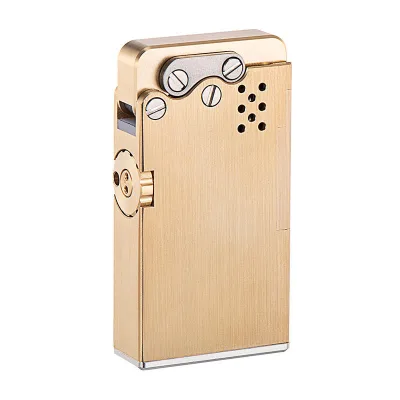


Comprehensive Sourcing Guide
Bullet Key Chain Kerosene Lighter Supplier Concentration and Factory Types
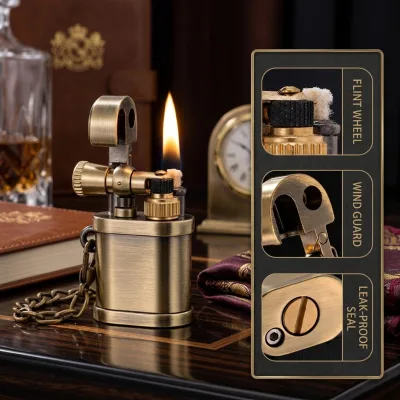
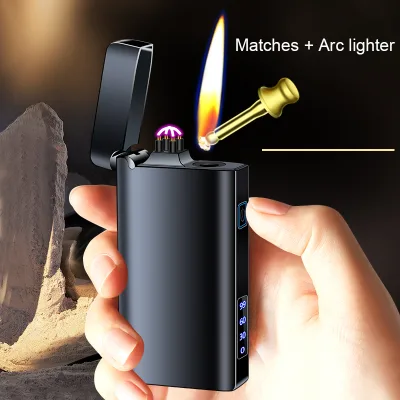
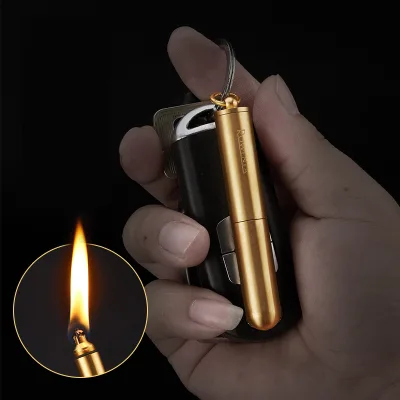
Current supplier data indicates a distinct concentration of manufacturers and trading companies operating within Zhejiang, China. This region serves as a primary hub for the production of lighter accessories, including kerosene models designed for key chains. The available results consistently list Zhejiang as the place of origin for products such as the creative kerosene oil lighter and various mini key chain capsules. This geographic clustering suggests a specialized supply chain ecosystem where raw materials like copper and metal are readily accessible for manufacturing these specific ignition devices. Buyers should recognize that this concentration facilitates efficient logistics but requires careful vetting to distinguish between actual factories and trading entities.
The supplier types identified in the current results are predominantly trading companies rather than direct manufacturing plants. These entities act as intermediaries, aggregating products from various sources to offer a diverse catalog that includes ashtrays, cigarette cases, and torch lighters alongside the core Bullet Key Chain Kerosene Lighter. While trading companies can provide significant value through consolidated shipping and broad product ranges, they may not offer the same level of direct customization control as a factory. Buyers must verify the actual production capabilities of these suppliers, as the trading company structure implies a layer of separation between the end manufacturer and the buyer. Understanding this distinction is crucial for negotiating terms related to tooling, branding, and production timelines.
How to Verify Bullet Key Chain Kerosene Lighter Suppliers
Verification begins with scrutinizing the specific product attributes and brand information provided in the supplier listings. Current data shows brands such as LKAIPC and AIRO associated with specific model numbers like AR-A887 and AR-dhj-S01. Buyers should request documentation that confirms the brand owner and the specific factory responsible for these model numbers. It is essential to confirm that the "place of origin" listed as Zhejiang, China, aligns with the physical address of the production facility. Discrepancies between the listed origin and the actual factory location can indicate a trading company reselling goods from a different region, which may complicate quality control and communication.
Response time and sample availability are critical metrics for verifying supplier reliability and operational efficiency. The observed data indicates a response time of 2 hours, which suggests a high level of responsiveness, but this should be validated through direct communication. Buyers should test this responsiveness by requesting samples of the Bullet Key Chain Kerosene Lighter, noting that sample times in the current results range from 5 to 7 days. A supplier that consistently meets sample deadlines and responds quickly is more likely to maintain quality standards during mass production. Additionally, verifying the material composition, such as copper or metal, against the physical sample ensures the supplier is not misrepresenting product specifications to lower costs or mislead buyers about durability.
What to Compare Across Bullet Key Chain Kerosene Lighter Suppliers
When evaluating multiple suppliers, the minimum order quantity (MOQ) is a primary differentiator that impacts inventory strategy and cash flow. The current results show a consistent MOQ of 2 pieces for various kerosene lighter models, which is exceptionally low and favorable for small buyers or those testing the market. However, buyers must compare this against the price per unit, as lower MOQs sometimes correlate with higher per-unit costs. The price range observed spans from approximately 1.07 to 8.45, depending on the specific design, material, and features like windproofing or luminous capabilities. A thorough comparison requires analyzing the price-to-MOQ ratio to determine the most cost-effective supplier for the intended order volume.
Lead times and delivery schedules are equally critical factors when comparing suppliers for this category. The data indicates delivery times ranging from 10 to 25 days, with some specific products listing a delivery window of 15 to 25 days. Buyers should compare these timelines against their own sales cycles and inventory requirements. A supplier offering a 10-day delivery time might be preferable for urgent orders, provided the quality remains consistent. Furthermore, the single package size and gross weight, such as 25X20X20 cm and 0.5 kg, influence shipping costs and logistics planning. Comparing these logistical metrics alongside the lead time helps buyers select a supplier that offers the best balance of speed, cost, and reliability for their specific business needs.
Common Bullet Key Chain Kerosene Lighter Sourcing Risks
One significant risk involves the variability in product features and safety standards across different suppliers. The current results list features such as windproof, refillable, and safety mechanisms, but these claims require physical verification. A Bullet Key Chain Kerosene Lighter must reliably ignite in various conditions, and a failure in the ignition mechanism can lead to product returns and reputational damage. Buyers should be wary of suppliers who do not provide detailed specifications on flame temperature or fuel type, as these are critical for safety compliance. Without verified test results or certifications, the safety claims made in the product descriptions remain unproven assertions that could pose risks to end-users.
Another risk is the potential for inconsistency in branding and packaging quality. The data shows various packaging types, from blister card packaging to gift box packing, and brands like LKAIPC and AIRO. If a buyer intends to use private labeling, they must ensure the supplier can consistently reproduce the custom logo and packaging design to the required standard. Inconsistencies in the "design style," such as minimalist or bohemian aesthetics, can lead to a disjointed product line if multiple suppliers are used. Additionally, the reliance on trading companies may introduce risks regarding communication gaps, where the trading company does not fully understand the specific quality requirements of the end manufacturer, leading to subpar finished goods that do not meet the buyer's expectations.
Bullet Key Chain Kerosene Lighter Regional Sourcing and Logistics
Sourcing from Zhejiang, China, offers logistical advantages due to the region's established infrastructure for exporting small consumer goods. The concentration of suppliers in this area means that freight forwarders are familiar with the specific packaging requirements of lighter accessories, which often include small, dense items like the Bullet Key Chain Kerosene Lighter. The single package sizes observed, such as 15X12X13 cm or 25X20X20 cm, are standard dimensions that fit efficiently into shipping containers, helping to optimize freight costs. Buyers should leverage this regional expertise by working with logistics partners who have experience handling similar products from Zhejiang to ensure smooth transit and customs clearance.
However, buyers must also consider the specific shipping constraints associated with kerosene lighters due to their fuel content. Even if the product is sold as empty or refillable, the classification of the item during transport can be complex. The current data lists the fuel type as oil, which may subject the shipment to specific hazardous material regulations depending on the destination country. Buyers should verify with their freight forwarder whether the specific kerosene lighter models require special handling or documentation. Understanding these regional logistics nuances is vital to avoid delays at customs or additional fees that could erode the profit margins achieved through competitive sourcing in Zhejiang.
Bullet Key Chain Kerosene Lighter Commercial Terms and Order Planning
Commercial terms regarding payment and delivery are central to successful order planning for this product category. The observed delivery times of 10 to 25 days suggest that buyers should plan their orders well in advance to avoid stockouts, especially during peak seasons. Buyers should negotiate clear terms that define the exact delivery window and penalties for delays, as the variability in lead times between suppliers can impact the overall supply chain. Additionally, the low MOQ of 2 pieces allows for flexible ordering, but buyers should consider the impact of shipping costs on small orders, as the single gross weight of 0.5 kg per unit may make small shipments less cost-effective per unit.
Establishing a clear communication protocol for order planning is essential to manage the complexities of sourcing from trading companies. Buyers should confirm the sample time of 5 to 7 days and ensure that the final production timeline aligns with the agreed delivery date. It is also important to verify the payment terms and whether escrow services are available to protect the buyer's funds until the goods are shipped. The price range of 1.07 to 8.45 indicates significant variation based on features, so buyers should lock in pricing before placing large orders to avoid fluctuations. By carefully planning the commercial terms and maintaining open communication, buyers can mitigate risks and ensure a smooth procurement process for bullet key chain kerosene lighters.
FAQs
What is the minimum order quantity for these lighters?
The minimum order quantity is 2 pieces for most kerosene lighter models listed. This low MOQ allows buyers to test product quality before placing larger orders. Some specific designs may have different requirements, so verify the exact quantity needed for your selected item.
Where are these kerosene lighters manufactured?
All listed products originate from Zhejiang, China. This region is known for manufacturing lighter accessories and smoking supplies. Buyers should confirm the specific factory location if they require detailed supply chain transparency or specific regional certifications for their market.
How long does delivery take for these items?
Delivery times typically range from 10 to 25 days depending on the specific product model. Sample preparation may take 5 to 7 days before the main production begins. Buyers should account for these timelines when planning their inventory restocking schedules.
What is the price range for bullet key chain lighters?
Prices vary between 1.07 and 8.45 USD per unit based on design and material. Basic models start around 1.07 USD while premium windproof versions cost up to 8.45 USD. The final price depends on the specific features and customization options selected by the buyer.
Are these lighters refillable and windproof?
Many models feature refillable oil tanks and windproof designs suitable for outdoor use. Specific attributes like flame temperature and material durability vary by product. Buyers should check individual product details to confirm if a specific lighter meets their windproof and refillable requirements.
What materials are used to make these lighters?
Materials include copper, metal, and leather accents depending on the specific design. Some models feature minimalist or bohemian styles with varying color options. Buyers should review the product attributes to ensure the material matches their durability and aesthetic preferences.
Can I get a custom logo on these lighters?
Custom logo options are available for many of the listed kerosene lighter models. This allows buyers to brand the products for promotional use or corporate gifts. Buyers should contact the supplier directly to confirm specific logo customization requirements and associated costs.