Camouflage Hunting Tent Suppliers and Manufacturers
Explore 25 verified suppliers offering Camouflage Hunting Tent options with varying lead times, MOQs, and certifications. Compare dimensions like response time, location, and product specs to find the right partner. Contact suppliers directly to request samples or quotes; review the available evidence before requesting comparable quotations from suitable candidates.
Suppliers List

- Verified by SGS
- Trading Company
- China Zhejiang
- Lead time23 days
Main productsBagasse Tableware, Food Packaging, Biodegradable Container, PLA Cup, Paper Bag, Salad Bowl, Disposable Tableware, Perfume
Main marketsOthers(foreignTradeCapacity.exportBusinessCapacityMarketOther),Southeast Asia/ Mideast


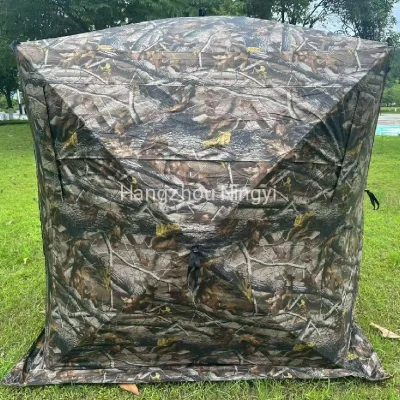
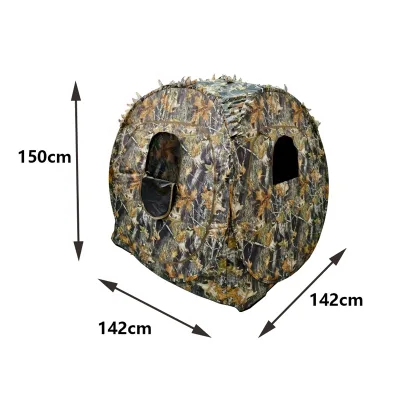
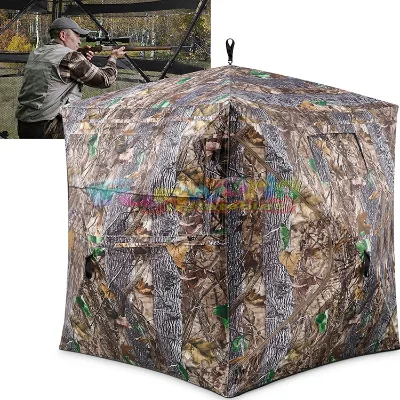
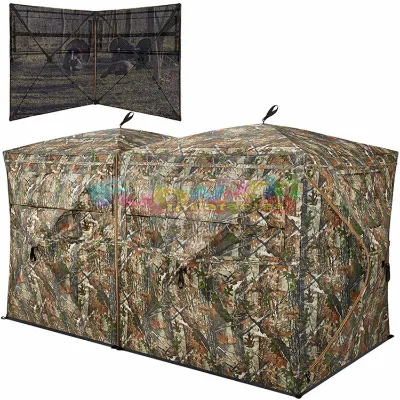
Wear-Resistant, Heavy-Duty Tactical Hunting Blind and Fully Waterproof Outdoor Hunting Tent
$68.00 - $88.00
MOQ: 100 Pieces

Nanjing Foerstine International Trading Co., Ltd.
- Verified by SGS Group
- Trading Company
- Lead time25 days
- Avg. response≤ 3h
Main productsTent Solution, Sunshade Solution, Party Wedding Event Warehouse Tent, Sauna Solution, Outdoor Shelter Solution
Main marketsNorth America(31%), Northern Europe(20%), Mid East(18%)
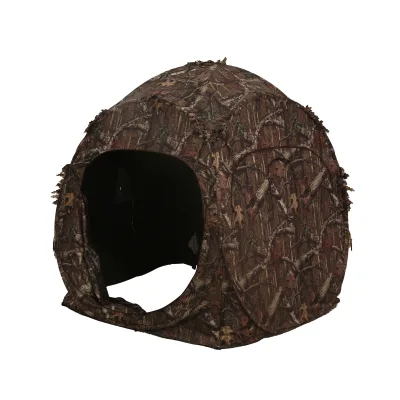
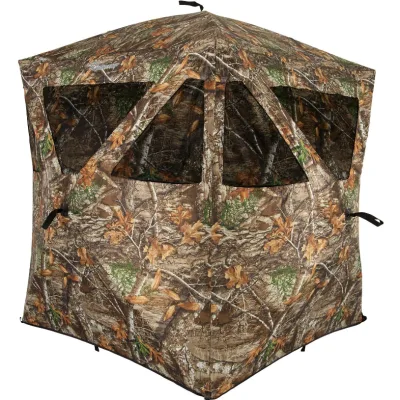
$61.30 - $72.60
MOQ: 500 sets
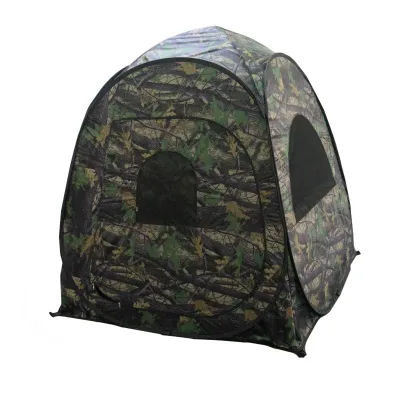
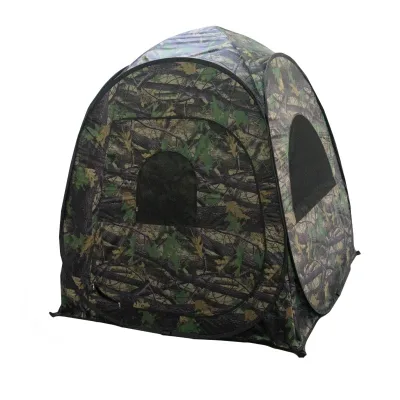
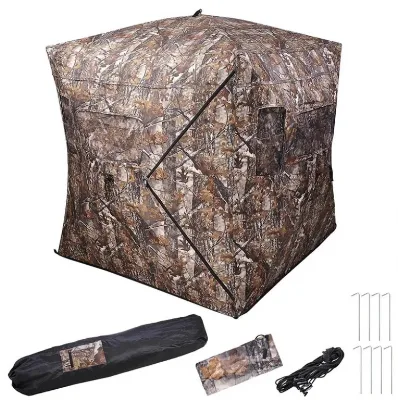
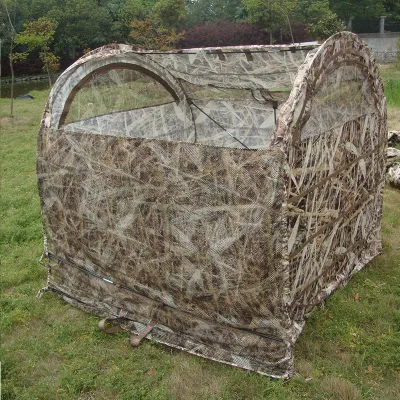
Hangzhou Boran Tool Bag Co., Ltd.
- Verified by SGS
- Trading Company
- China Zhejiang
- Lead time30 days
Main productsBag, Tool Bag
Main marketsEurope,Australia

- Verified by BV
- Trading Company
- China Fujian
- Lead time23 days
Main productsMouth Care and Soap, Field Kitchen Trailer, Camping Tents, Boots and Shoes, Camo Uniform and Clothes, Outdoor Backpacks and Bags, Camouflage Net and Ghillie Suit, Blankets and Sleeping Bags, Canteens and Mess Tins, Tactical Helmet
Main marketsSouth America,Africa,Southeast Asia/ Mideast,East Asia(Japan/ South Korea),Europe,Australia,North America


$56.90 - $58.90
MOQ: 5 Pieces

$35.90 - $38.00
MOQ: 5 Pieces
Hangzhou Ningyi Industry And Trade Co., Ltd.
- Manufacturer, Trading Company
- Zhejiang, China
- Lead time45 days
- Avg. response≤ 10h
Main productsCamping Tent,Beach Tent,Ice fishing Tent,Hunting Tent,Canopy
Main marketsDomestic Market(50.00%), North America(20.00%), Western Europe(10.00%), Oceania(10.00%), Mid East(10.00%)

Hangzhou Jixin Imp. & Exp. Co., Ltd.
- Manufacturer, Trading Company
- Zhejiang, China
- Lead time30 days
- Avg. response≤ 2h
Main productsFolding Chairs,Camping Tents,Sleeping bags,Beach lounges,Hammocks
Main marketsNorth America(46.00%), Western Europe(30.00%), Southern Europe(5.00%), Eastern Europe(5.00%), Central America(3.00%), South America(2.00%), Mid East(2.00%), Southeast Asia(2.00%), Domestic Market(1.00%), South Asia(1.00%), Oceania(1.00%), Northern Europe(1.00%), Africa(1.00%)
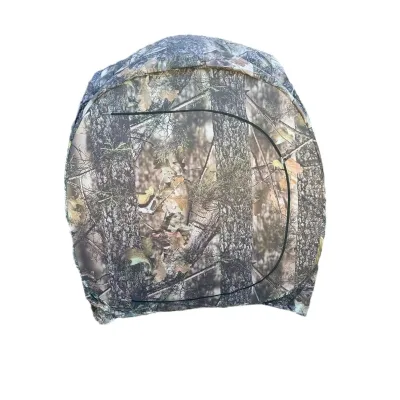
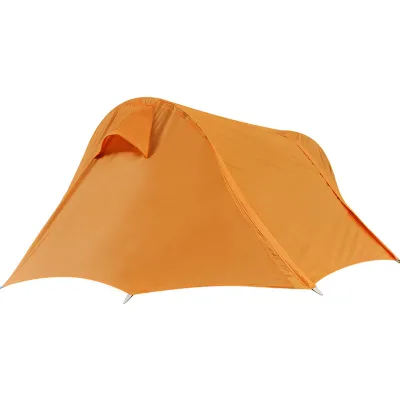
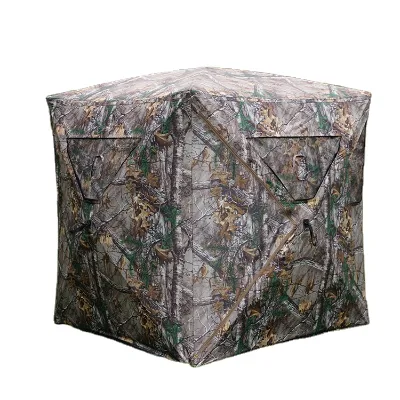
Hunting Road Trip Levitating off the Ground Tent Marching Camping Fishing Tent
$110.51 - $116.49
MOQ: 10
Hangzhou Demarui Outdoor Products Co., Ltd.
- Manufacturer, Trading Company
- Lead time旺季: "1 - 200":45,"201 - 500":45,"501 - 1000":50,"> 1000":"To be negotiated", 淡季: "1 - 200":45,"201 - 500":45,"501 - 1000":50,"> 1000":"To be negotiated"
- Avg. response≤ 2h
Main productsghillie suit,camouflage net,hunting cap,tactical vest,hunting gloves
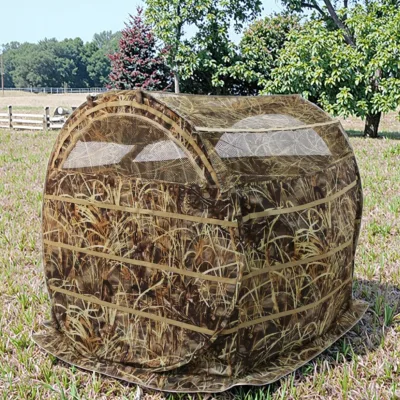
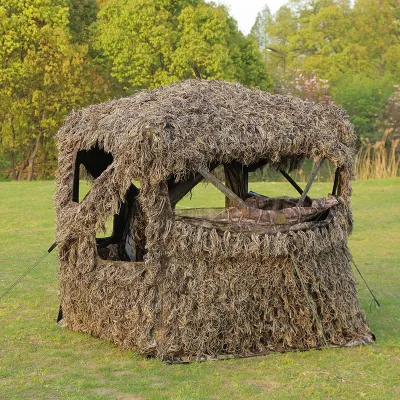
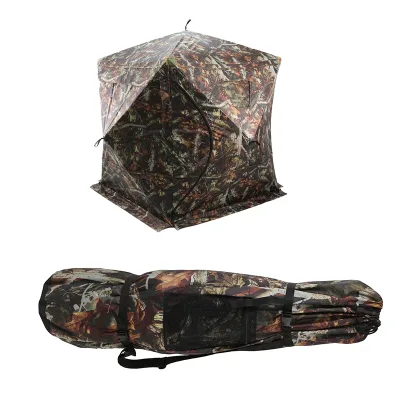
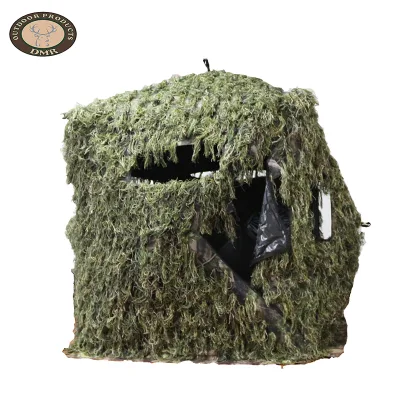
1- 2 Person Lightweight Portable Bird-watching Camouflage Tents Mute Outdoor Hunting Tent
$78.65 - $85.55
MOQ: 200
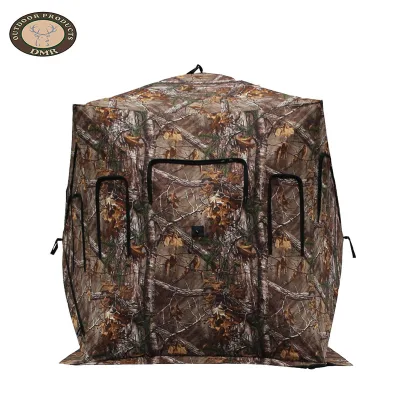
Wholesale Custom High Quality Waterproof Oxford Camouflage Hunting Tent Other Supplies
$107.70 - $123.10
MOQ: 500
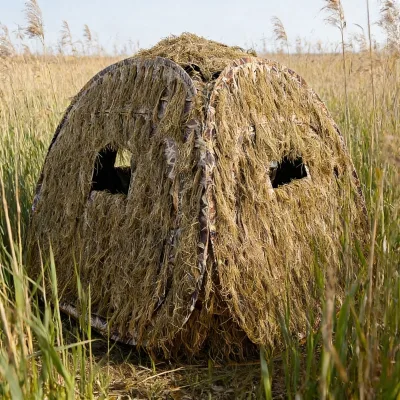
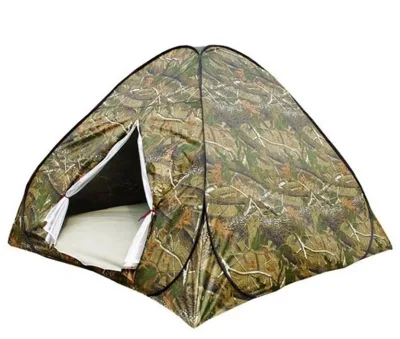
Camouflage Hunting Tent Outdoor Pop-Up Quick Automatic Opening Four-Season Waterproof Nylon Fabric
$51.89 - $55.04
MOQ: 100 pieces
Yangzhou Aitop Outdoor Equipment Co., Ltd.
- Verified by SGS Group
- Manufacturer, Trading Company
- Lead time25 days
- Avg. response≤ 3h
Main productsCamping Tents, Camping Blankets, Sleeping Gear, Outdoor Patio Waterproof Covers, Camping Tarps
Main marketsDomestic Market(50%), North America(30%), South America(20%)

Kunshan New Rich Industry Co., Ltd.
- Verified by TUVRHEINLAND
- Combined
- China Shanghai
- Lead time15 days
Main productsCamouflage Net, Tactical Helmet, Plate Carrier, Combat Suit, Tactical Clothing, Tactical Vest, Tactical Backpack, Hard Plate, Aramid Fiber, High Molecular Weight Polyethylene
Main marketsDomestic

Yuemai Outdoor & Camping Co., Ltd.
- Manufacturer/Factory
- China Jiangsu
- Lead time90 days
Main productsTactical Vest, Body Armor Vest, Military Backpack, Tactical Clothing, Police Equipment, Outdoor, Tactical Gears, Army Rainwears, Airsoft and Paintball Articles, Army Uniforms
Main marketsEastern Europe,Mid East,North America,Southeast Asia,Western Europe,Africa


Best Quality Yuemai OEM Pop up Portable Camouflage Camping Training Tactical Hunting Tent
$73.85 - $76.98
MOQ: 10 Pieces

High-Quality OEM Bird Watching Blinds Pop up Portable Camouflage Training Tactical Hunting Tent
$34.33 - $38.53
MOQ: 300 Pieces

Best-Rated Windproof Waterproof Lightweight Field Training Tactical Camouflage Backpacking Tent
$49.69 - $56.99
MOQ: 5 Pieces
Jinhua Dongsheng Outdoor Products Co., Ltd.
- Manufacturer, Trading Company
- Zhejiang, China
- Lead time30 days
- Avg. response≤ 3h
Main productsCamping Tent,Beach Tent,Fishing Tent,Gazebo,Pet Tent
Main marketsOceania(10.00%), Africa(10.00%), Southeast Asia(10.00%), Domestic Market(10.00%), Northern Europe(10.00%), Mid East(10.00%), Eastern Europe(5.00%), South Asia(5.00%), Southern Europe(5.00%), South America(5.00%), Central America(5.00%), Western Europe(5.00%), Eastern Asia(5.00%), North America(5.00%)

Yiwu BaiQi Outdoor Products Co.,Ltd.
- Trading Company
- China Zhejiang
- Lead time23 days
Main productsCamping Tent, Relief Tent, Modular Tent, Beach Shelter, Laundry Bag, Kids Tent, Dome Tent, Party Tent, Outdoor Tent, Refugee Tent
Main marketsDomestic


Shelter Dome Tent Camping Camouflage Shelter Hunting Tent Shelters Camouflaged for Hunting
$90.00 - $120.00
MOQ: 50 Pieces


Danyang Hongyu Industry Co.,Ltd
- Verified by CTI
- Manufacturer/Factory,Group Corporation
- China Jiangsu
- Lead time120 days
Main productsCamping Tent, Folding Chair, Sleeping Bag, Folding Table, Beach Umbrella, Camping Blanket, Cooler Bag, Camping Bed, Garden Furniture, Awning
Main marketsSouth America,Eastern Europe,Mid East,North America


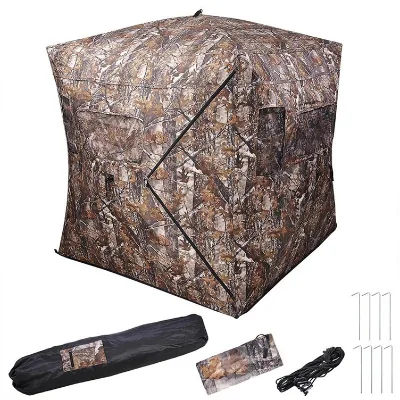
Hunting Tent with Carrying Bag 2-3 Person Pop up Ground Blinds 270 Degree Hunting
$40.00 - $45.00
MOQ: 200 Pieces
Hangzhou Demarui Outdoor Products Co., Ltd.
- Manufacturer
- Zhejiang, China
- Lead time0 days
- Avg. response≤ 6h
Main productscamouflage tent,camoufalge ghillie suit,camouflage net/fence,camouflage bag,hunting tool
Main marketsEastern Europe(25.00%), North America(21.00%), South America(19.00%), Southern Europe(10.00%), Central America(10.00%), Western Europe(10.00%), Mid East(5.00%)
Guangzhou Funworld Inflatables Limited
- Verified by Intertek
- Manufacturer, Trading Company
- Lead time15 days
- Avg. response≤ 2h
Main productsBounce House, Water Slide, Obstacle Course, Amusement Park , Soft Play Equipment
Main marketsMid East(16%), Western Europe(15%), Northern Europe(15%)
Jinhua Aioiai Imp & Exp Co., Ltd.
- Trading Company
- Zhejiang, China
- Lead time30 days
- Avg. response≤ 6h
Main productsOutdoor Tent; Kids Tent; Beach Tent; Camping Tent,Pet Tent,kids Tent,Camping Tent,Play tent
Main marketsDomestic Market(100.00%), Africa(100.00%), Mid East(100.00%), South Asia(100.00%), North America(32.00%), Eastern Asia(27.00%), South America(8.00%), Southeast Asia(8.00%), Western Europe(8.00%), Northern Europe(6.00%), Eastern Europe(6.00%), Central America(2.00%), Southern Europe(2.00%), Oceania(1.00%)
Jinhua Fanyue Outdoor Products Co., Ltd.
- Trading Company
- Zhejiang, China
- Lead time30 days
- Avg. response≤ 2h
Main productsCOMPACT SCOPE(SHORT SCOPE ),FFP,FLASHBONE SCOPE,LASER SCOPE,LONG SCOP
Main marketsEastern Asia(40.00%), South America(20.00%), North America(15.00%), South Asia(5.00%), Central America(5.00%), Western Europe(5.00%)
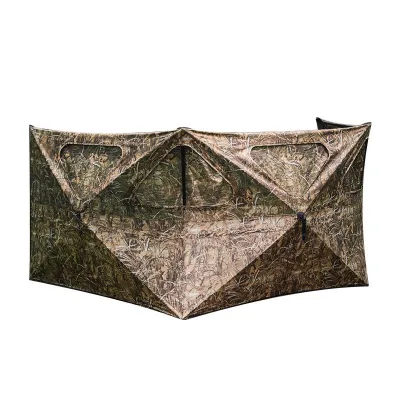
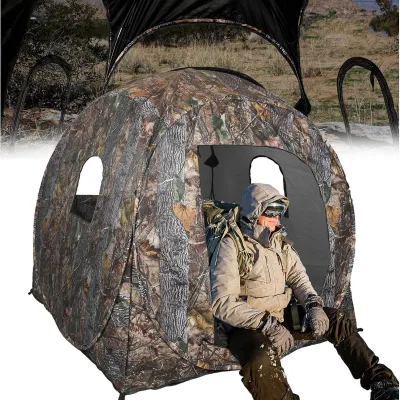
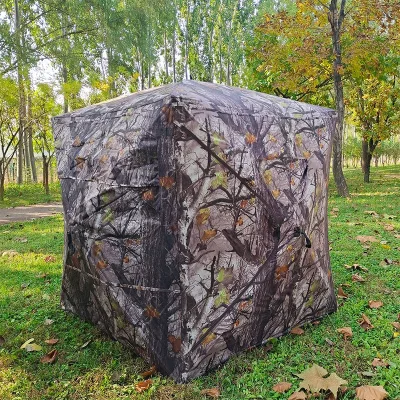
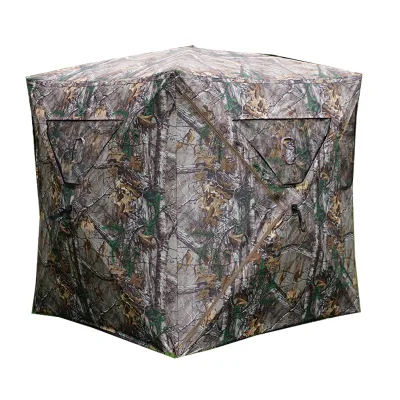
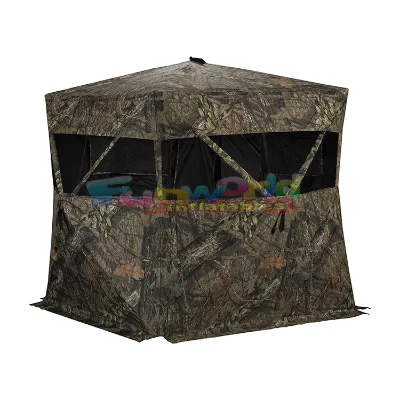
Outdoor Hunting Tent with Strong Concealment Clear View From Inside for Tactical Use
$50.00 - $56.50
MOQ: 10 pieces
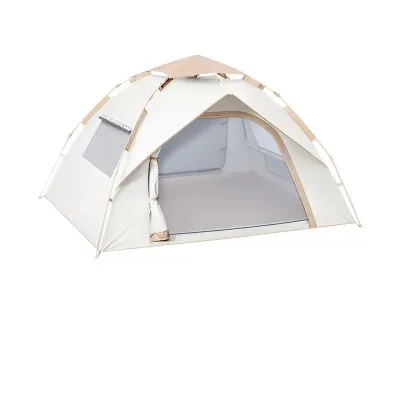
3-4 Person Outdoor Camping Tent Large Size Portable Waterproof Family Camping Shelter
$23.00 - $25.00
MOQ: 10

Markevina Technology (Shenzhen) Co., Ltd.
- Verified by BV
- Trading Company,Manufacturer/Factory
- China Guangdong
- Lead time30 days
Main productsSmall Home Appliances, Electricity and Power Equipment Manufacturing, Machinery and Production Line
Main marketsSouth America,Eastern Europe,Mid East,North America,Southeast Asia,Eastern Asia,Oceania,Western Europe,Africa

Tactical Camouflage Tent, Outdoor Green Tent House for Camping Customized
$1000.00 - $10000.00
MOQ: 1 Pieces

Tactical Camouflage Tent, Outdoor Rescue Tent House for Camping Customized
$1000.00 - $10000.00
MOQ: 1 Pieces

CHINA HENGTAI GROUP CO., LIMITED
- Verified by BV
- Trading Company,Manufacturer/Factory,Group Corporation
- China Tianjin
- Lead time0 days
Main productsBulletproof Helmet, Bulletproof Vest, Bulletproof Plate, Ak Ballistic Pasgt Mich2000 Fast Tactical Helmet, Body Armor, Military Bdu Acu M65 Uniform, Military Desert Jungle Combat Boots, Military Refugee Emergency Tent, Radar and Irr Camouflage Net, Police Anti Riot Suits Gear Equipment
Main marketsSouth America,Eastern Europe,Mid East,North America,Southeast Asia,Eastern Asia,Oceania,Western Europe,Africa

Outdoor Canvas Fabric Hunting Special Forces Outdoor Shelter Portable Expedition Tent for Sale
$110.00 - $1500.00
MOQ: 100 Pieces

Long-Term Deployments Waterproof Camouflage Cotton Canvas Field Camp Shelter Tent
$110.00 - $1500.00
MOQ: 100 Pieces

Refugee Tent, Small Camouflage Dome Tent for Outdoor Camping, Fishing, Hiking Field Combat Tent
$110.00 - $1500.00
MOQ: 100 Pieces

Quick-Deployment system Tent Camouflage Pattem Option Tent Camping Tent Combat Tent
$110.00 - $1500.00
MOQ: 100 Pieces


Lightweight Automatic Beach Tent Outdoor Pop up Combat Travel Hiking Camping Hunting Tents
$110.00 - $1500.00
MOQ: 100 Pieces

China Xinxing Shanghai Import and Export Co., Ltd.
- Verified by TUVRHEINLAND
- Trading Company
- China Shanghai
- Lead time15 days
Main productsAnti-Riot Suit
Main marketsSouth America,Africa,Southeast Asia/ Mideast,Europe

Ningbo YoungHunter industrial and trading Co.,Ltd
- Verified by BV
- Trading Company,Manufacturer/Factory
- China Zhejiang
- Lead time23 days
Main productsCar Roof Top Tent, Car Side Awning, Bell Tent, Camping Tent, Camping Chair, Trekking Pole, Camping Tarp, Hammock, Camping Cot, Camping Wagon
Main marketsSouth America,Eastern Europe,Mid East,North America,Southeast Asia,Eastern Asia,Oceania,Western Europe,Africa

$53.00 - $62.00
MOQ: 100 Pieces

1-2 Persons Outdoor Hide Shooting Camouflage Shelter Duck Ground Foldable Hunting Blind Tent
$28.00 - $32.00
MOQ: 100 Pieces

Hangzhou Fujie Outdoor Products Inc.
- Verified by Intertek
- Trading Company
- Lead time90 days
- Avg. response≤ 4h
Main productsRubber Boots, Waders, Neoprene Boots, Hunting Boots, Snow Boots
Main marketsNorth America(40%), Eastern Europe(23%), Western Europe(20%)
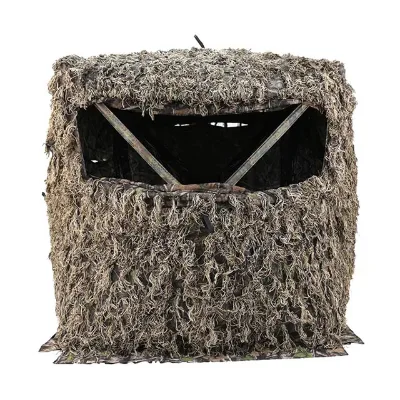
$115.09 - $117.13
MOQ: 200 pieces
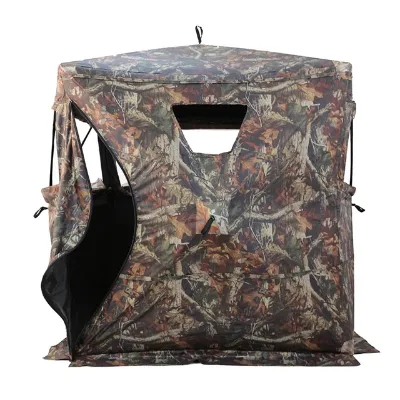
New High Quality Waterproof Durable Tent Durable Hunting Camouflage Hunting Blinds Tent
$60.00 - $62.00
MOQ: 200 pieces
Hangzhou Global Outdoors Co., Ltd.
- Manufacturer, Trading Company
- Zhejiang, China
- Lead time45 days
- Avg. response≤ 18h
Main productsfishing tackle,boat cover,bimini top,marine and outdoor products,ICE FISHING HOUSE
Main marketsNorth America(80.00%), Western Europe(10.00%), Domestic Market(5.00%), Southeast Asia(5.00%)
Shandong Bestway Outdoor Products Co., Ltd.
- Verified by TüVRheinland
- Manufacturer, Trading Company
- Lead time15 days
- Avg. response≤ 2h
Main productsChair Cover, Outdoor Furniture Cover, Boat Cover, Camping Tent, Motorcycle Cover
Main marketsNorth America(40%), South America(15%), Eastern Europe(15%)

Hebei New Sight Outdoor Products Co., Ltd.
- Verified by SGS
- Combined
- China Hebei
- Lead time23 days
Main productspop up tent
Main marketsEurope


Open Tents for Outdoor Events Waterproof Canopy Tent Tent Outdoor Camping
$24.85 - $26.60
MOQ: 100 Pieces

Party Tents for Events Outdoor Heavy Duty Outdoor Canopy Tent Tent Camping Outdoor Waterproof
$144.00 - $180.00
MOQ: 1 Pieces

Tents Camping Outdoor Heavy Duty Pop up Tent for Exhibition Outdoor Tents Camping
$24.40 - $30.55
MOQ: 10 Pieces


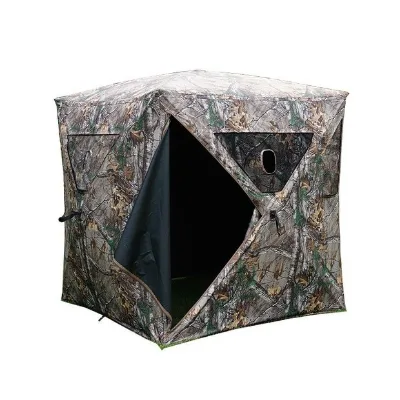
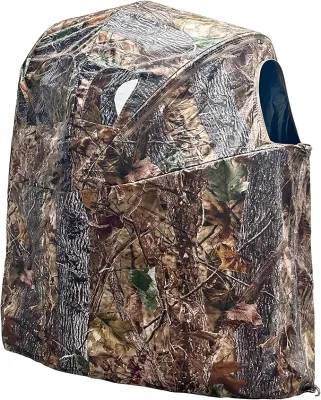
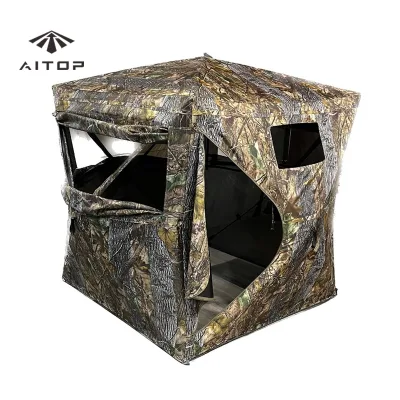


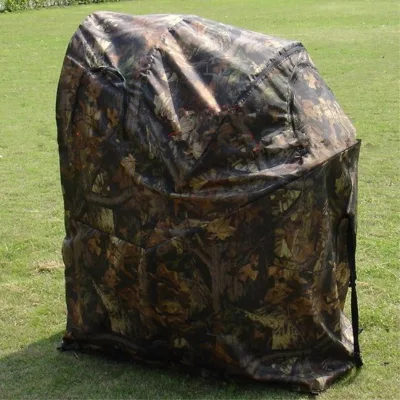
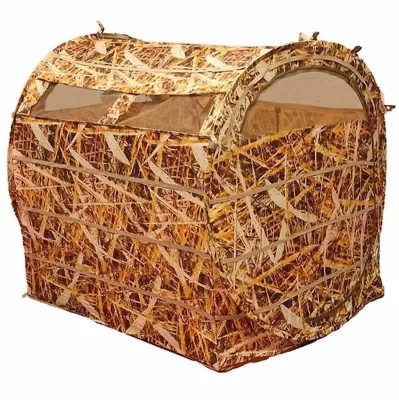
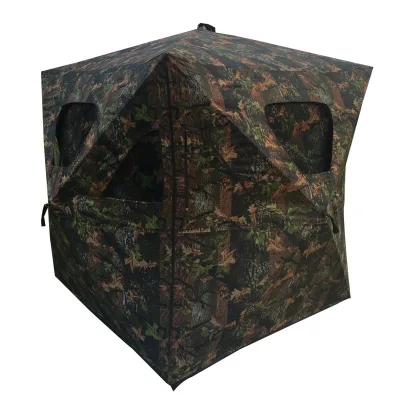
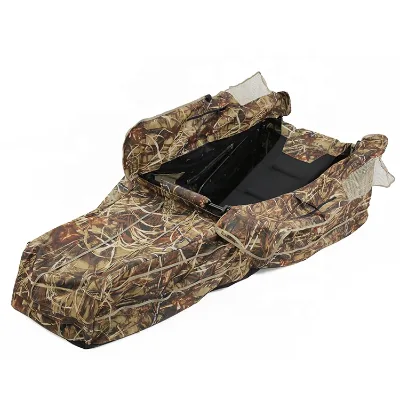
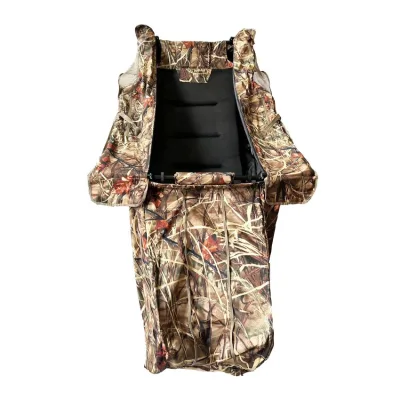
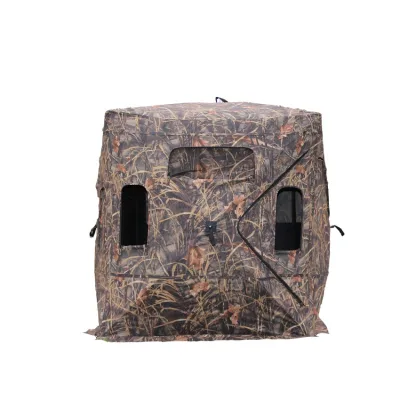


Comprehensive Sourcing Guide
Camouflage Hunting Tent Supplier Concentration and Factory Types
Current data indicates a concentration of manufacturing activity in China, specifically within the Zhejiang province, where several entities list their operational base. These suppliers often identify as trading companies, which suggests they may source products from various factories rather than operating a single dedicated production line for every item. The product evidence reveals a diverse range of offerings, from basic camouflage hunting blinds to specialized tactical shelters and ice fishing tents, indicating that some facilities possess broad manufacturing capabilities while others may focus on specific niches like polyester-based outdoor gear.
When evaluating the factory type, buyers should note that the presence of a trading company status does not preclude access to direct manufacturing capabilities, but it does require a different verification approach than dealing with a pure manufacturer. Some suppliers in the results list capabilities such as ODM, OEM, and own brand development, which implies a level of in-house design and production control. However, the main products listed also include unrelated categories like bagasse tableware and perfume, suggesting that some entities operate as general trading houses with wide product portfolios rather than specialized tent factories. This distinction is critical for understanding the depth of expertise available for specific camouflage tent requirements.
How to Verify Camouflage Hunting Tent Suppliers
Verification processes should prioritize checking for recognized third-party audit reports, as some suppliers in the current results display SGS verification status. This external validation provides a baseline for assessing the supplier's operational integrity and compliance with basic safety or quality standards. Buyers must confirm that the verification covers the specific product lines they intend to purchase, as a general company verification might not extend to every item in a diverse catalog that includes both hunting tents and unrelated consumer goods. The presence of specific certifications like REACH, RoHS, and CE on certain supplier profiles offers additional evidence of compliance with international chemical and safety regulations, which is particularly relevant for materials used in outdoor gear.
Beyond general verification, buyers should scrutinize the specific product attributes listed to ensure they match the intended use case. For instance, checking the material composition, such as polyester or fiberglass poles, and the waterproof index, which ranges from 1000-1500 mm to over 3000 mm in different listings, helps confirm the supplier's ability to meet technical specifications. It is essential to verify that the supplier's stated capabilities, such as light customization or sample processing, align with the buyer's need for tailored solutions. If a supplier claims to offer custom branding or specific structural modifications, the buyer must request proof of these capabilities through sample requests or detailed technical documentation before proceeding with a larger order.
What to Compare Across Camouflage Hunting Tent Suppliers
Comparative analysis should focus on key operational metrics such as lead time, minimum order quantity, and response speed, which vary significantly across the available supplier pool. Some suppliers indicate a lead time of 23 days, while others list 25 days, and response times can be as fast as three days for certain inquiries. These variations directly impact inventory planning and project timelines, making it necessary to align supplier capabilities with the buyer's specific schedule requirements. Additionally, the minimum order quantity (MOQ) presents a critical comparison point, with some listings showing an MOQ of just one unit, while others require orders of 100, 200, or even 500 units, influencing the financial feasibility for different order sizes.
Price and customization options also serve as vital comparison dimensions when selecting a supplier. The price range for similar products can fluctuate, with some listings showing a minimum of 60.30 and a maximum of 107.60, while others range from 68.00 to 88.00. Buyers must evaluate whether the price difference correlates with specific features like waterproof ratings, material quality, or the inclusion of accessories such as carry bags. Furthermore, the availability of customization, including color, size, and branding, varies by supplier. Some profiles explicitly state that customization is available, while others focus on standard models, requiring buyers to clarify their specific needs against the supplier's stated capacity for graphic processing or on-demand customization.
Common Camouflage Hunting Tent Sourcing Risks
One significant risk involves the potential mismatch between a supplier's broad product portfolio and their specialized expertise in hunting tents. Several suppliers in the results list main products that include unrelated categories like bagasse tableware, food packaging, and perfume, which may indicate a lack of deep specialization in outdoor shelter manufacturing. This diversification can lead to inconsistencies in quality control or a lack of understanding regarding the specific performance requirements of camouflage hunting gear, such as the need for silent materials or specific camouflage patterns effective in different environments. Buyers must be cautious when a supplier's primary focus appears to be general trading rather than dedicated tent production.
Another risk relates to the variability in product specifications and the potential for miscommunication regarding technical details. The product evidence shows a wide range of specifications, from single-skin structures to four-season tents, and varying waterproof indices that are not always clearly defined in the summary data. There is a risk that a supplier might list a product as "waterproof" without specifying the exact millimeter rating, leading to potential failures in harsh weather conditions. Additionally, the origin of materials, such as the use of fiberglass poles versus other materials, can affect durability and performance. Buyers should verify these details through direct communication and sample testing to ensure the product meets the rigorous demands of outdoor hunting scenarios.
Camouflage Hunting Tent Regional Sourcing and Logistics
Sourcing from the identified region, specifically China with hubs in Zhejiang and Jiangsu, offers access to a mature supply chain for outdoor products, but it also introduces specific logistical considerations. The port of dispatch for some suppliers is listed as Shanghai or Ningbo, which are major shipping hubs that facilitate efficient export but may involve additional inland transportation costs depending on the buyer's location. Buyers should calculate the total landed cost, including freight, insurance, and customs duties, as these factors can significantly impact the final price of the camouflage hunting tents. Understanding the specific port of origin for each supplier is essential for accurate logistics planning and cost estimation.
Lead times and shipping durations must be carefully managed to avoid delays in receiving goods. With lead times ranging from 23 to 25 days for production, plus the time required for shipping and customs clearance, the total delivery window can be substantial. Buyers should account for potential delays in the supply chain, especially if the supplier is located in a region prone to seasonal disruptions or if the order volume is large. It is advisable to confirm the estimated shipping time with the supplier and to have a contingency plan in place for unexpected delays. Additionally, the packaging details, such as cardboard boxes or cloth bags, should be verified to ensure they provide adequate protection during transit to prevent damage to the tents.
Camouflage Hunting Tent Commercial Terms and Order Planning
Commercial terms regarding payment, escrow, and order planning are critical for mitigating financial risk and ensuring a smooth transaction. While specific escrow details are not universally provided in the current data, buyers should prioritize using secure payment methods that offer protection for both parties. The minimum order quantities vary widely, from single units to 500 units, which requires careful financial planning to determine the most cost-effective order size. Buyers must also consider the sample time, which is noted as 5-7 days for customized samples in some cases, and factor this into the overall project timeline before placing a bulk order.
Order planning should also account for the supplier's capacity to handle customization and volume fluctuations. Some suppliers offer light customization and sample processing, which is beneficial for buyers seeking tailored solutions, but this may extend the lead time or increase the unit cost. Buyers should clearly define their requirements for branding, material specifications, and packaging to avoid misunderstandings that could lead to rejected shipments. It is also important to verify the supplier's ability to meet the required delivery schedule, especially if the order is time-sensitive. Establishing clear communication channels and confirming all commercial terms in writing before production begins is essential for a successful sourcing outcome.
FAQs
What is the typical lead time for camouflage hunting tents?
Manufacturers generally require 23 to 25 days to produce and ship orders. This timeframe allows for material sourcing, assembly, and quality checks. Buyers should confirm exact dates with suppliers before finalizing contracts to ensure timely delivery for hunting seasons.
What are the minimum order quantities for these tents?
MOQs vary significantly by supplier and product model. Some manufacturers accept orders as low as one unit for samples, while others require 100, 200, or 500 units for bulk production. Always verify the specific MOQ for your chosen model before placing an order.
Are these tents waterproof and what material are they made of?
Most models are constructed from polyester fabric and feature waterproof ratings between 1000-1500 mm or exceeding 3000 mm. Single-skin structures with flexible fiberglass poles are common. Buyers should check the specific waterproof index and material specifications for each product listing.
What certifications do these suppliers hold?
Verified suppliers often hold SGS verification and system certifications including REACH, RoHS, and CE. These credentials indicate compliance with international safety and environmental standards. Buyers should request current certification documents to ensure the products meet their specific market requirements.
What is the price range for camouflage hunting tents?
Prices typically range from approximately $60 to $88 per unit, depending on features and order volume. Some specialized models may cost up to $107.60. Bulk orders often secure better pricing. Buyers should request detailed quotes to understand total costs including shipping.
Can suppliers provide customization services for these tents?
Many manufacturers offer ODM, OEM, and own brand customization options. Services include graphic processing, light customization, and sample processing. Buyers can often customize colors, sizes, and branding. Confirm available customization levels and associated costs with the supplier before proceeding.