Electric Wax Sheet Beekeeping Mould Suppliers and Manufacturers
Compare 24 verified suppliers offering Electric Wax Sheet Beekeeping Mould with varying lead times, MOQs, and certifications. Review product specs like cell size and material, then request samples to verify quality before placing orders; review the available evidence before requesting comparable quotations from suitable candidates.
Suppliers List

ZHENGZHOU ENZHER IMP& EXP CO., LTD
- Verified by CTI
- Trading Company
- China Henan
- Lead time15 days
- Avg. response≤ 16h
Main productsbeekeeping equipment
Main marketsAustralia

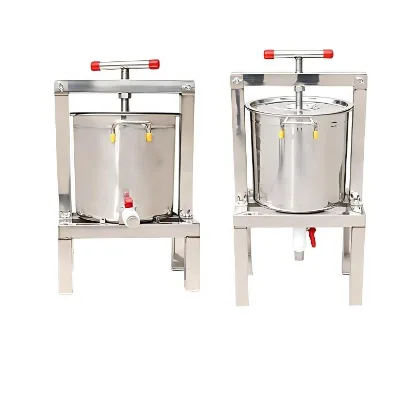
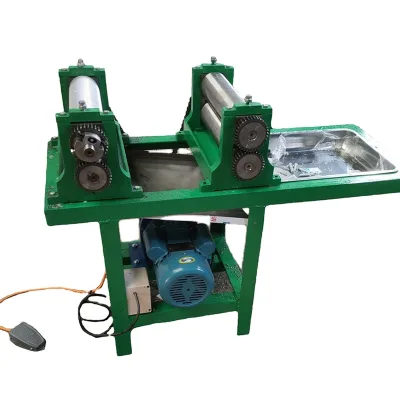
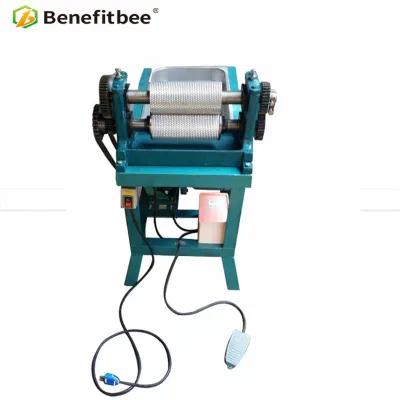
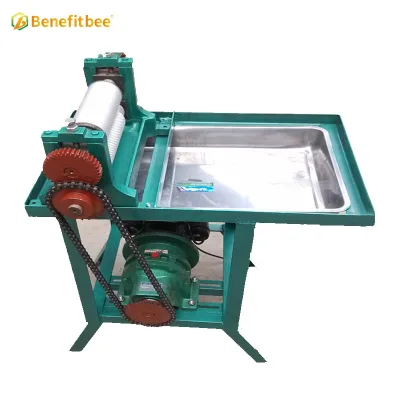
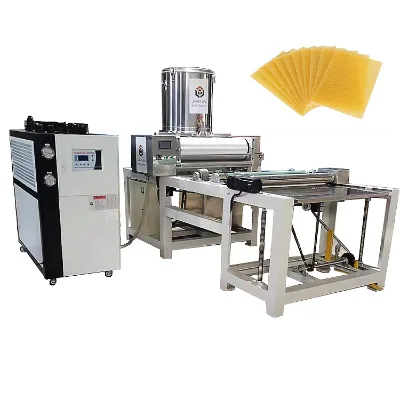
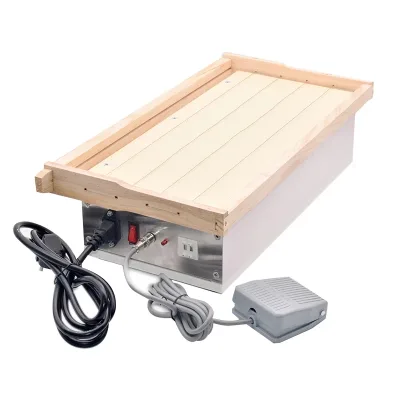
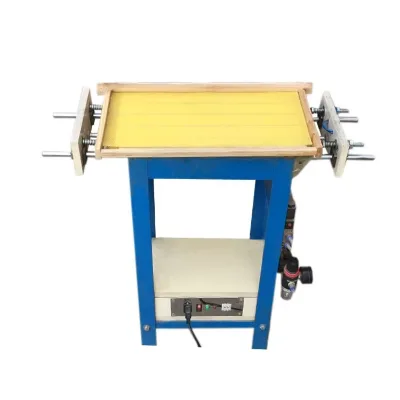
Electric Beekeeping Beeswax Foundation Press Sheet Electric Bee Wax Stamping Machine
$863.00 - $977.00
MOQ: 1 Pieces

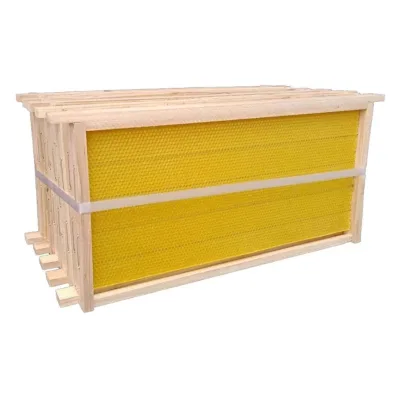
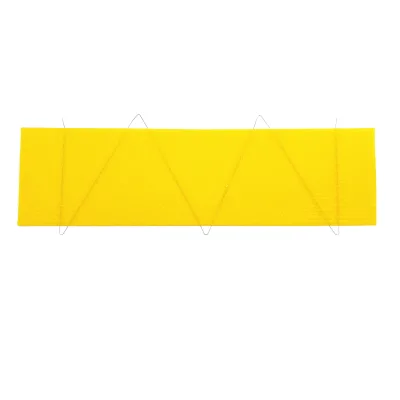
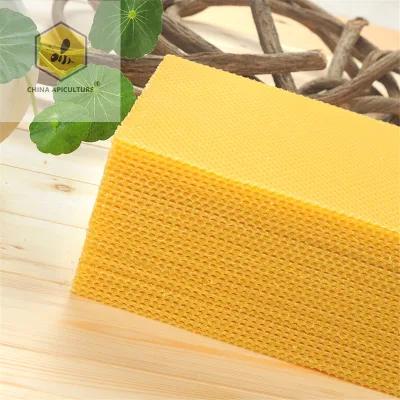
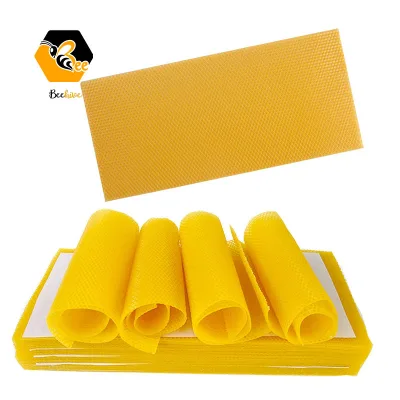
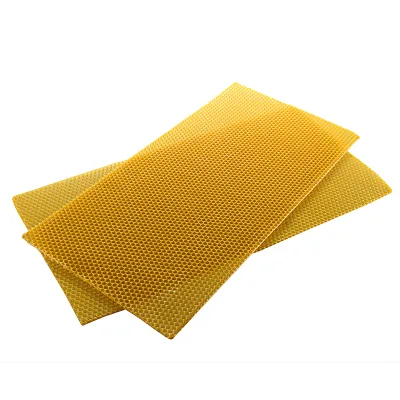
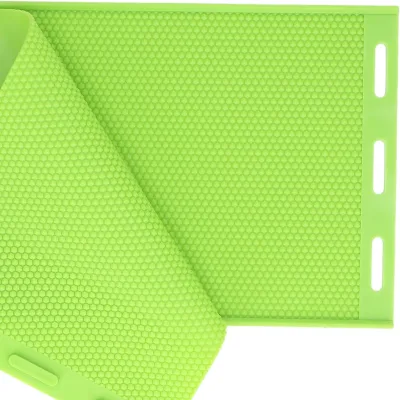
Find Similar Beekeeping Tools Supplies Organic Bee Wax Sheets Beeswax Foundation Sheet
$2.00 - $2.50
MOQ: 1000 Pieces


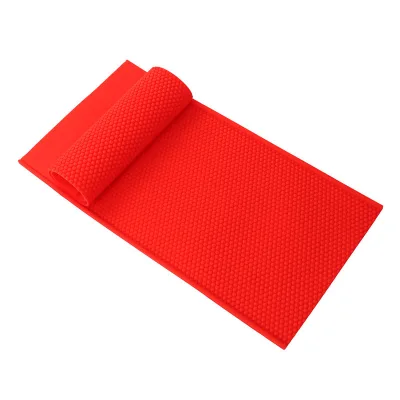
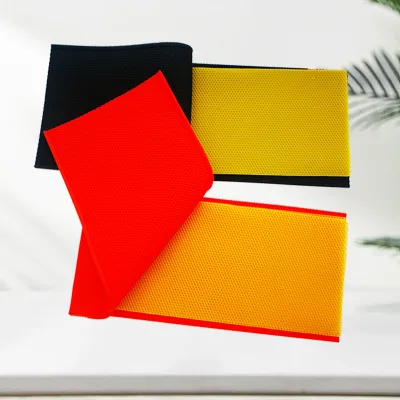
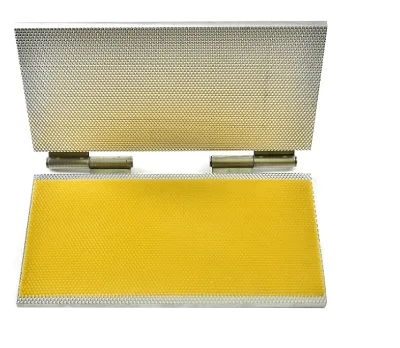
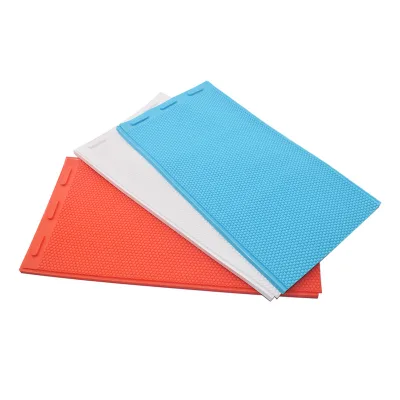
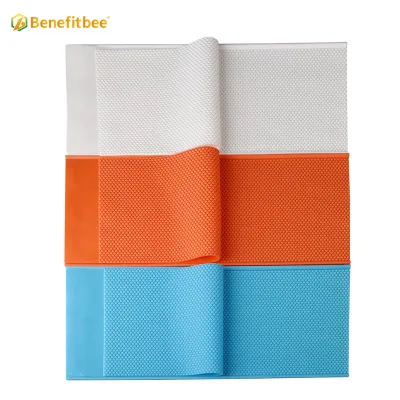
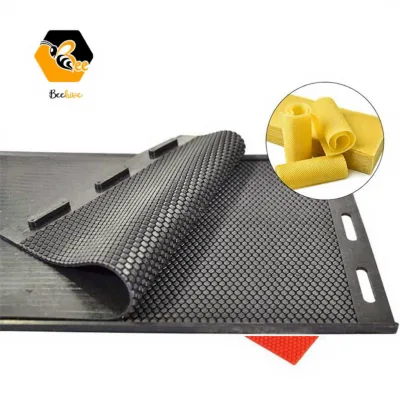
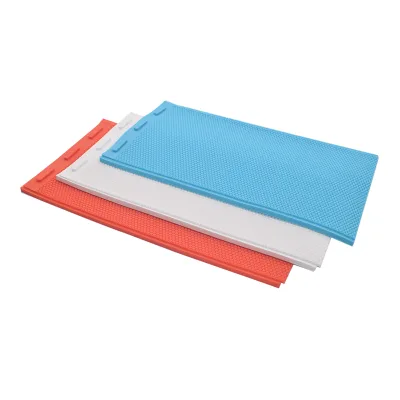
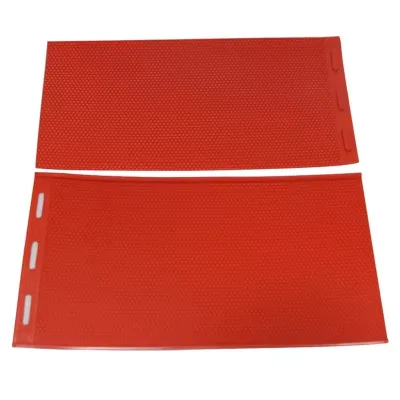
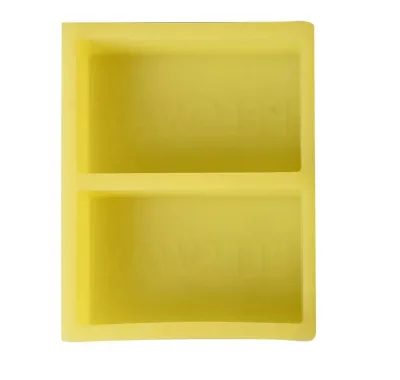
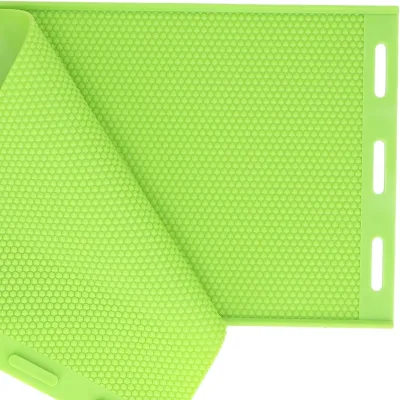
Multi-Color Silicon Beeswax Press Mold Easy Demolding Beeswax Foundation Sheet Making Mould
$5.00 - $8.00
MOQ: 10 Pieces


Henan Multi-Sweet Beekeeping Technology Co., Ltd.
- Verified by CTI
- Combined
- China Henan
- Lead time120 days
- Avg. response≤ 3h
Main productsBee Hive, Honey Extractor, Beehive Frame, Honey Processing Machines, Bee Keeping Suit, Beekeeping Tools, Bee Feeders, Queen Rearing, Wax Processing Machines
Main marketsSouth America,Africa,Southeast Asia/ Mideast,East Asia(Japan/ South Korea),Europe,Australia,North America

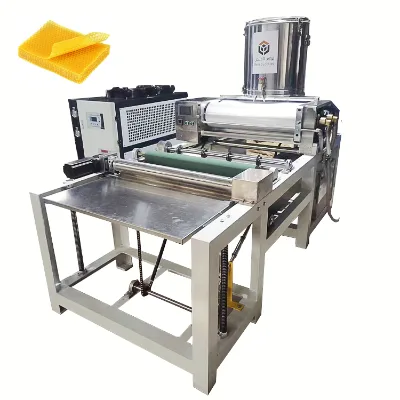
Bee Wax Foundation Sheet Cutting Machine Electric Beeswax Cutting Machine
$2899.00 - $5899.00
MOQ: 1 Pieces

Silicone Foundation Beehive Basis Automatic Beeswax Press Sheet Mould Beekeeping Equipment
$7.50 - $9.50
MOQ: 1 Pieces


- Manufacturer, Trading Company
- Henan, China
- Lead time3 days
- Avg. response≤ 5h
Main productsHoney Extractor,Bee Smoker,Uncapping Knife,Comb Foundation,Sheepskin Gloves
Main marketsSouth America(30.00%), North America(30.00%), Northern Europe(20.00%), Southeast Asia(10.00%), Mid East(10.00%)
Shenzhen Benefitbee Bee Industry Co., Ltd.
- Verified by SGS Group
- Manufacturer, Trading Company
- Lead time7 days
- Avg. response≤ 4h
Main productsBee Smoker, Hive Tool, Queen Excluder, Beehive, Honey Extractor
Main marketsDomestic Market(23%), Oceania(20%), Southern Europe(15%)
Henan Xingbo Bee Industry Co., Ltd.
- Verified by SGS Group
- Manufacturer, Trading Company
- Lead time15 days
- Avg. response≤ 2h
Main productsBeeswax, Bee pollen, Bee hive, Bee frames, Beekeeping equipment
Main marketsNorth America(30%), Mid East(30%), Africa(20%)

Henan Penghui Machinery And Equipment Co., Ltd.
- Manufacturer, Trading Company
- Henan, China
- Lead time3 days
- Avg. response≤ 2h
Main productsFood machinery,Agricluture machinery,Wood machinery,Recycling machinery,Plastic machinery
Main marketsAfrica(30.00%), Eastern Europe(30.00%), North America(30.00%), Mid East(10.00%)
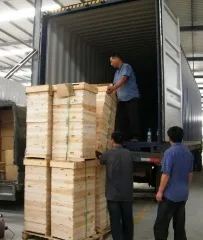
Wuhan Yimin Bee Product Co., Ltd.
- Manufacturer, Trading Company
- Hubei, China
- Lead time0 days
- Avg. response≤ 12h
Main productsBeekeeping Equipment,Bee Product,Bee Hive,Bee wax foundation,Queen product
Main marketsDomestic Market(20.00%), Eastern Europe(15.00%), North America(15.00%), Northern Europe(12.00%), Southern Europe(10.00%), Western Europe(10.00%), Africa(10.00%), South Asia(3.00%), South America(3.00%), Southeast Asia(2.00%)
Zhongshan Benefitbee Beekeeping Equipment Co., Ltd.
- Verified by SGS Group
- Manufacturer, Trading Company
- Lead time7 days
- Avg. response≤ 4h
Main productsBee Smoker, Hive Tool, Queen Excluder, Beehive, Honey Extractor
Main marketsDomestic Market(100%)

Henan Shenwon Industry Co., Ltd
- Verified by BV
- Manufacturer/Factory
- China Henan
- Lead time23 days
- Avg. response≤ 2h
Main productsWax Materials and Wax Granular Machines, Musk Ambrette Fragrance Materials, PVB PVDF, HPMC HEC CMC Mhec, SLES Aos Cdea Cab 35% SLS, Personal Care Materials, Amino Acid Guar Gum, Hbn Cuo ZnO Zeo, SBR NBR HDPE PE, Nano Metal Oxides
Main marketsSouth America,Eastern Europe,Mid East,North America,Southeast Asia,Eastern Asia,Oceania,Western Europe,Africa

Wholesale Beekeeping Tools Supplies Organic Bee Wax Sheets Beeswax Foundation Sheet
$0.28 - $0.42
MOQ: 1 kg


Henan Xuanhua Machinery Co., Ltd.
- Trading Company,Manufacturer/Factory
- China Henan
- Lead time23 days
- Avg. response≤ 6h
Main productsWater Well Drilling Rig, Drilling Rig, Automatic Filling Machine, Shotcrete Machine, Rebar Bender, Rebar Cutter, Tamping Rammer, Compactor Plate, Road Cutter, Food Processing Machine
Main marketsSouth America,Eastern Europe,Mid East,North America,Southeast Asia,Eastern Asia,Oceania,Western Europe,Africa

Electric Beeswax Comb Foundation Sheet Press Making Machine Beekeeping Tools and Equipments
$400.00 - $30000.00
MOQ: 1 Pieces

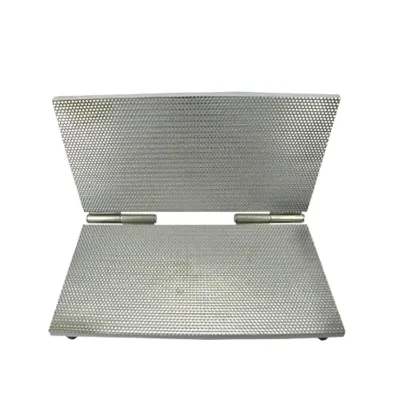
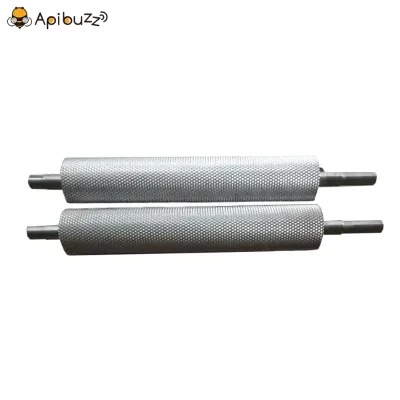
Manual Beeswax Comb Roller Foundation Sheet Mold Beekeeping Equipment Bees Wax Machine From China
$400.00 - $30000.00
MOQ: 1 Pieces

Plastic Beeswax Foundation Sheet Bee Beekeeping Equipment Bee Hive Supplies Apiculture Equipment
$400.00 - $30000.00
MOQ: 1 Pieces

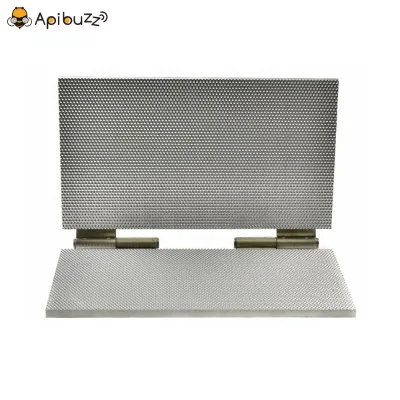
Bee Comb Beeswax Foundation Embosser Sheet Press Casting Mold Bee Equipment
$400.00 - $30000.00
MOQ: 1 Pieces
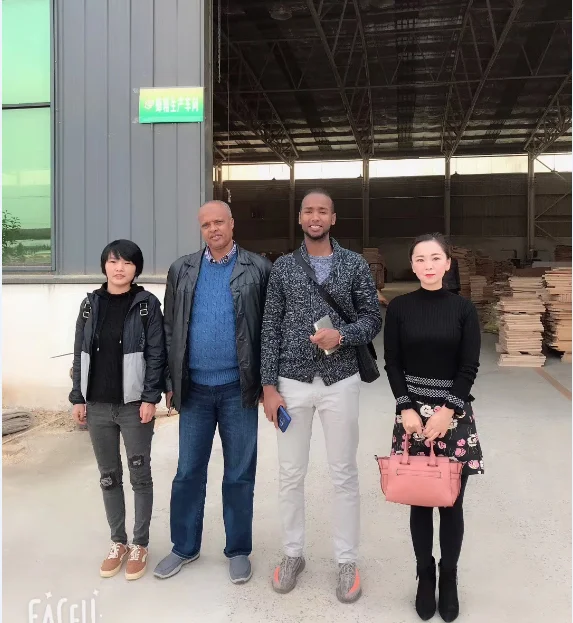
Henan Baichun Bio-Technology Co., Ltd.
- Trading Company
- Henan, China
- Lead time15 days
- Avg. response≤ 5h
Main productsBeekeeping equipment,Beehive,Honey extractor,Bee suit,Beeswax foundation machine
Main marketsOceania(30.00%), North America(20.00%), Eastern Europe(10.00%), South America(8.00%), Mid East(8.00%), Eastern Asia(6.00%), Western Europe(5.00%), South Asia(5.00%), Central America(3.00%), Southern Europe(2.00%), Africa(2.00%), Southeast Asia(1.00%)
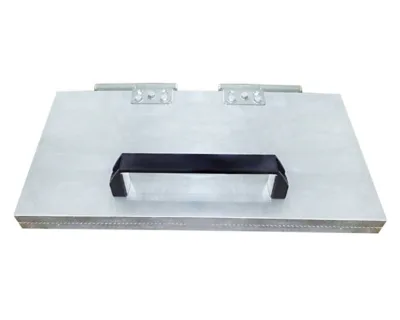
$172.06 - $203.93
MOQ: 1 pieces
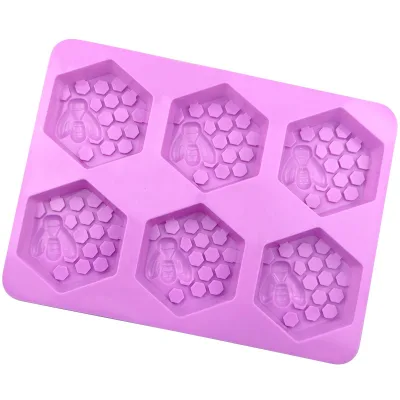

Luoyang Sweet Honey Biotech Co., Ltd.
- Trading Company
- Henan, China
- Lead time15 days
- Avg. response≤ 7h
Main productsbeekeeping equipment,beeswax,foundation sheet,beehive,pollen
Main marketsNorth America(40.00%), Africa(25.00%), Western Europe(10.00%), Oceania(10.00%), Southern Europe(5.00%), Eastern Europe(2.00%), Northern Europe(2.00%), Mid East(2.00%), South Asia(1.00%), Southeast Asia(1.00%), Eastern Asia(1.00%), Central America(1.00%)
- Manufacturer, Trading Company
- Henan, China
- Lead time30 days
- Avg. response≤ 7h
Main productsCare wax,Filling Machine,Beekeeping Tool,Honey Extractor,Beehive
Main marketsSouth America(15.00%), Central America(10.00%), Africa(10.00%), Mid East(10.00%), Eastern Europe(10.00%), North America(10.00%), Western Europe(7.00%), Northern Europe(5.00%), Southern Europe(5.00%), Southeast Asia(5.00%), Eastern Asia(5.00%), South Asia(3.00%), Domestic Market(3.00%), Oceania(2.00%)

Henan Bee Healthy Bio-Technology Co., Ltd.
- Trading Company
- Henan, China
- Lead time0 days
- Avg. response≤ 11h
Main productsBeehive,Honey Extractor,Bee Smoker,Bee Suit,Beeswax Machine
Main marketsDomestic Market(20.00%), North America(10.00%), Mid East(10.00%), Oceania(10.00%), Africa(10.00%), Southeast Asia(10.00%), Eastern Europe(10.00%), South America(10.00%), Eastern Asia(5.00%), Western Europe(5.00%)
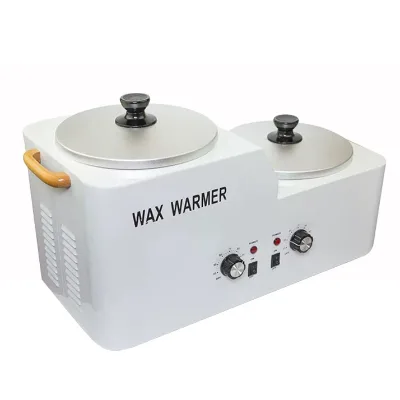
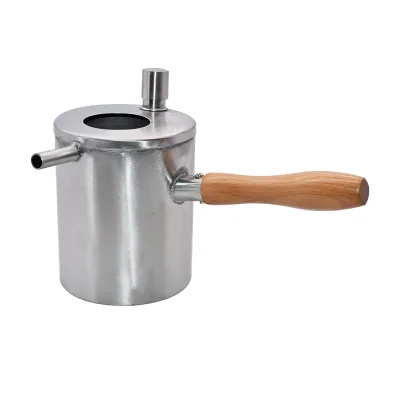
Beekeeping Tool Double Pot Electric Wax Warmer Wax Melter with Temperature Control
$50.00 - $80.00
MOQ: 10 Minimum
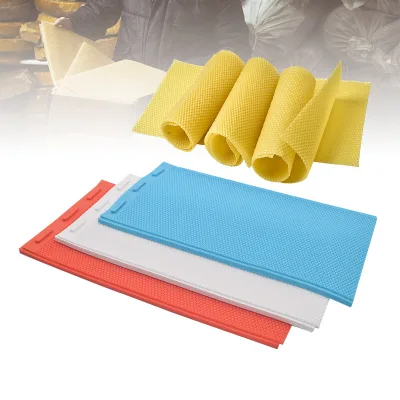
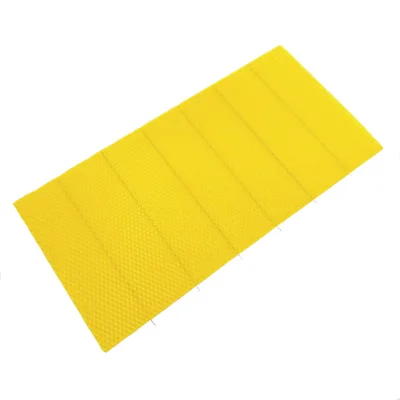
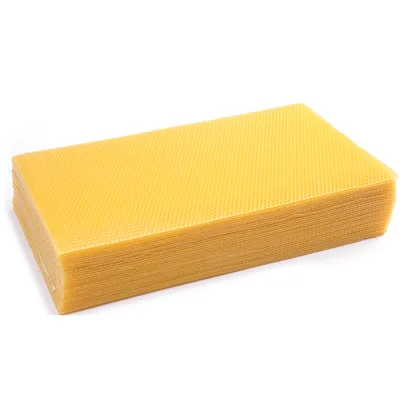
Beekeeping Supplies Beeswax Foundation Making Tool Silicon Wax Foundation Mold
$10.00 - $20.00
MOQ: 10 Minimum
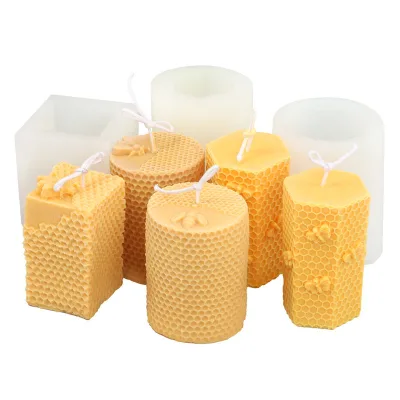
DIY Candle Making Mold Silicone Beeswax Candle Mold Honey Bee Candle Mold Candle Supplies
$1.03 - $10.29
MOQ: 10 Minimum
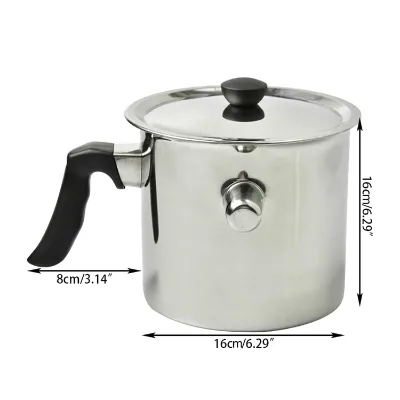

Shijiazhuang Tabo Candles Sales Co., Ltd.
- Verified by BV
- Combined
- China Hebei
- Lead time15 days
- Avg. response≤ 5h
Main productsCandle
Main marketsSoutheast Asia/ Mideast,East Asia(Japan/ South Korea),Europe,Australia,North America
Shenzhen Greenvive Industry Co., Ltd.
- Manufacturer, Trading Company, Distributor/Wholesaler
- Guangdong, China
- Lead time15 days
- Avg. response≤ 10h
Main productsHoney extractor,Bee smoker,Beehive,Queen excluder,Hive tool
Main marketsWestern Europe(26.00%), North America(20.00%), Oceania(18.00%), Africa(6.00%), Eastern Europe(5.00%), South America(5.00%), Southern Europe(4.00%), Eastern Asia(4.00%), Mid East(4.00%), Northern Europe(3.00%), Southeast Asia(2.00%), Central America(2.00%), South Asia(1.00%)
Changge City Sweet Home Beekeeping Co., Ltd.
- Trading Company
- Henan, China
- Lead time7 days
- Avg. response≤ 1h
Main productsBeehive,Beeware,Bee-dress,Bee-keeping equipment,Bee culture machinary
Main marketsNorth America(20.00%), South Asia(10.00%), Southern Europe(10.00%), Northern Europe(10.00%), Western Europe(10.00%), Eastern Asia(10.00%), Mid East(10.00%), Southeast Asia(10.00%), Eastern Europe(10.00%)
Changge Yuanjiuyuan Trading Co., Ltd.
- Trading Company
- Henan, China
- Lead time5 days
- Avg. response≤ 1h
Main productsBeehive,Beekeeping clothes,Beekeeping smoker,Beekeeping foundation,Honey extractor
Main marketsDomestic Market(65.00%), Oceania(15.00%), Eastern Asia(10.00%), Southern Europe(5.00%)

Zhengzhou Gashili Machinery Co., Ltd.
- Manufacturer/Factory
- China Henan
- Lead time23 days
- Avg. response≤ 5h
Main productsInstant Noodle Making Line, Oil Pressing Machine, Peanut Butter Making Line, Candle Making Machine, Paper Cone Making Machine for Textile, Nut Processing Equipment, Vegetable and Fruit Processing Equipment, Wood Pallet Making Machine, Waste Recycling Equipment, Fertilizer Production Line
Main marketsSouth America,Eastern Europe,Mid East,North America,Southeast Asia,Eastern Asia,Oceania,Western Europe,Africa
Shenzhen Early Riser International Trading Co., Ltd.
- Verified by TüVRheinland
- Trading Company
- Lead time15 days
- Avg. response≤ 3h
Main productsSilicone Soap Mold, Silicone Candle Mold, Silicone Cake Mold, Silicone Plaster Molds
Main marketsNorth America(29%), Oceania(26%), Western Europe(22%)
Henan Shengchao Apiculture Co., Ltd.
- Manufacturer
- Henan, China
- Lead time15 days
- Avg. response≤ 3h
Main productsBeeswax Foundation, Beeswax, Synthetic Wax, Microcrystalline Wax, Bee Pollen
Main marketsAfrica(34.00%), Western Europe(27.00%), Eastern Europe(23.00%), Southeast Asia(6.00%), Eastern Asia(3.00%), Central America(2.00%), South Asia(1.00%), North America(1.00%), South America(1.00%), Oceania(1.00%), Southern Europe(1.00%)
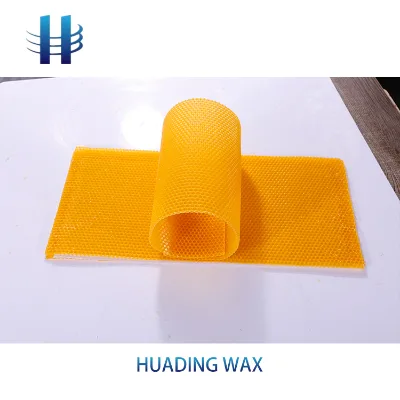
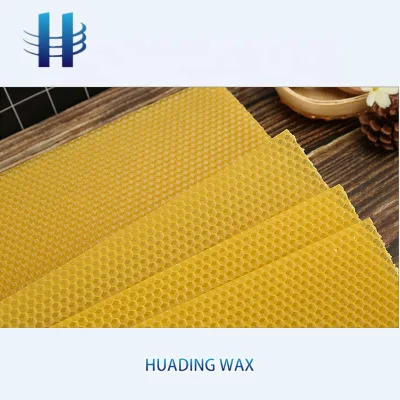
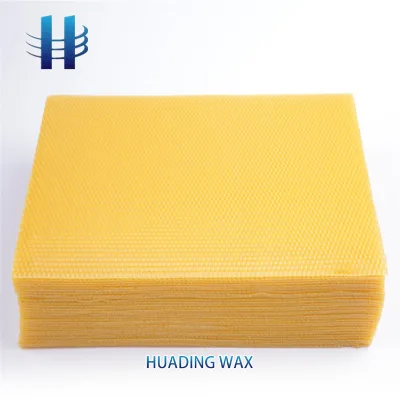
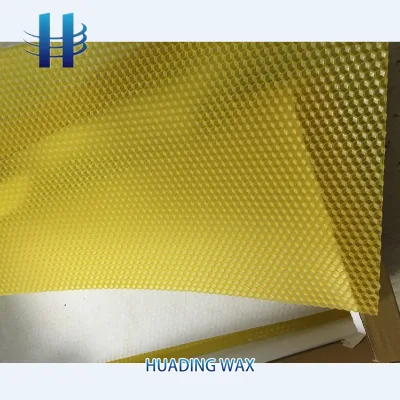
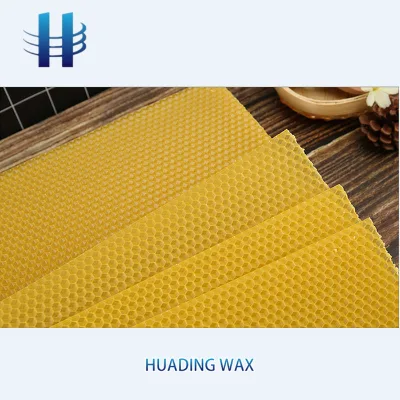
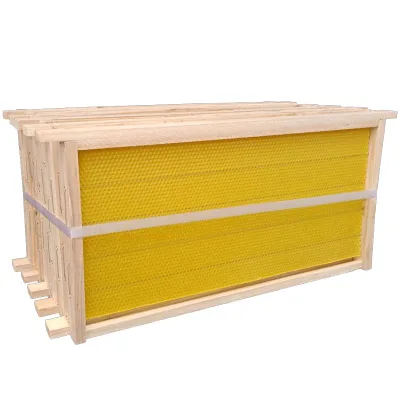
High Performance Wood Frame Beeswax Sheet
$2.50 - $2.70

Chengdu Flybee Trading Co., Ltd.
- Manufacturer, Trading Company
- Sichuan, China
- Lead time0 days
- Avg. response≤ 5h
Main productsvarroa mite treatment,beekeeping accessories,beekeeping equipment,beekeeping supplies,honey processing and honey harvesting equipment
Main marketsEastern Europe(20.00%), Mid East(20.00%), South America(10.00%), South Asia(5.00%), Southern Europe(5.00%), Northern Europe(5.00%), Central America(5.00%), Western Europe(5.00%), Eastern Asia(5.00%), North America(5.00%), Oceania(5.00%), Africa(5.00%), Southeast Asia(5.00%)

Beijing Beehall Biological Pharmaceutical Co., Ltd.
- Combined
- China Beijing
- Lead time15 days
- Avg. response≤ 11h
Main productsRoyal Jelly, Propolis, Bee Pollen, Beeswax, Honey, Healthcare Food, Dietary Supplement
Main marketsSoutheast Asia/ Mideast,Australia,North America

Ningbo Hardwork Art & Craft Co., Ltd.
- Verified by BV
- Combined
- China Zhejiang
- Lead time15 days
- Avg. response≤ 11h
Main productsDIY Kit, Stamp, Wooden Craft, Book
Main marketsEurope


$4.92 - $5.12
MOQ: 200 pieces

Hot Selling DIY Soy Wax Beeswax Candle Kit Handmade DIY Candle Making Set
$4.50 - $5.51
MOQ: 100 pieces









Comprehensive Sourcing Guide
Electric Wax Sheet Beekeeping Mould Supplier Concentration and Factory Types
The available data indicates a concentration of suppliers in China, specifically within the Henan province, where electric wax sheet beekeeping moulds and related machinery are manufactured. This regional clustering suggests a specialized industrial ecosystem for beekeeping equipment, though the exact number of active factories versus trading companies varies. Some entities operate as trading companies, acting as intermediaries that source products from various manufacturers, while others function as combined entities offering both trading and direct manufacturing capabilities. This distinction is critical for buyers, as trading companies may offer a broader range of products but less direct control over production schedules compared to factories with in-house capabilities.
When evaluating the factory types, buyers should note that some suppliers list main products ranging from beekeeping suits to complex machinery like honey extractors and wax processing units. The presence of ODM and OEM capacities in certain supplier profiles indicates that some facilities can customize molds and machinery to specific buyer requirements. However, not all suppliers in the region possess these advanced manufacturing capabilities, and some may simply resell standard models. Buyers must verify whether a supplier is a direct manufacturer or a trading entity to ensure they are dealing with the source of production, which often impacts quality control, customization flexibility, and the ability to resolve technical issues directly with the engineering team.
How to Verify Electric Wax Sheet Beekeeping Mould Suppliers
Verification of suppliers requires a multi-layered approach focusing on third-party credentials and response metrics. The data shows that some suppliers hold CTI verification status, which serves as a baseline indicator of business legitimacy, while others may display ISO9001:2015 certification for their quality management systems. Buyers should prioritize suppliers with these specific, verifiable credentials over those with no listed certifications, as these documents provide evidence of adherence to international standards. It is essential to request copies of these certificates directly from the supplier and cross-reference them with the issuing bodies to ensure authenticity before proceeding with any transaction.
Response time is another critical metric for assessing supplier reliability and operational efficiency. The observed data reveals significant variance in response speeds, with some suppliers responding within approximately 2.45 hours while others take over 15 hours. A faster response time often correlates with a more active sales team and better communication channels, which is vital for resolving pre-sales inquiries and post-sales support. Buyers should test the responsiveness of potential suppliers by sending detailed technical questions regarding mold specifications, such as cell size or material composition, and measure the speed and quality of the reply. This practical test provides a more accurate picture of the supplier's operational readiness than static profile data alone.
What to Compare Across Electric Wax Sheet Beekeeping Mould Suppliers
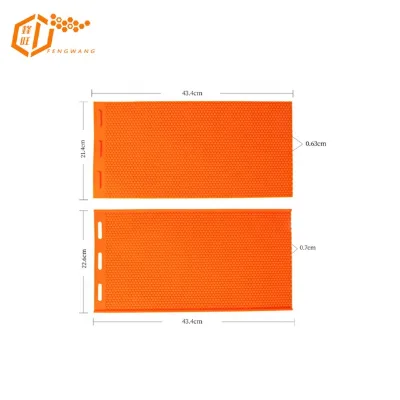
Comparing suppliers requires a detailed analysis of product specifications, pricing structures, and minimum order quantities. The market offers a wide range of products, from electric beeswax foundation presses with production capacities of 20-50kg per hour to manual silicone molds. Buyers must compare the specific attributes of these machines, such as voltage requirements, material composition like food-grade silicone or stainless steel, and available width specifications ranging from 195mm to 300mm. Additionally, the price points vary significantly, with some electric machines listed between 863 and 977 units, while others range from 2899 to 5899 units depending on automation levels and features.
Minimum order quantities (MOQ) and lead times are equally important factors in the comparison process. Some suppliers offer an MOQ of just one set for electric machinery, making them accessible for small-scale operations, while others require orders of 1000 units for foundation sheets or 10 units for molds. Lead times also differ, with production times ranging from 7 to 15 days for certain items and extending up to 120 days for larger or more complex orders. Buyers should align these constraints with their inventory needs and budget, ensuring that the chosen supplier can meet their specific volume requirements without causing delays in their production or sales cycles.
Common Electric Wax Sheet Beekeeping Mould Sourcing Risks
One significant risk in sourcing electric wax sheet beekeeping moulds is the potential mismatch between product descriptions and actual manufacturing capabilities. While some suppliers claim customization is available, the extent of this customization may be limited by their specific machinery or material constraints. Buyers must verify if the claimed customization options, such as specific cell sizes or mold dimensions, are genuinely feasible for the supplier to produce. Relying solely on marketing descriptions without technical validation can lead to receiving products that do not meet the precise requirements of the beekeeping operation, resulting in wasted time and resources.
Another risk involves the variability in lead times and the potential for delays in production. The data indicates lead times can range from a few days to several months, depending on the product type and supplier workload. If a buyer places an order without confirming the current production schedule, they may face unexpected delays that disrupt their business operations. Furthermore, the lack of standardized certifications across all suppliers means that quality control measures may vary significantly. Buyers should be cautious of suppliers with no listed system certifications, as this increases the risk of receiving substandard products that may fail under operational stress or not comply with safety standards.
Electric Wax Sheet Beekeeping Mould Regional Sourcing and Logistics
Sourcing from the identified region, specifically Henan, China, offers access to a concentrated market of beekeeping equipment manufacturers. The proximity of these suppliers to one another can facilitate efficient logistics and potentially lower shipping costs for bulk orders. However, buyers must account for the specific shipping requirements of heavy machinery, such as electric beeswax presses, which may require specialized packaging like wooden cases or reinforced cartons to prevent damage during transit. The origin of the products is consistently listed as Henan, China, which simplifies the logistics planning process by providing a clear point of origin for customs and freight calculations.
Logistics planning also involves understanding the packaging standards and dimensions provided by suppliers. Some products are packed in standard cartons, while others, particularly larger molds or machines, may require wooden cases or specific carton configurations like 25 pieces per carton. Buyers should verify the exact packaging dimensions and weight, such as the 13.9kg weight for certain models, to accurately estimate freight costs and ensure that their shipping partners can handle the load. Additionally, the origin location impacts the transit time and potential customs duties, so buyers should consult with their freight forwarders to understand the full cost implications of importing from this specific region.
Electric Wax Sheet Beekeeping Mould Commercial Terms and Order Planning
Commercial terms for electric wax sheet beekeeping moulds often include specific requirements for payment, shipping, and customization. Buyers should be prepared to negotiate terms that align with their financial capabilities and risk tolerance, especially when dealing with suppliers who have varying levels of verification and certification. The availability of samples is a key commercial term to consider, as some suppliers offer samples for evaluation while others may require a full order before providing product samples. Understanding these terms early in the negotiation process helps buyers avoid unexpected costs and ensures that they can test the product quality before committing to a larger purchase.
Order planning must account for the diverse range of product attributes and specifications available in the market. Buyers should create a detailed specification sheet that includes required cell sizes, material types, and production capacities to ensure they are comparing apples to apples when evaluating different suppliers. The production time, which can range from 7 to 15 days for some items, should be factored into the overall project timeline to prevent delays. Additionally, buyers should consider the scalability of their orders, as some suppliers may offer different pricing tiers or MOQs based on order volume, allowing for more flexible planning as business needs evolve over time.
FAQs
What is the minimum order quantity for electric beeswax foundation machines?
The minimum order quantity for electric beeswax foundation machines is one set. Some suppliers offer lower quantities for accessories like silicone molds, which start at ten units. Buyers should verify specific product listings to confirm the exact threshold before placing an order.
How long does production take for electric beeswax foundation equipment?
Production time for electric beeswax foundation equipment typically ranges from seven to fifteen days. Some suppliers indicate a lead time of up to one hundred twenty days for larger orders or specific configurations. Buyers must check the specific product page for the most accurate delivery schedule.
What materials are used to make electric beeswax foundation sheets?
Electric beeswax foundation sheets are commonly made from nylon, aluminum alloy, or stainless steel. Silicone molds used for manual pressing are made from food-grade silicone. These materials ensure durability and safety for direct contact with beeswax during the foundation making process.
Are samples available for electric beeswax foundation machines?
Samples are available for electric beeswax foundation machines and related accessories. Buyers can request samples to verify quality before committing to bulk orders. The availability of samples allows for testing the machine performance and the resulting sheet thickness specifications.
What is the price range for electric beeswax foundation machines?
The price for electric beeswax foundation machines ranges from approximately 863 to 977 units of currency. Silicone molds and other accessories are priced lower, starting around five units. Prices vary based on capacity, customization options, and specific model features offered by the supplier.
Where are these electric beeswax foundation machines manufactured?
These electric beeswax foundation machines are manufactured in Henan, China. Some product listings also mention Changge, China as the origin. Buyers should verify the specific origin listed on the product page to ensure it matches their sourcing requirements.
What certifications do suppliers of beeswax foundation equipment hold?
Some suppliers hold ISO9001:2015 certification for their quality management systems. Other listings may show no system certification listed. Buyers should request current certification documents directly from the supplier to confirm compliance with international quality standards before finalizing any purchase agreement.