Camping Folding Knife Suppliers and Manufacturers in China
Explore 16 verified options for Camping Folding Knife sourcing with dimensions like location, lead time, and certifications. Compare trading companies and factories to find suitable partners for your needs; review the available evidence before requesting comparable quotations from suitable candidates.
Suppliers List

Yangjiang C&B Consumer Product Limited
- Verified by CTI
- Trading Company
- China Guangdong
- Lead time15 days
- Avg. response≤ 6h
Main productsBarbecue Tongs, Grilling Brushes, Outdoor Shovel, Grilling Tools, Kitchen Ware, Outdoor Products, Pizza Tools, Knife Set
Main marketsSouth America,Africa,Southeast Asia/ Mideast,Europe,Australia,North America


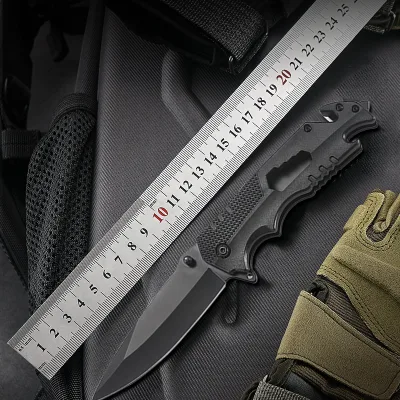
Portable Folding Survival Camping Hunting Tactical Knife Outdoor Pocket Knife
$1.18 - $2.03
MOQ: 600 Sets


Svega Industrial Co., Ltd. (Yangjiang)
- Verified by BV
- Manufacturer/Factory
- China Guangdong
- Lead time45 days
- Avg. response≤ 20h
Main productsFolding Knife, Fixed Blade Knife, Pocket Knife, EDC Tool, Outdoor Tool
Main marketsEastern Europe,Mid East,North America,Western Europe

Nanjing Tiby Import & Export Co., Ltd.
- Verified by SGS
- Trading Company
- China Jiangsu
- Lead time30 days
- Avg. response≤ 12h
Main productsKnife, Multi Tool, Survival Kit, Survival Bracelet, Compass, Machete, Wire Saw, Carabiner Knife, Hunting Knife, Bowie
Main marketsEast Asia(Japan/ South Korea),Europe,North America

Ningbo Strong Bolt Trade Co., Ltd.
- Verified by SGS
- Trading Company
- China Zhejiang
- Lead time23 days
- Avg. response≤ 4h
Main productsHex Bolt Hex Cap Screw, Hex Lag Screw, Hex Heavy Structual Bolt, CNC Machining Parts, Machine Screw, Hex Socket Cap Screw, Carriage Bolt, Self Drilling Screw Drywall Screw, Hex Nylon Lock Nut, Spring Lock Washer Flat Washer
Main marketsSouth America,Europe,Australia,North America

Yangjiang Feehome Tech Co., LTD
- Verified by TUVRHEINLAND
- Trading Company,Manufacturer/Factory,Group Corporation,Other
- China Guangdong
- Lead time23 days
- Avg. response≤ 3h
Main productsKitchen Knives, Outdoor Knives, Nail Clippers, Kitchen Ware, Tea Infuser, BBQ Tools, Multi Function Tools, Kitchen Tools, Baking Tools, Coffee Tools
Main marketsSouth America,Eastern Europe,Mid East,North America,Southeast Asia,Eastern Asia,Oceania,Western Europe,Africa

Folding Knife Cutting Knife Portable Knife with Wood Handle Camping Knives
$1.00 - $19.99
MOQ: 500 Pieces

High Quality Camping Hunting Pocket Folding knives Survival Wholesale Knives
$9.99 - $18.99
MOQ: 500 Pieces


Outdoor Outdoor New Camping Knife Portable Multifunctional Tactical Knife
$1.00 - $19.99
MOQ: 500 Pieces

Jingjiang Dengtu Outdoor Equipment Co., Ltd
- Verified by SGS
- Trading Company
- China Jiangsu
- Lead time15 days
- Avg. response≤ 3h
Main productsSelf Defense Equipment, Outdoor Products, Tactical Equipment, Metal Tool, Flashlight, Detector, Sport Equipment, Keychain Kit Crafts, Security Equipment, Traffic Equipment
Main marketsAfrica,Domestic

Pocket Stainless Knives Folding Survival Outdoor Camping Multi Tactical Knife
$1.50 - $2.80
MOQ: 100 Pieces

Folding Pocket Survival Knife with Black Handle for Hunting Camping Outdoors
$2.00 - $4.00
MOQ: 100 Pieces
Yangjiang Insight Indstry And Trade Co., Ltd.
- Manufacturer, Trading Company
- Guangdong, China
- Lead time0 days
- Avg. response≤ 12h
Main productsPocket Knife,Tactical Knife,Outdoor Knife,Shovel,Folding Knife
Main marketsNorth America(40.00%), Oceania(12.00%), Mid East(10.00%), Northern Europe(9.00%), South Asia(8.00%), Eastern Europe(7.00%), Western Europe(7.00%), Southern Europe(7.00%)

Plenty Harvest Manufacturing Limited
- Manufacturer/Factory
- China Guangdong
- Lead time45 days
- Avg. response≤ 10h
Main productsMulti Tool, Pocket Knife LED, Wine Corkscrew Opener, Multi Function Pliers, Multi Function Knife
Main marketsNorth America,Oceania,Western Europe


Folding Knife Camping Knife Pocket Knife with Anodized Aluminum (#31087F)
$1.00 - $10.00
MOQ: 1200 Pieces

Yangjiang Strongtool Hardware Manufacture Co., Ltd.
- Verified by TUVRHEINLAND
- Trading Company
- China Guangdong
- Lead time45 days
- Avg. response≤ 4h
Main productsHardware Tool, Hand Tool, Multi Tools, Hammer, Knife, Survival Axe, BBQ, Repair Tool, Office Paperwork, Power Tool
Main marketsNorth America

Hot Sale Multitool Knife Outdoor Camping Survival Folding Tactical Knife
$1.89 - $2.19
MOQ: 1000 pieces

Multifunctional Stainless Steel Knife Multi Purpose Folding Survival Outdoor Camping Tool Knife
$1.50 - $2.50
MOQ: 1000 pieces

New Coming 9-in-1 Pocket Serrated Knife Portable Folding Tool with Clip for Survival Camping
$1.50 - $3.00
MOQ: 1000 pieces


Seer Hardware Industry&Trade Co., Ltd.
- Combined
- China Guangdong
- Lead time30 days
- Avg. response≤ 6h
Main productsKnife, Camping Knife, Folding Knife, Kitchen Knife, Hunting Knife, BBQ Tools, Laguiole Knife, Manicure Set, Knife Set, ODM OEM Knife
Main marketsSouth America,Southeast Asia/ Mideast,East Asia(Japan/ South Korea),Europe,North America


Multi-Function Knife /Folding Knife with Screw Tool for Camping (SE-F103)
$2.00 - $3.00
MOQ: 2000 Pieces


Yangjiang Homedailys Houseware Co., Ltd.
- Verified by Intertek
- Trading Company
- Lead time25 days
- Avg. response≤ 2h
Main productsKnives, Kitchenware, BBQ, Wine Opener, Multitools
Main marketsNorth America(48%), Western Europe(24%), Oceania(12%)
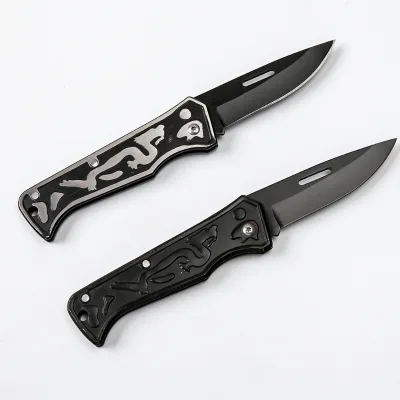
Best Seller Outdoor Camping Survival Folding Knife for Promotion Advertising
$0.71 - $0.81
MOQ: 120 pieces
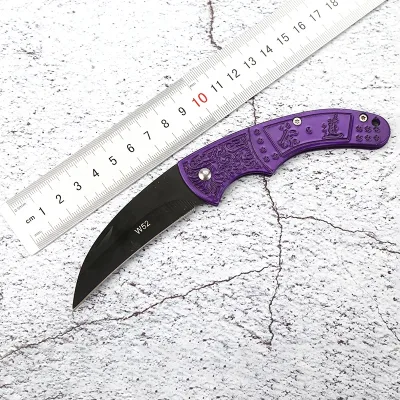
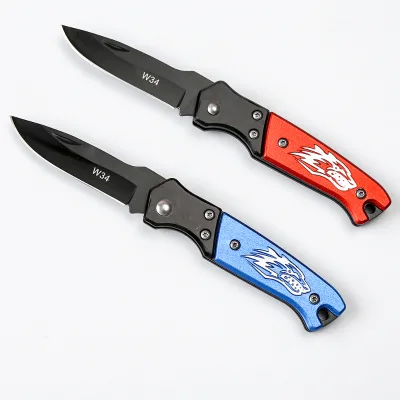
Yueqing Hongqiao showhigh cutlery Factory
- Verified by SGS
- Trading Company
- China Zhejiang
- Lead time15 days
- Avg. response≤ 18h
Main productsMovie Swords, Fantasy Swords, Larp Toy Swords, Cane Swords, Handmade Katana, Daggers Fantasy Knife, Hunting Knife, Medieval Shields, Daggers
Main marketsSoutheast Asia/ Mideast,Europe,North America
Hangzhou Juxincai Import And Export Co., Ltd.
- Trading Company
- Zhejiang, China
- Lead time15 days
- Avg. response≤ 2h
Main productsScrewdriver,Knife,wrench,Tape measure,hand tools
Main marketsNorth America(50.00%), Southeast Asia(20.00%), South Asia(10.00%), Central America(10.00%), Mid East(10.00%)

Hebei Sinotools Industrial Co., Ltd.
- Verified by CTI
- Trading Company
- China Hebei
- Lead time30 days
- Avg. response≤ 5h
Main productsScrewdriver, Plier, Wrench, Hammer, Tape Measure, Pruning Shear, Knife, Tool Set
Main marketsEurope


High Quality Outdoor Camping Multipurpose Pocket Multitool Multi-Function Knife
$2.83 - $3.00
MOQ: 1200 Pieces
Yangjiang Lezhong Industry & Trading Co., Ltd.
- Manufacturer, Trading Company
- Guangdong, China
- Lead time0 days
- Avg. response≤ 1h
Main productskitchen knife,outdoor knife,steak knife,cheese knife,grill tool
Main marketsNorth America(30.00%), Eastern Europe(20.00%), Africa(20.00%), Northern Europe(10.00%), Western Europe(10.00%), South America(10.00%)

Tuopu Hardware Tool Factory in Hedong District, Linyi City
- Verified by TUVRHEINLAND
- Combined
- China Shandong
- Lead time15 days
- Avg. response≤ 5h
Main productsTool Set, Plier, Axe, Hammer, Pliers, Wrench, PPR Pipe Welding Machine
Main marketsDomestic


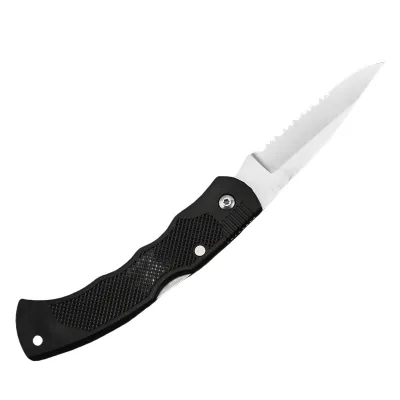
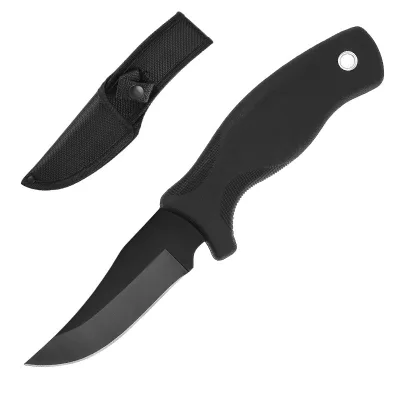


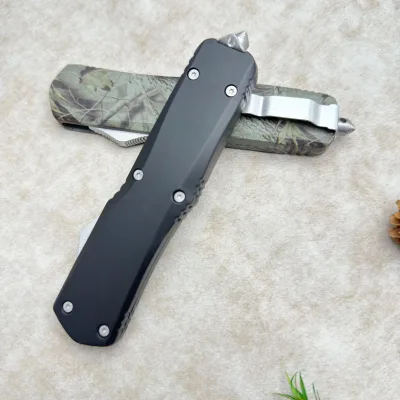
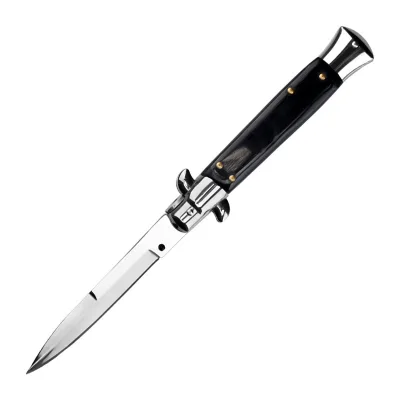


Comprehensive Sourcing Guide
Camping Folding Knife Supplier Concentration and Factory Types
The available data indicates a concentration of suppliers operating from China, specifically within the Guangdong region, which serves as a primary hub for this category. These entities are categorized into two distinct operational models: trading companies and manufacturers or factories. Trading companies often aggregate products from various sources, offering a broad inventory that includes barbecue tools, outdoor shovels, and diverse knife sets alongside the core camping folding knives. In contrast, manufacturer entities focus on direct production capabilities, often highlighting specific certifications like BSCI and ISO 9001 to validate their internal quality control systems. This distinction is critical for buyers seeking either a wide range of complementary outdoor gear or specialized, factory-direct manufacturing for specific blade models.
When evaluating the factory type, buyers must look for explicit declarations of company structure rather than assuming production capabilities based on product variety. Some suppliers list main products that span from fixed blades to EDC tools, suggesting a broader manufacturing scope, while others may focus strictly on folding mechanisms. The presence of specific product attributes, such as titanium plating or stainless steel blades, often correlates with the supplier's classification as a manufacturer capable of handling complex finishing processes. However, without explicit confirmation of a factory's establishment year or specific production capacity, buyers should verify whether a trading company is merely reselling goods or if they have direct access to the production line. This verification ensures that the supply chain is transparent and that the buyer understands the true source of the camping folding knives they intend to purchase.
How to Verify Camping Folding Knife Suppliers
Verification of suppliers in this category relies heavily on third-party audit reports and specific credential markers provided in the search results. Several suppliers display verification statuses such as CTI or BV, which indicate that an independent agency has inspected their facilities or business operations. These certifications serve as a primary layer of trust, confirming that the entity exists and meets certain operational standards. Additionally, the presence of system certifications like BSCI and ISO 9001 suggests that the supplier adheres to international management standards for social compliance and quality assurance. Buyers should prioritize suppliers who explicitly list these credentials, as they provide concrete evidence of a verified business entity rather than relying on unverified claims.
Beyond external audits, buyers must scrutinize the specific product evidence provided to ensure the supplier can deliver the exact specifications required. The data shows detailed attributes for various models, including blade lengths ranging from 150mm to 230mm, handle materials like aluminum or stainless steel, and finishing processes such as grey titanium plating or black plating. A verified supplier will consistently provide these granular details, including model numbers like CB072 or 25252, which allow for precise tracking and quality control. If a supplier lists customization options like OEM logos or customizable packing, this indicates a mature production process capable of meeting specific buyer requirements. Buyers should request samples that match these documented attributes to confirm that the supplier's actual output aligns with the verified product evidence before committing to a larger order.
What to Compare Across Camping Folding Knife Suppliers
Comparing suppliers requires a systematic analysis of key operational metrics such as lead time, minimum order quantity, and response speed. The data reveals significant variance in these areas; for instance, some suppliers offer a lead time of 15 days, while others require up to 45 days for production and delivery. Similarly, minimum order quantities (MOQ) fluctuate between 400 and 600 units, which can significantly impact the initial capital required for a new product launch. Response times also vary, with some suppliers averaging around 5.33 hours and others taking nearly 20 hours to reply. These differences directly affect project timelines and inventory planning, making it essential for buyers to align their expectations with the specific capabilities of each potential partner.
Price and product specifications form another critical dimension for comparison across the supplier base. Unit prices for camping folding knives range from approximately $1.18 to $4.20, depending on the model, material quality, and finishing details. Suppliers offering models with titanium plating or specific blade materials like high-quality stainless steel may command higher price points compared to those with basic plastic handles or standard finishes. Additionally, the availability of customization, such as OEM logo printing or custom packing, can influence the final cost and the suitability of the product for a specific brand. Buyers should create a comparison matrix that weighs these factors against their budget and quality requirements, ensuring they select a supplier whose commercial terms and product attributes align with their strategic goals without compromising on essential features.
Common Camping Folding Knife Sourcing Risks
One of the primary risks in sourcing camping folding knives involves the discrepancy between advertised specifications and actual product quality. While suppliers list attributes like blade thickness, handle dimensions, and finishing types, there is a risk that the final delivered goods may not match these descriptions exactly. For example, a supplier might advertise a knife with a 2.8mm thickness and grey titanium plating, but the actual batch could vary in material density or plating durability. Without rigorous pre-shipment inspections or sample approvals, buyers may receive products that fail to meet safety or performance standards, leading to customer dissatisfaction and potential returns. This risk is particularly acute when dealing with trading companies that may not have direct oversight of the manufacturing process.
Another significant risk relates to supply chain consistency and the ability to meet demand during peak seasons. The variation in lead times, ranging from 15 to 45 days, suggests that production capacity is not uniform across all suppliers. A supplier with a longer lead time might struggle to fulfill urgent orders or adapt to sudden changes in demand, potentially causing stockouts for the buyer. Furthermore, the reliance on specific raw materials, such as stainless steel or aluminum for handles, introduces vulnerability to market fluctuations and supply disruptions. Buyers must assess the supplier's capacity to handle volume spikes and their contingency plans for material shortages. Establishing clear communication channels and setting realistic expectations regarding delivery schedules can help mitigate these risks, but proactive planning is essential to avoid disruptions in the supply chain.
Camping Folding Knife Regional Sourcing and Logistics
The regional concentration of suppliers in China, particularly in Guangdong, offers logistical advantages but also presents specific challenges for international buyers. Guangdong is a well-established manufacturing hub, providing access to a robust network of raw material suppliers and specialized labor, which can streamline the production of camping folding knives. However, the distance from this region to major international markets necessitates careful planning regarding shipping routes, customs clearance, and freight costs. Buyers should be aware that while the proximity to ports in Guangdong can facilitate efficient export, the actual transit time will depend on the chosen shipping method and the destination country's import regulations. Understanding these logistical nuances is crucial for accurate cost estimation and delivery scheduling.
For buyers considering sourcing from other regions, it is important to note that the available data does not confirm the existence of manufacturing clusters outside of China. Therefore, buyers should not assume that similar concentrations of suppliers exist in other countries without explicit verification. If a buyer seeks to diversify their supply chain, they must actively investigate potential manufacturing hubs in other regions, looking for evidence of local industry clusters, specialized tool-making facilities, and established export infrastructure. The absence of confirmed location data for other regions means that buyers must rely on direct supplier inquiries and site visits to validate the existence of viable sourcing options. This due diligence ensures that the buyer can make informed decisions about regional sourcing strategies that balance cost, quality, and logistical efficiency.
Camping Folding Knife Commercial Terms and Order Planning
Commercial terms for camping folding knives vary significantly based on the supplier's size, location, and production capacity. The data indicates that unit prices can range from $1.18 to $4.20, with minimum order quantities typically set between 400 and 600 units. These terms are influenced by factors such as the complexity of the product, the availability of customization options like OEM logos, and the specific materials used in construction. Buyers must carefully review these terms to ensure they align with their budget constraints and inventory requirements. Additionally, the lead times, which can range from 15 to 45 days, play a critical role in order planning, as they determine the timeline for production, shipping, and eventual market availability.
Order planning for camping folding knives requires a strategic approach to managing these commercial variables. Buyers should consider the total cost of ownership, including not only the unit price but also shipping, duties, and potential costs associated with quality control and inspection. The availability of customization options, such as custom packing or logo printing, should be factored into the order volume to ensure that the MOQ is met without incurring unnecessary costs. Furthermore, buyers should establish clear communication protocols with suppliers to monitor production progress and address any issues that may arise during the manufacturing process. By carefully analyzing the commercial terms and planning orders accordingly, buyers can optimize their procurement strategy, minimize risks, and ensure a steady supply of high-quality camping folding knives for their market.
FAQs
What is the price range for camping folding knives?
Prices for camping folding knives typically range from $1.18 to $4.20 per unit. The final cost depends on specific features like blade material, handle composition, and surface finishing. Buyers should request quotes for exact pricing based on their chosen model and customization requirements.
What is the minimum order quantity for these knives?
The minimum order quantity varies by supplier and product model. Some suppliers require a minimum of 400 units, while others set the threshold at 500 or 600 pieces. Buyers must check the specific MOQ for each knife model to ensure their order meets the supplier's requirements.
How long does production take for these knives?
Production lead times generally range from 15 to 45 days. The exact duration depends on the supplier's current workload and the complexity of the order. Buyers should confirm the specific lead time with the supplier before placing an order to ensure timely delivery.
Are customization and OEM services available?
Yes, customization and OEM services are widely available for camping folding knives. Suppliers offer options for custom logos, packaging, and specific product models. Buyers can request tailored solutions to match their brand identity and product specifications during the sourcing process.
What certifications do these suppliers hold?
Some suppliers hold BSCI and ISO 9001 certifications, indicating adherence to quality and ethical standards. Verification statuses include CTI and BV. Buyers should verify specific certifications with the supplier to ensure compliance with their regulatory and quality requirements.
Where are these camping knives manufactured?
These camping knives are primarily manufactured in China, with specific production hubs in Guangdong and Yangjiang. Buyers can filter suppliers by location to align with their logistics preferences and supply chain strategies. Confirming the origin ensures transparency in the sourcing process.