Chocolate Coated Nuts Cheese Warmer Suppliers and Manufacturers
Source 29 verified suppliers for Chocolate Coated Nuts Cheese Warmer units. Compare CE-certified models with 1-year warranties, 7-10 day lead times, and prices from $100.57 to $291.45. Filter by stainless steel construction and response times to find the right partner.
Suppliers List
Foodspark Kitchen Equipment (Shanghai) Co., Ltd.
- Trading Company
- Shanghai, China
- Lead time7 days
- Avg. response≤ 3h
Main productsFast food equipment,Snack equipment,Food processing equipment,Refrigeration equipment,Baking Equipment
Main marketsEastern Europe(40.00%), North America(20.00%), South America(20.00%), Central America(10.00%), Domestic Market(1.00%), South Asia(1.00%), Southern Europe(1.00%), Northern Europe(1.00%), Southeast Asia(1.00%), Western Europe(1.00%), Eastern Asia(1.00%), Mid East(1.00%), Oceania(1.00%), Africa(1.00%)
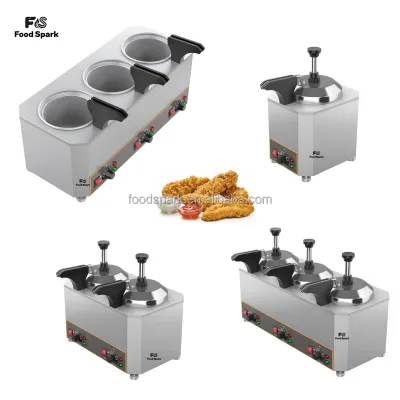
$151.88 - $291.45
MOQ: 1 units
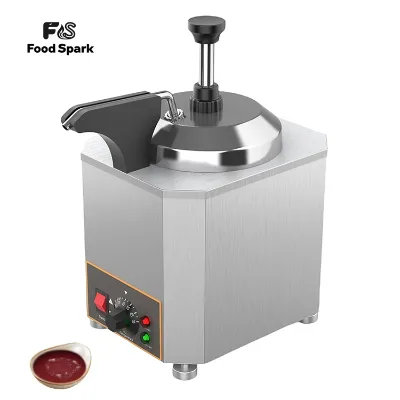
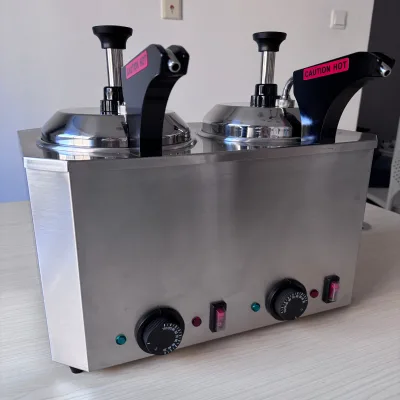
$132.86 - $153.30
MOQ: 1 units
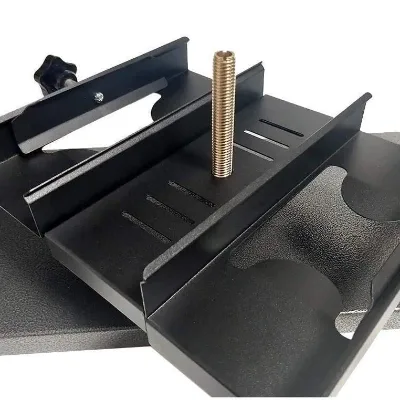
650W Cheese Heating Machine Half Round Warming Melting Heater Milk Curd Butter Melter Warmer
$100.57 - $108.78
MOQ: 1 units
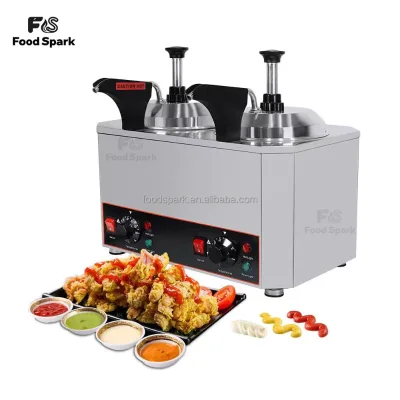
$151.88 - $291.45
MOQ: 1 units
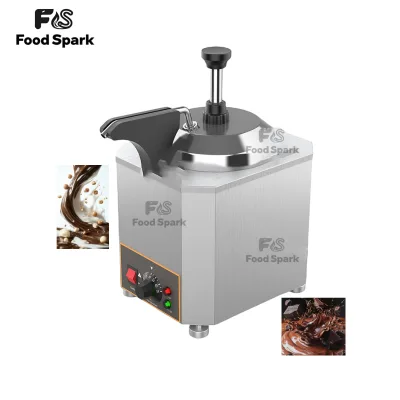
Hot Selling 2.5L Sauce Butter Dispenser Commercial Cheese Sauce Warming for Pizza Hamburger
$133.41 - $153.93
MOQ: 1 units
Jiaozuo Forward Machine Co., Ltd.
- Verified by SGS Group
- Trading Company
- Lead time10 days
- Avg. response≤ 4h
Main productsChocolate Machine, Wax Melting Machine, Freeze Dry Machine, Waffle Machine, Food Grinder
Main marketsEastern Asia(20%), Southeast Asia(19%), North America(10%)
Jianghai District Heshi Refrigeration Equipment Firm
- Verified by SGS Group
- Trading Company
- Lead time15 days
- Avg. response≤ 8h
Main productsPopsicle Machine, Ice Cream Machine, Ice Cream Cart, Ice Cream Cone Machine
Main marketsNorth America(30%), Africa(30%), Southeast Asia(20%)
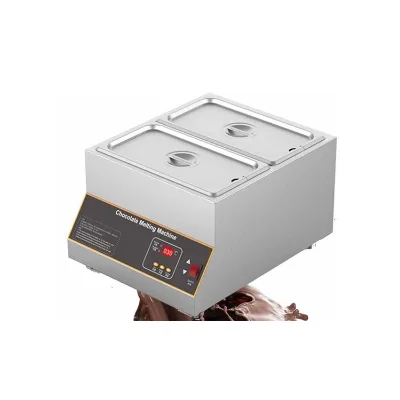
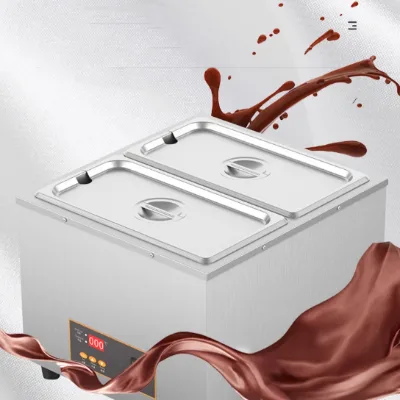
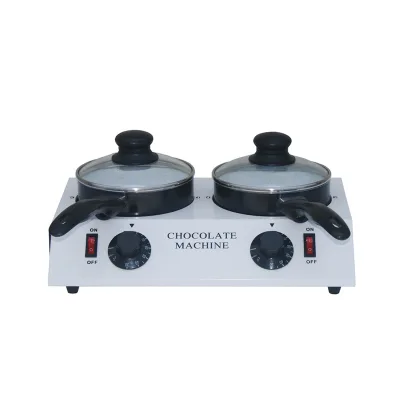
Chocolate Melting Warmer Making Machine Chocolate Melting Pot Popsicle Coating
$160.00 - $180.00
MOQ: 1

- Trading Company,Manufacturer/Factory
- China Guangdong
- Lead time45 days
- Avg. response≤ 5h
Main productsStainless Steel Trolley, Mobile Trolley, Flatform Trolley, Bakery Trolley, Trash Bag Holder, Insulated Container, Stock Pot, Worktable, Kitchen Sink, Buffet
Main marketsSouth America,Eastern Europe,Mid East,North America,Southeast Asia,Eastern Asia,Oceania,Western Europe,Africa

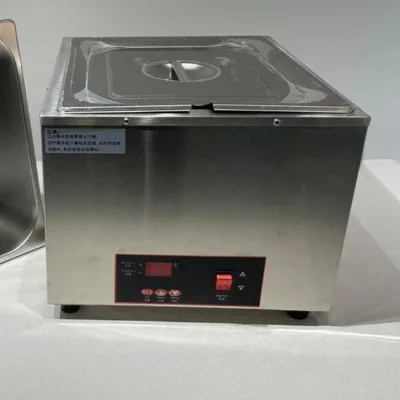
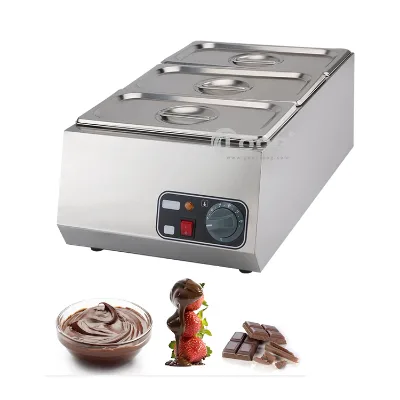
Kitchen Chocolate Heater Electric Stainless Steel 3 Bottles Sauce Warmer
$60.00 - $66.00
MOQ: 50 Pieces

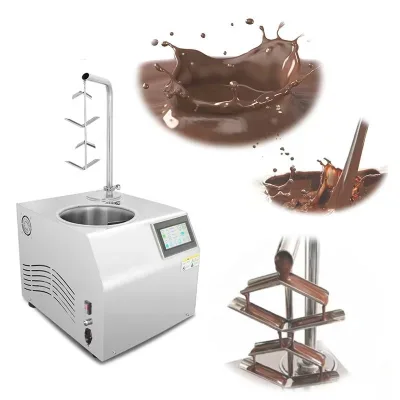
Stainless Steel Chocolate Melting Machine Chocolate Melter Pot Chocolate Melting Machine
$63.00 - $70.00
MOQ: 50 Pieces

Henan Chanda Machinery Co., Ltd
- Verified by TUVRHEINLAND
- Trading Company,Manufacturer/Factory
- China Henan
- Lead time15 days
- Avg. response≤ 4h
Main productsFood Machine, Vegetable Cutting Machine, Bun Making Machine, Roti Making Machine, Samosa Making Machine, Skin Vacuum Packing Machine, Peeling Machine, Tablet Press Machine, Noodle Boiler, Meat Cutting Machine
Main marketsSouth America,Eastern Europe,Mid East,North America,Southeast Asia,Eastern Asia,Oceania,Western Europe,Africa

Heavybao Commercial Kitchenware Co., Ltd.
- Verified by SGS
- Combined
- China Guangdong
- Lead time30 days
- Avg. response≤ 3h
Main productsRestaurant Equipment / Catering Equipment, Kitchen Equipment / Fast Food Equipment, Cooking Equipment / Bakery Equipment, Coffee Urn / Coffee Maker / Coffee Percolator, Electric Grill / Deep Fryer / Electric Fryer, Gn Pan/Toaster / Salamander / Waffle Maker, Dog Wash / Dog Cage / Pet Bathtub / Pet Dryer, Workbench / Working Table / Folding Table, Trolley Cart / Trolley / Service Trolley / Cart, Buffet Chafing Dish / Food Warmer / Chafing Dish
Main marketsSouth America,Europe,North America

Guangzhou Sunrry Kitchen Equipment Co., Ltd.
- Verified by CTI
- Trading Company,Manufacturer/Factory
- China Guangdong
- Lead time30 days
- Avg. response≤ 3h
Main productsCommercial Kitchen Solutions, Turnkey Kitchen Solutions, Catering Equipment, Restaurant Equipment, Commercial Refrigeration Equipment, Commercial Bakery Equipment, Commercial Cooking Equipment, Stainless Steel Equipment, Commercial Food Prep Equipment, Commercial Kitchen Equipment
Main marketsSouth America,Eastern Europe,Mid East,North America,Southeast Asia,Eastern Asia,Oceania,Western Europe,Africa

Zhengzhou Auris Machinery Co., Ltd.
- Verified by TUVRHEINLAND
- Trading Company
- China Henan
- Lead time30 days
- Avg. response≤ 4h
Main productsNut Process Machinery, Fruit &Vegetable Machinery, Meat Process Machinery, Snacks Process Machinery, Printing Machinery, Quilting Machinery, Chocolate Machine, Packing Machine, Paper Pencil Making Machine, Bubble Tea Shop Machine
Main marketsSouth America,Southeast Asia/ Mideast,East Asia(Japan/ South Korea),Europe,Australia,North America

Commercial Chocolate Melting Tempering Machine Automatic Electric Chocolate Warming Machine
$6600.00 - $6800.00
MOQ: 1 Pieces


$4250.00 - $4300.00
MOQ: 1 Pieces


Suzhou Lejoy Machinery Co., Ltd.
- Verified by SGS
- Manufacturer
- China Jiangsu
- Lead time60 days
- Avg. response≤ 23h
Main productsChocolate Equipments, Chocolate Machinery, Chocolate Coating Machine, Chocolate Conche, Chocolate Pumps, Chocolate Ball Miller, Sugar Grinding Machine, Cocoa Melting Machine, Chocolate Cooling Tunnel, Chocolate Depositing Machine
Main marketsAfrica,Southeast Asia/ Mideast,Domestic,Europe


MOQ: 1 Pieces


Hot Sale Chocolate Heat Preservation Tank
MOQ: 1 Pieces
Guangzhou Goodloog Kitchen Equipment Co., Ltd.
- Verified by SGS Group
- Trading Company
- Lead time30 days
- Avg. response≤ 3h
Main productsKitchen Equipment
Main marketsNorth America(25%), Mid East(15%), Western Europe(15%)

Junnuo Electromechanical Technology (Kunshan) Co., Ltd.
- Manufacturer/Factory
- China Jiangsu
- Lead time15 days
- Avg. response≤ 5h
Main productsOpen Fryer, Pressure Fryer, Dough Mixer, Baking Equipment, Proofer, Chip Warmer
Main marketsSouth America,Eastern Europe,Mid East,North America,Southeast Asia,Eastern Asia,Oceania,Western Europe,Africa


Chips Warmer/ Standing Chips Warmer for Fast Food Restaurant, French Fries Warmer
$439.00 - $499.00
MOQ: 1 Pieces


Jiangmen Xinxin Houseware Co., Ltd.
- Verified by BV
- Trading Company,Manufacturer/Factory
- China Guangdong
- Lead time30 days
- Avg. response≤ 5h
Main productsLunch Box, Coffeeware, Kitchenware, Chafing Dishes, Gn Pan, Juice Dispenser, Trolley, Stock Pot, Bar Sets, Storages Box
Main marketsEastern Europe,Mid East,North America,Southeast Asia,Eastern Asia,Oceania,Western Europe

Butter Sugar Cheese Hot Chocolate Pots Stainless Steel Melting Pot for Chocolate Melting Pot
$3.70 - $4.89
MOQ: 2000 sets


Gusu Food Processing Machinery Suzhou Co., Ltd.
- Verified by TUVRHEINLAND
- Combined
- China Jiangsu
- Lead time60 days
- Avg. response≤ 6h
Main productsChocolate Machine, Conche Machine, Chocolate Enrober, Chocolate Moulding Machine, Chocolate Deposting Machine, Candy Bar Forming Line, Chocolate Tempering Machine, Chocolate Storage Tank, Ball Mill, Snicker Bar Forming Line
Main marketsSoutheast Asia/ Mideast,Domestic


Automatic Chocolate Tempering Machine Melter Chocolate Melting Machine
$15000.00 - $60000.00
MOQ: 1 Pieces


Chengdu LST Science and Technology Co., Ltd.
- Verified by TUVRHEINLAND
- Manufacturer/Factory
- China Sichuan
- Lead time90 days
- Avg. response≤ 5h
Main productsChocolate Machine, Chocolate Making Machine, Chocolate Equipment, Chocolate Production Line, Silicone Mold, Chocolate Mold, Chocolate Tempering Machine, Gummy Candy Making Machine, Silicone Mould, Jelly Candy Making Machine
Main marketsSouth America,Eastern Europe,Mid East,North America,Southeast Asia,Eastern Asia,Oceania,Western Europe,Africa

Wenzhou Rayen Machinery Co., Ltd.
- Verified by TUVRHEINLAND
- Trading Company
- China Zhejiang
- Lead time30 days
- Avg. response≤ 9h
Main productsStainless Steel Tank, Stainless Steel Filter Housing
Main marketsNorth America


High Quality Chocolate Holding Tank Chocolate Melting Tank Chocolate Heating Tank
$1000.00
MOQ: 1 Pieces


Henan Topp Machinery Co., Ltd.
- Verified by BV
- Trading Company,Manufacturer/Factory
- China Henan
- Lead time23 days
- Avg. response≤ 2h
Main productsFruit Juicing Machine, Fruit Stone Extractor, Fruit and Vegetable Peeling Machine, Fruit Sorting Machine, Snack Machinery, Soft Ice Cream Machine, Peanut Brittle Machine, Donut Making Machine, Candy Cane Production Line, Cookies Making Machine
Main marketsSouth America,Eastern Europe,Mid East,North America,Southeast Asia,Eastern Asia,Oceania,Western Europe,Africa

Wenzhou Lihong Machinery Technology Co., Ltd.
- Verified by BV
- Combined
- China Zhejiang
- Lead time45 days
- Avg. response≤ 5h
Main productsDairy Equipment, Mixing Tank, Stainless Teel Tank, Bulk Farm Milk Cooling Tank, Wine Tank, Pharmaceutical Equipments, Milk Tank, Milk Cooling Tank, Brewery Equipments, Pipe
Main marketsSouth America,Africa,Southeast Asia/ Mideast,Europe,North America
Guangzhou New Power Catering Equipment Manufacturing Co., Ltd.
- Manufacturer, Trading Company
- Lead time旺季: "1 - 1000":15,"> 1000":"To be negotiated", 淡季: "1 - 1000":15,"> 1000":"To be negotiated"
- Avg. response≤ 3h
Main productsCatering Equipment
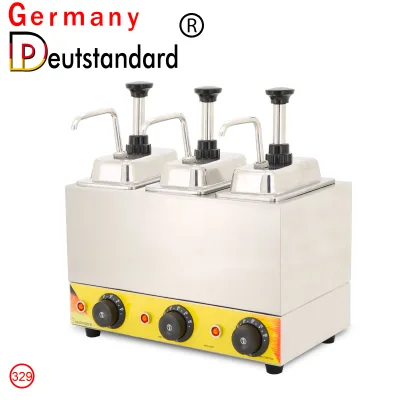
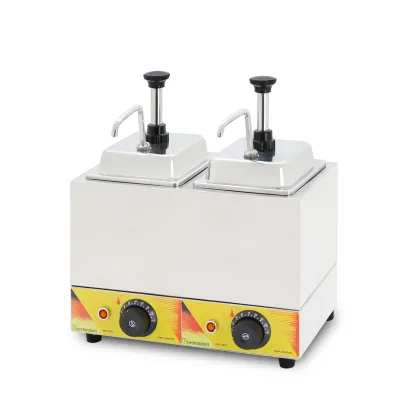
Germany Deutstandard NP-329 Electric Jam Warmer Food Warmer Commercial Chocolate Melter
$252.00 - $290.00
MOQ: 1 sets
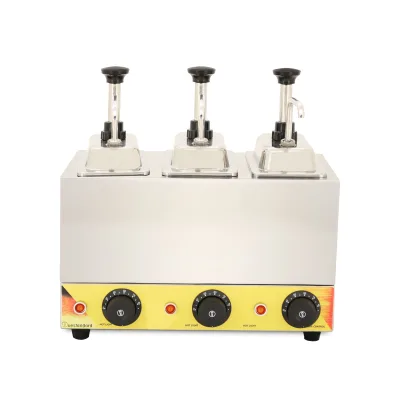
3 Tanks Electric Commercial Hot Chocolate Topping Warmer and Dispenser with Pump
$335.87 - $386.76
MOQ: 1 sets
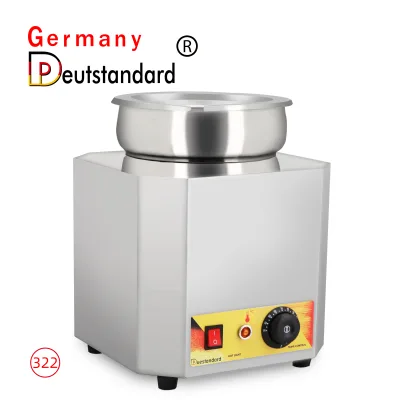
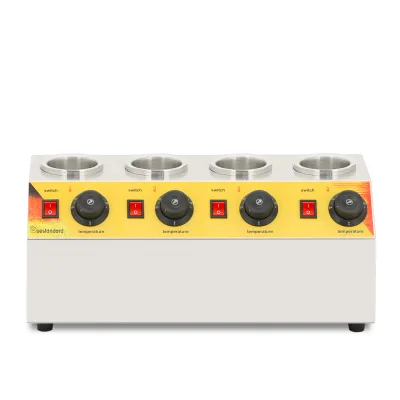
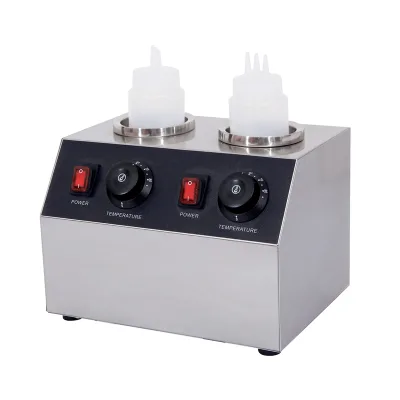
Commercial Electric Sauce Warmer, Sauce Bottle Warmer with Squeeze Bottles Sauce Heater
$121.26 - $131.93
MOQ: 1 sets
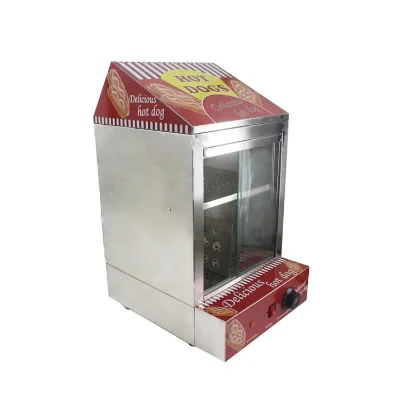
Xiamen Athome Household Products Co., Ltd.
- Verified by SGS
- Trading Company
- China Fujian
- Lead time30 days
- Avg. response≤ 5h
Main productsXiamen Athome Household Products Co. Ltd. Is a, Custom Matcha Tea Set, Wooden &Bamboo Kitchenware, Custom Gifts & Souvenirs, Home & Seasonal Decor, Tableware &Dinner Set, Custom Candle Holer, Seasonal & Promotional Gifts, Drinkware, Sourdough & Baking Tools
Main marketsSoutheast Asia/ Mideast,East Asia(Japan/ South Korea)


Wholesale Ceramic Cheese Marshmallow Fondue Warming Kit Set Cheese Fondue Warmer Dessert Melting Pot
$2.68 - $2.99
MOQ: 1000 Pieces

Zhejiang L&B Machinery Co., Ltd.
- Verified by SGS
- Combined
- China Zhejiang
- Lead time30 days
- Avg. response≤ 11h
Main productsTank, Emulsifying Machine, Lobe Pump, Butterfly Valve, Centrifugal Pump, Colloid Mill, Unions, Storage Tank, Sanitary Fitting, Filter
Main marketsDomestic

Shanghai Jingyao Industrial Co., Ltd.
- Verified by BV
- Manufacturer/Factory
- China Shanghai
- Lead time15 days
- Avg. response≤ 5h
Main productsFood Truck/Cart/Car/Trailer/Van/Caravan/Trolley, Bakery Equipment, Bakery Oven Machine, Rotary Oven, Ice Flake Machine, Ice Cube Machine, Ice Block Machine, Ice Tube Machine, Ice Evaporator, Ice Machine
Main marketsSouth America,Eastern Europe,Mid East,North America,Southeast Asia,Eastern Asia,Oceania,Western Europe,Africa
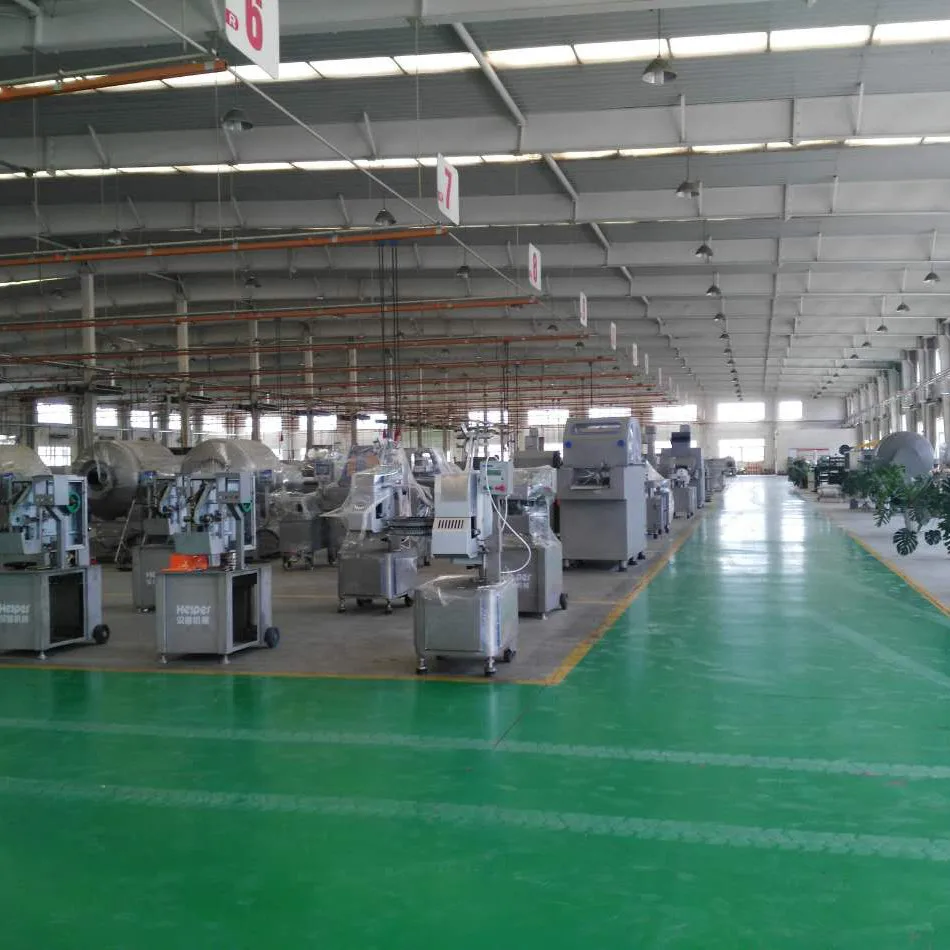
Zhengzhou Hanchuang Machinery Co., Ltd
- Trading Company
- Henan, China
- Lead time20 days
- Avg. response≤ 3h
Main productsPeeling machine,vegetable processing machine,meat processing machine,potato sorting machine,food sterilizer machine
Main marketsSouth Asia(35.00%), Southeast Asia(20.00%), Mid East(15.00%), Africa(15.00%), North America(10.00%), Eastern Asia(5.00%)
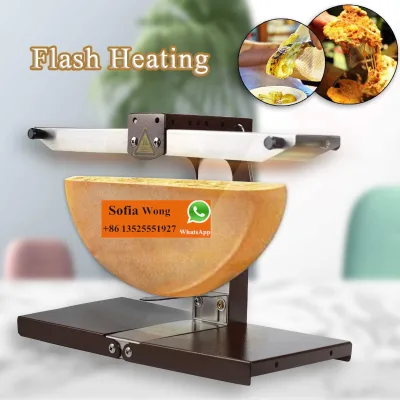
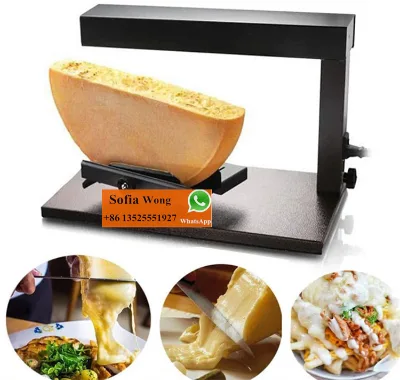
Auto Commercial Raclette Heater Cheesemelter Cheese Warmer Half Wheel Raclette Cheese Melter
$180.00 - $208.00
MOQ: 2 Minimum
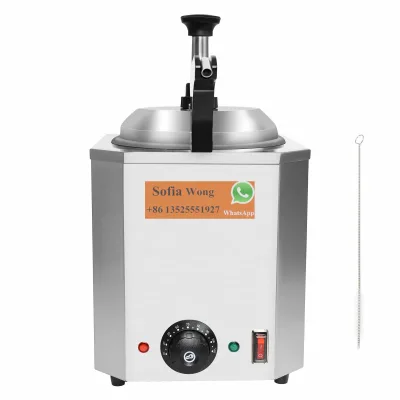
$100.00 - $120.00
MOQ: 2 Minimum
Guangzhou Tailang Industrial Co., Ltd.
- Verified by TUVRHEINLAND
- Combined
- China Guangdong
- Lead time15 days
- Avg. response≤ 1h
Main productsDeep Fryer, Popcorn Machine, Crepe Maker, Cotton Candy Machine, Panini Grill, Griddle, Waffle Maker, Fishball Grill, Bain Marie
Main marketsSouth America
Henan Methena Intelligent Technology Co., Ltd
- Verified by SGS
- Manufacturer/Factory
- China Henan
- Lead time15 days
- Avg. response≤ 3h
Main productsCandy Machinery, Biscuit Machinery, Meat Processing Machinery, Pasta Processing Machinery, Mixing Machinery, Drying Machinery, Freeze Drying Machinery, Fruit and Vegetable Processing Machinery, Egg Processing Machinery, Packaging Machinery
Main marketsSouth America,Eastern Europe,Mid East,North America,Southeast Asia,Eastern Asia,Oceania,Western Europe,Africa


Professional Stainless Steel 60L Melt Pot Warmer Chocolate Temper Machine
$8200.00 - $14000.00
MOQ: 1 Pieces

$2000.00 - $2200.00
MOQ: 1 Pieces
AMC System Technology (Suzhou) Co., Ltd.
- Manufacturer, Trading Company
- Jiangsu, China
- Lead time45 days
- Avg. response≤ 2h
Main productsCooling Tunnels And Refrigeration Systems, Robot Assembly And Packaging Systems, Intelligent Conveying Systems, Chocolate Making Machine
Main marketsNorth America(35.00%), Southeast Asia(25.00%), Western Europe(15.00%), Eastern Asia(15.00%), Africa(10.00%)

Shandong Tianjiao Biotech Co., Ltd.
- Manufacturer
- China Shandong
- Lead time15 days
- Avg. response≤ 10h
Main productsCold Soluble Non Dairy Creamer, Fat Filled Milk Powder, Malt Extract, Brown Maltodextrin, Butter Fat Powder, Ice Cream Powder, Yogurt Powder, Cheese Powder, Lactic Acid Bacteria, Sachet Pack
Main marketsAfrica,Southeast Asia/ Mideast,Europe


Non Dairy Creamer for Chocolate
MOQ: 5 Tons
- Trading Company
- Jilin, China
- Lead time10 days
- Avg. response≤ 1h
Main productsStorage box,Gardening supplies,Metal Crafts,lunch Box,Christmas Decorations
Main marketsDomestic Market(20.00%), North America(20.00%), South Asia(10.00%), Northern Europe(10.00%), Western Europe(10.00%), Eastern Asia(10.00%), Eastern Europe(10.00%), South America(5.00%), Southern Europe(5.00%)
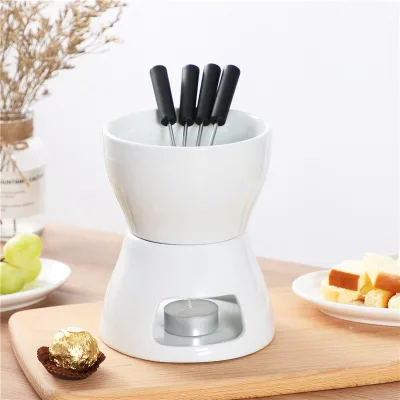
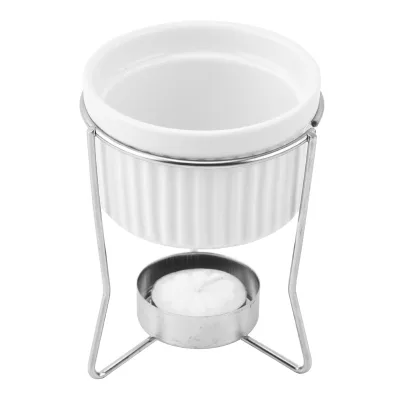
400ml Ceramic Butter Warmer Set with 4 Forks Fondue Mug Ceramic Chocolate Melting Pot
$2.96 - $3.43
MOQ: 54 sets
Wuxi SWF Intelligent Technology Co., Ltd.
- Verified by TUVRHEINLAND
- Trading Company
- China Jiangsu
- Lead time30 days
- Avg. response≤ 3h
Main productsCoffee Machine, Coffee Grinder, Coffee Vending Machine, Coffee Roaster, Coffee Maker, Espresso Machine, Formula Dispenser Machine, Dumpling Machine, Pizza Dough Roller Machine
Main marketsSoutheast Asia/ Mideast,Australia,North America

Commercial Buffet Cup Warmer Showcase/ Electric Coffee Cup Warmer for Hotel
$155.00 - $160.00
MOQ: 1 Pieces


Guangzhou ETON Electromechanical Co., Ltd.
- Verified by BV
- Combined
- China Guangdong
- Lead time30 days
- Avg. response≤ 7h
Main productsPopcorn Machine, Candy Floss Machine, Fryer, Soymilk Machine, Sealing Machine, Sealer, Hot Dog Roller, Ice Crusher, Oven, Sugar Cane Presser
Main marketsSouth America,Africa,Southeast Asia/ Mideast,East Asia(Japan/ South Korea),Domestic,Europe,Australia,North America


Electric Nacho Warmer for Warming Popcorn French Fries Chips with Good Quality
$57.00 - $60.80
MOQ: 10 Pieces




Comprehensive Sourcing Guide
Chocolate Coated Nuts Cheese Warmer Supplier Concentration and Factory Types
Current data indicates a concentration of suppliers in Shanghai, China, alongside specific product origins in Guangdong and Henan provinces. These locations host manufacturers and trading companies specializing in commercial food processing machinery, including chocolate heaters, sauce warmers, and cheese dispensers. The supply base includes both trading companies and factories offering main products like fast food equipment, snack machines, and refrigeration units. Buyers should verify if a supplier operates as a direct manufacturer or a trading intermediary, as this distinction impacts pricing and customization capabilities. The presence of brands like Food Spark and FUWODA suggests established product lines, but the specific factory location for each brand requires confirmation through direct inquiry.
When evaluating the factory type, buyers must distinguish between entities that design and build equipment versus those that source and resell. Trading companies often provide a broader range of products, such as wax melting machines and freeze dryers, while factories may focus on specific machinery like electric chocolate melters. The response time for these suppliers varies, with some indicating a three-day turnaround and others a four-day window. This variation can signal differences in operational scale or customer service protocols. Buyers should request proof of factory ownership or authorization to ensure they are dealing with the actual production source rather than a middleman, which is critical for securing competitive pricing and reliable after-sales support for specialized equipment.
How to Verify Chocolate Coated Nuts Cheese Warmer Suppliers
Verification begins with checking for recognized system certifications such as CE, 2006/42/EC, Declaration of Conformity, and EMC compliance. These standards are essential for commercial equipment sold in international markets and indicate adherence to safety and electromagnetic compatibility regulations. Some suppliers display verification badges from groups like SGS, which adds a layer of credibility regarding their business legitimacy. However, buyers must confirm that these certifications apply specifically to the chocolate warmer models being purchased, as general company certification does not always guarantee product-specific compliance. Requesting valid certificate documents and cross-referencing them with the issuing body is a necessary step before proceeding with any transaction.
Beyond certifications, buyers should assess the supplier's response time and verification status to gauge reliability. Data shows response times ranging from three to four days, which serves as a baseline for communication efficiency. A supplier that responds within this window demonstrates a functional sales infrastructure, but buyers should also inquire about their establishment year to understand their market experience. While specific founding dates are not always publicly listed, asking for this information helps distinguish between new entrants and established players. Additionally, verifying the supplier's ability to handle customized orders, such as graphic processing or sample processing, confirms their technical capacity. Buyers should demand proof of these capabilities through case studies or direct references to previous projects involving similar commercial kitchen equipment.
What to Compare Across Chocolate Coated Nuts Cheese Warmer Suppliers
When comparing suppliers, lead time is a critical metric that directly impacts inventory planning and project timelines. Available data indicates lead times of seven to ten days for production and delivery, though this can vary based on order volume and customization requirements. Buyers must clarify whether these timelines include shipping or only manufacturing, as international logistics can add significant delays. Alongside lead time, the Minimum Order Quantity (MOQ) is a key differentiator, with some suppliers offering an MOQ of just one set, while others may have higher thresholds. Understanding these thresholds helps buyers determine if a supplier can accommodate small test orders or if they require bulk commitments that might strain initial capital.
Price and product specifications also require careful comparison to ensure value alignment. Price ranges for commercial sauce warmers and chocolate heaters vary significantly, with minimum prices starting around 100 USD and maximums reaching nearly 300 USD depending on features like capacity, voltage, and material quality. Buyers should compare the material composition, noting that Food Grade Stainless Steel is a common standard, while others may use different alloys. Voltage compatibility, such as 110V or 220V, is another vital specification to match with local power infrastructure. Additionally, warranty terms, typically one year, should be scrutinized to understand the scope of coverage for defects or mechanical failures. Comparing these factors across multiple suppliers ensures the selection of a partner that offers the best balance of cost, quality, and service reliability.
Common Chocolate Coated Nuts Cheese Warmer Sourcing Risks
One significant risk involves the discrepancy between product descriptions and actual specifications, particularly regarding material quality and dimensions. While many listings claim Food Grade Stainless Steel, buyers must verify the exact grade and thickness to ensure durability and food safety compliance. Inconsistent reporting of dimensions, such as variations in length, width, and height across different product models, can lead to installation issues in commercial kitchens. Buyers should request detailed technical drawings or physical samples to confirm that the equipment fits their intended space and meets operational requirements. Relying solely on marketing keywords without verifying physical attributes can result in receiving equipment that is incompatible with existing infrastructure.
Another risk is the potential for miscommunication regarding warranty and after-sales support, especially when dealing with trading companies. While a one-year warranty is commonly advertised, the terms of service, such as whether it covers parts, labor, or shipping costs, are often vague. Buyers must clarify these details before placing an order to avoid unexpected expenses during the warranty period. Additionally, the risk of supply chain disruptions is heightened when suppliers have limited production capacity or rely on single-source components. Verifying the supplier's ability to handle peak demand and their contingency plans for component shortages is essential. Buyers should also be cautious of suppliers who do not provide clear evidence of their production capabilities or who lack transparent communication channels, as these are red flags for potential delivery failures.
Chocolate Coated Nuts Cheese Warmer Regional Sourcing and Logistics
Sourcing from regions like Shanghai, Guangdong, and Henan offers access to a robust manufacturing ecosystem, but logistics planning is crucial for managing costs and delivery times. Suppliers in these areas typically have established shipping networks, yet buyers must account for the variability in transit times based on destination and shipping method. The location of the factory can influence the final landed cost, as inland manufacturers in Henan may incur different freight charges compared to coastal hubs in Shanghai. Buyers should request detailed shipping quotes that include all fees, such as customs duties and insurance, to avoid hidden costs that can erode profit margins. Understanding the specific logistics capabilities of each supplier helps in selecting a partner that can deliver equipment efficiently and reliably.
Regional differences also impact the availability of spare parts and technical support, which are vital for maintaining commercial equipment. Suppliers located in major industrial clusters often have better access to local service networks, ensuring quicker response times for repairs or maintenance. However, buyers should verify if the supplier offers remote support or on-site service for international clients, as this can be a deciding factor in long-term operational success. Additionally, the voltage and plug standards of the region must match the destination country to prevent electrical hazards. Buyers should confirm that the supplier provides the correct voltage adapters or customizes the equipment to meet local electrical codes. Proper logistics planning ensures that the equipment arrives in optimal condition and is ready for immediate use upon installation.
Chocolate Coated Nuts Cheese Warmer Commercial Terms and Order Planning
Commercial terms, including payment methods and escrow services, play a pivotal role in securing a safe transaction. Buyers should prioritize suppliers who offer secure payment options, such as escrow, to protect funds until the goods are delivered and verified. While specific escrow policies vary, understanding the terms of release and dispute resolution is essential for mitigating financial risk. Additionally, buyers must clarify the Incoterms, such as FOB or CIF, to determine who is responsible for shipping costs and insurance. Clear agreement on these terms prevents misunderstandings and ensures that both parties have a shared understanding of their obligations throughout the order fulfillment process.
Order planning requires a strategic approach to managing inventory and production schedules, especially given the lead times of seven to ten days. Buyers should align their order placement with their sales forecasts to avoid stockouts or overstocking, which can tie up capital. It is also important to consider the scalability of the supplier's production capacity, particularly if the buyer plans to expand their product line or increase order volumes. Establishing a long-term relationship with a reliable supplier can facilitate better pricing and priority production slots. Buyers should also plan for potential delays by maintaining a buffer stock or having alternative suppliers identified. Effective order planning ensures a smooth supply chain and supports the consistent availability of chocolate coated nuts cheese warmers in the market.
FAQs
What is the price range for commercial chocolate and cheese warmers?
Commercial chocolate and cheese warmers typically range from approximately $100 to $291 per unit. Prices vary based on features such as capacity, voltage compatibility, and material quality. Buyers should check specific product listings for exact pricing tiers and bulk discount options available from suppliers.
What certifications do these warming machines usually have?
Most commercial chocolate and cheese warmers listed carry CE certification, ensuring compliance with European safety standards. Some suppliers also provide EMC and Declaration of Conformity documents. Buyers should verify specific certification documents with the supplier before placing orders to ensure regulatory compliance in their target market.
What is the typical lead time for these machines?
The typical lead time for these machines ranges from 7 to 10 days. This timeframe allows for production and quality checks. Buyers should confirm the exact delivery schedule with the supplier, as lead times may vary based on order volume and current production capacity constraints.
What is the minimum order quantity for these products?
The minimum order quantity is generally 1 unit for most commercial chocolate and cheese warmers. This low MOQ allows buyers to test product quality before committing to larger orders. Suppliers often support single-item purchases, making it easy to sample different models and features.
What materials are used in these warming machines?
These warming machines are primarily constructed from food-grade stainless steel. This material ensures durability, hygiene, and resistance to corrosion. Some models may use standard stainless steel for structural components. Buyers should verify the specific material grade with the supplier to meet food safety standards.
What voltage options are available for these machines?
These machines typically support 110V and 220V voltage options to accommodate different regional electrical standards. Buyers should specify their local voltage requirements when ordering. Confirming voltage compatibility is crucial to ensure safe operation and prevent electrical issues in the target market.