Camera Lenses Fisheye Lens Suppliers and Manufacturers
Source 33 verified suppliers for Camera Lenses Fisheye Lens options. Compare dimensions like lead times, MOQs, certifications, and locations to find the right partner. Contact suppliers directly to request quotes and samples; review the available evidence before requesting comparable quotations from suitable candidates.
Suppliers List

China Star Optics Technology Co., Ltd.
- Verified by BV
- Trading Company
- China Jilin
- Lead time30 days
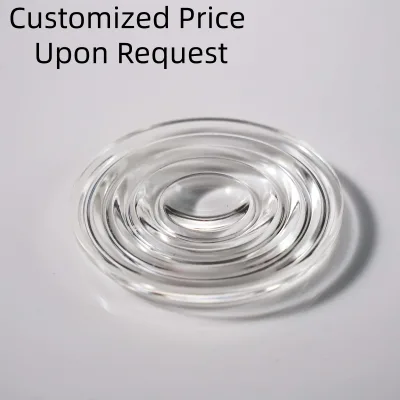
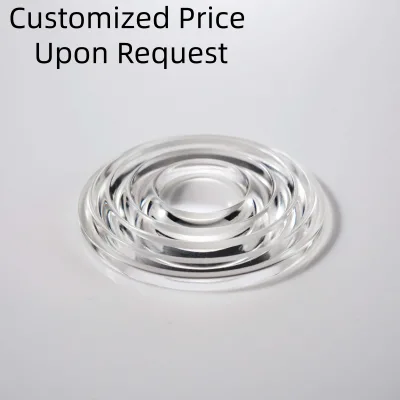
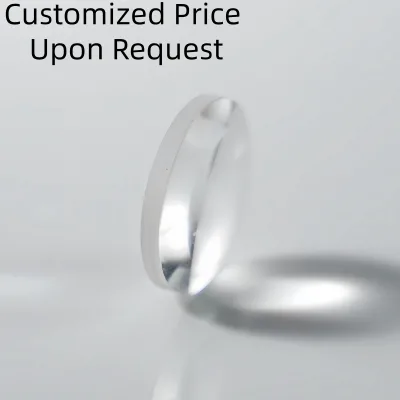
Main productsOptics Lens, Optical Prism, Customed Optica Ball Lens, Aspherical Lens
Main marketsEurope

Shenzhen Ikeemi Technology Co., Ltd.
- Trading Company,Manufacturer/Factory
- China Guangdong
- Lead time15 days
Main productsPhone Accessory, Phone Case, Phone Holder, Screen Protector, iPhone Case, Samsung Case, LG Case, Apple Watch Stand, Promotion Gift, Drawing and Pattern Customized Phone Case
Main marketsSouth America,Eastern Europe,Mid East,North America,Southeast Asia,Eastern Asia,Oceania,Western Europe,Africa


$0.70 - $0.86
MOQ: 50 Pieces
- Manufacturer, Trading Company
- Guangdong, China
- Lead time7 days
- Avg. response≤ 6h
Main productsCamera Filter,Optical Lens
Main marketsDomestic Market(90.00%), North America(5.00%), Southeast Asia(2.00%), Mid East(1.00%), Western Europe(1.00%), Eastern Asia(1.00%)

Shenzhen Chuangwei Video Communication Co., Ltd.
- Manufacturer, Distributor/Wholesaler
- Guangdong, China
- Lead time0 days
- Avg. response≤ 5h
Main productsCCTV LENS,CCTV IRCUT,CCTV CAMERA,CCTV ACCESSORIES
Main marketsMid East(100.00%)
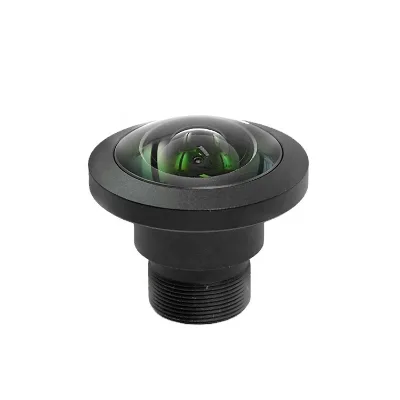
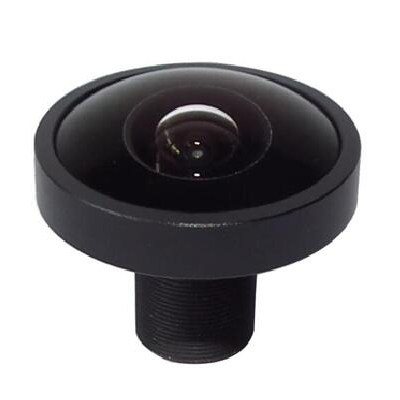
Fisheye Lens 1.13MM 8MP, No Distortion Lens, High Definition Low Distortion Lens For Camera Lens
$15.20 - $17.24
MOQ: 2 pieces
Henan Kingopt Import & Export Co., Ltd.
- Trading Company
- Henan, China
- Lead time10 days
- Avg. response≤ 6h
Main productsBinoculars,Riflesopes,Optical Lens,Optical Prisms,Camera Lenses Assembly
Main marketsNorth America(30.00%), Eastern Asia(20.00%), Western Europe(10.00%), Domestic Market(10.00%), South America(10.00%), Africa(5.00%), Eastern Europe(5.00%), Southeast Asia(5.00%), Southern Europe(5.00%)
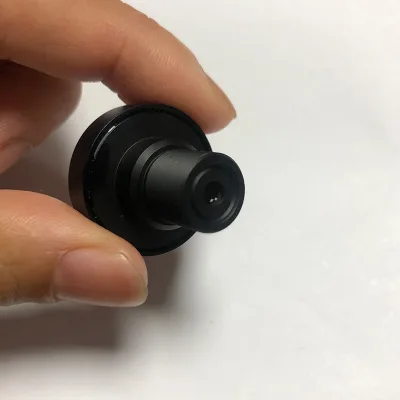
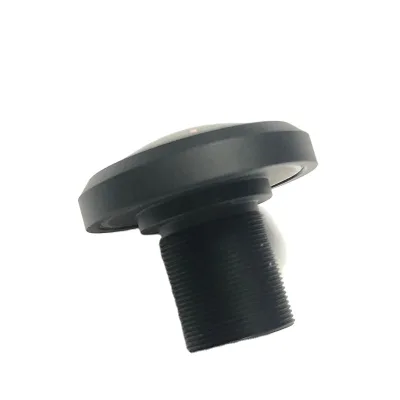
$27.00 - $30.00
MOQ: 5 pieces

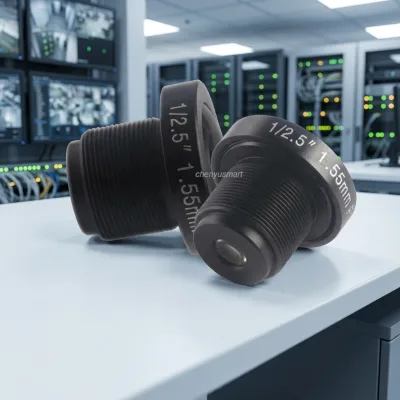
Shanghai Chenyu Smart Technology Co., Ltd.
- Trading Company
- Shanghai, China
- Lead time7 days
- Avg. response≤ 2h
Main productscctv lens,endoscope lens,endoscope camera module,laser protective window,optical lenses
Main marketsSoutheast Asia(35.00%), North America(20.00%), South America(20.00%), Mid East(10.00%), Western Europe(5.00%), Central America(5.00%), Northern Europe(2.00%), South Asia(2.00%), Africa(1.00%)
Shenzhen Kapole Technology Co., Ltd.
- Manufacturer
- Guangdong, China
- Lead time3 days
- Avg. response≤ 3h
Main productscar phone/tablet holder,bike phone/tablet holder,desk phone/tablet holder,other kinds of phone/tablet holder,mobile phone accessories
Main marketsNorth America(15.00%), Northern Europe(11.00%), Eastern Europe(11.00%), Oceania(11.00%), Southern Europe(10.00%), Western Europe(10.00%), Eastern Asia(6.00%), South America(6.00%), Southeast Asia(5.00%), Domestic Market(5.00%), South Asia(5.00%), Central America(3.00%), Mid East(1.00%), Africa(1.00%)

Shanghai Rui Tai Photoelectric Technology Co., Ltd.
- Verified by TUVRHEINLAND
- Trading Company
- China Shanghai
- Lead time15 days
Main productsOptical Lens, Optical Windows, Laser Windows, Fused Silica, Optical Prism, Optical Glass, Sapphire Window, Aspheric Lens, Spheric Lens, Optical Mirror
Main marketsSouth America,Domestic,Europe


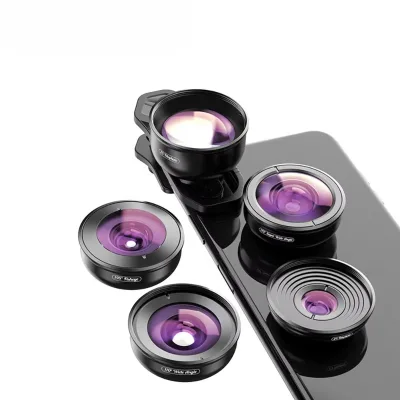
Phone Lens/iPhone Lens/Mobile Lens/Camera Lens/Fisheye Lens/Wide Angle Lens/Macro Lens
$10.00 - $15.00
MOQ: 100 Pieces


Fuzhou Chuangan Optics Co., Ltd.
- Verified by Intertek
- Manufacturer, Trading Company
- Lead time15 days
- Avg. response≤ 6h
Main productsAutomotive Lenses, Machine Vision Lens, Fisheye Lenses, Low Distortion Lenses, CCTV Lenses
Shenzhen JSD Optoelectronics Co., Ltd.
- Verified by SGS Group
- Manufacturer, Trading Company
- Lead time30 days
- Avg. response≤ 6h
Main productsM12 Lens, Low Distortion Wide Angle Lens, Machine Vision Lens, Mobile Robotic Lens, M7 Lens
Main marketsSoutheast Asia(30%), Domestic Market(23%), North America(15%)
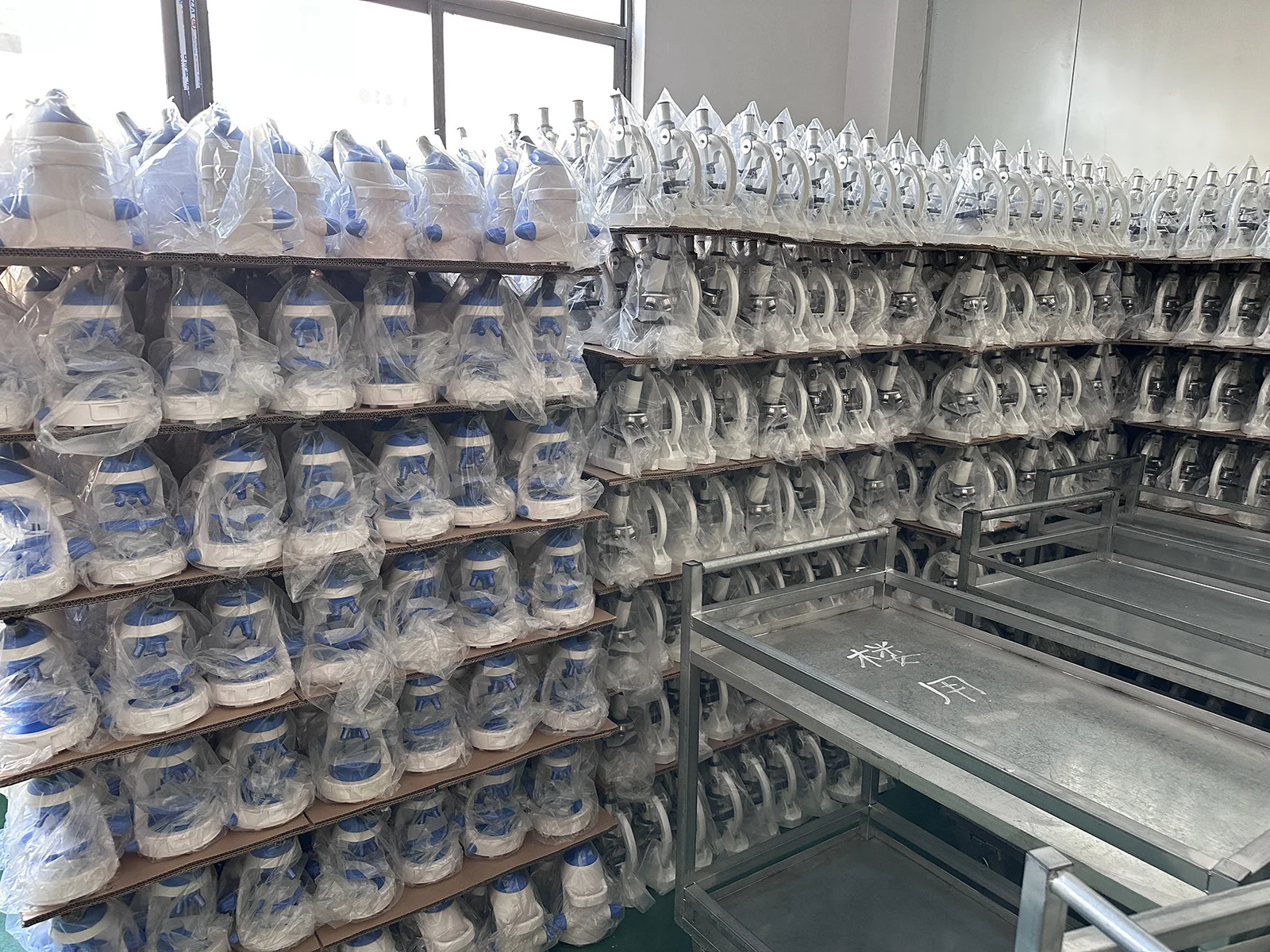
Shangrao Deetin Technology Co., Ltd.
- Manufacturer, Trading Company
- Jiangxi, China
- Lead time15 days
- Avg. response≤ 4h
Main productsMicroscope,Telescope,Photography Accessories,Camera accessories,Phone accessories
Main marketsWestern Europe(20.00%), North America(20.00%), Eastern Asia(10.00%), Domestic Market(10.00%), South Asia(10.00%), South America(10.00%), Mid East(5.00%), Oceania(5.00%), Southern Europe(5.00%), Eastern Europe(5.00%)
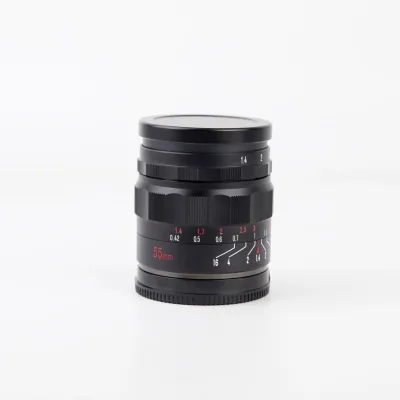
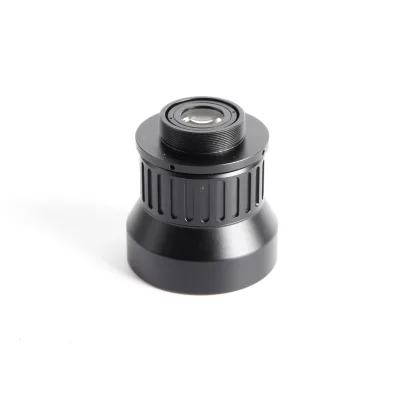
Objective Lens for Night Vision
$60.00 - $80.00
C-Laser (Taicang) Material Technology Co., Ltd.
- Verified by BV
- Combined
- China Jiangsu
- Lead time15 days
Main productsOptical Lens, Fused Silica, Laser, Squartz Glass, Fused Quartz, Optical Glass, Fused Silica Rod, Fused Quartz Rod, Quartz Tube, Quartz Rod
Main marketsDomestic

Fisheye Lens with 200 Degree Fov M12 Lens for 1/1.7\" Image Sensor 12MP Camera Lens Accessory
$30.00 - $50.00
MOQ: 10 Pieces


Ma'anshan Hualun Optical Technology Co., Ltd.
- Verified by SGS
- Combined
- China Anhui
- Lead time15 days
Main productsOptical Lens
Main marketsDomestic


High-Quality Clear Optical Lens for Professional Photography and Vision
$800.00 - $1000.00
MOQ: 1 Pieces
Shenzhen Huashi Chengjin Technology Co., Ltd.
- Verified by Intertek
- Trading Company
- Lead time7 days
- Avg. response≤ 2h
Main productsOptical Lens, Camera Module, Lens Mount, CCTV Lenses
Main marketsNorth America(10%), Southeast Asia(10%), Domestic Market(10%)
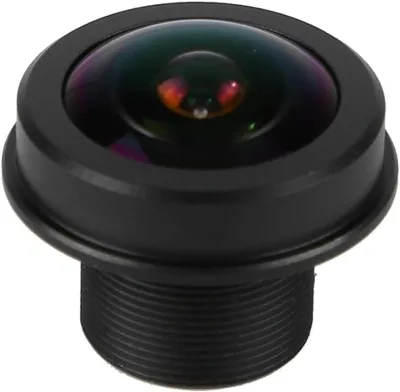
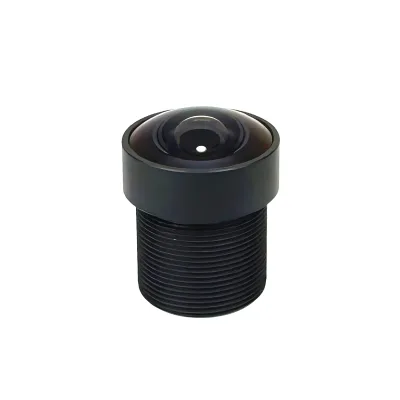
Single-board Camera Lens: 25 mm Telephoto Lens
$1.50 - $2.50
Shenzhen Zhantian Video Equipment Technology Co., Ltd.
- Manufacturer, Trading Company, Distributor/Wholesaler
- Guangdong, China
- Lead time0 days
- Avg. response≤ 5h
Main productsCamera flash,Lens adapter ring,Camera monitor,Camera microphone,Sports camera
Main marketsNorth America(10.00%), South America(10.00%), Eastern Europe(10.00%), Southeast Asia(10.00%), Africa(10.00%), Oceania(10.00%), Mid East(10.00%), Eastern Asia(10.00%), Western Europe(10.00%), Central America(10.00%), Northern Europe(10.00%), Southern Europe(10.00%), South Asia(10.00%), Domestic Market(10.00%)

SHENZHEN YANMING PLATE PROCESS CO., LTD.
- Manufacturer
- China Guangdong
- Lead time15 days
Main productsMetal Etching, Speaker Grill, Chemical Netching, Metal Nameplate, Stainless Steel Etching, Ceiling Speaker, Graphic Overlay, Photo Etching
Main marketsEast Asia(Japan/ South Korea),Europe,North America


Professional Manufacturers Make High-Quality Lenses for Mobile Phone Cameras
$0.50 - $12.00
MOQ: 500 Pieces
Shenzhen Smile Technology Co., Ltd.
- Manufacturer, Trading Company, Distributor/Wholesaler
- Guangdong, China
- Lead time0 days
- Avg. response≤ 3h
Main productsCameraPhoto&Accessories,Chargers Batteries&Power Supplies,Commonly Used Accessories&Parts,Computer Hardware&Software,Earphone&Headphone&Accessories
Main marketsNorth America(45.00%), Eastern Europe(30.00%), Southeast Asia(15.00%), Southern Europe(5.00%), Northern Europe(5.00%), Western Europe(5.00%), Oceania(5.00%), South America(5.00%)
Shenzhen Qianbao Technology Co., Ltd.
- Trading Company
- Guangzhou, China
- Lead time7 days
- Avg. response≤ 12h
Main productsGraphic card,CPU,Motherboard,Cooling plate,Fans
Main marketsNorth America(20.00%), Northern Europe(10.00%), Domestic Market(10.00%), Eastern Europe(10.00%), Mid East(10.00%), Western Europe(8.00%), Southern Europe(8.00%), Southeast Asia(5.00%), South America(5.00%), Eastern Asia(5.00%), Central America(3.00%), Africa(2.00%), South Asia(2.00%), Oceania(2.00%)
Shenzhen Yide Photographic Equipment Technology Co., Ltd.
- Manufacturer, Trading Company
- Guangdong, China
- Lead time0 days
- Avg. response≤ 5h
Main productsGimbal stabilizer,photography light,Camera Lens adpater,Photo video equipment,camera microphone
Main marketsSouth America(10.00%), North America(10.00%), South Asia(7.00%), Northern Europe(7.00%), Central America(7.00%), Western Europe(7.00%), Eastern Asia(7.00%), Mid East(7.00%), Oceania(7.00%), Africa(7.00%), Domestic Market(7.00%), Southeast Asia(7.00%), Eastern Europe(7.00%), Southern Europe(3.00%)
Shenzhen Joney Security Technology Co., Ltd.
- Verified by Intertek
- Manufacturer, Trading Company
- Lead time7 days
- Avg. response≤ 3h
Main productsCCTV Camera, CCTV Lens, IP Camera, Hotel Door Lock, Fingerprint Door Lock
Main marketsDomestic Market(28%), North America(22%), South America(13%)

Ningbo Hongbo Optical Instrument Co., Ltd.
- Trading Company,Manufacturer/Factory
- China Zhejiang
- Lead time30 days
Main productsMagnifier, Microscope, Magnifier Lamps, Binoculars, Reading Glass, Compass, Head Magnifier, Pocket Microscope, Jewellers Magnifier, Folding Magnifier
Main marketsSouth America,Eastern Europe,Mid East,North America,Southeast Asia,Eastern Asia,Oceania,Western Europe,Africa

MOQ: 1000 Pieces

Style New WiFi Underwater Full HD 360 Sports Camera Lens
MOQ: 100 Pieces

- Manufacturer/Factory
- China Jilin
- Lead time23 days
Main productsOptical Lens, Optical Spherical Lens, Optical Prism, Optical Windows, Optical Ball Lens, Rod Lens, Half Ball Lens, Linbo3 Wafer and Powder, Aspheric Lens, Projector Fisheye Lens
Main marketsSouth America,Eastern Europe,Mid East,North America,Southeast Asia,Eastern Asia,Oceania,Western Europe,Africa

Vy Customized Aperture Auto Focus Lens Multi-Function Zoom Lenses for Camera Photography
$340.00 - $1000.00
MOQ: 1 Pieces

10X Macro Lens Filter Optical Glass Close-up Lens for Camera Imaging Systems
$0.50 - $10.00
MOQ: 1 Pieces
Shanghai Bo Glass Industrial Limited
- Verified by SGS Group
- Trading Company
- Lead time25 days
- Avg. response≤ 9h
Main productsIndoor and Ourdoor Glass Lamp Shades and Diffusers, Landscape and Explosion proof glass domes, Glass len sand prisms, Glass panels and sight glass, Glass crafts and ornaments
Main marketsNorth America(31%), Eastern Europe(15%), Western Europe(15%)

Changchun Sunday Optics Co., Ltd.
- Manufacturer/Factory
- China Jilin
- Lead time23 days
Main productsOptical Lens, Optical Prism, Optical Windows, Optical Filter, Powell Prism, Collimator Lens, Bandpass Filters, Cylindrical Lens, Dove Prism
Main marketsSouth America,Eastern Europe,Mid East,North America,Southeast Asia,Eastern Asia,Oceania,Western Europe,Africa
Shanghai Mss International Trade Co., Ltd.
- Verified by TUVRHEINLAND
- Trading Company
- China Shanghai
- Lead time15 days
Main productsMicroscope, Industrial Camera, Microscope Accessories, Industrial Lens, Infrared Thermal Imaging, Vacuum Pump, Endoscope, Optical Measuring Instruments
Main marketsEast Asia(Japan/ South Korea)
Shenzhen New Vision Photography Equipment Co., Ltd.
- Verified by Intertek
- Trading Company
- Guangdong, China
- Lead time3 days
- Avg. response≤ 6h
Main productsPhotographic Lighting, Camera Lens, Camera Flash, Storage Bag, Photo Studio Accessories
Main marketsWestern Europe(30%), North America(20%), Southeast Asia(20%)

Shanghai Jingsheng Optoelectronics Technology Co., Ltd
- Verified by SGS
- Combined
- China Shanghai
- Lead time15 days
Main productsOptical Lens, Optical Window, Prism, Optical Filter, Optical Mirror, Field Lens, Reticle, Powell Lens, IPL Filter, Fresnel Lenses
Main marketsEurope
Guangzhou Benmingming Technology Development Co., Ltd.
- Trading Company, Distributor/Wholesaler
- Guangdong, China
- Lead time15 days
- Avg. response≤ 8h
Main productsPhotographic footage,Photographic accessories,cell phone,Computer,Camera
Main marketsAfrica(55.00%), Domestic Market(30.00%), South America(5.00%), South Asia(5.00%), Southern Europe(5.00%), Northern Europe(5.00%), Central America(5.00%), Western Europe(5.00%), Eastern Asia(5.00%), Mid East(5.00%), Oceania(5.00%), North America(5.00%), Southeast Asia(5.00%), Eastern Europe(5.00%)

Shandong Sheenrun Optics & Electronics Co., Ltd.
- Verified by BV
- Combined
- China Shandong
- Lead time23 days
Main productsCCTV Camera, Long Range Camera, Laser Night Vision Camera, Thermal Imaging Camera, Thermal Camera, Laser Camera, Night Vision Camera, Long Range Thermal Camera, PTZ, IR Camera
Main marketsSouth America,Southeast Asia/ Mideast,Domestic,Europe,North America


Long Range Thermal Imaging Security Camera
MOQ: 1 Pieces
Zhenjiang Zhendi Electric Technology Co., Ltd
- Verified by SGS
- Trading Company
- China Jiangsu
- Lead time15 days
Main productsThyristor, Power Switch, Power Module, Power Regulator, Semiconductor Modules, Diode, Triac, Peltier Module
Main marketsSoutheast Asia/ Mideast,Europe
Shanghai Silk Optical Technology Co.
- Manufacturer
- Shanghai, China
- Lead time7 days
- Avg. response≤ 2h
Main productsOptical lens,CCTV lens,Plastic aspheric lens,Endoscope lens,OEM ODM
Main marketsDomestic Market(59.00%), Southeast Asia(20.00%), North America(10.00%), Southern Europe(5.00%), Northern Europe(5.00%), Eastern Asia(1.00%)
- Trading Company
- Hong Kong S.A.R.
- Lead time2 days
- Avg. response≤ 6h
Main productsDigital Cameras, Camera lenses, DSLR cameras, Mobile Phones, Smartphones
Main marketsNorth America(50.00%), South America(35.00%), Western Europe(4.00%), Eastern Europe(3.00%), Southeast Asia(2.00%), Oceania(1.00%), Southern Europe(1.00%), Eastern Asia(1.00%), Central America(1.00%), Northern Europe(1.00%), Mid East(1.00%)

Jinan Hope Wish Photoelectronic Technology Co., Ltd.
- Verified by BV
- Trading Company,Manufacturer/Factory
- China Shandong
- Lead time30 days
Main productsThermal Camera, Long Range Night Vision Camera, Laser Camera, IR Camera, Handheld Thermal Camera, Surveillance Camera, Monocular Night Vision Camera, Binocular Night Vision Camera, Visible Light Camera
Main marketsSouth America,Eastern Europe,Mid East,North America,Southeast Asia,Eastern Asia,Oceania,Western Europe,Africa


Full HD Optical Camera Thermal Camera
MOQ: 1 Sets


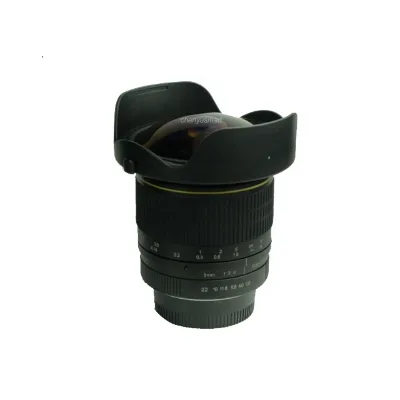
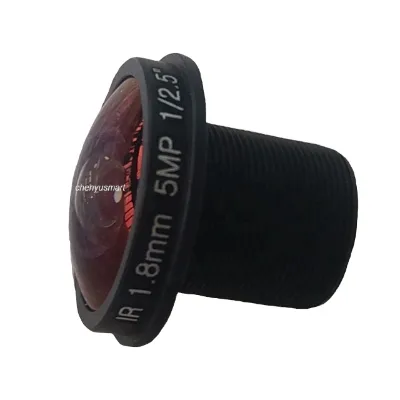
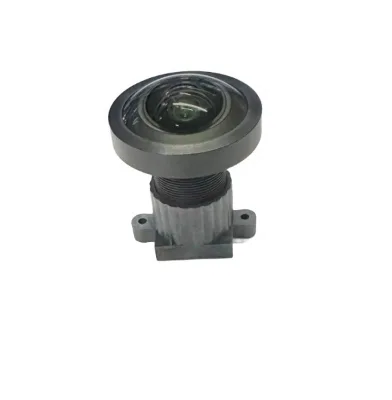
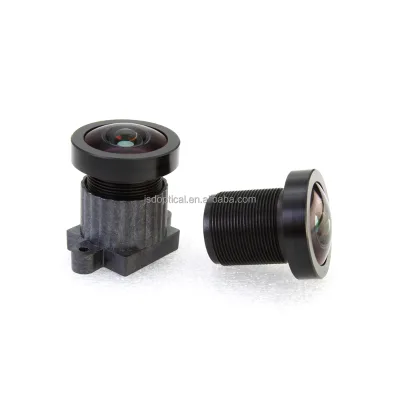
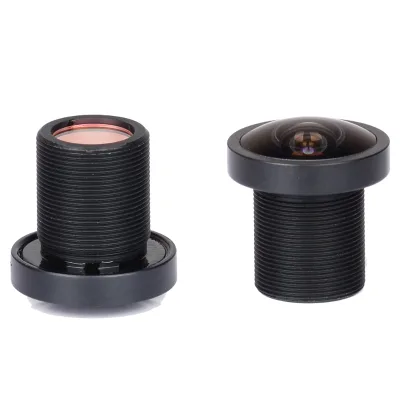
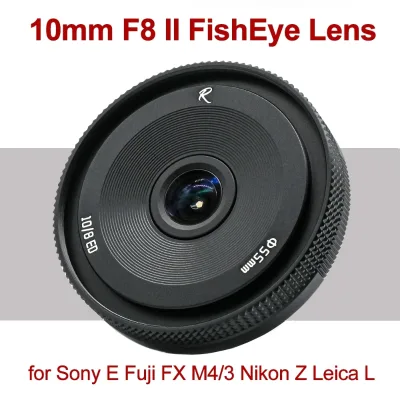
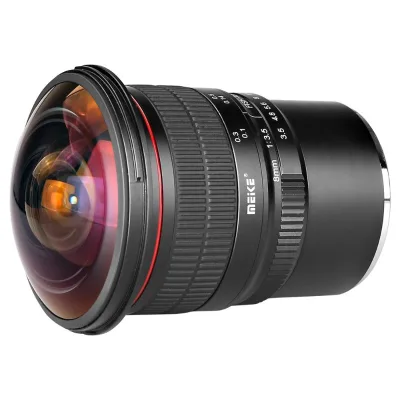
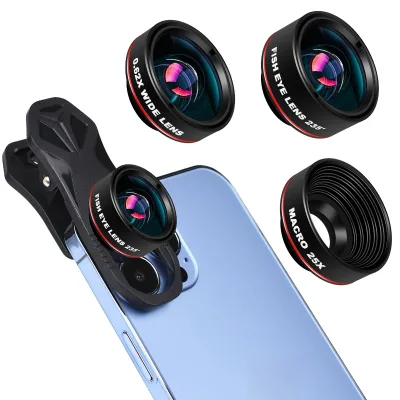
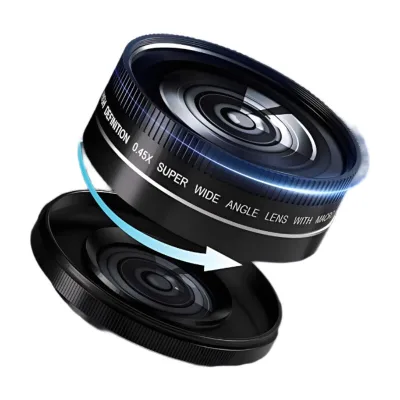
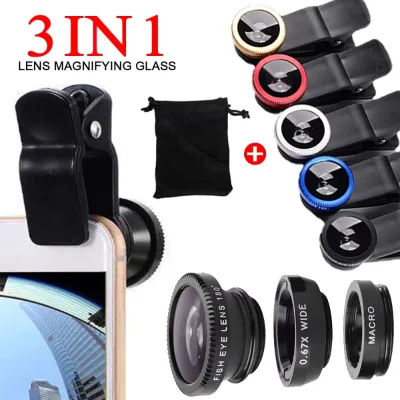







Comprehensive Sourcing Guide
Camera Lenses Fisheye Lens Supplier Concentration and Factory Types
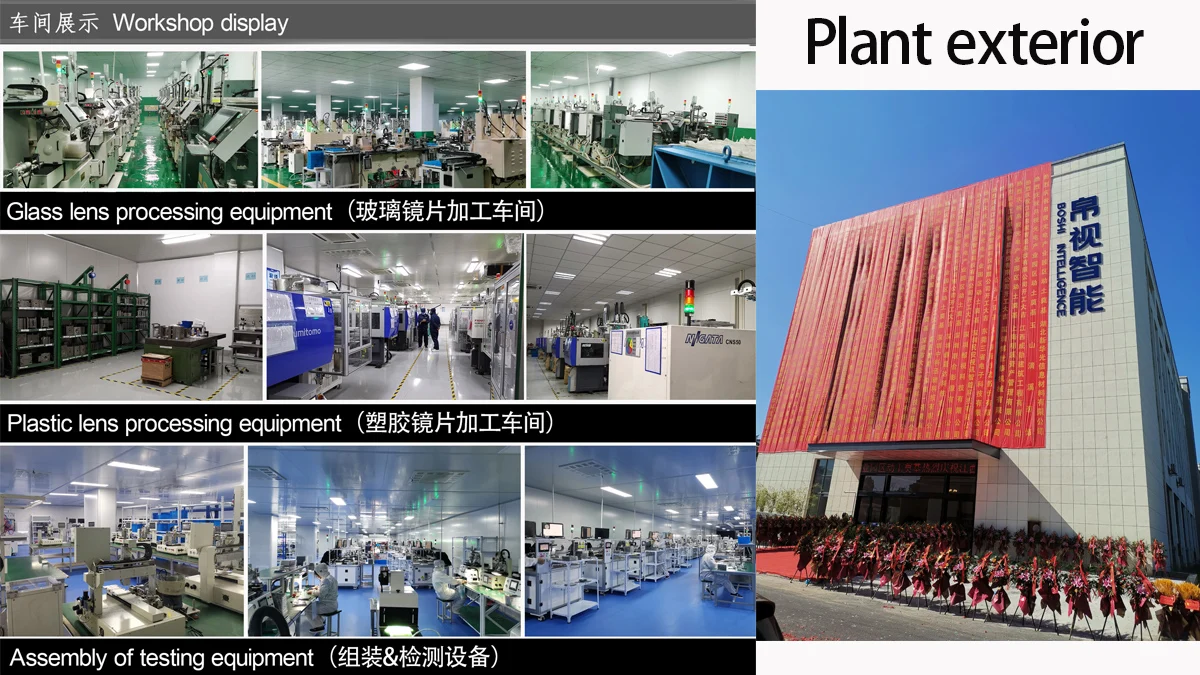
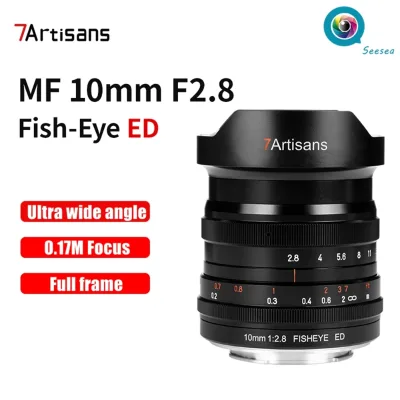
Current data indicates a concentration of optical component manufacturers and trading companies in China, specifically within Jilin and Guangdong provinces. Suppliers in Jilin, such as those in Changchun, often specialize in precision optical elements like aspherical lenses, spherical lenses, and custom optical balls, leveraging local industrial clusters for glass processing. These entities frequently operate as trading companies or manufacturers offering ODM and OEM services with their own brands. In contrast, suppliers located in Guangdong, particularly Shenzhen, tend to focus on mobile phone accessories, including fisheye lenses, wide-angle lenses, and telephoto lenses designed for smartphones. These Guangdong-based entities often combine manufacturing and trading capabilities, producing items like aluminum and glass composite lenses with specific packaging requirements.
When evaluating supplier types, buyers should distinguish between pure trading companies and those with direct manufacturing capacity. Some suppliers list themselves as both manufacturers and trading companies, which may imply a hybrid model where they source from partner factories while managing quality control. The presence of specific certifications like ISO9001:2015, BSCI, or TS 16949 often correlates with established manufacturing facilities rather than simple resellers. Buyers must verify if the supplier claims ODM or OEM capabilities, as this suggests an ability to customize lens specifications, materials, and packaging. Understanding whether a supplier is a factory or a trader is critical for determining the flexibility of the supply chain and the potential for cost negotiation on custom optical components.
How to Verify Camera Lenses Fisheye Lens Suppliers
Verification of supplier credibility relies heavily on third-party audit reports and system certifications rather than self-declared claims. In the current dataset, several suppliers display BV verification status, which serves as a baseline indicator of business legitimacy. Buyers should prioritize suppliers who hold recognized system certifications such as ISO9001:2015, ISO 14001, or BSCI, as these suggest adherence to international quality and environmental management standards. The presence of multiple certifications, including OHSAS 18001 or QC 080000, often points to a more mature facility with robust internal controls. However, buyers must confirm that these certifications are current and applicable to the specific optical products being sourced, rather than generic company-wide credentials.
Beyond certifications, buyers should assess the depth of product evidence provided by the supplier. Detailed product attributes, such as transmittance rates exceeding 95%, specific material compositions like optical glass or aluminum-glass composites, and precise dimensional standards, indicate a supplier with technical competence. For instance, suppliers listing specific lens types like concave, convex, or cylindrical lenses with defined standard ranges (e.g., 0.3mm to 300mm) demonstrate a clear understanding of their inventory. Buyers should also check for response times, as a six-hour response window suggests an active sales team capable of addressing technical queries quickly. Verifying the origin of the product, such as confirming it originates from Changchun or Shenzhen, helps ensure the supply chain matches the claimed manufacturing location.
What to Compare Across Camera Lenses Fisheye Lens Suppliers
Comparing suppliers requires a systematic analysis of operational metrics including lead times, minimum order quantities, and pricing structures. Lead times vary significantly, with some suppliers offering a 15-day turnaround while others require 30 days for production and delivery. Buyers must align these timelines with their project schedules, noting that custom optical components often necessitate longer production windows than standard off-the-shelf items. Minimum order quantities also differ, ranging from as low as 5 pieces for specialized cylindrical lenses to 50 pieces for mobile phone camera accessories. Understanding these thresholds is essential for budgeting and inventory planning, especially when testing new product lines or fulfilling small-batch orders.
Pricing and customization capabilities form another critical comparison point. Unit prices can fluctuate based on order volume and specific product attributes, with some listings showing fixed prices for standard models while others offer custom pricing for tailored specifications. Suppliers offering customization services allow for modifications in lens shape, material, and coating, which can impact the final cost. Buyers should compare the scope of customization, such as the availability of image stabilization features, drive motors, or specific filter sizes, to determine which supplier offers the best value for their specific application. Additionally, comparing packaging standards, from clean boxes to environmental packages, helps assess the supplier's attention to detail and ability to protect delicate optical components during transit.
Common Camera Lenses Fisheye Lens Sourcing Risks
One significant risk in sourcing optical lenses involves the discrepancy between claimed specifications and actual product performance. While suppliers may list high transmittance rates or specific lens grades, buyers must verify these claims through independent testing or sample requests. The complexity of optical components, such as the difference between a single-lens design and a multi-element assembly, can lead to misunderstandings if technical details are not clearly defined in the product attributes. Buyers should be wary of vague descriptions regarding lens types, such as "flat lens" or "wide-angle lens," without precise focal length or aperture data, as these ambiguities can result in receiving products that do not meet application requirements.
Another risk pertains to supply chain reliability and the consistency of manufacturing quality. Suppliers operating as trading companies may rely on third-party factories, which can introduce variability in production standards and lead times. If a supplier claims to be a manufacturer but lacks direct factory verification, the buyer faces the risk of quality inconsistencies or delayed shipments. Furthermore, the reliance on specific materials like optical glass or aluminum composites means that supply chain disruptions in raw material availability can halt production. Buyers should mitigate these risks by establishing clear communication channels and requesting detailed production schedules, ensuring that the supplier can maintain consistent quality and delivery timelines throughout the order lifecycle.
Camera Lenses Fisheye Lens Regional Sourcing and Logistics
Regional sourcing strategies should account for the specific industrial strengths of different Chinese provinces. Jilin, particularly Changchun, is a hub for precision optical manufacturing, making it a logical choice for sourcing high-precision lenses, prisms, and custom optical components. Suppliers in this region often possess the specialized equipment required for grinding and polishing glass to tight tolerances. Conversely, Guangdong, especially Shenzhen, excels in the production of consumer electronics accessories, including mobile phone lenses and camera attachments. Buyers sourcing for the mobile market should prioritize suppliers in this region due to their proximity to the electronics supply chain and experience with mass-produced optical accessories.
Logistics planning must consider the distance and shipping methods associated with these regions. Suppliers in Jilin may require different shipping arrangements compared to those in Guangdong, potentially affecting transit times and costs. Buyers should verify the shipping origin listed in product attributes, such as "Changchun" or "Shenzhen," to accurately estimate delivery schedules. Additionally, packaging standards vary by region and supplier, with some offering clean boxes for delicate optics and others using environmental packaging for broader distribution. Understanding these logistical nuances helps buyers optimize their supply chain, ensuring that products arrive safely and on time while minimizing the risk of damage during transit.
Camera Lenses Fisheye Lens Commercial Terms and Order Planning
Commercial terms for optical lens sourcing often include specific requirements for payment, delivery, and customization. Buyers should clarify the lead time expectations, which can range from 15 to 30 days depending on the complexity of the order and the supplier's current capacity. Minimum order quantities are another critical factor, with some suppliers requiring orders as low as 5 units for custom lenses, while others may set higher thresholds for standard products. Understanding these terms helps buyers plan their inventory levels and cash flow, ensuring they can meet production demands without overstocking or facing shortages.
Order planning also involves assessing the supplier's capacity for customization and brand development. Suppliers offering ODM and OEM services can tailor products to specific brand requirements, including custom packaging and labeling. Buyers should confirm the availability of these services and the associated costs before placing an order. Additionally, verifying the supplier's response time, such as a six-hour window, ensures that any issues or changes can be addressed promptly. By carefully reviewing these commercial terms and aligning them with project timelines, buyers can establish a reliable partnership that supports their long-term sourcing goals and ensures the successful delivery of high-quality camera lenses.
FAQs
What is the minimum order quantity for custom optical lenses?
The minimum order quantity for custom optical lenses varies by product type. For standard concave or cylindrical lenses, the MOQ is typically 10 units. Some specialized cylindrical options allow for a lower MOQ of 5 units. Buyers should verify the specific MOQ for their required lens shape and material before placing an order.
What is the typical lead time for manufacturing optical lenses?
The typical lead time for manufacturing optical lenses is 30 days. This duration applies to standard production runs for items like custom optical glass lenses. Buyers requiring faster turnaround should check for suppliers with shorter lead times, such as those offering 15-day delivery for mobile phone accessories, though these may differ in product category.
Are optical lenses available with ISO certification?
Yes, many optical lenses are available with ISO certification. Suppliers often hold ISO9001:2015 certificates for their quality management systems. This certification ensures that the manufacturing process meets international standards for optical components. Buyers looking for certified products should verify the specific certificate details with the supplier to ensure compliance with their project requirements.
What is the price range for mobile phone camera lenses?
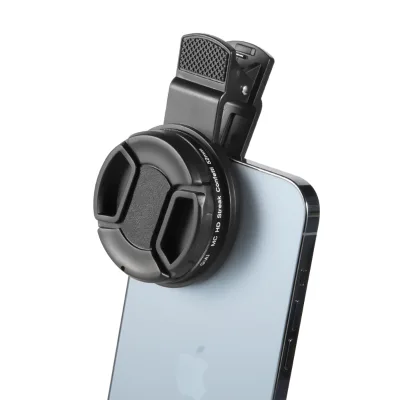
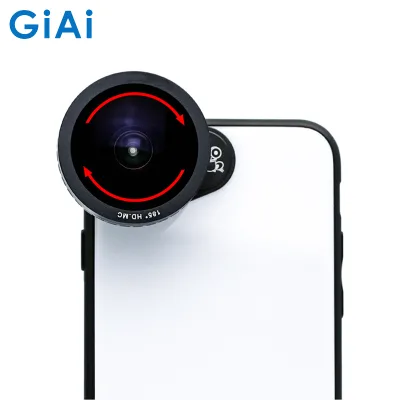
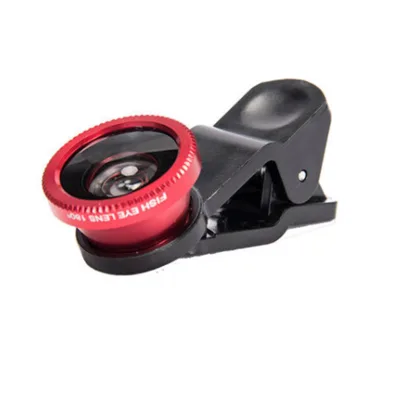
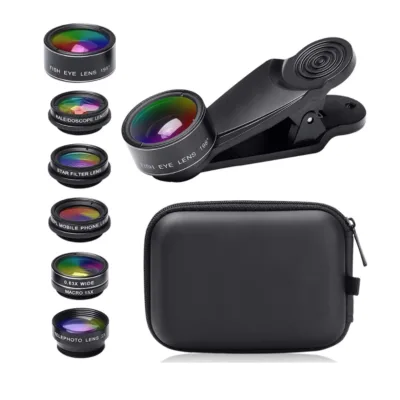
The price range for mobile phone camera lenses, such as fisheye or wide-angle options, is approximately $0.70 to $0.86 per unit. This pricing applies to multi-lens kits that include accessories like clips and bags. The minimum order quantity for these items is usually 50 units. Prices may vary based on customization and packaging requirements.
What materials are used for optical lenses?
Optical lenses are primarily made from optical glass. This material provides high transmittance, often exceeding 95%, and is available in clear colors. Some mobile phone lens accessories may use a combination of aluminum, glass, and ABS plastic for durability. Buyers should specify the desired material when requesting quotes to ensure the lens meets their optical performance needs.
Where are these optical lens suppliers located?
Optical lens suppliers are located in China, specifically in regions like Jilin and Guangdong. Jilin is known for optical components, while Guangdong suppliers often focus on mobile phone accessories. Buyers can filter results by these locations to find manufacturers or trading companies that match their logistical preferences and supply chain requirements.