Catalyst O2 CEL Fix Extender Suppliers and Manufacturers
Compare 16 verified suppliers offering Catalyst O2 CEL Fix Extender products with details on lead times, response times, and certifications. Review specific attributes like emission standards and material types to select the right partner for your needs; review the available evidence before requesting comparable quotations from suitable candidates.
Suppliers List
Guangzhou Jingzhizhou Auto Accessories Co., Ltd.
- Trading Company
- Lead time旺季: "1 - 1":14,"> 1":"To be negotiated", 淡季: "1 - 1":14,"> 1":"To be negotiated"
- Avg. response≤ 6h
Main productsExhaust Tips, Exhaust Mufflers, Exhaust Catalytic Converter, Exhaust Parts

Qingdao Pengrui Machinery Co., Ltd.
- Verified by TUVRHEINLAND
- Combined
- China Shandong
- Lead time15 days
- Avg. response≤ 18h
Main productsFastener, Pins, Screw, Clamps, Metal Fabrication, Plastic Fastener, Screw Plunger, Bolt, Nuts
Main marketsNorth America


Oxygen O2 Sensor M18X1.5 Car Cel Fix Check Engine Light Eliminator Adapters5 Cel Catalytic Converter
$4.50 - $7.80
MOQ: 10 Pieces


Dongguan Jiaxing Precision Machinery Co., Ltd.
- Verified by SGS Group
- Manufacturer, Trading Company
- Lead time15 days
- Avg. response≤ 4h
Main productsOxygen Sensor Spacer, Auto Parts, Exterior Accessories, Pipe Fittings, Car Antenna
Main marketsNorth America(79%), Mid East(5%), Domestic Market(5%)
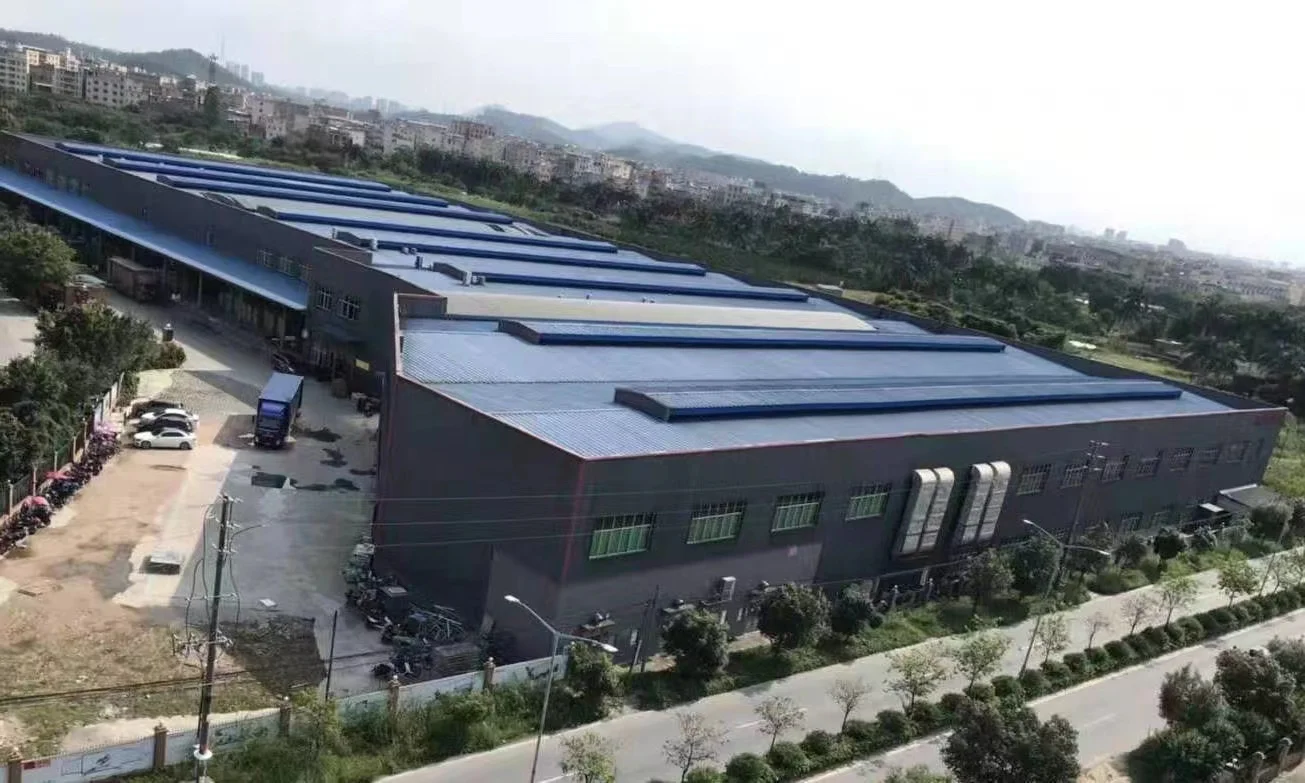
Chongqing Luoqing Import And Export Trading Co., Ltd.
- Trading Company
- Chongqing, China
- Lead time0 days
- Avg. response≤ 10h
Main productsOil Hose,Coilover,Carbrettor,Air Suspension,EGR Delete
Main marketsWestern Europe(50.00%), North America(30.00%), Oceania(10.00%), Eastern Europe(5.00%), Mid East(5.00%)
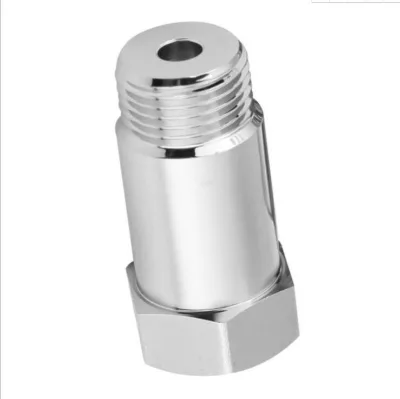
Universal O2 Oxygen Sensor Extension Spacer Extender M18x1.5 Bung Adapter CEL Fix Length 45mm
$1.56 - $2.12
MOQ: 1 pieces
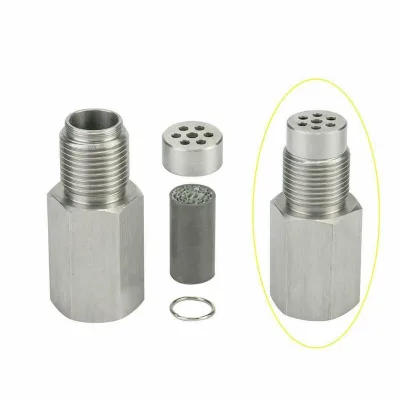
Dongguan Jiajiaxing Hardware Co., Ltd.
- Verified by Intertek
- Manufacturer, Trading Company
- Lead time7 days
- Avg. response≤ 6h
Main productsAuto Parts, Oxygen Sensor Spacer, Thread Adapter, Custom Machining Parts, CNC Turning Parts

Shandong Ningjin Hongye Auto Parts Co., Ltd.
- Manufacturer/Factory
- China Shandong
- Lead time105 days
- Avg. response≤ 22h
Main productsExhaust Muffler, Catalytic Converter, Universal Catalytic Converter Box, Universal Muffler Box, Car Muffler, Flexible Pipe, Flange, Stainless Steel Pipe, Car Parts, Auto Parts
Main marketsSouth America,Eastern Europe,Mid East,North America,Southeast Asia,Eastern Asia,Oceania,Western Europe,Africa

Straight O2 Weld Oxygen Sensor Bung Adapter Cel Aliminator with Mini Catalytic Converter
$20.40 - $168.00
MOQ: 50 Pieces

$20.40 - $168.00
MOQ: 50 Pieces
Dongguan Hongwei Technology Co., Ltd.
- Trading Company
- Lead time旺季: "1 - 3000":9,"> 3000":"To be negotiated", 淡季: "1 - 3000":9,"> 3000":"To be negotiated"
- Avg. response≤ 3h
Main productsfastners,tooling,consumer electronics hardware,CNC products,Pet accessories

Dezhou Qicheng Car Accessories Co., Ltd
- Verified by BV
- Trading Company
- China Shandong
- Lead time30 days
- Avg. response≤ 4h
Main productsHanger, Bracket, Flexible Pipe, Car Muffler, Car Catalyst Converter, Flange, Gasket, Universal Car Parts, Direct-Fit Car Parts
Main marketsNorth America


Vehicle Specific Aftermarket Catalytic Converter Fix Exhaust Leak and Catalyst Failure
$10.00 - $60.00
MOQ: 50 Pieces


After-Sell Direct-Fit Car Catalytic for Solving The Problem of Engine Light on with Quality Warranty
$10.00 - $60.00
MOQ: 50 Pieces

International Standard Car Exhaust Catalyst with OEM Emission Standard as Inquiry
$10.00 - $60.00
MOQ: 50 Pieces

Zibo Jiulong Chemical Co., Ltd.
- Verified by TUVRHEINLAND
- Trading Company,Manufacturer/Factory
- China Shandong
- Lead time23 days
- Avg. response≤ 3h
Main productsAluminium Oxide, Alumina Ball, Alumina Carrier, Molecular Sieve, Zsm-5, Ts-1 Zeolite, Y-Type Molecular Sieve, Beta Molecular Sieve, Pseudoboehmite, Catalyst Carrier
Main marketsSouth America,Eastern Europe,Mid East,North America,Southeast Asia,Eastern Asia,Oceania,Western Europe,Africa
Dezhou Yifeng Environmental Protection Co., Ltd.
- Verified by CTI
- Combined
- China Shandong
- Lead time15 days
- Avg. response≤ 9h
Main productsCatalytic Converter, Doc DPF SCR, Exhaust System
Main marketsSouth America,Africa,Southeast Asia/ Mideast,Domestic,Europe,Australia,North America

Catalytic 2.5 Inch Universal High Flow Front Catalytic Converter Fit with O2 Port
$21.50 - $25.20
MOQ: 50 Pieces

Factory Supply New 2.5\Universal Catalytic Converter with O2 Port Inlet/Outlet Universal
$22.00 - $24.00
MOQ: 2 pieces

Hunan Minstrong Technology Co., Ltd.
- Verified by CTI
- Combined
- China Hunan
- Lead time15 days
- Avg. response≤ 7h
Main productsHopcalite Catalyst, Ozone Destruction Catalyst, Carbon Monoxide Co Removal Catalyst, Mangansese Dioxide Catalyst, Copper Oxide Cuo Catalyst, Vocs Removal Catalyst, Soda Lime, Carbon Dioxide Absorbent, Ozone Decompostion Catalyst, Ozone Filter
Main marketsSouth America,Africa,Southeast Asia/ Mideast,East Asia(Japan/ South Korea),Domestic,Europe,Australia,North America


Minstrong O3 Ozone Catalyzed Decomposition Catalyst Ceramic Honeycomb Catalyst
$18.00 - $25.00
MOQ: 1 kg


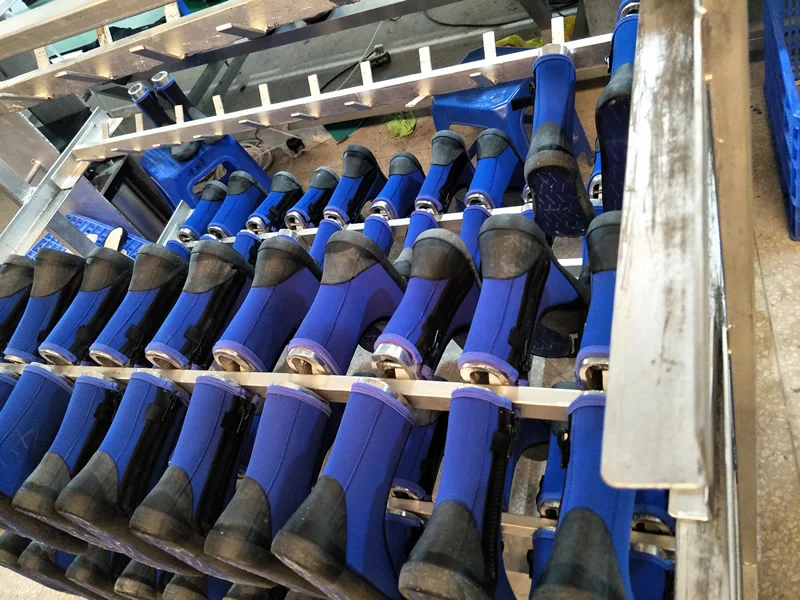
Shenzhen Yarui Technology Co., Ltd.
- Trading Company
- Guangdong, China
- Lead time15 days
- Avg. response≤ 3h
Main productsDiving Hard Boot,Diving Boots,Diving Upstream Boots,Neoprene Wader,Fishing Wader
Main marketsMid East(20.00%), North America(20.00%), Northern Europe(10.00%), Western Europe(10.00%), South America(10.00%), Southeast Asia(10.00%)
Guangzhou Jingzhizhou Auto Accessories Co., Ltd.
- Manufacturer, Trading Company
- Guangdong, China
- Lead time35 days
- Avg. response≤ 3h
Main productsexhaust system,exhaust tips,exhaust muffler,catalytic converter,carbon fiber cover
Main marketsSouth America(35.00%), North America(15.00%), Eastern Europe(10.00%), Southeast Asia(10.00%), Western Europe(10.00%), Central America(10.00%), Northern Europe(5.00%), South Asia(5.00%)

BeiJing Cape Golden Gas System Company LTD
- Verified by TUVRHEINLAND
- Trading Company
- China Beijing
- Lead time15 days
- Avg. response≤ 5h
Main productsPsa Oxygen Generator, Psa Nitrogen Generator, Air Compressor, Refrigeration Dryer, Storage Tank, Vpsa Oxygen Generator, Filter& Element, Oxygen Analyzer, Nitrogen Analyzer, Booster
Main marketsSouth America,Africa,Southeast Asia/ Mideast,East Asia(Japan/ South Korea),Europe,Australia,North America

Hangzhou Wellcare Technology Co., Ltd.
- Verified by CTI
- Trading Company,Manufacturer/Factory
- China Zhejiang
- Lead time23 days
- Avg. response≤ 1h
Main productsPsa Gas Plant, Gas Cylinders, EPC Project of Alcohol Plant, Gas Generators, Cryogenic Air Separation Unit, Gas Regulators, Medical Gas Installation Projects, Hydrogen Generator, EPC Project of Hydrogen Peroxide, Furfural Manufacturing Equipment
Main marketsSouth America,Eastern Europe,Mid East,North America,Southeast Asia,Eastern Asia,Oceania,Western Europe,Africa
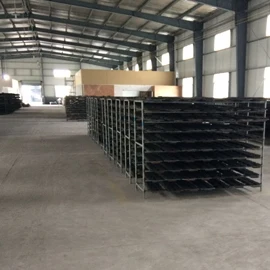
Nanning Elaiter Environmental Technologies Co., Ltd.
- Trading Company
- Guangxi, China
- Lead time10 days
- Avg. response≤ 18h
Main productsCeramic foam filter,Ceramic Honeycomb Monolith,Metallic substrates,Diesel particulate filter (DPF),MBBR bio filter media
Main marketsSouth America(45.00%), North America(20.00%), Domestic Market(10.00%), Western Europe(10.00%), Southeast Asia(3.00%), Eastern Asia(3.00%), South Asia(2.00%), Eastern Europe(2.00%), Oceania(1.00%), Africa(1.00%), Southern Europe(1.00%), Central America(1.00%), Mid East(1.00%)
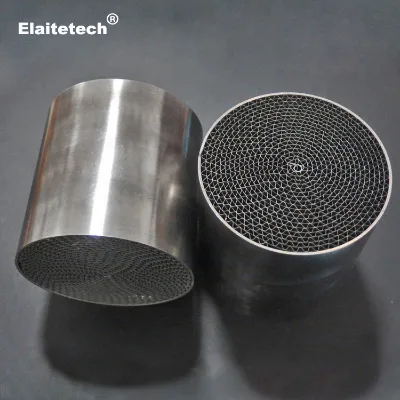
High Flow Metallic Substrate Particulate Oxidation Catalyst POC for Catalytic Converter
$75.00 - $100.00
MOQ: 10 pieces
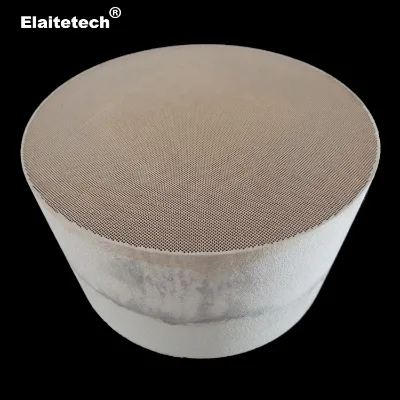
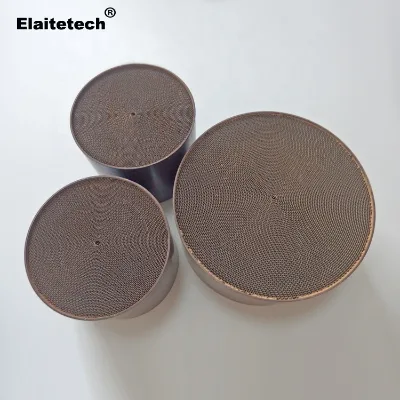
Three Way Catalyst for Theoretical A/F Vehicle Emission
$250.00 - $300.00
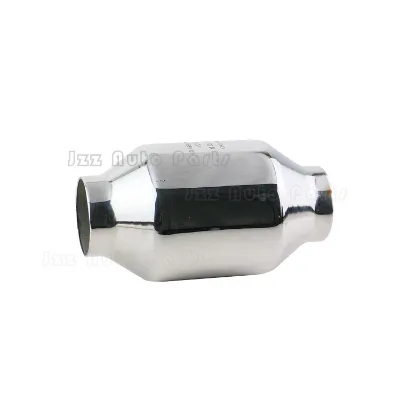
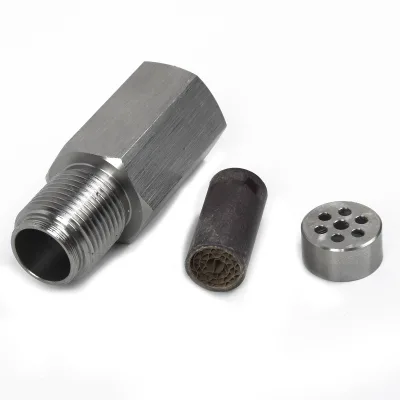
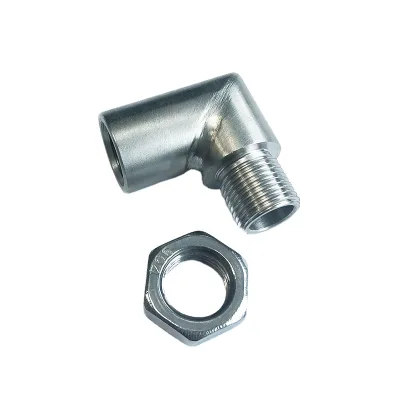
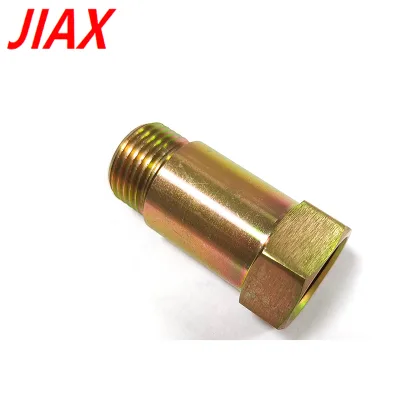




Comprehensive Sourcing Guide
Catalyst O2 CEL Fix Extender Supplier Concentration and Factory Types
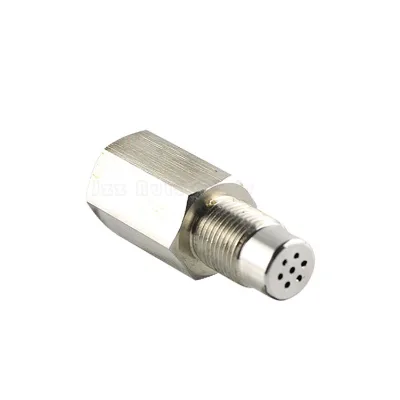
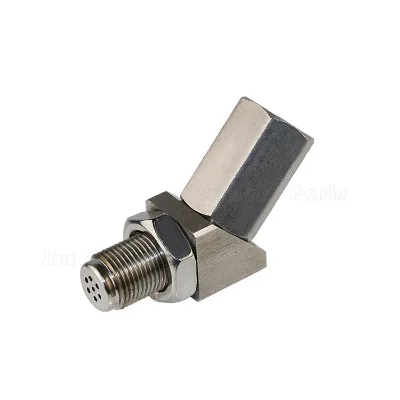
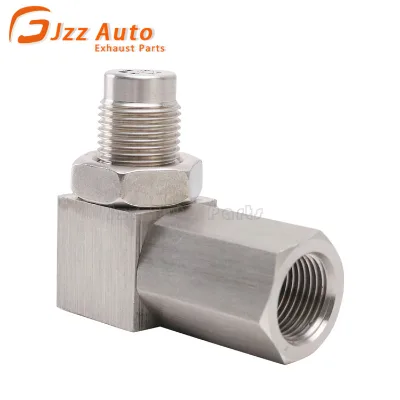
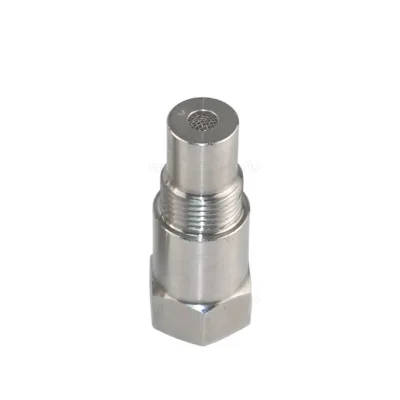
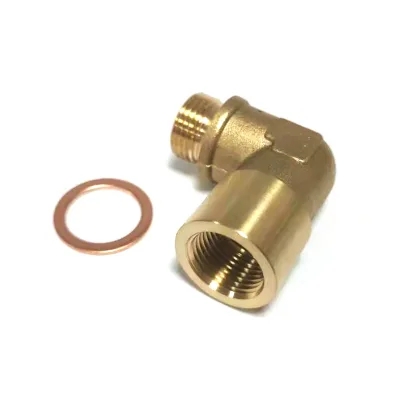
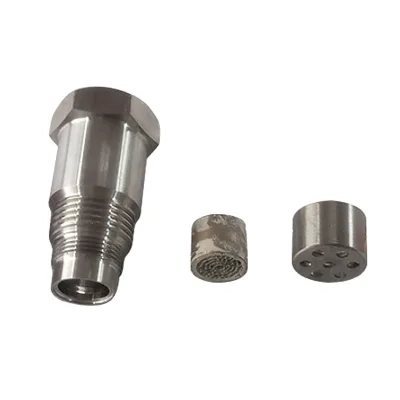
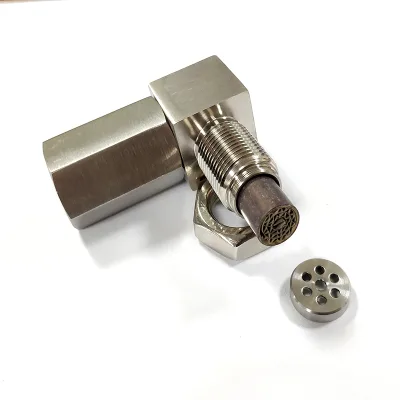
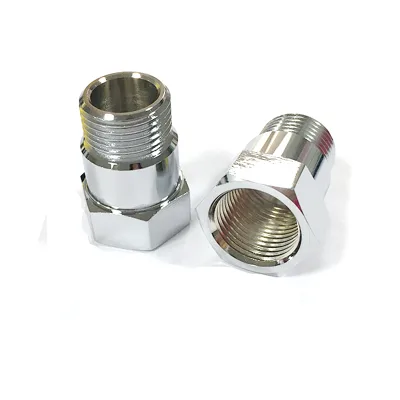
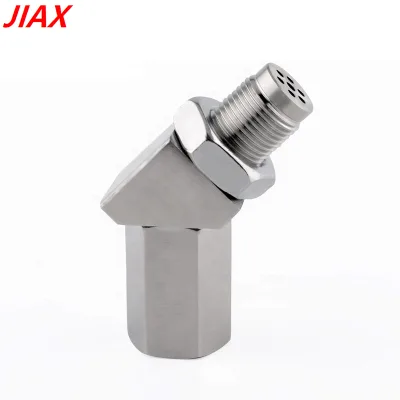
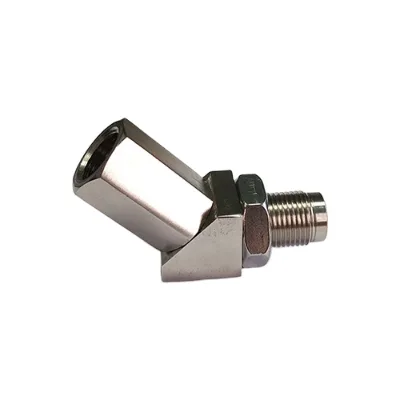
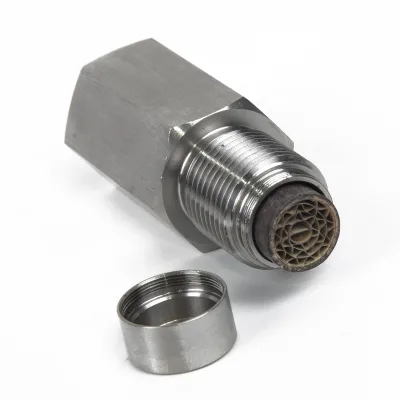
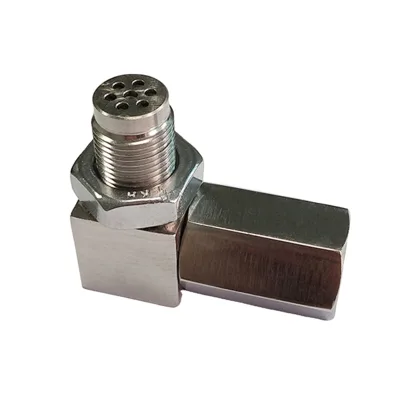
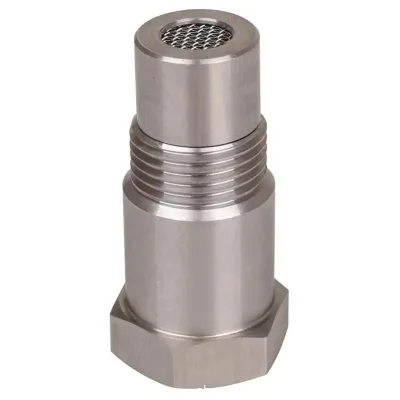
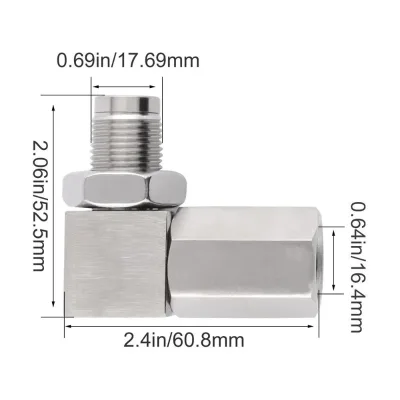
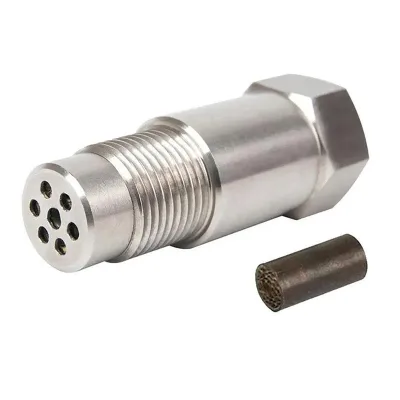
Suppliers listing Catalyst O2 CEL Fix Extender products on B2B platforms fall into distinguishable types, and knowing the difference shapes your shortlist. Some sellers are trading companies whose main product lines cover exhaust tips, mufflers, catalytic converters and related exhaust parts; they typically aggregate from multiple workshops and can offer a broad catalog of spacers, 45-degree and 90-degree CEL fix adapters, and mini catalyst converters. Others operate as combined manufacturer-trader entities, listing fasteners, pins, screws, clamps and metal fabrication alongside O2 sensor adapter bungs, which suggests in-house machining capability for threaded M18x1.5 parts. Understanding whether you are dealing with a pure intermediary or a producer affects pricing depth, customization flexibility and accountability when defects appear.
Geographic concentration matters too. In the current supplier results, product origins include Guangdong in southern China and Shandong province, both regions with established automotive component ecosystems. Guangdong-origin listings span sensor spacers and ceramic-body universal catalytic converters, while Shandong suppliers emphasize fasteners and metal fabrication that overlap with bung and adapter production. Do not assume these two regions exhaust the field; clusters shift as new sellers enter. When assessing any supplier, ask directly where the parts are manufactured versus where the company is registered, because a trading company in one province may source from an unlisted factory elsewhere. Record the claimed origin for every shortlisted candidate so you can trace consistency later if quality questions arise during sampling or mass production.
How to Verify Catalyst O2 CEL Fix Extender Suppliers
Verification starts with the platform-displayed credentials, but you must read them precisely. One supplier in the current results carries third-party verification under the TUV Rheinland label, which is a meaningful screening signal because an independent body has checked company documentation. Another distinguishing attribute is company type — trading company versus combined manufacturer-trader — which platforms display on the profile; use it to decide whom to audit and how. Response time is another verifiable behavior: results show figures ranging from roughly six hours to over seventeen hours. That spread is worth testing yourself before committing, because slow pre-sales replies usually predict slower engineering and after-sales communication once an order is running.
Beyond profile badges, verify through artifacts tied to the actual product listings. Ask for material certificates matching the claimed stainless steel or 304 stainless construction, and confirm the claimed compliance references — listings in this category cite emission standards from Euro I up to Euro IV — against your destination market's actual requirements rather than accepting the label at face value. Request the model numbers cited in listings, such as SS03, SS04, SS05 or CC02 variants, and check that quotations reference the same models so you are comparing identical items. For certification claims like ISO, ask for the certificate scope and expiry date, since a generic ISO mention on a product attribute line does not prove factory-level certification. Finally, verify the delivery commitments: one listing advertises 1–3 day dispatch and 24-hour service, claims that are easy to test with a small trial order before you scale.
What to Compare Across Catalyst O2 CEL Fix Extender Suppliers
Build a comparison grid from attributes the platforms actually display, never assuming every supplier shows every field. Lead time is a core column: current results range from 14 days for single-piece orders in peak season, with longer volumes marked "to be negotiated," to a flat 15-day figure from a combined-type supplier, and one product line advertising 1–3 day dispatch. MOQ varies dramatically in this category — from 1 piece on sensor spacer listings, to 10 pieces on the steel adapter bung, to 100 pieces on the ceramic-body universal catalytic converter — so align the MOQ to your testing versus volume-buying phase. Response time, from about six hours to over seventeen hours, indicates how quickly problems will surface and get resolved.
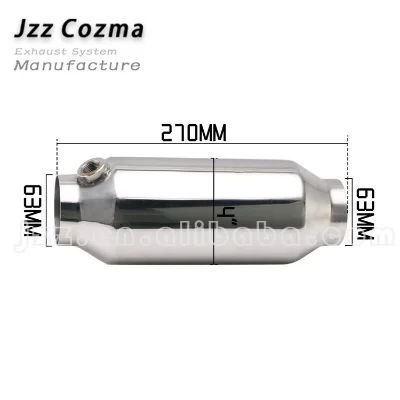
Compare price bands against specification, not in isolation. Spacer listings span roughly six to twenty-six US dollars depending on angle (straight, 45-degree or 90-degree), material (steel versus stainless steel) and emission-standard claims, while the larger 4-inch-body ceramic catalytic converter with O2 port lists around thirty dollars at 100-piece MOQ. Also compare warranty terms — 12 months appears on several listings, one states 1 years — and the stated main product portfolio, since a supplier whose main products are exclusively exhaust and catalytic parts will handle warranty disputes differently from a diversified fastener house. Weigh location, ODM/OEM capability where displayed, and whether the supplier offers escrowed payment, because these dimensions together predict transaction risk better than price alone.
Common Catalyst O2 CEL Fix Extender Sourcing Risks
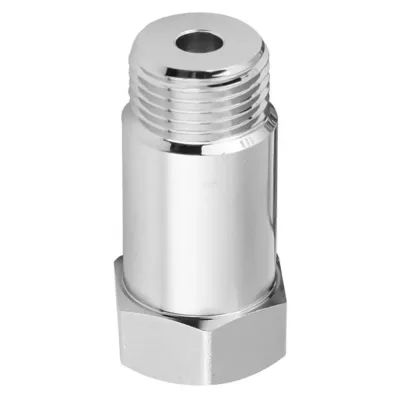
The most common risk in this category is specification drift on a deceptively simple part. Listings show M18x1.5 threading across most spacers, but variations in angle (straight, 45-degree, 90-degree), length (such as a 45mm extender), finish (raw or silver) and thickness (one listing simply says "inquiry") mean two quoted "M18x1.5 CEL fix" parts may not be interchangeable. If you approve a sample from one model number and the production run ships a different one, your customers may still see the check engine light the part was meant to eliminate. Insist that purchase orders, samples and shipment documents all reference the same model identifiers that appear in the listings.
The second risk cluster involves compliance and warranty exposure. Products here carry emission-standard claims from Euro I through Euro IV, but a CEL fix extender or mini catalyst simulator may not be legal for road use in your market; importing one under the wrong assumption can create customs and liability problems that no supplier warranty covers. Note also that warranty commitments differ — 12 months on several listings, one year on another — and a trading company's warranty is only as good as its back-to-back terms with the underlying factory. Finally, beware of single-attribute decision-making: a fast quoted lead time of 1–3 days on one SKU does not guarantee the same for the 100-piece-MOQ ceramic converter, and a verified badge does not certify product quality. Test each claim against the specific SKU you intend to buy.
Catalyst O2 CEL Fix Extender Regional Sourcing and Logistics
The confirmed origin data in current results points to two Chinese provinces: Guangdong, where the sensor spacer and mini catalyst listings are placed, and Shandong, home to the combined fastener-and-metal-fabrication supplier. Guangdong's supplier base here covers the full span from a one-piece MOQ M18x1.5 spacer up to the 57mm-inlet ceramic catalytic converter, which suits buyers who want one regional source for both small adapter parts and larger converter bodies. Shandong's supplier, with ODM and OEM capability listed, suits buyers who need custom-machined bungs or related fasteners alongside the extender line. These are the only locations you should cite from the evidence; anything beyond them requires direct questioning of the seller.
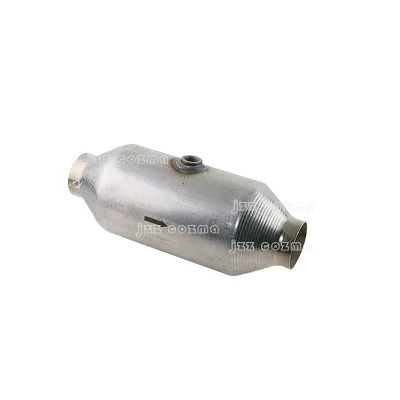
Logistics planning should start from the packed dimensions declared in listings. Individual spacers are quoted at 10x10x10 cm packages with gross weights from about 0.079 kg to 1.5 kg depending on the model, while the ceramic converter ships at 20x15x15 cm and 4 kg — figures that change air-freight economics sharply between spacer-only orders and mixed converter shipments. Lead-time language also differs seasonally: one supplier distinguishes peak-season 14 days for single units from "to be negotiated" for larger volumes, so lock volume commitments in writing before peak season. Ask each supplier whether they ship ex-works, FOB or door-to-door, confirm export documentation for auto parts in your destination market, and build buffer time for customs inspection of emission-related components.
Catalyst O2 CEL Fix Extender Commercial Terms and Order Planning
Commercial terms in this category reward staged commitment. Start with the lowest-MOQ SKU that matches your need — current listings show single-piece MOQ on spacers, 10-piece MOQ on the steel adapter, and 100-piece MOQ on the ceramic converter — and use the first order purely to validate threading, fitment and whether the CEL actually stays off. Prices in the results range from roughly six dollars to about thirty dollars depending on the item, so when you scale up, request tiered quotations tied explicitly to the listed model numbers and the same material and finish you sampled. Confirm payment protection: ask whether the platform offers escrow or trade assurance on the transaction, because a verified or fast-responding supplier profile is not itself a payment guarantee.
Plan order timing around the lead-time facts you can see. Peak-season fulfillment of 14 days for small quantities, a 15-day standard from the combined-type supplier, and a 1–3 day dispatch claim on one product line all describe different starting points; larger volumes fall into "to be negotiated," so obtain written confirmations for anything beyond first-article quantities. Negotiate warranty into the contract rather than relying on the listing's 12-month or 1-year note, specifying what evidence triggers replacement. Finally, set reorder rules: record which supplier, model number, price band and lead time produced acceptable goods, and define a second source in a different region so a single factory disruption cannot halt your catalog.
FAQs
What is the typical lead time for these exhaust parts?
Lead times vary by season and order volume. During peak seasons, orders of one to one unit take 14 days, while larger orders require negotiation. In off-peak seasons, the same 14-day window applies for single units, with larger quantities also needing specific negotiation to confirm delivery dates.
Do these catalytic converters meet specific emission standards?
Yes, available models comply with Euro III and Euro IV emission standards. Some products are designed for diesel fuel types, while others support dual fuel systems. Buyers should verify the specific emission standard listed for each model number to ensure compliance with local regulations before purchasing.
What is the minimum order quantity for universal adapters?
Minimum order quantities vary by product type. Some universal O2 sensor spacers have an MOQ of just one unit, allowing for small trial orders. However, larger catalytic converters may require a minimum order of 100 pieces. Always check the specific product listing to confirm the exact MOQ required.
Are these products certified by recognized international bodies?
Some suppliers hold ISO certifications for their catalytic converter components. Verification status may include TUVRHEINLAND for specific trading companies. Buyers should request current certification documents directly from the supplier to confirm the validity of these standards for their specific sourcing needs and regulatory requirements.
How quickly do suppliers typically respond to inquiries?
Response times vary significantly among different suppliers. Some companies respond within 6 hours, while others may take up to 17.5 hours. For urgent sourcing needs, prioritize suppliers with faster response metrics to ensure timely communication regarding product specifications, pricing, and availability for your specific project.
What materials are used in these exhaust system components?
Materials include stainless steel, steel, and ceramic combinations. Specific models use stainless steel 304 for durability, while others utilize standard steel or ceramic bodies. The choice of material affects performance and longevity, so buyers should select based on their vehicle type and specific exhaust system requirements.
Where are these exhaust parts manufactured?
Products originate from manufacturing locations in Guangdong, China, and Shandong, China. These regions are known for producing various automotive parts including exhaust tips and catalytic converters. Buyers should verify the specific place of origin listed on the product page to understand shipping logistics and potential import regulations.