Casual Sneaker Flat Shoelaces Suppliers and Manufacturers
Compare 22 verified suppliers offering Casual Sneaker Flat Shoelaces with details on location, lead times, and certifications. Review product specifications like material and width, then request samples to verify quality before placing orders; review the available evidence before requesting comparable quotations from suitable candidates.
Suppliers List

Yangzhou Runtong International Trading Co., Ltd.
- Verified by TUVRHEINLAND
- Trading Company
- China Jiangsu
- Lead time30 days
- Avg. response≤ 2h
Main productsShoe Insole, Shoe Polish, Shoe Brush, Shoe Tree, Shoe Cleaner, Shoe Lace, Shoe Deodorizer, Shoe Freshener, Shoe Horn
Main marketsSouth America,Southeast Asia/ Mideast,Europe,Australia,North America


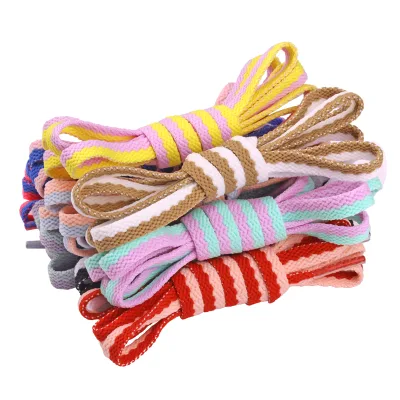
Hot Seller Colorful Flat Shoelaces Shoes String Sneakers Braided Polyester Shoe Laces
$0.45 - $0.75
MOQ: 1000 Pairs

Ningbo Youkiunite Imp &Exp Co., Ltd
- Verified by CTI
- Trading Company
- China Zhejiang
- Lead time15 days
- Avg. response≤ 6h
Main productsSocks, Hat/Cap, Slippers, Shoelaces, Scarf, Gloves, Pet Products, Shoes Accessories, Garment Accessories, Shoes
Main marketsSouth America,Europe,North America
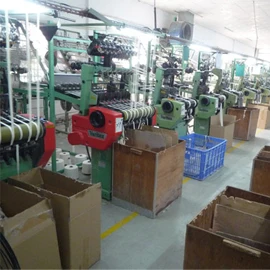
Zhongshan Eonshine Textile Craft Co., Ltd.
- Trading Company
- Guangdong, China
- Lead time14 days
- Avg. response≤ 7h
Main productsShoelace,Wristband,RFID Wristband,Lanyard,Embroidery Patch
Main marketsNorth America(35.00%), Western Europe(13.00%), Southern Europe(10.00%), Northern Europe(10.00%), Eastern Europe(10.00%), South Asia(4.00%), South America(3.00%), Africa(3.00%), Southeast Asia(3.00%), Oceania(2.00%), Eastern Asia(2.00%), Mid East(2.00%), Central America(2.00%), Domestic Market(1.00%)
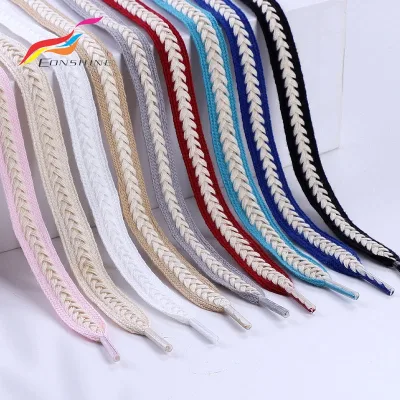
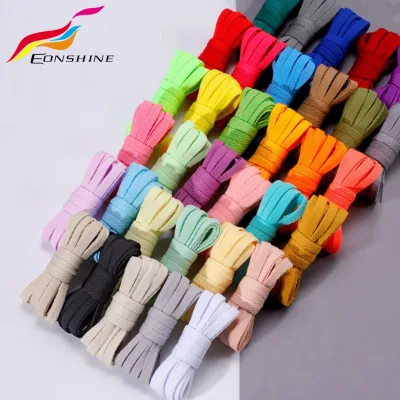
Flat Wheat Ears Shoelaces Twist Braided Shoe Lace Weaving Fat 15mm Shoelace for Sneakers Boots
$0.39 - $0.45
MOQ: 50 pairs
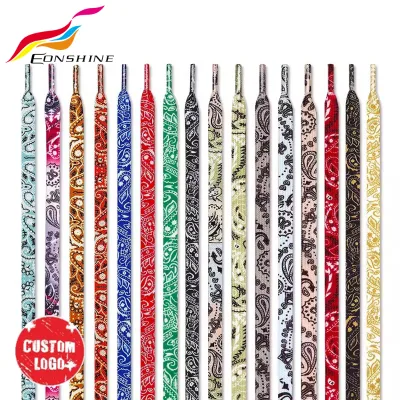
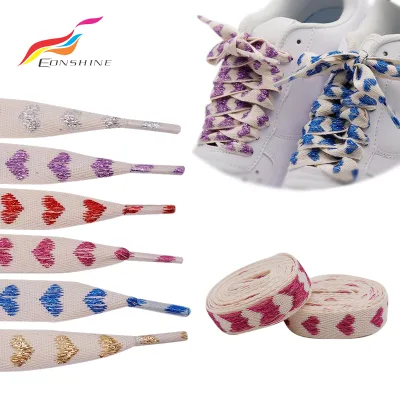
High Quality Double Layer 8mm Paisley Flat Sneakers Shoelace Custom Printed Logo Shoelaces
$0.34 - $0.50
MOQ: 200 pairs
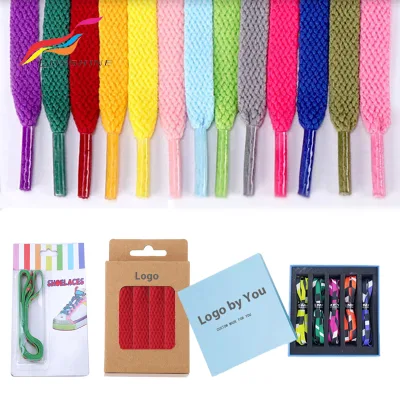
Dongguan Dongchuang Arts & Crafts Co., Ltd.
- Manufacturer, Trading Company
- Guangdong, China
- Lead time10 days
- Avg. response≤ 2h
Main productsLanyard,Ribbons,Bandana,Luggage belt,Shoelaces
Main marketsDomestic Market(50.00%), Southern Europe(15.00%), North America(10.00%), Mid East(10.00%), South America(5.00%), Southeast Asia(4.00%), Africa(3.00%), Oceania(3.00%)
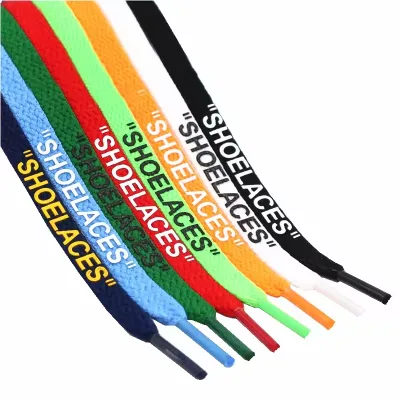
$0.28 - $0.30
MOQ: 500 pieces

Zhongshan Xiaolan Lianxin Gifts & Arts Factory
- Verified by CTI
- Combined
- China Guangdong
- Lead time15 days
- Avg. response≤ 2h
Main productsLanyard, Embroidery Patch, Key Chain, Pet Collar, Pet Leash, Label Pin, Medal, Wristband, Bracelet, Patch
Main marketsSoutheast Asia/ Mideast,Domestic,Europe
Dongguan Fuheng Shoe Material Co., Ltd.
- Manufacturer
- Guangdong, China
- Lead time25 days
- Avg. response≤ 8h
Main productsInsole, Shoelaces, Hallux valgus corrector, shoe lift, Heel sticker
Main marketsDomestic Market(40.00%), Southeast Asia(20.00%), Eastern Europe(10.00%), South Asia(5.00%), North America(5.00%), South America(5.00%), Western Europe(5.00%), Southern Europe(5.00%), Africa(3.00%), Oceania(2.00%)
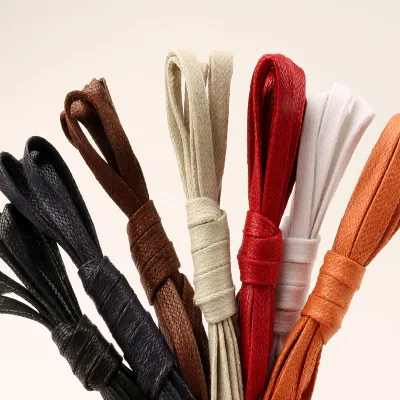
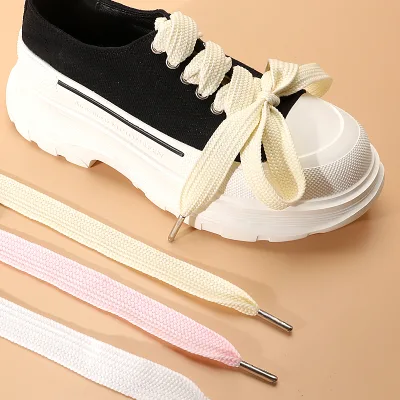
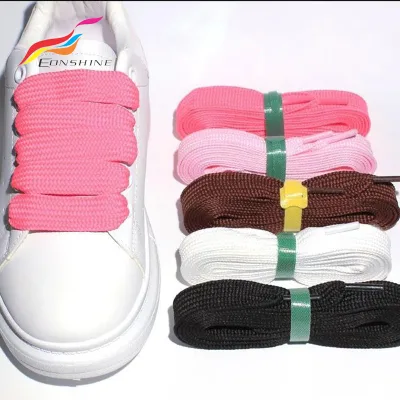
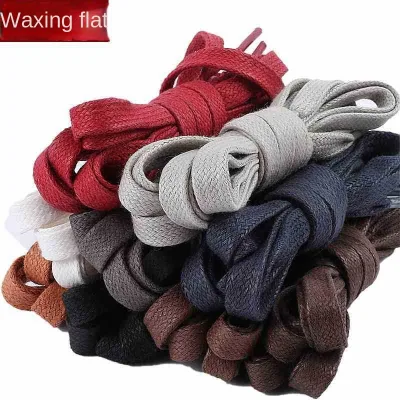
2.2cm Wide Shoelaces Thick Flat Metal Toe Sneaker Shoelaces Wide White Black pink Shoelaces
$0.25 - $0.45
MOQ: 10 Minimum
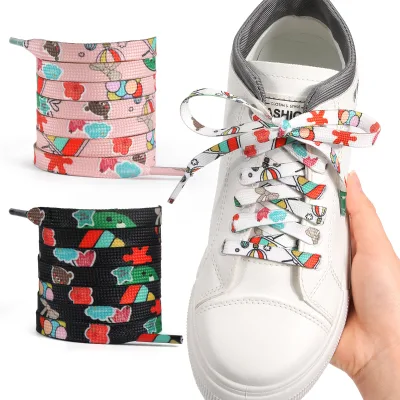
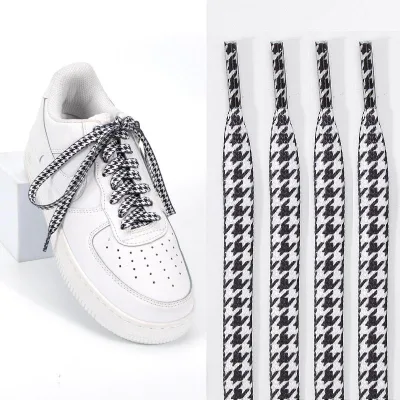
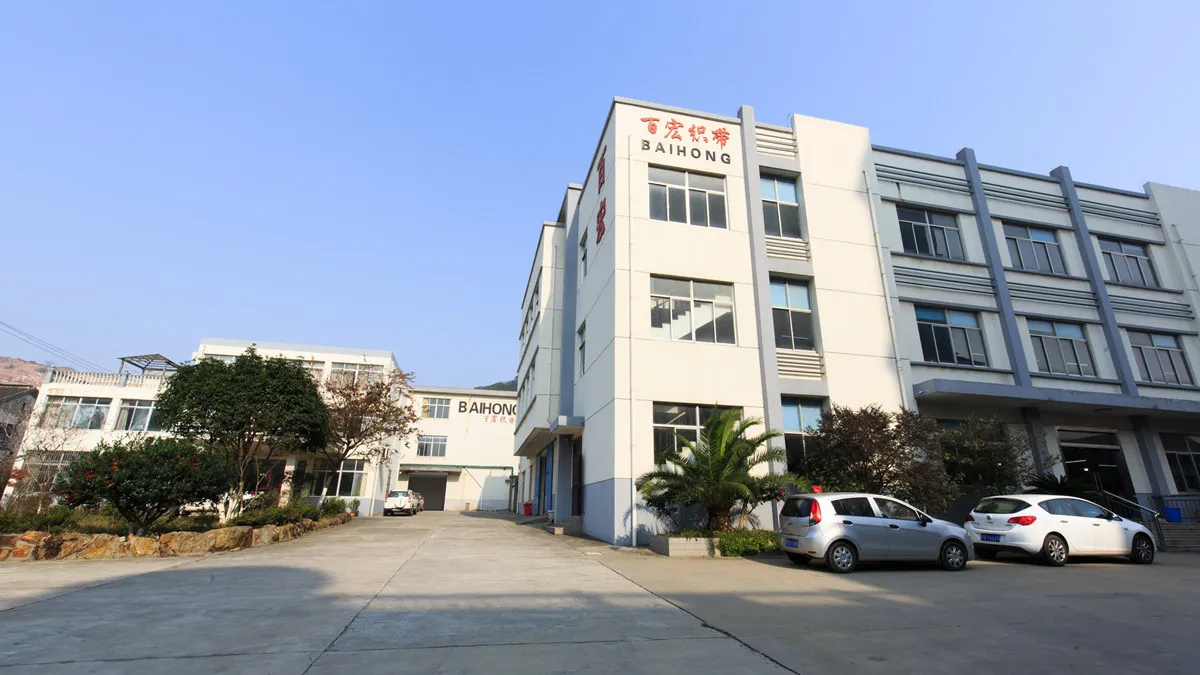
Jiangyin City Baihong Weaving Band Co., Ltd.
- Manufacturer
- Jiangsu, China
- Lead time15 days
- Avg. response≤ 6h
Main productsElastic Band Series,Webbing Series,Rope Series,Shoelace
Main marketsDomestic Market(53.00%), Western Europe(19.00%), Eastern Asia(6.00%), Eastern Europe(5.00%), North America(5.00%), Southeast Asia(4.00%), South America(4.00%), Northern Europe(2.00%), Southern Europe(2.00%)
Jinjiang Jinling Shoes Co., Ltd.
- Manufacturer, Trading Company
- Fujian, China
- Lead time15 days
- Avg. response≤ 13h
Main productsRubber RB Sole,EVA& MD Sole,EVA Slippers,Combination Sandals,Outdoor Sports Shoes
Main marketsDomestic Market(60.00%), Southeast Asia(20.00%), North America(5.00%), Eastern Europe(4.00%), South America(2.00%), South Asia(1.00%), Africa(1.00%), Southern Europe(1.00%), Northern Europe(1.00%), Central America(1.00%), Western Europe(1.00%), Eastern Asia(1.00%), Mid East(1.00%), Oceania(1.00%)

- Verified by TUVRHEINLAND
- Combined
- China Guangdong
- Lead time15 days
- Avg. response≤ 4h
Main productsPatches, Badges, Woven Labels, Hang Tag, Lanyard, Gift Pouch, Promotional Caps, Promotonal Bracelet, Keychain, Bracelet
Main marketsSoutheast Asia/ Mideast,East Asia(Japan/ South Korea),North America
Rui'an Fubao International Trade Co., Ltd.
- Trading Company
- Zhejiang, China
- Lead time0 days
- Avg. response≤ 4h
Main productsShoelace,Hoodie Draw Cord,Cords,Straps,Eyewear
Main marketsNorth America(30.00%), Domestic Market(26.00%), Eastern Asia(11.00%), Western Europe(8.00%), Eastern Europe(8.00%), Northern Europe(8.00%), South America(2.00%), Southern Europe(2.00%), Mid East(1.00%), South Asia(1.00%), Oceania(1.00%), Southeast Asia(1.00%), Central America(1.00%)

Xiamen Ewonlong Webbing Co., Ltd.
- Verified by SGS
- Combined
- China Fujian
- Lead time15 days
- Avg. response≤ 1h
Main productsWebbing
Main marketsDomestic
Dongguan No. 8 Footwear Co., Ltd.
- Verified by Intertek
- Trading Company
- Lead time0 days
- Avg. response≤ 4h
Main productsShoelace, Insole, Shoe Buckle, Shoe Decorations, Shoe Tree
Main marketsWestern Europe(50%), North America(20%), Mid East(10%)
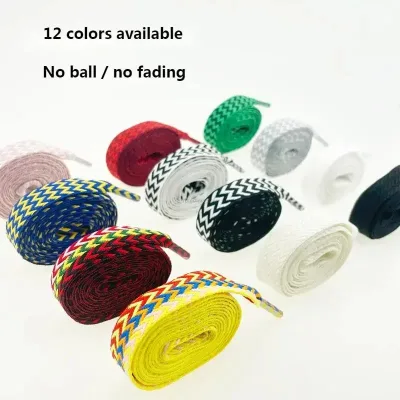
Wholesale Sneakers Flat Laces Width 1.5cm/2cm/3cm Laces Flat Sports Shoe Laces
$0.34 - $0.85
MOQ: 1 Minimum
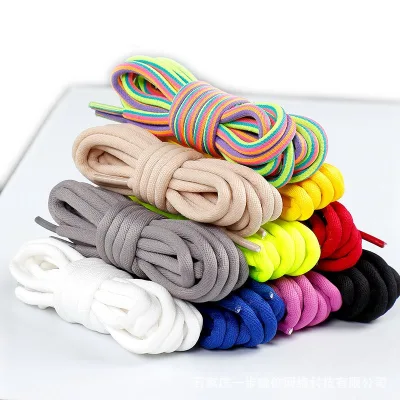
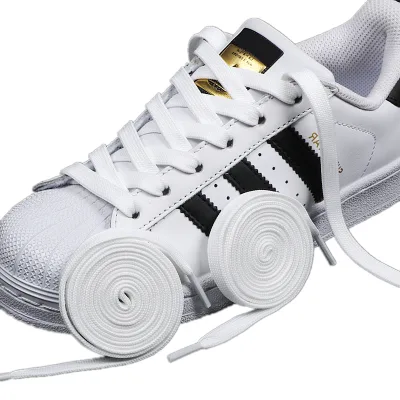

- Verified by BV
- Trading Company,Manufacturer/Factory
- China Zhejiang
- Lead time23 days
- Avg. response≤ 7h
Main productsGarment Accessories, Zipper, Button, Lace Trim, Metal Zipper, Nylon Zipper, Plastic Zipper, Metal Button, Snap Button, Cotton Lace
Main marketsNorth America,Africa

Durable Flat Shoelaces Multiple Colors for Casual Sports Footwear Wholesale Supply
$0.01
MOQ: 50000 Yards


Yangzhou Runtong International Trading Co., Ltd.
- Verified by SGS Group
- Manufacturer, Trading Company
- Lead time50 days
- Avg. response≤ 3h
Main productsShoe Insoles, Shoe Polish, Shoe Horn, Shoe Tree, Shoe Brush
Main marketsNorth America(28%), South America(16%), Eastern Asia(12%)
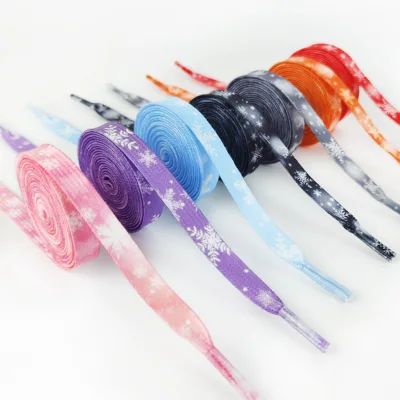
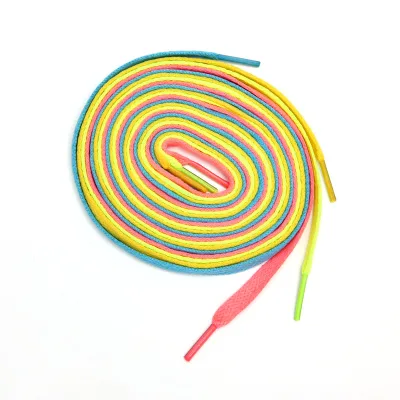
Wholesale Winter Personalized Ice Snowflake Flat Shoelaces for Casual Shoes Compatible with Sneakers
$0.21 - $0.26
MOQ: 1 Minimum
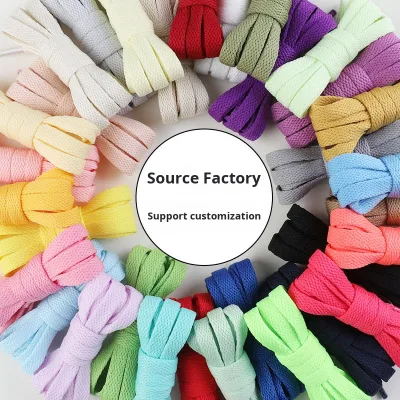
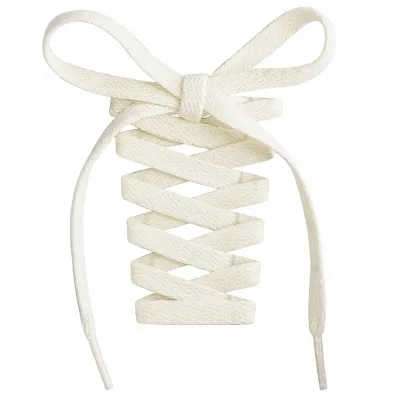
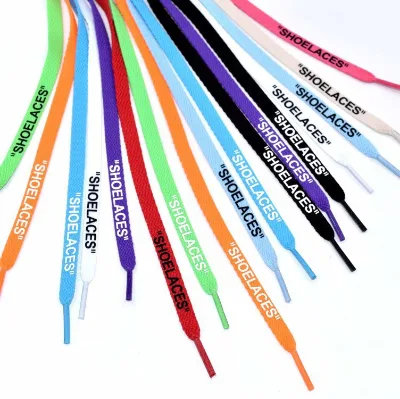
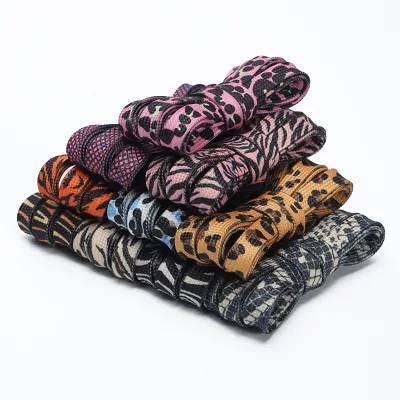
Foshan Glory Buttons Co., Ltd.
- Verified by Intertek
- Trading Company
- Lead time15 days
- Avg. response≤ 2h
Main productsSnap Buttons, Prong Snap Buttons, Jeans Buttons, Eyelets, Aglets
Main marketsNorth America(30%), South America(20%), Domestic Market(20%)

Kinghope Imp.&Exp. Trade Co., Ltd.
- Manufacturer, Trading Company
- Fujian, China
- Lead time10 days
- Avg. response≤ 10h
Main productsShoes Material,Apparel Accessories,PU Leather,Shoes,Chemical
Main marketsSouth America(22.00%), Domestic Market(20.00%), Africa(16.00%), Central America(15.00%), Mid East(10.00%), Southeast Asia(8.00%), Eastern Asia(2.00%), North America(2.00%), Southern Europe(1.00%), Eastern Europe(1.00%), South Asia(1.00%), Western Europe(1.00%), Northern Europe(0.50%), Oceania(0.50%)

Shantou City Jiancheng Weaving Co., Ltd
- Verified by SGS
- Combined
- China Guangdong
- Lead time15 days
- Avg. response≤ 6h
Main productsWebbing, Elastic Band, Jacquard Webbing, Nylon Elastic Band, Polyester Webbing, Fabric Webbing, Knitted Elastic Band, Flame Retardant Webbing, Nylon Fabric, Spandex Fabric
Main marketsSoutheast Asia/ Mideast,East Asia(Japan/ South Korea),Domestic,Europe,Australia,North America

Round Shoelaces Cotton Solid Color Sports Shoelace Sneaker Elastic Shoestring
$0.01 - $0.09
MOQ: 100 Meters

Durable Polyester Shoe Laces Classic Solid Round Sneaker Shoelace with Multi Color
$0.01 - $0.09
MOQ: 100 Meters

Elastic Shoe Laces No Tie Shoelaces for Kids and Adult Sneakers Shoelace
$0.01 - $0.09
MOQ: 100 Meters

Custom Round Shoelaces Shoe Strings Shoe Cord Ropes Laces for Boots Sneakers Unisex Shoe Rope
$0.01 - $0.09
MOQ: 100 Meters

Colorful Shoelace Custom Color Bulk Round Shoelace for Sneakers Fashion Shoestring
$0.01 - $0.09
MOQ: 100 Meters

XIAMEN POPTRIMS TEXTILE CO.,LTD.
- Verified by BV
- Trading Company
- China Fujian
- Lead time15 days
- Avg. response≤ 8h
Main productsElastic Webbing, Elastic Suspender, Custom Lanyard, Garment Label, Rubber Patch, Shoelace, Strings & Drawcords, Fancy Satin Grosgrain Ribbon, Jacquard Ribbon, Custom Print Ribbon
Main marketsSouth America,Africa,Southeast Asia/ Mideast,East Asia(Japan/ South Korea),Europe,Australia,North America


$0.32 - $0.38
MOQ: 500 Pairs


Dongguan Hengfeng Weaving Co., Ltd.
- Manufacturer, Trading Company
- Guangdong, China
- Lead time15 days
- Avg. response≤ 3h
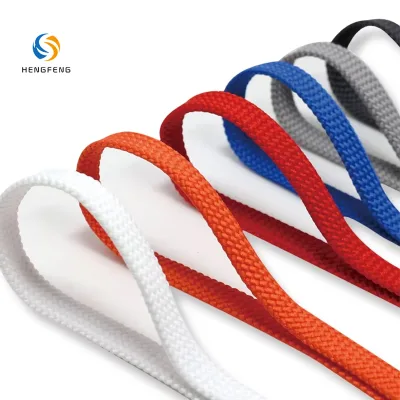
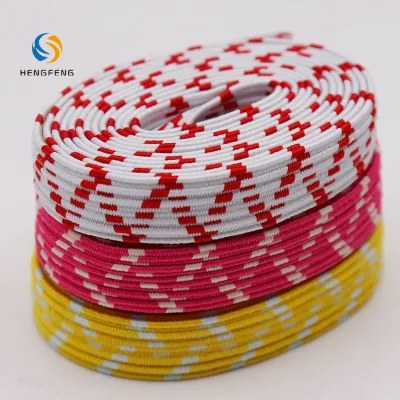
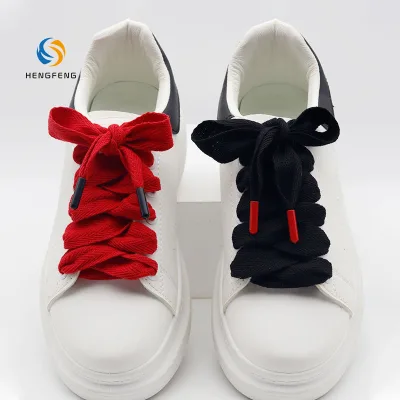
Main productsShoelaces,Drawcord,Nylon rope,Macrame cord,Webbing
Main marketsDomestic Market(45.00%), North America(20.00%), Southeast Asia(20.00%), Oceania(2.00%), Africa(2.00%), South America(2.00%), Eastern Europe(1.00%), South Asia(1.00%), Southern Europe(1.00%), Northern Europe(1.00%), Central America(1.00%), Eastern Asia(1.00%), Mid East(1.00%)
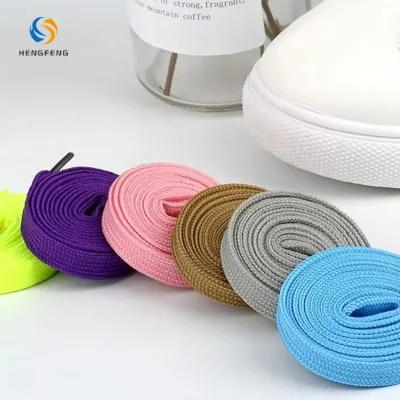
Sports Flat Polyester Tubular Shoelaces Colorful and Stylish Footwear Accessory
$0.18 - $0.31
MOQ: 100 Minimum
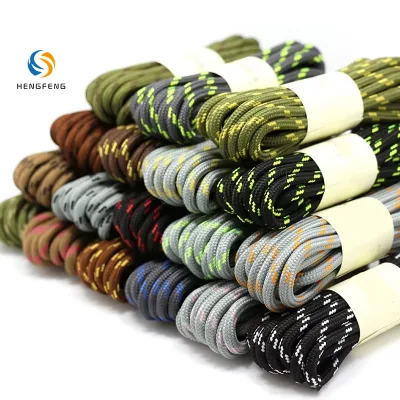
Outdoor Round Polyester Pattern Rope Sneakers Shoelaces for Men and Women Sports Shoes
$0.07 - $0.32
MOQ: 100 pairs
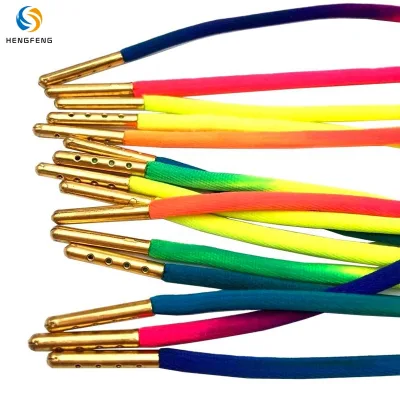
Rainbow Gradient Round Shoelaces with Metal Aglets for Sneakers Boots Casual Shoes
$0.09 - $0.45
MOQ: 100

Ningbo Beiduoen Health Tech. Co., Ltd.
- Verified by CTI
- Combined
- China Zhejiang
- Lead time23 days
- Avg. response≤ 8h
Main productsKnee Support, Ankle Brace, Compression Arthritis Glove, Wrist Support, Waist Belt, Foot Care, Insoles, Toe Separator, Compresson Sock Glove Knee Brace, Copper Supports
Main marketsSouth America,Southeast Asia/ Mideast,Europe,Australia,North America


Sports Flexible and Elastic Convenient Shoelaces for Loosen Shoes Wearing
$1.60 - $2.00
MOQ: 500 Pieces


Dongguan Yonglidasheng Metal Product Co., Ltd.
- Manufacturer
- Guangdong, China
- Lead time15 days
- Avg. response≤ 5h
Main productsHoodie String, Garment Accessories, Shoe Lace, Metal Aglet, Phone Lanyard
Main marketsNorth America(50.00%), Northern Europe(10.00%), Western Europe(9.00%), Southeast Asia(8.00%), Southern Europe(6.00%), Oceania(5.00%), Domestic Market(3.00%), South Asia(2.00%), Eastern Asia(2.00%), South America(1.00%), Central America(1.00%), Africa(1.00%), Eastern Europe(1.00%), Mid East(1.00%)
Xiamen Bethel Ribbon And Trims Co., Ltd.
- Verified by Intertek
- Trading Company
- Lead time7 days
- Avg. response≤ 3h
Main productsRibbons


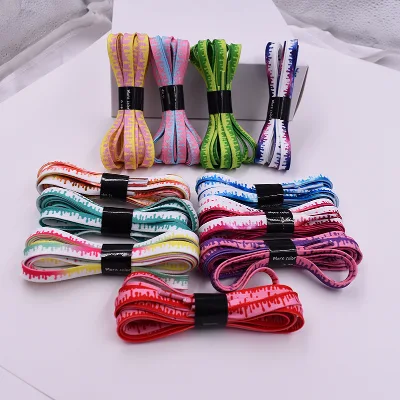
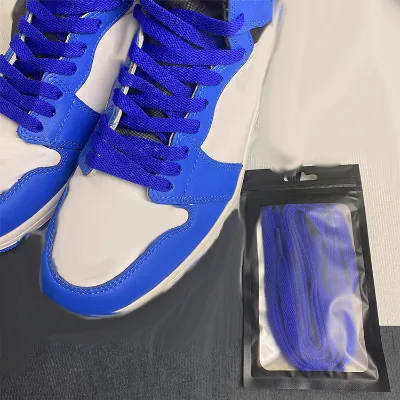
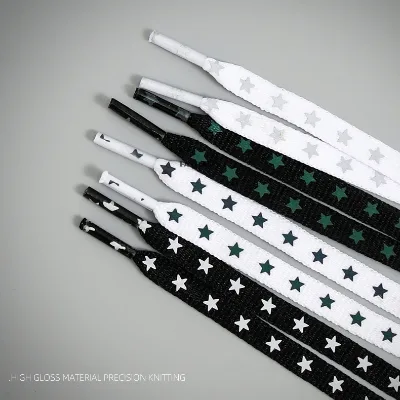
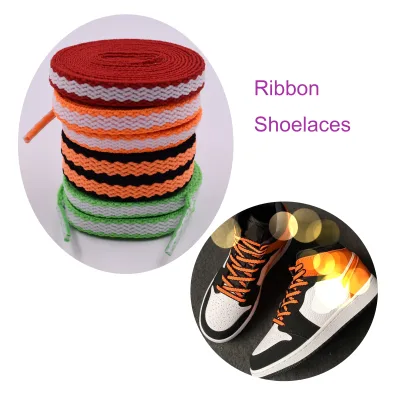


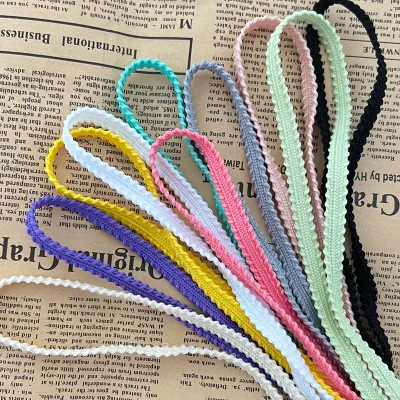
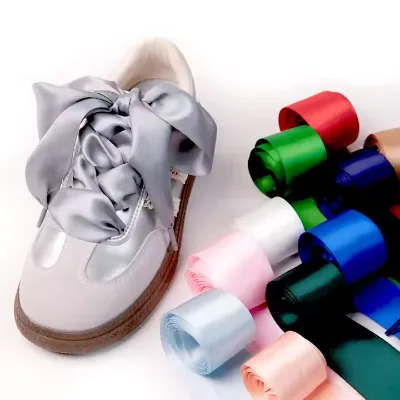


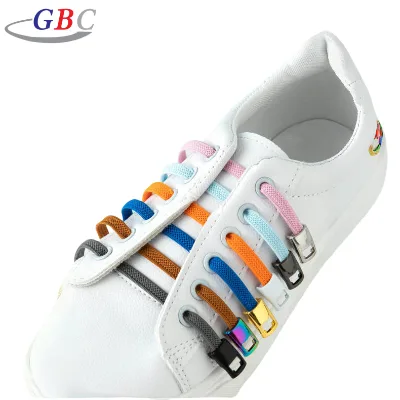
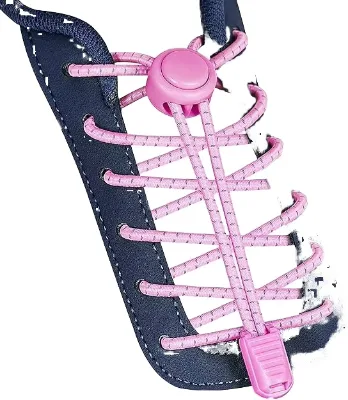
Comprehensive Sourcing Guide
Casual Sneaker Flat Shoelaces Supplier Concentration and Factory Types
Current data indicates a concentration of suppliers in China Jiangsu and China Zhejiang, with specific product origins listed as Jiangsu, China and Guangdong, China. These regions host companies classified as Trading Companies that offer a diverse range of footwear accessories including shoe insoles, shoe polish, shoe brushes, shoe trees, shoe cleaners, shoe laces, shoe deodorizers, shoe fresheners, and shoe horns. The presence of these varied product lines suggests that many suppliers operate as general trading entities rather than specialized factories dedicated solely to shoelace manufacturing. Buyers should verify if the supplier possesses their own brand capacity or if they are purely reselling goods from other manufacturers. The observed data shows that some suppliers list "Own brand" under their capacity, which may indicate a higher level of control over product specifications and quality standards compared to pure trading firms.
When evaluating the factory type, it is essential to distinguish between entities that manufacture the polyester and fabric components and those that simply aggregate products from various sources. The available facts show that main products often include a broad spectrum of shoe accessories, which is typical for trading companies serving multiple market segments. Buyers should not assume that a supplier listing shoelaces also manufactures the raw polyester or fabric materials used in production. Instead, the buyer must request specific details regarding the supply chain structure. If a supplier claims to be a factory, they should provide evidence of their production lines and material sourcing capabilities. Without such verification, the buyer should treat the supplier as a trading company and adjust their expectations regarding customization flexibility and direct quality control measures.
How to Verify Casual Sneaker Flat Shoelaces Suppliers
Verification of supplier credentials is critical when sourcing Casual Sneaker Flat Shoelaces, as the market contains both verified and unverified entities. The current results show specific verification statuses such as TUVRHEINLAND and CTI, which serve as third-party validation of the supplier's business legitimacy and operational capabilities. These certifications indicate that an external agency has audited the supplier's processes, though the specific scope of the audit may vary. Buyers should look for these verification badges as a primary indicator of reliability but must also understand that verification does not guarantee product quality for every specific order. It is necessary to cross-reference these credentials with the supplier's actual product attributes and production history to ensure alignment with buyer requirements.
Beyond third-party verification, buyers should assess the supplier's response time and communication efficiency as a proxy for their operational maturity. The observed data includes response times such as 1.54 and 5.47, which reflect the speed at which a supplier engages with potential inquiries. A faster response time often correlates with a more active sales team and better customer service infrastructure, which is vital for resolving issues during the sourcing process. However, a slow response time does not necessarily indicate a lack of capability, but it may suggest a lower priority on new business development. Buyers should also check for sample times, such as the 7-day sample time noted for certain products, to gauge how quickly a supplier can provide prototypes for quality assessment. These metrics collectively help in building a profile of the supplier's reliability and responsiveness before committing to a larger order.
What to Compare Across Casual Sneaker Flat Shoelaces Suppliers
When comparing suppliers, buyers must analyze key operational dimensions such as lead time, minimum order quantity, and pricing structures to determine the best fit for their specific needs. The data reveals lead times ranging from 15 to 30 days, indicating significant variation in production capacity and scheduling flexibility. Some suppliers offer a 15-day lead time, while others require up to 30 days, which can impact inventory planning and market responsiveness. Additionally, minimum order quantities vary widely, with some suppliers requiring 1000 pairs, others 500, and some as low as 200 or even 50 pairs. This variation allows buyers to select suppliers that match their order volume, whether they are testing the market with small batches or scaling up for mass production.
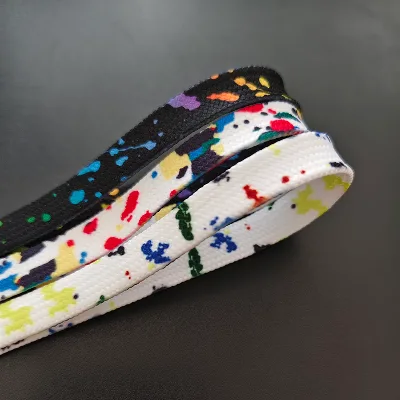
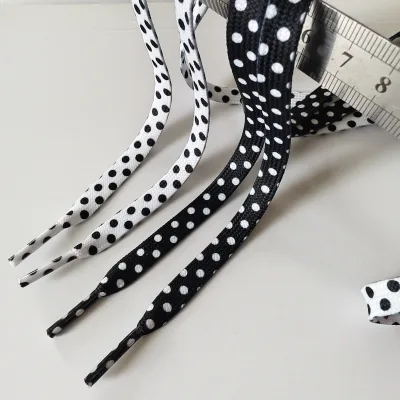
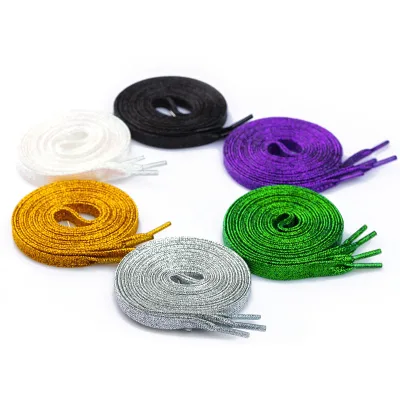
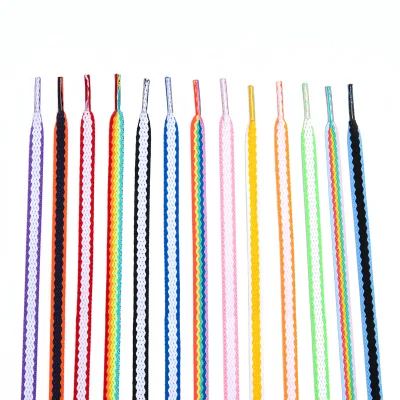
Pricing and product specifications are equally critical factors in the comparison process. The observed price ranges for flat shoelaces span from 0.05 to 3.41 per unit, reflecting differences in material quality, customization options, and order volume. Some products are priced at 0.05, while others reach 3.41, suggesting a wide spectrum of product tiers from basic polyester laces to more complex custom designs. Buyers should also compare product attributes such as material composition, width, and style, as these directly affect the final product's performance and aesthetic appeal. For instance, some laces are 4mm wide, while others are 8mm or 1.5cm, and materials range from pure polyester to blends involving cotton. By systematically comparing these attributes, buyers can identify suppliers that offer the optimal balance of cost, quality, and customization for their specific casual sneaker flat shoelace requirements.
Common Casual Sneaker Flat Shoelaces Sourcing Risks
One significant risk in sourcing Casual Sneaker Flat Shoelaces is the potential mismatch between product specifications and actual delivery, particularly regarding material composition and dimensions. The data shows various product attributes such as "Polyester" material and "Flat" style, but inconsistencies in descriptions like "Sinale Item" or "Sellina Units" highlight the potential for data entry errors or lack of standardization. Buyers must verify that the physical samples match the listed specifications exactly, as even minor deviations in width or material can affect the final product's appearance and functionality. This risk is heightened when dealing with trading companies that may not have direct control over the manufacturing process, increasing the likelihood of specification drift between the order and the final shipment.
Another critical risk involves the reliability of lead times and the ability to meet production schedules. While some suppliers list a 15-day lead time, others indicate 30 days, and these figures may not account for potential delays in raw material sourcing or production bottlenecks. Buyers should be cautious of suppliers who promise short lead times without providing evidence of their capacity to handle volume spikes or urgent requests. Additionally, the variation in minimum order quantities, from 2 pairs to 1000 pairs, can lead to unexpected costs if the buyer underestimates their needs or overestimates their ability to absorb inventory. To mitigate these risks, buyers should establish clear communication channels and request detailed production schedules before placing orders, ensuring that all parties have a shared understanding of the timeline and expectations.
Casual Sneaker Flat Shoelaces Regional Sourcing and Logistics
Sourcing from China Jiangsu and China Zhejiang offers distinct logistical advantages, as these regions are known for their robust manufacturing infrastructure and efficient export capabilities. The data confirms that products originate from these locations, with specific mentions of Jiangsu, China and Zhejiang, China as production hubs. These regions benefit from well-developed transportation networks, including ports and highways, which facilitate the timely shipment of goods to international markets. Buyers should consider the proximity of suppliers to major shipping ports when evaluating logistics costs and delivery times, as closer proximity can reduce transit times and associated freight expenses. Additionally, the concentration of suppliers in these areas often leads to competitive pricing and a wider selection of products, making it easier to find suppliers that meet specific requirements.
However, buyers must also account for potential logistical challenges, such as customs clearance and documentation requirements, which can vary by destination country. While the data indicates that products are packed in cartons or OPP bags, the specific packaging details can impact shipping efficiency and product protection during transit. Buyers should verify the packaging standards with the supplier to ensure that the goods are adequately protected against damage during shipping. Furthermore, the variation in product origins, including Guangdong, China, suggests that buyers may need to coordinate shipments from multiple locations if they are sourcing from different suppliers. This complexity can increase the administrative burden and require careful planning to consolidate shipments and minimize costs. By understanding the regional logistics landscape, buyers can make informed decisions that optimize their supply chain efficiency and reduce the risk of delays.
Casual Sneaker Flat Shoelaces Commercial Terms and Order Planning
Commercial terms and order planning are pivotal for successful sourcing, as they define the financial and operational framework of the transaction. The data shows a wide range of minimum order quantities, from 2 pairs to 1000 pairs, which directly influences the buyer's inventory strategy and cash flow management. Buyers should carefully evaluate their order volume requirements against the supplier's MOQ to avoid overstocking or underutilizing production capacity. Additionally, the price ranges observed, from 0.05 to 3.41 per unit, highlight the importance of negotiating favorable terms based on order volume and product complexity. Buyers should seek clarity on pricing tiers and any potential discounts for larger orders to maximize their cost efficiency.
Order planning also involves understanding the sample process and customization options, which are critical for ensuring product alignment with buyer expectations. The data indicates sample times of 7 days for certain products, suggesting that suppliers can provide prototypes relatively quickly. Buyers should leverage this capability to validate product quality and design before committing to a full production run. Furthermore, the availability of customization options, such as logo printing and color variations, allows buyers to tailor products to their brand identity. However, buyers must confirm the feasibility of these customizations and any associated costs or lead time extensions. By integrating these commercial terms and planning considerations into their sourcing strategy, buyers can establish a robust framework that supports their long-term business goals and minimizes operational risks.
FAQs
What is the typical lead time for flat shoelaces?
Manufacturers in Jiangsu, China, generally require 30 days to produce and ship orders. Suppliers in Zhejiang, China, offer a faster turnaround of 15 days. Buyers should confirm specific production schedules with the supplier before placing bulk orders to ensure timely delivery.
What is the minimum order quantity for custom shoelaces?
MOQs vary significantly by supplier and product type. Some suppliers require a minimum of 1000 pairs for standard flat polyester laces. Others offer lower thresholds, such as 200 pairs or even 50 pairs for specific printed styles. Always verify the exact MOQ for your chosen model.
What materials are used for casual sneaker shoelaces?
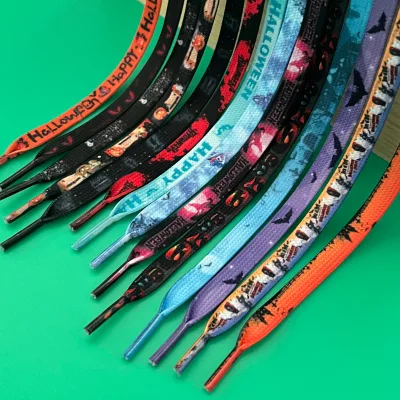
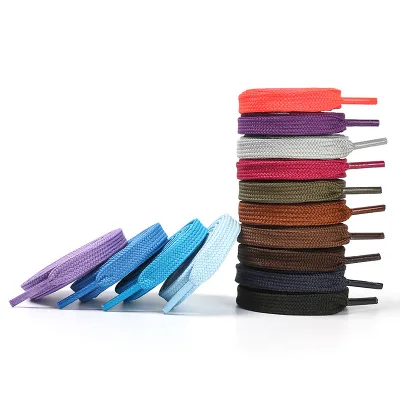
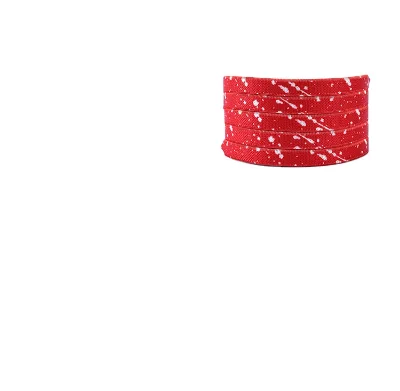
Most flat shoelaces for sneakers are made from polyester fabric. Some products also incorporate cotton or feature composite fabric blends. These materials provide durability and flexibility. Buyers can choose between solid colors, prints, or custom logos depending on the supplier's customization capabilities.
How much do flat shoelaces cost per pair?
Prices range from $0.05 to $3.41 per unit depending on specifications. Basic printed laces start around $0.05, while custom flat laces may cost up to $3.21. Higher-end options with specific packaging or branding can reach $1.03. Volume discounts often apply to larger orders.
Are these suppliers verified for quality assurance?
Yes, suppliers undergo third-party verification processes. Some are verified by TÜV Rheinland, while others hold CTI certifications. These verifications help ensure manufacturing standards and product reliability. Buyers should review the specific verification badges provided by each supplier to assess their quality control measures.
What is the typical response time for inquiries?
Response times vary between suppliers, ranging from 1.54 hours to 5.47 hours. Faster response times indicate higher availability and customer service efficiency. Buyers should expect replies within a few hours during business days. Prompt communication helps clarify customization details and shipping logistics quickly.