CE Certified Headband Magnifying Glass Suppliers and Manufacturers
Compare 22 verified suppliers offering CE Certified Headband Magnifying Glass with options for OEM and ODM customization. Review response times, lead times, and certifications like ISO 9001 and BSCI before contacting factories in China Zhejiang and Guangdong; review the available evidence before requesting comparable quotations from suitable candidates.
Suppliers List

Ningbo Anmas Optoelectronic Co., Ltd.
- Trading Company,Manufacturer/Factory
- China Zhejiang
- Lead time45 days
- Avg. response≤ 3h
Main productsMagnifier, Magnifying Lamp, Binoculars, Magnifying Glass, LED Magnifying Lamp, Telescope, Microscope, Loupe, Compass, Oral Irrigator
Main marketsSouth America,Eastern Europe,Mid East,North America,Southeast Asia,Eastern Asia,Oceania,Western Europe,Africa


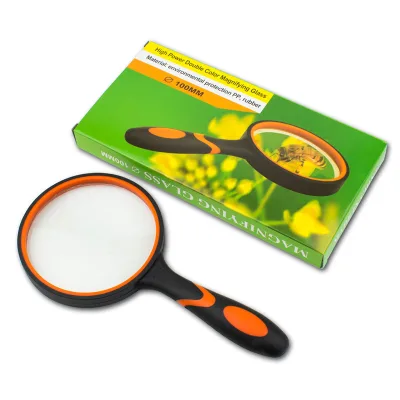
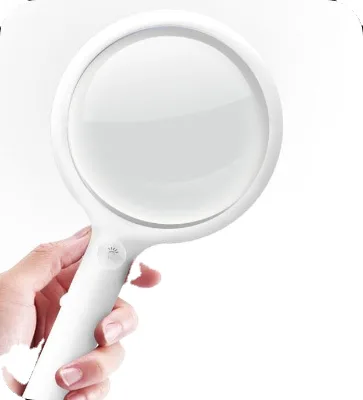
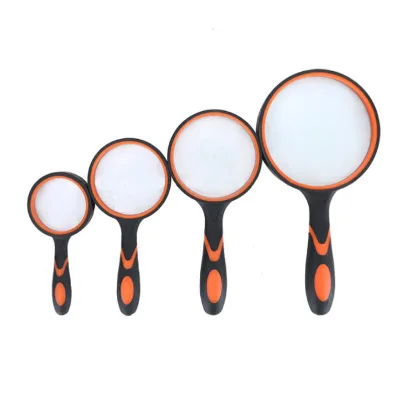
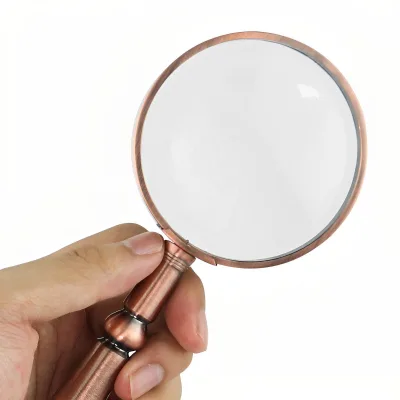
New Style Handle Magnifier Eco-Friendly Rubber Glass Lens 100mm Magnifying Glass
$0.50 - $1.20
Moq: 100


Shenzhen Ke Zhi You Technology Co., Ltd.
- Verified by CTI
- Trading Company,Manufacturer/Factory
- China Guangdong
- Lead time23 days
- Avg. response≤ 18h
Main productsArduino Board, Arduino Sheild, Arduino Starter Kit, 3D Printers, Arduino Robot, Arduino Sensor/Modules, Raspberry Pi, Smart Car, Display, Mico Bit: Bbc Board
Main marketsSouth America,Eastern Europe,Mid East,North America,Southeast Asia,Eastern Asia,Oceania,Western Europe,Africa

Foshan Yuyo Medical Instrument Co., Ltd.
- Manufacturer/Factory
- China Guangdong
- Lead time23 days
- Avg. response≤ 7h
Main productsLED Curing Light, Teeth Whitening Machine, Dental Loupes, Dental Headlight, Dental Handpiece, Dental Sandblaster, Dental Endomotor, Dental Micomotor, Dental Scaler, Dental Consumables
Main marketsSouth America,Eastern Europe,North America,Africa


Dental Binocular Magnifier 3.5X Optical Glass Ultra-Light Headband Magnifying Glass
$25.00 - $45.00
Moq: 1


Ningbo Hongbo Optical Instrument Co., Ltd.
- Trading Company,Manufacturer/Factory
- China Zhejiang
- Lead time30 days
- Avg. response≤ 17h
Main productsMagnifier, Microscope, Magnifier Lamps, Binoculars, Reading Glass, Compass, Head Magnifier, Pocket Microscope, Jewellers Magnifier, Folding Magnifier
Main marketsSouth America,Eastern Europe,Mid East,North America,Southeast Asia,Eastern Asia,Oceania,Western Europe,Africa


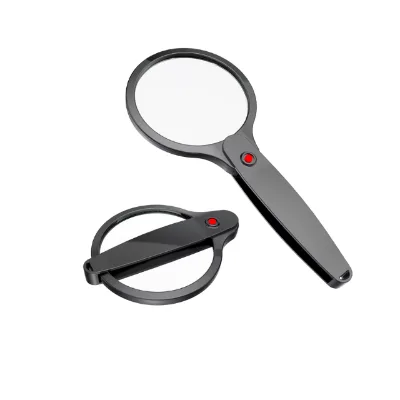
Dual Color Handheld Magnifying Glass, Rubber Handle, Portable Magnifying Glass
Contact supplier
Moq: 120

Ningbo Yaki Optical Instrument Co., Ltd.
- Combined
- China Zhejiang
- Lead time45 days
- Avg. response≤ 5h
Main productsMicroscope, Magnifier, Telescope, Binoculars, Student Microscope, LED Microscope, USB Microscope, Mini Microscope, Microscope Ring Light, Microscope Camera
Main marketsSouth America,Southeast Asia/ Mideast,East Asia(Japan/ South Korea),Europe,Australia,North America

Alltion (Guangxi) Instrument Co., Ltd
- Verified by BV
- Trading Company,Manufacturer/Factory
- China Guangxi
- Lead time23 days
- Avg. response≤ 3h
Main productsMicroscope, Colposcope, Medical Light, Dental Microscope, Surgical Microscope, Ent Microscope
Main marketsSouth America,Eastern Europe,Mid East,North America,Southeast Asia,Eastern Asia,Oceania,Western Europe,Africa

Shantou Easywell Electronic Technologies Co., Ltd.
- Verified by TUVRHEINLAND
- Combined
- China Guangdong
- Lead time15 days
- Avg. response≤ 7h
Main productsSurgical Examination Light, LED Examination Lamp, Minor Surgical Light, LED X-ray Viewer, LED Wireless Headlights, Shadowless Surgical Lamp, Operation Table, Hospital Furniture, Lab Instruments, X-ray Lead Protective Products
Main marketsAfrica,Southeast Asia/ Mideast,Europe,Australia,North America

Head Mounted Magnifier 2.5X Multifunction Head Magnifying Glasses Surgical Light
$70.00 - $80.00
Moq: 10


Ningbo Rainma Stationery Co., Limited.
- Verified by TUVRHEINLAND
- Trading Company,Manufacturer/Factory,Other
- China Zhejiang
- Lead time23 days
- Avg. response≤ 10h
Main productsPaper Notebook and Note Pad, School Stationery, Art Pigments, Ball Pen, Paint Canvas and Canvas Board, Office Stationery, Promotion Gift Stationery, Eraser and Ruler, Marker & Highlighter, Cutter Knife
Main marketsSouth America,Eastern Europe,Mid East,North America,Southeast Asia,Eastern Asia,Oceania,Western Europe,Africa
Nanyang Jingliang Photoelectric Co., Ltd.
- Manufacturer, Trading Company
- Lead time旺季: "1 - 100":3,"101 - 500":7,"501 - 1000":15,"> 1000":"To be negotiated", 淡季: "1 - 100":3,"101 - 500":7,"501 - 1000":15,"> 1000":"To be negotiated"
Main productsOptical Lenses, Optical Prisms
Jaxy Optical Instrument Co., Ltd.
- Manufacturer, Trading Company
- Lead time旺季: "1 - 100":35,"> 100":"To be negotiated", 淡季: "1 - 100":35,"> 100":"To be negotiated"
- Avg. response≤ 3h
Main productsbinoculars,telescope,magnifier,campig survival tool,3d glasses

Dongguan Wufan Optical-Electronic Technology Co., Ltd.
- Manufacturer, Trading Company
- Guangdong, China
- Lead time10 days
- Avg. response≤ 4h
Main productsLED magnifier,LED Cosmetic mirror,LED loupe,Makeup Mirror,magnifying glass
Main marketsNorth America(20.0%), Western Europe(10.0%), South Asia(10.0%), Southern Europe(10.0%), Northern Europe(10.0%), Eastern Europe(10.0%), South America(10.0%), Eastern Asia(5.0%), Africa(5.0%), Southeast Asia(5.0%), Central America(5.0%)

Nanyang Insider Electronic Technology Co., Ltd.
- Trading Company
- Henan, China
- Lead time10 days
- Avg. response≤ 2h
Main productsMagnifier,Make Up Mirror,Mobile Phone Screen Magnifier,Telescope,Hygrometer
Main marketsMid East(10.0%), Northern Europe(10.0%), Western Europe(10.0%), Southeast Asia(10.0%), Eastern Europe(10.0%), Eastern Asia(10.0%), North America(10.0%), South America(9.0%), Central America(7.000000000000001%), Africa(5.0%), South Asia(3.0%), Oceania(3.0%), Domestic Market(2.0%), Southern Europe(1.0%)
Nanyang Imaisen Technology Co., Ltd.
- Manufacturer, Trading Company
- Henan, China
- Lead time30 days
- Avg. response≤ 5h
Main productsBinoculars Telescope,Monocular Telescope,Magnifier,Optical Glass Lens,Astronomical Telescope
Main marketsSouth Asia(10.0%), Southern Europe(10.0%), Africa(10.0%), Southeast Asia(10.0%), Western Europe(10.0%), Domestic Market(10.0%), North America(10.0%), Northern Europe(9.0%), Eastern Asia(5.0%), Eastern Europe(5.0%), Central America(5.0%), South America(5.0%), Mid East(1.0%)

DONGGUAN EC PLASTIC TECHNOLOGY PRODUCTS MANUFACTURER CO., LTD
- Manufacturer, Trading Company
- Guangdong, China
- Lead time30 days
- Avg. response≤ 3h
Main productsinjection molding,plastic injection,OEM plastic,magnifier,customized products
Main marketsNorthern Europe(67.0%), North America(15.0%), Western Europe(10.0%), Eastern Europe(8.0%)
Nanyang Srate Optical Instrument Co., Ltd.
- Verified by SGS Group
- Manufacturer, Trading Company
- Lead time20 days
- Avg. response≤ 3h
Main productsMagnifying Glass, Microscope, Telescope
Main marketsNorth America(40%), Western Europe(20%), South America(13%)
Ningbo Barride Optics Co., Ltd.
- Verified by Intertek
- Trading Company
- Lead time15 days
- Avg. response≤ 2h
Main productsTelescope, Microscope, Binoculars, Magnifier, Hunting Scope
Main marketsWestern Europe(45%), North America(24%), Eastern Europe(10%)
Hefei Johold Outdoor Products Co., Ltd.
- Trading Company
- Anhui, China
- Lead time15 days
- Avg. response≤ 2h
Main productsSurvival Kits,Flashlight,Emergency Whistle,Camping Tent,Tactical backpack
Main marketsNorth America(30.0%), Western Europe(20.0%), Northern Europe(15.0%), Eastern Europe(15.0%), Southeast Asia(5.0%), South America(5.0%), Eastern Asia(5.0%), Africa(5.0%)
Yiwu Runson Outdoor Products Co., Ltd.
- Trading Company
- Zhejiang, China
- Lead time15 days
- Avg. response≤ 8h
Main productsOutdoor survival kit,Outdoor whistle,Outdoor compass,Outdoor poncho,Outdoor sleeping bag
Main marketsNorth America(50.0%), Western Europe(10.0%), Eastern Europe(10.0%), South America(10.0%), Central America(5.0%), Southern Europe(5.0%), South Asia(2.0%), Africa(2.0%), Eastern Asia(2.0%), Mid East(2.0%), Oceania(1.0%), Southeast Asia(1.0%)

Ningbo Barride Optics Co., Ltd.
- Trading Company,Manufacturer/Factory
- China Zhejiang
- Lead time75 days
- Avg. response≤ 3h
Main productsMicroscope, Telescope, Binoculars, Riflescope, Magnifier, Spotting Scope, Range Finer, Astronomical Telescope, Night Vision, Biological Microscope
Main marketsSouth America,Eastern Europe,Mid East,North America,Southeast Asia,Eastern Asia,Oceania,Western Europe,Africa

Shenzhen Alisi Electronic Technology Co., Ltd.
- Trading Company, Distributor/Wholesaler
- Guangdong, China
- Lead time3 days
- Avg. response≤ 2h
Main productselectron component,temperature controller,Auto parts,sensor,Wireless Controller
Main marketsSouth America(20.0%), Eastern Europe(20.0%), North America(15.0%), Western Europe(5.0%), Domestic Market(5.0%), South Asia(5.0%), Southern Europe(5.0%), Northern Europe(5.0%), Central America(5.0%), Eastern Asia(3.0%), Mid East(3.0%), Oceania(3.0%), Africa(3.0%), Southeast Asia(3.0%)

Ningbo Eleroyal Import & Export Co., Ltd.
- Trading Company
- Zhejiang, China
- Lead time20 days
- Avg. response≤ 8h
Main productsMagnifying Glass,Camping,Binoculars,Bug Viewer,Compass
Main marketsNorth America(30.0%), Eastern Europe(20.0%), Western Europe(20.0%), South America(10.0%), Northern Europe(5.0%), Southeast Asia(5.0%), Oceania(5.0%), Africa(5.0%)

Henan Geesion Medical Devices Co., Ltd.
- Verified by BV
- Trading Company
- China Henan
- Lead time15 days
- Avg. response≤ 7h
Main productsPain Relief Patch, Cooling Gel Patch, Detox Foot Patch, Slimming Patch, Capsicum Plaster, Stop Smoking, Nasal Strips, Dental Mouthguard, Cough Relieve Patch, Wormwood Knee Patch
Main marketsSouth America,Africa,Southeast Asia/ Mideast,East Asia(Japan/ South Korea),Europe,Australia,North America




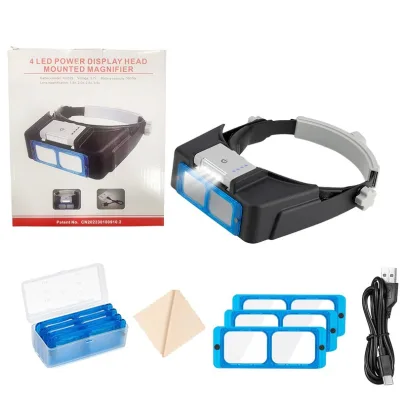
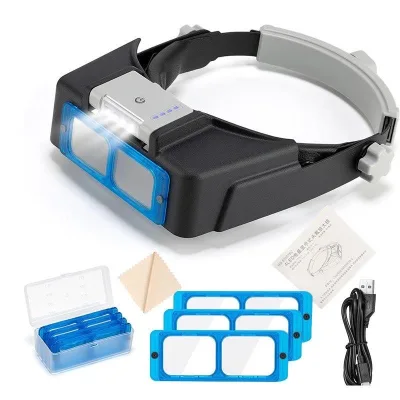
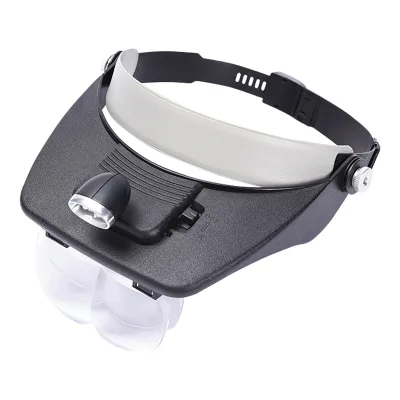




Comprehensive Sourcing Guide
CE Certified Headband Magnifying Glass Supplier Concentration and Factory Types
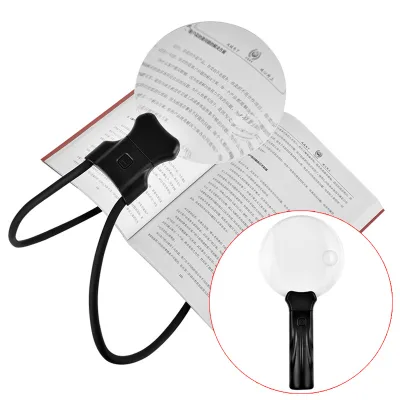
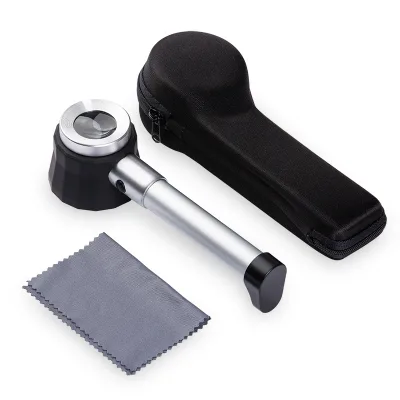
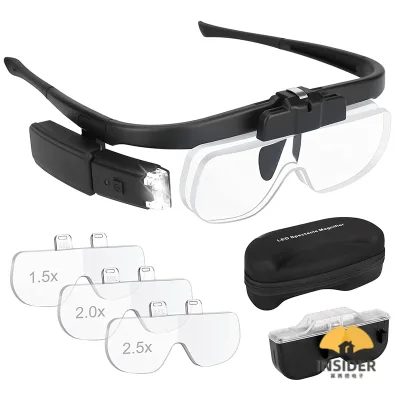
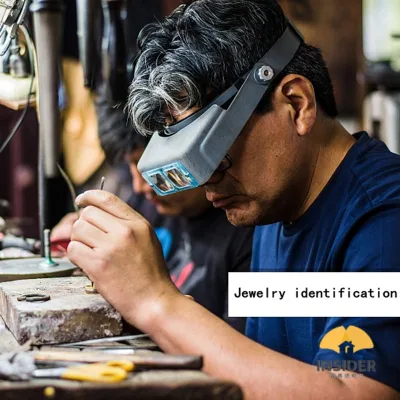
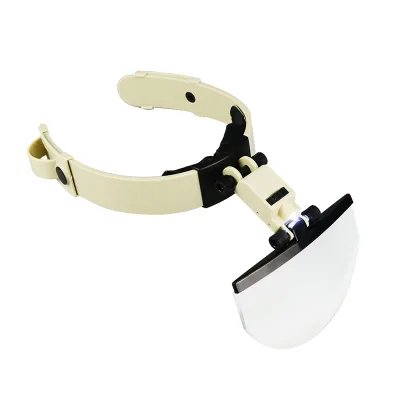
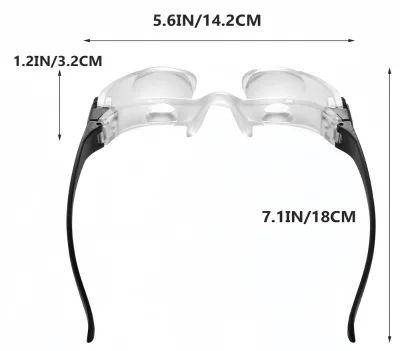
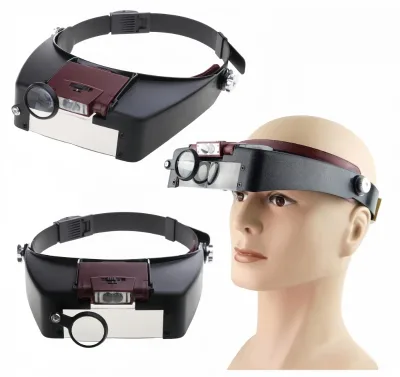
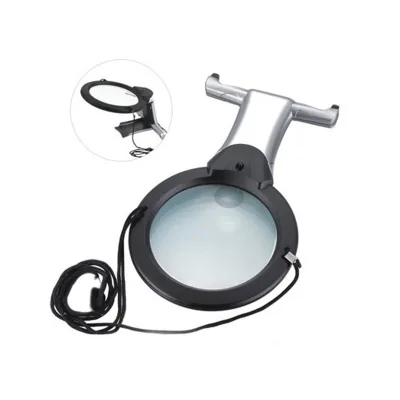
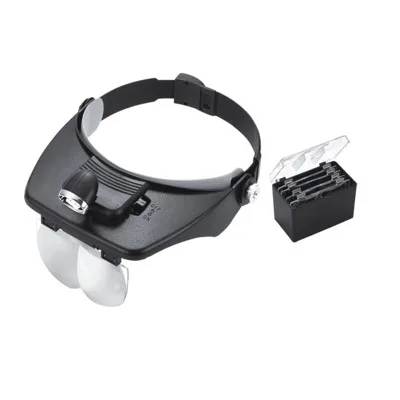
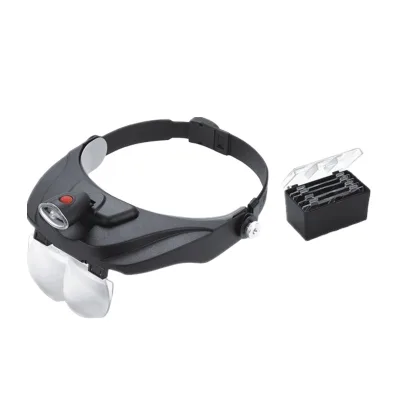
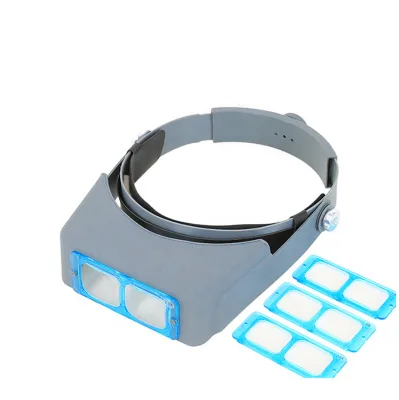
The current supplier landscape for headband magnifying glasses shows a concentration of manufacturing and trading entities primarily located in China, with specific clusters identified in Zhejiang and Guangdong provinces. These regions host a mix of trading companies and manufacturers capable of producing optical instruments, including magnifiers, microscopes, and related LED lighting components. The presence of these facilities suggests a mature supply chain where raw materials for plastic and glass lenses are readily accessible, facilitating the production of portable and folding type magnifiers. Buyers should note that while some suppliers operate as trading companies, others function as factories with direct OEM and ODM capabilities, allowing for customization of product specifications such as lens material, handle type, and battery configurations.
When evaluating the factory types within these regions, it is essential to distinguish between pure trading entities and those with actual production lines. The available data indicates that many suppliers offer both trading and manufacturing services, which can streamline communication but requires verification of their actual production capacity. Suppliers in these clusters often list main products ranging from simple magnifying glasses to complex optical instruments like telescopes and dental equipment, suggesting a broad technical base. However, the specific focus on headband magnifiers with LED lights implies a specialized subset of these factories. Buyers must confirm that the supplier's primary manufacturing focus aligns with their specific needs, ensuring that the facility has the necessary machinery for molding plastic handles and assembling optical glass lenses rather than merely sourcing finished goods from third parties.
How to Verify CE Certified Headband Magnifying Glass Suppliers
Verifying the certification status of suppliers requires a rigorous approach to ensure that claims regarding CE compliance are backed by valid documentation. While the provided data lists certifications such as BSCI and ISO 9001 for some suppliers, these are general management system certifications and do not automatically confirm product-specific CE marking for medical or optical instruments. Buyers must explicitly request the CE test reports and the Declaration of Conformity for the specific headband magnifier models they intend to purchase. It is critical to understand that a company holding ISO 9001 certification may not have the specific product testing required for CE compliance, especially if the product involves electrical components like LED lights and batteries. The verification process should involve checking the validity of the certificates against the issuing body and ensuring the scope of the certificate covers the specific product category.
In addition to documentation, buyers should assess the supplier's response time and verification status to gauge their reliability. The data shows response times varying significantly, with some suppliers responding within a few hours while others take nearly 18 hours. A faster response time often correlates with a more active and organized sales team, which is crucial when resolving certification queries. Furthermore, some suppliers display verification badges from third-party inspection agencies like CTI, which adds a layer of credibility to their business operations. However, buyers should not rely solely on these badges; they must cross-reference the supplier's claimed certifications with the actual product specifications, such as the lens material and battery type, to ensure the CE mark applies to the exact configuration being ordered. This due diligence prevents the risk of receiving non-compliant goods that could face customs delays or legal issues in the target market.
What to Compare Across CE Certified Headband Magnifying Glass Suppliers
When comparing suppliers, buyers should prioritize key operational metrics such as lead time, minimum order quantity (MOQ), and response speed to determine the best fit for their procurement strategy. The available data reveals a wide range in lead times, with some suppliers offering a 23-day turnaround while others require up to 45 days. Similarly, MOQs vary significantly, ranging from 24 units for certain headband models to 100 units for standard handheld versions. These differences directly impact inventory planning and cash flow, making it essential to align supplier capabilities with the buyer's order volume and delivery schedule. Additionally, response times can vary from under three hours to nearly 18 hours, which affects the speed of negotiation and the ability to resolve technical questions regarding product customization or certification details.
Beyond operational metrics, buyers must compare product attributes and pricing structures to ensure value and quality alignment. The data indicates price ranges from as low as $0.50 to $7.00 per unit, depending on features like LED lighting, lens magnification power, and material composition. Some suppliers offer models with optical glass lenses and plastic handles, while others provide interchangeable lens systems or specific battery configurations like 3AAA or 4AAA. It is crucial to verify that the price includes all necessary components and packaging, such as color boxes or UPS shipping, as these can vary between suppliers. Furthermore, the availability of customization services, such as logo printing or specific magnification levels, should be compared to ensure the supplier can meet unique branding or functional requirements. By systematically evaluating these dimensions, buyers can identify suppliers that offer the optimal balance of cost, quality, and service reliability.
Common CE Certified Headband Magnifying Glass Sourcing Risks
One of the primary risks in sourcing headband magnifying glasses is the potential mismatch between claimed certifications and actual product compliance. Suppliers may possess general ISO certifications but fail to provide valid CE documentation for the specific electrical or optical components of the product. This risk is heightened when the product includes LED lights and batteries, as these components often require separate safety testing and certification. Buyers must be vigilant in requesting detailed test reports that specifically address the electrical safety and electromagnetic compatibility of the magnifier, rather than accepting generic company certifications. Without this specific verification, there is a significant risk of the goods being rejected at customs or facing legal action in the destination market due to non-compliance with local safety standards.
Another significant risk involves the variability in product quality and the reliability of the supply chain, particularly regarding lead times and material consistency. The data shows that lead times can range from 23 to 45 days, and some suppliers may not have the capacity to meet urgent deadlines without incurring additional costs or compromising quality. Additionally, the use of different materials, such as plastic versus glass for handles or lenses, can lead to inconsistencies in product durability and performance. Buyers should be aware that some suppliers may offer "factory" status but rely on subcontractors for certain components, which can introduce quality control gaps. To mitigate these risks, buyers should conduct pre-shipment inspections and request samples to verify that the final product matches the specifications and quality standards agreed upon in the contract.
CE Certified Headband Magnifying Glass Regional Sourcing and Logistics
Sourcing from the identified regions in China, specifically Zhejiang and Guangdong, offers logistical advantages due to the established infrastructure for exporting optical instruments and electronic components. These provinces are home to major ports and manufacturing hubs, facilitating efficient shipping via sea or air freight. The data indicates that suppliers often offer flexible shipping methods, including sea and air transport, which allows buyers to choose the most cost-effective or time-sensitive option based on their needs. However, buyers must account for the varying lead times associated with different regions and suppliers, as production schedules and port congestion can impact delivery dates. Understanding the specific logistics capabilities of each supplier is crucial for planning inventory levels and managing customer expectations regarding delivery times.
In addition to shipping methods, buyers should consider the packaging and labeling requirements that may vary by region and supplier. The available data shows that products are often packed in color boxes, but some suppliers may offer alternative packaging options like UPS or FedEx for smaller shipments. It is essential to verify that the packaging meets the destination country's import regulations, particularly regarding labeling and safety warnings for electrical products. Furthermore, the location of the supplier can influence the cost of freight and the complexity of customs clearance. Buyers should work closely with their logistics partners to ensure that the chosen shipping method aligns with the supplier's location and the specific requirements of the destination market. By carefully planning the logistics strategy, buyers can minimize delays and ensure a smooth supply chain from the factory to the final customer.
CE Certified Headband Magnifying Glass Commercial Terms and Order Planning
Commercial terms for headband magnifying glasses often include specific conditions regarding payment, customization, and order volume that buyers must carefully review before committing. The data indicates that many suppliers offer customization services, allowing for modifications to the product design, such as lens magnification, handle material, and LED functionality. However, these customizations may come with higher minimum order quantities or longer lead times, which can impact the overall cost and timeline of the project. Buyers should negotiate clear terms regarding the cost of tooling, sample fees, and the timeline for production once the design is finalized. Additionally, understanding the payment terms, such as deposits and balance payments, is crucial for managing cash flow and ensuring that the supplier has the necessary funds to begin production.
Order planning for headband magnifying glasses requires a strategic approach to balance inventory levels with demand fluctuations. Given the varying MOQs, ranging from 24 to 100 units, buyers should assess their sales forecasts to determine the optimal order size that minimizes storage costs while avoiding stockouts. It is also important to consider the lead times, which can range from 23 to 45 days, and plan orders accordingly to ensure timely delivery. Buyers should establish a buffer stock to account for potential delays in production or shipping, especially when sourcing from regions with complex logistics. Furthermore, maintaining open communication with the supplier regarding production progress and any potential issues can help mitigate risks and ensure that the order is completed on schedule. By developing a robust order planning strategy, buyers can optimize their supply chain and maintain a competitive edge in the market.
FAQs
What is the price range for headband magnifying glasses?
Prices for headband magnifying glasses typically range from $0.50 to $7.00 per unit depending on specifications. Basic handheld models start at $0.50, while LED-equipped headband versions cost between $2.30 and $7.00. Buyers should verify exact pricing based on lens power, battery type, and customization requirements before placing orders.
What are the minimum order quantities for these products?
Minimum order quantities vary by product type. Headband magnifiers with LED lights generally require a minimum of 24 units. Some interchangeable lens models have a higher MOQ of 48 units. Basic handheld magnifiers may require a minimum of 100 units. Buyers should confirm specific MOQs with suppliers for accurate planning.
How long does production take for these items?
Production lead times generally range from 23 to 45 days. Some suppliers offer faster turnaround times of 23 days, while others require up to 45 days for standard orders. Specific delivery times may vary, with some models listing 30-40 days. Buyers should confirm exact lead times with suppliers to ensure timely delivery.
What certifications do these suppliers hold?
Suppliers typically hold ISO 9001 certification, with some also possessing BSCI, ISO 14001, or QC 080000 standards. Verification statuses may include CTI verification. Buyers should request current certification documents to ensure compliance with their specific quality and ethical sourcing requirements before finalizing any purchase agreements.
Where are these magnifying glass suppliers located?
Suppliers are primarily located in China, specifically in Zhejiang and Guangdong provinces. These regions are known for manufacturing optical instruments and electronic components. Buyers should verify exact supplier locations to assess shipping logistics and potential tariffs. Location details are essential for calculating total landed costs and delivery timelines.
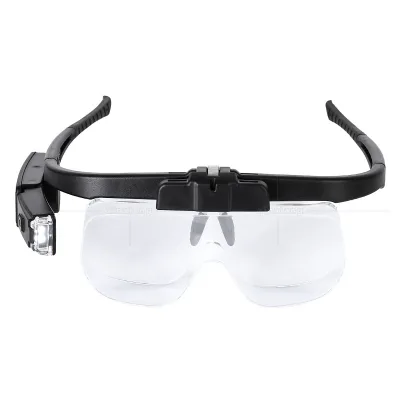
What features are available in LED headband magnifiers?
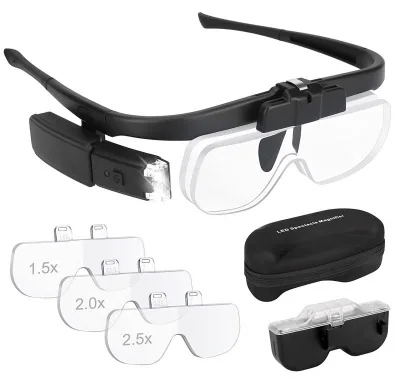
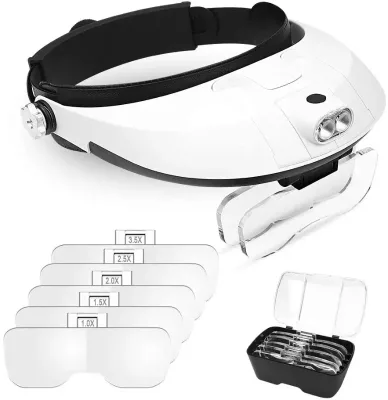
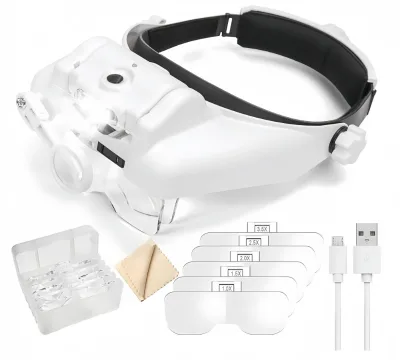
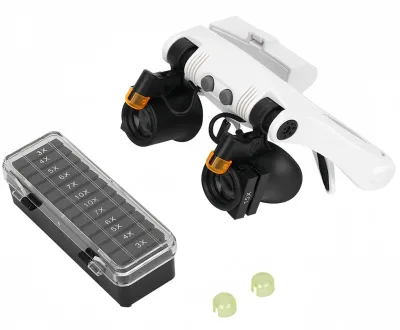
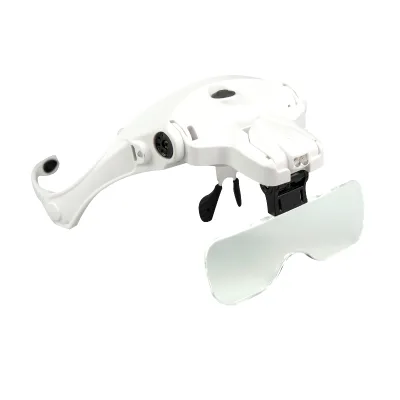
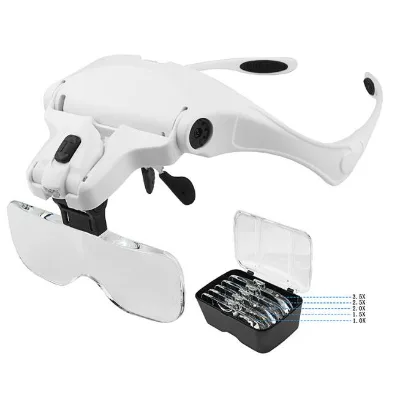
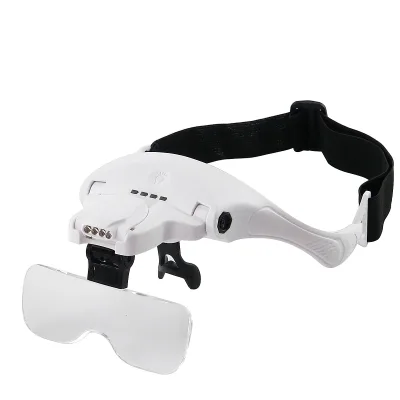
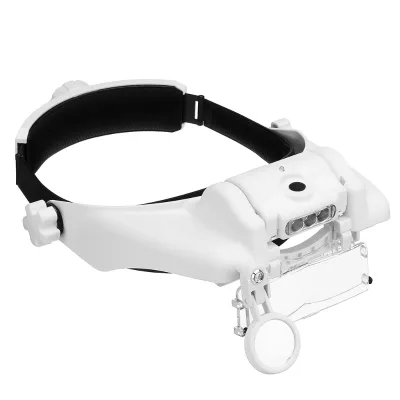
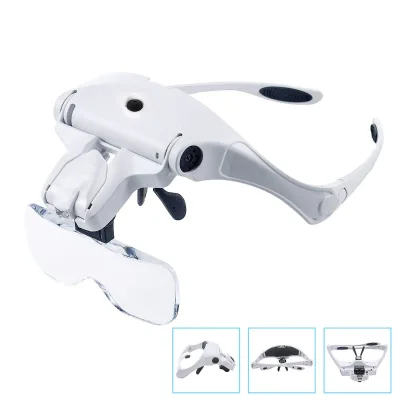
LED headband magnifiers often include features like adjustable magnification powers ranging from 1.0X to 3.5X. They may use 3AAA or 4AAA batteries and offer cold and warm light options. Some models feature interchangeable lenses and folding designs. Buyers should check specific product attributes for battery type and lens material details.