CE Certified Dental Ball Attachment Suppliers and Manufacturers
Explore 25 verified options for CE Certified Dental Ball Attachment from manufacturers in Fujian and Guangdong. Compare response times, lead times, certifications like CE and ISO, and pricing to find suitable partners. Contact suppliers directly to request quotes; review the available evidence before requesting comparable quotations from suitable candidates.
Suppliers List
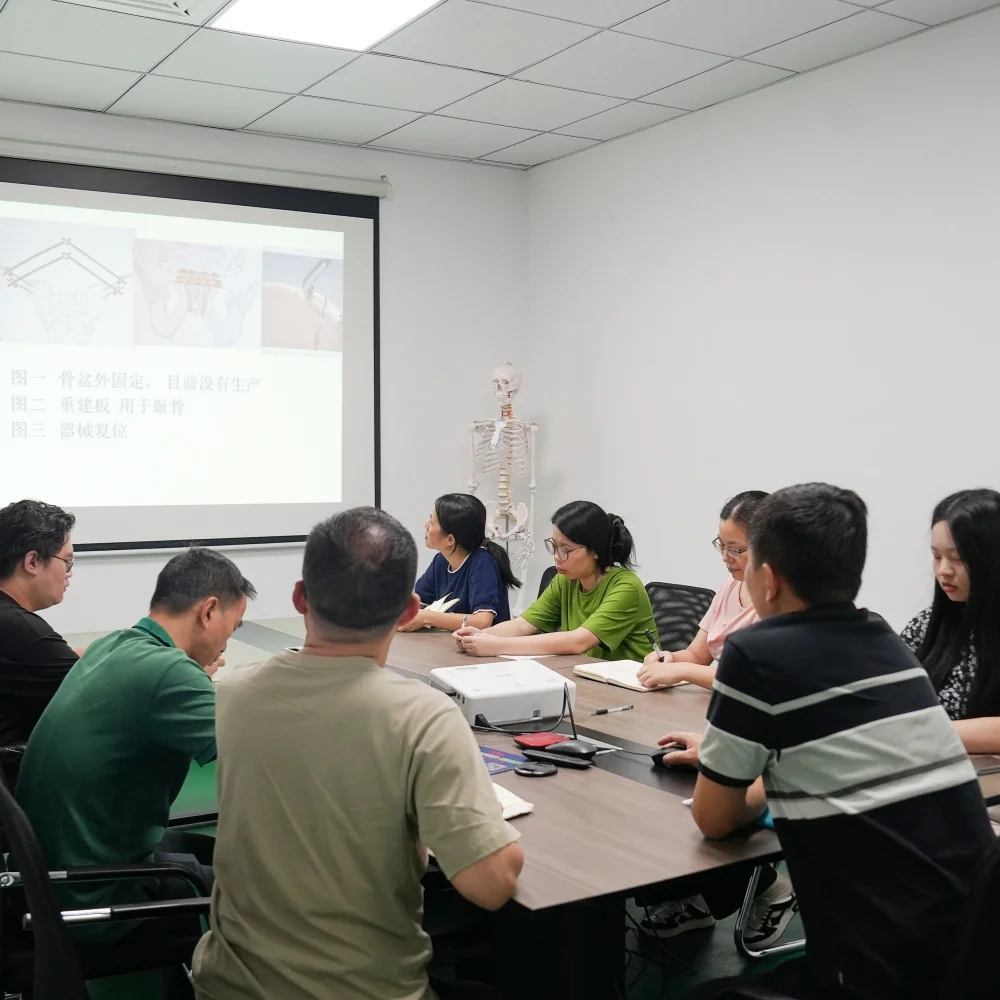
Xiamen Jinding Times Medical Technology Co., Ltd.
- Manufacturer
- Fujian, China
- Lead time0 days
- Avg. response≤ 2h
Main productsOEM Dental Implant,Dental Implant,Dental Implant Abutment,Healing Abutment,Dental Implant Components
Main marketsSoutheast Asia(60.00%), Central America(10.00%), Eastern Asia(10.00%), North America(10.00%), South America(10.00%)
Guangzhou Jinguanqiao Industry Co., Ltd.
- Verified by SGS
- Manufacturer/Factory
- China Guangdong
- Lead time15 days
- Avg. response≤ 3h
Main productsZirconia Crown and Bridge, Pfm Crown and Bridge, Dental Implant Crown and Bridge, Titanium Implant Framework Bar, Metal Framework Partial Dentures, Precision Attachment, All Ceramic Teeth, Emax Crown and Bridge, Emax Veneers, Acrylic Dentures
Main marketsEastern Europe,North America,Oceania,Western Europe

Great Fit Unbreakable Dental Ball-Socket Attachments with Metal Framework Acrylic Dentures
$1.00 - $2.00
MOQ: 1 Pieces

Dental Implant Ball Attachments Removable Dental Implant Material for Oral
$1.00 - $2.00
MOQ: 1 Pieces


Anterior Posterior Restorations Dental Pfm Crowns with Precision Attachments Ball Socket
$1.00 - $2.00
MOQ: 1 Pieces

$1.00 - $2.00
MOQ: 1 Pieces

China Dental Supplier Custom Cheap Price Ball Socket Precision Attachments Pfm Crowns Bridges
$1.00 - $2.00
MOQ: 1 Pieces
- Manufacturer/Factory
- China Shanghai
- Lead time0 days
- Avg. response≤ 12h
Main productsMedium and High-End CNC Precision Cutting Tool, Profile Fixture, Brazing Fixtures, Wear-Resistant Parts, High-Precision Accessories, Super-High Rust-Proof & High Precision Parts, Dental Instrument
Main marketsMid East,North America,Eastern Asia,Oceania,Western Europe
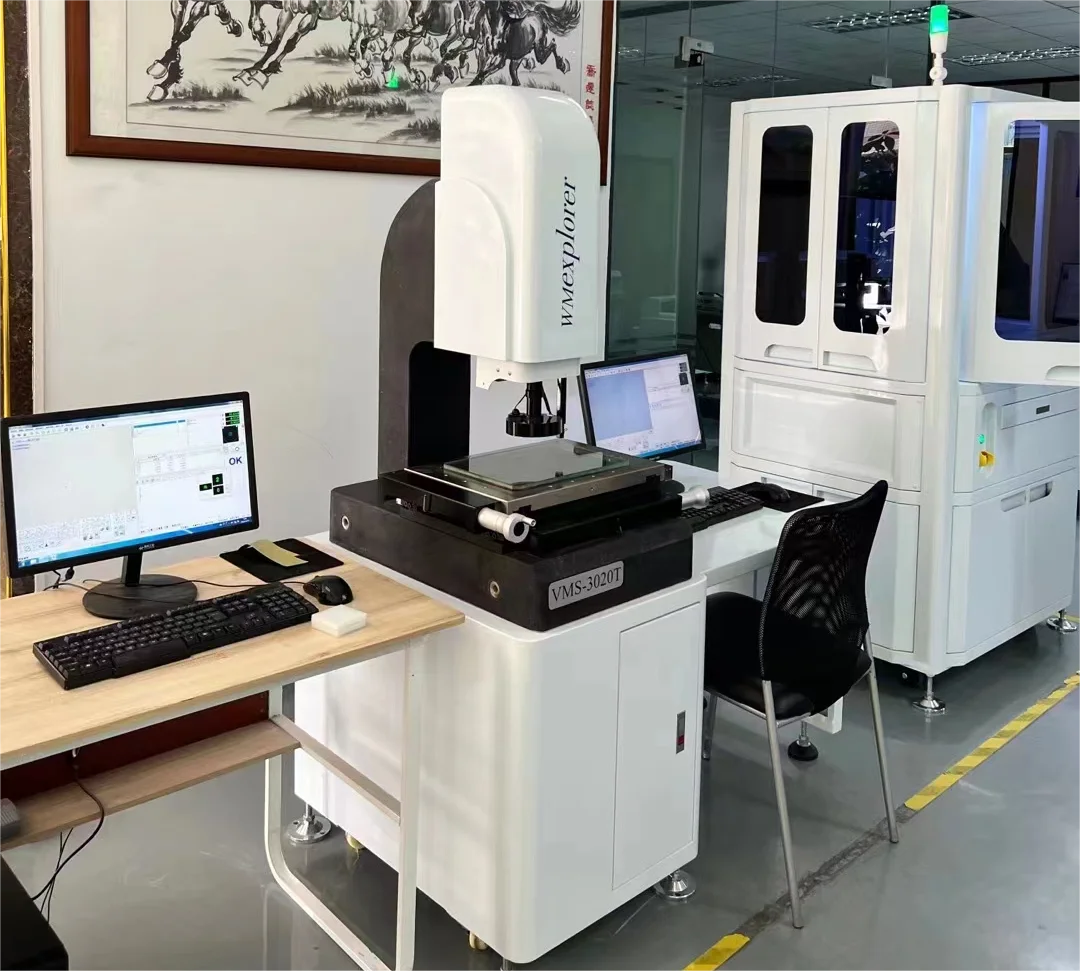
Shenzhen Hongjia Yunchuang Technology Co., LTD
- Trading Company, Agent, Other
- Guangdong, China
- Lead time7 days
- Avg. response≤ 2h
Main productspremill abutment,dental mua/digital/unit analog,dental implant accessories,dental surgical instruments,dental consumables
Main marketsEastern Europe(40.00%), North America(20.00%), Southeast Asia(20.00%), Mid East(10.00%), South America(10.00%)
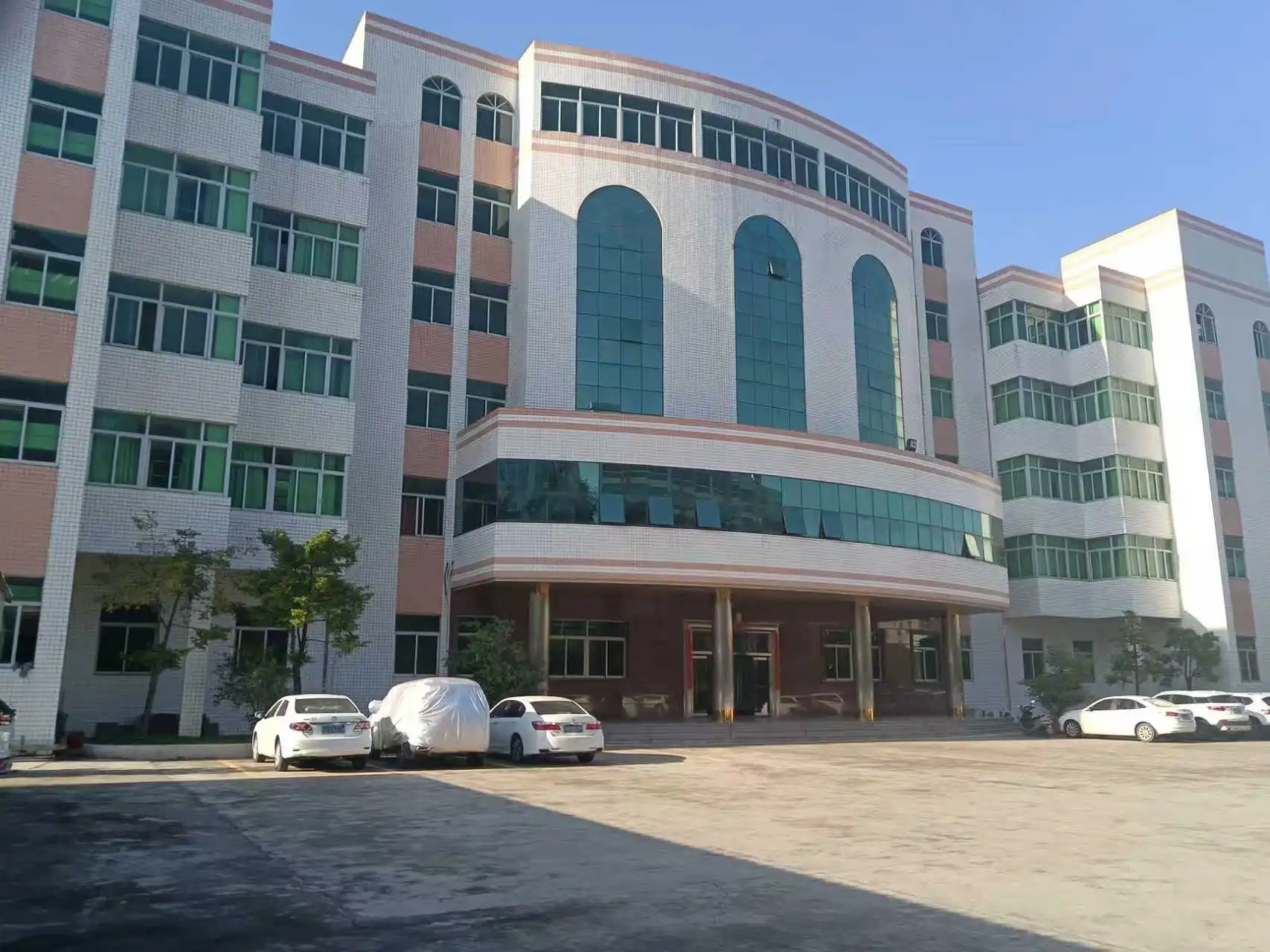
Shenzhen Haochuang Ming Technology Co., Ltd.
- Trading Company
- Guangdong, China
- Lead time30 days
- Avg. response≤ 5h
Main productsdentaI impIant,Vertical milling machine,Dental Zirconia,Dental surgical kit,Dental Milling Burs
Main marketsNorth America(20.00%), Western Europe(10.00%), Eastern Asia(10.00%), Mid East(10.00%), Oceania(10.00%), Africa(10.00%), Southeast Asia(10.00%), Eastern Europe(10.00%), South America(10.00%)
Dongguan Xinlonghong Hardware Co., Ltd.
- Verified by Intertek
- Manufacturer, Trading Company
- Lead time7 days
- Avg. response≤ 7h
Main productsMedical Hardware Devices, Dental Parts
Main marketsNorthern Europe(37%), Eastern Europe(30%), North America(23%)
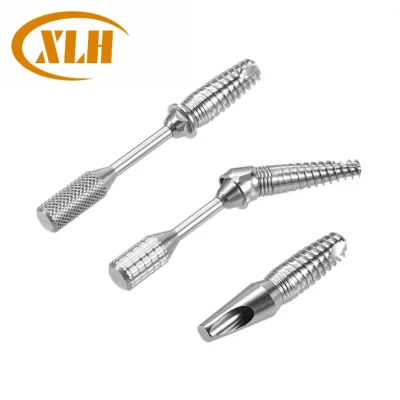
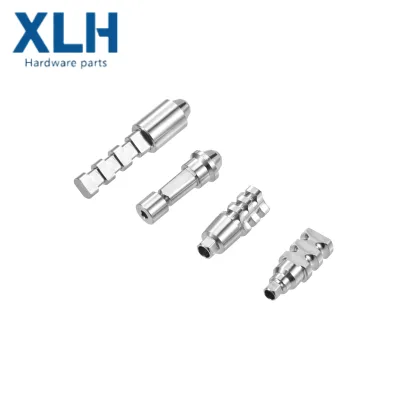
Dental Implant Ball Attachment Temporary Rotational Abutment Healing Abutment Multi-unit Abutment
$2.80 - $5.00
MOQ: 100 pieces
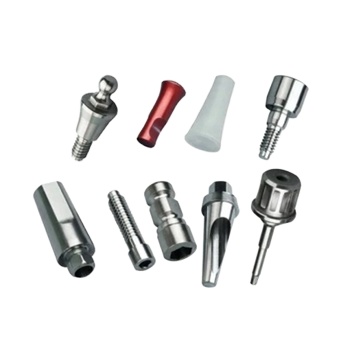
Professional China Factory Cheap Implant Ball Attachment Digital Analog for Dental Implant System
$0.01 - $0.03
MOQ: 1 Minimum
Wuhan Jinguang Medical Technology Co., Ltd.
- Verified by CTI
- Combined
- China Hubei
- Lead time23 days
- Avg. response≤ 11h
Main productsDental Equipment, Dental Lab Products, Dental Supplies, Medical Disposables, Dental Materials
Main marketsSouth America,Europe


Stainless Steel Dental Ball End Retainer Clasps 0.8mm 0.9mm for Partial Dentures
$0.45 - $0.55
MOQ: 100 Pieces

Stainless Steel Dental Manual Crown Remover with 3 Key Attachments Surgical Instrument
$21.00 - $23.00
MOQ: 1 sets

3 Keys Attachment Tips Stainless Steel Manual Dental Surgical Crown Removers
$21.00 - $24.00
MOQ: 1 Sets


Changzhou Shengkang Medical Instrument Co., Ltd.
- Verified by SGS
- Trading Company,Manufacturer/Factory
- China Jiangsu
- Lead time23 days
- Avg. response≤ 8h
Main productsDental Bib, Saliva Ejector, Micro Applicator, Disposable Dental Kit, Cotton Roll, Cheek Retractors, Disposable Impression Tray, Self-Sealing Sterilization Pouch, Disposable Ded Sheet, Cotton Gauze
Main marketsSouth America,Eastern Europe,Mid East,North America,Southeast Asia,Eastern Asia,Oceania,Western Europe,Africa

Tangshan UMG Medical Instrument Co., Ltd.
- Verified by BV
- Combined
- China Hebei
- Lead time23 days
- Avg. response≤ 2h
Main productsDental Handpiece, Dental Material, Dental Equipment, Dental Disposable Instrument, Dental Orthodontic, Dental Teach Simulation, Dental Prophy Angles, Latex Free Disposable Prophy Cups, Disposable Prophy Brush, Dental Unit
Main marketsSouth America,Africa,Southeast Asia/ Mideast,East Asia(Japan/ South Korea),Domestic,Europe,Australia,North America
Shenzhen Hongye Techonology Co., Ltd.
- Trading Company, Distributor/Wholesaler
- Guangdong, China
- Lead time0 days
- Avg. response≤ 3h
Main productsRestoration of abutments,transfer rod,screwdriver,Surrogate,protective cap
Main marketsNorth America(30.00%), Southeast Asia(10.00%), Eastern Europe(10.00%), Western Europe(10.00%), South America(5.00%)
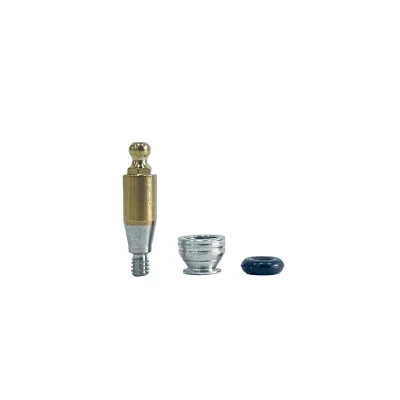
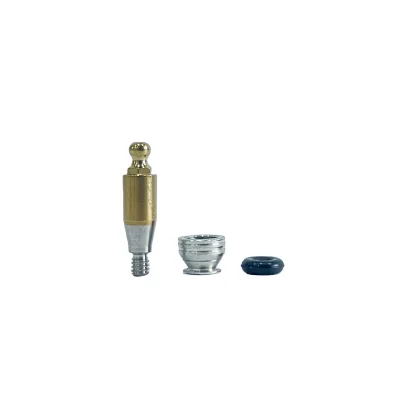
Top Quality Dental Ball Attachment Kit & Silicone & Housing Set for Dentium Osstem Nobel
$20.00 - $35.00
MOQ: 10
$13.34 - $15.39
MOQ: 10 pieces

- Verified by TUVRHEINLAND
- Trading Company,Manufacturer/Factory
- China Hubei
- Lead time23 days
- Avg. response≤ 18h
Main productsDental Equipment, Dental Supply, Dental Instrument, Dental Material, Dental, Dental Consumable, Dental Products, Dental Orthodontic, Dental Burs, Medical Supply
Main marketsSouth America,Eastern Europe,North America,Southeast Asia,Eastern Asia,Oceania,Western Europe
Shenzhen Jiechuang Dental Equipment Co., Ltd.
- Manufacturer, Trading Company, Distributor/Wholesaler
- Guangdong, China
- Lead time0 days
- Avg. response≤ 3h
Main productsDental Consumables,Dental Porcelain Powder,PEEK Dental Consumables,CAD/CAM Milling Machine,PMMA Dental Laboratory
Main marketsDomestic Market(40.00%), Southeast Asia(20.00%), North America(10.00%), Southern Europe(10.00%), Central America(10.00%), Mid East(10.00%)
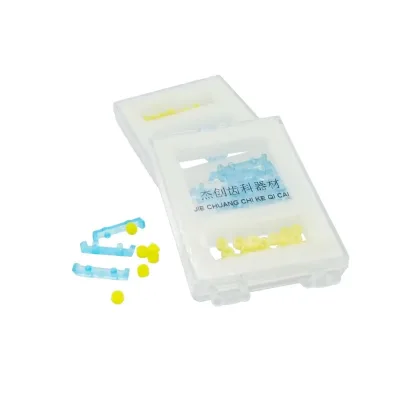
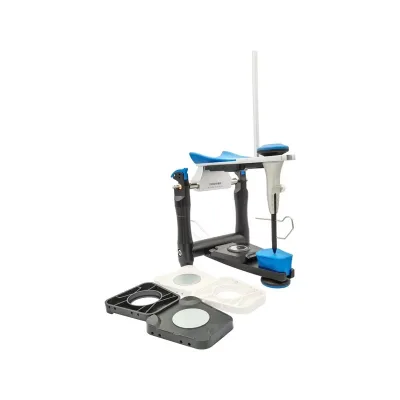
High Quality Dental Average Carbon Fiber Articulator Face Bow Kit Compatible
$76.00 - $86.00
MOQ: 1 pieces

- Verified by SGS
- Trading Company
- China Guangdong
- Lead time15 days
- Avg. response≤ 9h
Main productsDental Equipment, Dental Materials, Dental Intrument, Dental Files/Burs, Dental Unit, Dental Camera, Dental Disposable Products, Auticlace System
Main marketsOthers(foreignTradeCapacity.exportBusinessCapacityMarketOther),Southeast Asia/ Mideast,North America

Dental Chair Accessories Stainless Steel Quick Adapter Dental Scaler Coupling
$3.50 - $4.00
MOQ: 20 Pieces


Foshan Vimel Dental Equipment Co., Ltd.
- Verified by CTI
- Trading Company,Manufacturer/Factory
- China Guangdong
- Lead time0 days
- Avg. response≤ 5h
Main productsOral Scanner, Handpiece, LED Curing Light, Dental Scaler, Oil-Free Air Compressor, Dental Unit, X Ray Sensor, X Ray Unit, Dentist Stool, Endodontic Treatment Machine
Main marketsSouth America,Eastern Europe,Mid East,North America,Southeast Asia,Eastern Asia,Oceania,Africa

Foshan M&Y Medical Instrument Co., Ltd.
- Verified by BV
- Combined
- China Guangdong
- Lead time15 days
- Avg. response≤ 9h
Main productsDental Air Polisher, Dental Handpiece, Handpiece Spare Parts, Low Speed Handpiece, Dental Air Arbrasion, Dental Air Scaler, Dental Ar Heater, Ultrasonic Scaler, Dental Dust Collector, Apex Locator
Main marketsSouth America,Africa,Southeast Asia/ Mideast,Europe

$20.00 - $25.00
MOQ: 5 Pieces

High Quality 2.38mm Ceramic Ball Dental Handpiece Bearings for Cartridge Rotors
$1.15 - $2.20
MOQ: 50 Pieces

Dental Handpiece Cartridge Spindle Shaft and Accessories High Quality All Brand
$15.00 - $25.00
MOQ: 10 Pieces
Guangzhou Morton Technology Co., Ltd.
- Verified by SGS Group
- Trading Company
- Lead time15 days
- Avg. response≤ 2h
Main productsDental Zirconia, Dental Glass Ceramic , Dental Implant Products, Dental Porcelain Powder, Dental Articulator
Main marketsEastern Europe(35%), South America(31%), Central America(20%)
Shanghai Kalti Medical Devices Co., Ltd.
- Trading Company
- Shanghai, China
- Lead time0 days
- Avg. response≤ 6h
Main productsRainbow Canal File; Blue DS Reciprocating File; Gold Safe Rotary File, Dental Resin Model; Dental Napkin
Main marketsNorth America(30.00%), Southeast Asia(30.00%), South America(20.00%), Western Europe(20.00%)
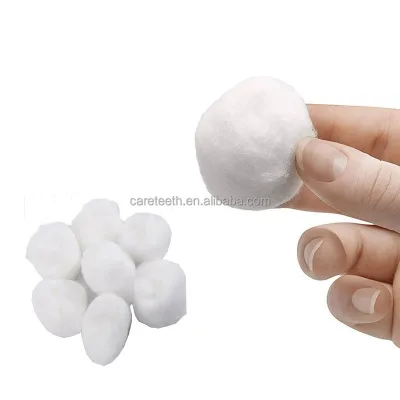
Dentist Equipment Tasteless Defatted Cotton Skin Disinfection Dental Cotton Roll
Contact supplier
MOQ: 10 Minimum

NINGBO CAREST MEDICAL INSTRUMENT CO., LTD.
- Trading Company,Manufacturer/Factory
- China Zhejiang
- Lead time15 days
- Avg. response≤ 25h
Main productsMicro Applicator, Dental Bib, Saliva Ejector, Prophy Brush, Barrier Film, Dental Burs, Gutta Percha Points, Dental Irrigation Needle, Dental Needle, Dental Impression Material
Main marketsSouth America,Eastern Europe,Mid East,North America,Southeast Asia,Eastern Asia,Oceania,Western Europe,Africa

Foshan Vokodak Medical Equipment Co., Ltd.
- Verified by TUVRHEINLAND
- Trading Company,Manufacturer/Factory
- China Guangdong
- Lead time23 days
- Avg. response≤ 10h
Main productsDental Equipment, Dental Chair, Dental Handpiece, Dental Products, Dental Cameral, Dental Compressor, Dental Dimond Burs, Dental File, Utrasonic Scaler, Dental Unit
Main marketsSouth America,Eastern Europe,Mid East,North America,Southeast Asia,Eastern Asia,Oceania,Western Europe,Africa

- Verified by TUVRHEINLAND
- Combined
- China Hebei
- Lead time15 days
- Avg. response≤ 6h
Main productsEndodontic Instruments, Orthodontic, Dental Photography, Denture Box, Dental Micro Applicator, Dental Instrument Container, Hygiene and Protection, Cheek Retractor Mouth Prop, Dental Impressions, Acrylic
Main marketsNorth America
Hangzhou Jukang Medical Devices Co., Ltd.
- Trading Company
- Zhejiang, China
- Lead time7 days
- Avg. response≤ 3h
Main productsDental Ceramic Powder; Glass Ceramics; Synthetic Resin Teeth; Metal Alloy Powder; Zirconia Block
Main marketsEastern Europe(51.63%), Africa(10.51%), Southeast Asia(8.99%), North America(6.00%), South America(5.67%), Domestic Market(5.46%), Northern Europe(4.00%), Mid East(3.65%), South Asia(2.53%), Oceania(0.85%), Eastern Asia(0.71%)
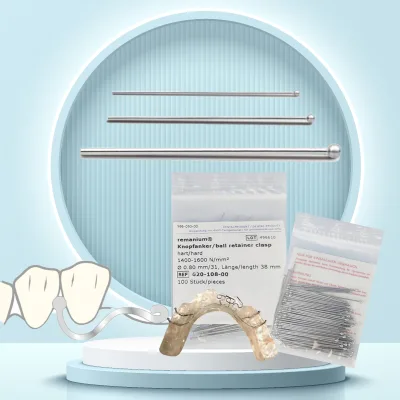
Manual Orthodontic Clearance Ball with Stainless Steel Wire for Dental Use-Adjacent to Sulcus
$68.40 - $70.80
MOQ: 100 bags
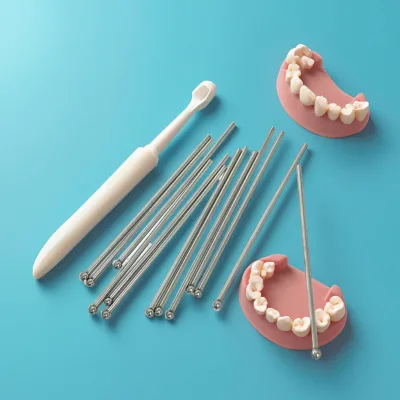
Dentaurum Manual Stainless Steel Orthodontic Gap Balls for Dental Correction (Sizes 0.7-0.9mm)
$101.79 - $104.24
MOQ: 1 packs

Foshan SCS Medical Instrument Co., Ltd.
- Verified by BV
- Manufacturer/Factory
- China Guangdong
- Lead time15 days
- Avg. response≤ 6h
Main productsDental Unit / Dental Chair, Ent Unit, Dental Handpiece, Curing Light, Autoclave, Air Compressor, Scaler, Oral Camera / Monitor, X-ray Equipment, Diamond Burs / Files
Main marketsSouth America,Eastern Europe,Mid East,North America,Southeast Asia,Eastern Asia,Oceania,Western Europe,Africa

Durable Medical Instrument Dental Handpiece with Quick Coupling for Dentists
$30.00 - $35.00
MOQ: 1 Pieces


Bestdent Foshan Medical Equipment Co., Ltd.
- Verified by BV
- Manufacturer/Factory
- China Guangdong
- Lead time15 days
- Avg. response≤ 6h
Main productsDental Handpiece, Dental Implant Handpiece, Dental Implant Universal Kit, Dental Burs, Dental Files, Dental Loupes, Dental Curing Light, Dental Electric Motor, Dental Chair, Other Dental Equipmnet
Main marketsSouth America,Eastern Europe,Mid East,North America,Southeast Asia,Eastern Asia,Western Europe


Dental Handpiece Cartridge Ball Bearing Dental Handpieces High Speed Handpiece Spare Parts
$8.00 - $15.00
MOQ: 10 Pieces


Wholesale Dental Handpiece Accessories Internal Straight Handpiece for Dentist
$40.00 - $70.00
MOQ: 1 Pieces

Factory Supply Quick Coupling Dental Equipment Dental High Speed Handpieces
$35.00 - $50.00
MOQ: 1 Pieces

Stardent Equipment Co., Limited
- Verified by SGS
- Trading Company
- China Guangdong
- Lead time15 days
- Avg. response≤ 10h
Main productsDental Equipment/Medical Equipment, Dental Instrument/Lab Equipment, Hospital Equipment/Surgical Instrument, Dental Unit/Medical Supply/Diagnostic Equipment, Dental Handpiece/Dental Supply, Dental Chair/Dental Chair Unit/Medical Supply, Dental Material/Medical Products, Dental Product/Ultrasonic Cleaner, Dental Burs/Diamond Burs/Lab Equipment, Teeth Whitening Machine/Surgical Equipment
Main marketsSoutheast Asia/ Mideast,Europe,North America

Dental Equpments Dental Handpiece Adaptor/2 to 4 Holes Connector for High Speed Use
$1.80 - $2.00
MOQ: 10 Pieces


New Arrival Dental Molar Rubber Dam Clamp Endodontic Restorative Instruments
$1.20 - $1.50
MOQ: 50 Pieces

$1.40 - $1.70
MOQ: 50 Pieces
Foshan Asin Dental Equipment Co., Limited
- Verified by TüVRheinland
- Trading Company
- Lead time7 days
- Avg. response≤ 3h
Main productsHigh Speed & Low Speed Handpiece, Endo Motor & Apex Locator, Dental Loupes & Headlight, Air Prophy, Micromotor
Main marketsSouth America(20%), Western Europe(20%), Mid East(15%)
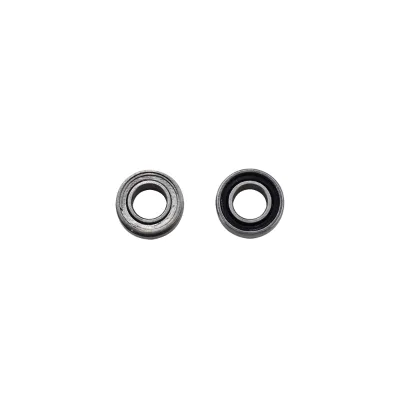
$26.69 - $32.87
MOQ: 100 bags
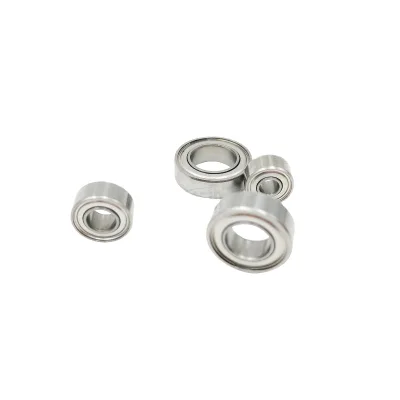
Ceramic Ball High Quality with Staless Cover 3.175*6.35*2.78 mm Stepped Bearing
$2.50 - $3.80
MOQ: 10 pieces


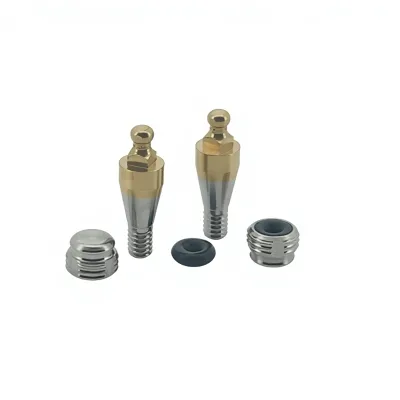
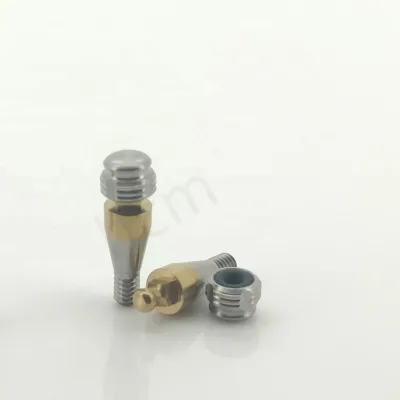
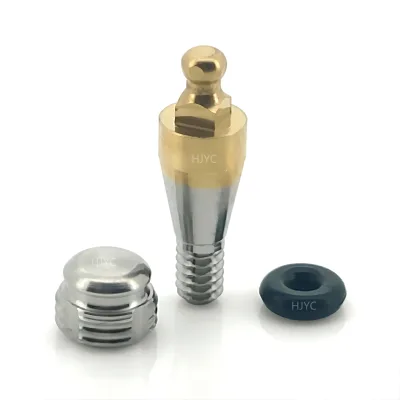
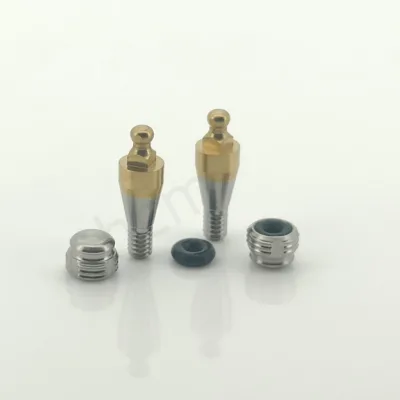




Comprehensive Sourcing Guide
CE Certified Dental Ball Attachment Supplier Concentration and Factory Types
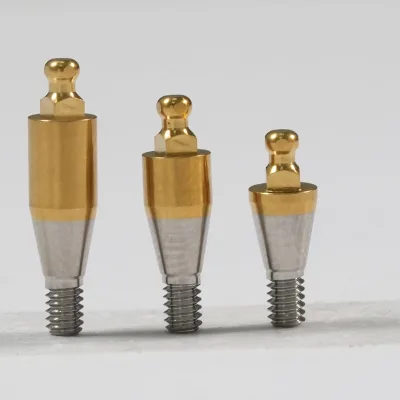
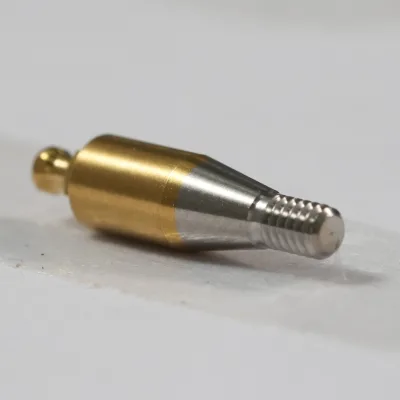
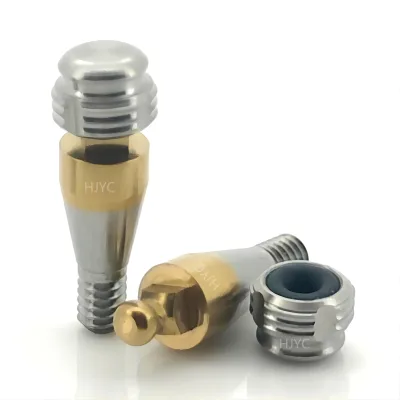
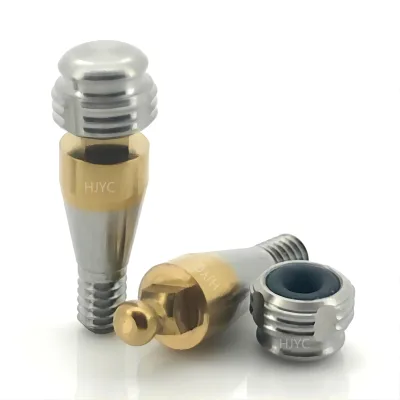
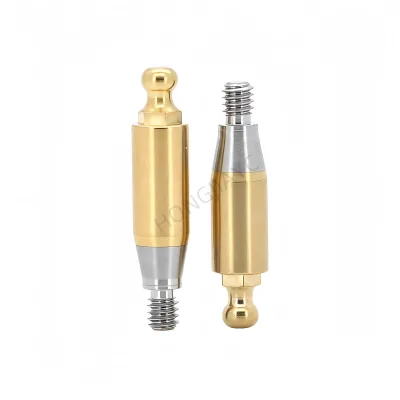
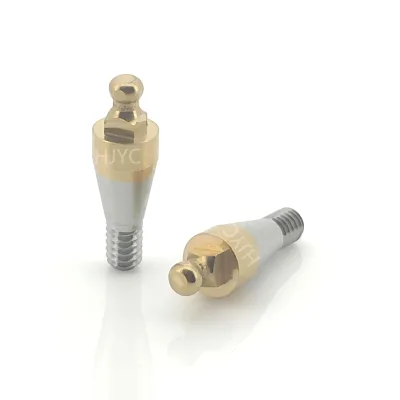
Current data indicates a concentration of manufacturers in Fujian, China, alongside facilities in Guangdong, China, specifically for dental implant components and ball attachments. These regions host companies classified as manufacturers or factories that produce OEM dental implants, abutments, and compatible drivers. Some suppliers in these clusters list main products including dental implant multi-abutments and ball attachment sets, often specifying Grade 5 Titanium or Stainless Steel materials. The presence of these specific product lines suggests a specialized manufacturing ecosystem rather than general trading companies. Buyers should verify if a supplier's listed location matches their actual factory address, as some entities may list a trading hub while manufacturing elsewhere.
Factory types vary from pure manufacturers to those offering OEM and ODM services with their own brands. Evidence shows suppliers with capabilities for customizing implant frameworks and crowns, alongside those focusing strictly on consumables like ball attachment drivers. Some facilities report having over 150 technicians and advanced processing methods such as 3D laser printing and CNC cutting. When evaluating concentration, buyers must distinguish between suppliers who only assemble components and those who manufacture the raw titanium or steel parts. The distinction is critical for quality control, as the origin of the material often dictates the final product's biocompatibility and durability.
How to Verify CE Certified Dental Ball Attachment Suppliers
Verification begins by cross-referencing the specific certification numbers provided in product attributes against official regulatory databases. Evidence shows suppliers listing CE, CFDA, ISO, and CB certifications, but the validity of these claims requires independent confirmation. Buyers should request the full certificate document and check the license number, such as "ce" or specific ISO standards like ISO 13485, to ensure they are current and not expired. Some listings mention Class II instrument classification for implants and Class I for drivers, which must align with the intended use and local regulations of the buyer's market. Relying solely on a badge or a keyword in a product title is insufficient for compliance assurance.
Beyond certifications, buyers must assess the supplier's verification status and response capabilities. Data indicates some suppliers are verified by third-party agencies like SGS, which adds a layer of credibility to their operational claims. Response times vary, with some suppliers indicating a two-day or three-day turnaround for inquiries, while others may be slower. A verified supplier should provide clear contact channels and demonstrate knowledge of the specific product, such as the difference between a ball abutment and a ball attachment driver. Buyers should also check for evidence of after-sale services, such as return and replacement policies, which indicate a commitment to product quality and customer support.
What to Compare Across CE Certified Dental Ball Attachment Suppliers
When comparing suppliers, key dimensions include minimum order quantities, lead times, and pricing structures. Evidence reveals MOQs ranging from one unit to two units for various items, with some suppliers offering single-item selling units. Lead times also vary significantly, with some manufacturers stating a 15-day production window while others list zero days, which may indicate stock availability or a need for clarification. Buyers should compare these figures directly to determine which supplier can meet their specific volume and timing requirements without compromising on quality. Price ranges observed span from approximately $1.00 to $2.67, depending on the material and certification level.
Response speed and main product focus are also critical comparison points. Suppliers with faster response times, such as those indicating a two-day reply, may offer better communication during the sourcing process. The main products listed by a supplier can indicate their specialization; some focus on dental implant components while others offer a broader range of dental prosthetics like crowns and bridges. Buyers should prioritize suppliers whose primary output aligns with their specific needs, such as Grade 5 Titanium ball attachments versus stainless steel drivers. Additionally, comparing warranty periods, such as the three-year warranty found on some titanium products, helps assess long-term value and risk mitigation.
Common CE Certified Dental Ball Attachment Sourcing Risks
One significant risk involves the discrepancy between claimed certifications and actual regulatory compliance. While many listings mention CE or ISO standards, the specific instrument classification, such as Class I or Class II, must match the product's intended medical use. A mismatch can lead to customs seizures or legal issues in the destination country. Buyers must ensure that the "Quality Certification" listed, whether it is CB, CE, or ISO, is valid for the specific product type and not just a generic claim. Relying on unverified claims without requesting physical documentation can result in receiving non-compliant goods that cannot be sold in regulated markets.
Another risk is the inconsistency in lead times and stock availability. Some suppliers list a lead time of zero days, suggesting immediate shipment, while others indicate a 15-day production cycle. This variance can disrupt supply chains if a buyer assumes immediate availability based on a zero-day claim that actually requires manufacturing. Furthermore, the "Place of Origin" listed in product attributes may differ from the actual manufacturing site, leading to confusion regarding quality standards and shipping logistics. Buyers should verify the actual stock status and production capacity to avoid delays that could impact their own clinical or retail operations.
CE Certified Dental Ball Attachment Regional Sourcing and Logistics
Sourcing from Fujian and Guangdong regions offers access to established manufacturing clusters for dental components. These areas are known for producing titanium alloys and stainless steel medical devices, with suppliers often utilizing transportation methods like FedEx, DHL, TNT, and EMS. The proximity of these factories to major ports facilitates efficient shipping, but buyers must confirm the specific shipping terms and costs associated with each supplier. Some listings mention single package sizes of 1x1x1 cm or 12x10x3 cm, which affects packaging and freight calculations. Understanding the logistics network of the supplier's region is essential for accurate cost estimation and delivery planning.
Logistics planning should also account for the specific requirements of medical devices, such as shelf life and sterilization status. Evidence shows some products have a shelf life of one year and are non-sterile, requiring specific handling during transport. Buyers must ensure that the chosen logistics provider can maintain the integrity of the product during transit, especially for items like ball attachments that may be sensitive to physical damage. The transportation method selected, whether air or sea freight, will impact the total cost and delivery time. Buyers should verify if the supplier offers insurance or tracking services to mitigate the risk of loss or damage during the shipping process.
CE Certified Dental Ball Attachment Commercial Terms and Order Planning
Commercial terms vary significantly among suppliers, with payment methods including PayPal, TT, and Moneygram. Buyers should clarify the payment schedule and any escrow options available to protect their funds until the goods are received and verified. Some suppliers offer customization services, which may require a deposit or a specific order timeline. Understanding the payment terms is crucial for cash flow management, especially when dealing with international transactions. Buyers should also inquire about the return policy and after-sale service details, such as the "Return and Replacement" options mentioned in some product attributes, to ensure they have recourse in case of defects.
Order planning must consider the minimum order quantities and the potential for bulk discounts. With MOQs as low as one unit, buyers can test the market with small orders before committing to larger volumes. However, for consistent supply, planning for larger orders may be necessary to secure better pricing and prioritize production slots. Buyers should also factor in the turnaround time for custom orders, which can range from two to three days for some services to longer periods for others. Effective order planning involves balancing the need for immediate stock with the benefits of custom manufacturing, ensuring that the supply chain remains resilient and responsive to market demands.
FAQs
What does CE certification cover for a dental ball attachment?
CE certification indicates the product meets applicable European regulatory requirements for medical devices, including design, materials, and safety controls. Listings here reference CE documentation on Class I and Class II ball attachment products. Buyers should request the actual certificate, verify the notified body, and confirm the certification scope matches the specific attachment model before ordering.
What is the typical minimum order quantity for these attachments?
Minimum order quantities in the current listings are low, with some ball abutment sets available from a minimum of 2 pieces and screwdriver-type products from 1 piece. This suits clinics and small labs testing compatibility. Always confirm the MOQ for the exact size, gingival height, and connection type you need, since requirements can vary by product variant.
Which material should I expect for a quality ball attachment?
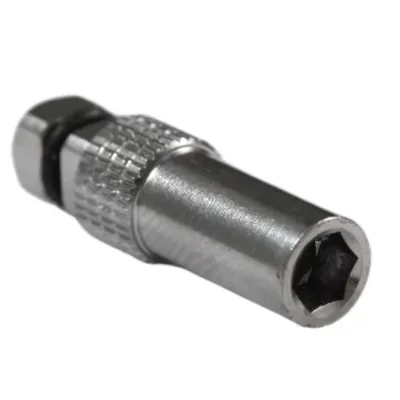
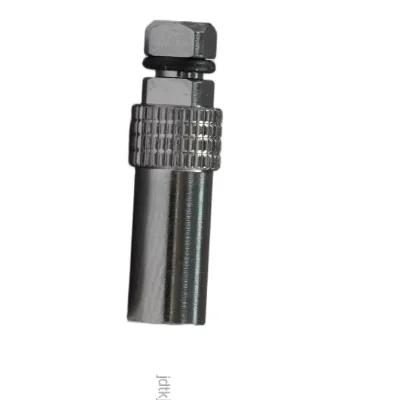
Grade 5 titanium alloy is the material most frequently listed for ball abutment sets, while stainless steel appears mainly for matching screwdrivers and drivers. Grade 5 titanium offers strength and biocompatibility suitable for intraoral use. Check the material specification on the product page, confirm it in writing, and request material traceability documents before confirming any order.
Are these ball attachments compatible with Dentium or Osstem implants?
Several listed products are described as Dentium or Osstem compatible, including straight Grade 5 titanium ball attachments and housing kits. Compatibility should be confirmed against your implant system, diameter, and platform before purchase. Ask the supplier for the connection dimensions, review sample units, and verify fit on your specific abutment level to avoid costly mismatches.
How long does production and delivery usually take?
One verified manufacturer on this page lists a lead time of 15 days, while some dental lab products advertise a 2 to 3 day turnaround for custom cases. Actual timing depends on order size, customization, and shipping method such as FedEx, DHL, TNT, or EMS. Confirm production time and transit estimates in writing before placing your order.
What price range should buyers expect for ball attachments?
Listed prices on this page range from about one to roughly three US dollars per unit, depending on whether you order titanium ball abutment sets or stainless steel drivers. Small MOQs make samples affordable. Treat these figures as reference points, request a formal quotation for your exact sizes and quantities, and confirm what packaging and documentation are included.
Do suppliers offer warranties or after-sale support?
Yes, some ball abutment set listings state a 3-year warranty with return and replacement service. Warranty terms are supplier specific, so read the stated policy carefully and record it in your purchase agreement. Clarify what conditions trigger a replacement, whether shipping costs are covered, and how quality claims are documented and processed before you commit.
Which supplier locations are common for these products?
The current listings show suppliers located in Guangdong and Fujian, China, covering both manufacturers and factory-type suppliers. Guangdong listings include titanium abutment sets, while Fujian suppliers focus on drivers and screwdrivers. Location affects shipping time and cost, so consider it alongside response speed, certification status, and product fit when shortlisting potential partners.