Modbus RTU 4G Data Logger Suppliers and Manufacturers
Source 13 verified suppliers for Modbus RTU 4G Data Logger solutions. Compare key dimensions including location, lead time, response time, certifications, and pricing to identify the right partner for your industrial monitoring needs; review the available evidence before requesting comparable quotations from suitable candidates.
Suppliers List

Hangzhou Supmea International Trading Co., Ltd.
- Verified by BV
- Trading Company
- China Zhejiang
- Lead time15 days
- Avg. response≤ 7h
Main productsPaperless Recorder, Chart Recorder, Pressure Transmitter, Level Transmitter, Electromagnetic Flowmeter, Temperature Transmitter, Signal Generator, Pressure Sensor, Paper Recorder, Level Recorder
Main marketsSouth America,Africa,Southeast Asia/ Mideast,East Asia(Japan/ South Korea),Europe,Australia,North America


Compact Paperless Recorder Pressure Temperature Monitoring Data Logger
$150.00 - $350.00
MOQ: 1 Pieces

RS485 Environmental Paperless Recorder Data Logger for Wastewater & Emission Monitoring
$150.00 - $360.00
MOQ: 1 Pieces

16-Channel Industrial Paperless Chart Recorder High-Accuracy Data Logger
$200.00 - $490.00
MOQ: 1 Pieces

8 Channel Energy Data Logger for Voltage Current Industry Paperless Recorder
$150.00 - $360.00
MOQ: 1 Pieces

High-Capacity Industrial Effluent Flue Gas Monitoring Paperless Recorder Data Logger
$180.00 - $390.00
MOQ: 1 Pieces

- Trading Company
- Hong Kong S.A.R.
- Lead time7 days
- Avg. response≤ 2h
Main products4G Data Logger,Wireless Temperature Sensor,Wireless Logger,Wireless Temperature Logger,Wireless RS485 Modbus
Main marketsWestern Europe(20.00%), North America(20.00%), South America(10.00%), Mid East(10.00%), Eastern Europe(10.00%), Africa(5.00%), South Asia(5.00%), Southern Europe(5.00%), Northern Europe(5.00%), Central America(5.00%), Southeast Asia(5.00%)
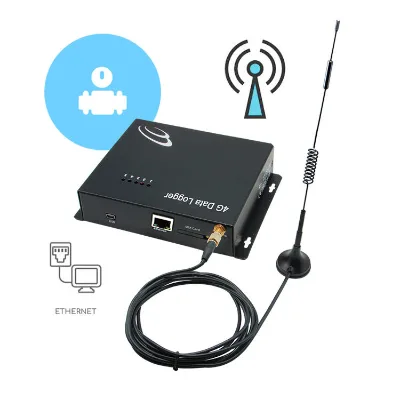
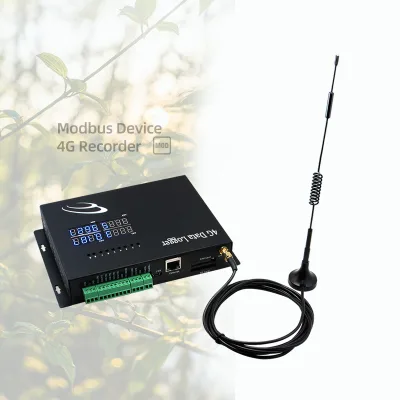
Modbus Device 4G Recorder gsm temperature rtu and solar water pump data logger
$102.20 - $204.39
MOQ: 1 Minimum
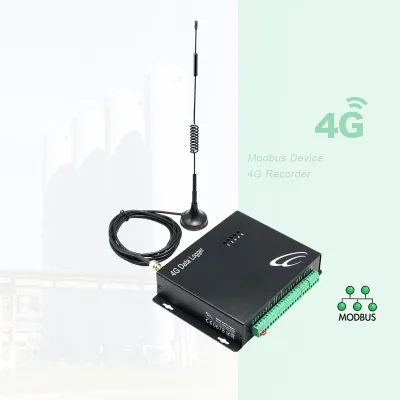
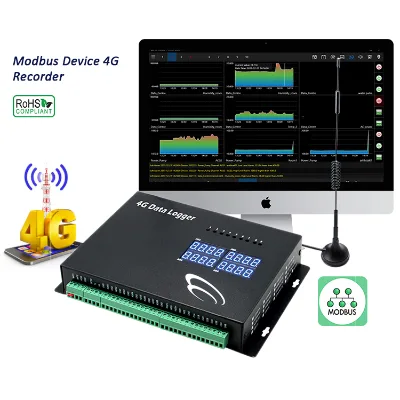
4-20mA RS485 Data Logger Modbus Datalogger Temperature Pressure Voltage and Current Data Recorder
$100.00 - $200.00
MOQ: 1 Minimum
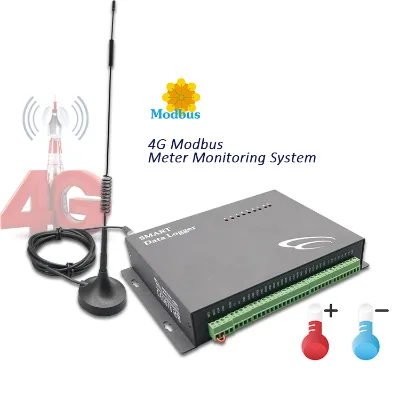
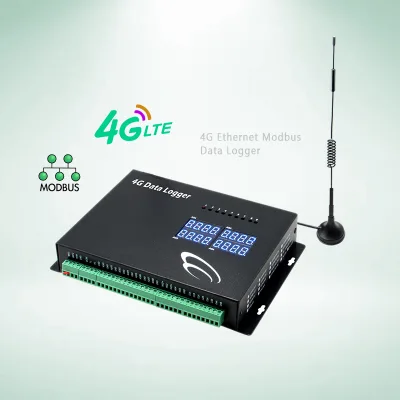
High quality 4G Ethernet Modbus energy logger monitor pulse counter rs485 data logger
$102.76 - $205.53
MOQ: 1 Minimum

Shenzhen Toprie Electronics Co., Ltd.
- Verified by SGS
- Manufacturer
- China Guangdong
- Lead time15 days
- Avg. response≤ 4h
Main productsPressure Sensor, Power Meter, Sensor, Temperature Sensor, Level Transmitter, Paperless Recorder, Iiot Gateway, Data Logger, Data Acquisition Module, Liquid Level Sensor
Main marketsEurope,North America

TZONE DIGITAL TECHNOLOGY CO., LTD.
- Combined
- China Guangdong
- Lead time23 days
- Avg. response≤ 4h
Main productsGPS Tracker, GPS, Tracking Software
Main marketsSouth America,Africa,Southeast Asia/ Mideast,East Asia(Japan/ South Korea),Europe,Australia,North America


Data Logger Temperature Humidity RS485 Temperature Sensors with Modbus RTU Protocol
$12.00 - $15.00
MOQ: 2 Pieces


Iot WiFi Temperature Sensor Data Logger Real Time Temperature Monitoring
$144.00 - $155.00
MOQ: 10 Pieces

Shandong Renke Control Technology Co., Ltd.
- Verified by CTI
- Combined
- China Shandong
- Lead time23 days
- Avg. response≤ 6h
Main productsSoil Sensor, Wind Sensor, Weather Station
Main marketsSoutheast Asia/ Mideast,East Asia(Japan/ South Korea),Domestic,Europe,Australia,North America


RJ45 Ethernet Port Temperature and Humidity Sensor Data Logger with 65000 Records
$53.50 - $71.00
MOQ: 1 Pieces

Shanghai Total Industrial Co., Ltd.
- Verified by SGS
- Manufacturer/Factory
- China Shanghai
- Lead time0 days
- Avg. response≤ 24h
Main productsFeeder Clamp, Weather Shield Enclosure, Rubber Grommet, Hoisting Grip, Cable Entry, Flexible Jumper Cable, Cablen Ties, Terminal Lugs, Conduit and Fittings, Hole Saw

GSM Alarm Temperature and Humidity Data Logger
MOQ: 1 Pieces

MOQ: 1 Pieces

Zhengzhou Freshliance Electronics Corp., Ltd
- Verified by BV
- Combined
- China Henan
- Lead time15 days
- Avg. response≤ 2h
Main productsUSB Temperature Data Logger, Temperature Humidity Data Logger, Wireless Temperature Humidity Data Logger, Ultra Low Temperature Data Logger, Time Temperature Indicator
Main marketsAfrica,Others(foreignTradeCapacity.exportBusinessCapacityMarketOther),Southeast Asia/ Mideast,Europe,North America
Shenzhen Beilai Technology Co., Ltd.
- Manufacturer
- Guangdong, China
- Lead time3 days
- Avg. response≤ 3h
Main productsIoT Gateways,Ethernet Remote I/O Module,4G Industrial VPN Router,4G M2M RTU,Industrial Computer
Main marketsNorth America(15.00%), Western Europe(13.00%), Eastern Europe(12.00%), Southern Europe(10.00%), Southeast Asia(8.00%), Northern Europe(8.00%), Oceania(8.00%), South America(8.00%), Africa(5.00%), Mid East(4.00%), Domestic Market(3.00%), South Asia(3.00%), Central America(2.00%), Eastern Asia(1.00%)
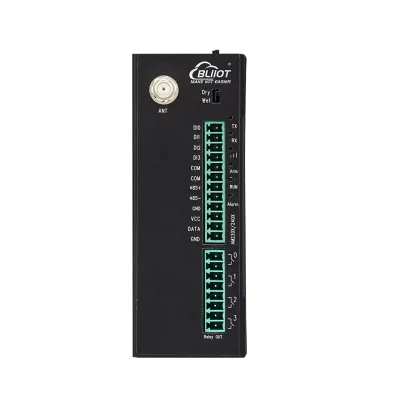
Smart 4G IO Module Remote Monitoring and Control RTU for Refrigerator Temperature Data Logger
$114.00 - $154.00
MOQ: 1 pieces
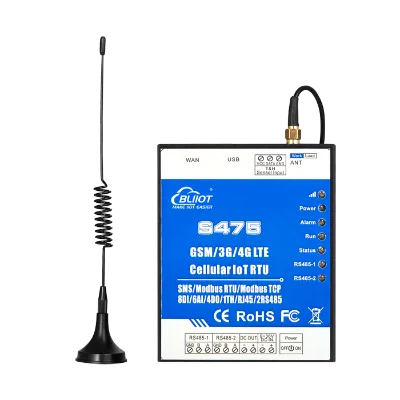
Manufacturers Data Acquisition Module Rs485 Modbus Rtu Dtu Gateway for Temperature Monitoring
$155.10 - $206.84
MOQ: 1 pieces
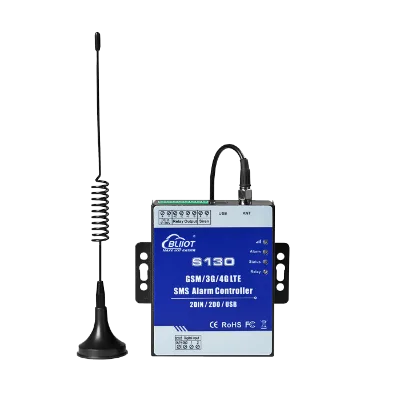
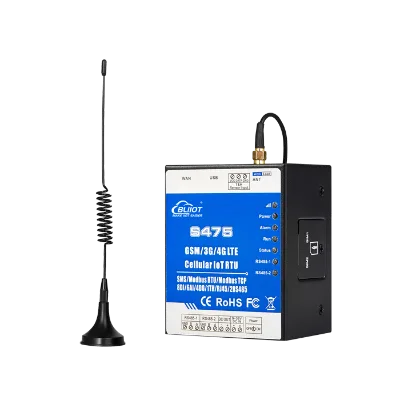
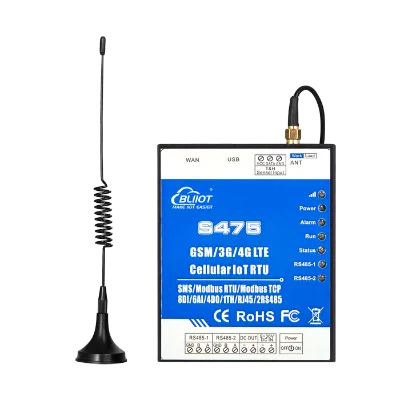
Gsm Wifi 4g Gprs Ethernet Modbus Rs485 Rtu Data Logger S130
$76.00 - $94.00

Shenzhen Yowexa Measurement Technology Co., Ltd.
- Verified by SGS
- Manufacturer/Factory
- China Guangdong
- Lead time23 days
- Avg. response≤ 13h
Main productsCoating Thickness Gauge, Data Logger, Temperature Humidity Monitor, Air Quality Monitor, Thermometer, Yw Meter
Main marketsSouth America,Eastern Europe,North America,Southeast Asia

Wuhu Jujie International Trade Co., LTD
- Verified by TUVRHEINLAND
- Trading Company,Manufacturer/Factory
- China Anhui
- Lead time15 days
- Avg. response≤ 3h
Main productsLiquid Turbine Flow Meter, Electromagnetic Flow Meter, Vortex Flow Meter, Pression Vortex Flow Meter, Gas Turbine Flow Meter, Data Recorder, Ultrasonic Fow Meter, Ultrasonic Level Meter, Oval Gear Flow Meter, Batch Filling Controller
Main marketsSouth America,Eastern Europe,Mid East,North America,Southeast Asia,Eastern Asia,Oceania,Western Europe,Africa

$360.00 - $400.00
MOQ: 1 Pieces


Anhui Huazhong Industrial Control Intelligent Equipment Co., Ltd.
- Trading Company,Manufacturer/Factory
- China Anhui
- Lead time15 days
- Avg. response≤ 5h
Main productsFlowmeter, Pressure Sensor, Level Sensor, Temperature Sensor, Signal Isolator, Isolated Safety Barrier, Current Sensor, Voltage Sensor
Main marketsSouth America,Eastern Europe,Mid East,North America,Southeast Asia,Eastern Asia,Oceania,Western Europe,Africa

$200.00 - $500.00
MOQ: 1 Pieces


Shenzhen Sunyuan Technology Co., Ltd.
- Combined
- China Guangdong
- Lead time15 days
- Avg. response≤ 6h
Main products4-20mA Converter, 0-5V to 4-20mA Converter IC, 4-20mA to 0-10V, 4-20mA to 0-5V, RS232 to 4-20mA, RS485 to 4-20mA, 4-20mA to RS232/RS485 Converter, a-D/D-a Converter, PWM to 4-20mA Converter, PT100 to 4-20mA Transmitter
Main marketsSouth America,Southeast Asia/ Mideast,Europe,North America

$62.00 - $65.00
MOQ: 1 Pieces

RS485 RS232 to Analog Signal Modbus RTU Communication Protocol Isolation Converter Data Collection
$62.00 - $65.00
MOQ: 1 Pieces

Henan Bingsheng Industrial Co., Ltd.
- Verified by SGS
- Combined
- China Henan
- Lead time15 days
- Avg. response≤ 2h
Main productsSensor
Main marketsSouth America,Southeast Asia/ Mideast,Domestic,Europe,North America

Advanced Online Data Logger Supports Four Simultaneous Sensor Connections for Real-Time Monitoring
$223.00 - $246.00
MOQ: 2 Pieces

High-Performance Online Data Logger with Four Simultaneous Sensor Ports for Accurate Data Collection
$223.00 - $246.00
MOQ: 2 Pieces


Comprehensive Sourcing Guide
Modbus RTU 4G Data Logger Supplier Concentration and Factory Types
Current search results indicate a distinct concentration of suppliers operating from China Zhejiang, where manufacturers and trading companies offer a wide array of electronic components including paperless recorders and various transmitters. These entities frequently list main products such as Modbus RTU data loggers, pressure sensors, and wireless temperature loggers, suggesting a specialized industrial cluster in this region. The presence of trading companies within this group implies that some sellers may aggregate products from multiple factories rather than manufacturing every component in-house. Buyers should verify whether the listed entity is a direct manufacturer or a trading intermediary by examining their company type designation and product portfolio depth.
In contrast, other results show suppliers based in Hong Kong S.A.R. that focus heavily on wireless communication modules and 4G-enabled devices. These Hong Kong-based entities often highlight specific product lines like solar water pump data loggers and GSM temperature sensors, indicating a different specialization within the broader Modbus RTU 4G Data Logger category. The distinction between Zhejiang-based industrial instrument providers and Hong Kong-based communication-focused suppliers is critical for sourcing strategy. Buyers must determine if their project requires heavy industrial monitoring capabilities found in Zhejiang or specialized wireless connectivity solutions often associated with Hong Kong suppliers. Understanding this geographic and functional split helps in targeting the right supplier type for specific application needs.
How to Verify Modbus RTU 4G Data Logger Suppliers
Verification processes should prioritize checking for third-party audit credentials such as BV verification, which appears in the current supplier data as a key trust indicator. When evaluating potential partners, buyers must confirm if the supplier holds this specific verification status before proceeding with negotiations, as it serves as a baseline for operational legitimacy. Additionally, the presence of certifications like ISO and CE on product specifications provides tangible evidence of compliance with international safety and quality standards. Buyers should request to see the actual certification documents for specific models, such as the SUP-6000C or RN3000, to ensure the claims match the physical products being sourced.
Beyond certifications, response time metrics offer a practical method for assessing supplier reliability and engagement levels. Current data shows response times ranging from 2 hours to over 6 hours, which can significantly impact project timelines and communication efficiency. A supplier with a response time of 2 hours demonstrates a higher level of operational readiness compared to those taking longer to reply. Buyers should test this responsiveness during the initial inquiry phase to gauge how quickly the supplier addresses technical questions regarding Modbus protocols or 4G connectivity. Consistent and rapid communication is often a proxy for the overall quality of the supply chain management and after-sales support structure.
What to Compare Across Modbus RTU 4G Data Logger Suppliers
When comparing suppliers, lead time is a primary differentiator that directly affects inventory planning and project delivery schedules. Available data indicates lead times can vary significantly, with some suppliers offering a 7-day turnaround while others require 15 days. This variance necessitates a careful review of the production capacity and current order backlog of each potential vendor. Buyers should explicitly ask for the current estimated lead time for their specific order volume, as these figures can fluctuate based on raw material availability and seasonal demand. Aligning the supplier's lead time with the project deadline is essential to avoid costly delays in deployment.
Minimum Order Quantity (MOQ) and pricing structures also require detailed comparison to ensure cost-effectiveness and flexibility. The observed price ranges for Modbus RTU 4G data loggers span from approximately $102 to $830, with some suppliers offering an MOQ of just one unit while others may have higher thresholds. Buyers must analyze whether the lower price points correspond to standard configurations or if customization fees apply for specific requirements like SD card memory size or screen dimensions. Comparing the price per unit against the MOQ helps determine the total cost of ownership for small pilot runs versus large-scale industrial deployments. This financial analysis ensures the selected supplier fits within the budget constraints without compromising on necessary features.
Common Modbus RTU 4G Data Logger Sourcing Risks
One significant risk involves the discrepancy between advertised product attributes and actual manufacturing capabilities, particularly regarding communication protocols and environmental ratings. While some listings specify Modbus RTU and RS485 interfaces, others may only support generic wireless protocols without guaranteed compatibility with existing industrial systems. Buyers must verify the specific industrial protocol support, such as TCP/UDP or specific Modbus variants, to prevent integration failures during installation. Relying solely on product keywords without confirming technical specifications can lead to purchasing devices that cannot communicate effectively with the intended control systems or SCADA networks.
Another critical risk is the potential mismatch in environmental operating conditions, which can lead to premature device failure in harsh industrial settings. Product data shows varying temperature ranges, such as -10 to 50 degrees Celsius or 0 to 50 degrees Celsius, which dictates where the device can be safely deployed. If a buyer selects a logger rated for 0 to 50 degrees Celsius for an application requiring operation in sub-zero environments, the device may malfunction. Buyers should rigorously cross-reference the stated environment temperature and power consumption specifications against the actual site conditions. Ensuring the hardware meets the physical demands of the installation site is vital for long-term reliability and data integrity.
Modbus RTU 4G Data Logger Regional Sourcing and Logistics
Sourcing from China Zhejiang often involves navigating complex logistics chains that can impact shipping costs and delivery times. Suppliers in this region typically utilize standard carton packing for their devices, which must be evaluated for durability during international transit. Buyers should inquire about the specific packing dimensions and weight to calculate accurate freight charges and ensure the packaging meets the requirements for fragile electronic components. The origin location of Zhejiang suggests a mature manufacturing ecosystem, but the distance to the final destination will dictate the transit duration and potential customs clearance complexities.
Alternatively, sourcing from Hong Kong S.A.R. may offer different logistical advantages, particularly for buyers in regions with established trade relationships with Hong Kong. Products originating from Hong Kong often benefit from streamlined customs procedures and potentially faster shipping routes to certain global markets. However, buyers must verify the actual place of origin, as some Hong Kong-based suppliers may still manufacture in mainland China. Confirming the true origin is crucial for determining applicable tariffs and trade agreements. Understanding the specific logistics profile of the supplier's region allows buyers to optimize their supply chain strategy and minimize unexpected delays or costs associated with cross-border trade.
Modbus RTU 4G Data Logger Commercial Terms and Order Planning
Commercial terms regarding customization and warranty are essential components of the order planning process for Modbus RTU 4G data loggers. Current data indicates that customization is available for many products, allowing buyers to tailor features like SD card memory size or screen dimensions to their specific needs. However, buyers must confirm the lead time implications of these customizations, as bespoke orders often extend the standard production schedule. Additionally, warranty periods, such as the 2-year warranty mentioned for certain models, provide a safety net against early failures. Buyers should ensure that the warranty terms are clearly defined in the contract to protect their investment.
Payment terms and escrow services play a vital role in mitigating financial risk during the procurement process. While specific escrow details are not always visible in initial product listings, buyers should insist on using secure payment methods that protect funds until the goods are verified. The price ranges observed suggest that bulk orders may offer better unit economics, but the initial investment for a single unit can be substantial depending on the configuration. Buyers should plan their order volume to balance the cost benefits of larger quantities against the cash flow requirements of the project. Establishing clear commercial terms upfront ensures a smooth transaction and fosters a reliable long-term partnership with the supplier.
FAQs
What is the price range for Modbus RTU 4G data loggers?
Prices for these devices typically range from 102 to 830 units depending on the specific model and features selected. Some basic units start around 150, while advanced industrial recorders with higher channel counts may cost up to 490. Always verify the exact price for your required configuration before ordering.
What certifications do these data loggers hold?
Most available units carry ISO and CE certifications, with some models also including FCC and RoHS compliance. These certifications ensure the devices meet international safety and environmental standards. Buyers should confirm specific certification documents for their chosen supplier to ensure regulatory compliance in their target market.
How long does it take to receive these products?
Lead times vary by supplier, with options ranging from 7 to 15 days for standard orders. Some suppliers in Hong Kong offer faster 7-day delivery, while others in Zhejiang may require up to 15 days. Confirm the specific lead time with your selected vendor to plan your inventory schedule accurately.
What is the minimum order quantity for these loggers?
Many suppliers offer a minimum order quantity of just one unit, allowing for small batch testing or single-unit purchases. This flexibility supports prototyping and small-scale deployments without requiring large initial investments. Always check the specific MOQ listed for the product model you intend to purchase.
Can these devices be customized for specific needs?
Customization is available for many models, including options for specific screen sizes, memory capacities, and communication protocols. Suppliers often support OEM and ODM services to tailor the device to your unique application requirements. Verify the customization options and any associated costs with the supplier before finalizing your order.
Where are these data loggers manufactured?
Manufacturing locations include Zhejiang in China and Hong Kong S.A.R., depending on the specific supplier and product line. Products from Zhejiang often focus on industrial recorders, while Hong Kong suppliers may offer wireless and solar-powered variants. Check the place of origin listed for each product to determine the manufacturing source.
What communication protocols are supported by these loggers?
Supported protocols include RS485, Modbus-RTU, and TCP/UDP, with some models featuring 4G and GSM connectivity. These options allow seamless integration with various industrial systems and remote monitoring platforms. Ensure the selected device supports the specific protocol required by your existing infrastructure for optimal performance.