Ceiling Hanging Pendant Light Suppliers and Manufacturers
Source 11 verified suppliers for Ceiling Hanging Pendant Light options. Compare grounded dimensions including ISO 9001 certification, SGS verification, lead times, and MOQs. Review product specifications and pricing to identify suitable partners for your lighting needs; review the available evidence before requesting comparable quotations from suitable candidates.
Suppliers List

Zhongshan Xinghong Lighting Co., Ltd.
- Verified by SGS
- Manufacturer/Factory
- China Guangdong
- Lead time23 days
- Avg. response≤ 1h
Main productsChandelier Light, Pendant Light, LED Lighting, Wall Light, Floor Light, Table Light, Modern Light, Crystal Light
Main marketsMid East,North America,Southeast Asia,Eastern Asia,Africa

Zhongshan Tpstarlite Lighting CO., LTD.
- Verified by TUVRHEINLAND
- Combined
- China Guangdong
- Lead time30 days
- Avg. response≤ 6h
Main productsChandelier Lamp, Modern Lamp, Crystal Lamp, Pendant Lamp, Wall Lamp, Ceiling Lamp, Mirror Lamp, Floor Lamp & Table Lamp, Crystal Chandelier Light, Lighting
Main marketsOthers(foreignTradeCapacity.exportBusinessCapacityMarketOther),Southeast Asia/ Mideast


LED Chandeliers Pendant Lights Indoor Lights Living Room Lights Ceiling Light LED Ceiling Lights
$45.30 - $134.45
MOQ: 1 Pieces

Contemporary Chandelier Pendant Lamp Crystal Chandelier Ceiling Lamp Pendant Lamp
$109.70 - $234.60
MOQ: 1 Pieces


Jiangmen Hengzhi Lighting Co., Ltd.
- Verified by TUVRHEINLAND
- Trading Company
- China Guangdong
- Lead time30 days
- Avg. response≤ 6h
Main productsLighting, Chandelier, Crystal Chandelier, Modern Chandelier, Rh Light, Restoration Hardware Light, Modern Lamp, Indoor Lamp
Main marketsNorth America


Modern Acrylic Ceiling Lights Decorative Hanging Lamp Chandelier Cage Light
$29.00 - $139.00
MOQ: 1 Pieces


Zhongshan Ocean Smart Lighting Co., Ltd
- Verified by BV
- Combined
- China Guangdong
- Lead time15 days
- Avg. response≤ 5h
Main productsChandelier, Crystal Chandelier, Pendant Light, Table Light, Floor Lamp, Ceiling Light, Wall Light, Lighting, Hotel Lighting, Energy-Saving Lamp
Main marketsSouth America,Africa,Others(foreignTradeCapacity.exportBusinessCapacityMarketOther),Southeast Asia/ Mideast,Europe,Australia,North America


Modern Crystal Hanging Chandelier Pendant Light for Project Decoration
$89.00 - $189.00
MOQ: 30 Pieces


Living Room Lights Crystal Hanging Lighting Manufacturers Chandelier Pendant Lamp
$69.99 - $99.99
MOQ: 30 Pieces


Zhongshan Shangying Lighting Co., LTD
- Verified by TUVRHEINLAND
- Trading Company,Manufacturer/Factory,Group Corporation,Other
- China Guangdong
- Lead time0 days
- Avg. response≤ 4h
Main productsChandelier, Custom Lamp, Pendant Lamp, Wall Lamp, Table Lamp, Floor Lamp, Other Indoor Lighting Fixtures, LED Chandelier
Main marketsSouth America,Eastern Europe,Mid East,North America,Southeast Asia,Eastern Asia,Oceania,Western Europe,Africa
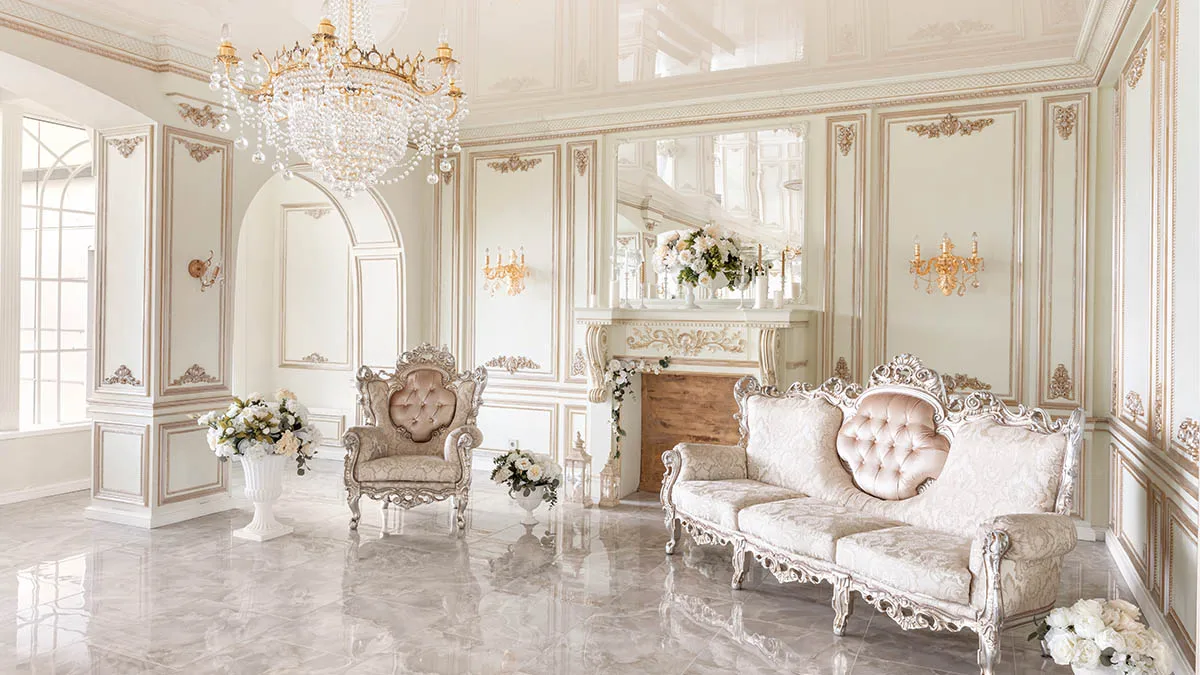
Zhongshan BeauLighting Technology Co.,Ltd
- Manufacturer, Trading Company
- Guangdong, China
- Lead time30 days
- Avg. response≤ 3h
Main productsCrystal Chandelier,Custom light,Outdoor lighting fixtures,wall lamp,ceiling light
Main marketsSoutheast Asia(25.00%), North America(20.00%), Africa(10.00%), Northern Europe(10.00%), Mid East(10.00%), Central America(5.00%), South Asia(5.00%), South America(5.00%), Southern Europe(5.00%), Eastern Asia(3.00%), Western Europe(1.00%), Eastern Europe(1.00%)

SHANGLI LIGHTING CRAFTS CO.,LTD
- Verified by BV
- Manufacturer/Factory
- China Guangdong
- Lead time30 days
- Avg. response≤ 7h
Main productsPortable Table and Floor Lamp, LED Lamp, Hotel Lamp, Chandelier Lamp, Pendant Lamp, Ceiling Lamp, Wall Lamp, Lampshade, Accessory, Mirror
Main marketsSouth America,Eastern Europe,Mid East,North America,Southeast Asia,Eastern Asia,Oceania,Western Europe,Africa


Hanging Lamp Pendant Round Pendant Light for Living Room Pendant Lighting
$200.00 - $400.00
MOQ: 1 Pieces

Dongguan Yixiang Precision Co., Ltd.
- Verified by CTI
- Combined
- China Guangdong
- Lead time15 days
- Avg. response≤ 1h
Main productsHardware, Hardware Processing, Rigid Wire Rope, Lighting Hardware Accessories, SFP Optical Module, Rope with Expansion Clamp, Wire Fixer, Wire Rope Lock, Suspension Wire Pull Head, CNC Machining Part
Main marketsDomestic,Europe

Sleek Ceiling Light Hanging with Functional Ceiling Light Attachment Options
$0.38 - $0.80
MOQ: 100 Pieces


Guangzhou Zhongyue Trading Co., Ltd
- Verified by SGS
- Trading Company
- China Guangdong
- Lead time23 days
- Avg. response≤ 4h
Main productsPendant Lights, Pendant Fans Lights, Table & Floor Lamps, Wall Lights, Ceiling Lights, Customized Hotel ceiling Lights, Outdoor Lights, Outdoor Furniture, Commercial Furniture, Artificial Plants
Main marketsSoutheast Asia/ Mideast,Europe,Australia,North America

Custom Simple Different Style Crystal Ball Glass Modern Ceiling Hanging Chandelier Light
$179.90 - $199.90
MOQ: 2 Pieces

Custom Modern Creative Chandelier Crystal Lights Ceiling Shell LED Pendant Light
$179.90 - $189.90
MOQ: 2 Pieces

- Manufacturer
- China Guangdong
- Lead time15 days
- Avg. response≤ 5h
Main productsChandelier, Crystal Chandelier, Ceiling Light, Pendant Light, Wall Light, Table Light, Floor Light, Modern Chandelier, LED Chandelier, Pendant Lamp
Main marketsEurope,North America

Zhongshan Fansen Lighting CO., LTD.
- Verified by CTI
- Combined
- China Guangdong
- Lead time30 days
- Avg. response≤ 12h
Main productsLED Light, LED Downlight, LED Tracklight, LED Spotlight, LED Linearlight
Main marketsSoutheast Asia/ Mideast,Domestic


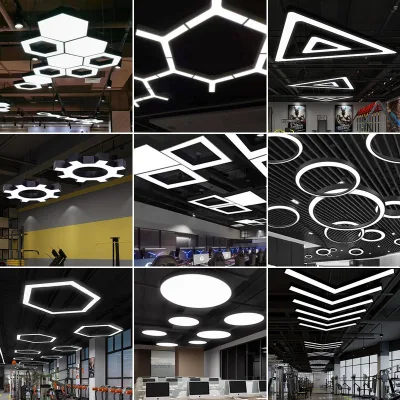
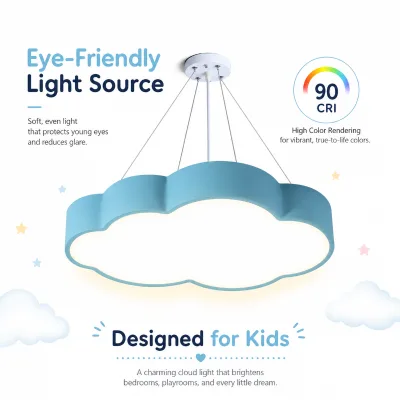


Comprehensive Sourcing Guide
Ceiling Hanging Pendant Light Supplier Concentration and Factory Types
The current supplier landscape for ceiling hanging pendant lights reveals a distinct concentration of manufacturing activity within China's Guangdong province. This region serves as a primary hub for the production of modern lighting fixtures, including chandeliers, pendant lamps, and crystal ceiling lights. Buyers observing this data should recognize that a significant portion of available inventory originates from this specific geographic cluster, which is known for its established supply chains in the lighting industry. The presence of manufacturers and factories in this area suggests a mature ecosystem capable of handling both standard and customized orders for various lighting styles.
Regarding company structures, the market displays a mix of direct manufacturers and combined trading entities. Some suppliers operate strictly as manufacturers or factories, offering direct production capabilities for OEM and ODM services. Others present as combined entities, potentially integrating trading functions with manufacturing oversight. This variation impacts how buyers should approach initial contact. Direct manufacturers may offer more flexibility on customization and production timelines, while combined entities might provide broader product ranges. Understanding this distinction is crucial for aligning procurement strategies with specific project needs, whether the goal is mass production of standard models or bespoke design development for luxury interiors.
How to Verify Ceiling Hanging Pendant Light Suppliers
Verification of suppliers in this category relies heavily on third-party audit reports and system certifications. Current data indicates that some suppliers hold ISO 9001 system certification, which validates their quality management processes. Additionally, specific verification badges from agencies like SGS and TÜV Rheinland appear in the results, serving as external confirmations of a supplier's operational integrity. Buyers should prioritize suppliers displaying these specific verification markers, as they provide a higher degree of confidence regarding the supplier's ability to meet international standards. The absence of such certifications does not automatically disqualify a supplier, but it necessitates a more rigorous internal due diligence process before proceeding with large orders.
Beyond certifications, response time and lead time metrics offer practical insights into supplier reliability. The observed response times vary, with some suppliers demonstrating rapid communication capabilities while others take longer to engage. Similarly, lead times for production range from approximately 15 days to 30 days, depending on the complexity of the order and the supplier's current capacity. Buyers should use these metrics to gauge operational efficiency. A supplier with a consistently fast response time and a clear, reasonable lead time is often better positioned to handle urgent requests or complex customization needs. It is essential to verify these figures directly with the supplier, as they can fluctuate based on seasonal demand and raw material availability.
What to Compare Across Ceiling Hanging Pendant Light Suppliers
When evaluating multiple suppliers, buyers must compare key operational dimensions such as minimum order quantities (MOQ), pricing structures, and product specifications. The market shows a wide range of MOQs, with some suppliers accepting orders as low as one piece, while others require minimums of 30 or 50 units. This variance allows buyers to select partners that align with their inventory strategy, whether they are testing a new design with a small batch or securing bulk stock for a large project. Pricing also varies significantly, with unit costs ranging from under $15 to nearly $900, reflecting differences in materials, design complexity, and finish quality.
Product attributes provide another critical layer for comparison. Specifications such as voltage compatibility, material composition, and warranty periods differ across listings. For instance, some products feature iron or steel bodies with LED light sources and warranties of two years, while others utilize aluminum with three-year warranties. Buyers should scrutinize these details to ensure the selected product meets the technical requirements of the intended installation environment. Additionally, customization availability is a key differentiator; some suppliers explicitly offer customization services, allowing for tailored designs, while others may be limited to standard catalog items. Aligning these product capabilities with project specifications is essential for successful sourcing outcomes.
Common Ceiling Hanging Pendant Light Sourcing Risks
One significant risk in sourcing ceiling hanging pendant lights involves the discrepancy between advertised specifications and actual product delivery. While product listings often highlight features like CE and RoHS certifications, buyers must verify that these certifications apply to the specific batch being shipped. In some cases, the listed certifications may be general company credentials rather than product-specific approvals. This distinction is vital for compliance, especially when importing into regions with strict electrical safety regulations. Buyers should request specific test reports for the exact model number to mitigate the risk of receiving non-compliant goods.
Another risk pertains to the consistency of lead times and production capacity. Although some suppliers advertise lead times of 15 days, others indicate 23 to 30 days, and these figures can change without notice. Delays can occur due to raw material shortages or unexpected spikes in demand, particularly for complex crystal chandeliers or large-scale custom orders. Furthermore, the variation in response times suggests that communication bottlenecks can arise, potentially delaying critical decisions or problem resolution. Buyers should establish clear communication protocols and include penalty clauses for delays in their contracts to protect against these operational uncertainties.
Ceiling Hanging Pendant Light Regional Sourcing and Logistics
The primary sourcing region for ceiling hanging pendant lights is identified as Guangdong, China, a major manufacturing hub for lighting fixtures. This concentration of suppliers offers logistical advantages, including established shipping routes and experienced freight forwarders familiar with lighting products. However, buyers must account for the specific logistics requirements of these items, which can be fragile and bulky. Large crystal chandeliers and pendant lights often require specialized packaging, such as wooden boxes or reinforced paper cartons, to prevent damage during transit. Understanding the packaging standards of the supplier is crucial for ensuring the safe arrival of goods.
Logistics planning also involves considering the impact of regional production clusters on shipping costs and times. Suppliers located in Guangdong benefit from proximity to major ports, which can streamline the export process. Nevertheless, buyers should verify the specific shipping terms offered by each supplier, such as FOB or CIF, to understand their responsibilities for freight and insurance. The variability in lead times mentioned earlier also affects logistics planning; a supplier with a 30-day lead time requires earlier order placement than one with a 15-day turnaround. Accurate forecasting and coordination with logistics partners are necessary to manage inventory levels and meet project deadlines effectively.
Ceiling Hanging Pendant Light Commercial Terms and Order Planning
Commercial terms for ceiling hanging pendant lights vary significantly based on the supplier's business model and the order volume. Some suppliers offer flexible MOQs as low as one piece, facilitating small-scale testing or sample orders, while others enforce higher minimums to ensure production efficiency. Pricing structures also differ, with some suppliers offering fixed unit prices and others providing tiered pricing based on quantity. Buyers should carefully review the price ranges provided, noting that costs can range from approximately $1 to nearly $900 per unit depending on the product's complexity and materials. Understanding these financial terms is essential for budgeting and cost control.
Order planning must also account for warranty periods and after-sales support. The data indicates warranty periods ranging from two to three years, which serves as a key indicator of the supplier's confidence in product quality. Buyers should ensure that the warranty terms are clearly defined in the purchase agreement, covering defects in materials and workmanship. Additionally, the availability of customization services should be confirmed early in the planning phase, as custom orders often require longer lead times and specific design approvals. By aligning commercial terms with project timelines and quality expectations, buyers can minimize risks and ensure a smooth procurement process for their Ceiling Hanging Pendant Light needs.
FAQs
What is the typical lead time for these lights?
The observed lead times range from 15 to 30 days depending on the specific supplier and order volume. Some manufacturers offer a 15-day turnaround for standard orders, while others may require up to 30 days for larger quantities or custom designs.
What are the minimum order quantities available?
Minimum order quantities vary significantly across suppliers, with some accepting orders as low as one piece. Other suppliers require a minimum of 30 or 50 pieces per order, so buyers should check specific product listings to confirm the exact MOQ before purchasing.
Which certifications do these products typically hold?
Most products listed carry CE and RoHS certifications to ensure safety and environmental compliance. Additionally, some suppliers hold ISO 9001 system certifications, while others are verified by third-party agencies like SGS or TÜV Rheinland to validate their manufacturing standards.
Where are these manufacturers located?
The majority of suppliers for these lighting fixtures are located in Guangdong, China. This region is a major hub for manufacturing, offering efficient logistics and a wide variety of options for buyers seeking modern or crystal chandelier styles.
What warranty periods are offered for these lights?
Warranty periods typically range from two to three years for the listed products. Buyers should verify the specific warranty terms for each item, as some manufacturers provide two years while others extend coverage to three years for their LED fixtures.
Can these lights be customized for specific needs?
Customization is available for many of the listed products, allowing buyers to tailor designs to their requirements. Suppliers offer OEM and ODM services, enabling modifications to materials, colors, and dimensions to suit specific interior design projects or commercial applications.
What is the price range for these fixtures?
Prices for these ceiling hanging pendant lights vary widely, ranging from approximately 1.00 to 889.00 per unit. The cost depends on factors such as material, size, design complexity, and the specific supplier, with options available for both budget and luxury segments.