Center Console Organizer Suppliers and Manufacturers
Compare 11 verified Center Console Organizer suppliers on location, supplier type, lead time, response speed, and model-specific product lines covering Tesla, Ford, Jeep, Nissan, and Li Auto fits. Review materials such as ABS, TPE, and PC plastic, then contact shortlisted factories to request quotes and samples.
Updated
Suppliers List

Shenzhen DTPY Technology Co., Ltd.
- Manufacturer
- Guangdong, China
- Lead time20 days
- Avg. response≤ 5h
Main productsNox sensor,car accessories,battery guard
Main marketsSouth America(20.00%), Western Europe(20.00%), South Asia(10.00%), North America(10.00%), Northern Europe(10.00%), Southeast Asia(10.00%), Eastern Europe(10.00%), Central America(5.00%), Mid East(5.00%)
Guangzhou Better Auto Accessories Co., Ltd.
- Manufacturer, Distributor/Wholesaler
- Guangdong, China
- Lead time0 days
- Avg. response≤ 7h
Main productsCar Interior Accessories,Car Exterior Accessories,Car Light,Carbon Fiber Accessories,Chrome Accessories
Main marketsNorth America(15.00%), Eastern Europe(15.00%), South America(10.00%), Mid East(10.00%), Western Europe(10.00%), Eastern Asia(8.00%), Oceania(5.00%), Central America(5.00%), Northern Europe(5.00%), Southern Europe(5.00%), South Asia(5.00%), Southeast Asia(3.00%), Africa(2.00%), Domestic Market(2.00%)
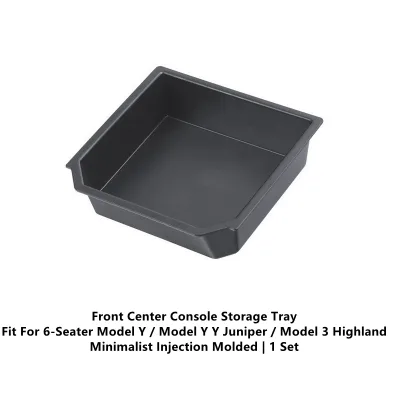
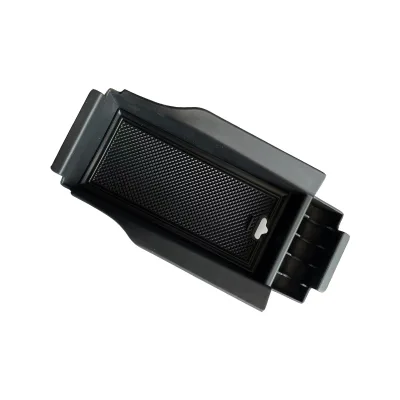
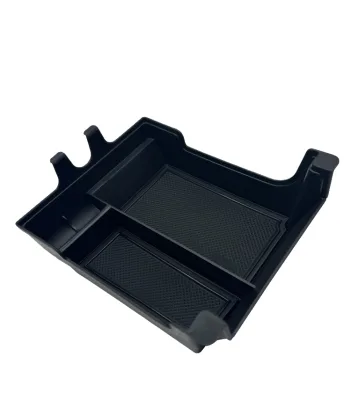
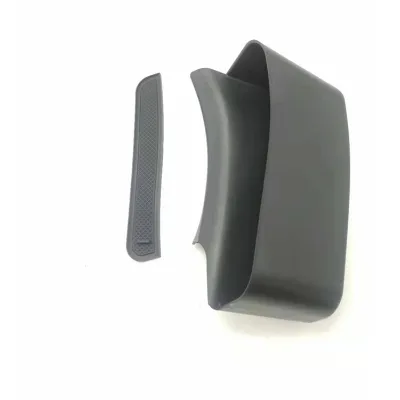
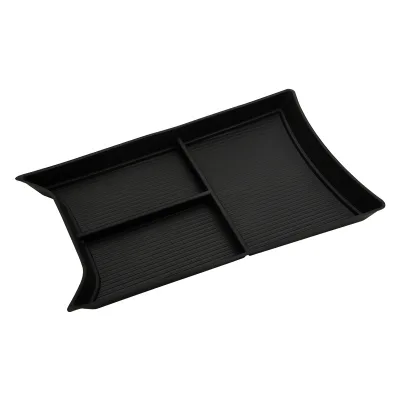
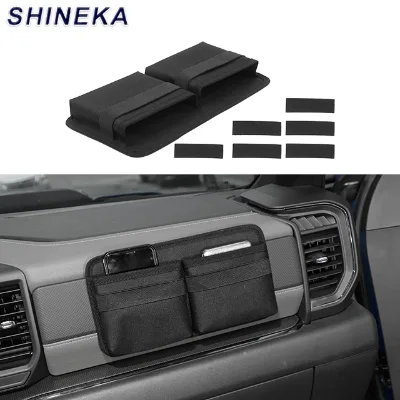
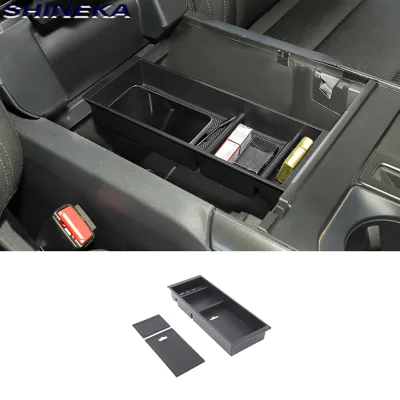
Car Armrest Box Storage Organizer Center Console Tray Box Black for Jeep Compass
$3.90 - $5.90
MOQ: 2 pieces
Changzhou Goodev Tech Corp., Ltd.
- Trading Company
- Jiangsu, China
- Lead time15 days
- Avg. response≤ 7h
Main productsEV Charger,EV Charging Station,EV Charging Cable,EV Plugs,EV Parts
Main marketsWestern Europe(30.00%), Eastern Europe(15.00%), North America(10.00%), Mid East(10.00%), Domestic Market(5.00%), Southern Europe(5.00%), Northern Europe(5.00%), Eastern Asia(5.00%), Southeast Asia(5.00%), South America(5.00%), Africa(5.00%)
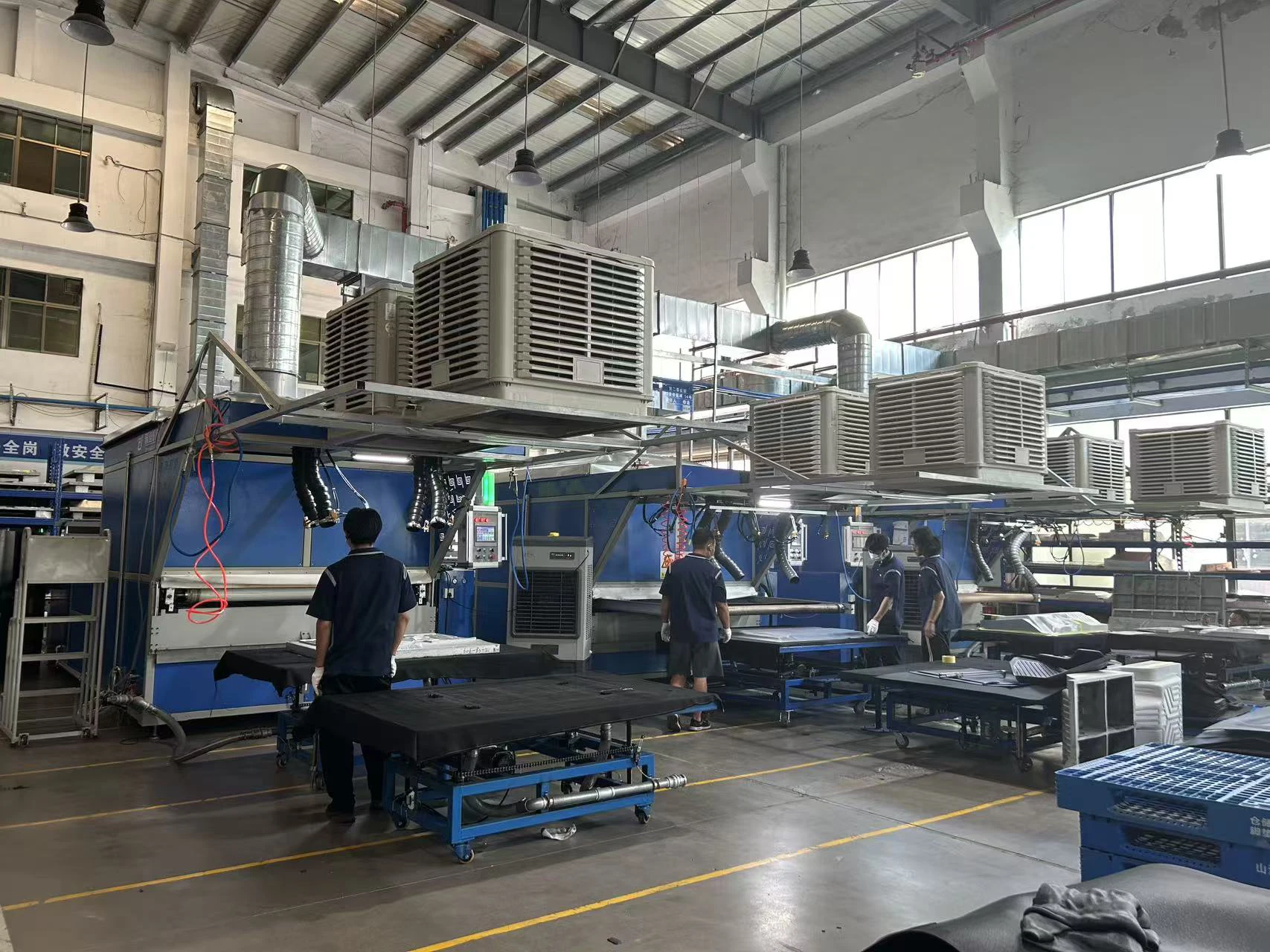
Shenzhen Econg Technology Co., Ltd.
- Manufacturer, Trading Company
- Guangdong, China
- Lead time7 days
- Avg. response≤ 4h
Main productsEV Accessories,EV Parts,EV Storage Box,EV Charger,EV Floor Mats
Main marketsEastern Europe(30.00%), Northern Europe(30.00%), Western Europe(15.00%), North America(10.00%), Southern Europe(10.00%), Mid East(5.00%)
Yiwu Halei Automative Supplies Co., Ltd.
- Trading Company
- Zhejiang, China
- Lead time15 days
- Avg. response≤ 2h
Main productscar vacuum cleaner,car air compressor,car fan,car heater fan,car refrigerator
Main marketsNorth America(50.00%), Domestic Market(30.00%), Africa(20.00%)
Shanghai Anma Industry Co., Ltd.
- Trading Company
- Lead time旺季: "1 - 5000":30,"> 5000":"To be negotiated", 淡季: "1 - 5000":30,"> 5000":"To be negotiated"
- Avg. response≤ 8h
Main productsInteriror Accessories,Exterior Accessories,Electrical Accessories,Car Tools,Car Lighting
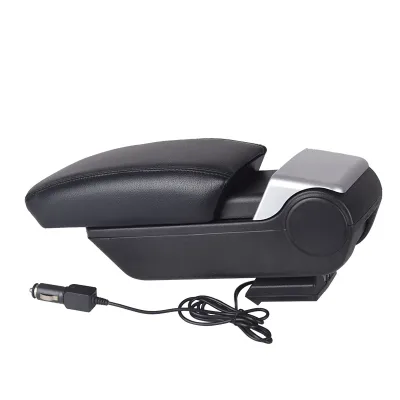
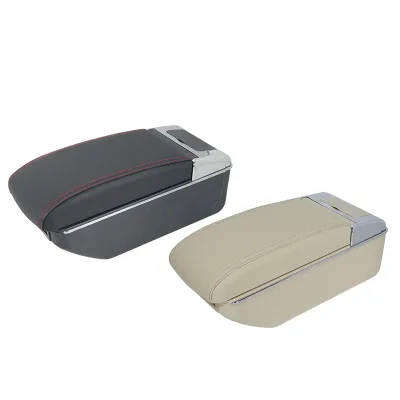
$5.8458 - $6.6317
MOQ: 500 pieces
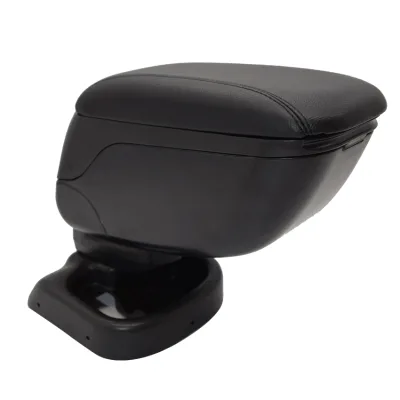
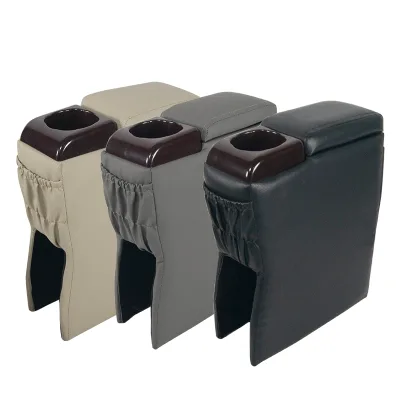
Shenzhen Huamao Auto Accessories Co., Ltd.
- Manufacturer
- Guangdong, China
- Lead time5 days
- Avg. response≤ 7h
Main productsFord Mustang accessories,Ford F150 car accessories,Chevrolet Camaro accessories,Jeep Wrangler accessories,Car aftermarket accessories
Main marketsMid East(25.00%), North America(12.00%), Western Europe(8.00%), Africa(8.00%), Domestic Market(8.00%), Eastern Europe(8.00%), Southern Europe(7.00%), South America(5.00%), Eastern Asia(5.00%), Southeast Asia(5.00%), South Asia(3.00%), Northern Europe(3.00%), Central America(2.00%), Oceania(1.00%)
Dongguan Joyart Auto Accessories Products Co., Ltd.
- Manufacturer, Trading Company
- Guangdong, China
- Lead time15 days
- Avg. response≤ 3h
Main productsCar Accessories, Car Sunshade, Car Organizer, Automotive Tool, Car Air Freshener
Main marketsNorth America(30.00%), Domestic Market(15.00%), Mid East(15.00%), Southeast Asia(15.00%), Western Europe(10.00%), South America(5.00%), Oceania(5.00%), Eastern Asia(5.00%)
Autoline International Trading Co., Ltd.
- Verified by TüVRheinland
- Manufacturer, Trading Company
- Lead time30 days
- Avg. response≤ 9h
Main productsRV Accessories, Auto USB Socket, Auto Electric Appliance, Auto Plastic Accessories, Trailer Accessories
Main marketsNorth America(40%), Western Europe(20%), Eastern Europe(10%)

Wenzhou Chenghui Automobile Products Co., Ltd.
- Manufacturer, Trading Company
- Zhejiang, China
- Lead time7 days
- Avg. response≤ 4h
Main productsCar Armrest,Car Upholstery,Automotive Trim,Glove compartment,Leather products
Main marketsSoutheast Asia(40.00%), Northern Europe(10.00%), Africa(10.00%), North America(10.00%), Mid East(10.00%), Oceania(5.00%), Western Europe(5.00%), Eastern Asia(5.00%), Eastern Europe(5.00%)
Shanghai Anma Industry Co., Ltd.
- Trading Company
- Lead time旺季: "1 - 500":35,"> 500":"To be negotiated", 淡季: "1 - 500":35,"> 500":"To be negotiated"
- Avg. response≤ 5h
Main productsCar Mats, Car Seat Covers, Car Covers, Car Jacks, Car Air Compressor
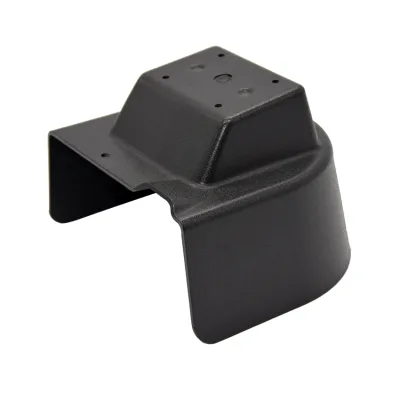
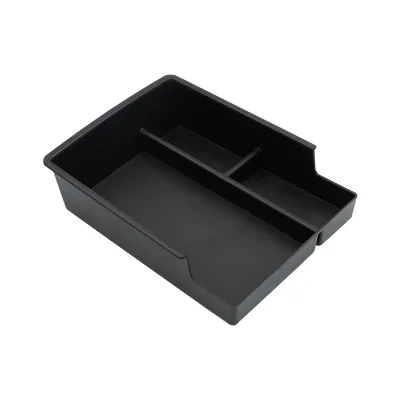
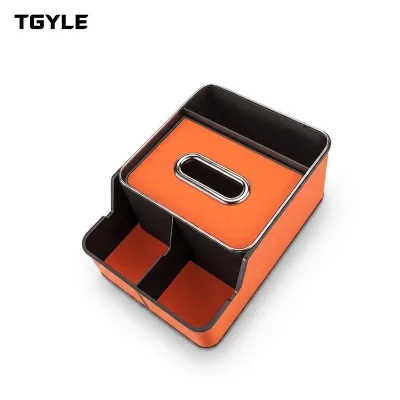
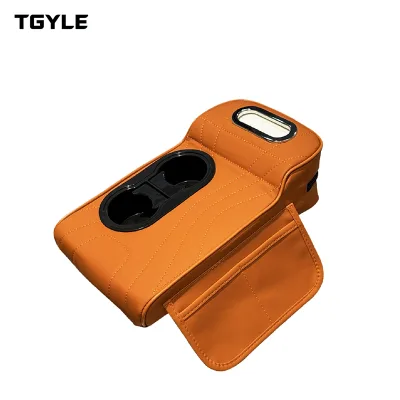
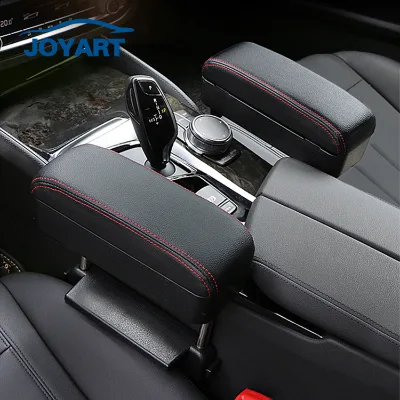
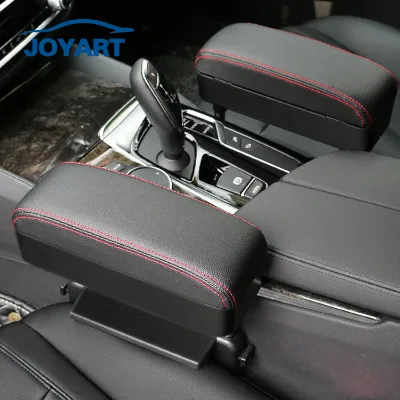
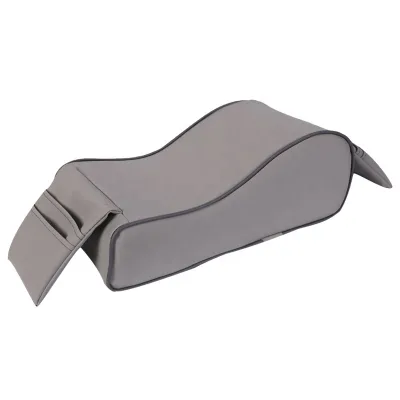
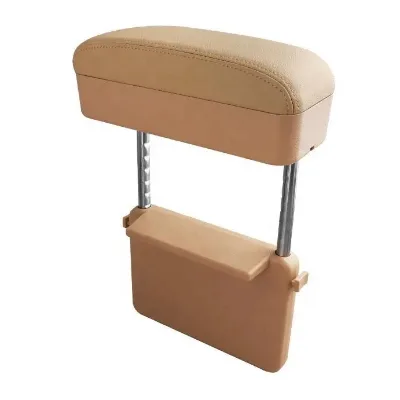
Car Armrest Box Organizer Interior Arm Rest Seat Gap Organizer Car Armrest Storage Box
$15.2993 - $15.6781
MOQ: 100 pieces
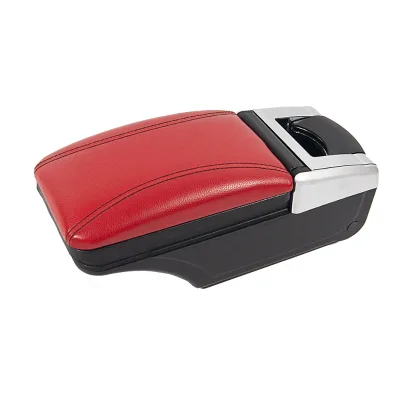
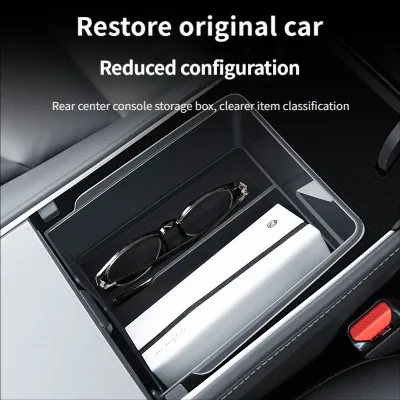
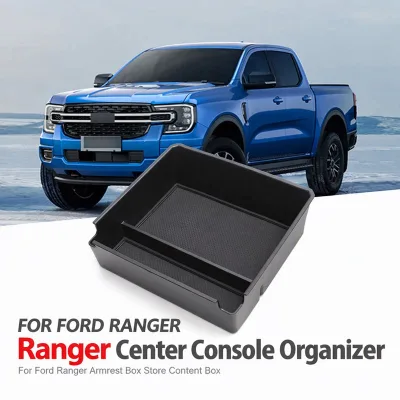
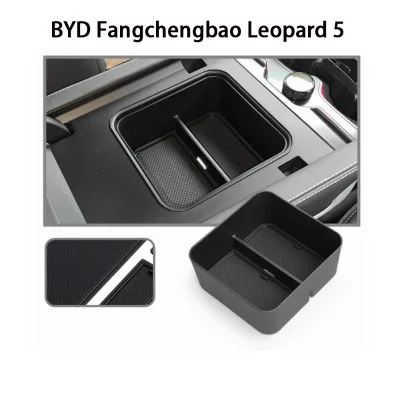
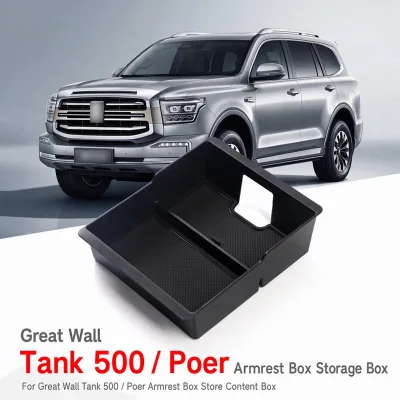
Comprehensive Sourcing Guide
Center Console Organizer Supplier Concentration and Factory Types
The current supplier landscape for center console organizers reveals a distinct concentration of manufacturing activity within Guangdong, China, where multiple entities list this province as their primary operational base. These suppliers often identify as manufacturers, suggesting direct control over production lines for items like TPE and ABS storage boxes designed for specific vehicle models. Some entities in this cluster also operate as distributors or wholesalers, indicating a hybrid model where they may source from other factories while maintaining a local presence for logistics and sales. This geographic clustering facilitates efficient supply chains for automotive interior accessories, allowing for rapid prototyping and bulk production of items such as armrest boxes and hidden storage trays.
In contrast, other verified results indicate a presence in Jiangsu, China, where suppliers often function as trading companies or mixed manufacturer-trading entities. These firms frequently specialize in EV-specific accessories, including organizers for Tesla and other electric vehicle models, alongside broader EV charging infrastructure components. The distinction between pure manufacturers and trading companies is critical for buyers, as manufacturers typically offer greater customization capabilities for materials like TPE or ABS, while trading companies may provide a wider variety of compatible parts across different brands. Buyers should verify the specific company type listed in supplier profiles to determine if they are dealing directly with the production facility or an intermediary, as this impacts lead times and communication efficiency.
How to Verify Center Console Organizer Suppliers
Verification begins with scrutinizing the supplier's declared company type and location against the product evidence provided in their listings. For instance, a supplier claiming to be a manufacturer in Guangdong should be able to demonstrate specific production capabilities for materials like ABS or TPE, whereas a trading company in Jiangsu might focus on assembling or sourcing compatible parts for various vehicle models. Buyers must cross-reference the "Place of Origin" listed in product attributes with the main company location to ensure consistency, as discrepancies can indicate a lack of direct control over the manufacturing process. This step is essential for confirming that the supplier has the actual capacity to fulfill orders for specific items like the Center Console Storage Box for Li Auto I6 or the organizer for Tesla Model Y.
Response time and lead time data serve as additional verification metrics for supplier reliability and operational efficiency. A supplier with a response time of five days and a lead time of twenty days may indicate a standard production cycle, while a response time of four days and a lead time of seven days suggests a more agile operation capable of faster turnaround. Buyers should request proof of these metrics through direct communication, asking for recent order examples that match the stated timelines. Additionally, verifying the supply ability, such as the 1000 pieces per day capacity noted for certain Jeep Compass organizers, helps confirm that the supplier can handle volume orders without significant delays. These data points provide concrete evidence of a supplier's operational health and their ability to meet specific project requirements.
What to Compare Across Center Console Organizer Suppliers
When evaluating potential partners, buyers should prioritize comparing lead times, minimum order quantities (MOQ), and response speeds to align with their specific procurement needs. The data shows a range of lead times, from zero days for some distributors to twenty days for manufacturers, which significantly impacts inventory planning and cash flow. Similarly, MOQs vary widely, with some suppliers requiring only two pieces for specific models like the Nissan Note Aura, while others may have higher thresholds for different product lines. Response times also differ, with some suppliers responding within four days and others taking up to seven, affecting the speed of negotiation and order confirmation. These variables must be weighed against the buyer's urgency and volume requirements to select the most suitable partner.
Price ranges and material specifications offer another critical dimension for comparison across the supplier base. Product listings indicate price points ranging from $1.20 to $5.90, depending on the material used, such as plastic, TPE, or ABS, and the specific vehicle compatibility. Buyers should analyze whether the lower price points correspond to standard materials like plastic or if higher costs reflect specialized features like waterproofing or custom logos. Additionally, the main products listed by each supplier, such as EV chargers versus general car accessories, can indicate their core expertise and the depth of their inventory. Comparing these factors helps buyers identify suppliers who offer the best value proposition for their specific application, ensuring they receive high-quality organizers that meet both functional and budgetary constraints.
Common Center Console Organizer Sourcing Risks
One significant risk involves the discrepancy between the supplier's declared location and the actual place of origin listed in product attributes. For example, a supplier based in Guangdong might list a product's origin as Jiangsu, which could indicate a third-party manufacturing arrangement that complicates quality control and logistics. This inconsistency can lead to delays in shipping and difficulties in resolving defects, as the buyer may not have a direct line of communication with the actual production facility. Buyers must carefully review the "Place of Origin" field in product details to ensure it matches the supplier's stated location, thereby mitigating the risk of dealing with an intermediary who lacks full visibility into the production process.
Another risk is the variability in supply ability and lead times, which can disrupt production schedules if not managed correctly. While some suppliers claim a supply ability of 1000 pieces per day, others may have limited capacity or longer lead times, such as the twenty-day window observed in certain manufacturer profiles. If a buyer places a large order without verifying the supplier's current capacity, they risk facing delays that could stall their own operations. Furthermore, the lack of standardized certifications or test results in the provided data means buyers cannot assume compliance with specific industry standards without direct verification. It is crucial to request detailed documentation regarding production capacity and quality assurance measures before committing to a large order to avoid potential supply chain disruptions.
Center Console Organizer Regional Sourcing and Logistics
Sourcing from Guangdong, China, offers distinct logistical advantages due to its proximity to major ports like Guangzhou, which facilitates efficient shipping for automotive accessories. Suppliers in this region often list Guangzhou as their port of dispatch, enabling streamlined export processes for items like car armrest boxes and center console organizers. The concentration of manufacturers in this area allows for consolidated shipping, reducing freight costs and transit times for buyers importing bulk quantities. Additionally, the established infrastructure in Guangdong supports various shipping methods, including sea, air, and express delivery, providing flexibility for buyers with different urgency levels and budget constraints.
In contrast, sourcing from Jiangsu, China, may involve different logistical considerations, particularly for suppliers specializing in EV accessories and charging infrastructure. While these suppliers also utilize major ports, the specific port of dispatch and shipping routes may vary, potentially affecting transit times and costs. Buyers should verify the port of dispatch listed in product attributes, such as Guangzhou, to ensure accurate freight calculations and delivery estimates. The regional differences in logistics infrastructure mean that buyers must tailor their shipping strategies based on the supplier's location, considering factors like customs clearance times and local carrier availability. Understanding these regional nuances helps buyers optimize their supply chain and minimize potential delays associated with international shipping.
Center Console Organizer Commercial Terms and Order Planning
Commercial terms for center console organizers vary significantly, with price ranges reflecting differences in material quality, customization options, and order volumes. Buyers should expect prices to range from approximately $1.20 to $5.90, depending on whether the product is a basic plastic organizer or a specialized ABS unit with custom branding. Minimum order quantities also play a crucial role in pricing, with some suppliers offering low MOQs of two pieces for specific models, while others may require higher volumes for standard items. Understanding these commercial terms is essential for budgeting and ensuring that the selected supplier can meet the buyer's financial and volume requirements without compromising on quality or delivery timelines.
Order planning must account for the diverse lead times and response speeds observed across the supplier base, ranging from immediate availability to twenty-day production cycles. Buyers should align their order schedules with the supplier's lead time to avoid stockouts or production bottlenecks, especially for high-demand models like those for Tesla or Ford. Additionally, the availability of custom logo services and specific packaging details, such as box packaging, should be confirmed during the planning phase to ensure the final product meets branding and presentation standards. By carefully analyzing these commercial and logistical factors, buyers can develop a robust order plan that balances cost, quality, and delivery speed, ensuring a successful sourcing outcome for their Center Console Organizer needs.
FAQs
What is the price range for center console organizers?
Prices for center console organizers typically range from $1.20 to $6.50 per unit. The cost varies based on material, such as TPE, plastic, or ABS, and specific vehicle compatibility. Buyers should check individual product listings for exact pricing tiers and volume discounts available from suppliers.
What materials are used for these storage boxes?
Manufacturers primarily use TPE, plastic, and ABS for center console organizers. Some products feature transparent PC materials or include silicone mats for added protection. The choice of material affects durability and fit, with ABS often used for rigid armrest boxes and TPE for flexible storage solutions.
What is the typical lead time for orders?
Lead times for center console organizers generally range from 7 to 20 days. Some suppliers offer faster turnaround times of 7 days, while others may require up to 20 days for production. Buyers should confirm specific delivery schedules with the supplier before placing bulk orders to ensure timely arrival.
What is the minimum order quantity for these items?
Minimum order quantities vary significantly, with some suppliers accepting orders as low as 2 pieces. Other listings may require a minimum of 10 units. Buyers should verify the MOQ for each specific product, as requirements depend on the manufacturer and the customization level needed for the order.
Where are these suppliers located?
Suppliers for center console organizers are primarily located in Guangdong and Jiangsu, China. These regions are known for their manufacturing capabilities in automotive accessories. Buyers can filter results by location to find suppliers closer to their preferred shipping ports or with specific regional manufacturing advantages.
How quickly do suppliers respond to inquiries?
Response times for Center Console Organizer inquiries typically range from 4 to 7 hours. Faster response rates indicate active customer service teams ready to assist with quotes and specifications. Buyers should prioritize suppliers with shorter response times to ensure efficient communication throughout the sourcing and negotiation process.
Can I get custom logos on these products?
Yes, many suppliers accept custom logo requests for center console organizers. This allows buyers to brand products for specific markets or retail channels. Buyers should inquire about logo customization options, including printing methods and additional costs, to ensure the final product meets their branding requirements.