Religious Cross Necklace Suppliers and Manufacturers
Source 32 verified suppliers for Religious Cross Necklace products. Compare key dimensions including lead times, MOQs, response speeds, and material types like stainless steel or alloy. Review sample processing capabilities and pricing tiers to identify the right partner for your order.
Suppliers List
- Verified by TüVRheinland
- Manufacturer, Trading Company
- Lead time5 days
- Avg. response≤ 2h
Main productsFashion Jewelry
Main marketsNorth America(50%), Domestic Market(30%), South America(10%)
- Trading Company
- Zhejiang, China
- Lead time25 days
- Avg. response≤ 2h
Main productsEarring,Bracelet,Ring,Necklace,Pins
Main marketsNorth America(18.00%), South America(17.00%), Western Europe(11.00%), Mid East(9.00%), Central America(8.00%), Eastern Asia(7.00%), Africa(5.00%), Domestic Market(5.00%), Eastern Europe(5.00%), Oceania(5.00%), Southern Europe(4.00%), Northern Europe(3.00%), South Asia(2.00%), Southeast Asia(1.00%)
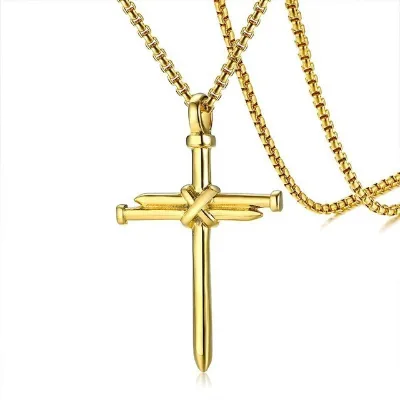
European Hot Sale Religious Christian Jewelry Necklace Gold 18k Necklace Religion Lucky Necklace
$0.55 - $0.85
MOQ: 12 pieces

Guangzhou Huifu Jewelry Co., Ltd.
- Verified by BV
- Manufacturer/Factory
- China Guangdong
- Lead time90 days
- Avg. response≤ 3h
Main productsJewelry, Stainless Steel Jewelry, Stainless Steel Ring, Stainless Steel Pendant, Stainless Steel Earring, Fashion Jewelry, Ring, Necklace, Pendant, Bracelet
Main marketsEastern Europe,Mid East,North America,Western Europe,Africa

- Verified by CTI
- Trading Company
- China Zhejiang
- Lead time15 days
- Avg. response≤ 8h
Main productsJewelry, Brooch, Belt, Necklace, Agent, Bracelet, China Trim, China Ring, China Hair Accessory, China Earring
Main marketsSouth America

Shenzhen Hengda Xin Jewelry Co., Ltd.
- Verified by BV
- Combined
- China Guangdong
- Lead time15 days
- Avg. response≤ 3h
Main productsJewelry, Stainless Steel Fittings, Stainless Steel Jewelry, Necklace, Bracelet, Stud Earrings, Ring, Pendant, Fashion Jewelry, Fashion Accessories
Main marketsSoutheast Asia/ Mideast,East Asia(Japan/ South Korea),Domestic,Europe,Australia,North America


Stainless Steel Round Bead Cross Necklace Virgin Mary Pendant Jesus Necklace
$2.50 - $3.50
MOQ: 100 Pieces


Guangzhou Yiming Jewelry Trading Co., Ltd.
- Trading Company
- Guangdong, China
- Lead time15 days
- Avg. response≤ 7h
Main productsJewerly,Necklace,Earrings,Ring,Pendant
Main marketsSouth America(30.00%), North America(30.00%), Mid East(10.00%), South Asia(5.00%), Northern Europe(5.00%), Western Europe(5.00%), Eastern Europe(5.00%), Africa(5.00%), Southeast Asia(5.00%)

Yiwu Beidifu Jewelry Co., Ltd.
- Trading Company
- Zhejiang, China
- Lead time7 days
- Avg. response≤ 5h
Main productsNecklace; Bracelets; Ring; Earrings; Brooches
Main marketsNorth America(55.00%), Western Europe(15.00%), Eastern Europe(10.00%), South America(5.00%), Domestic Market(5.00%), Southeast Asia(5.00%), Mid East(3.00%), Africa(2.00%)
- Verified by SGS
- Combined
- China Guangdong
- Lead time23 days
- Avg. response≤ 8h
Main marketsOthers(foreignTradeCapacity.exportBusinessCapacityMarketOther),Southeast Asia/ Mideast,East Asia(Japan/ South Korea),Domestic,Europe,Australia,North America


Heart C Letter Pendant Necklace Religious Long Symbol Sweater Chain Necklace
$1.00 - $6.95
MOQ: 50 Pieces


- Verified by SGS Group
- Manufacturer, Trading Company
- Lead time15 days
- Avg. response≤ 2h
Main productsnecklaces,rings,, insect resin crafts,flowers resin crafts
Main marketsNorth America(40%), Eastern Europe(30%), Southeast Asia(20%)

Longyuan (Guangzhou) Industrial Development Co., Ltd.
- Verified by TUVRHEINLAND
- Manufacturer/Factory
- China Guangdong
- Lead time23 days
- Avg. response≤ 9h
Main productsJewelry, Fashion Watch, Hair Accessories, Men Jewelry, Women Jewelry, Pendants, Brooches, Bracelets, Crowns, Necklaces
Main marketsSouth America,Eastern Europe,Mid East,North America,Western Europe
- Trading Company
- Zhejiang, China
- Lead time15 days
- Avg. response≤ 9h
Main productsnecklace,bracelet,Alloy accessories,earring,pendant
Main marketsNorth America(50.00%), Oceania(30.00%), Domestic Market(10.00%), South America(5.00%), Western Europe(5.00%)

Shenzhen Right Grand Jewelry Co., Ltd.
- Verified by SGS
- Manufacturer
- China Guangdong
- Lead time15 days
- Avg. response≤ 6h
Main productsNecklace, Bracelet, Earring, Ring, Nose Ring, Ear Piercing, Belly Ring, Nipple Ring
Main marketsSouth America,Europe,North America

Religious Jewelry Gold Plated Stainless Steel Waterproof CZ Cross Pendant Necklace
$1.67 - $3.00
MOQ: 8 Pieces

Stainless Steel Gold Religious Christian Cross Dangel Pendant Rossary Necklace with Gemstone
$1.00 - $3.50
MOQ: 50 Pieces


Stainless Steel Womans Prayer Necklace Christian Gold Plated Rosary Necklace
$2.56 - $3.23
MOQ: 10 Pieces

Wholesale Fashion Religious Stainless Steel Jewelry Gold Plated Angel Wing Pendant Necklace
$0.29 - $1.03
MOQ: 30 Pieces
- Verified by TüVRheinland
- Manufacturer, Trading Company
- Zhejiang, China
- Lead time5 days
- Avg. response≤ 2h
Main productsFashion Jewelry
Main marketsNorth America(50%), Domestic Market(30%), South America(10%)

Shenzhen Amengwei Jewelry Co., Ltd.
- Trading Company,Manufacturer/Factory
- China Guangdong
- Lead time23 days
- Avg. response≤ 22h
Main productsBody Piercing Jewelry, Hinged Segment Ring, Nose Ring Belly Ring, Stainless Steel Jewelry, Labret Lip Ring, Earring, Necklace, Bracelet, Ring
Main marketsSouth America,Eastern Europe,Mid East,North America,Southeast Asia,Eastern Asia,Oceania,Western Europe,Africa

- Verified by BV
- Manufacturer/Factory
- China Fujian
- Lead time15 days
- Avg. response≤ 25h
Main productsWater Bottle, Kitchen Ware, Shoes, Plastic Product, Bag, Toy
Main marketsSouth America,Eastern Europe,Mid East,North America,Southeast Asia,Eastern Asia,Oceania,Western Europe,Africa
Shenzhen Europa Industrial Co., Ltd.
- Trading Company
- Guangdong, China
- Lead time15 days
- Avg. response≤ 6h
Main productsEarring, Ring, Necklace Chain, Bracelets Bangles, Brooch
Main marketsNorth America(40.00%), Eastern Asia(25.00%), Western Europe(10.00%), South America(5.00%), Oceania(5.00%), Domestic Market(5.00%), Mid East(5.00%), Southeast Asia(5.00%)

Yiwu Yafeini Jewelry Co., Ltd.
- Manufacturer, Trading Company
- Zhejiang, China
- Lead time7 days
- Avg. response≤ 7h
Main productsNecklace, Earrings, Ring, Charms, Bracelet
Main marketsNorth America(40.00%), Western Europe(30.00%), Oceania(10.00%), Eastern Europe(10.00%), South America(2.00%), Eastern Asia(2.00%), Northern Europe(2.00%), Africa(2.00%), Mid East(2.00%)
Yiwu Shanmei Arts And Gifts Co., Ltd.
- Manufacturer, Trading Company
- Lead time旺季: "1 - 100":25,"101 - 300":30,"> 300":"To be negotiated", 淡季: "1 - 100":25,"101 - 300":30,"> 300":"To be negotiated"
- Avg. response≤ 6h
Main productsFashion jewelry,stone jewelry,stone crafts,metal jewelry,jewelry gifts
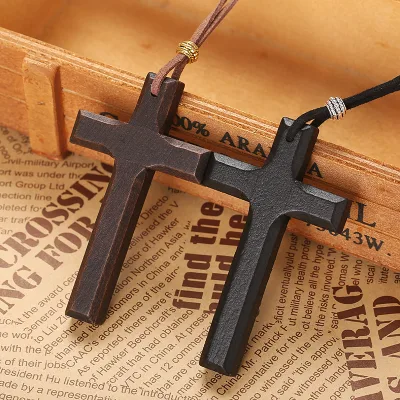
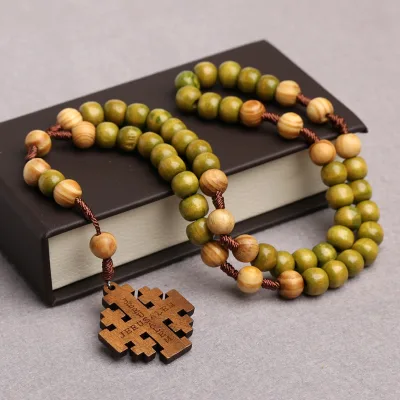
$1.16 - $1.36
MOQ: 12 pieces

- Verified by BV
- Trading Company,Manufacturer/Factory
- China Guangdong
- Lead time0 days
- Avg. response≤ 11h
Main productsSilver Jewelry, Brass Jewelry, Fashion Jewelry, Semi-Precious
Main marketsSouth America,Eastern Europe,Mid East,Southeast Asia,Eastern Asia,Oceania,Western Europe,Africa


Wholesale jewelry cross pendants Jesus prayer pendants for men and women
$18.07 - $19.79
MOQ: 15 Pieces
Dongguan Jinqi Jewelry Co., Ltd.
- Trading Company
- Guangdong, China
- Lead time0 days
- Avg. response≤ 2h
Main productsStainless Steel jewelry,Stainless Steel Bracelet,Necklace,Bracelet,Earring
Main marketsSouth America(12.00%), Southern Europe(10.00%), Western Europe(10.00%), Eastern Europe(10.00%), North America(10.00%), Eastern Asia(8.00%), Northern Europe(8.00%), Central America(8.00%), Africa(5.00%), Mid East(5.00%), Oceania(5.00%), Southeast Asia(5.00%), Domestic Market(2.00%), South Asia(2.00%)

Shenzhen Jinshengrun Technology Co., Ltd.
- Manufacturer/Factory
- China Guangdong
- Lead time0 days
- Avg. response≤ 2h
Main productsStainless Steel Bracelets and Necklaces, Tungsten Steel Ring, Tungsten Ring, Smartwatch(Activity Tracker), Smart Ring, Titanium Steel Necklace, Necklace Pendant, Smart Glasses

GOODLINESS JEWELLERY CO., LIMITED
- Verified by SGS
- Manufacturer
- China Guangdong
- Lead time23 days
- Avg. response≤ 7h
Main products925 Silver Ring, Brass Jewelry, 925 Silver Earring, 925 Silver Necklace, 925 Silver Set, 925 Silver Bangle, Customer's Design, 925 Silver Bracelet, Silver Accessory, Brass Accessory
Main marketsSoutheast Asia/ Mideast,Europe,North America


Double Gold Plated Necklace Gold Filled Religious Virgin Mary Necklace Jewellery
$2.50 - $3.00
MOQ: 20 Pieces

Guangzhou Peishang Jewelry Co., Ltd.
- Verified by BV
- Combined
- China Guangdong
- Lead time30 days
- Avg. response≤ 5h
Main productsEarring, Ring, Necklace, Bracelet, Anklet, Jewelry Set, Silver Jewelry, Brass Jewelry, CZ Jewelry, Natural Stone Jewelry
Main marketsSoutheast Asia/ Mideast,Europe,Australia,North America

Qingdao Gemopia Jewelry Co., Ltd.
- Combined
- China Shandong
- Lead time30 days
- Avg. response≤ 4h
Main productsGold Jewelry, Silver Ring
Main marketsSouth America,Africa,Southeast Asia/ Mideast,East Asia(Japan/ South Korea),Domestic,Europe,Australia,North America
Tongshan Dashun Crystal Crafts Co., Ltd.
- Verified by TüVRheinland
- Manufacturer, Trading Company
- Lead time0 days
- Avg. response≤ 6h
Main productsPlastic Rhinestone Trimming, Fashion Bracelets, Fashion Necklaces
Main marketsCentral America(23%), North America(22%), South America(15%)

Yiwu Phonbon Import & Export Co., Ltd.
- Trading Company
- Zhejiang, China
- Lead time15 days
- Avg. response≤ 6h
Main productsmedal,lapel pin,metal coins,cross,rosary
Main marketsWestern Europe(16.67%), Southeast Asia(16.67%), Southern Europe(15.00%), Eastern Europe(15.00%), South America(10.00%), Africa(5.00%), Northern Europe(5.00%), Central America(5.00%), North America(5.00%), Mid East(3.00%), Eastern Asia(2.00%), South Asia(1.00%), Oceania(0.66%)
Guangdong Kalen Jewelry Company Limited
- Verified by SGS
- Combined
- China Guangdong
- Lead time30 days
- Avg. response≤ 5h
Main productsStainless Steel Jewelry, Fashion Accessories, Bracelets, Necklaces, Rings, Earrings, Pendants, Bangles, Jewelry Sets, Cufflinks
Main marketsSouth America,Europe,Australia,North America

- Verified by SGS
- Trading Company
- China Zhejiang
- Lead time15 days
- Avg. response≤ 15h
Main productsChristmas Decoration, Christmas Tree, Christmas Gift, Party Decoration, Promotional Product, Festival Items, Gift, Valentine, Party Items, Halloween Decorations
Main marketsEurope,Australia

Best Selling Europe and America Mother's Day Gift Cross Pendant Necklace
$0.64 - $0.70
MOQ: 1400 Pieces


Suzhou Thriving Medical Equipment Corp.
- Verified by SGS
- Trading Company,Manufacturer/Factory
- China Jiangsu
- Lead time23 days
- Avg. response≤ 11h
Main productsHospital Bed, Medical Equipment, Autoclave, Stretcher, Bed Head Unit, Electric Bed, Funeral Products, Ultrasound Scanner, Nurse Call System, Operating Light
Main marketsSouth America,Eastern Europe,Mid East,North America,Southeast Asia,Eastern Asia,Oceania,Western Europe,Africa

Funeral Products Religion Crafts Religion Necklace a Variety of Religious Rosary
$0.60 - $1.00
MOQ: 500 Pieces

Funeral Products Religion Crafts Flower Acrylic Flower Bead Religious Cross Necklace
$0.60 - $1.00
MOQ: 500 Pieces
Shenzhen Alin Accessory Co., Ltd.
- Trading Company
- Guangdong, China
- Lead time0 days
- Avg. response≤ 4h
Main productsStainless Steel Jewelry, Tungsten Jewelry, Black Titanium Jewelry, Tantalum Jewelry, Titanium Jewelry
Main marketsNorth America(30.00%), Oceania(20.00%), Eastern Europe(20.00%), Western Europe(10.00%), Southern Europe(10.00%), Northern Europe(10.00%)

Changzhou Sitan Imp. and Exp. Co., Ltd.
- Verified by BV
- Trading Company
- China Jiangsu
- Lead time15 days
- Avg. response≤ 10h
Main productsFitness Equipment, Barbell Series, Resistance Bands, Agility & Speed, Yoga Ball, Massage Series, Power Rack, Weight Ball, Charging Notebook, Custom Logo Goods
Main marketsSoutheast Asia/ Mideast,Domestic,Europe,North America


Custom Sublimation Rosary Necklace, Blank Design for Wholesale Religious Jewelry
$1.30 - $2.29
MOQ: 200 Pieces

Shenzhen Marvel Electronic Co., Ltd.
- Verified by TUVRHEINLAND
- Trading Company
- China Guangdong
- Lead time15 days
- Avg. response≤ 8h
Main productsCustom Jewelry, Silver Jewelry, Earring, Necklace, Bracelet, Nose Ring, Jewelry Set, Fashion Jewelry, Brooch
Main marketsEurope,North America
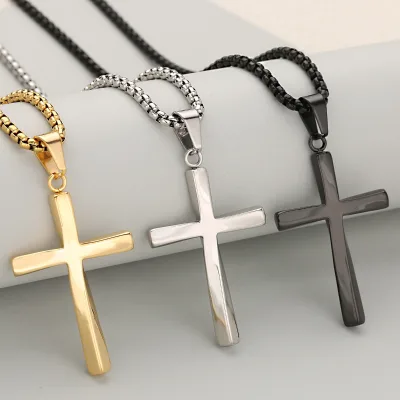
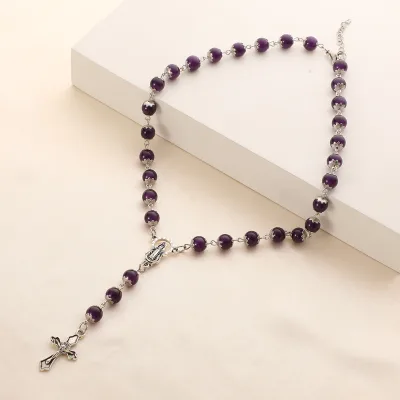


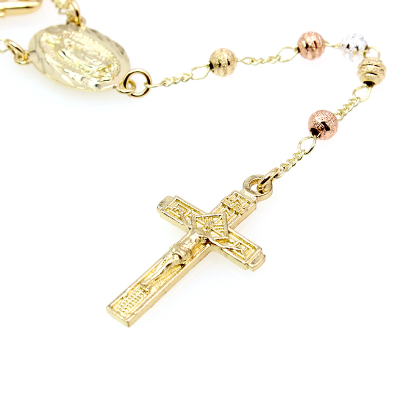
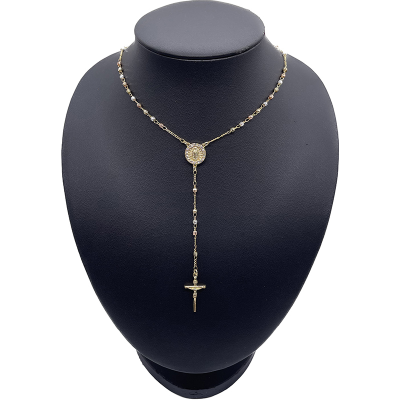
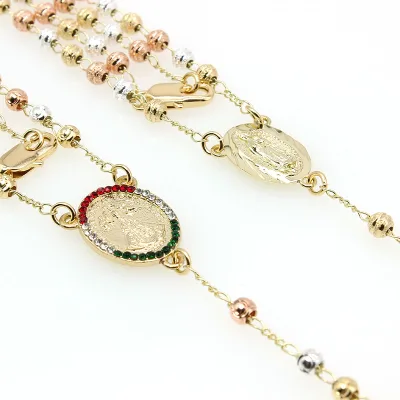
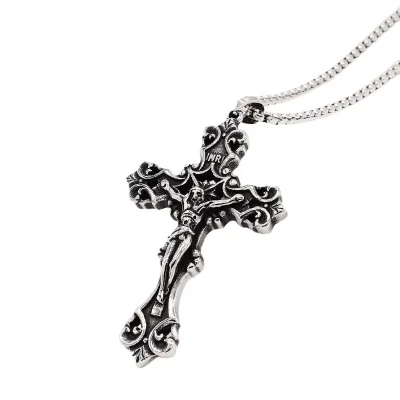
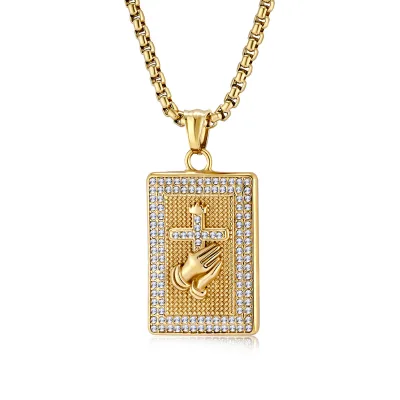
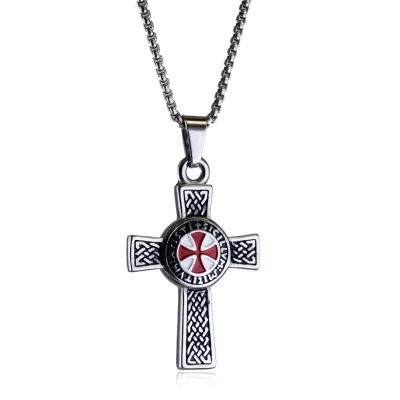
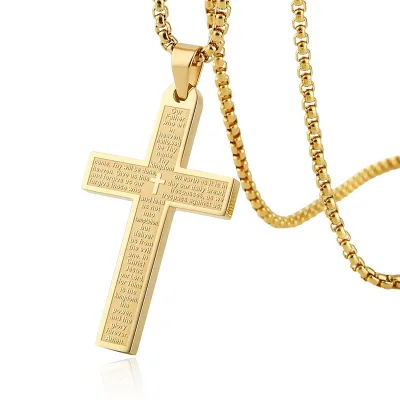
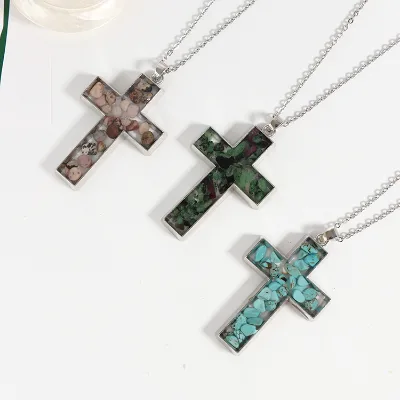
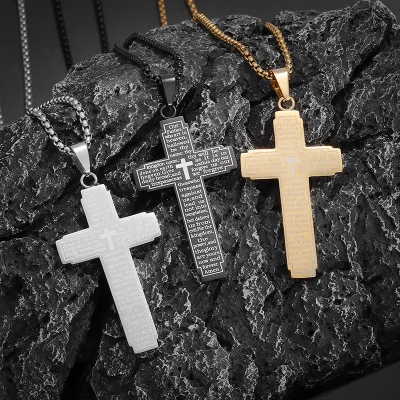
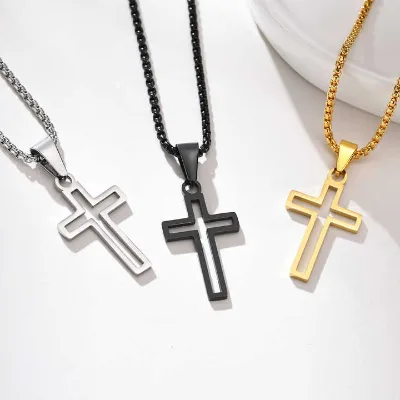
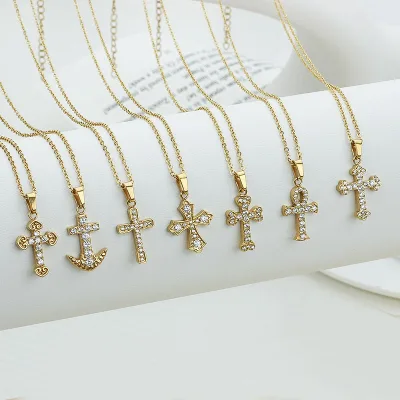


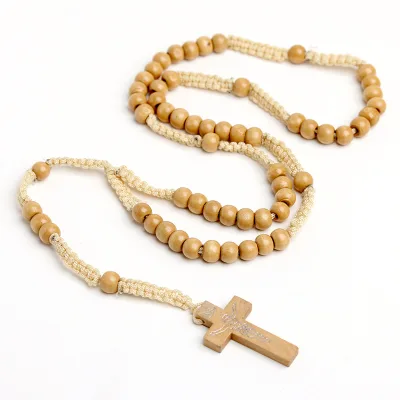
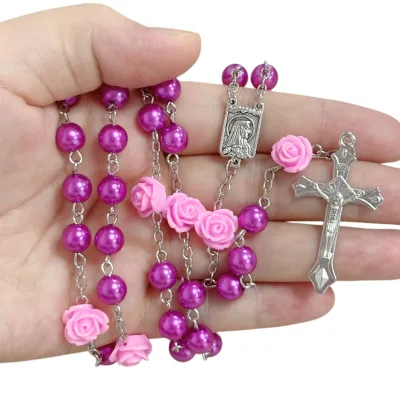
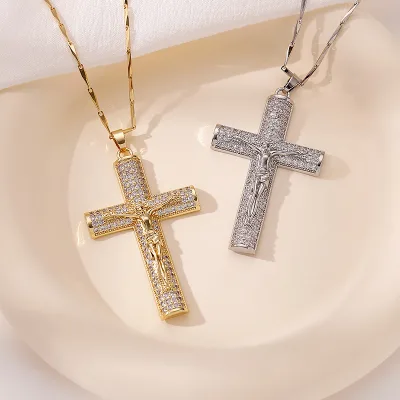
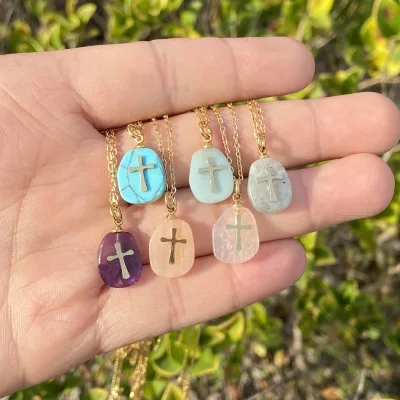
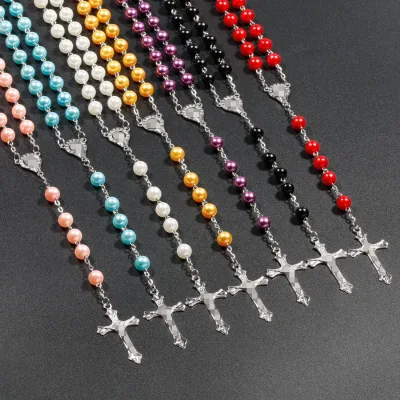


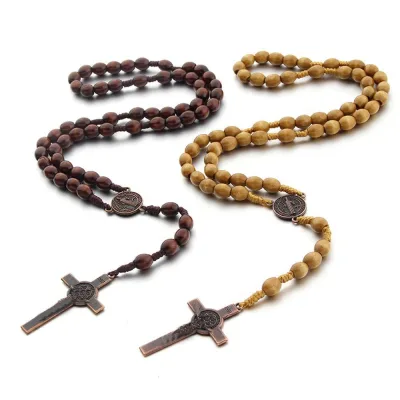
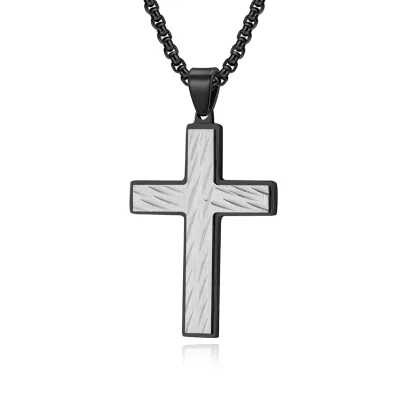
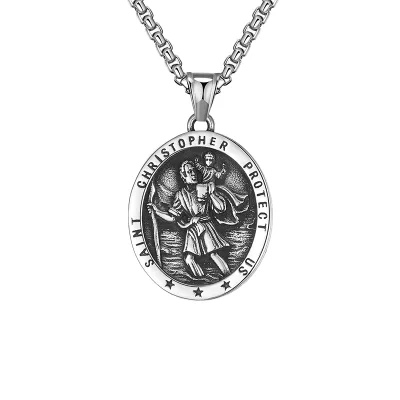
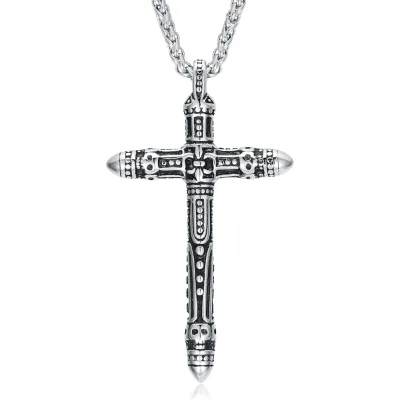
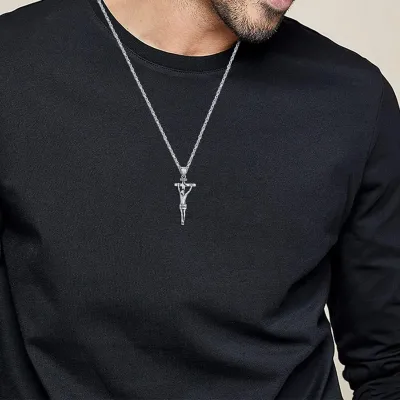
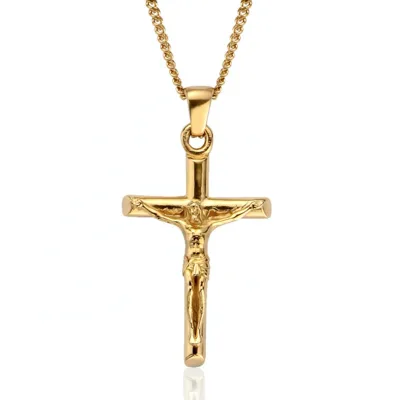
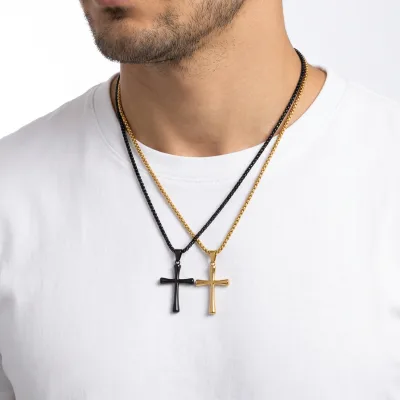


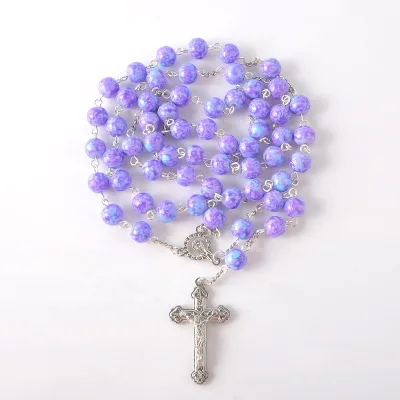
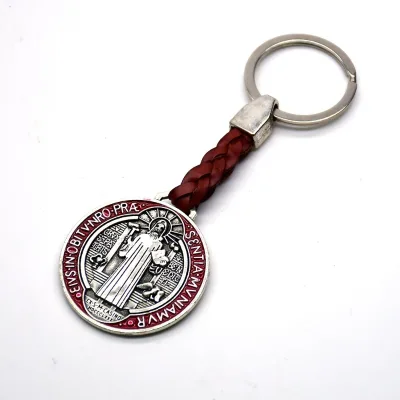
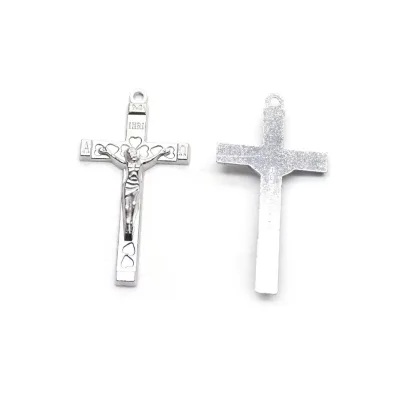
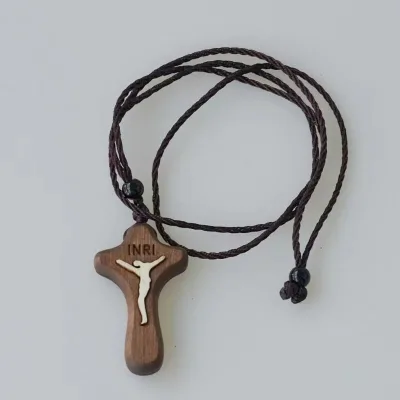


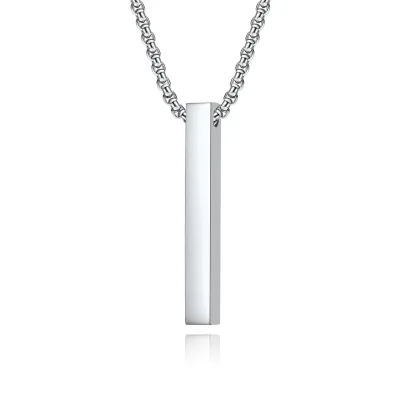
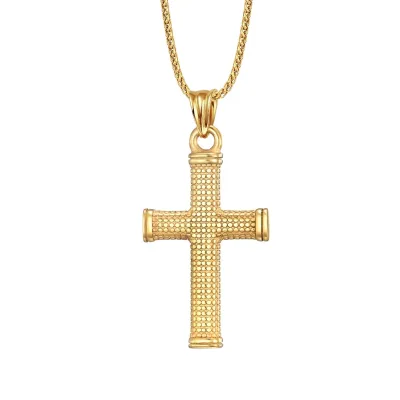
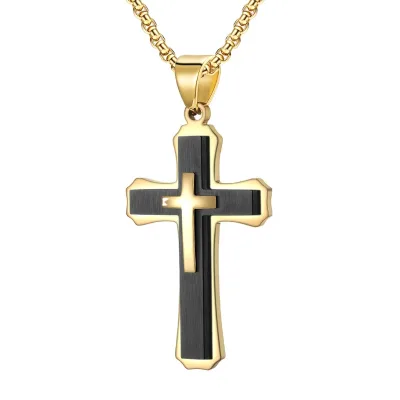


Comprehensive Sourcing Guide
Religious Cross Necklace Supplier Concentration and Factory Types
Sourcing a Religious Cross Necklace begins with understanding the supplier landscape rather than the product itself. Suppliers in this category split into two broad groups: manufacturers that cast, stamp, or assemble pendants in-house, and trading companies that aggregate output from multiple workshops. Supplier records in this category commonly list both main products and company type, so check whether a listed company describes itself as a manufacturer, a factory, a trading company, or a hybrid of the two. One supplier in the results, for example, is listed as both manufacturer and trading company, which suggests some in-house capability combined with outsourced capacity for certain items. Neither structure is inherently better; manufacturers may offer deeper customization control, while traders may offer broader catalog coverage.
Geographic concentration is real but must be confirmed from listed data, not assumed. Several listed suppliers state Zhejiang, China as their location, and another lists Guangdong, China, which tells you these provinces appear in current results for religious necklaces. Beyond those listings, you should identify clusters yourself by filtering search results by location, counting how many verified suppliers appear in each province, and noting where product attributes such as "Place of Origin: Zhejiang, China" recur across listings. Once a cluster emerges from repeated listed evidence rather than assumption, you can prioritize it for shortlisting, then verify each candidate independently before committing to samples or tooling.
How to Verify Religious Cross Necklace Suppliers
Verification starts with on-platform evidence and ends with independent confirmation. Some suppliers in this category carry third-party verification badges: the results show one supplier verified through TüV Rheinland and another through BV (Bureau Veritas). Treat these badges as a starting signal that a third party inspected the company, not as proof of product quality. Read what the badge actually covers, whether it addresses factory existence, capacity, or trading behavior. If a candidate supplier shows no verification badge at all, that does not disqualify them, but it shifts more of the burden onto you to confirm registration documents, business license details, and physical address through direct requests.
Product listings themselves provide verifiable detail you should cross-check. A stainless steel cross pendant listing in the results includes a model number, single package size of 4X3X1 cm, single gross weight of 0.015 kg, and stated place of origin; another alloy listing shows a different model number and packing weight. Compare these stated attributes against physical samples when they arrive, because discrepancies between listed specifications and actual goods are an early warning of sloppy data management or misrepresentation. Also test responsiveness directly: one listed supplier advertises a two-hour response time and another 2.8 hours, so send a specific technical question, note actual reply speed against the claim, and weight the gap heavily in your shortlist decision. Verification is cumulative evidence, never a single badge.
What to Compare Across Religious Cross Necklace Suppliers
Build a comparison table from the attributes suppliers actually display, and record blanks where data is missing rather than guessing. Useful columns include company type, location, verification badge, response time, lead time, MOQ, main products, and customization capability. In the current results, response times range from two hours to 2.8 hours, and lead times range from five days for one supplier to twenty-five and even ninety days for others, a spread wide enough to dominate your delivery planning. Main product lines also differ: some suppliers list fashion jewelry broadly, while others specialize in stainless steel jewelry categories such as rings, pendants, earrings, and bracelets, which signals where their production depth lies.
Customization capacity deserves its own comparison column. One supplier's listed research and development capabilities include sample processing, graphic processing, and customized on-demand work; another states OEM, ODM support, its own brand, logo service, and acceptance of customized orders on specific cross pendant products. These are materially different offers for a buyer planning branded religious jewelry. Compare MOQ alongside price where both are displayed: one alloy cross necklace lists a price range of $0.55 to $0.85 with an MOQ of 12, while a stainless steel cross pendant lists $2.50 to $2.80 with an MOQ of 100, showing how material and MOQ interact. Never assume an attribute exists because a competitor displays it.
Common Religious Cross Necklace Sourcing Risks
The most frequent risk in this category is specification drift between listing and delivered goods. A listing may state stainless steel as the main material with a link chain, while a competing item uses zinc alloy with gold or silver plating; these are very different products with different durability and allergen profiles, even though both appear as cross necklaces. One stainless steel listing explicitly claims no fading, no oxidation, and hypoallergenic performance, while an alloy listing makes no such claims. If plating composition, chain type, or pendant material matters to your market, confirm each attribute in a written specification sheet and against a physical pre-production sample, because listing claims are not contractual guarantees.
Quantity and lead-time risk follows closely. A twelve-piece MOQ invites small trial orders but may come with the twenty-five-day lead time shown for that supplier, while a hundred-piece stainless steel order carries a ninety-day lead time in the current results, which affects seasonal religious retail calendars such as Easter or Christmas. Relying on a single supplier for a peak-season item creates exposure if their stated lead time slips. Additional risks include inconsistent packaging, since listings show items packed in OPP or PP bags at very small gross weights, making damage or loss in transit plausible without reinforced cartons. Finally, certificate fields are sometimes listed as "None," so if your market requires documentation, that gap must be resolved before ordering, not after arrival.
Religious Cross Necklace Regional Sourcing and Logistics
Regional decisions should be grounded in what listings actually state. The current supplier results show Zhejiang, China repeatedly, both as company location and as the declared place of origin on individual products, and Guangdong, China as another listed supplier location. Zhejiang appears across both manufacturer-type and trading-company listings with varied lead times, while the Guangdong listing describes a stainless steel jewelry factory with a long lead time and BV verification. This pattern suggests different regional profiles: one region leaning toward fast-turning fashion jewelry volume, the other toward stainless steel fabrication requiring longer production cycles. Confirm these profiles per supplier rather than generalizing to a whole province.
Logistics planning should account for package dimensions and weights listed on product pages. A cross necklace with a 4X3X1 cm package and 0.015 kg gross weight ships cheaply by courier in small quantities but multiplies into significant freight weight at carton scale, so calculate volumetric weight for your actual order quantities. Longer lead times of twenty-five to ninety days change the air-versus-sea calculation entirely: at ninety days of production, sea freight adds margin rather than doubling delay, whereas a five-day lead-time supplier can justify air courier for replenishment. Ask each shortlisted supplier for their export experience, port proximity, and standard packing method, then align your incoterms choice and consolidation plan with their stated lead time rather than an assumed regional average.
Religious Cross Necklace Commercial Terms and Order Planning
Commercial terms should be negotiated against the concrete numbers suppliers display. Where a listing shows a price band, such as $0.55 to $0.85 for an alloy cross necklace at an MOQ of 12, or $2.50 to $2.80 for a stainless steel cross at an MOQ of 100, treat the top of the band as the starting point for small trial orders and the bottom as achievable only at higher volumes. Confirm in writing what the price includes: plating color options, chain type, packaging, and whether logo service or customization carries a tooling or setup fee. Some suppliers list OEM, ODM, and logo service, which means customization is negotiable, but never assume it is free.
Order planning should sequence risk deliberately. Start with a sample order at the lowest displayed MOQ, compare the physical sample against every listed attribute including material, plating, chain type, package size, and weight, then scale to a pilot order before committing to peak-season volume. For suppliers quoting five-day lead times, plan rapid replenishment cycles; for those quoting twenty-five or ninety days, order against forecast with buffer stock. Secure payment protection suited to your platform context, ask whether escrow-style arrangements are available, and stage payments so that final balance is due after inspection. Record every agreed term in a proforma invoice that mirrors the listing attributes you verified, so discrepancies become contractual issues rather than disputes.
FAQs
What materials are commonly used for religious cross necklaces?
Stainless steel and zinc alloy are the most common materials, often finished with gold or silver plating for a polished look. Stainless steel is valued for durability and resistance to fading or allergies, while alloy pieces are lighter and lower cost. Confirm the base metal and plating thickness with each supplier before ordering samples.
What is the typical minimum order quantity for cross pendant necklaces?
Minimum order quantities vary widely by product and supplier. Some listed cross necklaces start at just 12 pieces, while customizable stainless steel pendants may require 100 pieces or more. Lower MOQs usually apply to stock designs, so ask suppliers to confirm MOQ for your exact model, color, and any logo customization.
How long does production take for religious cross necklaces?
Lead times differ significantly between suppliers and product types. Some cross pendant necklaces ship in around 5 days, other fashion jewelry orders take about 25 days, and factory-based stainless steel jewelry can take up to 90 days. Always confirm the lead time for your specific design, quantity, and customization requirements before placing a deposit.
Can I customize cross necklaces with my own logo or design?
Yes, many suppliers offer OEM and ODM services including custom logo engraving, custom cross designs, and tailored packaging. Customization options may include casting, plating color, and size. Expect higher MOQs and longer lead times for custom work, so request samples and written confirmation of logo placement before mass production.
Which regions in China produce religious cross necklaces?
Zhejiang and Guangdong are the main sourcing regions for religious cross necklaces and fashion jewelry. Zhejiang suppliers are known for a broad range of cross pendants and rosary designs, while Guangdong factories focus on stainless steel jewelry with casting capabilities. Comparing suppliers from both regions helps balance price, customization, and production speed.
How quickly do cross necklace suppliers usually respond to inquiries?
Response times among listed suppliers range from about 2 to 3 hours on average, which is typical for active jewelry suppliers on wholesale platforms. Faster response times often indicate better communication throughout production. When shortlisting, message several suppliers with the same inquiry and compare their clarity, detail, and turnaround before deciding.
What should I check before ordering stainless steel cross pendants in bulk?
Request samples to verify material quality, plating durability, and whether the finish resists fading, oxidation, or allergic reactions. Confirm the chain type, pendant size, packaging, and unit weight in writing. Also verify certification requirements for your market, agree on defect tolerances, and confirm the reorder lead time so restocking stays predictable.