CE USB DMX Controller Suppliers and Manufacturers in China
Compare 20 verified suppliers offering CE USB DMX Controller units with response times, lead times, and certifications. Review product specifications like power supply and dimensions before contacting factories in Guangdong for quotes; review the available evidence before requesting comparable quotations from suitable candidates.
Suppliers List

Guangzhou HOMEI Lighting Equipment Factory
- Verified by TUVRHEINLAND
- Combined
- China Guangdong
- Lead time15 days
- Avg. response≤ 3h
Main productsLED Star Cloth, LED Video Curtain, RGB Star Curtain, LED Stage Light, LED Dance Floor, LED Starlit Dance Floor, LED Star Curtain, LED Twinkling Dance Floor, LED Moving Head, LED Parcans Light
Main marketsSouth America,Africa,Southeast Asia/ Mideast,East Asia(Japan/ South Korea),Domestic,Europe,Australia,North America
Qingyuan Xingxi Optoelectronic Technology Co., Ltd.
- Manufacturer
- Guangdong, China
- Lead time15 days
- Avg. response≤ 5h
Main productsLED par light,Moving head light,Beam light,smoke machine,LED lights
Main marketsNorth America(20.0%), Southeast Asia(15.0%), Eastern Europe(15.0%), Domestic Market(15.0%), Western Europe(10.0%), South America(5.0%), Eastern Asia(5.0%), South Asia(5.0%), Northern Europe(3.0%), Oceania(3.0%), Africa(2.0%), Central America(2.0%)

GUANGZHOU MS LIGHTING CO., LIMITED
- Combined
- China Guangdong
- Lead time15 days
- Avg. response≤ 3h
Main productsLED Light, Moving Head Light, Stage Light, Professional Light, Scan Light, Smoke Machine, Follow Spot, Laser Light, LED Stage Light, Disco Light
Main marketsSouth America,Southeast Asia/ Mideast,Europe

ShenZhen ibestwork Technology Co., Ltd.
- Manufacturer/Factory
- China Guangdong
- Lead time15 days
- Avg. response≤ 5h
Main productsLED Entertainment Lighting, LED Building Lighting, LED Stage Light, RGB LED Tube, LED Digital Bar, LED 3D Ball, RGB LED Pixel Light
Main marketsEastern Europe,North America,Southeast Asia,Eastern Asia,Western Europe
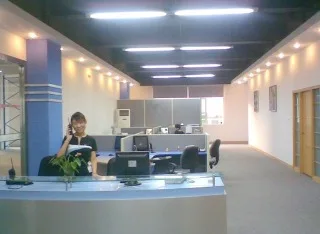
Guangzhou Fengya Lighting Equipment Co., Ltd.
- Manufacturer
- Guangdong, China
- Lead time7 days
- Avg. response≤ 5h
Main productsLED Par Light,led moving head light,moving head light,led washer light,laser stage light
Main marketsNorth America(30.0%), Western Europe(15.0%), Southern Europe(15.0%), Northern Europe(5.0%), Central America(5.0%), Eastern Europe(5.0%), Eastern Asia(5.0%), South Asia(5.0%), South America(5.0%), Southeast Asia(5.0%), Africa(3.0%), Domestic Market(1.0%), Mid East(1.0%)
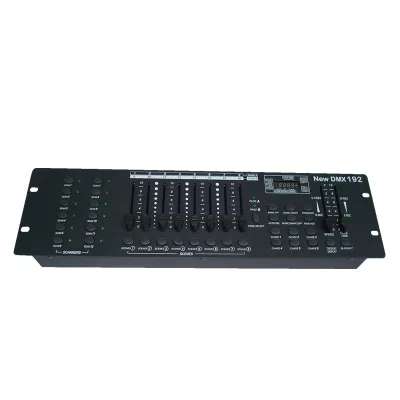
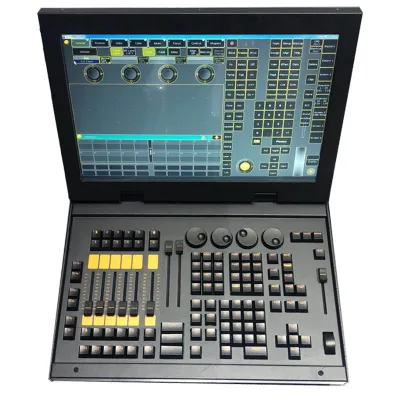
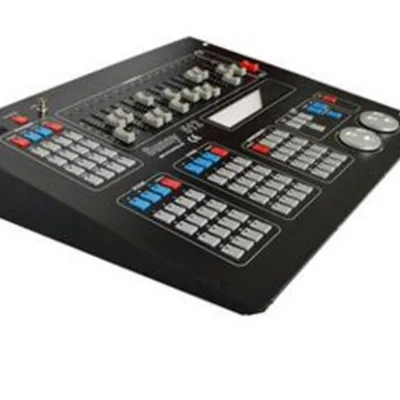
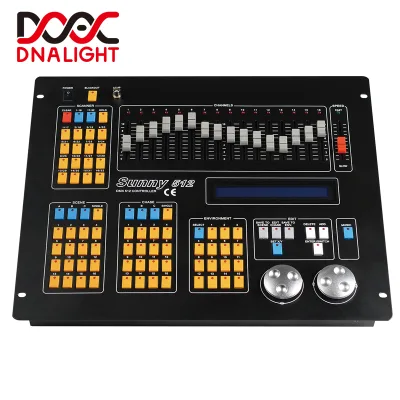
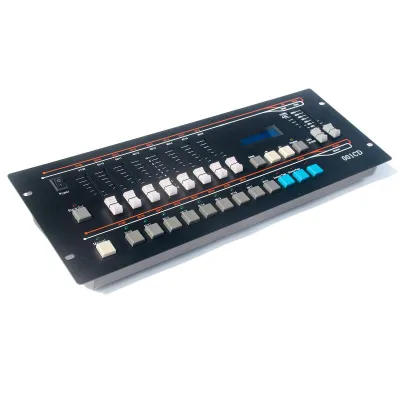
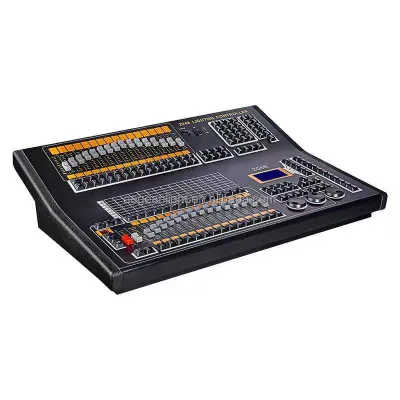
Programmable Dmx Controller Lighting Console Dimmer Stage Moving Head Lamp Controller DJ bar Console
$1478.80 - $1529.79
Moq: 2
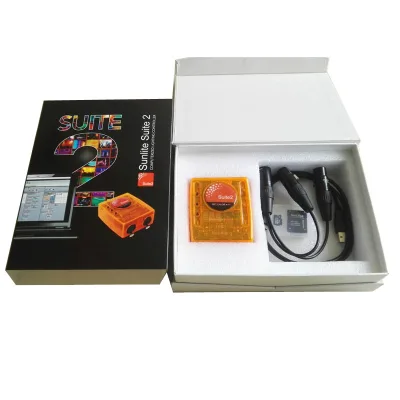
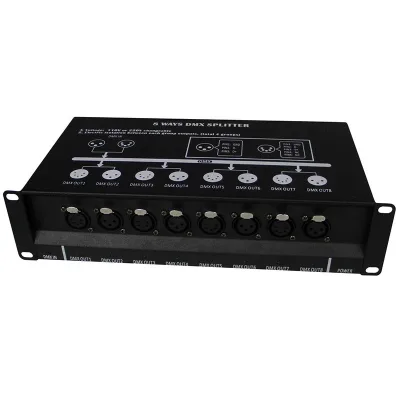
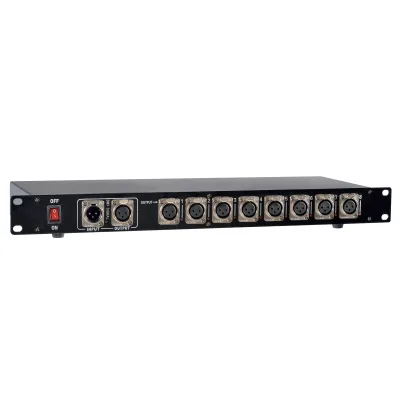
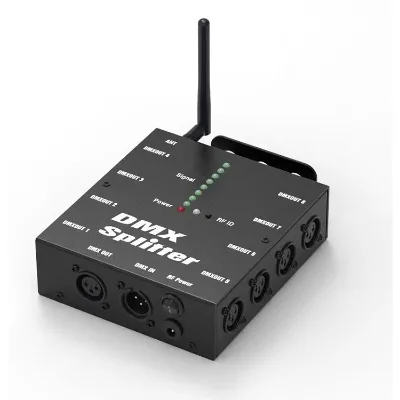
3pin and 5 Pin 8_Way DMX512 Splitter
$58.00 - $70.00

Guangzhou Geliang Lighting Technology Co., Ltd.
- Verified by SGS
- Combined
- China Guangdong
- Lead time15 days
- Avg. response≤ 6h
Main productsLED Stage Light/Stage Lighting, LED Stage Lighting, LED Dance Floor, DMX Controller, LED Indoor and Outdoor Display Screen, LED PAR Can/LED PAR Light, Moving Head Light, LED Wall Washer, LED DMX Tube, LED Moving Head Light
Main marketsAfrica,Southeast Asia/ Mideast,Europe,Australia,North America
- Manufacturer, Trading Company
- Lead time旺季: "1 - 100":28,"> 100":"To be negotiated", 淡季: "1 - 100":28,"> 100":"To be negotiated"
- Avg. response≤ 3h
Main productsStage Lights, Moving Head Lights, LED Par Light, LED Wall Wash Light, Battery Stage Lights
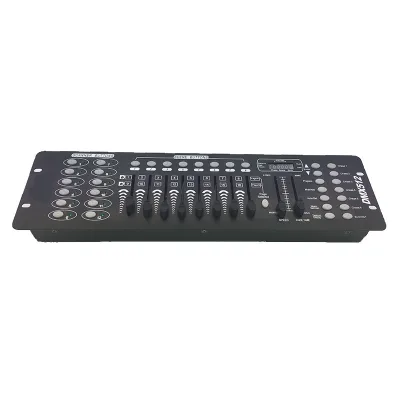
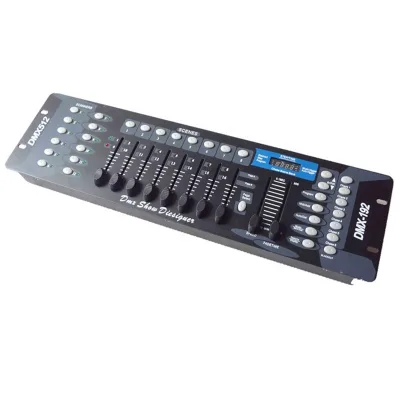
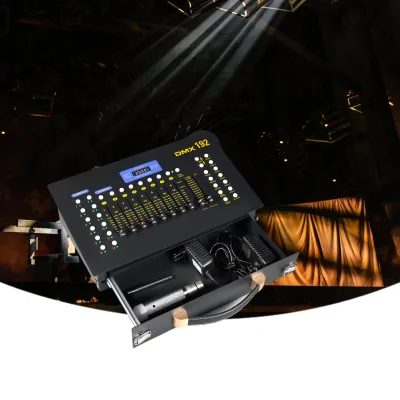
192 DMX Light Controller for Dimming Applications
$19.32 - $21.32
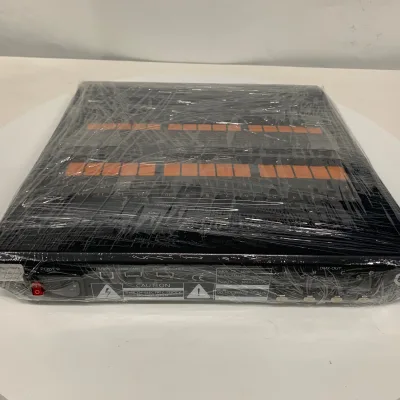
Fader Wing Dmx Stage Lighting Controller Console
$360.00 - $380.00
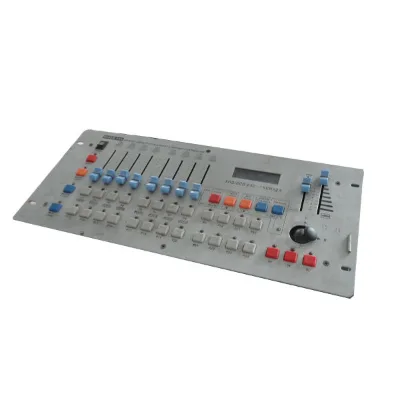
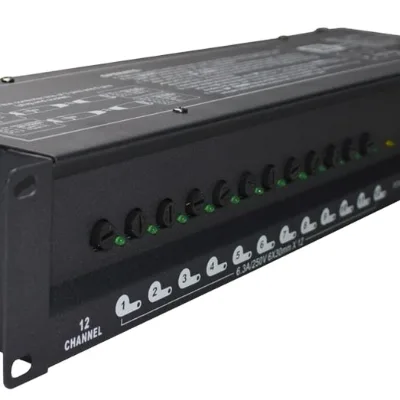
DMX240 12 Channel Dmx Controller
Contact supplier
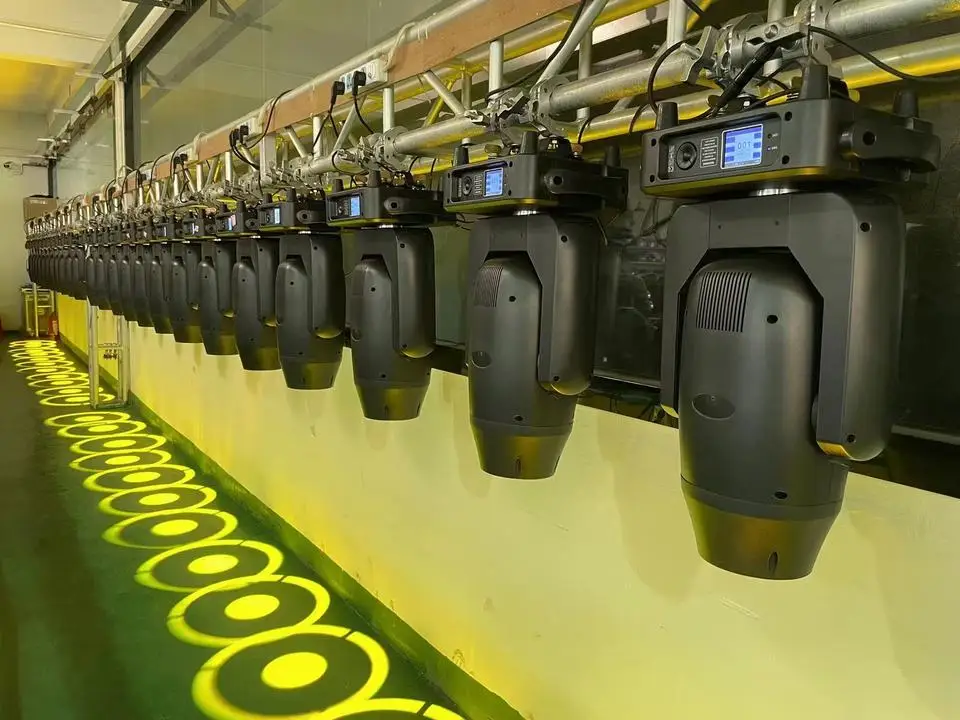
Guangzhou Artshow Lighting Co., Limited
- Manufacturer
- Guangdong, China
- Lead time0 days
- Avg. response≤ 7h
Main productsLED Par Light,Led Moving Head,Moving Head Light,DMX Controller,Led Wall Washer
Main marketsEastern Europe(20.0%), South America(20.0%), North America(20.0%), Western Europe(10.0%), Eastern Asia(10.0%), Domestic Market(10.0%), Oceania(5.0%), Northern Europe(5.0%)

Guangzhou MINGXUAN Stage Light Equipment CO.,LTD
- Verified by CTI
- Trading Company,Manufacturer/Factory
- China Guangdong
- Lead time38 days
- Avg. response≤ 16h
Main productsMoving Head Light, Line Array Speaker, Truss Stage, Tent, Microphone, LED Screen, Mixer, LED PAR Can, LCD Screen, Small Speaker
Main marketsSouth America,Eastern Europe,Mid East,North America,Southeast Asia,Eastern Asia,Oceania,Western Europe,Africa
Guangzhou Flyko Stage Equipment Co., Ltd.
- Verified by SGS Group
- Manufacturer, Trading Company
- Lead time7 days
Main productsPar light, LED kinetic ball, LED curtain, LED dance floor, Truss system
Main marketsNorth America(30%), South America(20%), Africa(10%)

Guangzhou Honghe Stage Lighting Equipment Co., Ltd.
- Manufacturer, Trading Company
- Guangdong, China
- Lead time15 days
- Avg. response≤ 3h
Main productsBeam Light, LED Moving Head Light, Led Par Light, Led Wall Washer Light, Stage Laser Light
Main marketsSouthern Europe(20.0%), Western Europe(10.0%), Eastern Europe(10.0%), Oceania(10.0%), Domestic Market(5.0%), South Asia(5.0%), North America(5.0%), Northern Europe(5.0%), Central America(5.0%), Southeast Asia(5.0%), Eastern Asia(5.0%), Mid East(5.0%), South America(5.0%), Africa(5.0%)
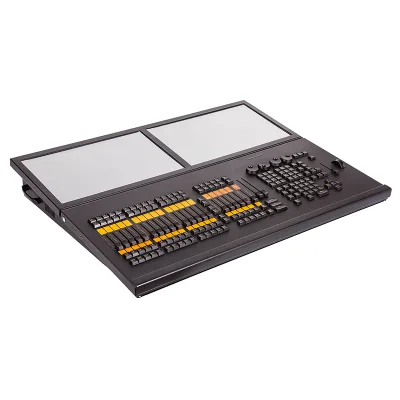
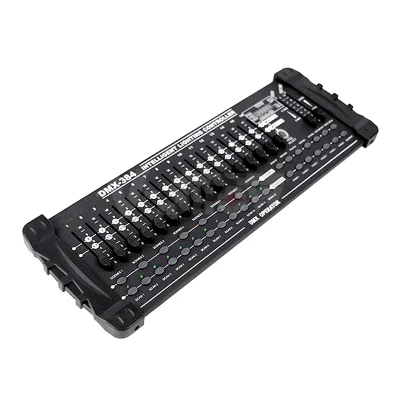
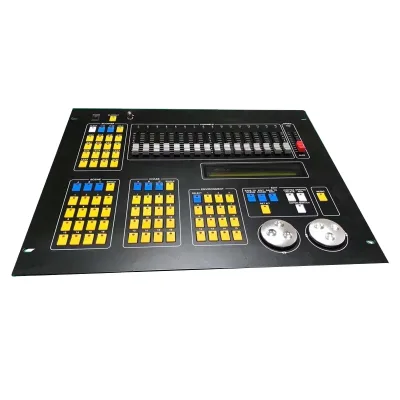
Factory Direct Supply Dmx Controller Dmx Light Controller Stage Lighting Controller
$3269.00 - $3423.00
Moq: 2
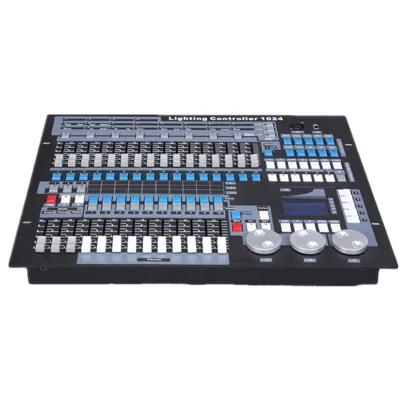
Guangzhou Can Win Electronic Technology Co., Ltd.
- Manufacturer
- Guangdong, China
- Lead time15 days
- Avg. response≤ 5h
Main productsStage Truss,Flight Case,Stage Lighting,Electric chain hoists,Stage Effect
Main marketsNorth America(30.0%), South America(20.0%), Western Europe(15.0%), Eastern Europe(5.0%), Northern Europe(5.0%), Mid East(5.0%), Oceania(5.0%), Africa(5.0%), Southern Europe(5.0%), Eastern Asia(3.0%), Southeast Asia(2.0%)
Guangdong Jiale Electronics Co., Ltd.
- Manufacturer, Trading Company
- Guangdong, China
- Lead time15 days
- Avg. response≤ 3h
Main productsMoving Head Light,Beam Light,LED PAR Light,LED Wall Washer,Theater Light
Main marketsAfrica(50.0%), Eastern Asia(29.09%), Domestic Market(29.09%), North America(16.37%), South America(10.91%), Eastern Europe(10.0%), Oceania(10.0%), South Asia(8.48%), Western Europe(6.06%), Southern Europe(6.0%), Northern Europe(6.0%)
Guangzhou Geliang Lighting Technology Co., Ltd.
- Manufacturer, Trading Company, Buying Office
- Guangdong, China
- Lead time15 days
- Avg. response≤ 2h
Main productskinetic lights,Dynmic and itelligent stages,rotating truss,Stage Lights,LED lighting
Main marketsSouthern Europe(12.5%), Northern Europe(12.5%), Central America(12.5%), Western Europe(12.5%), Africa(12.5%), Eastern Europe(12.5%), South America(12.5%), North America(12.5%)

Guangdong Future Optoelectronic Technology Co., Ltd.
- Manufacturer, Trading Company
- Guangdong, China
- Lead time7 days
- Avg. response≤ 2h
Main productsMoving Head Light , LED Moving Head Light , Laser Light, LED Retro Light , LED Par Light
Main marketsNorth America(50.0%), Western Europe(30.0%), South America(10.0%), Eastern Europe(10.0%)

Guangzhou Feituo Industry Co., Ltd.
- Manufacturer
- Guangdong, China
- Lead time3 days
- Avg. response≤ 4h
Main productsled moving head,led par light,led wall washer,dmx controller,laser light
Main marketsNorth America(20.0%), Western Europe(10.0%), Domestic Market(10.0%), Southeast Asia(10.0%), Eastern Europe(10.0%), Northern Europe(10.0%), South America(8.0%), Oceania(5.0%), Eastern Asia(5.0%), South Asia(3.0%), Central America(3.0%), Africa(2.0%), Mid East(2.0%), Southern Europe(2.0%)
Foshan Very Stage Equipment Co., Ltd.
- Manufacturer
- Guangdong, China
- Lead time7 days
- Avg. response≤ 3h
Main productsstage lighting,moving head,led par light,beam light,LED wall washer
Main marketsNorth America(51.0%), South America(15.0%), Western Europe(8.0%), Northern Europe(6.0%), Eastern Europe(5.0%), Southern Europe(4.0%), Central America(2.0%), South Asia(2.0%), Oceania(2.0%), Southeast Asia(2.0%), Eastern Asia(1.0%), Mid East(1.0%), Africa(1.0%)
Guangzhou Aegean Stage Lighting Equipment Co., Ltd.
- Manufacturer, Trading Company
- Guangdong, China
- Lead time4 days
- Avg. response≤ 1h
Main productsLED Stage Light,Moving Head Light,LED Par Light,Laser Light,Led Wall Washer
Main marketsNorth America(20.0%), Eastern Europe(12.0%), Southern Europe(10.0%), Western Europe(10.0%), South America(10.0%), Northern Europe(8.0%), Southeast Asia(5.0%), Central America(5.0%), Mid East(5.0%), Africa(4.0%), Oceania(4.0%), South Asia(4.0%), Domestic Market(2.0%), Eastern Asia(1.0%)

- Verified by SGS
- Combined
- China Guangdong
- Lead time15 days
- Avg. response≤ 5h
Main productsLED Wall Washer Light, LED Floodlight, Outdoor LED Spotlight, LED Inground Light, LED Underwater Light, LED Outline Linear Light, LED Downlight, LED Ceiling Light
Main marketsSoutheast Asia/ Mideast

Glee Stage Light Equipment Co., Ltd.
- Verified by TUVRHEINLAND
- Manufacturer/Factory
- China Guangdong
- Lead time15 days
- Avg. response≤ 11h
Main productsLED Theatrical Gobo Light, LED Moving Head, Beam Moving Head, LED Logo Projector, Battery LED Uplighting, LED Effect Lights, LED Architectural Light, LED Bar/ Wall Washer Light, LED PAR Light, Laser Lighting
Main marketsSouth America,Eastern Europe,Mid East,North America,Southeast Asia,Eastern Asia,Oceania,Western Europe,Africa

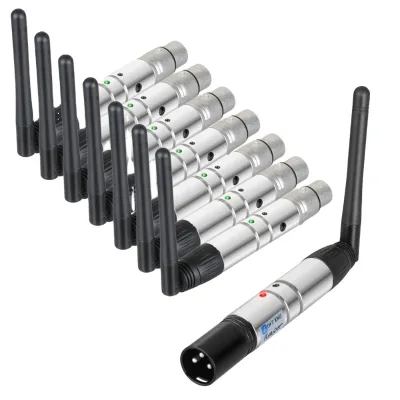
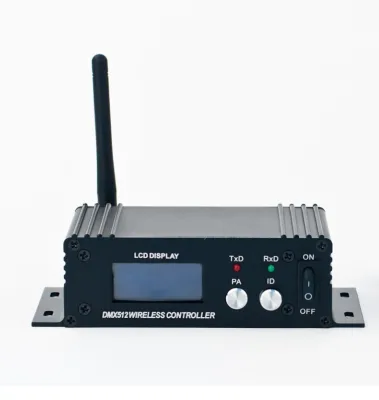
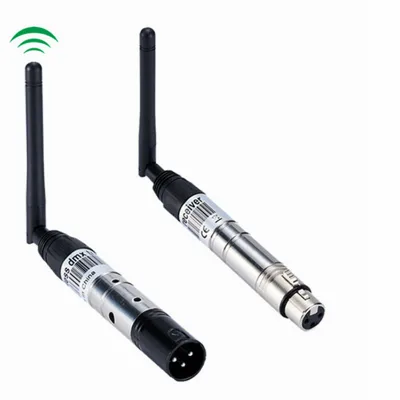
Professional Lighting Outdoor Waterproof Wireless DMX Transmitter Transceiver Controller
$169.00 - $182.00
Moq: 1






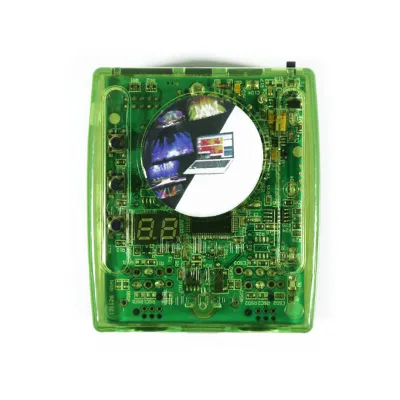
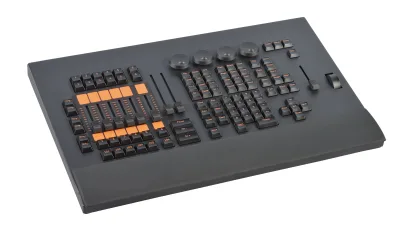
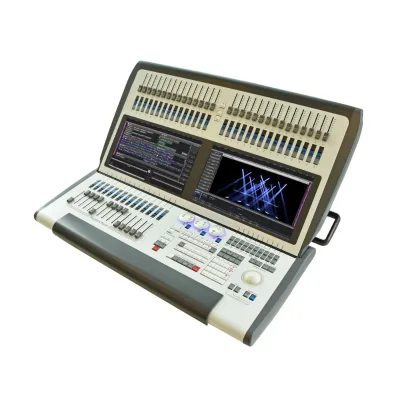
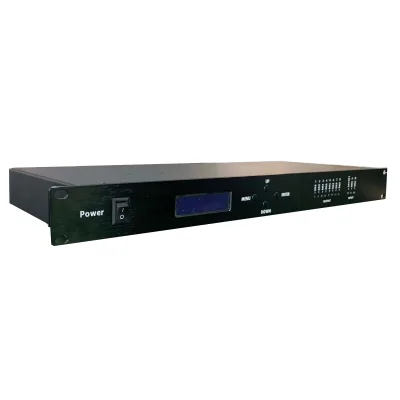


Comprehensive Sourcing Guide
CE USB DMX Controller Supplier Concentration and Factory Types
The available data indicates a significant concentration of suppliers operating within the Guangdong province of China, specifically in regions like Guangzhou and general Guangdong areas. This geographic clustering suggests a mature ecosystem for lighting accessories and stage equipment, where manufacturers and trading companies coexist to serve global demand. Buyers observing results from this region should note that the supply chain is deeply integrated, with many entities offering a mix of manufacturing and trading capabilities. The presence of combined company types alongside dedicated manufacturers implies that buyers may encounter suppliers who both produce goods and manage logistics, potentially streamlining the procurement process for items like DMX controllers.
When evaluating the factory types within this cluster, it is essential to distinguish between pure manufacturers and combined entities. The observed data includes suppliers identified as manufacturers with specific product lines such as LED par lights and moving heads, while others are classified as combined types. This distinction matters because a manufacturer might offer more direct control over production customization and lead times, whereas a combined supplier might leverage broader logistics networks. Buyers should verify the specific operational model of each potential partner, as the ability to handle ODM requests varies by company type. Understanding whether a supplier is primarily a factory or a trading entity helps in setting realistic expectations for communication speed and production flexibility.
How to Verify CE USB DMX Controller Suppliers
Verification of supplier credentials is a critical step when sourcing specialized equipment like DMX controllers. The current data highlights that some suppliers hold TUVRHEINLAND verification status, which serves as a tangible indicator of third-party assessment. However, not all suppliers in the results display system certifications, with some showing a NIL status for system certification. Buyers must treat the absence of a displayed certification as a signal to request proof of compliance rather than assuming a lack of standards. It is vital to ask for valid certificates for specific products, such as RoHS or CE, which are mentioned in product attributes for certain models, ensuring the supplier can substantiate their claims with current documentation.
Beyond certifications, response time and verification status provide immediate insights into supplier reliability. The observed response times vary, with some suppliers showing a response time of 2.26 hours while others indicate a five-hour window. A faster response time often correlates with better communication channels and operational efficiency, which is crucial for resolving technical queries regarding USB integration or DMX protocols. Buyers should prioritize suppliers with verified statuses and rapid response metrics, but they must also verify these claims directly. Requesting a live demonstration or a video call can confirm the supplier's actual capability to support the specific technical requirements of a CE USB DMX Controller project before any financial commitment is made.
What to Compare Across CE USB DMX Controller Suppliers
Comparing suppliers requires a focus on quantifiable metrics such as lead time, minimum order quantity, and pricing structures. The data reveals a lead time of 15 days for certain orders, which serves as a benchmark for production scheduling. Buyers should compare this against other potential partners to ensure their project timelines are met. Additionally, the minimum order quantity (MOQ) varies significantly, with some products listed at an MOQ of 1 unit while others require a minimum of 2 units. This variation allows buyers to assess their risk tolerance and capital requirements, choosing suppliers that align with their specific order volume needs without forcing unnecessary inventory buildup.
Pricing and product specifications are equally critical dimensions for comparison. The observed price ranges for DMX controllers span from approximately 38 to 1200 units of currency, reflecting differences in channel capacity, build quality, and feature sets. For instance, a 1024 channel controller may command a higher price than a 16-channel unit. Buyers must compare these prices against the detailed product attributes, such as power supply requirements, material composition like aluminum alloy, and control signal standards like DMX512. It is also necessary to evaluate the customization options available, as some suppliers explicitly state that customization is available while others may have limited flexibility. A thorough comparison ensures the selected supplier offers the best value proposition for the specific technical and commercial requirements of the project.
Common CE USB DMX Controller Sourcing Risks
One significant risk in sourcing DMX controllers is the potential mismatch between advertised specifications and actual product performance. While product attributes list features like automatic control, monitoring functions, and specific power supply ranges, buyers must verify that these claims hold true under real-world conditions. The data shows varying product standards and dimensions, such as sizes ranging from 485420405mm to 739603157mm. Without rigorous testing, a buyer might receive a controller that does not fit their existing rigging or power infrastructure. It is essential to request sample units or detailed technical datasheets that confirm the physical and electrical compatibility of the device before placing a bulk order.
Another risk involves the reliability of the supply chain and the consistency of product quality. The presence of different packing standards, such as carton boxes versus flight cases, indicates varying levels of protection during transit. If a supplier does not specify robust packaging for delicate electronic components, the risk of damage increases. Furthermore, the lack of system certification for some suppliers suggests a potential gap in quality management systems. Buyers should be cautious of suppliers who cannot provide clear evidence of their quality control processes. Ensuring that the supplier has a track record of delivering consistent products and adhering to safety standards is vital to mitigate the risk of receiving defective or non-compliant equipment that could disrupt stage operations.
CE USB DMX Controller Regional Sourcing and Logistics
Sourcing from the Guangdong region offers logistical advantages due to the established infrastructure for exporting lighting equipment. The concentration of suppliers in cities like Guangzhou and the broader Guangdong area facilitates efficient shipping and handling. Buyers should leverage this geographic proximity to negotiate favorable freight terms, as many suppliers are accustomed to international logistics. However, the specific origin details, such as "Guangdong, China" or "Guangzhou, China," should be confirmed for each order to ensure accurate customs documentation. Understanding the precise location of the factory helps in estimating transit times and potential delays, which is crucial for maintaining project schedules.
Logistics planning must also account for the specific packaging requirements of the products. The data indicates that items are packed in either carton boxes or flight cases, with some products having specific gross weights and package dimensions. For example, certain controllers have a gross weight of 3kg and specific inner package sizes. Buyers need to calculate the total volume and weight of their order to determine the most cost-effective shipping method. Whether air freight or sea freight is chosen, the packaging must be robust enough to protect the electronic components during transit. Coordinating with the supplier to ensure that the packaging meets international shipping standards will help prevent damage and ensure that the Ce USB DMX Controllers arrive in perfect condition.
CE USB DMX Controller Commercial Terms and Order Planning
Commercial terms regarding payment and order planning are fundamental to a successful procurement process. The data shows that some suppliers offer customization options, which can impact the lead time and pricing structure. Buyers should clarify the terms for customized orders, including any additional costs or extended lead times that may apply. The observed lead time of 15 days serves as a baseline, but customization requests could alter this timeline. It is essential to negotiate clear delivery schedules and penalties for delays to protect the buyer's interests. Understanding the specific commercial terms for each supplier ensures that the project remains on track and within budget.
Order planning should also consider the minimum order quantities and pricing tiers. With MOQs ranging from 1 to 2 units, buyers have flexibility in their initial ordering strategy. However, for larger projects, negotiating volume discounts based on the price ranges observed, such as the difference between 38 and 1200 currency units, can yield significant savings. Buyers should plan their orders to maximize these discounts while maintaining a manageable inventory level. Additionally, verifying the payment terms and escrow options is crucial for financial security. Ensuring that the supplier accepts secure payment methods and has a clear refund policy in case of non-delivery or quality issues will provide peace of mind and protect the buyer's investment in the CE USB DMX Controller project.
FAQs
What is the price range for DMX controllers?
Prices for DMX controllers vary significantly based on channel capacity and features. Basic 16-channel units start around $65, while 192-channel models cost approximately $38 to $40. Higher-end 1024-channel controllers range from $460 to $492. Premium 2010-channel consoles are priced at $1200. Buyers should verify specific model pricing before ordering.
What are the minimum order quantities for these controllers?
Minimum order quantities depend on the specific controller model selected. Some 1024-channel DMX controllers have an MOQ of just one unit, allowing for easy sampling. Other models, such as the 16-channel DMX240, require a minimum order of two units. Buyers must check the specific product listing to confirm the exact MOQ applicable to their purchase.
How long does production take for DMX controllers?
The standard lead time for manufacturing these DMX controllers is 15 days. This timeframe applies to the production and preparation of the goods for shipment. Buyers should account for this duration when planning project timelines. It is advisable to confirm the exact lead time with the supplier at the time of order placement to ensure timely delivery.
Are these DMX controllers certified for safety?
Yes, specific DMX controller models carry RoHS and CE certifications, ensuring compliance with relevant safety standards. These certifications indicate that the products meet specific environmental and safety requirements for the European market. Buyers should request certification documents for the exact model they intend to purchase to verify compliance with their local regulations.
Where are these DMX controllers manufactured?
These DMX controllers are manufactured in Guangdong, China, specifically in Guangzhou. This region is a major hub for lighting equipment production. Buyers can expect products to originate from this location. The manufacturing base in Guangdong allows for efficient supply chain management and access to specialized components for lighting control systems.
What power supply do these controllers require?
Most DMX controllers operate on AC90-240V at 50-60Hz, ensuring compatibility with global power standards. Some models utilize a switching power supply for stable operation. Specific units may also support DC9V-12V inputs. Buyers should verify the voltage requirements for their specific model to ensure proper integration with their existing power infrastructure and lighting systems.