Freshwater Pearl Gold Ball Bracelet Suppliers and Manufacturers
Explore 19 verified suppliers offering Freshwater Pearl Gold Ball Bracelet options with ODM capabilities and Nickel&Lead Free testing. Compare lead times, MOQs, and certifications like SGS and CTI to find the right partner. Contact suppliers directly to request samples.
Suppliers List

YIWU JINYE IMPORT AND EXPORT CO., LTD
- Verified by SGS
- Trading Company
- China Zhejiang
- Lead time15 days
Main productsBangle, Wrist Band, Bracelet, Fashion Jewelry
Main marketsNorth America


Fashion Europe and The United States Vintage Shell Pearl Bracelet Jewelry
$1.20 - $3.60
MOQ: 100 Pieces

Fashion Heart Luxury Accessories Niche High-End Natural Freshwater Pearl Bracelet for Women
$2.38 - $4.30
MOQ: 20 Pieces

ZHUJI YEYI IMPORT AND EXPORT CO., LTD.
- Verified by CTI
- Trading Company
- China Zhejiang
- Lead time15 days
Main productsPearl, Freshwater Pearl, Pearl Jewelry, Pearl Necklaces, Pearl Earrings, Pearl Bracelet, Pearl Brooch, Baroque Pearl, Pearl Beads, Pearl Pendant
Main marketsNorth America

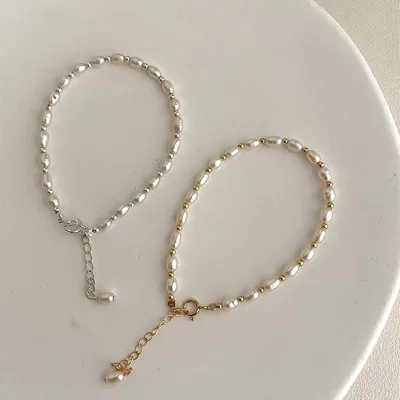
Women Fashion Sterling Silver Freshwater Pearl Bracelet Classic Style Bracelet
$7.98 - $11.67
MOQ: 100 Pieces

Sterling Silver Exiquisite Freshwater Pearl Jewelry Bracelet with Classic Design
$15.55 - $20.08
MOQ: 100 Pieces

Elegant Customized Natural Freshwater Pearl Bracelet with Gourd Design Sterling Silver Accessory
$14.00 - $16.60
MOQ: 100 Pieces

Luxury Charming Freshwater Pearl Bracelet with Stunning Double-Row Design
$36.63 - $41.12
MOQ: 100 Pieces

Beautifully Crafted Charming Freshwater Pearl Bracelet for Good Luck and Style
$13.80 - $16.10
MOQ: 100 Pieces

Exquisite Simple Natural Freshwater Pearl Bracelet for Timeless Style and Grace
$9.50 - $11.00
MOQ: 100 Pieces

Shenzhen Right Grand Jewelry Co., Ltd.
- Verified by SGS
- Manufacturer
- China Guangdong
- Lead time15 days
Main productsNecklace, Bracelet, Earring, Ring, Nose Ring, Ear Piercing, Belly Ring, Nipple Ring
Main marketsSouth America,Europe,North America


Fashion Stainless Steel Jewelry Fresh Water Pearl Hand Chain Ladies Gold Bracelet
$2.00 - $4.85
MOQ: 20 Pieces


Popular Natural Freshwater Pearl Stainless Steel Thin Gold Chain Bracelet for Women
$1.50 - $3.80
MOQ: 50 Pcs


Freshwater Pearl Stitching Stainless Steel 3mm Beaded Beads Crystal Stone Bracelet
$3.32 - $3.90
MOQ: 6 Pieces

- Verified by SGS
- Manufacturer/Factory
- China Zhejiang
- Lead time30 days
Main productsNecklace, Bracelets, Earring, Ring, Brooch, Phone Lanyard, Key Chain, Body Jewelry, Hair Clip, Hair Band
Main marketsSouth America,Eastern Europe,Mid East,North America,Southeast Asia,Eastern Asia,Oceania,Western Europe,Africa

Shenzhen Hengda Xin Jewelry Co., Ltd.
- Verified by BV
- Combined
- China Guangdong
- Lead time15 days
Main productsJewelry, Stainless Steel Fittings, Stainless Steel Jewelry, Necklace, Bracelet, Stud Earrings, Ring, Pendant, Fashion Jewelry, Fashion Accessories
Main marketsSoutheast Asia/ Mideast,East Asia(Japan/ South Korea),Domestic,Europe,Australia,North America

New Irregular Baroque Pearl Gold Plated Seed Beads Freshwater Pearl Steel Bracelet
$1.78 - $2.29
MOQ: 50 Pieces


Customizable Bracelet Natural Style Fashion Natural Freshwater Pearl Bracelet
$3.24 - $3.32
MOQ: 100 piece


Natural Stone Frosted Loose Bead Bracelet Pure Color Beads Adjustable Bracelet
$2.70 - $2.80
MOQ: 20 Pieces

Longyuan (Guangzhou) Industrial Development Co., Ltd.
- Verified by TUVRHEINLAND
- Manufacturer/Factory
- China Guangdong
- Lead time23 days
Main productsJewelry, Fashion Watch, Hair Accessories, Men Jewelry, Women Jewelry, Pendants, Brooches, Bracelets, Crowns, Necklaces
Main marketsSouth America,Eastern Europe,Mid East,North America,Western Europe
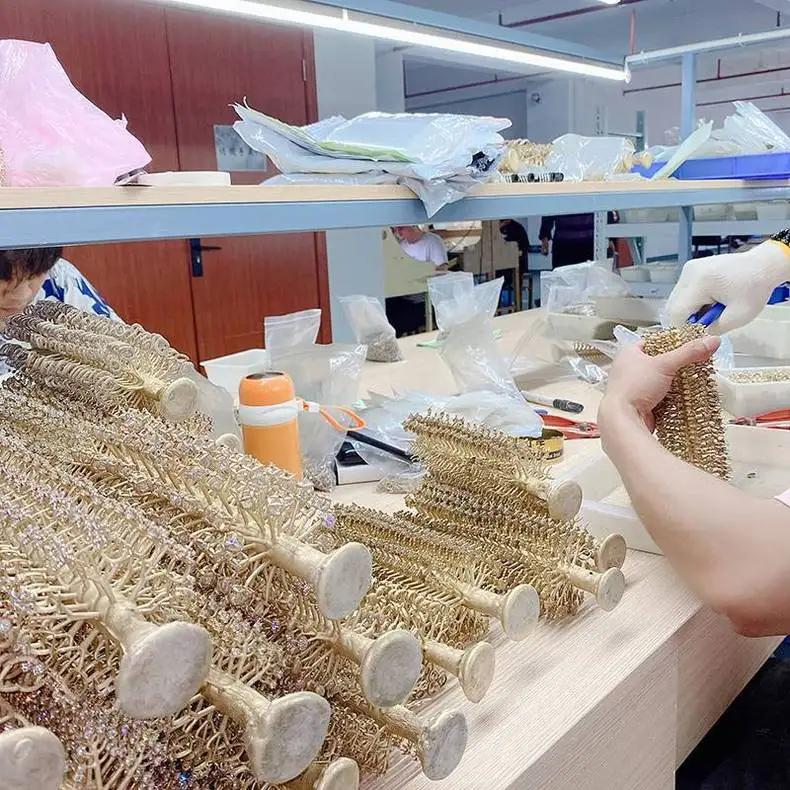
- Trading Company
- Zhejiang, China
- Lead time10 days
- Avg. response≤ 2h
Main productsEarrings,stainless steel Necklace,stainless steel Bracelet,zircon ring,necklace bracelet earrings jewelry sets
Main marketsEastern Europe(20.00%), South America(20.00%), North America(20.00%), Africa(10.00%), Southeast Asia(10.00%), Eastern Asia(5.00%), Mid East(5.00%), Oceania(5.00%), Domestic Market(1.00%), South Asia(1.00%), Northern Europe(1.00%), Central America(1.00%), Western Europe(1.00%)
Dobay Commerce And Trade (shanghai) Co., Ltd.
- Verified by SGS Group
- Manufacturer, Trading Company
- Lead time7 days
- Avg. response≤ 5h
Main productsGold Vermeil Jewelry, 925 Sterling Silver Jewelry, Gold Filled Jewelry, Gold Plated Jewelry, Solid K Gold Diamond Jewelry
Main marketsWestern Europe(30%), Northern Europe(30%), North America(20%)

Jiuya Huitong (Qingdao) International Trade Co., Ltd.
- Verified by SGS
- Trading Company,Manufacturer/Factory
- China Shandong
- Lead time90 days
Main productsClothes, Abaya, Camping Tent, Camping Furniture, Solar Light
Main marketsSouth America,Eastern Europe,Mid East,North America,Southeast Asia,Eastern Asia,Oceania,Western Europe,Africa

14K Gold Jadeite Bracelet Natural Freshwater Real Pearl Bracelet for Women
$1.00 - $5.00
MOQ: 500 Pieces

Retro Chinese Ethnic Style Charm Bracelets White Natural Freshwater Pearl Bracelet
$1.00 - $5.00
MOQ: 500 Pieces


Rose Gold / Silver / Gold Handmade Jewelry Diamond Women Bracelets Bangles
$1.00 - $5.00
MOQ: 500 Pieces

- Verified by CTI
- Trading Company
- China Zhejiang
- Lead time15 days
Main productsJewelry, Brooch, Belt, Necklace, Agent, Bracelet, China Trim, China Ring, China Hair Accessory, China Earring
Main marketsSouth America
Zhangjiagang City Daking Jewellery Co., Ltd.
- Manufacturer, Trading Company
- Lead time旺季: "1 - 20":10,"21 - 100":15,"> 100":"To be negotiated", 淡季: "1 - 20":10,"21 - 100":15,"> 100":"To be negotiated"
- Avg. response≤ 2h
Main productsFreshwater Loose Pearl Beads, Freshwater Pearl Necklaces, Freshwater Pearl Bracelets, Freshwater Pearl Earrings, Freshwater Pearl Jewelry Sets
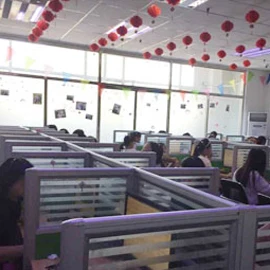
Yiwu Noya Accessories Co., Ltd.
- Trading Company
- Zhejiang, China
- Lead time25 days
- Avg. response≤ 8h
Main productsaccessories,Jewelry,headband,bag,agent
Main marketsWestern Europe(30.00%), North America(30.00%), Domestic Market(10.00%), Northern Europe(10.00%), Eastern Europe(10.00%)

- Verified by SGS
- Combined
- China Guangdong
- Lead time23 days
Main marketsOthers(foreignTradeCapacity.exportBusinessCapacityMarketOther),Southeast Asia/ Mideast,East Asia(Japan/ South Korea),Domestic,Europe,Australia,North America

Minimalist Gold Plated Bracelets Layered Freshwater Pearl Clover Bracelets Jewelry
$1.00 - $12.70
MOQ: 100 Pieces

18K Gold Bracelet Customizable Seawater Pearl Bracelet Fashion Stainless Steel Jewelry
$3.49 - $4.98
MOQ: 100 Pieces


18K Gold Stainless Steel Freshwater Pearl Irregular Pendant Necklaces Bracelets Set
$2.35 - $3.94
MOQ: 100 Pieces

Wholesale Freshwater Pearl Jewelry Elastic Bangle Bracelet Fashion Design
$2.45 - $3.85
MOQ: 30 Pieces

Zhuji Xueluo Pearl Jewelry Co., Ltd.
- Verified by TUVRHEINLAND
- Trading Company,Manufacturer/Factory
- China Zhejiang
- Lead time15 days
Main productsPearls, Freshwater Pearls, Freshwater Pearls Material, Baroque Pearls, Pearl Strands, Loose Pearl Beads, Pearl Necklace, Pearl Earrings, Pearl Bracelet, Silver Pearl Jewelry
Main marketsSouth America,Eastern Europe,Mid East,North America,Southeast Asia,Eastern Asia,Oceania,Western Europe,Africa


Fashion Natural Cultured Freshwater Pearls Bracelet Wholesale (XL150030)
$33.00 - $35.00
MOQ: 10 Pieces


Guangzhou Angel jewellery co.,ltd
- Combined
- China Guangdong
- Lead time30 days
Main products925 Silverjewellery, K Gold Jewellery, Brass Jewellery
Main marketsEurope


Rose Shape 925 Silver Fresh Water Pearl Women 2023 Fine Jewelry Bracelet
$9.00 - $10.50
MOQ: 20 article

Fashion Jewellery Fresh Water Pearl S925 Sterling Silver Bracelet for Women
$14.80 - $16.00
MOQ: 20 piece

Fashion S925 Silver Gold Plated Zirconia Bracelet with Freshwater Pearl for Women
$6.00 - $6.50
MOQ: 30 piece
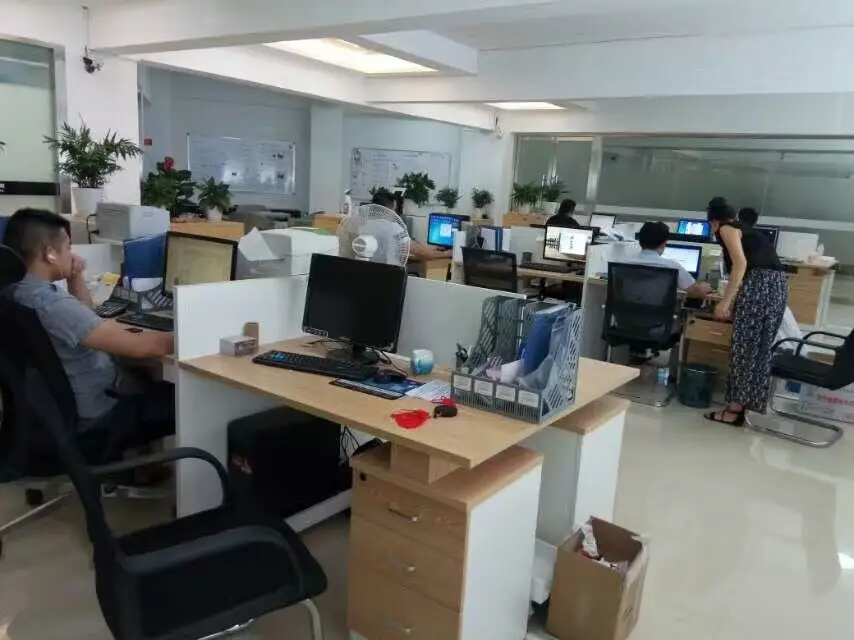
Yiwu Feiling Jewelry Co., Ltd.
- Trading Company
- Zhejiang, China
- Lead time15 days
- Avg. response≤ 3h
Main productsbracelet,necklace,earring,rings,sunglasses
Main marketsNorth America(30.00%), South America(15.00%), Central America(10.00%), Western Europe(8.00%), Eastern Europe(7.00%), Southern Europe(6.00%), Northern Europe(5.00%), Africa(5.00%), Southeast Asia(5.00%), Mid East(5.00%), South Asia(2.00%), Eastern Asia(2.00%)
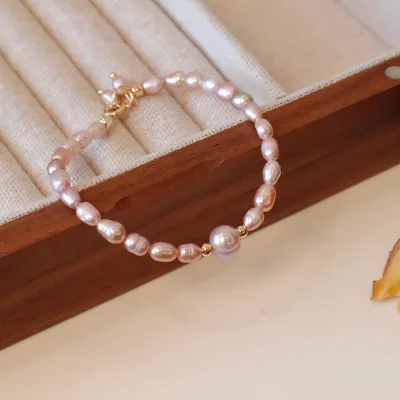
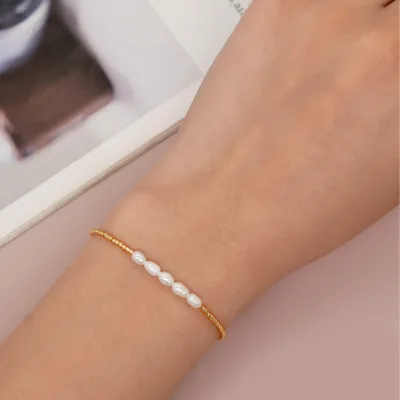
Natural Freshwater Pearl Bracelets and Bangles 2024 New French Minimalist Pearl Bracelet for Girl
$5.62 - $5.82
MOQ: 2 pieces

Dianzi Jewelry Manufacture Co., Ltd
- Verified by CTI
- Manufacturer/Factory
- China Guangdong
- Lead time23 days
Main products925 Silver Collection, Brass Collection, Moissanite Diamond Collection, Lab Grown Diamond Collection, Zircon Collection, Pearl Collection, Fashion Accessories, Jewellery Sets
Main marketsSouth America,Eastern Europe,Mid East,North America,Southeast Asia,Eastern Asia,Oceania,Western Europe,Africa

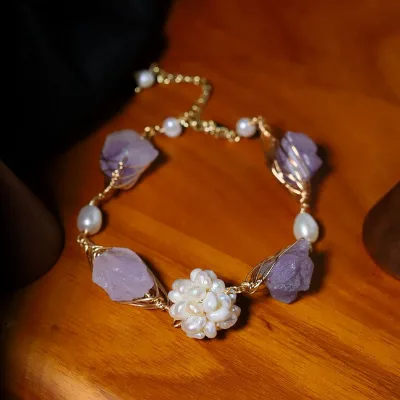
S925 Natural Freshwater Pearls Gold Beads Chain Bracelet Pink Stone Chain
$16.25 - $20.31
MOQ: 2 Pieces

High Quality Copper Chain with Gray Freshwater Pearl Bracelet Creative Hand Jewelry for Women
$4.80 - $5.90
MOQ: 10 Pieces

$10.90 - $13.90
MOQ: 30 Pieces
Chengdu Ocean Pearl Technology Co., Ltd.
- Trading Company
- Sichuan, China
- Lead time5 days
- Avg. response≤ 4h
Main productsFreshwater loose pearl,Freshwater pearl necklace,Freshwater pearl jewelry set,Freshwater pearl bracelet,Freshwater pearl earrings
Main marketsDomestic Market(65.00%), North America(25.00%), Southeast Asia(10.00%)

GOODLINESS JEWELLERY CO., LIMITED
- Verified by SGS
- Manufacturer
- China Guangdong
- Lead time23 days
Main products925 Silver Ring, Brass Jewelry, 925 Silver Earring, 925 Silver Necklace, 925 Silver Set, 925 Silver Bangle, Customer's Design, 925 Silver Bracelet, Silver Accessory, Brass Accessory
Main marketsSoutheast Asia/ Mideast,Europe,North America

Dainty Beaded Chain Handmade Bracelets with Freshwater Pearl Silver 925
$12.69 - $14.93
MOQ: 20 Pieces

Factory Price Natural Fresh Water Pearl Temperament All-Match Titanium Steel Bracelet
$2.40 - $2.60
MOQ: 30 Pieces


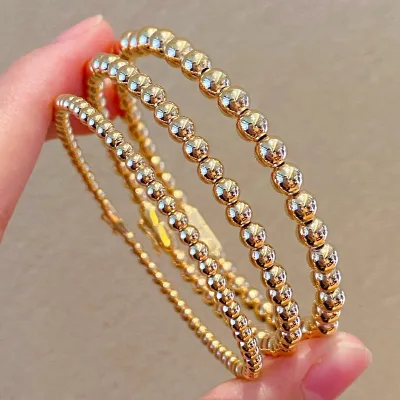
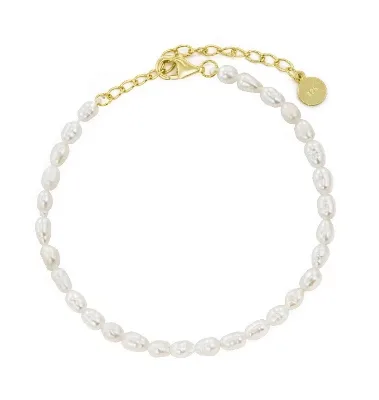


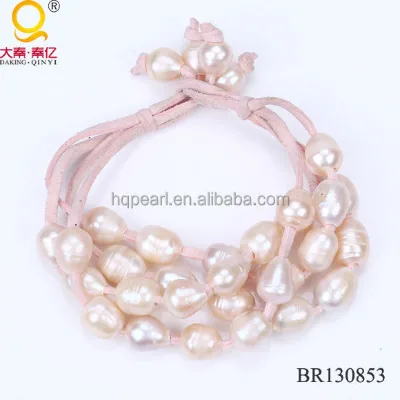
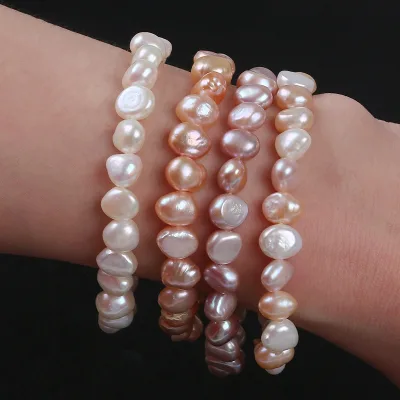
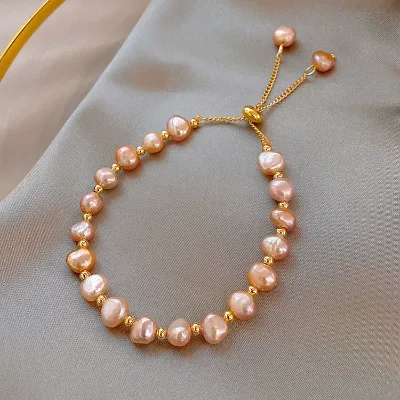
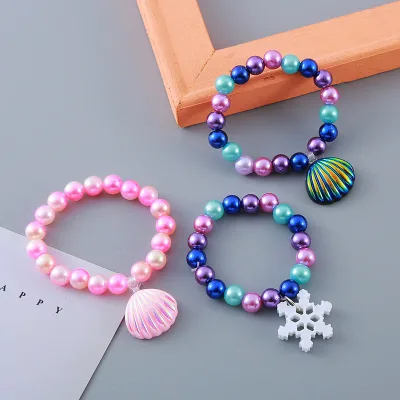
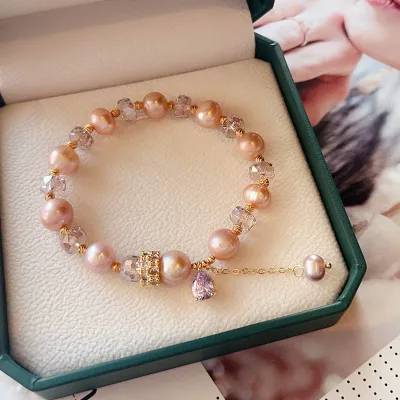
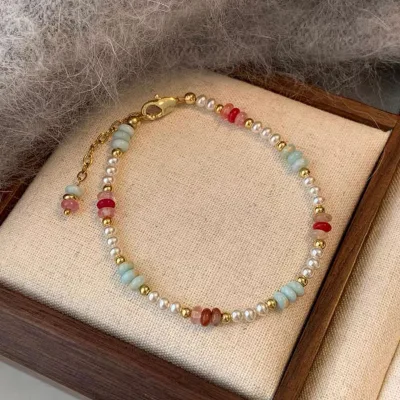
Comprehensive Sourcing Guide
Freshwater Pearl Gold Ball Bracelet Supplier Concentration and Factory Types
The available data indicates a concentration of suppliers operating from Zhejiang, China, specifically within regions like Zhuji, which is historically significant for freshwater pearl cultivation. This geographic clustering suggests that many manufacturers and trading companies in this area have direct access to raw materials, potentially streamlining the supply chain for freshwater pearl gold ball bracelets. Buyers should verify if a supplier's stated origin matches these known production hubs to ensure authenticity and logistical efficiency. The presence of both trading companies and factories in these results implies a mixed market where some entities source directly from local workshops while others aggregate products from various manufacturers.
When evaluating the company type, it is essential to distinguish between trading companies and actual factories, as this impacts pricing and customization capabilities. The observed results include trading companies that may offer ODM services, allowing for design modifications without the buyer needing to own a manufacturing facility. However, not all suppliers listed may possess in-house production lines; some might simply act as intermediaries. Buyers must confirm whether the supplier has direct control over the production process, especially for complex items like gold ball bracelets, to ensure quality consistency and faster response times to design changes.
How to Verify Freshwater Pearl Gold Ball Bracelet Suppliers
Verification is a critical step when sourcing freshwater pearl gold ball bracelets, as the market contains a mix of verified and unverified entities. The data shows that some suppliers hold certifications from recognized bodies such as SGS, CTI, BSCI, BV, and Intertek. These credentials provide a baseline of trust regarding the supplier's business practices and product quality standards. Buyers should prioritize suppliers who display these specific verification badges, as they indicate that the company has undergone third-party audits. However, the absence of a specific badge does not automatically disqualify a supplier, but it requires deeper due diligence to confirm their legitimacy.
Beyond certifications, buyers should examine the specific product attributes and testing results provided in the supplier listings. Many results indicate that products are tested to be nickel and lead-free, which is a crucial safety standard for jewelry worn close to the skin. Additionally, the presence of detailed product attributes, such as material composition (e.g., sterling silver, copper, stainless steel) and specific pearl types (e.g., natural freshwater, baroque), helps in assessing the supplier's transparency. Buyers must cross-reference these claims with physical samples or factory audits to ensure that the advertised materials match the actual goods delivered, particularly when dealing with precious metals and pearls.
What to Compare Across Freshwater Pearl Gold Ball Bracelet Suppliers
Comparing suppliers requires a systematic analysis of key operational metrics such as lead time, minimum order quantity (MOQ), and pricing structures. The observed data reveals a wide range of lead times, with some suppliers offering a 15-day turnaround, while others may have different schedules depending on customization needs. MOQs also vary significantly, ranging from as low as 20 pieces to higher thresholds like 200 or 100 pieces. Buyers should align these figures with their inventory requirements and budget constraints, understanding that lower MOQs often come with higher per-unit costs, whereas larger orders may secure better pricing tiers.
Pricing is another vital dimension for comparison, with observed ranges spanning from approximately $1.20 to over $20.00 per unit depending on the materials and design complexity. Suppliers offering sterling silver accessories with freshwater pearls generally command higher prices compared to those using alloy or copper bases. Buyers must evaluate the price-to-value ratio by considering factors like the weight of the jewelry, the quality of the pearls, and the finish of the gold balls. It is also important to note that customization options, such as OEM and ODM services, may influence the final cost, so buyers should request detailed quotes that break down these additional expenses before making a selection.
Common Freshwater Pearl Gold Ball Bracelet Sourcing Risks
One significant risk in sourcing freshwater pearl gold ball bracelets is the potential discrepancy between advertised materials and actual product composition. While many listings claim the use of sterling silver or high-quality freshwater pearls, some products are described as having alloy or copper bases with gold plating. This variation can lead to issues with durability, tarnishing, and customer satisfaction if the buyer expects premium materials but receives costume jewelry. Buyers must rigorously verify material specifications and request third-party test reports to confirm the presence of nickel and lead-free claims, ensuring the product meets safety standards for international markets.
Another risk involves the reliability of lead times and the consistency of product quality across different production batches. Although some suppliers list a standard lead time of 15 days, actual delivery may be delayed due to raw material shortages or production bottlenecks, especially for customized orders. The variability in product attributes, such as pearl shape, gloss, and defect levels (e.g., slightly included), can also result in inconsistent inventory quality. Buyers should establish clear quality control protocols and consider using escrow services to protect their payments until the goods meet the agreed-upon specifications, mitigating the risk of receiving substandard or non-compliant products.
Freshwater Pearl Gold Ball Bracelet Regional Sourcing and Logistics
Sourcing from the identified region of Zhejiang, China, offers logistical advantages due to the established infrastructure for jewelry manufacturing and export. The concentration of suppliers in areas like Zhuji facilitates efficient communication and faster turnaround times for production and shipping. However, buyers must account for the specific logistics requirements associated with shipping fragile items like pearl bracelets. Proper packaging, such as the use of OPP bags or cartons mentioned in the product attributes, is essential to prevent damage during transit. Buyers should verify that the supplier uses robust packaging standards to ensure the jewelry arrives in pristine condition.
Logistics planning also involves understanding the shipping methods and associated costs, which can vary based on the order volume and destination. While some suppliers may offer standard shipping options, expedited services might be necessary for time-sensitive orders. Buyers should confirm the supplier's experience with international shipping and their ability to handle customs documentation accurately. Additionally, the origin location, such as Shanxiahu, Zhuji, Zhejiang, China, should be verified to ensure it aligns with the supplier's claimed production base. This verification helps in assessing the authenticity of the supply chain and ensures that the buyer is dealing with a legitimate manufacturer or trading company within the recognized pearl production hub.
Freshwater Pearl Gold Ball Bracelet Commercial Terms and Order Planning
Commercial terms for freshwater pearl gold ball bracelets often include specific conditions regarding customization, payment, and delivery. Many suppliers indicate that OEM and ODM services are available, allowing buyers to tailor designs to their brand requirements. However, these customization options may require higher MOQs or longer lead times, which must be factored into the order planning process. Buyers should clearly define their customization needs, including material preferences, design specifications, and packaging requirements, to avoid misunderstandings and ensure the final product meets their expectations.
Order planning also involves managing the financial aspects of the transaction, including pricing tiers and payment terms. The observed price ranges suggest that buyers can negotiate better rates for larger orders, but they must balance this with their cash flow and inventory needs. It is advisable to request a detailed proforma invoice that outlines all costs, including unit price, shipping fees, and any additional charges for customization. Buyers should also verify the supplier's return policy and warranty terms, especially for high-value items like sterling silver bracelets. By carefully planning the order and understanding the commercial terms, buyers can minimize risks and ensure a smooth procurement process for their Freshwater Pearl Gold Ball Bracelet inventory.
FAQs
What is the price range for freshwater pearl bracelets?
Prices for freshwater pearl bracelets typically range from $1.20 to $20.08 per unit. Lower-cost options often use alloy or copper materials, while sterling silver accessories increase the price. Buyers should check specific product listings for exact pricing based on material quality and design complexity.
What is the minimum order quantity for these bracelets?
Minimum order quantities vary by supplier, ranging from 20 to 200 pieces. Some suppliers accept orders as low as 20 units, while others require a minimum of 200. Buyers should verify the specific MOQ for each product listing to ensure it aligns with their purchasing volume.
Are these bracelets nickel and lead free?
Yes, many listed freshwater pearl bracelets are tested to be nickel and lead free. This safety feature ensures the jewelry is safe for sensitive skin. Buyers should confirm this testing detail in the product attributes before placing orders to guarantee compliance with safety standards.
What materials are used in these bracelets?
Materials include freshwater pearls, sterling silver, alloy, copper, and stainless steel. Some bracelets feature simple styles with silver or gold colors. Buyers can choose based on durability and aesthetic preferences, noting that sterling silver options are generally more premium than alloy or copper alternatives.
Do suppliers offer customization services?
Customization is available for many freshwater pearl bracelet products. Suppliers accept OEM and ODM requests, allowing buyers to tailor designs. This service supports branding needs and unique product requirements. Buyers should contact suppliers directly to discuss specific customization options and associated costs.
Where are these suppliers located?
Suppliers are primarily located in Zhejiang, China, including areas like Zhuji. This region is known for its jewelry manufacturing expertise. Buyers can expect efficient logistics and access to a wide variety of freshwater pearl products from these established manufacturing hubs in mainland China.
What certifications do the suppliers hold?
Suppliers hold various certifications including SGS, CTI, BSCI, BV, and Intertek. These verify quality and ethical manufacturing practices. Buyers can rely on these credentials to ensure product safety and supplier reliability. Always check the specific certification details for each supplier to match your compliance needs.