Chameleon Cosmetic Glitter Suppliers and Manufacturers
Explore 36 verified sources for Chameleon Cosmetic Glitter with data on location, lead times, certifications, and response times. Compare options by MOQ, price range, and product attributes like particle size and color before requesting samples; review the available evidence before requesting comparable quotations from suitable candidates.
Updated
Suppliers List

- Verified by SGS
- Combined
- China Jiangsu
- Lead time15 days
- Avg. response≤ 6h
Main productsPearl Pigments, Pearlescent Pigments, Aluminium Pigments, Mica Powders, Chameleon Pigments, Glitters, Thermochromic Pigments, Fluorescent Pigments, Glow in Dark Powders, Photochromic Pigments
Main marketsEurope,Australia,North America


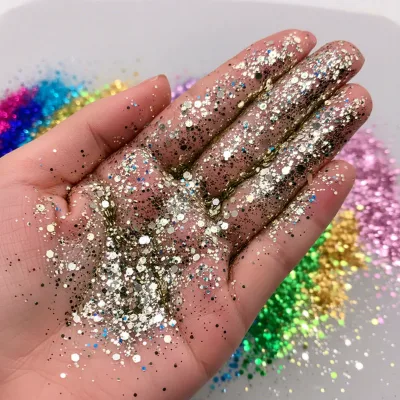
Diamond Iridescent Chameleon Iridescent Cosmetic Chameleon Loose Eyeshadow Glitter
$100.50 - $385.50
MOQ: 1 kg


Hefei Gee-U Lift Tech Co., Ltd.
- Verified by CTI
- Trading Company
- China Anhui
- Lead time15 days
- Avg. response≤ 9h
Main productsGlitter Powder, Glow in The Dark Powder, Chameleon Pigment, Pearl Pigment, Thermochromic Pigment, Organic Pigment, Fluorescent Pigment, Reflective Pigment
Main marketsSouth America,Africa,Southeast Asia/ Mideast,East Asia(Japan/ South Korea),Domestic,Europe,Australia,North America
Es Special Artwork Design Service (baoding) Co., Ltd.
- Verified by Intertek
- Manufacturer, Trading Company
- Hebei, China
- Lead time15 days
- Avg. response≤ 5h
Main productsFace Paint, Hair Chalk
Main marketsNorth America(43%), South America(18%), Western Europe(17%)
Guangzhou Korlex Information Technology Co., Ltd.
- Verified by Intertek
- Trading Company
- Lead time3 days
- Avg. response≤ 2h
Main productsChameleon Powder, Aurora Powder, Magnetic Powder, Pearl Mica Pigment, Glitter Powder
Main marketsNorth America(30%), Domestic Market(21%), South America(12%)
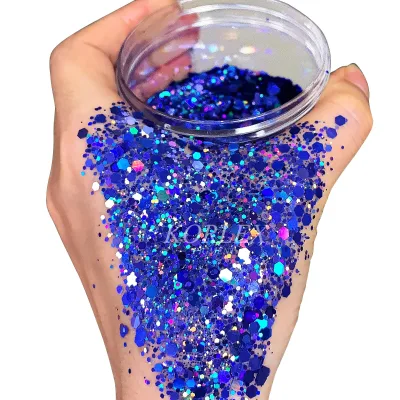
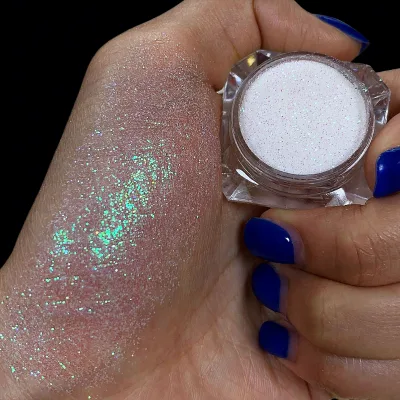
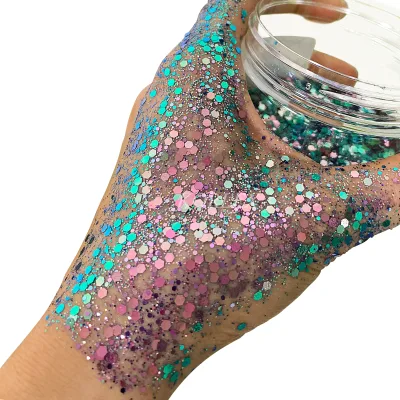
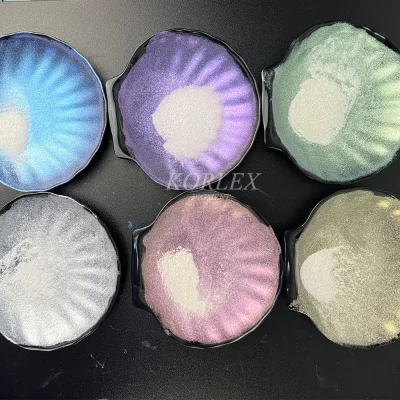
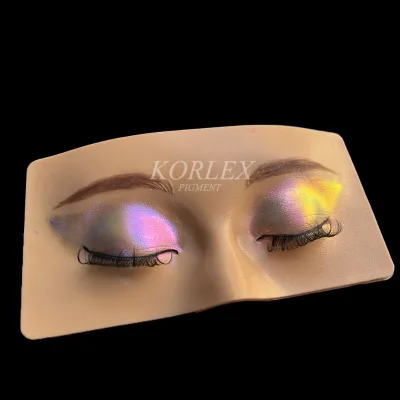
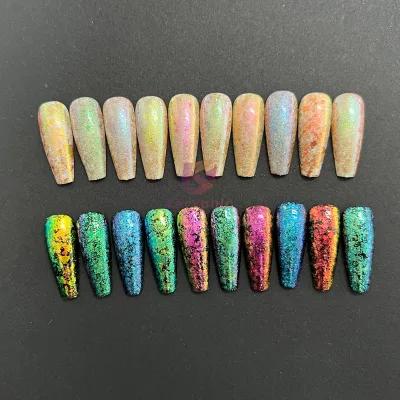
Wholesale High Quality Cosmetics Eyeshadow Chameleon Glitter Resin Decoration
$0.02 - $0.05
MOQ: 1 pieces
Guangzhou Sheng Zhu Daily Pigments Co., Ltd.
- Manufacturer, Trading Company
- Lead time旺季: "1 - 1000":5,"> 1000":"To be negotiated", 淡季: "1 - 1000":5,"> 1000":"To be negotiated"
- Avg. response≤ 5h
Main productsChameleon Pigment, Pearlescent Pigment, Holographic Pigment, Chrome Mirror Powder, Candy Aurora Pigment

Shenzhen Huazhong Sun May Technology Co., Ltd
- Verified by SGS
- Trading Company,Manufacturer/Factory
- China Guangdong
- Lead time15 days
- Avg. response≤ 5h
Main productsLipstick, Lip Gloss, Cosmetics, Eyeshadow, Blusher, Makeup, Skin Care, Makeup Brush, Perfume, Parfum
Main marketsSouth America,Eastern Europe,Mid East,North America,Southeast Asia,Eastern Asia,Oceania,Western Europe,Africa

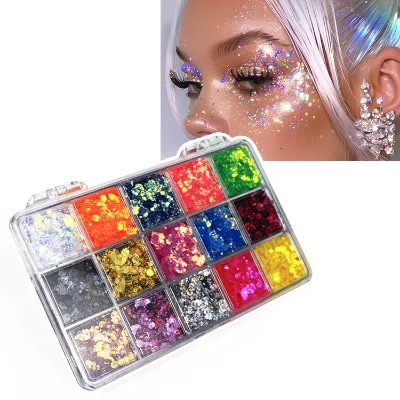
Cosmetics Color Shift Glitter for Eyeshadow Face Body Chameleon Chunky Pigments
$1.50 - $2.20
MOQ: 50 Pieces

Eco-Friendly Cosmetic Holographic Chunky Glitter Chameleon Loose Mixed Ultra Sparkle Glitter Bulk
$2.50 - $3.50
MOQ: 30 Bags


Diamond Glitter Shimmer Powder Face Eye Shadow Body Makeup Face Glitter Gel
$0.70 - $1.20
MOQ: 100 Pieces

Guangdong Guanhong Glitter Technology Co., Ltd.
- Manufacturer, Trading Company
- Guangdong, China
- Lead time7 days
- Avg. response≤ 2h
Main productsGlitter Powder
Main marketsDomestic Market(80.00%), North America(5.00%), Western Europe(4.00%), South Asia(3.00%), Southeast Asia(3.00%), Eastern Europe(2.00%), South America(1.00%), Oceania(1.00%), Africa(1.00%)
Shenzhen Huayu New Material Co., Ltd.
- Manufacturer
- Guangdong, China
- Lead time0 days
- Avg. response≤ 3h
Main productsAcrylic Powder,Glitter Powder,Color Masterbatches,Effect Pigment,Pigment Dyes
Main marketsNorth America(20.00%), Western Europe(15.00%), Eastern Asia(15.00%), South Asia(10.00%), Central America(10.00%), Mid East(10.00%), Southern Europe(10.00%), Northern Europe(5.00%), Southeast Asia(5.00%)

- Trading Company
- China Jiangsu
- Lead time30 days
- Avg. response≤ 4h
Main productsPearl Pigment, Chameleon Pigment, Photochromic Pigment, Chrome Mirror Pigment, 3D Cat Eye Magnetic Powder, Holographic Pigment Powder, Glow in The Dark Powder, Glitter Flakes, Pigment, Nail Art Pigment Dust
Main marketsSouth America,Domestic,Europe,North America
Jinhua Kazshow Cosmetic Co., Ltd.
- Verified by Intertek
- Manufacturer, Trading Company
- Lead time30 days
- Avg. response≤ 4h
Main productsLipstick, Foundation, Lip Liner, Blush, Mascara
Main marketsNorth America(30%), Western Europe(30%), Mid East(15%)

Hangzhou Phobor Technology Co., Ltd.
- Combined
- China Zhejiang
- Lead time23 days
- Avg. response≤ 10h
Main productsPearl Pigment
Main marketsSoutheast Asia/ Mideast,Europe,North America
Shenzhen Branpac Technology Co., Ltd.
- Manufacturer, Trading Company
- Guangdong, China
- Lead time7 days
- Avg. response≤ 3h
Main productsEye Shadow,Lip Gloss,Lipstick,Foundation,Makeup Brush
Main marketsNorth America(40.00%), South America(15.00%), Central America(5.00%), Northern Europe(5.00%), South Asia(5.00%), Southern Europe(5.00%), Oceania(5.00%), Africa(5.00%), Southeast Asia(5.00%), Eastern Europe(5.00%), Western Europe(3.00%), Eastern Asia(1.00%), Mid East(1.00%)
Shenzhen Jermay Technology Co., Ltd.
- Verified by TüVRheinland
- Trading Company
- Lead time15 days
- Avg. response≤ 3h
Main productsEyeshadow, Lipgloss, Blush, Foundation, Highlighter
Main marketsNorth America(45%), Western Europe(18%), South Asia(18%)

Xiamen Morpho Technology Co., Ltd
- Verified by BV
- Combined
- China Fujian
- Lead time30 days
- Avg. response≤ 1h
Main productsPigment, Glitter Powder, Metallic Powder, Inorganic Pigment, Pearl Pigment, Chameleon Pigment, Color Shifting Pigment, Mica Pigment Powder, Chrome Mirror Pigment, 3D Magnetic Pearl Powder
Main marketsDomestic


Cosmetic Grade Chameleon Eyeshadow Effect Pigment Sparkling Mirror Pearl for Parties
$1.70 - $3.00
MOQ: 200 Gram

Cosmetic Grade Chameleon Eyeshadow Mirror Effect Pigment Long-Lasting Shine
$1.70 - $3.00
MOQ: 200 Gram

- Verified by Intertek
- Trading Company
- Lead time0 days
- Avg. response≤ 4h
Main productsLipstick, Lip Gloss, Mascara, Liquid Eyeliner, Cream Foundation
Main marketsMid East(47%), South America(17%), Domestic Market(15%)
Hebei Jialiuzhou Imp & Exp Co., Ltd.
- Trading Company
- Hebei, China
- Lead time10 days
- Avg. response≤ 12h
Main productsface paint,makeup,glitter tattoo,eyelashes,eye mascara
Main marketsNorth America(50.00%), South America(25.00%), Eastern Europe(15.00%), Southern Europe(5.00%), Western Europe(5.00%)

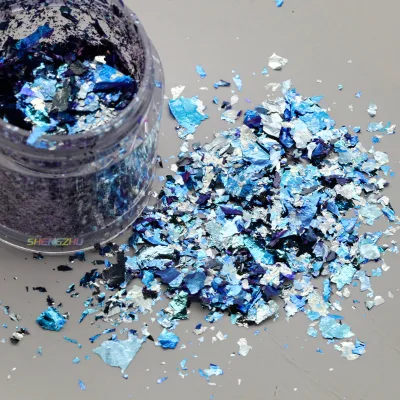
Cosmetic Grade Chameleon Glitter Body Face Lipstick Cosmetic Eyeshadow Flakes Eyeshadow Pigment
$5.6317 - $6.6557
MOQ: 10 pieces


Shenzhen Branpac Technology Co., Ltd.
- Verified by SGS Group
- Trading Company
- Lead time旺季: "1 - 50":7,"> 50":"To be negotiated", 淡季: "1 - 50":7,"> 50":"To be negotiated"
- Avg. response≤ 3h
Main productsEyeshadow, Lipgloss, Foundation, Lipstick, Loose Powder

Henan Capitals Industrial Co., Ltd.
- Trading Company
- Henan, China
- Lead time25 days
- Avg. response≤ 5h
Main productspearlescent pigment,loose pigment,mirror pigment,mica powder,beauty makeup
Main marketsWestern Europe(29.00%), North America(20.00%), Mid East(16.00%), Northern Europe(10.00%), Southern Europe(6.00%), Eastern Asia(5.00%), Oceania(5.00%), South America(3.00%), Eastern Europe(3.00%), Southeast Asia(2.00%), Africa(1.00%)
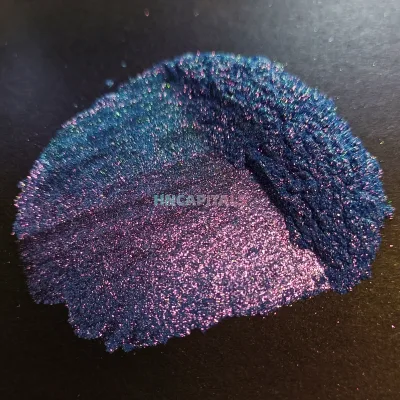
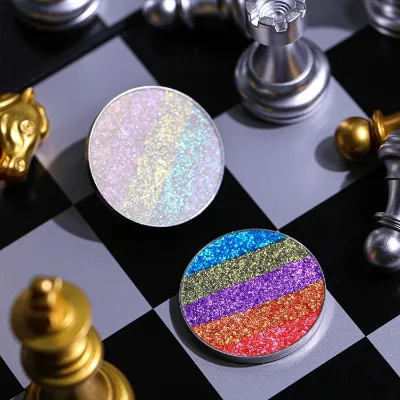
$1.1362 - $3.0973
MOQ: 10 units
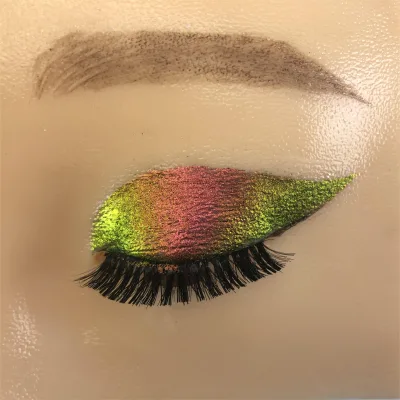
Discount Cosmetics Chrome Chameleon Glitter Chrome Powder Eye Shadow Pigment
$2.8892 - $3.0958
MOQ: 1 grams
Shenzhen Imanson Technology Co., Ltd.
- Verified by TüVRheinland
- Trading Company
- Lead time3 days
- Avg. response≤ 4h
Main productsEyeshadow, Blush, Lipstick, Lipgloss, Makeup Tools
Main marketsNorth America(50%), Eastern Europe(10%), Western Europe(10%)

Guangzhou Meiziying Cosmetics Co., Ltd.
- Trading Company
- Guangdong, China
- Lead time9 days
- Avg. response≤ 2h
Main productsLip gloss,Eyeshadow palette,Foundation,Blush,Eyeliner
Main marketsSoutheast Asia(18.00%), South America(12.00%), North America(12.00%), South Asia(10.00%), Eastern Asia(10.00%), Africa(8.00%), Eastern Europe(8.00%), Mid East(6.00%), Southern Europe(4.00%), Northern Europe(4.00%), Western Europe(4.00%), Oceania(4.00%)

Wholesale Eyeshadow Pigment 9 Colors Cosmetic Grade Glitter Eyeshadow Chameleon Pigment
$1.29 - $1.79
MOQ: 50 pieces


Shenzhen Fundy Cosmetics Co., Ltd.
- Verified by TUVRHEINLAND
- Manufacturer/Factory
- China Guangdong
- Lead time30 days
- Avg. response≤ 4h
Main productsEyeshadow, Lipgloss, Foundation, Lipstick, Blusher, Highlighter, Makeup, Makeup Tool, OEM/ODM
Main marketsSouth America,Eastern Europe,Mid East,North America,Southeast Asia,Eastern Asia,Oceania,Western Europe,Africa

Private Label Custom Metallic High Pigment Jelly Glitter Gel Makeup Chameleon Eyeshadow
$1.20 - $1.80
MOQ: 50 pieces

Baoding Yanhui Arts And Gifts Manufacturing Co., Ltd.
- Verified by SGS Group
- Manufacturer, Trading Company
- Lead time30 days
- Avg. response≤ 5h
Main productsFace Paint, Glitter Tattoo, Airbrush Paint, Body Art Stencils, Hair Beauty
Main marketsNorth America(72%), Domestic Market(9%), Western Europe(5%)

Ningbo Colorfun Trading Co., Ltd.
- Trading Company
- Zhejiang, China
- Lead time3 days
- Avg. response≤ 4h
Main productscosmetics,makeup brushes,eyelashes,oem orders,makeup kits
Main marketsNorth America(50.00%), Western Europe(10.00%), Mid East(10.00%), Africa(10.00%), Northern Europe(10.00%), Domestic Market(5.00%), Southeast Asia(5.00%)
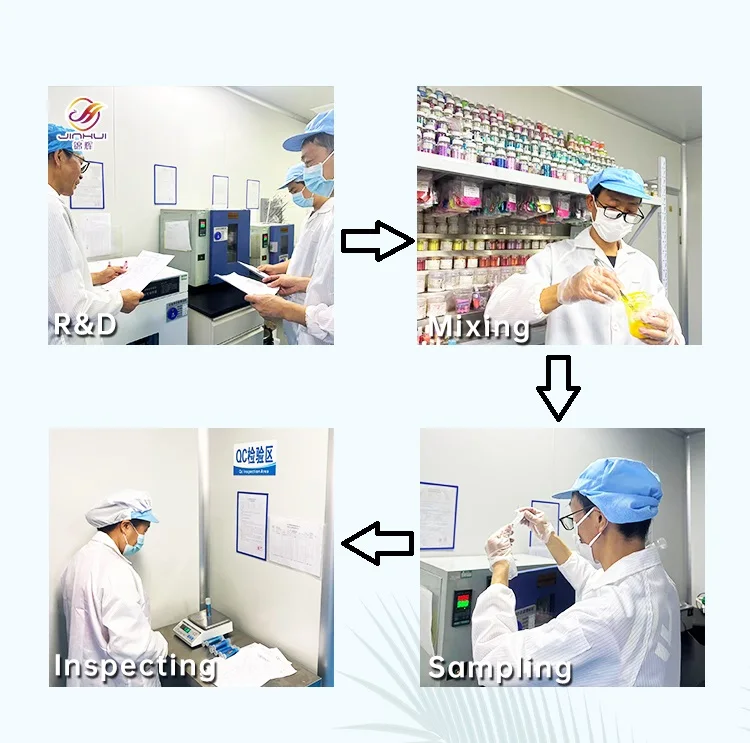
Jinhua Jinhui Beauty Cosmetics Co.,Ltd
- Manufacturer, Trading Company
- Zhejiang, China
- Lead time30 days
- Avg. response≤ 7h
Main productsLip make up,Eye make up,Face & Body makeup,Nail polish,Hair chalks
Main marketsWestern Europe(20.00%), Eastern Europe(20.00%), South America(20.00%), North America(20.00%), Southern Europe(10.00%), Central America(5.00%), Northern Europe(5.00%)

Shanxi Binduo Technology Co., Ltd.
- Trading Company
- Shanxi, China
- Lead time7 days
- Avg. response≤ 8h
Main productsSkin care,cosmetic,health Care,make up tool,Hair Care
Main marketsNorth America(35.00%), Western Europe(12.00%), Southeast Asia(10.00%), Central America(10.00%), Eastern Europe(5.00%), Mid East(5.00%), Northern Europe(5.00%), South America(5.00%), Southern Europe(3.00%), Africa(3.00%), South Asia(2.00%), Eastern Asia(2.00%), Oceania(2.00%), Domestic Market(1.00%)

Hangzhou Kemien Technology Co., Ltd.
- Trading Company
- Zhejiang, China
- Lead time5 days
- Avg. response≤ 4h
Main productsChameleon Pigment,Pearl Pigment,Chameleon Flake,Opitcal Variable Pigment,Pressed Eyeshadow
Main marketsDomestic Market(40.00%), South America(15.00%), North America(15.00%), Eastern Europe(10.00%), Africa(10.00%), Southeast Asia(9.00%), South Asia(1.00%)

Shantou Una Cosmetics Co., Ltd
- Verified by BV
- Trading Company
- China Guangdong
- Lead time45 days
- Avg. response≤ 16h
Main productsLipsticks, Lip Gloss, Cosmetics, Nail Polish, Makeup, Foundation, Mascara, Eye Shadow, Lip Balm
Main marketsEurope,North America
- Verified by SGS Group
- Manufacturer, Trading Company
- Lead time30 days
- Avg. response≤ 2h
Main productsLipstick, Blusher, Mascara, Eye shadow, Anti slip chain for car
Main marketsNorth America(40%), Western Europe(30%), Eastern Europe(20%)
Guangzhou Cong Mei Biotechnology Co., Ltd.
- Trading Company
- Guangdong, China
- Lead time15 days
- Avg. response≤ 6h
Main productsEye Shadow, Lipgloss, Foundation, Eyelashes, Concealer
Main marketsNorth America(45.00%), South America(10.00%), Oceania(10.00%), Northern Europe(10.00%), Mid East(10.00%), Southeast Asia(10.00%), Africa(5.00%)
Shenzhen Fendy Cosmetics Co., Ltd.
- Verified by SGS Group
- Trading Company
- Lead time15 days
- Avg. response≤ 6h
Main productsEyeshadow, Lipstick, Foundation, Highlighter, Eyeshadow Base
Main marketsNorth America(50%), Domestic Market(15%), Southeast Asia(5%)
Guangzhou Congmei Biotechnology Co., Ltd.
- Verified by TüVRheinland
- Trading Company
- Lead time15 days
- Avg. response≤ 5h
Main productsEye Shadow, Lipgloss, Foundation, Eyelashes, Concealer
Main marketsNorth America(45%), South America(10%), Southeast Asia(10%)
- Verified by SGS Group
- Manufacturer, Trading Company
- Lead time30 days
- Avg. response≤ 4h
Main productsLip Gloss, Lip Balm, Lipstick, Eyeshadow, Eyeliner,Mascara, Foundation, Face Primer, Blusher,Contour, Highlighter
Main marketsSouth America(30%), Mid East(20%), North America(15%)
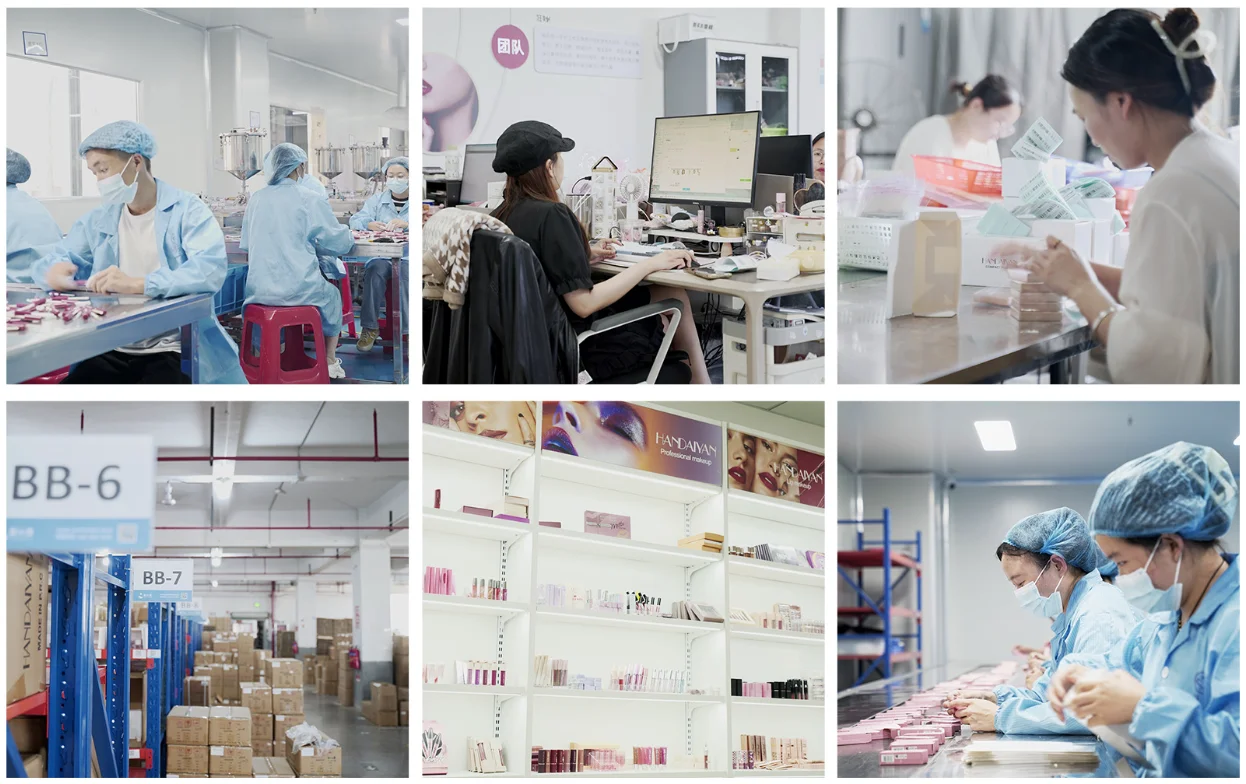
Yiwu Rongge Cosmetics Co., Ltd.
- Trading Company
- Zhejiang, China
- Lead time3 days
- Avg. response≤ 4h
Main productsLip Gloss,Lipstick,Eyeshadow,Eyeliner,Mascara
Main marketsAfrica(100.00%), Domestic Market(100.00%), Southern Europe(100.00%), Northern Europe(100.00%), Central America(100.00%), North America(30.00%), Southeast Asia(20.00%), South Asia(15.00%), Mid East(10.00%), Western Europe(5.00%), Eastern Asia(5.00%), Eastern Europe(5.00%), South America(5.00%), Oceania(5.00%)

- Verified by SGS
- Trading Company
- China Zhejiang
- Lead time15 days
- Avg. response≤ 18h
Main productsEyelashes, Makeup Brush, Cosmetic Brush, Eyelash Extension, Lipstick, Eyeshadow, Mascara, Nail Sticker, Nail Lamp, Mask
Main marketsEurope,Australia

Wholesale New Batch High Pigment Cosmetics Makeup Multi-Colors Frosted Glitter Eye Shadow
$1.16 - $1.19
MOQ: 500 Pieces

Wholesale High Pigment Cosmetics Makeup 24-Colors Holographic Glitter High-Impact Eye Shadow
$1.00 - $1.03
MOQ: 500 Pieces

Wholesale Trendy New Edition Cosmetics Makeup Multi-Colors Satin Glimmer Eye Shadow
$1.16 - $1.19
MOQ: 500 Pieces

Wholesale Trendy New Edition High Pigment Cosmetics Makeup 27-Colors Satin Glimmer Eye-Shadow
$1.16 - $1.19
MOQ: 500 Pieces

Wholesale High Pigment Cosmetics Makeup 12 Colors Prismatic Shimmer Eye Shadow
$0.57 - $0.60
MOQ: 500 Pieces

- Verified by BV
- Combined
- China Hebei
- Lead time15 days
- Avg. response≤ 4h
Main productsEpoxy Resin, Mica Powder, UV Resin, Chameleon, Epoxy Resin Dye, Hardener, Epoxy Resin Ab Glue
Main marketsNorth America
Shenzhen Landbona International Trade Group Co., Ltd.
- Manufacturer, Trading Company
- Guangdong, China
- Lead time12 days
- Avg. response≤ 3h
Main productslipstick,temperature checker,face makeup,hair remover,face mask
Main marketsNorth America(30.00%), Western Europe(20.00%), Northern Europe(10.00%), Eastern Asia(10.00%), Africa(10.00%), Eastern Europe(10.00%), South America(5.00%), Central America(5.00%)


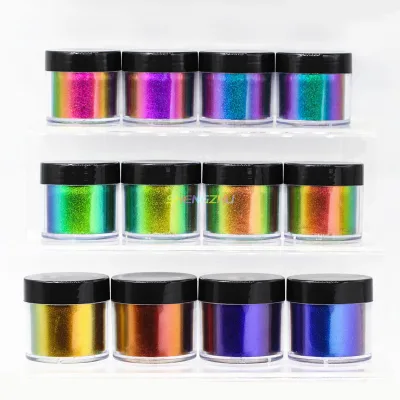
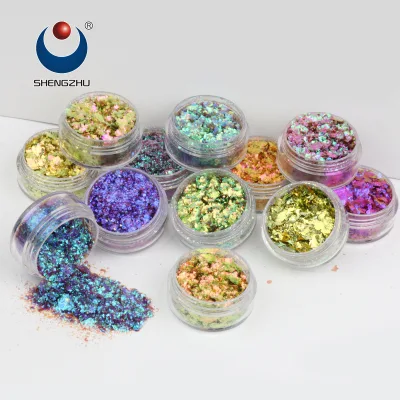


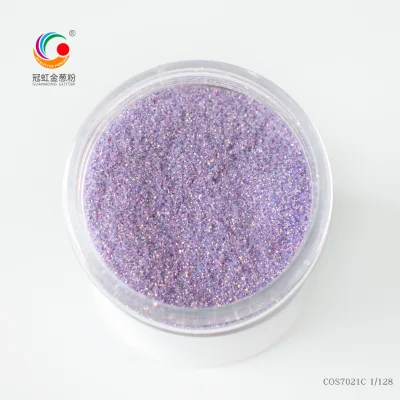
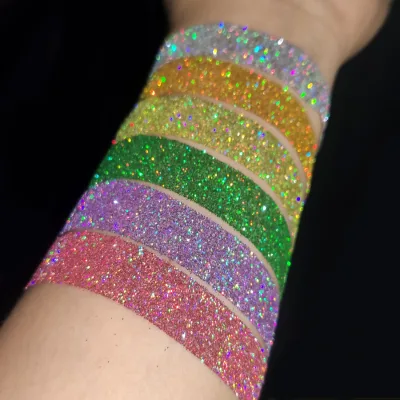
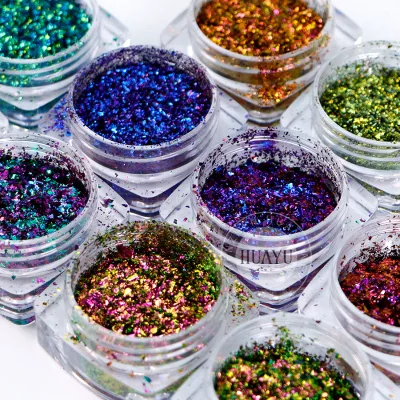


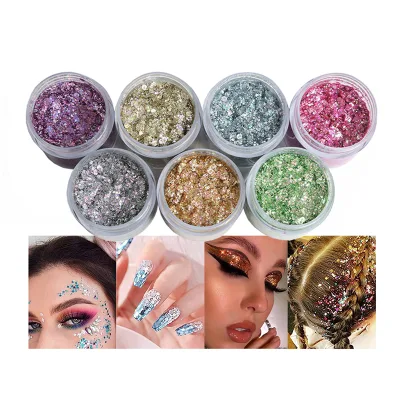
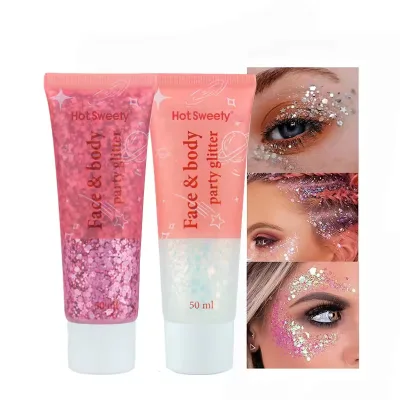
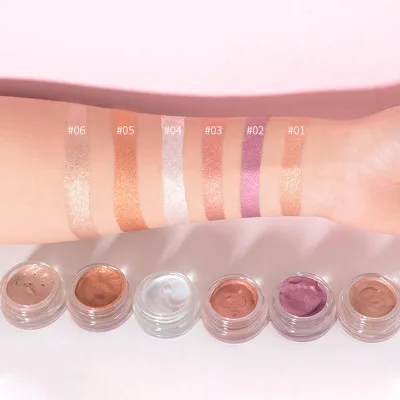


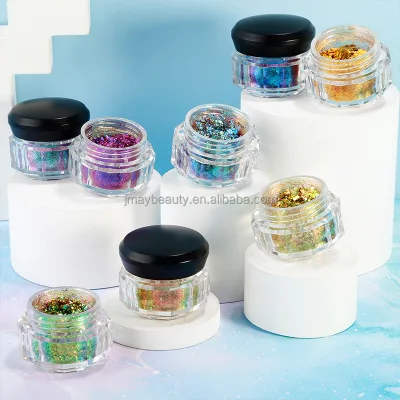
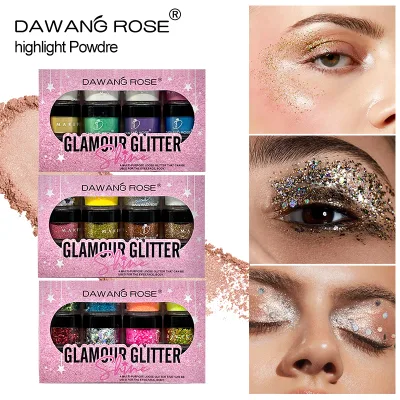
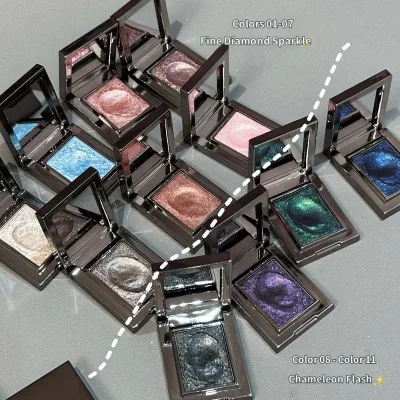
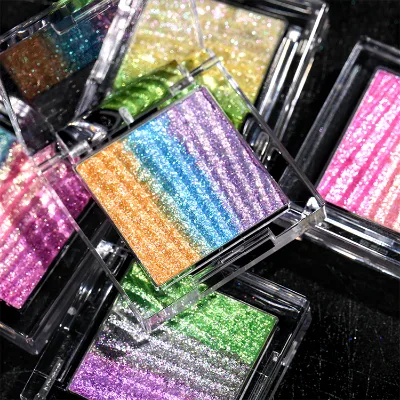
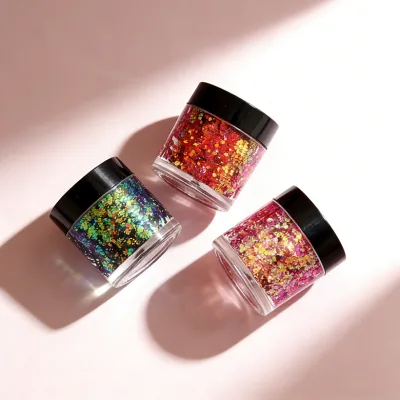
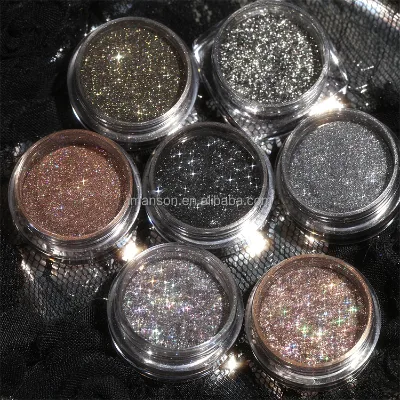


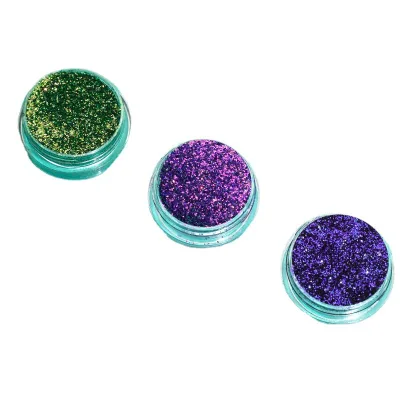
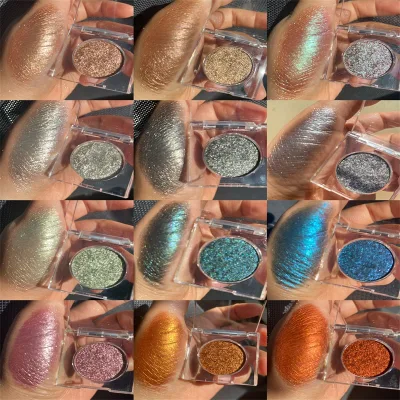
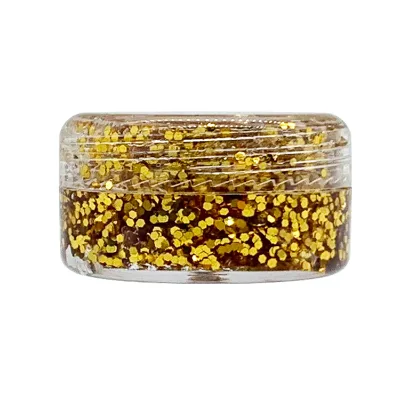

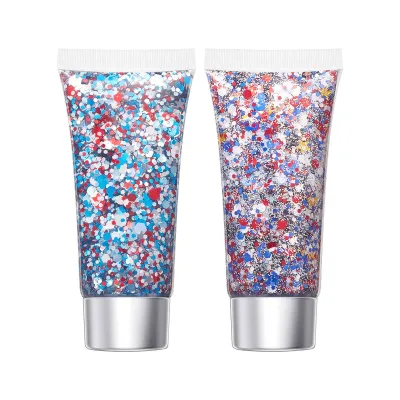
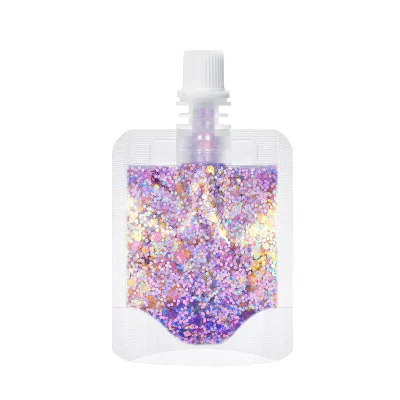
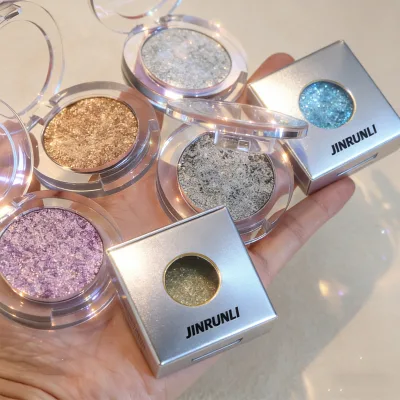


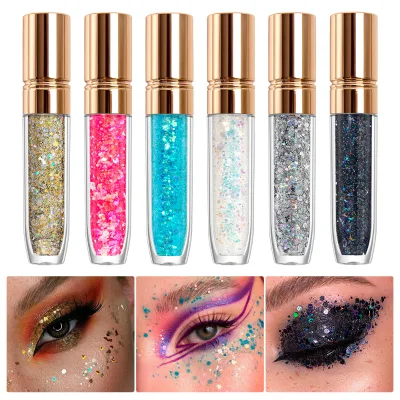
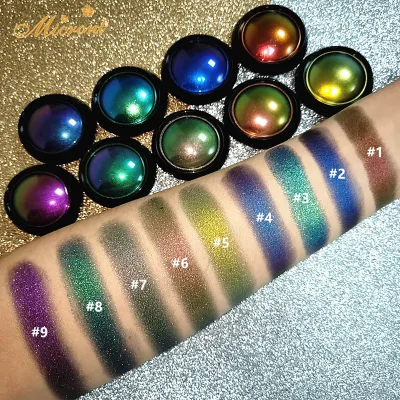
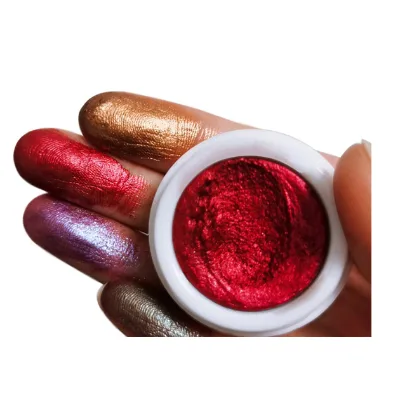
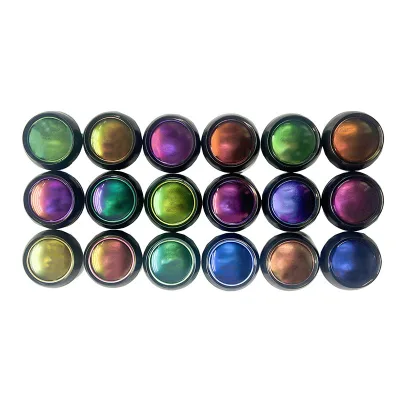



Comprehensive Sourcing Guide
Chameleon Cosmetic Glitter Supplier Concentration and Factory Types
The current supplier landscape for Chameleon Cosmetic Glitter reveals a distinct geographic concentration in China, with specific results highlighting Jiangsu and Anhui provinces as key manufacturing hubs. Suppliers located in Huaian, Jiangsu, are frequently identified as the origin for these specialized pigments, suggesting a localized industrial cluster that may offer logistical advantages for bulk sourcing. This regional focus is critical for buyers evaluating supply chain resilience, as proximity to raw material sources and established production infrastructure can influence both cost efficiency and consistency. The presence of combined company types and trading companies in these regions indicates a diverse market structure where some entities manage end-to-end production while others facilitate trade between manufacturers and international buyers. Understanding this concentration allows procurement teams to target specific industrial zones rather than conducting broad, inefficient searches across unrelated geographic areas.
Factory types vary significantly among the available suppliers, ranging from combined entities that handle both manufacturing and trading to pure trading companies that act as intermediaries. Combined suppliers often possess in-house capabilities for OEM, ODM, and own-brand development, which is essential for buyers seeking customized chameleon effects or specific particle sizes. These manufacturers typically display robust research and development capacities, allowing them to tailor pigment compositions for various applications such as nail art, eyeshadow, or body glitter. In contrast, trading companies may offer a broader portfolio of related products, including glow-in-the-dark or fluorescent pigments, providing one-stop sourcing convenience. However, buyers must carefully distinguish between these models to ensure direct access to technical support and quality control processes. The distinction impacts not only pricing structures but also the ability to implement specific customization requests, making it vital to align supplier type with project requirements for optimal operational efficiency.
How to Verify Chameleon Cosmetic Glitter Suppliers
Verification of Chameleon Cosmetic Glitter suppliers requires a multi-layered approach that prioritizes third-party certifications and independent audit results over self-reported claims. Several suppliers in the current results display verification badges from recognized entities such as SGS and CTI, which serve as initial indicators of operational legitimacy. These verifications often encompass factory audits, quality management systems, and product safety assessments, providing a baseline level of trust for international buyers. Additionally, the presence of ISO9001:2015 certification among some suppliers indicates adherence to standardized quality management practices, which is crucial for maintaining consistency in pigment color shifts and particle distribution. Buyers should actively request and review these certification documents to ensure they are current and applicable to the specific product lines being sourced. This step is particularly important for cosmetic-grade glitters, where regulatory compliance and material purity are non-negotiable for downstream product safety.
Beyond certifications, buyers must scrutinize the technical data and product specifications provided by suppliers to verify their claims regarding material composition and safety. Products labeled as cosmetic grade often cite compliance with standards such as FDA, EEC, and Reach certification, which are critical for market access in regulated regions. Suppliers should provide comprehensive technical data sheets, including MSDS, TDS, and CoA, to substantiate their safety assertions. The presence of specific chemical identifiers, such as Einecs numbers, further aids in verifying the authenticity and regulatory status of the pigments. Buyers should cross-reference these details with official regulatory databases to ensure accuracy. Furthermore, the availability of samples is a key verification tool, allowing buyers to physically assess the glitter’s shine, color shift, and particle shape before committing to larger orders. This hands-on verification process mitigates the risk of receiving substandard or non-compliant materials, ensuring that the final product meets both aesthetic and regulatory expectations.
What to Compare Across Chameleon Cosmetic Glitter Suppliers
When evaluating multiple suppliers for Chameleon Cosmetic Glitter, buyers should systematically compare key operational metrics such as lead time, minimum order quantity, and response speed to determine the best fit for their supply chain needs. Current data indicates that lead times can vary, with some suppliers offering a standard fifteen-day turnaround, which is a critical factor for inventory planning and order fulfillment. Minimum order quantities also differ significantly, ranging from low thresholds of one unit for sample testing to higher volumes of two hundred units for bulk production. These variations directly impact cash flow and storage requirements, making it essential for buyers to align MOQs with their sales forecasts and storage capabilities. Additionally, response times, measured in hours, provide insight into supplier communication efficiency, with some suppliers responding within five hours, which is vital for resolving technical queries or addressing production issues promptly.
Beyond operational metrics, buyers must compare the breadth of product offerings and customization capabilities to ensure the supplier can meet specific aesthetic and functional requirements. Suppliers offering a wide range of main products, such as pearl pigments, thermochromic pigments, and various glitter types, may provide greater flexibility for future sourcing needs. Customization options, including available colors, particle sizes, and shapes like hearts or starlets, are crucial for creating unique cosmetic products. Buyers should also compare the quality grades offered, distinguishing between cosmetic-grade and industrial-grade glitters, as this affects both safety compliance and end-product performance. Price ranges also vary widely, from low-cost options for general use to premium pricing for high-shine, specialized chameleon effects. By systematically comparing these dimensions, buyers can identify suppliers that offer the best balance of cost, quality, and service, ensuring a competitive advantage in the market.
Common Chameleon Cosmetic Glitter Sourcing Risks
One of the primary risks in sourcing Chameleon Cosmetic Glitter is the potential inconsistency in color shift and particle quality, which can severely impact the final cosmetic product’s appeal. Since chameleon pigments rely on precise optical properties to achieve their color-changing effects, any deviation in manufacturing processes can lead to batch-to-batch variations. Buyers must be vigilant in requesting detailed technical specifications and quality control reports to mitigate this risk. Additionally, the use of non-compliant materials, such as those not meeting FDA or EEC standards, poses significant regulatory and safety risks, particularly for products intended for cosmetic use. Suppliers may sometimes mislabel industrial-grade glitters as cosmetic-grade, leading to potential legal liabilities and product recalls. Therefore, rigorous verification of material composition and safety certifications is essential to ensure that the glitter is safe for skin contact and compliant with international regulations.
Another significant risk is the discrepancy between sample quality and bulk production, which can result in customer dissatisfaction and financial losses. Suppliers may provide high-quality samples that do not reflect the consistency of mass-produced batches, a common issue in the pigment industry. To mitigate this, buyers should establish clear quality benchmarks and conduct thorough inspections upon receipt of bulk orders. Furthermore, the risk of supply chain disruptions, particularly for suppliers located in specific industrial clusters, can impact delivery timelines and availability. Buyers should diversify their supplier base and maintain open communication channels to address potential delays proactively. Additionally, the lack of transparency in pricing structures, including hidden costs for packaging or customization, can lead to budget overruns. Buyers should request detailed quotations that itemize all costs to ensure accurate financial planning and avoid unexpected expenses during the procurement process.
Chameleon Cosmetic Glitter Regional Sourcing and Logistics
Sourcing Chameleon Cosmetic Glitter from specific regions in China, such as Jiangsu and Anhui, offers distinct logistical advantages due to the concentration of manufacturing facilities in these areas. Suppliers located in Huaian, Jiangsu, are often well-integrated into local supply chains, facilitating efficient raw material procurement and production scheduling. This regional clustering can lead to reduced transportation costs and faster delivery times, particularly for buyers sourcing from nearby ports or logistics hubs. However, buyers must also consider the potential for regional disruptions, such as weather events or local policy changes, which could impact production and shipping schedules. Understanding the specific location of suppliers allows buyers to assess logistical risks more accurately and develop contingency plans to ensure uninterrupted supply. Additionally, regional expertise in pigment manufacturing can result in higher quality standards and more innovative product offerings, providing a competitive edge for buyers who leverage these local advantages.
Logistics planning for Chameleon Cosmetic Glitter also involves considerations regarding packaging and shipping methods, which can vary among suppliers. Some suppliers offer specialized packaging options, such as drums or cartons, to protect the glitter from moisture and physical damage during transit. Proper packaging is crucial to maintain the integrity of the pigment’s optical properties and prevent contamination. Buyers should work closely with suppliers to determine the most suitable packaging and shipping methods based on their destination and storage conditions. Additionally, the availability of export documentation and compliance with international shipping regulations is essential to avoid delays at customs. Buyers should ensure that suppliers provide all necessary documentation, including certificates of origin and safety data sheets, to facilitate smooth customs clearance. By carefully planning logistics and leveraging regional advantages, buyers can optimize their supply chain efficiency and reduce overall procurement costs.
Chameleon Cosmetic Glitter Commercial Terms and Order Planning
Effective order planning for Chameleon Cosmetic Glitter requires a thorough understanding of commercial terms, including pricing structures, payment methods, and delivery conditions. Current market data indicates that prices for chameleon glitter can range significantly, from low-cost options for general use to premium pricing for high-quality, specialized effects. Buyers should negotiate clear pricing agreements that account for volume discounts and customization fees to ensure cost predictability. Payment terms, such as letters of credit or escrow services, provide financial security for both buyers and suppliers, mitigating the risk of non-payment or non-delivery. Additionally, buyers should establish clear delivery schedules and penalties for delays to ensure timely receipt of goods. By aligning commercial terms with their financial and operational capabilities, buyers can minimize risks and ensure a smooth procurement process.
Order planning also involves strategic inventory management and demand forecasting to optimize stock levels and reduce holding costs. Buyers should analyze historical sales data and market trends to predict future demand for Chameleon Cosmetic Glitter, allowing them to place orders at optimal times. Collaborating with suppliers to establish long-term contracts can provide price stability and priority production scheduling, which is particularly beneficial for high-volume buyers. Additionally, buyers should consider the lead times and MOQs when planning orders, ensuring that they align with their production schedules and sales cycles. By integrating commercial terms with strategic order planning, buyers can enhance supply chain resilience and maintain a competitive advantage in the market. This holistic approach ensures that procurement activities support broader business objectives, driving growth and profitability through efficient sourcing and inventory management.
FAQs
What is the price range for Chameleon Cosmetic Glitter?
Prices for Chameleon Cosmetic Glitter typically range from $0.60 to $385.50 per unit depending on the specific product grade and quantity. Bulk chunky glitters are available at lower price points, while specialized iridescent pigments command higher costs. Buyers should verify the exact pricing for their required volume and customization needs.
What certifications are available for cosmetic grade glitter?
Suppliers offer various certifications including ISO9001:2015, FDA, EEC, and SGS approval. Some products also provide MSDS, TDS, and COA technical data. These certifications ensure the glitter meets safety standards for cosmetic applications. Buyers should request specific documentation to verify compliance with their regional regulatory requirements before placing orders.
What is the typical lead time for orders?
The typical lead time for Chameleon Cosmetic Glitter orders is approximately 15 days. This timeframe allows for production and quality control processes. Buyers should confirm specific delivery schedules with suppliers, as lead times may vary based on order volume, customization requirements, and current production capacity constraints.
What is the minimum order quantity for glitter?
Minimum order quantities vary significantly, ranging from 1 unit for some samples to 200 units for bulk purchases. Specific MOQs depend on the product type and packaging options. Buyers should check individual product listings for precise MOQ requirements to ensure their order meets the supplier's minimum threshold for processing.
Where are these suppliers located?
Suppliers are primarily located in China, specifically in Jiangsu and Anhui provinces. Huaian in Jiangsu is a noted origin for many cosmetic glitter products. Buyers can filter results by these locations to find suppliers with established manufacturing bases in these key industrial regions for pigment production.
What shapes and sizes are available?
Available shapes include square, hexagonal, hearts, and starlets. Sizes range from 004 to 008, with particle sizes between 10-70 microns. Chunky glitters often feature irregular shapes. Buyers can select specific dimensions based on their cosmetic application needs, ensuring the glitter provides the desired visual effect and texture.