Ceramics Chain Bracelet Suppliers and Manufacturers
Find 23 verified suppliers offering Ceramics Chain Bracelet options from China Fujian and Zhejiang. Compare lead times, certifications like BSCI and ISO 9000, and MOQs ranging from 100 to 10000 units. Contact suppliers directly to request samples and confirm pricing.
Suppliers List

Jinjiang Jiayi Supply Chain Management Co., Ltd.
- Verified by BV
- Trading Company
- China Fujian
- Lead time30 days
Main productsGift, Shoe, Garment, Machine
Main marketsDomestic

- Trading Company,Manufacturer/Factory
- China Zhejiang
- Lead time23 days
Main productsKeychain, Patch, Paper Air Freshener, Car Perfume Bottle, Stickers, Badge, Packaging Box, Air Freshener Bottle
Main marketsSouth America,Eastern Europe,Mid East,North America,Southeast Asia,Eastern Asia,Western Europe

Jinjiang Jiaxing Supply Management Co., Ltd.
- Verified by TUVRHEINLAND
- Trading Company
- China Fujian
- Lead time30 days
Main productsEVA Clogs, Flip Flop, Shoe Charms, Shopping Bags, Wristbands, Gifts, Promotional Gifts, Slipper, Sport Cap, Ball
Main marketsNorth America

Shenzhen Right Grand Jewelry Co., Ltd.
- Verified by SGS
- Manufacturer
- China Guangdong
- Lead time15 days
Main productsNecklace, Bracelet, Earring, Ring, Nose Ring, Ear Piercing, Belly Ring, Nipple Ring
Main marketsSouth America,Europe,North America

Fashion Jewelry Stainless Steel Gold Plated Wide Chain Watch Chain Bracelet
$2.60 - $3.05
MOQ: 6 Pieces

Religious Jewelry Stainless Steel Bracelet Adjustable Length Square Bracelet
$3.10 - $3.64
MOQ: 3 Pieces


Stainless Steel Jewelry Magnetic Clasp Custom Braided Cross Leather Bracelet
$3.82 - $4.69
MOQ: 2 Pieces
- Verified by SGS
- Combined
- China Guangdong
- Lead time23 days
Main marketsOthers(foreignTradeCapacity.exportBusinessCapacityMarketOther),Southeast Asia/ Mideast,East Asia(Japan/ South Korea),Domestic,Europe,Australia,North America

Stainless Steel Luxury Jewelry 3 Beads Natural Stone Charm Chain Bracelet
$2.52 - $2.98
MOQ: 100 pieces


Heart Lock Link Chain for Handmade DIY Pendant Accessory Stainless Steel Bracelet
$2.00 - $4.50
MOQ: 100 Pieces

$1.45 - $2.85
MOQ: 60 Pieces


Colorful Zircon Jewelry Adjustable Cuff Bangle Fashion Jewelry Bracelets
$4.17 - $4.56
MOQ: 100 pieces
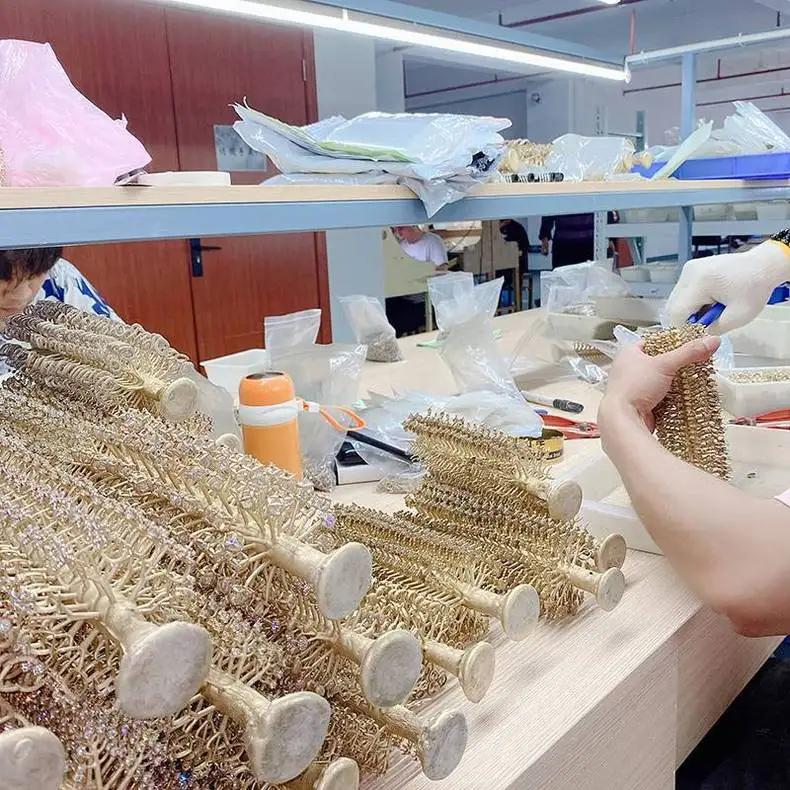
- Trading Company
- Zhejiang, China
- Lead time10 days
- Avg. response≤ 2h
Main productsEarrings,stainless steel Necklace,stainless steel Bracelet,zircon ring,necklace bracelet earrings jewelry sets
Main marketsEastern Europe(20.00%), South America(20.00%), North America(20.00%), Africa(10.00%), Southeast Asia(10.00%), Eastern Asia(5.00%), Mid East(5.00%), Oceania(5.00%), Domestic Market(1.00%), South Asia(1.00%), Northern Europe(1.00%), Central America(1.00%), Western Europe(1.00%)
Yiwu Renrui E-commerce Business
- Trading Company
- China Zhejiang
- Lead time0 days
Main productsSouvenir Gift, Craft, Scented Candle, Artificial Flower, Christmas Ornaments, Daily Use, Home Decoration, Solid Wood Carvings, Accessories, Photo Frame

Qingdao Gemopia Jewelry Co., Ltd.
- Combined
- China Shandong
- Lead time30 days
Main productsGold Jewelry, Silver Ring
Main marketsSouth America,Africa,Southeast Asia/ Mideast,East Asia(Japan/ South Korea),Domestic,Europe,Australia,North America
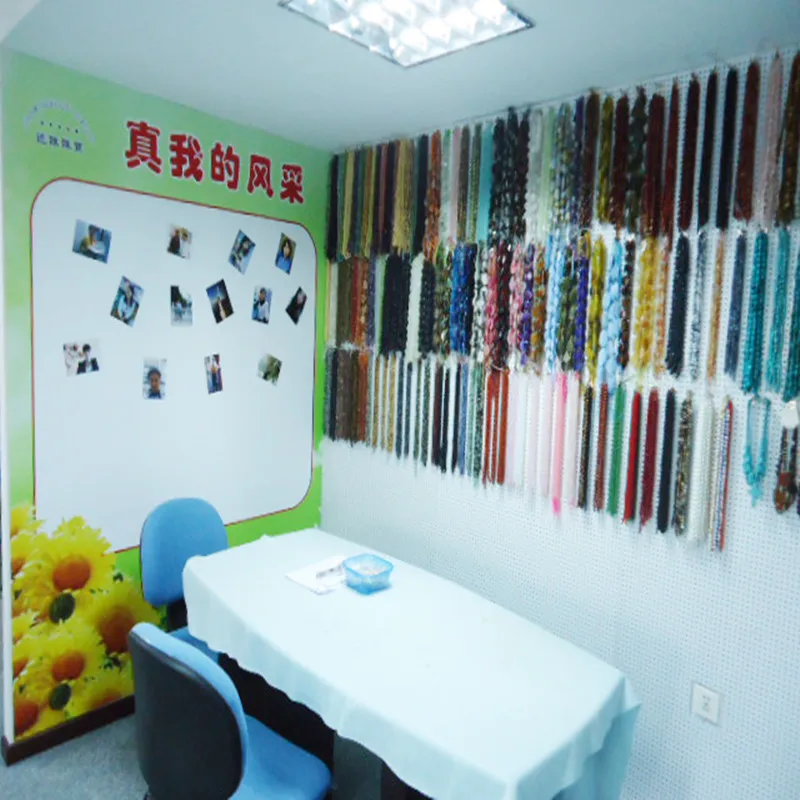
Guangzhou Charmingbeads Jewelry Co., Ltd.
- Manufacturer, Trading Company
- Guangdong, China
- Lead time8 days
- Avg. response≤ 7h
Main productsJewelry Accessory
Main marketsNorth America(45.00%), South America(8.00%), Western Europe(8.00%), Central America(7.00%), Northern Europe(7.00%), South Asia(5.00%), Oceania(5.00%), Eastern Europe(5.00%), Mid East(3.00%), Southeast Asia(3.00%), Eastern Asia(2.00%), Africa(2.00%)
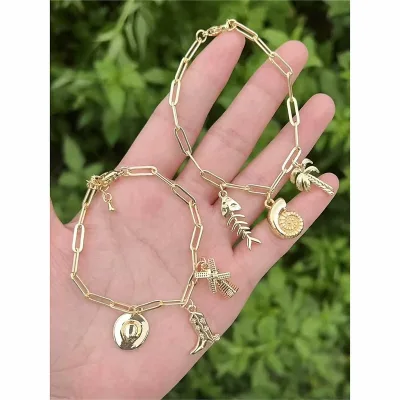
$1.00 - $5.00
MOQ: 30 Minimum

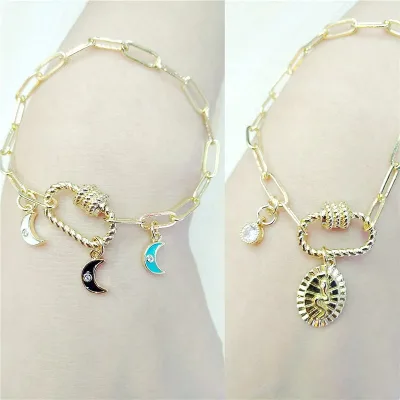
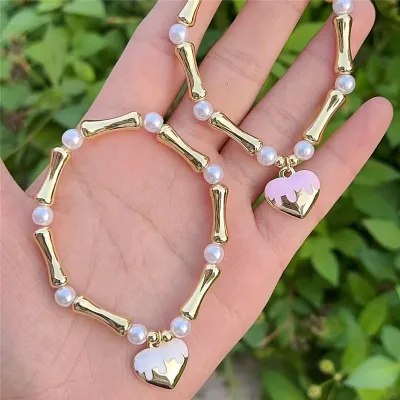

YIWU JINYE IMPORT AND EXPORT CO., LTD
- Verified by SGS
- Trading Company
- China Zhejiang
- Lead time15 days
Main productsBangle, Wrist Band, Bracelet, Fashion Jewelry
Main marketsNorth America

Guangzhou Huifu Jewelry Co., Ltd.
- Verified by BV
- Manufacturer/Factory
- China Guangdong
- Lead time90 days
Main productsJewelry, Stainless Steel Jewelry, Stainless Steel Ring, Stainless Steel Pendant, Stainless Steel Earring, Fashion Jewelry, Ring, Necklace, Pendant, Bracelet
Main marketsEastern Europe,Mid East,North America,Western Europe,Africa

Shenzhen Marvel Electronic Co., Ltd.
- Verified by TUVRHEINLAND
- Trading Company
- China Guangdong
- Lead time15 days
Main productsCustom Jewelry, Silver Jewelry, Earring, Necklace, Bracelet, Nose Ring, Jewelry Set, Fashion Jewelry, Brooch
Main marketsEurope,North America

Xiamen Yuxiang Magnetic Materials Technology Co., Ltd.
- Trading Company
- China Fujian
- Lead time23 days
Main productsNdFeB Magnet, SmCo Magnet, AlNiCo Magnet, Ferrite Magnet, Rubber Magnet, Fridge Magnet, Magnetic Powder, Magnetic Compound, Magnetic Core, Magnetic Materials
Main marketsSouth America,Africa,Southeast Asia/ Mideast,East Asia(Japan/ South Korea),Europe,Australia,North America

Zhongshan Artigifts Premium Metal & Plastic Co., Ltd.
- Verified by BV
- Combined
- China Guangdong
- Lead time15 days
Main productsPin, Key Chain, Label, Coin, Lanyard, Purse Hanger, PVC Key Holder, Button Badge, Trolley Coin, Medal
Main marketsSouth America,Africa,Others(foreignTradeCapacity.exportBusinessCapacityMarketOther),Southeast Asia/ Mideast,East Asia(Japan/ South Korea),Europe,Australia,North America

Guangzhou IO Jewelry Co., Ltd.
- Combined
- China Guangdong
- Lead time30 days
Main productsJewelry, Fashion Jewelry, Stainless Steel Jewelry, Custom Jewelry, Stainless Steel Beads, Stainless Steel Charms, Stainless Steel Rings, Stainless Steel Pendants, Beads, Charms
Main marketsSouth America,Domestic,Europe,Australia,North America

Chinapack Ningbo Import & Export Co., Ltd.
- Verified by SGS
- Trading Company,Manufacturer/Factory
- China Zhejiang
- Lead time23 days
Main productsSnowboard, Water Bottle, Promotional Hats, Glass Bottle, Ski Set, Snowboot, Snowboard Binding, Home Sock, Hood, Scarf
Main marketsSouth America,Eastern Europe,North America,Southeast Asia,Eastern Asia,Oceania,Western Europe
Yiwu Phonbon Import & Export Co., Ltd.
- Trading Company
- Zhejiang, China
- Lead time15 days
- Avg. response≤ 6h
Main productsmedal,lapel pin,metal coins,cross,rosary
Main marketsWestern Europe(16.67%), Southeast Asia(16.67%), Southern Europe(15.00%), Eastern Europe(15.00%), South America(10.00%), Africa(5.00%), Northern Europe(5.00%), Central America(5.00%), North America(5.00%), Mid East(3.00%), Eastern Asia(2.00%), South Asia(1.00%), Oceania(0.66%)
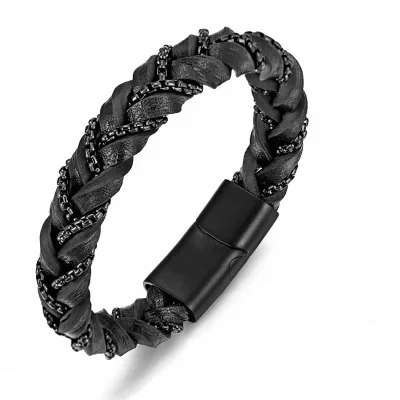
fashion black rope leather with box chain bracelet for men ins trendy bracelets good gifts
$1.15 - $1.50
MOQ: 500 Minimum
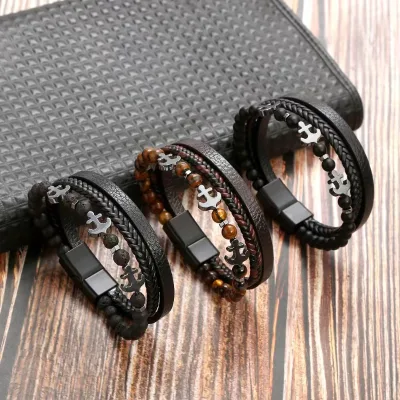
$0.85 - $1.75
MOQ: 50 Minimum
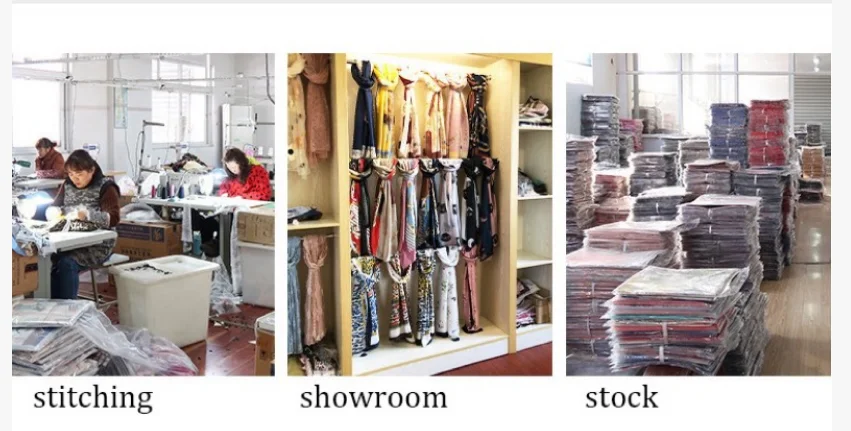
Yiwu Yingxia Jewelry Co., Ltd.
- Trading Company
- Zhejiang, China
- Lead time15 days
- Avg. response≤ 3h
Main productsfashion jewelry,gemstone jewelry,scarf
Main marketsEastern Asia(10.00%), Mid East(10.00%), Southern Europe(10.00%), Northern Europe(10.00%), Southeast Asia(10.00%), Western Europe(10.00%), South America(10.00%), North America(10.00%), South Asia(5.00%), Oceania(5.00%), Africa(5.00%), Central America(5.00%), Eastern Europe(5.00%)
- Trading Company
- Lead time旺季: "1 - 60":35,"> 60":"To be negotiated", 淡季: "1 - 60":35,"> 60":"To be negotiated"
- Avg. response≤ 5h
Main productsfashion jewelry,women necklace,women earrings,fashion rings jewelry,fashion bracelets jewelry
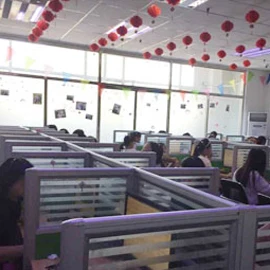
Yiwu Noya Accessories Co., Ltd.
- Trading Company
- Zhejiang, China
- Lead time25 days
- Avg. response≤ 8h
Main productsaccessories,Jewelry,headband,bag,agent
Main marketsWestern Europe(30.00%), North America(30.00%), Domestic Market(10.00%), Northern Europe(10.00%), Eastern Europe(10.00%)
Guangzhou Anfook & Dakerden Jewelry Co., Ltd
- Trading Company
- China Guangdong
- Lead time0 days

Stainless Steel Antique Silver Interlock Chain Leather Bracelet for Men 210 X 6mm
$4.60 - $5.88
MOQ: 1 Pieces


GOODLINESS JEWELLERY CO., LIMITED
- Verified by SGS
- Manufacturer
- China Guangdong
- Lead time23 days
Main products925 Silver Ring, Brass Jewelry, 925 Silver Earring, 925 Silver Necklace, 925 Silver Set, 925 Silver Bangle, Customer's Design, 925 Silver Bracelet, Silver Accessory, Brass Accessory
Main marketsSoutheast Asia/ Mideast,Europe,North America

Magnetic Adjustable Copper Gold Chain Pearl String Friendship Hand Bracelet
$3.24 - $5.61
MOQ: 20 Pieces

Fashion Jewelry Hot Sale Oval Shape Link Chain Choker Bracelet Gold Plated China Necklace
$5.00 - $10.00
MOQ: 20 Pieces
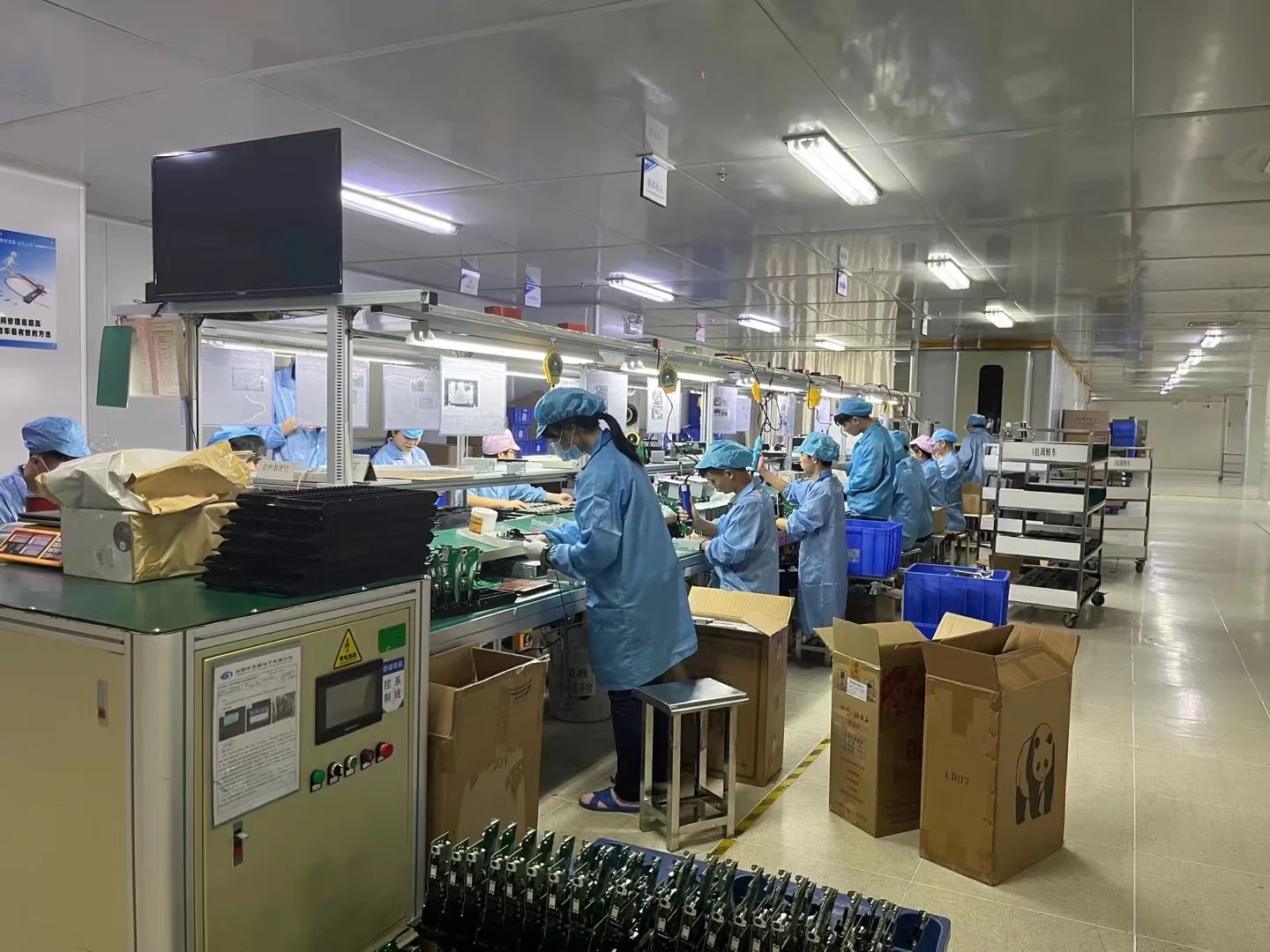
Shenzhen Ganyuan Industry Co., Ltd.
- Manufacturer, Trading Company, Distributor/Wholesaler
- Guangdong, China
- Lead time15 days
- Avg. response≤ 5h
Main productsMen's & Women's Fashion Apparel Clothing & Garments,Fashion Accessories Scarves Belts Hats Bags & More,Fashion Jewelry Necklaces Earrings Bracelets Rings,Eyewear Sunglasses & Optical Glasses Wholesale,Watches & Watch Accessories Men's Women's Smart Watches
Main marketsSouth America(35.00%), North America(35.00%), Eastern Europe(20.00%), South Asia(5.00%), Mid East(5.00%)


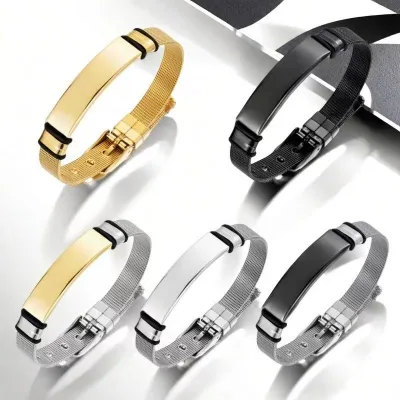
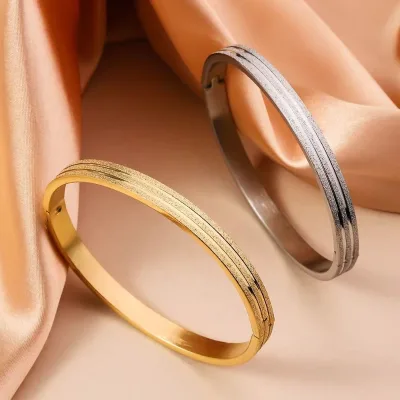
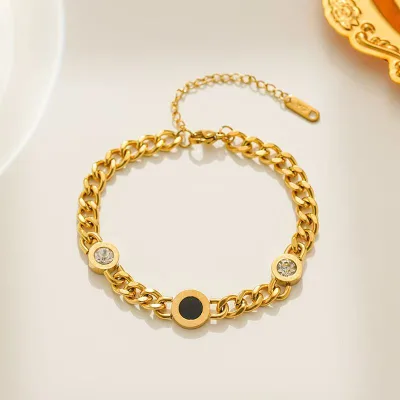


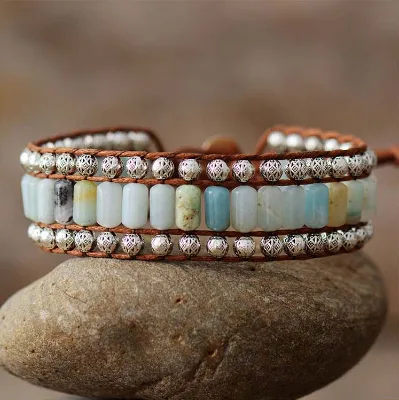
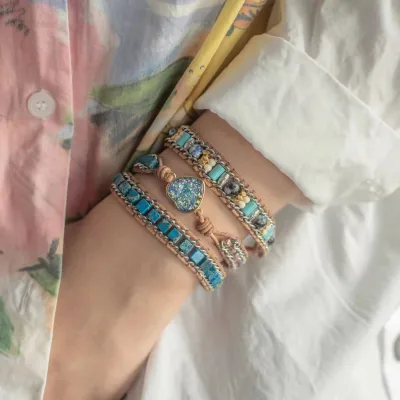
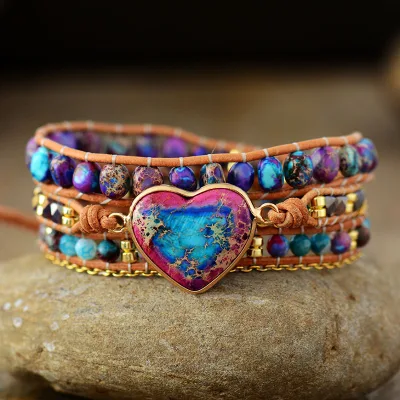
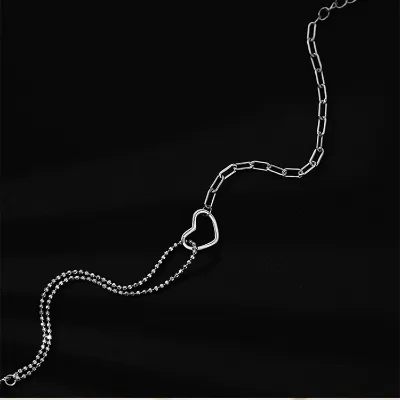
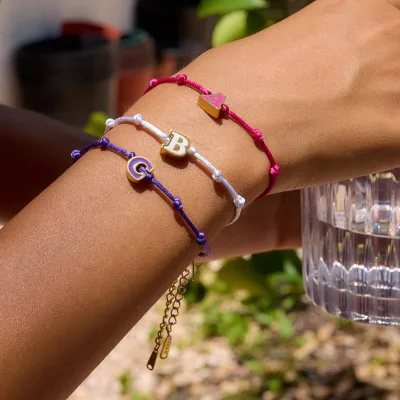
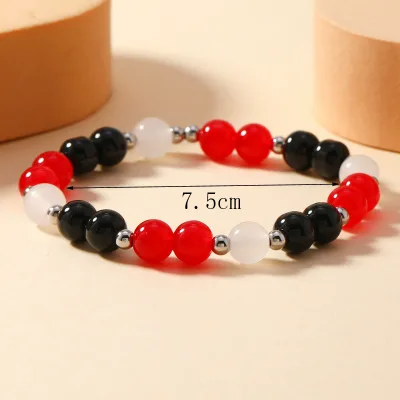
Comprehensive Sourcing Guide
Ceramics Chain Bracelet Supplier Concentration and Factory Types
Current search results indicate a concentration of suppliers located in China, specifically within the Fujian and Zhejiang provinces. These regions host a mix of trading companies and manufacturers who list ceramics, beads, and polymer clay as part of their broader product portfolios. While some suppliers explicitly state they are manufacturers, others identify primarily as trading companies that source from various factories. This distinction is critical because a trading company may offer a wider variety of styles but might have less direct control over the production process compared to a dedicated factory. Buyers should examine the main product lists to see if ceramics or jewelry is a primary focus or a secondary category.
When evaluating the factory type, look for evidence of in-house capabilities such as OEM and ODM services, which suggest a deeper manufacturing capacity. Some suppliers in the results display capabilities for both OEM and ODM, indicating they can handle custom designs and private labeling. However, the presence of a trading company does not preclude high-quality output, provided they have strong relationships with their manufacturing partners. Buyers must verify if the supplier claims to be a manufacturer by checking for specific facility certifications or detailed production descriptions. Without explicit confirmation of factory ownership, assume the entity acts as an intermediary and adjust expectations regarding direct communication with the production line.
How to Verify Ceramics Chain Bracelet Suppliers
Verification is a critical step when sourcing ceramics chain bracelets, as the market contains both verified and unverified entities. Some suppliers in the current results hold third-party verification badges from organizations like BV or TÜV Rheinland, which adds a layer of credibility to their business operations. These badges indicate that an independent agency has reviewed the company's business license and operational status. Buyers should prioritize suppliers with these visible verification marks to reduce the risk of dealing with fraudulent entities. However, the absence of a badge does not automatically disqualify a supplier, but it requires a more rigorous manual vetting process to confirm their legitimacy.
Beyond basic business verification, buyers should look for specific product certifications that ensure safety and quality standards. Several suppliers in the data list compliance with standards such as EN-71 and Non-Phthalate, which are essential for jewelry intended for general wear. These certifications suggest that the materials used, including the ceramics and beads, have been tested for harmful substances. It is important to request current test reports rather than relying solely on the supplier's claim of compliance. Additionally, checking for system certifications like ISO 9000 or BSCI can provide insight into the supplier's management systems and ethical labor practices. Always ask for the specific certificate number and validity date to ensure the documentation is current and authentic.
What to Compare Across Ceramics Chain Bracelet Suppliers
When comparing potential partners, lead time is a primary metric that varies significantly between suppliers. The observed data shows lead times ranging from 23 to 30 days, which impacts the overall timeline for receiving bulk orders. A shorter lead time might be preferable for urgent restocking needs, while a longer lead time could indicate a more complex production process or lower capacity. Buyers should also compare the Minimum Order Quantity (MOQ) requirements, which range from 100 to 10,000 units depending on the specific product model and customization level. High MOQs may be necessary for custom ceramic designs, whereas standard items might have lower thresholds.
Price is another critical factor, with unit costs varying from $0.10 to $9.90 based on material complexity and design intricacy. Some suppliers offer a single fixed price point, while others provide a range, suggesting flexibility based on order volume or material selection. Buyers must also evaluate the customization options available, such as OEM services and logo printing, which are listed as available by several suppliers. The ability to customize packaging, such as polybags or cartons, is another differentiator that can affect the final product presentation. Finally, consider the response time and the availability of free samples, as these factors influence the speed of the decision-making process and the ability to validate product quality before committing to a large order.
Common Ceramics Chain Bracelet Sourcing Risks
One significant risk in sourcing ceramics chain bracelets is the discrepancy between the claimed material and the actual product quality. While some suppliers list materials like silicone, alloy, or polymer clay, the specific type of ceramic used may vary in durability and finish. Buyers face the risk of receiving products that do not match the visual samples or descriptions provided online. This is particularly relevant for items described as "soft ceramic" or "clay beads," where the firing process and glaze quality can vary widely between factories. Without physical inspection or third-party testing, it is difficult to guarantee that the ceramics will not chip or fade during normal wear.
Another risk involves the reliability of the supply chain and the potential for delays in production or shipping. Although some suppliers list specific lead times, external factors such as raw material shortages or logistical bottlenecks can cause delays. The variation in MOQs also presents a risk; ordering a small quantity to test the market might result in a higher unit cost, while a large order could tie up capital if the product does not sell as expected. Additionally, there is a risk regarding the accuracy of the product origin and the ethical standards of the manufacturing process. If a supplier claims to be a manufacturer but is actually a trading company, the transparency of the supply chain may be compromised, making it harder to address quality issues or enforce ethical standards.
Ceramics Chain Bracelet Regional Sourcing and Logistics
Sourcing from China, specifically from provinces like Fujian and Zhejiang, offers access to established manufacturing clusters for jewelry and craft items. These regions have developed infrastructure and supply chains that support the production of diverse materials, including ceramics and beads. However, buyers should be aware that not all suppliers in these regions specialize exclusively in ceramics; many operate as general trading companies with broad product ranges. This means that the expertise in ceramic manufacturing might be concentrated in specific factories within these provinces rather than being evenly distributed across all listed suppliers. Buyers should investigate whether the supplier has direct access to ceramic kilns or if they rely on external partners for this specific component.
Logistics planning must account for the distance and shipping methods available from these regions to the buyer's destination. The lead times observed, ranging from 23 to 30 days, typically include production time but may not fully account for international shipping duration. Buyers should clarify whether the quoted lead time includes packaging and preparation for shipment or if it refers strictly to the manufacturing phase. Additionally, the packaging standards vary, with some suppliers using polybags and others using cartons, which affects the efficiency of loading and the protection of fragile ceramic items during transit. It is essential to confirm the packaging details to ensure that the ceramics are adequately protected against breakage during the shipping process.
Ceramics Chain Bracelet Commercial Terms and Order Planning
Commercial terms regarding payment and order planning are vital for managing cash flow and ensuring project success. Many suppliers offer flexible payment structures, but the specific terms must be negotiated based on the order size and the supplier's trust level. Some suppliers may require a deposit before production begins, with the balance due upon completion or before shipment. Buyers should also consider the availability of escrow services or trade assurance programs that protect the funds until the goods are delivered as described. These financial safeguards are particularly important when dealing with new suppliers or large orders where the risk of non-delivery is higher.
Order planning should also factor in the customization requirements and the associated lead times. Custom designs, such as specific ceramic patterns or logo placements, often require additional time for mold creation and sample approval. Buyers must account for this extra time in their overall project schedule to avoid delays in product launch. Furthermore, the MOQ requirements can influence the order quantity and the unit cost, so buyers should plan their inventory needs carefully to balance cost efficiency with stock levels. It is also advisable to request a detailed production schedule from the supplier to track progress and ensure that all milestones are met on time. Clear communication regarding these terms and timelines is essential for a smooth sourcing experience.
FAQs
What is the price range for ceramic chain bracelets?
Prices for ceramic chain bracelets vary by supplier and design. Some listings show prices as low as 0.28 dollars per unit, while others reach up to 30 dollars. The final cost depends on material quality, customization needs, and order volume requirements set by the manufacturer.
What is the minimum order quantity for these bracelets?
Minimum order quantities differ significantly across suppliers. Some manufacturers require orders as low as 100 units, while others set the threshold at 10,000 units. Buyers must check specific product listings to confirm the exact MOQ before placing an order for ceramic chain bracelets.
Where are the ceramic bracelet manufacturers located?
Manufacturers of ceramic bracelets are primarily located in China. Specific regions include Fujian and Zhejiang provinces. These locations host various trading companies and factories that produce jewelry items, ensuring access to a wide range of styles and materials for international buyers.
How long does production take for custom orders?
Production lead times vary depending on the supplier and order complexity. Some factories report a lead time of 23 days, while others may take up to 30 days. Buyers should confirm the specific timeline with the supplier before finalizing the purchase agreement for custom ceramic bracelets.
Are there certifications for the ceramic jewelry products?
Some suppliers hold certifications such as BSCI, ISO 9000, and ISO 14001. Product standards may also include EN-71 and Non-Phthalate compliance. Buyers should verify specific certification documents with the supplier to ensure the products meet required safety and quality standards for their market.
Can suppliers provide samples of the ceramic bracelets?
Yes, several suppliers offer free samples for ceramic bracelets. This allows buyers to evaluate the quality and design before committing to a large order. Buyers should request samples directly from the supplier to confirm the material quality and finish matches their specific requirements.
Do suppliers offer OEM services for these bracelets?
Many suppliers provide OEM services for ceramic chain bracelets. This includes customization of logos, colors, and designs. Buyers can request specific modifications to meet their branding needs, provided they meet the minimum order quantity requirements set by the manufacturer for custom production runs.