Chemical Food Heat Sealer Machine Suppliers and Manufacturers
Explore 13 verified options for chemical food heat sealer machines with details on location, lead times, and certifications. Compare response times and MOQs to find the right partner, then request quotes directly from the listed factories; review the available evidence before requesting comparable quotations from suitable candidates.
Suppliers List

WILLITA INK JET TECHNOLOGY(WUHAN) CO.,LTD.
- Combined
- China Hubei
- Lead time15 days
- Avg. response≤ 2h
Main productsInkjet Printer, Laser Marking Machine, Tij Inkjet Printer, Industrial Inkjet Printer, Inkjet Printer Inks, Handheld Inkjet Printer, Wall Printer
Main marketsSouth America,Southeast Asia/ Mideast,Domestic,Europe,Australia,North America

Automatic Continuous Band Sealer Plastic Food Bag Sealer Heat Sealing Machine
$419.00 - $470.00
Moq: 1


Zhejiang Dongfeng Packing Machine Co., Ltd.
- Verified by TUVRHEINLAND
- Combined
- China Zhejiang
- Lead time30 days
- Avg. response≤ 4h
Main productsPackaging Machine, Vacuum Packer, Filling Machine, Shrink Packing Machine, Codding Machine, Sealing Machine, Cup Sealing Machine, Packing Machine, Mixer, Cup Sealer
Main marketsEurope,North America

Qingdao Zhongkang Printing and Packaging Machinery Co., Ltd.
- Verified by TUVRHEINLAND
- Trading Company
- China Shandong
- Lead time30 days
- Avg. response≤ 3h
Main productsPacking Machine, Non-Woven Bags, Filling Machine, Capping Machine, Vacuum Packing Machine, Labeling Machine, Strapping Machine, Sealing Machine, Printer Coding Machine, Packaging Bag
Main marketsSouth America,Domestic,Europe


Automatic Heat Sealing Machine for Food Plastics Packages Plastic Pack Film Bag Sealer
$79.00 - $159.00
Moq: 1
Guangzhou Hansen Machinery Equipment Co., Ltd.
- Verified by TUVRHEINLAND
- Combined
- China Guangdong
- Lead time30 days
- Avg. response≤ 4h
Main marketsDomestic,Europe

Ruian Huadong Packing Machinery Co., Ltd.
- Verified by TUVRHEINLAND
- Combined
- China Zhejiang
- Lead time30 days
- Avg. response≤ 3h
Main productsWrapping Machine, Food Packing Machine, Shrink Packaging Machine, Packing Machine, Shrink Packing Machine, Packaging Machine, Shrink Wrapper, Shrink Wrapping Machine, Pharmaceutical Machine, Shrink Wrap Machine
Main marketsSouth America,Domestic

Automatic L Sealer L Bar Sealer L Type Sealer Shrink Wrapping Machine Heat Shrink Packaging Machine
$9000.00 - $11000.00
Moq: 1


Automatic Shrink Tunnel L Sealer Heat Shrink Shrink Packaging Machine Food Packing Machine
$9000.00 - $11000.00
Moq: 1


Side Sealer Heat Shrink Film Thermal Shrink Packing Machine Heat Shrink Wrapping Machine
$11000.00 - $13000.00
Moq: 1

Automatic Food Shrinking Wrapper Machine Food Heat Shrink Machine Packing Machinery
$6000.00 - $8000.00
Moq: 1

Guangzhou Baoneng Packaging Machinery and Equipment Co., Ltd.
- Manufacturer/Factory
- China Guangdong
- Lead time23 days
- Avg. response≤ 5h
Main productsFilling Machine, Capping Machine, Sealing Machine, Labeling Machine, Filling Production Line, Packaging Machine, Bottle Washing Machine, Mixing Processing Equipment, Bag Packing Machine, Filling Sealing Machine
Main marketsSouth America,Eastern Europe,Mid East,North America,Southeast Asia,Eastern Asia,Oceania,Western Europe,Africa

Heat Bottle Jar Box Tray Cup Plastic Film Sealer Automatic Sealing Machine
$6000.00 - $10000.00
Moq: 1


Anchor Automation Equipment (Shanghai) Co., Ltd
- Verified by SGS
- Combined
- China Shanghai
- Lead time60 days
- Avg. response≤ 6h
Main productsLabeling Machine, Sleeve Labeling Machine, Filling Machine, Heat Shrink Packaging Machine, Carton Packing Machine, Capping Machine, Automatic Bottles Unscrambler Machine
Main marketsSoutheast Asia/ Mideast

Better Technology Group Limited
- Verified by CTI
- Manufacturer/Factory
- China Fujian
- Lead time23 days
- Avg. response≤ 2h
Main productsTurnkey Solution for Battery Manufacturing, Battery Production Equipment, Automatic Battery Assembly Line, Lead Acid Battery, Lithium Battery, Portable Power Station, Solar Home Energy Storage Battery, Lithium Battery Designing and Manufacturing
Main marketsSouth America,Eastern Europe,Mid East,North America,Southeast Asia,Eastern Asia,Oceania,Western Europe,Africa

Wenzhou Furi Packaging Machinery Co., Ltd.
- Combined
- China Zhejiang
- Lead time30 days
- Avg. response≤ 4h
Main productsCap Machine, 5 Gallon Cap Labeling Sealing Machine, Cap Wadding Machine, Paper Pipe Labeling Machine, Cap Assembly Machine, Bottle Cap Processing Equipment, Cap Liner Inserting Machine, Drink Straw Machine, Cap Packing Machine, 5 Gallon Cap Lining Machine
Main marketsDomestic
Guangdong Guanhong Intelligent Equipment Co., Ltd.
- Verified by SGS Group
- Manufacturer, Trading Company
- Lead time0 days
Main productsFilling Machine, Capping Machine, Labeling Machine, Production Line
Main marketsDomestic Market(70%), Southeast Asia(6%), Mid East(6%)

WENZHOU URBAN MACHINERY CO., LTD.
- Trading Company,Manufacturer/Factory
- China Zhejiang
- Lead time60 days
- Avg. response≤ 6h
Main productsCapsule Filling Machine, Blister Packing Machine, Box Packaging Machine, Capsule Counting Machine, Capsule Tablet Counting Production Line, Food Packaging Machine, Stationery Packing Machine, Vial Ampoule Syringe Packing Production Line, Oral Liquid Filling and Packing Line, Oral Liquid Capsule Filling and Sealing Machine
Main marketsSouth America,Eastern Europe,Mid East,North America,Southeast Asia,Eastern Asia,Oceania,Western Europe,Africa

Automatic Sealing Machine Automatic Heat Sealing Machine Packing and Sealing Machine
$15896.00 - $19635.00
Moq: 1

Automatic Heat Sealing Machine Filling and Sealing Machine Plastic Tube Sealing Machines
$17528.00 - $23698.00
Moq: 1
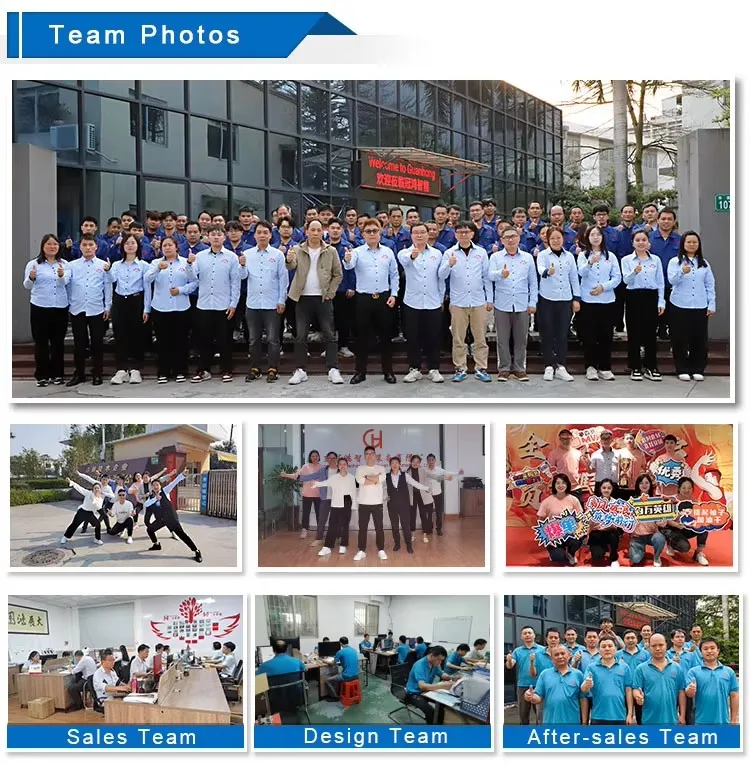
Guangzhou Guanhong Machinery Equipment Co., Ltd.
- Manufacturer, Trading Company
- Guandong, China
- Lead time60 days
- Avg. response≤ 2h
Main productsFilling Machine, Capping Machine, Labeling Machine, Production Line
Main marketsSoutheast Asia(15.0%), North America(10.0%), South America(10.0%), Eastern Europe(10.0%), Domestic Market(10.0%), South Asia(5.0%), Eastern Asia(5.0%), Oceania(5.0%), Western Europe(5.0%), Southern Europe(5.0%), Central America(5.0%), Northern Europe(5.0%), Africa(5.0%), Mid East(5.0%)

Guangzhou Guanhe Light Industry Machinery Co., Ltd.
- Verified by SGS
- Trading Company,Manufacturer/Factory
- China Guangdong
- Lead time38 days
- Avg. response≤ 5h
Main productsFilling Machines, Packing Machine, Capping Machine, Sealing Machine, Labeling Machine, Bottle Washing Drying Machine, Bottle Unscrambling Machine, Conveying Machine, Filling Capping Machines, Mixing/Storage Tanks
Main marketsSouth America,Eastern Europe,Mid East,North America,Southeast Asia,Eastern Asia,Oceania,Western Europe,Africa


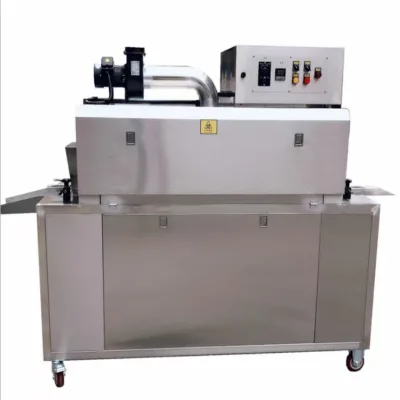
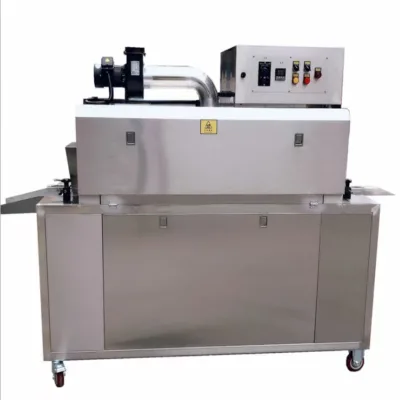
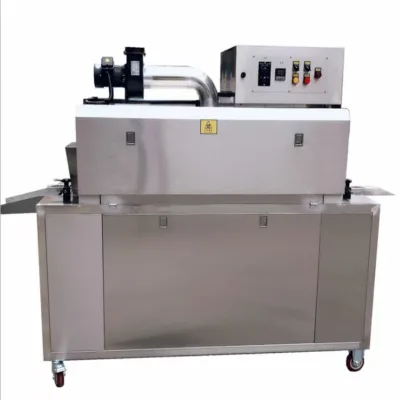


Comprehensive Sourcing Guide
Chemical Food Heat Sealer Machine Supplier Concentration and Factory Types
Current data indicates a concentration of suppliers in China, specifically within Hubei, Zhejiang, Shandong, and Guangdong provinces. Fact records show Hubei-based entities offering combined company types with capabilities in both OEM and ODM services, alongside their own brand development. These suppliers often list main products including various inkjet printers and industrial marking machines, suggesting a broader manufacturing ecosystem that may support sealing machinery production. Zhejiang suppliers appear as verified entities with TUVRHEINLAND certification, offering a mix of packaging, vacuum, and filling machines, which indicates a specialized cluster for automated sealing solutions.
Shandong and Guangdong regions present different supplier profiles, with Shandong listings identifying as trading companies and Guangdong entities focusing on heavy-duty sealing applications. The absence of specific establishment years in the provided facts means buyers cannot confirm the longevity of these operations based solely on this data. Instead, buyers should look for suppliers who explicitly state their company type, such as combined manufacturers or trading firms, to understand the supply chain structure. The presence of diverse product lines, from handheld inkjet printers to continuous band sealers, suggests that some factories may have diversified their output to meet broader industrial packaging needs beyond just chemical food sealing.
How to Verify Chemical Food Heat Sealer Machine Suppliers
Verification of supplier credentials requires checking for specific system certifications and third-party validation marks. One observed supplier in Zhejiang holds a TUVRHEINLAND verification status, which serves as a concrete indicator of external audit compliance. Another supplier in Hubei displays an ISO9001:2015 certificate, confirming adherence to international quality management standards. Buyers must request proof of these documents directly, as the absence of a certification listing, such as the "NIL" status seen in some Shandong trading company profiles, signals a need for deeper due diligence. Do not assume all suppliers possess these credentials; verify the specific certificate number and validity date before proceeding.
Response time and lead time data provide additional layers of verification regarding operational reliability. The observed response times range from 1.68 to 3.62 hours, indicating varying levels of customer service responsiveness. A supplier with a 1.68-hour response time may offer more immediate support for technical queries than one with a 3.62-hour delay. Lead times also vary significantly, with some suppliers offering 15-day delivery windows while others require 30 days. Buyers should cross-reference these metrics against their project timelines. If a supplier claims a lead time but the data shows a longer duration, this discrepancy must be clarified. Always ask for a written confirmation of the lead time and response protocol to ensure the supplier can meet urgent production schedules.
What to Compare Across Chemical Food Heat Sealer Machine Suppliers
When evaluating suppliers, compare the minimum order quantities (MOQ) and pricing structures to determine financial feasibility. Available data shows an MOQ of 1 unit for certain sealing machines, with prices ranging from approximately $79 to $470 depending on the model and specifications. Some listings indicate a fixed price point, while others show a range, suggesting variability based on customization or volume. Buyers should compare these figures against their budget constraints and production volume requirements. A supplier offering a low MOQ of 1 allows for smaller trial orders, reducing financial risk, whereas higher MOQs may be necessary for bulk pricing advantages.
Capacity and customization options are critical comparison points for long-term sourcing success. Suppliers in Hubei and Zhejiang explicitly list ODM and OEM capabilities, indicating they can adapt machines to specific chemical or food processing needs. One product evidence notes "Customization: Available" for heat sealing machines, while others specify materials like 304SUS for machine bodies or specific sealing speeds ranging from 0-24m/Min to 0-30m/Min. Buyers must compare these technical specifications to ensure the machine handles the intended packaging materials, such as plastic films or flexible containers. Additionally, compare the automatic grade, noting the availability of semi-automatic versus fully automatic models, as this impacts labor costs and throughput efficiency in a chemical food production environment.
Common Chemical Food Heat Sealer Machine Sourcing Risks
One significant risk involves the lack of standardized machinery test reports for certain equipment. Data for a heavy-duty pail sealing machine explicitly states "Machinery Test: Not Available Report," which poses a potential safety and compliance risk for chemical applications. Buyers must verify if the machine has undergone rigorous testing for chemical resistance and pressure handling before installation. Without a test report, there is no concrete evidence that the equipment meets safety standards for handling hazardous substances or volatile chemicals. This gap in documentation requires buyers to request third-party testing results or conduct their own validation trials before finalizing an order.
Another risk stems from the ambiguity of supplier types, particularly when trading companies are involved. Some listings identify as trading companies without providing their own manufacturing capacity or direct factory access. This can lead to communication delays and a lack of technical support if issues arise with the sealing machine. Unlike combined manufacturers or direct factories, trading companies may not have the engineering expertise to troubleshoot complex mechanical failures or customize the machine for specific chemical food requirements. Buyers should prioritize suppliers who demonstrate direct manufacturing capabilities or have clear OEM/ODM partnerships to mitigate the risk of receiving substandard or unsupported equipment.
Chemical Food Heat Sealer Machine Regional Sourcing and Logistics
Sourcing from China offers distinct logistical advantages based on regional manufacturing hubs. Suppliers in Hubei, Zhejiang, Shandong, and Guangdong provide a wide range of options, but shipping costs and lead times will vary by location. The observed lead times of 15 to 30 days suggest that production scheduling is a key factor in the overall delivery timeline. Buyers should consider the proximity of the factory to major ports to minimize inland transportation costs. For instance, suppliers in Guangdong and Zhejiang are often closer to coastal shipping lanes, potentially reducing transit times compared to inland locations like Hubei or Shandong.
Packaging standards also play a crucial role in logistics planning. Product evidence indicates that machines are packed in standard export cartons, wooden crates, or specific carton packaging depending on the model. One listing specifies "Standard Export Carton Packing," while another notes "Wooden" packing for heavier units. Buyers must verify the packaging method to ensure the machine arrives without damage during transit. For heavy-duty sealing machines, wooden crates may be necessary to protect the equipment, whereas lighter models might suffice with reinforced cartons. Confirming the packaging details with the supplier ensures that the logistics provider can handle the shipment correctly and that the machine is protected against moisture and impact during international shipping.
Chemical Food Heat Sealer Machine Commercial Terms and Order Planning
Commercial terms regarding pricing and payment structures require careful review to avoid unexpected costs. The observed price ranges for sealing machines vary from $59 to $470, with some models showing a single fixed price point. Buyers should clarify whether these prices include shipping, insurance, and taxes, as these factors can significantly impact the total landed cost. Additionally, verify if the price is based on a specific currency and if there are volume discounts available for larger orders. Understanding the full cost structure is essential for accurate budgeting and financial planning for the procurement project.
Order planning must account for the specific customization requirements and production lead times. Suppliers offering customization services may require additional time for design and prototyping, which could extend the standard lead time of 15 to 30 days. Buyers should confirm the timeline for custom modifications, such as specific sealing speeds or material compatibility adjustments. Furthermore, verify the warranty terms and after-sales support, as these are critical for maintaining operational continuity in a chemical food production setting. Ensuring that the supplier provides clear documentation and support channels will help mitigate risks associated with machine downtime and maintenance issues.
FAQs
What is the typical lead time for chemical food heat sealer machines?
Lead times vary by supplier location and order specifics. Some manufacturers in Hubei offer a 15-day lead time, while others in Zhejiang may require up to 30 days. Buyers should confirm the exact delivery schedule with the specific vendor before placing an order to ensure timely receipt.
Are there minimum order quantity requirements for these sealing machines?
Minimum order quantities differ across the available listings. Some suppliers accept orders as low as one unit, making them suitable for small businesses. Others may have higher thresholds depending on the customization level or specific model selected. Always check the product details page for the precise MOQ.
Which certifications do these sealing machines typically hold?
Certification status varies among the listed suppliers. Some manufacturers hold ISO9001:2015 system certification, while others may not display specific certificates. One supplier is verified by TÜV Rheinland. Buyers should verify the current certification status directly with the seller to ensure compliance with local safety standards.
What is the price range for automatic continuous sealing machines?
Prices for these machines range significantly based on features and automation levels. Listings show costs starting from approximately 79 dollars up to 470 dollars. Specific models like the WLD-FD8 or DBF-770LD have distinct pricing tiers. Buyers must review individual product pages for the most accurate current pricing.
Can these machines be customized for specific packaging needs?
Customization is available for many of the listed sealing machines. Suppliers offer options for different packaging materials like film or plastic and various automatic grades. Some models support specific applications such as sealing bags for cosmetics or food. Buyers should confirm customization availability with the supplier before finalizing their purchase.
How quickly do suppliers typically respond to inquiries?
Response times vary depending on the supplier's location and workload. Data indicates response times ranging from approximately 1.68 to 3.62 units, likely representing hours or days. Faster response times are observed in certain regions like Hubei. Buyers should expect varying reply speeds and plan their communication accordingly.
What types of packaging materials can these machines handle?
These machines are designed to handle flexible container sealing for various materials. Common applications include sealing plastic films, bags, and cartons for products like rice, flour, or cosmetics. Some models specifically support liquid or bulk solid materials. The specific material compatibility depends on the machine model and configuration selected by the buyer.