Charm Diamond Bracelet Suppliers and Manufacturers
Explore 27 verified suppliers offering charm diamond bracelets with varying lead times, MOQs, and certifications. Compare response times, locations in China, and product specifications like material and plating to find the right partner for your needs; review the available evidence before requesting comparable quotations from suitable candidates.
Suppliers List

Guangzhou Heng Dian Trade Co., Ltd.
- Trading Company
- China Guangdong
- Lead time15 days
- Avg. response≤ 9h
Main productsEarring, Jewelry Sets, Bracelet, Ring, Necklace, Pendant, Bangle
Main marketsSouth America,Europe,North America

Longyuan (Guangzhou) Industrial Development Co., Ltd.
- Verified by TUVRHEINLAND
- Manufacturer/Factory
- China Guangdong
- Lead time23 days
- Avg. response≤ 6h
Main productsJewelry, Fashion Watch, Hair Accessories, Men Jewelry, Women Jewelry, Pendants, Brooches, Bracelets, Crowns, Necklaces
Main marketsSouth America,Eastern Europe,Mid East,North America,Western Europe

Qingdao Gemopia Jewelry Co., Ltd.
- Combined
- China Shandong
- Lead time30 days
- Avg. response≤ 3h
Main productsGold Jewelry, Silver Ring
Main marketsSouth America,Africa,Southeast Asia/ Mideast,East Asia(Japan/ South Korea),Domestic,Europe,Australia,North America

GUANGZHOU ARTS JEWELLERY CO., LTD.
- Verified by SGS
- Combined
- China Guangdong
- Lead time30 days
- Avg. response≤ 7h
Main productsSilver Jewelry, Gold Jewelry, Diamond Jewelry, Silver Ring, Silver Earring, Silver Pendant, Silver Bracelet, Silver Necklace
Main marketsSoutheast Asia/ Mideast
- Verified by SGS
- Combined
- China Guangdong
- Lead time23 days
- Avg. response≤ 7h
Main marketsOthers(foreignTradeCapacity.exportBusinessCapacityMarketOther),Southeast Asia/ Mideast,East Asia(Japan/ South Korea),Domestic,Europe,Australia,North America
Yiwu Renqing Ornament Co., Ltd.
- Verified by SGS Group
- Manufacturer, Trading Company
- Lead time7 days
- Avg. response≤ 2h
Main productsHip Hop Jewelry , Cuban Chain, Grillz, Hip Hop Pendant, Hip Hop Necklace
Main marketsNorth America(40%), South America(30%), Western Europe(15%)
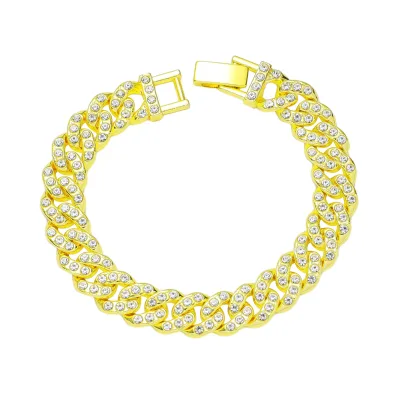
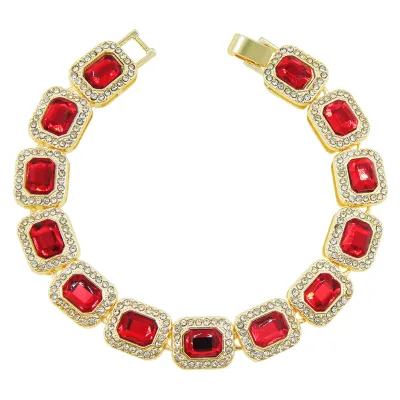
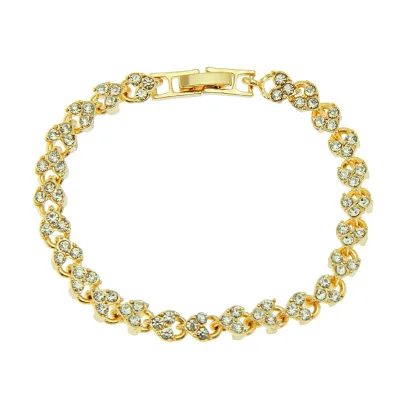
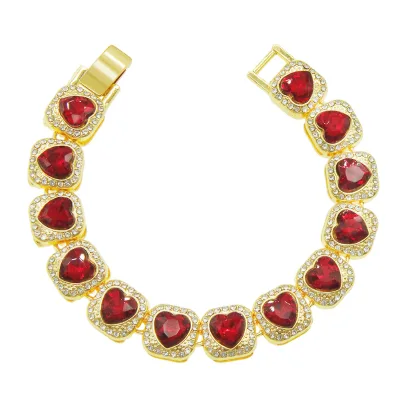
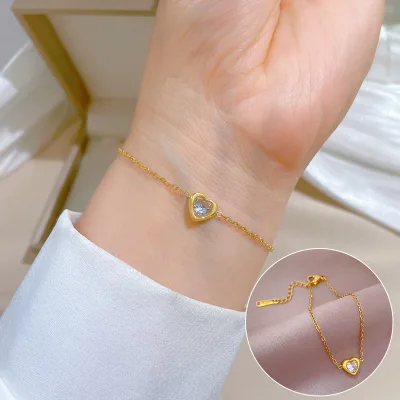
New Roman simple love shape diamond-encrusted women's bracelet
Contact supplier
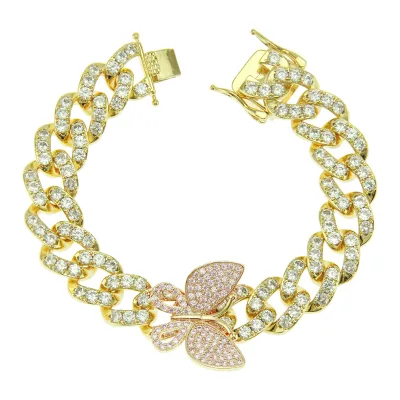
- Trading Company
- Hong Kong S.A.R.
- Lead time14 days
- Avg. response≤ 7h
Main productsDress,Suit,Pants,Gemstone Jewelry,Diamond Jewelry
Main marketsNorth America(30.0%), Western Europe(20.0%), Domestic Market(10.0%), Southern Europe(10.0%), Northern Europe(10.0%), Mid East(5.0%), Southeast Asia(5.0%), Eastern Europe(5.0%), South America(5.0%)
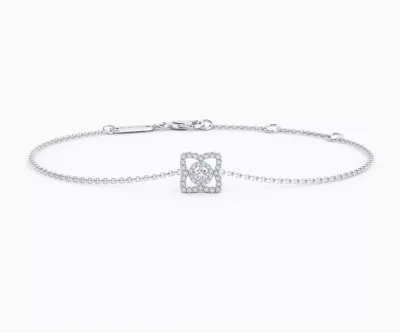
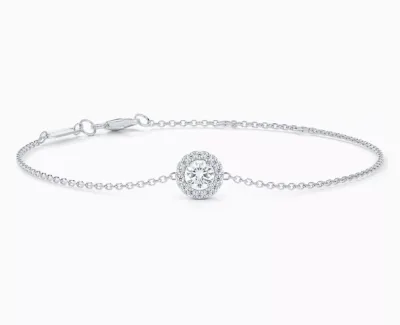
round brilliant diamond bracelet
$1280.00 - $1450.00

YIWU JINYE IMPORT AND EXPORT CO., LTD
- Verified by SGS
- Trading Company
- China Zhejiang
- Lead time15 days
- Avg. response≤ 24h
Main productsBangle, Wrist Band, Bracelet, Fashion Jewelry
Main marketsNorth America
Yiwushi Yinfeng E-Commerce Firm
- Trading Company
- Zhejiang, China
- Lead time5 days
- Avg. response≤ 2h
Main productsJewelry,Fashion Accessories,Outdoor Products,Household products,Apparel
Main marketsNorth America(40.0%), Western Europe(10.0%), Africa(10.0%), Southeast Asia(10.0%), Northern Europe(10.0%), South America(10.0%), Southern Europe(5.0%), Eastern Europe(5.0%)

- Verified by CTI
- Trading Company
- China Zhejiang
- Lead time15 days
- Avg. response≤ 7h
Main productsJewelry, Brooch, Belt, Necklace, Agent, Bracelet, China Trim, China Ring, China Hair Accessory, China Earring
Main marketsSouth America

Putian Licheng Blannina Jewelry Co., Ltd.
- Verified by SGS
- Trading Company
- China Fujian
- Lead time15 days
- Avg. response≤ 4h
Main productsJewelry Accessories, Shoes, Bag, Watch, Clothes
Main marketsEurope
- Verified by SGS
- Manufacturer/Factory
- China Zhejiang
- Lead time30 days
- Avg. response≤ 1h
Main productsNecklace, Bracelets, Earring, Ring, Brooch, Phone Lanyard, Key Chain, Body Jewelry, Hair Clip, Hair Band
Main marketsSouth America,Eastern Europe,Mid East,North America,Southeast Asia,Eastern Asia,Oceania,Western Europe,Africa
Guangzhou Haosheng Trading Co., Ltd.
- Trading Company
- Guangdong, China
- Lead time5 days
- Avg. response≤ 2h
Main productsStainless Steel Earrings, Stainless Steel Sets, Stainless Steel Bracelet, Stainless Steel Rings, Stainless Steel Necklace
Main marketsSouth America(70.0%), Eastern Europe(20.0%), North America(10.0%)

GOODLINESS JEWELLERY CO., LIMITED
- Verified by SGS
- Manufacturer
- China Guangdong
- Lead time23 days
- Avg. response≤ 6h
Main products925 Silver Ring, Brass Jewelry, 925 Silver Earring, 925 Silver Necklace, 925 Silver Set, 925 Silver Bangle, Customer's Design, 925 Silver Bracelet, Silver Accessory, Brass Accessory
Main marketsSoutheast Asia/ Mideast,Europe,North America
Shenzhen Europa Industrial Co., Ltd.
- Trading Company
- Guangdong, China
- Lead time15 days
- Avg. response≤ 5h
Main productsEarring, Ring, Necklace Chain, Bracelets Bangles, Brooch
Main marketsNorth America(40.0%), Eastern Asia(25.0%), Western Europe(10.0%), South America(5.0%), Oceania(5.0%), Domestic Market(5.0%), Mid East(5.0%), Southeast Asia(5.0%)
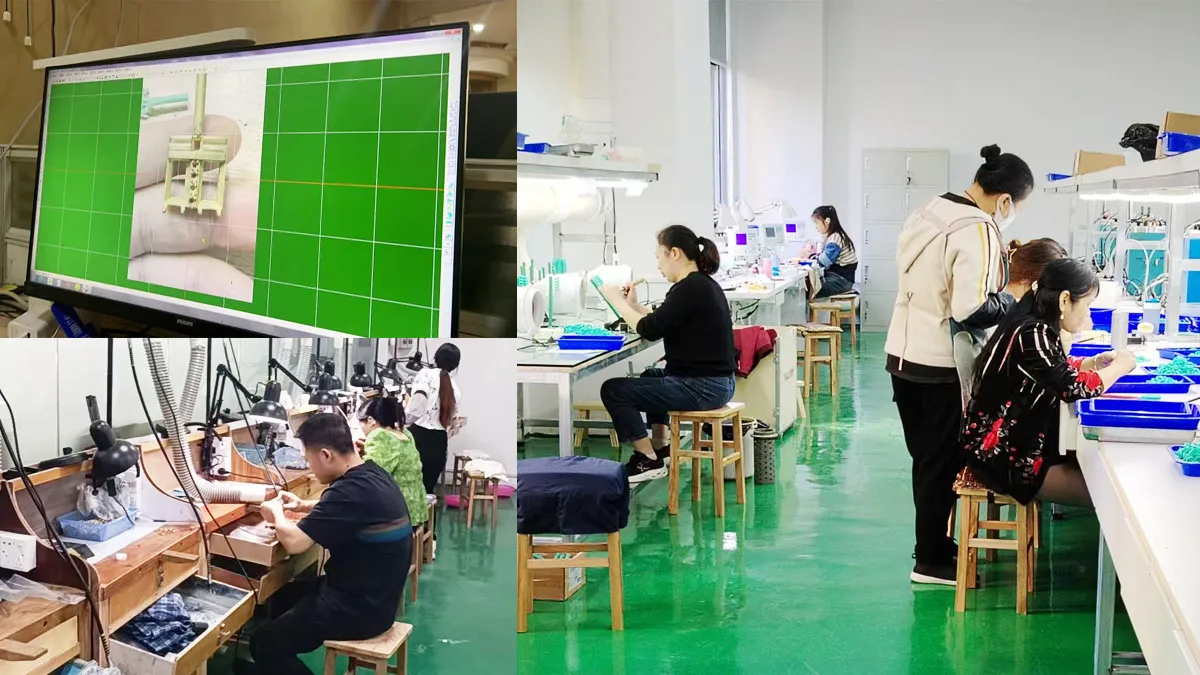
- Trading Company
- Taiwan, China
- Lead time21 days
- Avg. response≤ 4h
Main productsfashion jewelry,women necklace,women earrings,fashion rings jewelry,fashion bracelets jewelry
Main marketsNorth America(40.0%), Western Europe(30.0%), Southern Europe(10.0%), South Asia(5.0%), Northern Europe(5.0%), Oceania(5.0%), Central America(5.0%)
Guangzhou Yabead Jewelry Co., Ltd.
- Manufacturer, Distributor/Wholesaler
- Guangdong, China
- Lead time7 days
- Avg. response≤ 4h
Main productsjewelry,accessories,Wedding,Jewelry Making,Beading
Main marketsDomestic Market(7.139999999999999%), South Asia(7.139999999999999%), Southern Europe(7.139999999999999%), Northern Europe(7.139999999999999%), Central America(7.139999999999999%), Western Europe(7.139999999999999%), Eastern Asia(7.139999999999999%), Mid East(7.139999999999999%), Oceania(7.139999999999999%), Africa(7.139999999999999%), Southeast Asia(7.139999999999999%), Eastern Europe(7.139999999999999%), South America(7.139999999999999%), North America(7.139999999999999%)

Dongguan Bosin Hardware Co., Ltd.
- Trading Company
- China Guangdong
- Lead time15 days
- Avg. response≤ 3h
Main productsKey Ring, Snap Hooks, Ball Chain, Carabiner, Metal Clips, Metal Rings, Metal Buckle, Stainless Steel Chains, Key Chain, Bottle Opener
Main marketsEurope,North America

- Trading Company,Manufacturer/Factory
- China Zhejiang
- Lead time23 days
- Avg. response≤ 11h
Main productsKeychain, Patch, Paper Air Freshener, Car Perfume Bottle, Stickers, Badge, Packaging Box, Air Freshener Bottle
Main marketsSouth America,Eastern Europe,Mid East,North America,Southeast Asia,Eastern Asia,Western Europe

Jiuya Huitong (Qingdao) International Trade Co., Ltd.
- Verified by SGS
- Trading Company,Manufacturer/Factory
- China Shandong
- Lead time90 days
- Avg. response≤ 4h
Main productsClothes, Abaya, Camping Tent, Camping Furniture, Solar Light
Main marketsSouth America,Eastern Europe,Mid East,North America,Southeast Asia,Eastern Asia,Oceania,Western Europe,Africa

Guangzhou IO Jewelry Co., Ltd.
- Combined
- China Guangdong
- Lead time30 days
- Avg. response≤ 11h
Main productsJewelry, Fashion Jewelry, Stainless Steel Jewelry, Custom Jewelry, Stainless Steel Beads, Stainless Steel Charms, Stainless Steel Rings, Stainless Steel Pendants, Beads, Charms
Main marketsSouth America,Domestic,Europe,Australia,North America
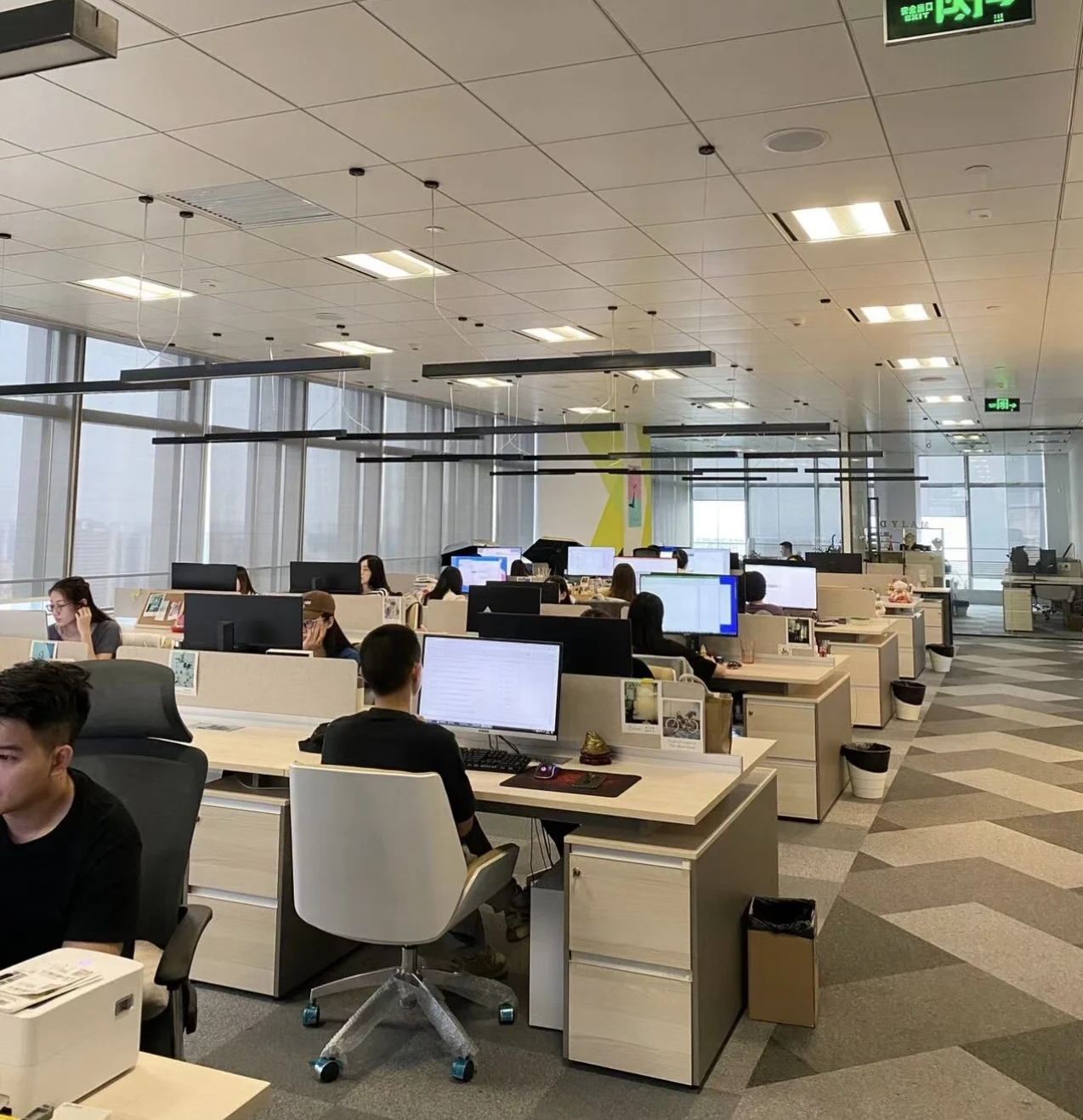
- Trading Company
- Zhejiang, China
- Lead time0 days
- Avg. response≤ 4h
Main productsmoissanite necklace,moissanite earrings,moissanite rings,moissanite jewelry set,zircon jewelry
Main marketsNorth America(40.0%), Eastern Europe(22.0%), South America(10.0%), Western Europe(10.0%), Northern Europe(8.0%), Eastern Asia(3.0%), Southeast Asia(2.0%)

Shenzhen Right Grand Jewelry Co., Ltd.
- Verified by SGS
- Manufacturer
- China Guangdong
- Lead time15 days
- Avg. response≤ 7h
Main productsNecklace, Bracelet, Earring, Ring, Nose Ring, Ear Piercing, Belly Ring, Nipple Ring
Main marketsSouth America,Europe,North America
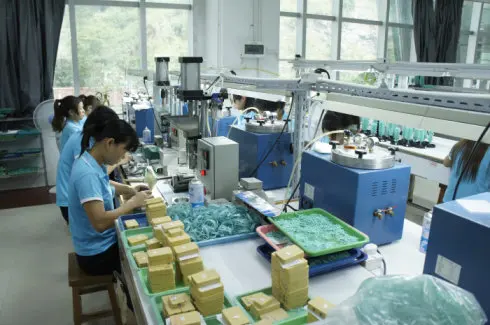
Guangzhou Bangmingwei Jewelry Co., Ltd.
- Trading Company
- Guangdong, China
- Lead time5 days
- Avg. response≤ 3h
Main productsBracelet/ Necklace/ Ring/ Earring/ Jewelry accessories
Main marketsNorth America(50.0%), South America(20.0%), Mid East(15.0%), Eastern Europe(10.0%), Africa(5.0%)

Dianzi Jewelry Manufacture Co., Ltd
- Verified by CTI
- Manufacturer/Factory
- China Guangdong
- Lead time23 days
- Avg. response≤ 7h
Main products925 Silver Collection, Brass Collection, Moissanite Diamond Collection, Lab Grown Diamond Collection, Zircon Collection, Pearl Collection, Fashion Accessories, Jewellery Sets
Main marketsSouth America,Eastern Europe,Mid East,North America,Southeast Asia,Eastern Asia,Oceania,Western Europe,Africa

New Brass 8inch Prong Cuban Bracelet Inlaid Crystal Rhinestone Cuban Chain Bracelet
$13.70 - $16.50
Moq: 30


Hip Hop Bling Chain Bracelet CZ Stone Jewelry Gold White Gold Rose Gold Plated Bracelet
$16.00 - $19.00
Moq: 30


Dongguan weiyizao import and Export Co., Ltd.
- Verified by BV
- Trading Company,Manufacturer/Factory
- China Guangdong
- Lead time45 days
- Avg. response≤ 4h
Main productsUnderwear, Sportwear, Seamless Underwear, Mould Bra, Nursing Bra, Panty, Garment Accessories, Garment Decoration-Jewelry, Bra Strap, Belt
Main marketsSouth America,Eastern Europe,Mid East,North America,Southeast Asia,Eastern Asia,Oceania,Western Europe,Africa

Fujian Junqing Trade Co., Ltd.
- Verified by CTI
- Trading Company
- China Fujian
- Lead time15 days
- Avg. response≤ 4h
Main productsDesign Necklace, Design Earring, Design Bracelet Bangle, Design Hair Accessories, Shoes, Bags, Watches, Sunglasses, Home Decoration
Main marketsSoutheast Asia/ Mideast,Europe,North America


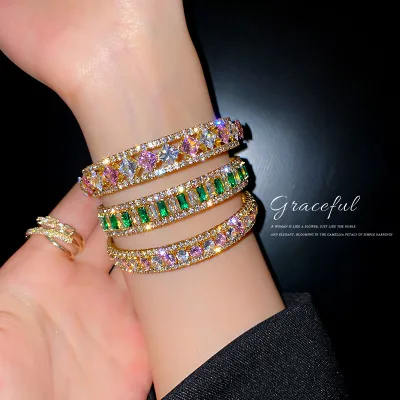
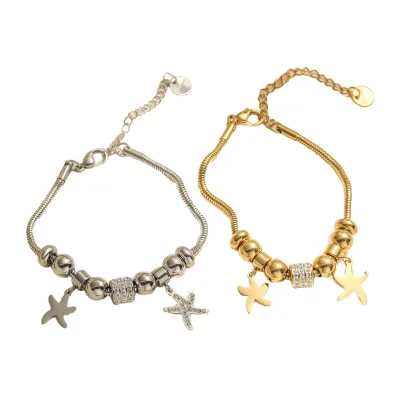


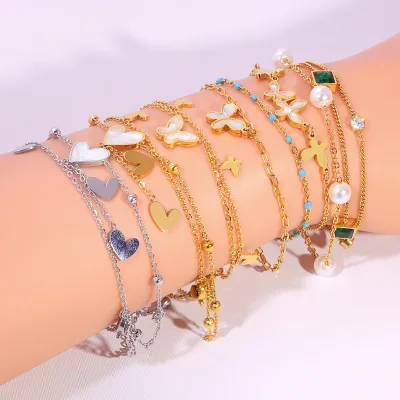
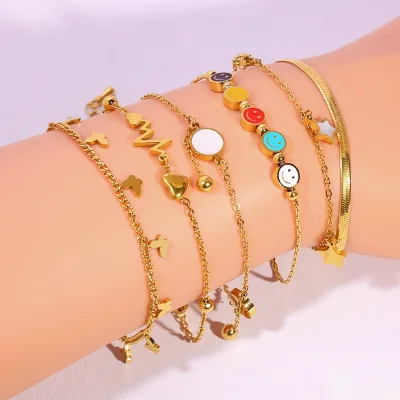


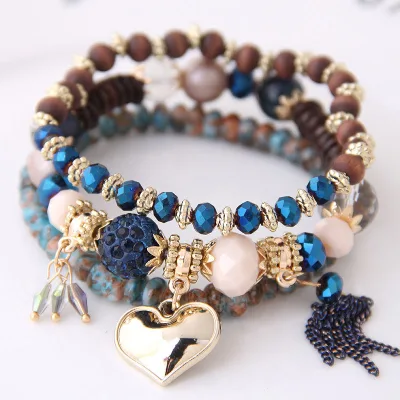
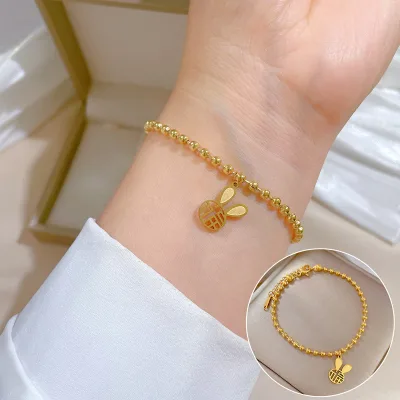
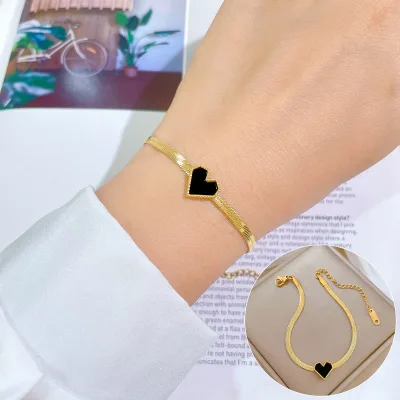
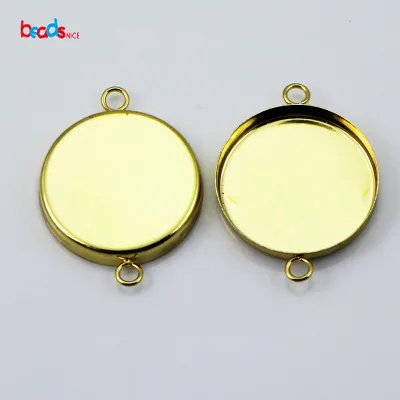
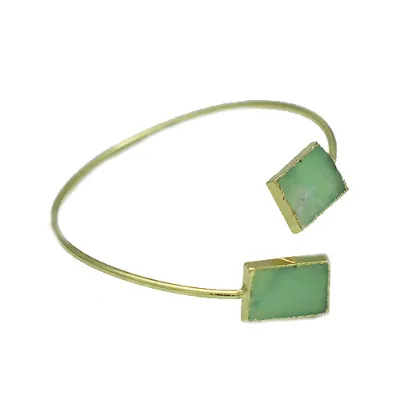


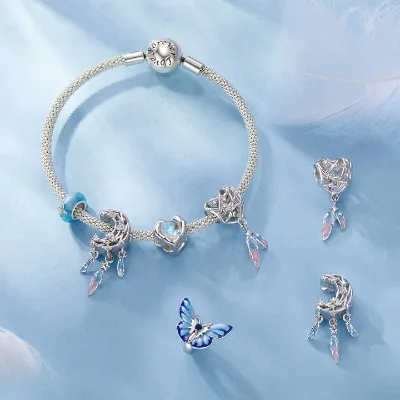
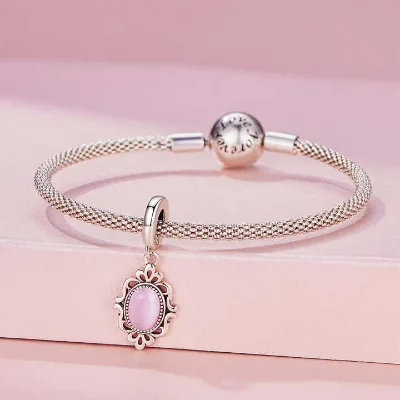
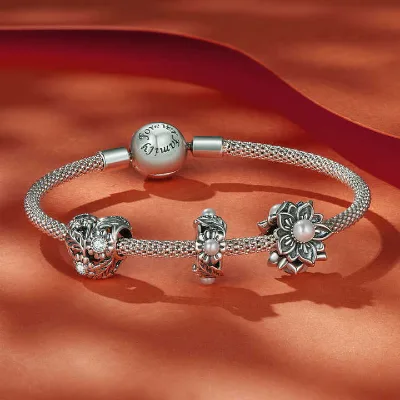
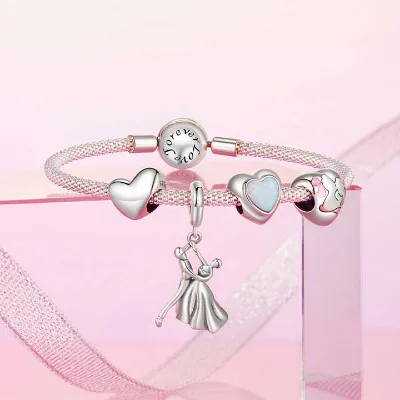
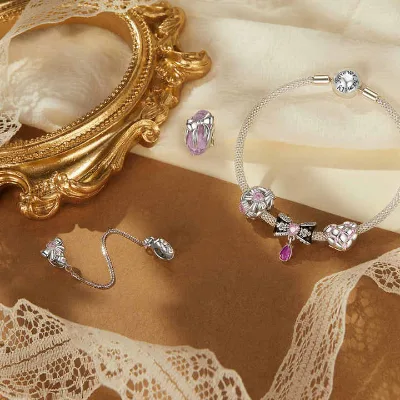


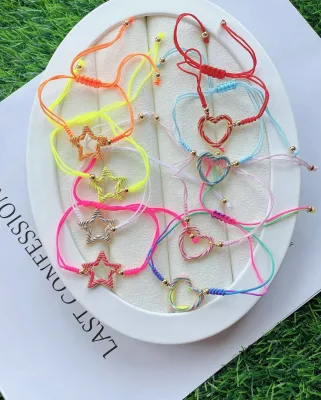


Comprehensive Sourcing Guide
Charm Diamond Bracelet Supplier Concentration and Factory Types
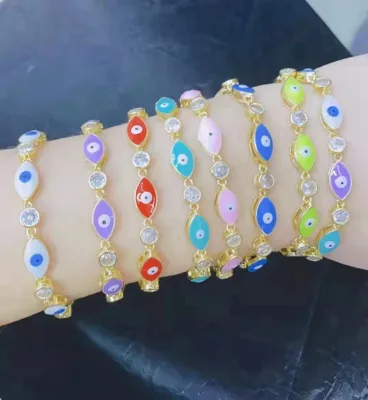
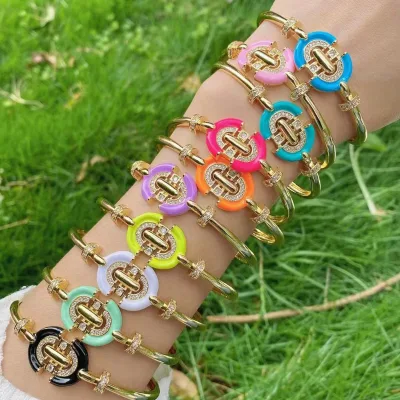
Buyers searching for a Charm Diamond Bracelet supplier will encounter two dominant company types on B2B platforms: manufacturers/factories and trading companies. Both are active in this category, and the distinction matters. Factory-type suppliers in the results list OEM capability among their strengths, which signals in-house design and production rather than pure resale. Trading companies, by contrast, typically aggregate products from multiple workshops, and the product data behind their listings—brands, plated finishes such as 18K gold, 14K gold, and champagne tones, and materials like copper and alloy—often reflects assembled catalog offerings rather than a single production line. Understanding which type you are dealing with shapes everything from sampling to quality escalation.
Geographically, the supplier results in this category point to Guangdong, China, which is consistent with the region's established role in fashion and imitation jewelry production. Product origin fields in the listings reference Guangzhou specifically, so buyers can reasonably treat Guangdong as a high-confidence cluster for this product type. That said, concentration labels come from supplier-provided location data, not independent audit. When results do not display a location, buyers should identify clusters indirectly: check origin fields on individual product pages, ask where production actually occurs rather than where the office sits, and confirm whether a factory address differs from a trading-office address before committing to a visit or audit.
How to Verify Charm Diamond Bracelet Suppliers
Verification starts with platform-level signals that are independently earned rather than self-declared. In this category, results include suppliers holding ISO 9001 system certification and third-party verification from TUV Rheinland. These two markers are meaningful: ISO 9001 relates to quality-management processes, while third-party verification means an external body checked company registration and legitimacy. Not every listing carries them, so treat their absence as a prompt for deeper diligence rather than an automatic disqualification—many capable small factories simply have not pursued paid verification.
Beyond platform badges, verify through product-level consistency. Listings in this category show detailed attribute records: stone specifications (AAA cubic zirconia, crystal), mosaic types (bezel, prong, claw setting), plating options, weight standards, and packing details. A supplier whose listings are complete and internally consistent is more likely to be a real operator than one with sparse, templated pages. Cross-check company type claims against product evidence: a "manufacturer" whose listings cite third-party brands or unrelated categories may actually be a reseller. For samples, note what the listings themselves declare—some suppliers state sample fees are returned upon order placement and quote sample lead times within 15 working days. Confirm these terms in writing, request photos of actual production rather than renders, and verify the legal entity name on your proforma invoice matches the registered company name shown on the platform profile.
What to Compare Across Charm Diamond Bracelet Suppliers
Build a comparison matrix from the attributes suppliers actually display, without assuming every listing shows every field. Response speed is one differentiator: results in this category show average response times ranging from roughly under six hours to under nine hours. For time-sensitive sampling or reorders, that difference compounds across a development cycle. Lead time is a second axis—displayed values in these results range from about 15 days to 23 days, and some product pages quote longer delivery windows of 30–35 days after deposit for certain models, so compare the quote tied to the specific item, not the profile headline.
Commercial attributes vary more widely. Minimum order quantities in the current results range from as low as 12 pieces to 30 and 50 pieces depending on the product, which matters greatly for testing new charm designs. Unit prices on comparable listings span roughly from under one dollar to nearly eight dollars, driven by materials (copper versus alloy), stone settings, and plating. Also compare customization availability—many listings here mark OEM/ODM as welcome or customization as available—and main-product breadth, since a supplier listing earrings, jewelry sets, bracelets, rings, necklaces, pendants, and bangles alongside watches and hair accessories is structurally different from a bracelet-only specialist. Weigh establishment year and escrow protection where displayed, and record which fields are missing per supplier so gaps become follow-up questions rather than silent assumptions.
Common Charm Diamond Bracelet Sourcing Risks
The most frequent risk in this category is plating and finish quality. Listings advertise 18K gold, 14K gold, and champagne plating over copper or alloy bases, but platform text is not a test report. Thin or inconsistent plating shows wear at contact points, and discoloration claims are a leading cause of returns in fashion jewelry. Require plating thickness and salt-spray or wear-test documentation before mass production, and retain a sealed golden sample as the dispute reference. A second risk is "diamond" terminology: many products marketed as diamond-look charm bracelets actually use cubic zirconia or crystal, as the attribute data in this category openly states. Confirm stone type in writing to avoid upstream customers believing they purchased genuine stones.
Structural risks follow from company type. A trading company may relay quality complaints to an anonymous workshop, adding days to each correction cycle; a factory listing may in fact outsource setting or plating steps. Some suppliers quote lead times as short as 15 days while others declare 30–35 day windows for the same broad category—mismatched expectations here cause missed retail seasons. Additional hazards include allergic-reaction claims (one listing markets "no allergic" function—demand nickel-release test evidence), MOQ surprises where a low teaser MOQ applies only to one variant, and inconsistent packing standards, since some listings specify only OPP bags with no carton detail. Specify packing and shipping cartons explicitly in the purchase contract.
Charm Diamond Bracelet Regional Sourcing and Logistics
The supplied results consistently locate this category's suppliers in Guangdong, China, with product origin fields citing Guangzhou. Guangdong's jewelry supply chain benefits from dense ancillary networks—plating shops, stone suppliers, packaging converters—which shortens internal logistics within a single production cycle. For a buyer, this concentration means multiple qualified sources within one province, simplifying consolidated shipments and multi-supplier inspections. When evaluating suppliers without a displayed location, ask directly for the production address, compare it against the registered business address, and note discrepancies that suggest brokerage rather than manufacturing.
Logistics terms are visible in the product data: suppliers in this category list delivery via DHL, UPS, TNT, EMS, and FedEx, with some specifying air-courier shipment methods and others offering standard courier plus freight options. For charm bracelet goods—typically lightweight, small-volume cartons—air express is practical for samples and small replenishment orders, while consolidated sea freight becomes economical at wholesale volumes. Confirm who arranges shipping, who pays, and whether quoted prices are ex-works, FOB, or all-inclusive, since these terms change effective unit costs materially. Product-level packing statements matter too: OPP bag inner packing with strong cartons is the norm in these listings, but carton dimensions and gross weight affect freight calculation, so obtain both before booking. Build buffer into timelines for customs clearance in your destination market, and verify labeling and material-compliance documentation requirements with your customs broker before the first shipment rather than after it is airborne.
Charm Diamond Bracelet Commercial Terms and Order Planning
Plan orders around the commercial terms the listings themselves reveal. MOQs in this category range from 12 pieces on entry-level charm bracelets to 30 and 50 pieces on other models, giving small buyers room to test multiple designs without heavy inventory. Quoted unit prices span roughly $0.89 to $7.85 across the current results, so normalize comparisons by material, stone setting, and plating before judging value. Payment methods named in the listings include T/T, bank transfer, PayPal, and Western Union; escrow-based payment, where a platform holds funds until delivery confirmation, offers materially better recourse than direct wire transfer for first orders with an unverified supplier.
Order planning should reflect lead-time spread: displayed lead times in this category run from about 15 to 23 days, with some products quoting 30–35 days after deposit. Anchor each purchase order to its own confirmed lead time, not the supplier profile average. For customization, many listings state OEM/ODM is welcome and customization is available—confirm design-file formats, sample approval steps, and whether sample fees are credited against bulk orders (at least one listing states sample fees are returned on placement). Negotiate a golden sample clause, define acceptable plating variation, and set milestone payments rather than full prepayment on first collaborations. Finally, plan reorder cadence around supplier response speeds—sub-six-hour versus sub-nine-hour averages affect how quickly you can adjust running orders—and keep a second qualified supplier warm to hedge against seasonal capacity constraints.
FAQs
What is the typical lead time for charm diamond bracelets?
Lead times for these bracelets typically range from 15 to 23 days depending on the supplier. Some manufacturers specify that delivery occurs within 30 to 35 days after receiving the deposit. Buyers should confirm the exact timeline based on their order volume and customization requirements.
What are the common minimum order quantities for these items?
Minimum order quantities vary significantly across suppliers, with some requiring as few as 12 pieces while others set the threshold at 50 pieces. Mid-range options often start at 30 pieces. Buyers should check specific product listings to ensure their order volume meets the supplier's MOQ requirements.
Do suppliers offer customization for charm diamond bracelets?
Yes, most suppliers offer customization options for these bracelets. Many manufacturers welcome OEM and ODM requests, allowing buyers to modify designs, materials, or branding. Customization availability is a standard feature across the supplier base, supporting both private label and unique design needs.
What materials are used in these fashion bracelets?
Common materials include alloy, copper, and gold-plated metals. Stones often feature AAA cubic zirconia or crystals. Some listings specify multicolour or silver finishes. Buyers should verify the specific metal composition and stone quality to ensure the product meets their quality standards.
What payment methods are accepted by these suppliers?
Suppliers generally accept T/T, bank transfer, PayPal, and Western Union. Some may also support escrow services for added security. Buyers should confirm the preferred payment method and any associated fees before placing an order to ensure a smooth transaction process.
How fast do suppliers respond to inquiries?
Response times vary, with some suppliers responding within 5.74 hours and others within 8.51 hours. This indicates a generally quick turnaround for initial inquiries. Buyers can expect prompt communication regarding product details, pricing, and shipping options from most active suppliers.
Are there certified manufacturers for these bracelets?
Some suppliers hold ISO 9001 certification and are verified by third-party agencies like TUV Rheinland. These credentials indicate adherence to quality management standards. Buyers should verify current certification status directly with the supplier to ensure compliance with their specific quality requirements.