China Mainland Bracelets Suppliers and Manufacturers
Browse 28 suppliers of China Mainland Bracelets and compare verified location, response time, lead time, customization options, materials such as 925 sterling silver, silicone and stainless steel, plus listed MOQs. Request samples from shortlisted suppliers to confirm quality before placing an order.
Suppliers List
- Verified by SGS
- Combined
- China Guangdong
- Lead time23 days
- Avg. response≤ 8h
Main marketsOthers(foreignTradeCapacity.exportBusinessCapacityMarketOther),Southeast Asia/ Mideast,East Asia(Japan/ South Korea),Domestic,Europe,Australia,North America

Zhongshan Xinyuan Silicone Rubber Co., Ltd.
- Verified by TUVRHEINLAND
- Combined
- China Guangdong
- Lead time15 days
- Avg. response≤ 1h
Main productsEmbroidery Patch, PVC Keychain, Pin Badge, Medal, Lanyard, Challenge Coin, Paper Air Freshener, Coffee Maker, Luggage Tag, Coffee Maker/Grinder
Main marketsSouth America,Southeast Asia/ Mideast,Domestic,Europe,North America

Qingdao Gemopia Jewelry Co., Ltd.
- Combined
- China Shandong
- Lead time30 days
- Avg. response≤ 4h
Main productsGold Jewelry, Silver Ring
Main marketsSouth America,Africa,Southeast Asia/ Mideast,East Asia(Japan/ South Korea),Domestic,Europe,Australia,North America

Jinjiang Jiaxing Supply Management Co., Ltd.
- Verified by TUVRHEINLAND
- Trading Company
- China Fujian
- Lead time30 days
- Avg. response≤ 1h
Main productsEVA Clogs, Flip Flop, Shoe Charms, Shopping Bags, Wristbands, Gifts, Promotional Gifts, Slipper, Sport Cap, Ball
Main marketsNorth America

- Manufacturer, Trading Company
- Zhejiang, China
- Lead time20 days
- Avg. response≤ 6h
Main productsBracelet,Necklace,Anklet,Key Ring
Main marketsNorth America(59.60%), Western Europe(37.80%), Africa(1.60%), Northern Europe(0.50%), Oceania(0.50%)
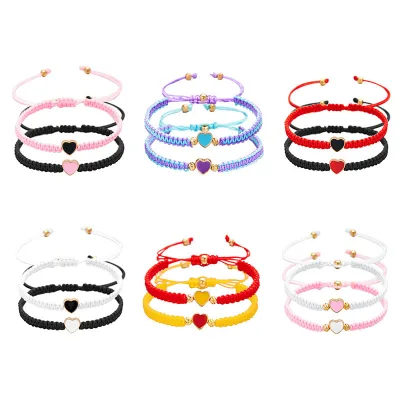
$0.64 - $0.78
MOQ: 100 pieces
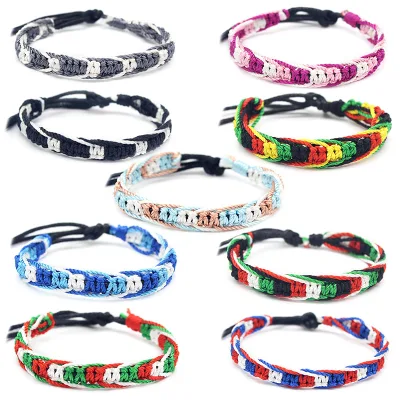
Nepalese Style Hand-woven Multi-color Optional Handstring for Men and Women Universal Bracelet
$0.27 - $0.30
MOQ: 100 pieces
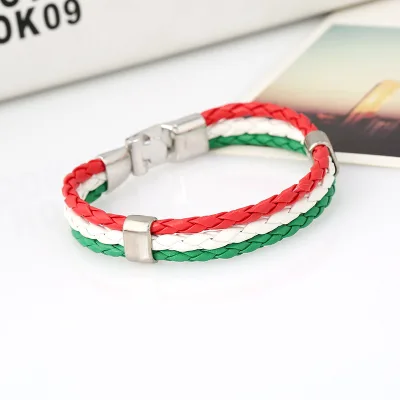
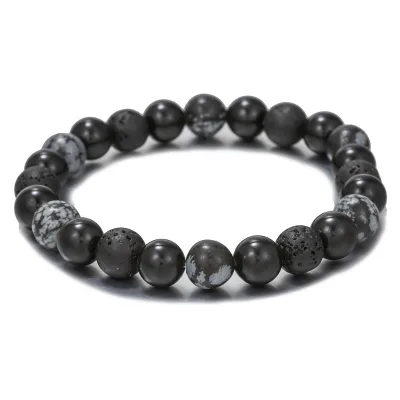
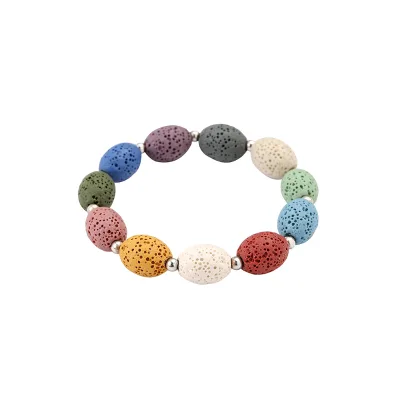
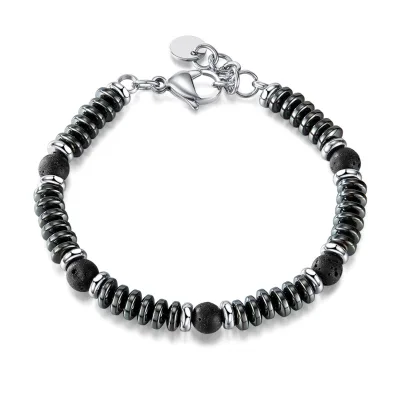
Personality Fashion All Fashion Hip Hop Style Men Color Oval Volcanic Stone Bracelet
$0.67 - $0.99
MOQ: 100 pieces

Shenzhen Hengda Xin Jewelry Co., Ltd.
- Verified by BV
- Combined
- China Guangdong
- Lead time15 days
- Avg. response≤ 2h
Main productsJewelry, Stainless Steel Fittings, Stainless Steel Jewelry, Necklace, Bracelet, Stud Earrings, Ring, Pendant, Fashion Jewelry, Fashion Accessories
Main marketsSoutheast Asia/ Mideast,East Asia(Japan/ South Korea),Domestic,Europe,Australia,North America

Shenzhen A. N. G Technology Co., Ltd.
- Verified by TUVRHEINLAND
- Trading Company,Manufacturer/Factory
- China Guangdong
- Lead time23 days
- Avg. response≤ 2h
Main productsSmart Card, RFID Card, RFID Tag, NFC Tag, RFID Sticker, RFID Keyfob, RFID Wristband, RFID Blocking Card, RFID Reader, NFC Reader
Main marketsSouth America,Eastern Europe,Mid East,North America,Southeast Asia,Eastern Asia,Oceania,Western Europe,Africa


Factory Custom-Made RFID Bracelet Personality Bracelet Fashion Bracelets
Contact supplier
MOQ: 100 Pieces
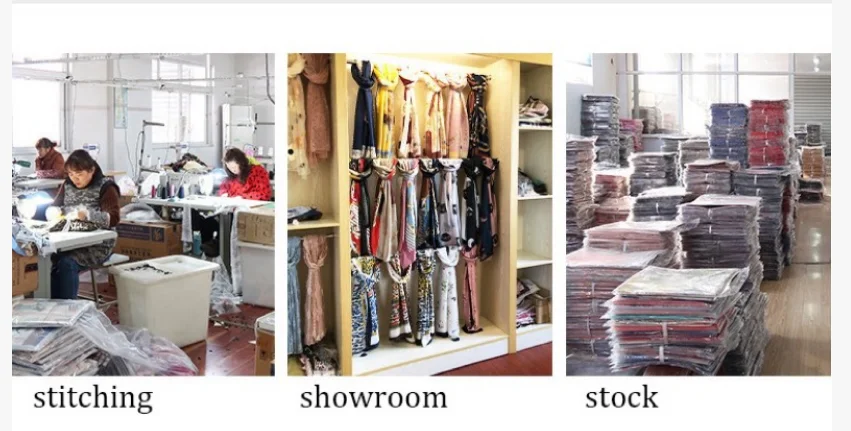
Yiwu Yingxia Jewelry Co., Ltd.
- Trading Company
- Zhejiang, China
- Lead time15 days
- Avg. response≤ 3h
Main productsfashion jewelry,gemstone jewelry,scarf
Main marketsEastern Asia(10.00%), Mid East(10.00%), Southern Europe(10.00%), Northern Europe(10.00%), Southeast Asia(10.00%), Western Europe(10.00%), South America(10.00%), North America(10.00%), South Asia(5.00%), Oceania(5.00%), Africa(5.00%), Central America(5.00%), Eastern Europe(5.00%)
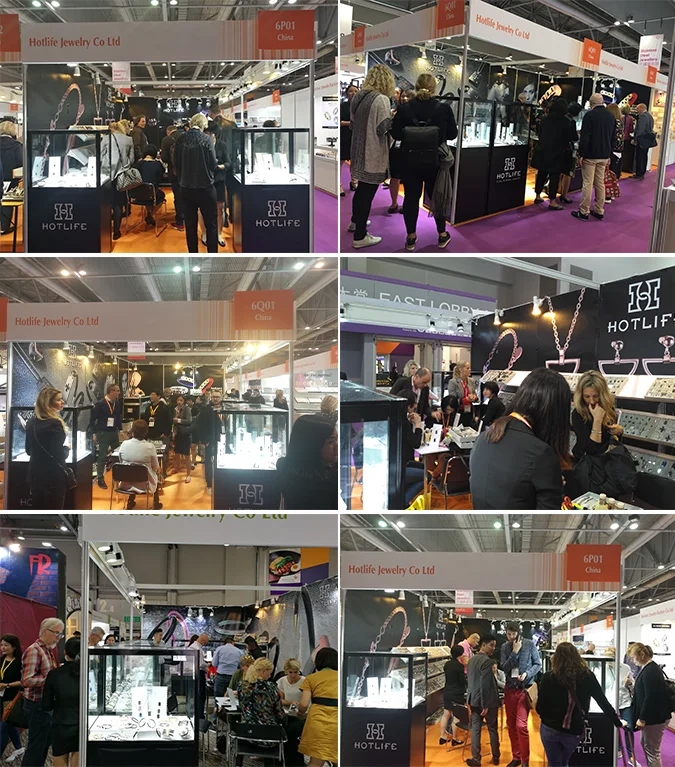
Guangzhou Hotlife Jewelry Co., Ltd.
- Trading Company
- Guangdong, China
- Lead time15 days
- Avg. response≤ 2h
Main productsNecklace jewelry, Stainless steel bracelet, Stainless steel necklace, Stainless steel ring, Stainless steel earrings
Main marketsNorth America(42.00%), Western Europe(30.00%), Southern Europe(7.00%), Northern Europe(6.00%), South America(4.00%), Central America(3.00%), Eastern Europe(2.00%), South Asia(1.00%), Eastern Asia(1.00%), Oceania(1.00%), Africa(1.00%), Mid East(1.00%), Southeast Asia(1.00%)
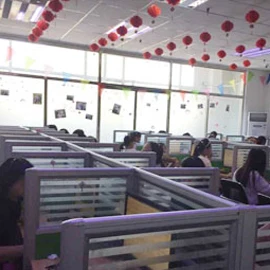
Yiwu Noya Accessories Co., Ltd.
- Trading Company
- Zhejiang, China
- Lead time25 days
- Avg. response≤ 7h
Main productsaccessories,Jewelry,headband,bag,agent
Main marketsWestern Europe(30.00%), North America(30.00%), Domestic Market(10.00%), Northern Europe(10.00%), Eastern Europe(10.00%)

Guangzhou Huifu Jewelry Co., Ltd.
- Verified by BV
- Manufacturer/Factory
- China Guangdong
- Lead time90 days
- Avg. response≤ 3h
Main productsJewelry, Stainless Steel Jewelry, Stainless Steel Ring, Stainless Steel Pendant, Stainless Steel Earring, Fashion Jewelry, Ring, Necklace, Pendant, Bracelet
Main marketsEastern Europe,Mid East,North America,Western Europe,Africa
Jiuya Huitong (Qingdao) International Trade Co., Ltd.
- Verified by SGS
- Trading Company,Manufacturer/Factory
- China Shandong
- Lead time90 days
- Avg. response≤ 5h
Main productsClothes, Abaya, Camping Tent, Camping Furniture, Solar Light
Main marketsSouth America,Eastern Europe,Mid East,North America,Southeast Asia,Eastern Asia,Oceania,Western Europe,Africa

Guangzhou IO Jewelry Co., Ltd.
- Combined
- China Guangdong
- Lead time30 days
- Avg. response≤ 9h
Main productsJewelry, Fashion Jewelry, Stainless Steel Jewelry, Custom Jewelry, Stainless Steel Beads, Stainless Steel Charms, Stainless Steel Rings, Stainless Steel Pendants, Beads, Charms
Main marketsSouth America,Domestic,Europe,Australia,North America

East Sunrise Jewelry Co., Limited
- Verified by SGS
- Manufacturer/Factory
- China Guangdong
- Lead time23 days
- Avg. response≤ 15h
Main productsPendant, Necklace, Bracelet, Ring, Earring, Carving, Ornament, Loose Bead, Jewelry, Semi-Precious Stones
Main marketsSouth America,Eastern Europe,Mid East,North America,Southeast Asia,Eastern Asia,Oceania,Western Europe,Africa


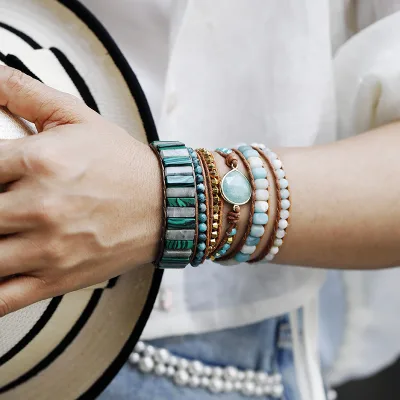
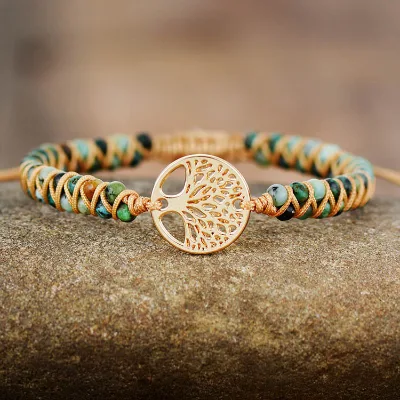
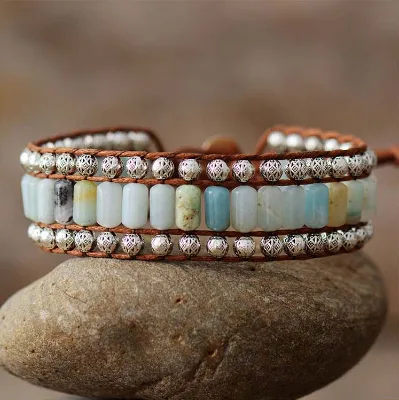
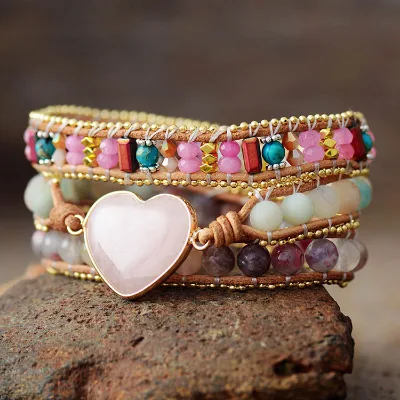
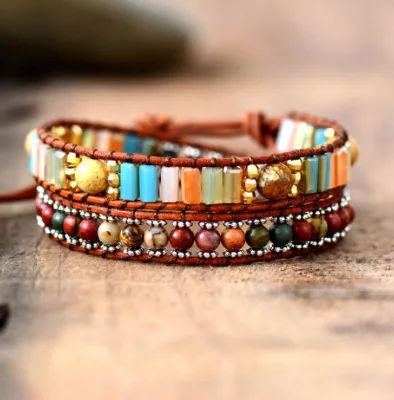
Handwoven Stone Bracelet Irregular Crushed Stone Mixed Bracelet Fashion Bracelet
Contact supplier
MOQ: 100 Pieces

YIWU JINYE IMPORT AND EXPORT CO., LTD
- Verified by SGS
- Trading Company
- China Zhejiang
- Lead time15 days
- Avg. response≤ 25h
Main productsBangle, Wrist Band, Bracelet, Fashion Jewelry
Main marketsNorth America

- Verified by CTI
- Trading Company
- China Zhejiang
- Lead time15 days
- Avg. response≤ 7h
Main productsJewelry, Brooch, Belt, Necklace, Agent, Bracelet, China Trim, China Ring, China Hair Accessory, China Earring
Main marketsSouth America


National Style Multicolor Hand-Woven Bracelet Braided Rope for Bracelet Accessory
$0.08 - $0.10
MOQ: 100 Pieces


Shenzhen Marvel Electronic Co., Ltd.
- Verified by TUVRHEINLAND
- Trading Company
- China Guangdong
- Lead time15 days
- Avg. response≤ 8h
Main productsCustom Jewelry, Silver Jewelry, Earring, Necklace, Bracelet, Nose Ring, Jewelry Set, Fashion Jewelry, Brooch
Main marketsEurope,North America

Yiwu Ba Yuan Jewelry Co., Ltd.
- Verified by TUVRHEINLAND
- Trading Company,Manufacturer/Factory,Other
- China Zhejiang
- Lead time45 days
- Avg. response≤ 13h
Main productsBridal Jewelry and Hair Accessories, Wedding Jewelry, Tiara and Headpieces, CZ Jewelry, Tiara Crown, Zirconia Jewelry, CZ Necklace, Stretch Bracelet, Hip Hop Jewelry, Fashion Pendant
Main marketsSouth America,Eastern Europe,Mid East,North America,Southeast Asia,Eastern Asia,Oceania,Western Europe,Africa

Fashion Adjustable CZ Bracelet, Rose Gold CZ Bracelet for Wemen
Contact supplier


Xiamen Yuxiang Magnetic Materials Technology Co., Ltd.
- Trading Company
- China Fujian
- Lead time23 days
- Avg. response≤ 6h
Main productsNdFeB Magnet, SmCo Magnet, AlNiCo Magnet, Ferrite Magnet, Rubber Magnet, Fridge Magnet, Magnetic Powder, Magnetic Compound, Magnetic Core, Magnetic Materials
Main marketsSouth America,Africa,Southeast Asia/ Mideast,East Asia(Japan/ South Korea),Europe,Australia,North America
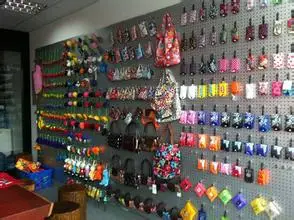
- Trading Company
- Zhejiang, China
- Lead time0 days
- Avg. response≤ 5h
Main productsCustom Logo branded products for ASI SAGE PPAI DC etc,Custom Jewelry & Parts,Stock Jewelry/Bag 1 pcs dropshippingas required,Magazine Gifts and Toys,Personalized gift and capsule toys
Main marketsNorthern Europe(20.00%), Central America(20.00%), Western Europe(20.00%), South America(20.00%), North America(20.00%)
SENHUA TRADING (HONG KONG) LIMITED
- Trading Company
- Hong Kong S.A.R.
- Lead time0 days
- Avg. response≤ 2h
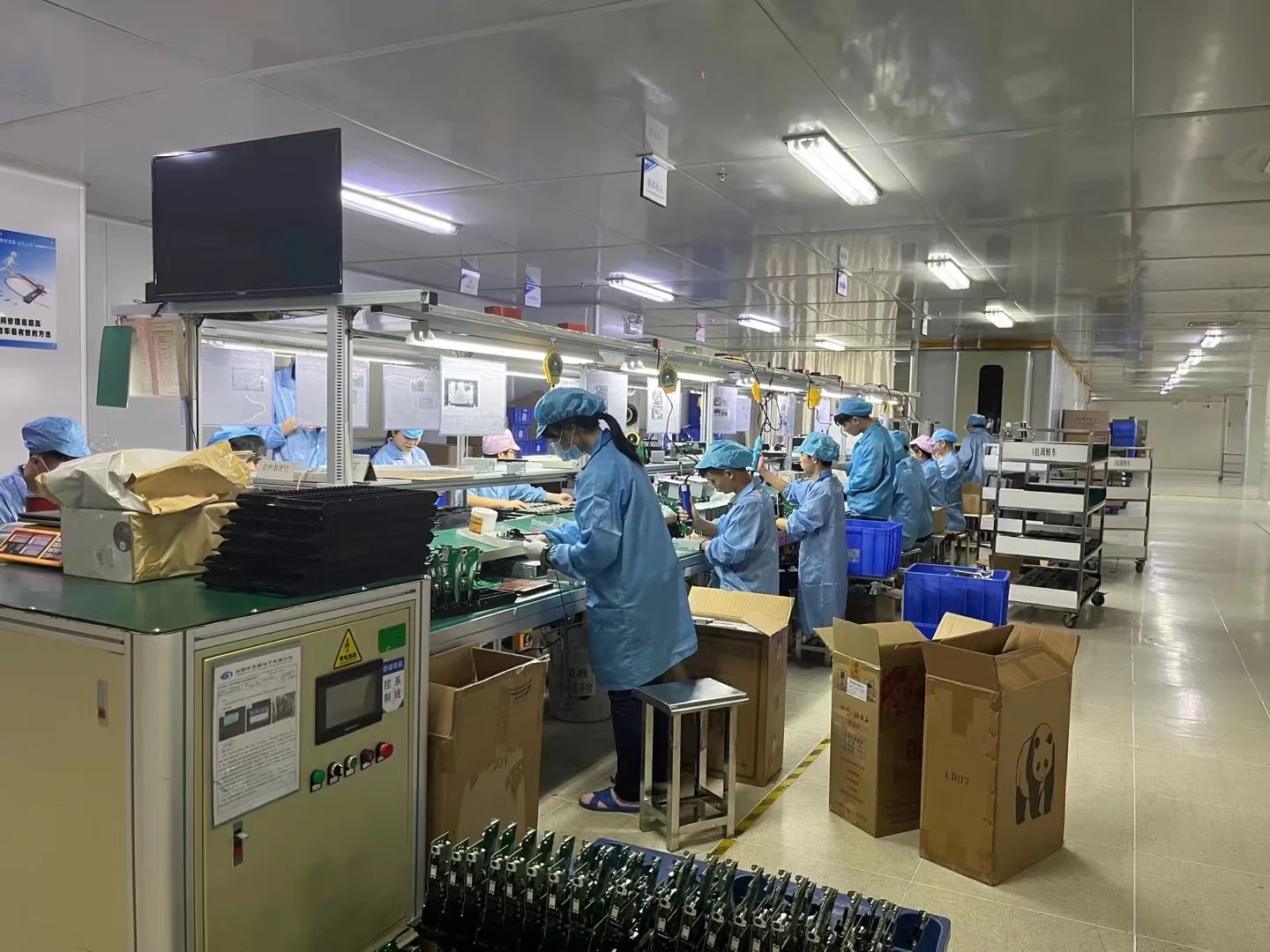
Shenzhen Ganyuan Industry Co., Ltd.
- Manufacturer, Trading Company, Distributor/Wholesaler
- Guangdong, China
- Lead time15 days
- Avg. response≤ 5h
Main productsMen's & Women's Fashion Apparel Clothing & Garments,Fashion Accessories Scarves Belts Hats Bags & More,Fashion Jewelry Necklaces Earrings Bracelets Rings,Eyewear Sunglasses & Optical Glasses Wholesale,Watches & Watch Accessories Men's Women's Smart Watches
Main marketsSouth America(35.00%), North America(35.00%), Eastern Europe(20.00%), South Asia(5.00%), Mid East(5.00%)
- Verified by SGS
- Manufacturer/Factory
- China Zhejiang
- Lead time30 days
- Avg. response≤ 1h
Main productsNecklace, Bracelets, Earring, Ring, Brooch, Phone Lanyard, Key Chain, Body Jewelry, Hair Clip, Hair Band
Main marketsSouth America,Eastern Europe,Mid East,North America,Southeast Asia,Eastern Asia,Oceania,Western Europe,Africa
- Trading Company
- zhejiang, China
- Lead time15 days
- Avg. response≤ 3h
Main productsFashion Jewelry,Jewelry Findings & Accessories,Promotion Key Chains,Pins Badges & Brooches,Jewelry Packaging & Display
Main marketsNorth America(39.00%), Western Europe(21.00%), Northern Europe(8.00%), South America(6.00%), Oceania(5.00%), Domestic Market(5.00%), Eastern Asia(4.00%), South Asia(4.00%), Mid East(3.00%), Africa(1.00%), Southeast Asia(1.00%), Southern Europe(1.00%), Eastern Europe(1.00%), Central America(1.00%)

Longyuan (Guangzhou) Industrial Development Co., Ltd.
- Verified by TUVRHEINLAND
- Manufacturer/Factory
- China Guangdong
- Lead time23 days
- Avg. response≤ 8h
Main productsJewelry, Fashion Watch, Hair Accessories, Men Jewelry, Women Jewelry, Pendants, Brooches, Bracelets, Crowns, Necklaces
Main marketsSouth America,Eastern Europe,Mid East,North America,Western Europe

Jinjiang Jiayi Supply Chain Management Co., Ltd.
- Verified by BV
- Trading Company
- China Fujian
- Lead time30 days
- Avg. response≤ 1h
Main productsGift, Shoe, Garment, Machine
Main marketsDomestic
Sihui Gu Ren Yu Trading Firm Co., Ltd.
- Trading Company
- Guangdong, China
- Lead time15 days
- Avg. response≤ 5h
Main productsjade,jewelry,necklace,pendant,ring
Main marketsDomestic Market(70.00%), South America(10.00%), Southeast Asia(10.00%), Eastern Europe(10.00%)
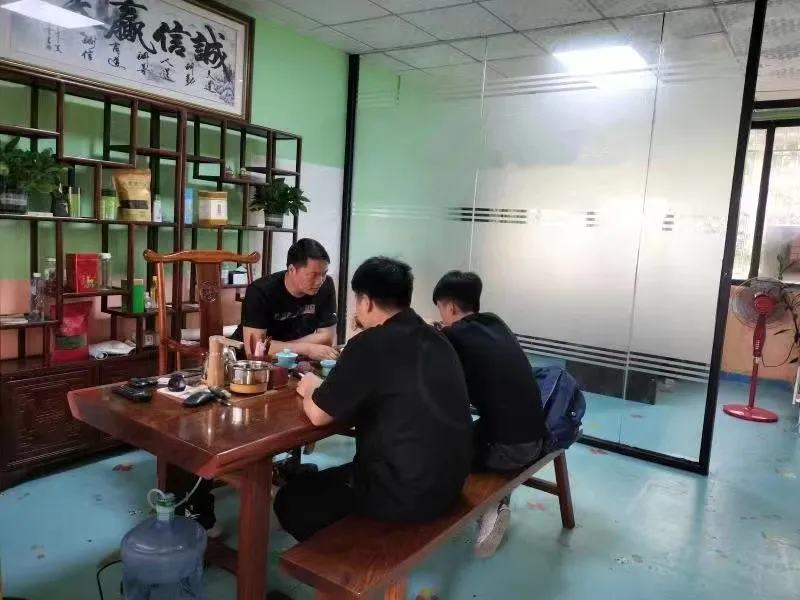
Dongguan Boyi Hardware Products Co., Ltd.
- Manufacturer, Trading Company
- Guangdong, China
- Lead time20 days
- Avg. response≤ 11h
Main productsTie clip,Cuffinks,Tie Pins,Collar button,Tie Bars
Main marketsNorth America(70.00%), Northern Europe(25.00%), South America(15.00%), Southern Europe(15.00%), Eastern Asia(10.00%), Southeast Asia(5.00%)


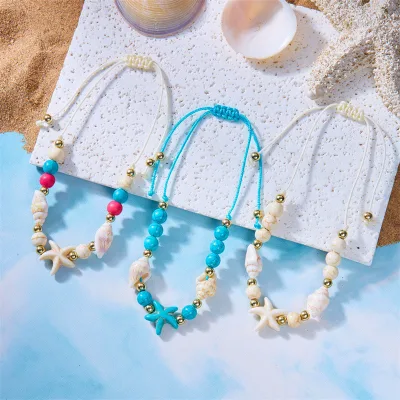


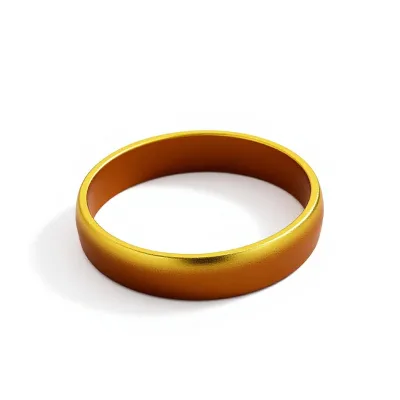
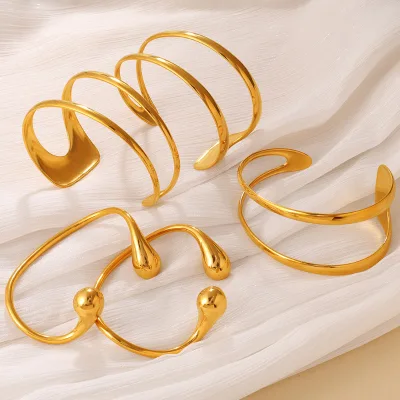
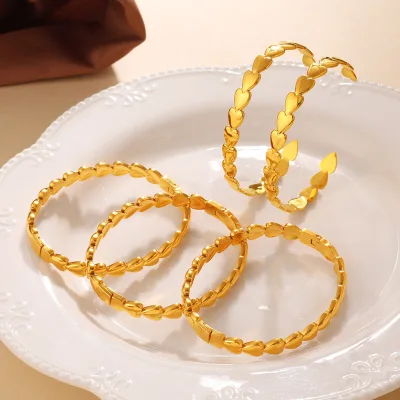
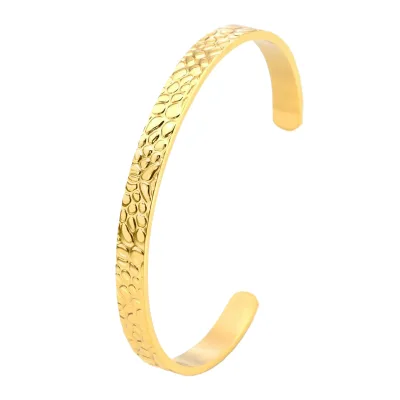
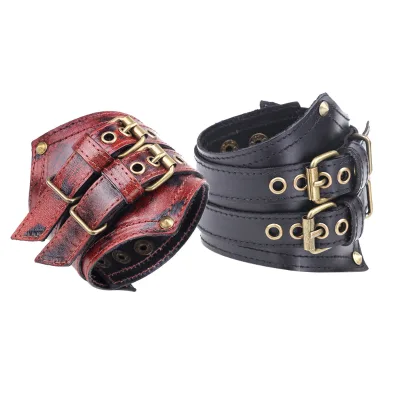
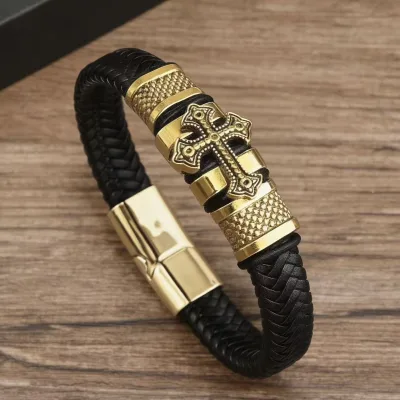
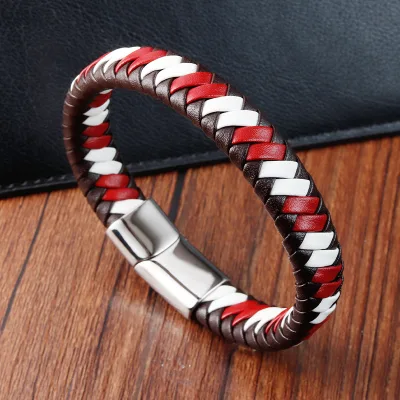
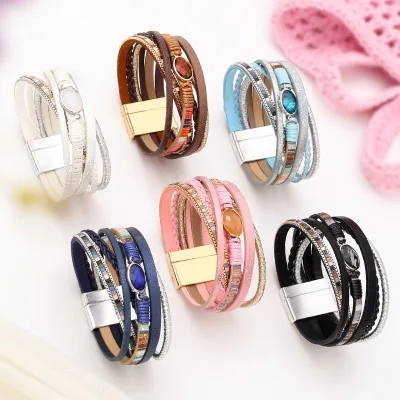
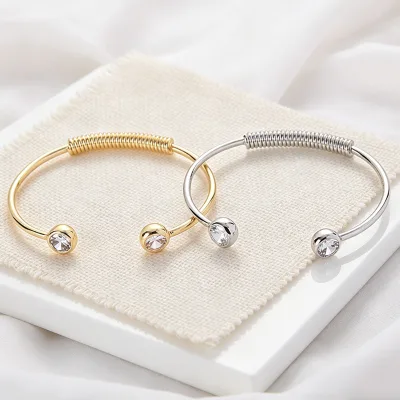
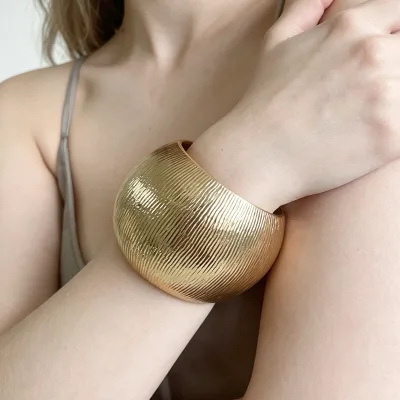

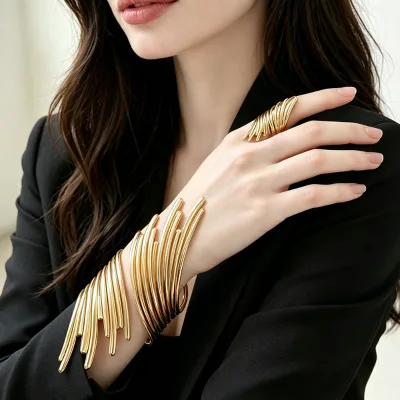




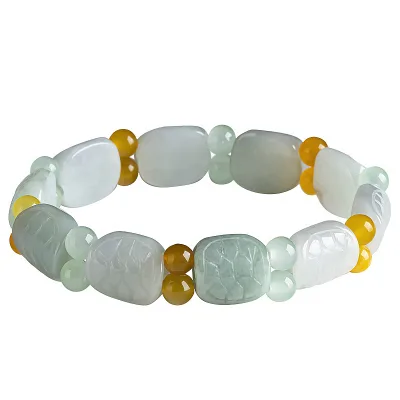
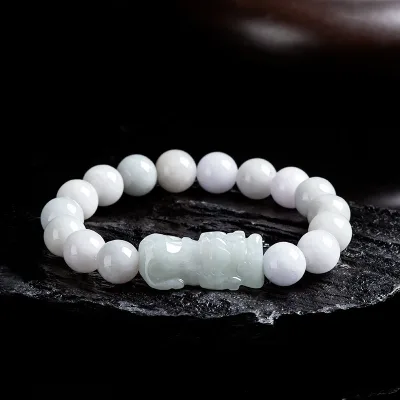
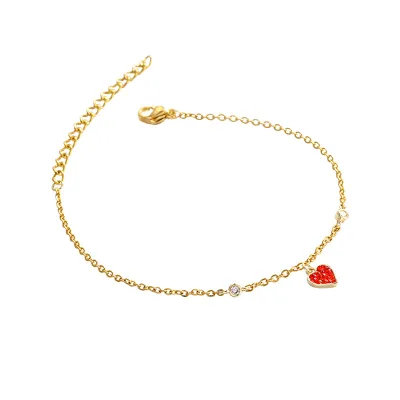
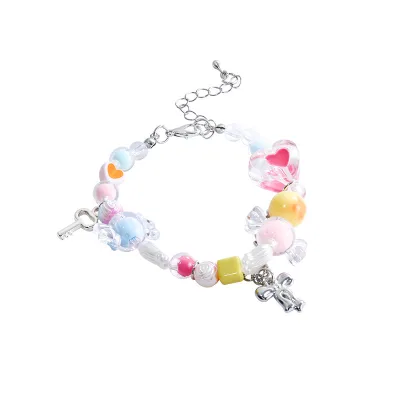
Comprehensive Sourcing Guide
China Mainland Bracelets Supplier Concentration and Factory Types
Current data indicates a concentration of bracelet manufacturing in Guangdong, specifically within the Guangdong province, where combined company types operate alongside specialized factories. Some suppliers in this region list their origin as Guangdong, China, while others are located in Shandong, suggesting a secondary cluster for specific jewelry types. The available evidence shows a mix of ODM capabilities and own-brand production, with some entities offering OEM services as well. This diversity allows buyers to find partners ranging from pure manufacturers to trading companies that aggregate products. The presence of stainless steel and silicone materials points to distinct production lines within these clusters, often co-located to share supply chains for beads, clasps, and packaging.
When a specific location is not confirmed as a high-confidence result for a particular product line, buyers should verify the factory's physical address and production capacity directly. Do not assume all suppliers in a category share the same geographic advantages. Instead, request proof of the manufacturing site to confirm if the facility is in a known industrial zone. The data shows some suppliers have established ODM capacities, while others focus on simple customization. Understanding whether a supplier is a combined entity or a dedicated factory helps in predicting their flexibility. Buyers must distinguish between a trading company that sources from multiple workshops and a factory with its own assembly lines to ensure quality control aligns with their specific needs.
How to Verify China Mainland Bracelets Suppliers
Verification is critical when sourcing from China, as the data shows varying levels of third-party validation among suppliers. Some suppliers in the results are verified by SGS, while others hold TUVRHEINLAND verification status. These distinct certifications indicate different levels of scrutiny regarding business legitimacy and operational standards. Buyers should not assume all suppliers possess the same verification status. It is essential to check the specific verification badge displayed on the supplier profile and confirm the issuing body. A supplier verified by one agency may not have the same depth of audit as another, so cross-referencing the verification type is necessary for risk mitigation.
Beyond verification badges, buyers must examine the system certifications listed in the supplier profile. The evidence shows some suppliers hold ISO9001:2015 certificates, which is a strong indicator of quality management systems in place. However, other suppliers in the results show a system certification of NIL, meaning no specific quality standard is currently displayed. This absence does not necessarily imply poor quality, but it requires the buyer to request additional documentation. Buyers should ask for the actual certificate file and verify its validity with the issuing organization. Relying solely on the platform's verification tag without checking the underlying quality standards can lead to inconsistencies in product delivery and compliance.
What to Compare Across China Mainland Bracelets Suppliers
When evaluating potential partners, buyers should compare response times, lead times, and minimum order quantities to gauge operational efficiency. The data reveals response times ranging from 0.99 to 7.64, indicating significant variation in communication speed. A supplier with a 0.99 response time may offer faster project initiation than one taking over seven hours. Lead times also vary, with some suppliers offering 15 days while others require 23 or even 30 days. These differences impact inventory planning and time-to-market. Buyers must align their project timelines with the supplier's stated production capacity to avoid delays. Comparing these metrics helps identify suppliers who can meet urgent deadlines versus those suited for long-term planning.
Minimum order quantities and pricing structures are equally vital for cost analysis and inventory management. The evidence shows MOQs ranging from 10 pieces to 100 pieces, with some suppliers requiring 50 units. Prices fluctuate based on material and customization, with ranges from 0.05 to 9.05 per unit. Buyers should compare the price per unit against the MOQ to determine the total initial investment. Some suppliers offer samples, which is a crucial factor for quality assessment before committing to a large order. Additionally, the availability of customization, such as logo printing or material changes, varies. Buyers must ensure the supplier's customization capabilities match their branding requirements before finalizing a partnership.
Common China Mainland Bracelets Sourcing Risks
One significant risk involves the discrepancy between product descriptions and actual manufacturing capabilities. The data shows some suppliers listing products like "New Fashion Earings" alongside bracelets, which may indicate a lack of specialization or a broad, unfocused product line. Buyers should verify that the supplier's main products align with their specific needs, such as silicone wristbands versus sterling silver jewelry. A supplier claiming ODM capacity might not have the specific tooling for complex designs. This mismatch can lead to production errors or delays. Buyers must request detailed product specifications and photos of actual inventory to confirm the supplier's expertise in the specific bracelet category they intend to purchase.
Another risk is the variability in material quality and certification standards. While some suppliers list materials like 925 Sterling Silver or Stainless Steel, others may not provide detailed material breakdowns. The evidence shows some products are marked as eco-friendly or glow-in-the-dark, but without third-party test reports, these claims remain unverified. Buyers should demand material safety data sheets or test reports for compliance with international standards. Relying on generic claims like "High Quality" without supporting documentation can result in receiving substandard goods. Establishing clear quality benchmarks and requiring pre-shipment inspections can mitigate the risk of receiving products that do not meet the agreed-upon specifications.
China Mainland Bracelets Regional Sourcing and Logistics
Geographic location plays a crucial role in logistics and shipping costs. The data indicates suppliers are primarily located in Guangdong and Shandong, two major manufacturing hubs. Guangdong is known for its extensive supply chain for jewelry and accessories, often offering faster access to ports like Shenzhen and Guangzhou. Suppliers in Shandong may have different logistical advantages depending on the destination market. Buyers should consider the proximity of the factory to the port of shipment to minimize inland transportation costs. The evidence shows some suppliers offer shipping via sea, air, or express, which allows for flexibility based on urgency and budget. Understanding the specific location helps in estimating transit times and potential customs delays.
Logistics planning must also account for the supplier's shipping capabilities and packaging standards. The data reveals that some suppliers use specific packing methods, such as 100 pieces per OPP bag, while others use cartons. Proper packaging is essential to prevent damage during transit, especially for delicate items like crystal bracelets or silver jewelry. Buyers should confirm the packaging details before placing an order to ensure the goods arrive in perfect condition. Additionally, the mode of shipment, whether by sea, air, or express, affects the overall cost and delivery speed. Buyers should negotiate shipping terms that balance cost efficiency with the need for timely delivery, ensuring the supplier has the experience to handle the chosen logistics method effectively.
China Mainland Bracelets Commercial Terms and Order Planning
Commercial terms, including payment methods and pricing structures, vary significantly among suppliers. The evidence shows accepted payment modes such as PayPal, Western Union, T/T, Visa, and Mastercard. Buyers should select a payment method that offers security and aligns with their financial policies. Some suppliers indicate that prices can be discussed for large quantities, suggesting room for negotiation. Understanding the pricing tiers and MOQ requirements is essential for budgeting. Buyers must clarify whether the quoted price includes packaging, shipping, or taxes to avoid unexpected costs. Clear communication regarding payment terms ensures a smooth transaction and reduces the risk of financial disputes.
Order planning requires careful attention to sample times and mass production timelines. The data indicates sample times of 5-7 days and mass production times of 12-15 days for some suppliers, while others may take longer. Buyers should factor in these lead times when planning their product launches. It is also important to confirm the production schedule once the order is confirmed to ensure timely delivery. Some suppliers offer design assistance before production, which can be valuable for customizing products. Buyers should leverage these services to finalize designs early, allowing sufficient time for sampling and adjustments. Proper order planning ensures that the supply chain remains efficient and that the buyer meets their market demands without unnecessary delays.
FAQs
What is the minimum order quantity for fashion beaded bracelets?
The minimum order quantity for fashion beaded bracelets is 50 pieces. Some suppliers offer lower MOQs of 30 pieces for specific styles. Buyers should verify the exact requirement for their chosen design before placing an order.
How long does it take to manufacture silicone wristbands?
Mass production for silicone wristbands typically takes 12 to 15 days after order confirmation. Sample preparation requires 5 to 7 days. Lead times may vary based on order volume and customization complexity.
Are suppliers in Guangdong verified by third parties?
Yes, suppliers in Guangdong are verified by SGS and TÜV Rheinland. These certifications confirm the company type and operational standards. Buyers can rely on these verifications for initial supplier assessment.
What materials are used for wholesale crystal bracelets?
Wholesale crystal bracelets often use stainless steel as the primary material. Some designs feature simple styles suitable for daily or party wear. Buyers should check product attributes for specific material details.
Do suppliers offer customized logos on bracelets?
Customized logos are available for most bracelet types including crystal and silicone options. Suppliers support printing, debossing, or embossing techniques. This service allows buyers to brand products for corporate gifts or personal use.
What is the price range for wholesale rubber bracelets?
The price range for wholesale rubber bracelets starts at 0.05 USD and goes up to 0.12 USD per piece. Pricing depends on order quantity and specific customization requests. Bulk orders often qualify for discussed pricing.
Where are the main manufacturing locations for these bracelets?
Main manufacturing locations include Guangdong and Shandong provinces in China. Guangdong suppliers often focus on jewelry and promotional items. Shandong suppliers may specialize in silver and gold jewelry products.
What certifications do the suppliers hold?
Some suppliers hold ISO9001:2015 certification for their quality management systems. Others are verified by SGS or TÜV Rheinland. Buyers should request specific certificates to ensure compliance with international standards.