China Mainland Beeswax Suppliers and Manufacturers
Browse 21 China Mainland Beeswax suppliers and compare grounded details such as location, supplier type, purity grades, melting point, packaging, MOQ, lead time, certifications and response speed. Review product specifications and price ranges side by side, then contact shortlisted companies to request COA, MSDS and samples before placing an order.
Suppliers List

- Verified by TUVRHEINLAND
- Trading Company
- China Hebei
- Lead time30 days
- Avg. response≤ 7h
Main productsSLES 70%, LABSA 96%, SLS/K12, Soap Noodles, HPMC, Titanium Dioxide, Soy Wax, Aos 35% 92%, Monohydrous/Anhydrous Citric Acid, Petroleum Jelly
Main marketsSoutheast Asia/ Mideast


Factory Hot Sale Yellow Beeswax Good Price Used for Candle Making Natural Beeswax
$31.00 - $41.00
Moq: 1

Yellow/White Honey Beeswax Pure Nature Honey Beewax Bee Wax for Cosmetics Candle
$1.00 - $2.50
Moq: 1000


Suzhou Greenway Biotech Co., Ltd.
- Verified by BV
- Trading Company,Manufacturer/Factory
- China Jiangsu
- Lead time15 days
- Avg. response≤ 8h
Main productsGlutathione, Nmn, Pharmaceutical Intermediates, Cosmetic Materials, Nutritional Supplements
Main marketsSouth America,Eastern Europe,Mid East,North America,Southeast Asia,Eastern Asia,Oceania,Western Europe,Africa

Tianjin Chemistone Import and Export Co., Ltd.
- Verified by SGS
- Trading Company
- China Tianjin
- Lead time23 days
- Avg. response≤ 6h
Main productsUrea, Rosin, PP Granule, Paraffin Wax, Soy Wax, Monosodium Glutamate (Msg), PQQ, HDPE
Main marketsSouth America,Eastern Europe,Mid East,North America,Southeast Asia,Eastern Asia,Oceania,Western Europe,Africa


Factory High Quality Natural Beeswax Raw Yellow Beeswax Honey Wax with Yellow/White
$2.00 - $2.50
Moq: 100

Anhui Keynovo Biotech Co., Ltd.
- Verified by SGS
- Trading Company
- China Anhui
- Lead time15 days
- Avg. response≤ 5h
Main productsFood Additive, Plant Extract, Peptide, Food Supplement, Hyaluronic Acid Powder, Health Food, Nutritional Products, Pharmaceutical Intermediates
Main marketsSouth America,East Asia(Japan/ South Korea),Europe,Australia,North America

Beijing Beehall Biological Pharmaceutical Co., Ltd.
- Combined
- China Beijing
- Lead time15 days
- Avg. response≤ 12h
Main productsRoyal Jelly, Propolis, Bee Pollen, Beeswax, Honey, Healthcare Food, Dietary Supplement
Main marketsSoutheast Asia/ Mideast,Australia,North America

Xi'an Haoze Biotechnology Co., Ltd.
- Verified by BV
- Manufacturer/Factory
- China Shaanxi
- Lead time15 days
- Avg. response≤ 8h
Main productsNmn, Pharmaceutical Intermediates, Melatonin, Lidocaine, Coenzyme Q10, L-Carnitine, Plant Extract, Alpha Arbutin, Resveratrol, Quercetin
Main marketsSouth America,Eastern Europe,Mid East,North America,Southeast Asia,Eastern Asia,Oceania,Western Europe,Africa


Factory Price Beeswax Pellets Cosmetic Grade Pure Natural Bee Wax Yellow Beeswax
$6.00 - $10.00
Moq: 2

Hebei Guanlian New Material Co. , Ltd.
- Verified by BV
- Trading Company
- China Hebei
- Lead time15 days
- Avg. response≤ 3h
Main productsCandle Wax, Soy Wax, Gel Wax, Coconut Wax, Scented Candles, Art Candles, Pillar Candles, Candle Accessories, Candle Containers
Main marketsOthers(foreignTradeCapacity.exportBusinessCapacityMarketOther),Southeast Asia/ Mideast

Tianjin Chuangjiaguan Biotechnology Co., Ltd.
- Trading Company
- China Tianjin
- Lead time0 days
- Avg. response≤ 6h
Main productsWhey Protein Powder Monohydrate Creatine, Cocoa Butter, Cocoa Powder, Xanthan Gum, Milk Protein, Hydrolyzed Beef Protein, Creatine Anhydrous, Guar Gum, Limonene, Matcha Powder


Good Price Cosmetic Grade Pure Natural Beeswax Pellets Bee Wax Yellow & White Beeswax
$1.28 - $1.38
Moq: 5000


Anhui Chenlixin Health Industry Development Co., Ltd
- Verified by BV
- Combined
- China Anhui
- Lead time15 days
- Avg. response≤ 3h
Main productsHerbal Medicine, Herbal Tea, Traditional Chinese Medicine, Flower and Fruit Tea
Main marketsDomestic

Hebei Qiyao Technology Co., Ltd.
- Verified by SGS
- Trading Company
- China Hebei
- Lead time15 days
- Avg. response≤ 7h
Main productsAluminum Sulfate PAC Xanthan Gum Citric Acid, SLES LABSA Cab
Main marketsAfrica

Material 100% Pure Natural Organic Bulk CAS 8006-40-4 White Beeswaxtaper Candles Beeswax
$2920.00 - $3035.00
Moq: 10


$2920.00 - $3035.00
Moq: 10

ZHENGZHOU ENZHER IMP& EXP CO., LTD
- Verified by CTI
- Trading Company
- China Henan
- Lead time15 days
- Avg. response≤ 10h
Main productsbeekeeping equipment
Main marketsAustralia

Natural Beeswax Foundation Sheet Honey Comb Beeswax for Beekeeping Condition New
$2.00 - $2.50
Moq: 1000


Find Similar Iconbeewax/ Beeswax / China Bee Wax / Honey Bee Wax Foundation Sheet
$2.00 - $2.50
Moq: 1000


Shandong Baovi Energy Technology Co., Ltd
- Verified by BV
- Trading Company
- China Shandong
- Lead time15 days
- Avg. response≤ 3h
Main productsOrganic Chemistry, Green Solvent, Organic Intermediate, Pharmaceutical Intermediates, Antifreeze, Chemicals Intermediates, Basic Organic Raw Materials, Food Additives, Catalyst and Auxiliary Chemicals, Inorganic Chemistry
Main marketsAfrica

Shijiazhuang Tabo Candles Sales Co., Ltd.
- Verified by BV
- Combined
- China Hebei
- Lead time15 days
- Avg. response≤ 6h
Main productsCandle
Main marketsSoutheast Asia/ Mideast,East Asia(Japan/ South Korea),Europe,Australia,North America
Cangzhou Bee Industry Co., Ltd.
- Manufacturer, Trading Company
- Hebei, China
- Lead time15 days
- Avg. response≤ 3h
Main productsbee wax,carnauba wax,arabia gum,solid paraffin,Chinese insect wax
Main marketsEastern Asia(11.0%), Central America(7.000000000000001%), Southeast Asia(7.000000000000001%), Eastern Europe(7.000000000000001%), Southern Europe(5.0%), South America(4.0%), North America(4.0%), Africa(3.0%), Oceania(3.0%), Northern Europe(3.0%), Domestic Market(2.0%), Mid East(2.0%), Western Europe(2.0%), South Asia(1.0%)
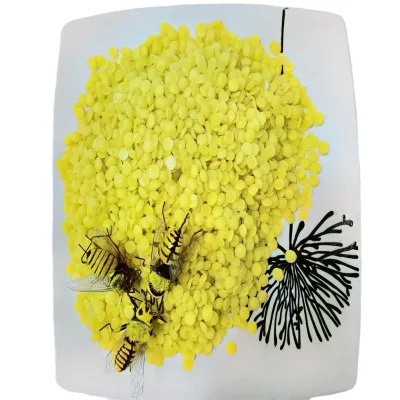
Hot Sale Beeswax Candle Material
$6.00 - $8.00
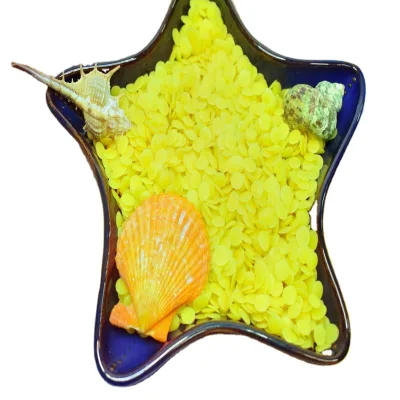
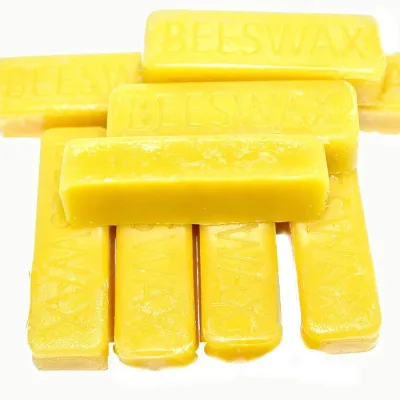
High Quality Pure Honey Beeswax on Sale
$5.80 - $10.00
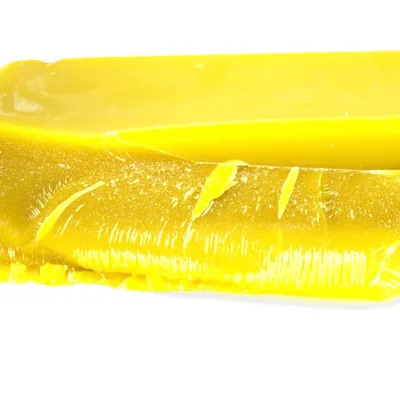
Factory price food grade pure honeycomb beeswax
Contact supplier
Henan Shengchao Apiculture Co., Ltd.
- Manufacturer
- Henan, China
- Lead time15 days
- Avg. response≤ 4h
Main productsBeeswax Foundation, Beeswax, Synthetic Wax, Microcrystalline Wax, Bee Pollen
Main marketsAfrica(34.0%), Western Europe(27.0%), Eastern Europe(23.0%), Southeast Asia(6.0%), Eastern Asia(3.0%), Central America(2.0%), South Asia(1.0%), North America(1.0%), South America(1.0%), Oceania(1.0%), Southern Europe(1.0%)
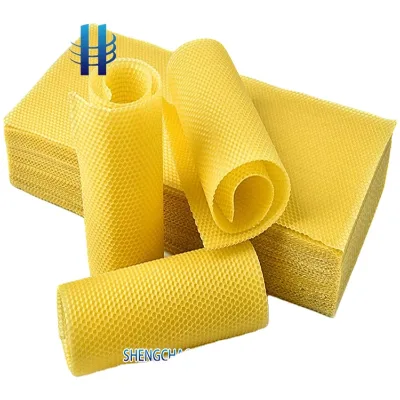
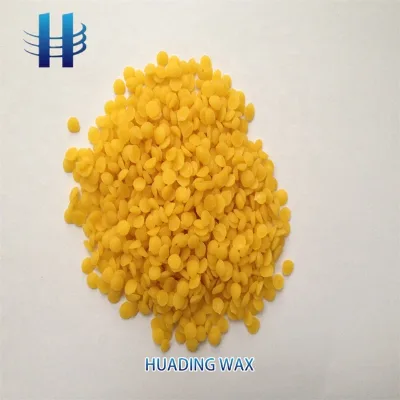
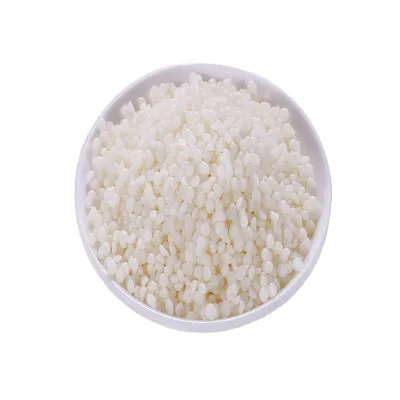
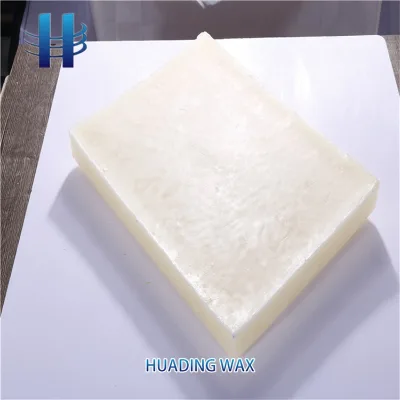
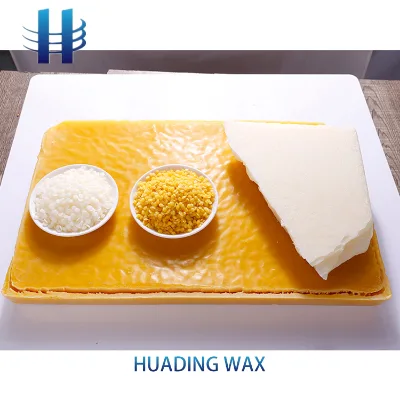
High Refined Bleached Beeswax White Cosmetic
$2.50 - $3.00
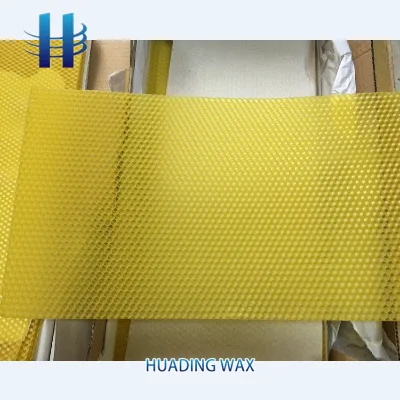
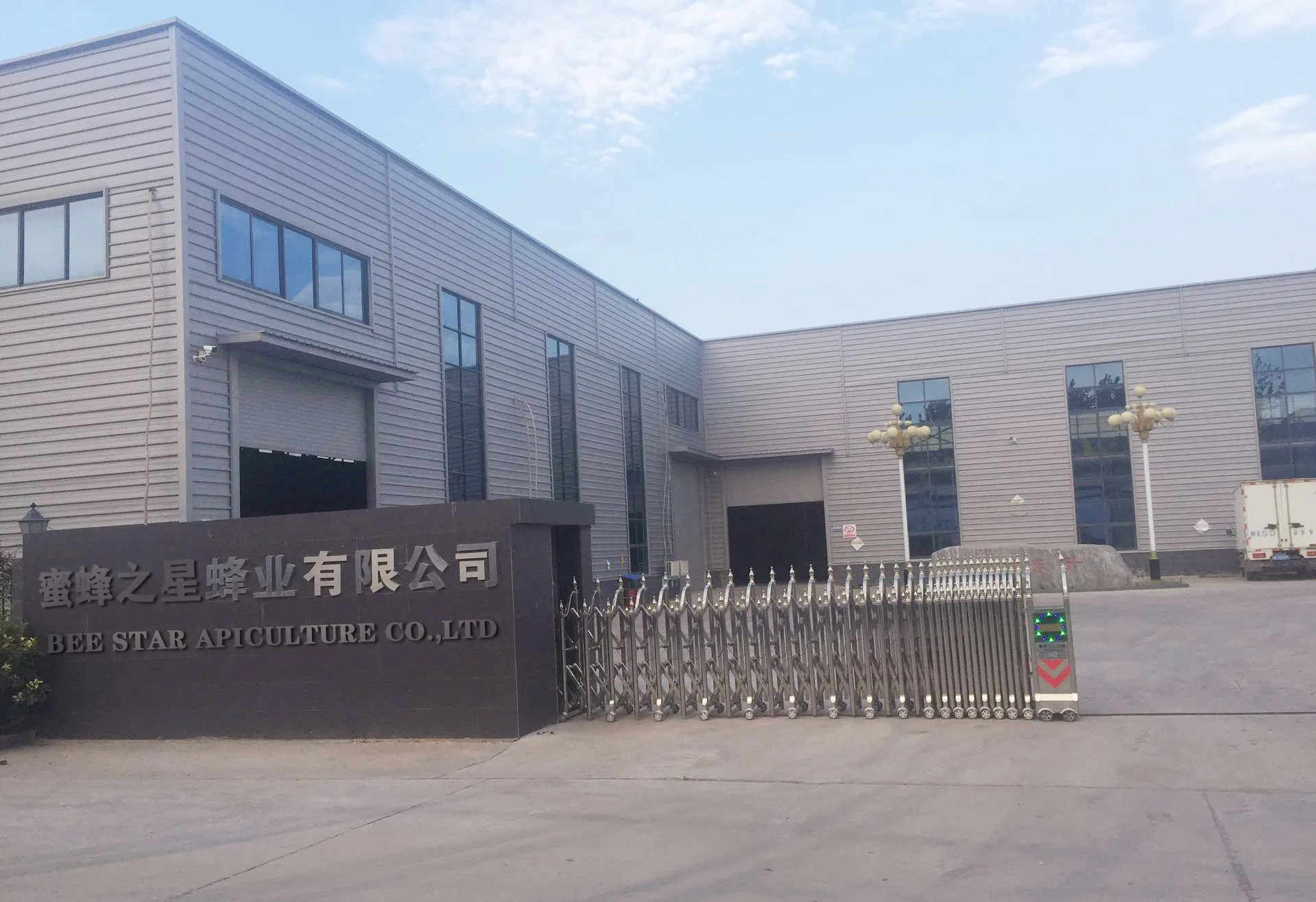
Beijing Beehall Biological Pharmaceutical Co., Ltd.
- Verified by SGS Group
- Manufacturer, Trading Company
- Lead time15 days
- Avg. response≤ 6h
Main productsPropolis Capsule , Propolis Liquid , Fresh Royal Jelly, Royal Jelly Capsule , Royal Jelly Oral Liquid
Main marketsDomestic Market(75%), Mid East(4%), North America(3%)
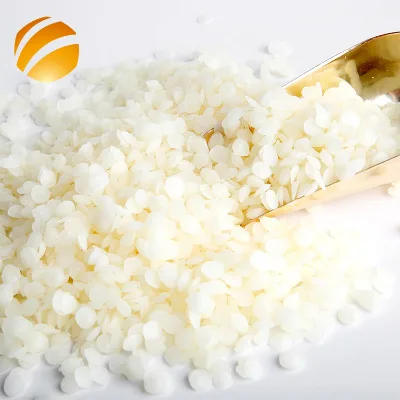
BEEHALL Best Pure Beeswax Pellets and Beeswax Granules
Contact supplier
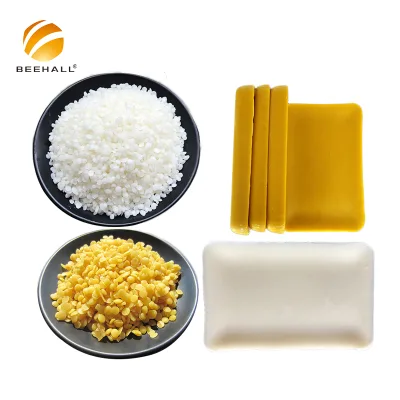
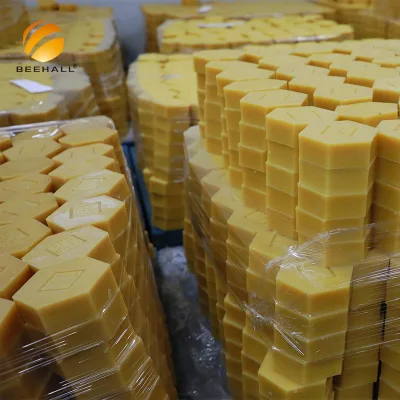
BEEHALL Beekeeping Honeycomb 100% Pure Beeswax Plates
Contact supplier
Chengdu Mayaland Trading Co., Ltd.
- Trading Company
- Sichuan, China
- Lead time30 days
- Avg. response≤ 3h
Main productsHoney,Royal Jelly,Beeswax,Beekeeping Equipments
Main marketsDomestic Market(20.0%), Mid East(11.0%), Western Europe(10.0%), South America(10.0%), Oceania(10.0%), Africa(10.0%), Southeast Asia(10.0%), Eastern Europe(10.0%), North America(9.0%)
Shandong Confucian Biologics Co., Ltd.
- Manufacturer
- Shandong, China
- Lead time30 days
- Avg. response≤ 7h
Main productsVitamin C Tablet,Multivitamin Tablet,Magnesium B6 Tablet,Fish oil Softgel,Vitamin E Softgel
Main marketsDomestic Market(20.0%), Western Europe(20.0%), North America(15.0%), Eastern Europe(10.0%), Southeast Asia(10.0%), South America(5.0%), Africa(5.0%), Northern Europe(5.0%), Southern Europe(5.0%), Mid East(2.0%), Central America(1.0%), South Asia(1.0%), Oceania(1.0%)
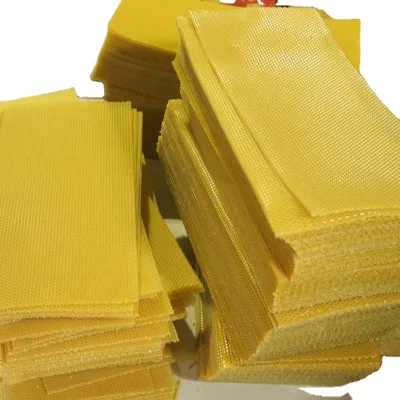
High Quality OEM Beeswax Foundation Sheet
$10.00 - $15.00
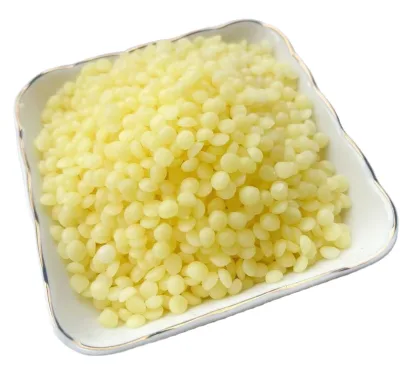
High Quality Natural Beeswax Pellets
$8.00 - $15.00
- Manufacturer, Trading Company
- Anhui, China
- Lead time15 days
- Avg. response≤ 3h
Main productsHoney,Syrup,Protein Powder
Main marketsSouth Asia(30.0%), Mid East(25.0%), Southeast Asia(14.000000000000002%), North America(12.0%), Domestic Market(10.0%), Eastern Europe(1.0%), Africa(1.0%), Southern Europe(1.0%), Northern Europe(1.0%), Central America(1.0%), Western Europe(1.0%), Eastern Asia(1.0%), South America(1.0%), Oceania(1.0%)
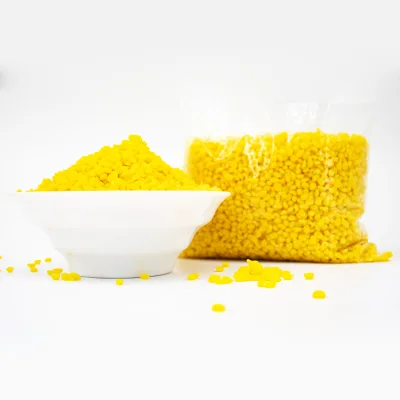
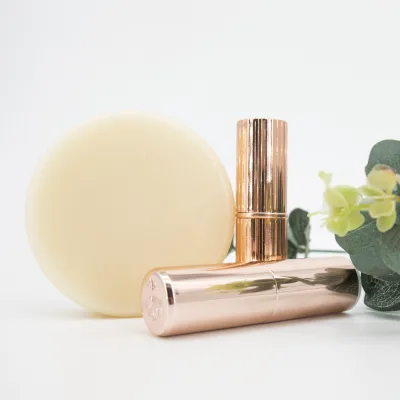
Wholesale Natural Pure Yellow Beeswax for Cosmetic Bulk
Contact supplier
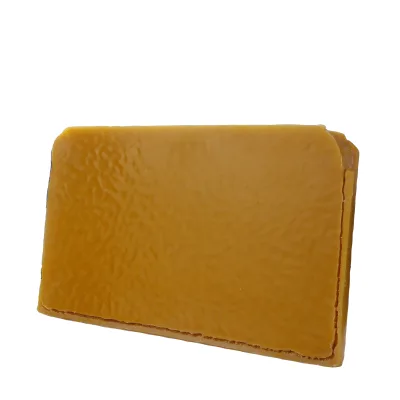
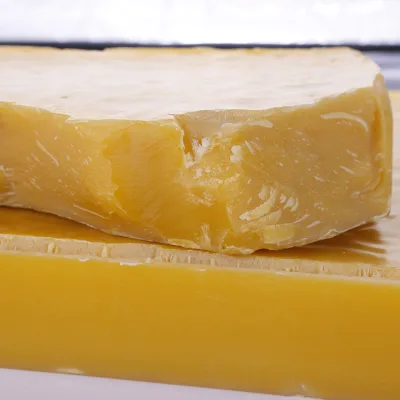
High Quality Beeswax Yellow Wax Refined Beeswax Supplier
Contact supplier
Qingdao Kevin Home Products Co., Ltd.
- Trading Company
- Shandong, China
- Lead time15 days
- Avg. response≤ 2h
Main productsLow temperature Candles,Massage Oil candles,Scented candles,Natural Candle,Soy wax candles
Main marketsNorth America(39.0%), South America(19.0%), Western Europe(15.0%), Northern Europe(15.0%), Central America(8.0%), Eastern Europe(4.0%)
Henan Xingbo Bee Industry Co., Ltd.
- Verified by SGS Group
- Manufacturer, Trading Company
- Lead time15 days
Main productsBeeswax, Bee pollen, Bee hive, Bee frames, Beekeeping equipment
Main marketsNorth America(30%), Mid East(30%), Africa(20%)


Comprehensive Sourcing Guide
China Mainland Beeswax Supplier Concentration and Factory Types
When sourcing China Mainland Beeswax, buyers will encounter two broad supplier archetypes. Some listings come from trading companies that aggregate wax from multiple apiaries and refineries, offering flexibility across grades, colors and pack formats; the observed results include trading companies whose main product ranges extend well beyond wax into surfactants, citric acid, paraffin and petroleum jelly. Others combine trading and manufacturing roles, which can indicate closer control over refining steps such as filtering, bleaching and pelletizing. Neither archetype is inherently better; traders may solve small mixed-volume orders, while factory-linked suppliers may offer tighter process traceability. Ask each candidate to state plainly whether it refines in-house, purchases crude wax, or relists another processor's material.
Cluster identification should be treated as a verification task rather than an assumption. Supplier results in this category show locations in northern and eastern provinces, including Hebei, Jiangsu and Tianjin, which suggests that supply is not confined to a single coastal gateway. Rather than presuming where beeswax originates, map each candidate's stated province against its claimed supply chain: ask where the raw wax is collected, where it is refined, and where it is packed. A supplier listing a Hebei or Jiangsu origin for the product should be able to reconcile that with its own registered location. If no cluster information is displayed, request it directly and treat vague answers about origin as a screening signal before investing time in sampling.
How to Verify China Mainland Beeswax Suppliers
Verification begins with the credentials that platforms display, but you must confirm what each label actually covers. Observed supplier results show third-party verification from bodies such as TUVRHEINLAND, BV and SGS, and system certifications including ISO 9001 and ISO 14001 on some profiles, with other listings carrying far longer certification lists. Treat these as claims to validate: request the certificate numbers, issuing bodies and scope statements, then check expiry dates. A long list of management-system standards on a Tianjin-based supplier profile does not automatically certify the wax itself, so distinguish company-level certification from product-level test evidence.
Product-level verification matters more for beeswax than for most commodities because adulteration with paraffin or other waxes is a known industry concern. The listings in this category provide usable technical anchors: melting points quoted around 62°C or in the 62-67°C range, acid values of 17-24 mg KOH/g, saponification values of 87-104 mg KOH/g, peroxide value of ≤5, glycerol and other polyols of ≤0.50%, and lead limits of ≤2.0 mg/kg. Ask every candidate for a COA and MSDS against these parameters, then run independent testing on received samples. One listing explicitly states COA and MSDS as its certificates; others display none, which is itself a comparison point. Also verify consistency between stated purity claims, such as 100% pure or 99% standard figures, and actual lab results.
What to Compare Across China Mainland Beeswax Suppliers
Build a comparison grid using only attributes actually displayed, since coverage varies widely across profiles. Useful dimensions include lead time, where observed values in this category range from about 15 days to about 30 days; response time, where figures around 5.65 to 7.06 hours appear; location, with Hebei, Jiangsu and Tianjin represented; supplier type, distinguishing pure trading companies from combined manufacturer-traders; and main product lines, which reveal whether beeswax is a core item or a sideline alongside chemicals, waxes or supplements. Do not assume every supplier publishes every attribute; where a field is blank, request the information in your inquiry and note non-responses.
Beyond the displayed fields, compare commercial and product specifics side by side. MOQs differ sharply in the observed results, from listings quoting a minimum order of one unit to others requiring 10 tons, so align candidates against your actual volume before shortlisting. Price bands also vary dramatically, with some listings quoting roughly $1.00-$2.50 and others $3.00-$6.00 or $31.00-$41.00; these likely reflect different grades, forms and pack sizes, so normalize by form, purity and packaging before comparing. Compare pack formats such as 25kg bags, 1kg bags with 25kg drums, or pellet versus block form, plus customization availability, payment terms like T/T and L/C, and shelf life claims such as two years. Rank suppliers on responsiveness, documentation quality and fit to your spec rather than headline price alone.
Common China Mainland Beeswax Sourcing Risks
The most significant category-specific risk is adulteration or mislabeling of wax content. Listings in these results market both beeswax and paraffin wax, soy wax and other waxes, sometimes under similar names, and one Tianjin supplier's beeswax-titled listing carries soy wax attributes in its specification table. This blurriness means a buyer who orders on product title alone may receive a blended or substituted product. Mitigate by specifying in the contract that goods must test as pure beeswax against the acid value, saponification value, melting point and hydrocarbon limits in your spec, with third-party pre-shipment testing and a clear rejection remedy.
Other risks stem from specification ambiguity and expectation mismatch. Purity claims like "100% pure" or a "99%" standard appear without naming the underlying reference standard, so ask which pharmacopoeia or industry standard the figures refer to. Color and fragrance also vary across listings, some specifying yellow grain with added fragrance, others white pellets with natural honey scent; if your application, such as cosmetics or candle making, requires unfragranced wax, confirm this explicitly. Additional risks include long lead times stretching toward 30 days on some profiles, minimum orders of 10 tons that exceed trial volumes, and inconsistent documentation where some suppliers provide COA and MSDS and others provide none. Finally, verify shelf-life and storage conditions, since wax packaged in bags for long transit can arrive discolored or contaminated if handling was poor.
China Mainland Beeswax Regional Sourcing and Logistics
The observed supplier locations span Hebei, Jiangsu and Tianjin, giving buyers several logistics profiles to weigh. Tianjin sits on a major northern port, which can simplify container loading for export orders, while Jiangsu suppliers are positioned within an eastern industrial corridor with dense forwarding capacity. Hebei-based suppliers are proximate to the northern port cluster as well. Do not assume, however, that a supplier's registered location equals the shipping origin; a Jiangsu trading company may ship from a partner refinery elsewhere, so confirm the actual loading port and factory address before quoting freight.
Logistics planning should account for pack format, since beeswax is commonly packed in 25kg bags, which palletize cleanly, while block form may require manual handling at destination. Some listings offer finer packs such as 1kg bags inside 25kg drums, which add protection but increase freight weight and cost. Compare quoted lead times, noting that profiles in this category show roughly 15 to 30 days, and align that with your reorder cycle rather than treating it as a fixed promise. Request the supplier's stated packaging standard in writing, including whether pellet or block form is available, and confirm which incoterms they can support. If you source multiple wax types or related chemicals from one region, consolidating shipments from suppliers sharing a loading port can reduce freight per kilogram, but only if their lead times and quality are individually verified first.
China Mainland Beeswax Commercial Terms and Order Planning
Order planning starts with matching MOQ to your pipeline. The observed range is extreme, from a listing with a minimum order of one to another requiring 10 tons with T/T or L/C payment terms, so segment your sourcing: use low-MOQ listings for sampling and first validation runs, then negotiate volume pricing with the supplier that passes testing. Note that a minimum order of one does not guarantee small-unit retail packaging; it may refer to one bag or one lot, so clarify unit definitions in writing before assuming a trial is cheap.
Payment and lead-time terms deserve explicit contractual treatment. Where T/T is offered, a common structure is a deposit with balance against shipping documents, but confirm the exact split each supplier requires; L/C may suit larger orders of 10 tons or more. Record the stated lead time, typically 15 to 30 days across these profiles, and add a buffer for inspection before shipment. Because prices in the results range from roughly $1.00-$2.50 up to $31.00-$41.00, always fix the basis of quotation: grade, form, purity standard, packaging and incoterm. Ask about customization availability, which several listings confirm, and about shelf life, with at least one listing stating two years. Finally, plan reorders around response-speed differences, since profiles show average response times between roughly five and seven hours, and build your shortlist around the suppliers that combine fast replies with complete, testable documentation.
FAQs
What is the price range for beeswax from China?
Beeswax prices from Chinese suppliers typically range from $1.00 to $41.00 per unit depending on grade and quantity. Lower-cost options around $1.00 to $2.50 are available for bulk orders, while refined cosmetic or candle-grade wax may cost between $3.00 and $10.00. Prices vary based on purity, packaging, and specific supplier terms.
What is the minimum order quantity for beeswax?
Minimum order quantities vary significantly among suppliers. Some manufacturers accept orders as low as one unit, while others require a minimum of 10 tons for wholesale pricing. Buyers should verify the specific MOQ with each supplier, as requirements depend on the product form, such as pellets, blocks, or granules, and the intended application.
How long does delivery take for beeswax orders?
Lead times for beeswax shipments from China generally range from 15 to 30 days. Suppliers in Jiangsu may offer faster turnaround times around 15 days, while those in Hebei or Tianjin might require up to 30 days. Buyers should confirm exact delivery schedules with suppliers to ensure timely receipt for production or inventory needs.
What certifications are available for Chinese beeswax suppliers?
Chinese beeswax suppliers often hold various quality and safety certifications. Common certifications include ISO 9001, ISO 14001, BRC, HACCP, and GMP. Some suppliers also provide COA and MSDS documents. Verification services like SGS, BV, and TÜV Rheinland may also be used to validate supplier credentials and product quality standards.
Where are beeswax suppliers located in China?
Beeswax suppliers in China are primarily located in provinces such as Hebei, Jiangsu, and Tianjin. Hebei suppliers often focus on daily chemicals and raw materials, while Jiangsu suppliers may specialize in cosmetic-grade refined beeswax. Tianjin suppliers might offer bulk granular forms. Buyers can filter results by these specific locations to find suitable suppliers.
What forms of beeswax are available from Chinese suppliers?
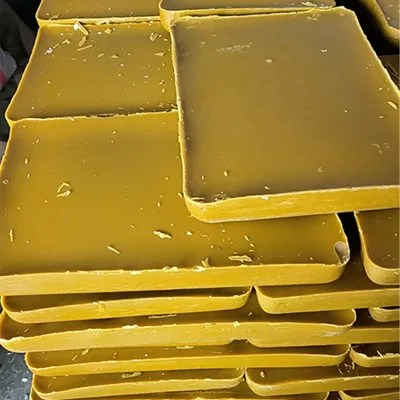
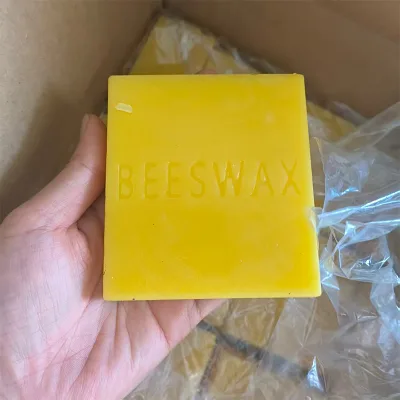
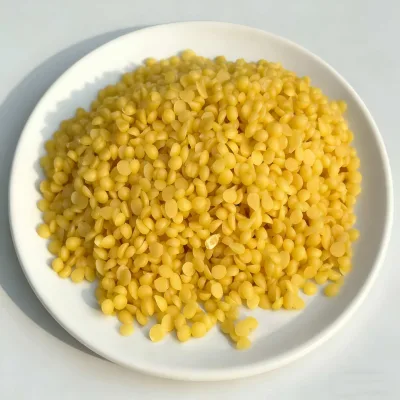
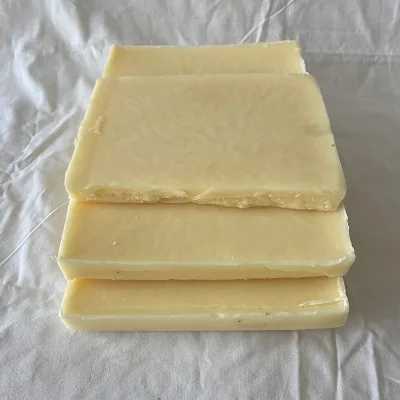
Chinese suppliers offer beeswax in various forms including pellets, blocks, granules, and grains. Colors range from natural yellow to refined white. Applications include candle making, cosmetics, food processing, and wood care. Suppliers may provide customization options for packaging and specific physical properties like melting points and purity levels to meet buyer requirements.