China Mainland Curtain Lace Suppliers and Manufacturers
Explore 12 verified options for China Mainland Curtain Lace from Zhejiang factories and trading companies. Compare response times, lead times, certifications like ISO 9001, and material specifications to find the right partner. Contact suppliers directly to request samples and confirm pricing.
Suppliers List

Ningbo New & Century Fashion Co., Ltd.
- Manufacturer/Factory
- China Zhejiang
- Lead time23 days
- Avg. response≤ 10h
Main productsLace, Tape, Ribbon, Nylon Lace Trimming, Chemical Lace Trimming, Cotton Lace Trimming, Strech Lace Trimming, Non-Strech Lace Trimming, Others Nylon Lace Trimming, Crochet Lace Trimming
Main marketsSouth America,Eastern Asia,Western Europe

Ningbo DH Textile Industry&Trade Co., Ltd.
- Verified by TUVRHEINLAND
- Trading Company
- China Zhejiang
- Lead time15 days
- Avg. response≤ 13h
Main productsLace, Interlining, Embroidery Thread, Poplin, Hook and Loop, Satin Ribbon, Sewing Thread, Button, Zipper, Lace Fabric
Main marketsAfrica,Southeast Asia/ Mideast,North America


Hot Sale Good Quality Polyester Lace National Lace From China Manufacturer
$0.35 - $0.65
MOQ: 3000 Meters


Beautiful Wholesale Newest Curtain Lace Fabric Home Textile Decoration From China Manufacturer 
$1.25 - $2.00
MOQ: 3000 Meters

2020 New Design Polyester Lace National Lace for Garments/Dress From China Factory
$0.90 - $1.25
MOQ: 3000 pc

Hangzhou Fudi Textile Co., Ltd.
- Trading Company
- Zhejiang, China
- Lead time0 days
- Avg. response≤ 4h
Main productsaccessories,fringe,tassel,ribbon
Main marketsMid East(30.0%), South Asia(20.0%), Domestic Market(20.0%), Africa(10.0%)

Shaoxing Keqiao Canqi Textile Co., Ltd.
- Trading Company
- China Zhejiang
- Lead time15 days
- Avg. response≤ 1h
Main productsLace Mesh Elastic Lace Fabric
Main marketsDomestic


Hot Sale Home Textile Factory Polyester Nylon Colorful Curtain Lace Fabric
$2.03 - $2.10
MOQ: 1000 Meters


100% Polyester Customize Lace Fabric Factory Cheap Lace for Home Textile Curtain Dress
$0.68 - $0.75
MOQ: 1000 Meters

Lightweight Lace Women Home Textile Curtain Clothing Decorative Textile Fabric
$1.87 - $1.95
MOQ: 1000 Meters

Lanxi Sange Industry Co., Ltd.
- Verified by TUVRHEINLAND
- Trading Company
- China Zhejiang
- Lead time15 days
- Avg. response≤ 18h
Main productsLace, Lace Fabric, Cotton Lace, Chemical Lace, Fringe Tassel, Tassel Fringe, Garment Accessories, Chainette Fringe, Embroidery Lace, Crochet Lace
Main marketsSouth America,Africa,Others(foreignTradeCapacity.exportBusinessCapacityMarketOther),Southeast Asia/ Mideast,Europe,North America

Shaoxing City Beita Trade Co., Ltd.
- Verified by BV
- Manufacturer/Factory
- China Zhejiang
- Lead time15 days
- Avg. response≤ 11h
Main productsStock Textiles, Stock Fabrics, Lycra Printed, Stock Polo, Chiffon, Fresh Order
Main marketsEastern Europe,Mid East,North America,Southeast Asia,Western Europe,Africa

- Verified by TUVRHEINLAND
- Trading Company,Manufacturer/Factory
- China Zhejiang
- Lead time23 days
- Avg. response≤ 7h
Main productsGarment Accessories, Zipper, Button, Lace Trim, Metal Zipper, Nylon Zipper, Plastic Zipper, Metal Button, Snap Button, Cotton Lace
Main marketsNorth America,Africa

- Verified by TUVRHEINLAND
- Combined
- China Zhejiang
- Lead time30 days
- Avg. response≤ 7h
Main productsThread, Zipper, Lace, Button, Webbing & Tape, Ribbon, Interlining, Fabric, Tailoring Materials, Hook & Loop
Main marketsSouth America,Africa,Europe,Australia

Ningbo Yuena Import & Export Co., Ltd.
- Verified by TUVRHEINLAND
- Trading Company
- China Zhejiang
- Lead time23 days
- Avg. response≤ 3h
Main productsLace, Thread, Button, Ribbon, Zipper, Tailors Materials, Fabric, Reflective Materials, Sewing Machine Part, Bra Parts
Main marketsSouth America,Africa,Southeast Asia/ Mideast,Europe,North America
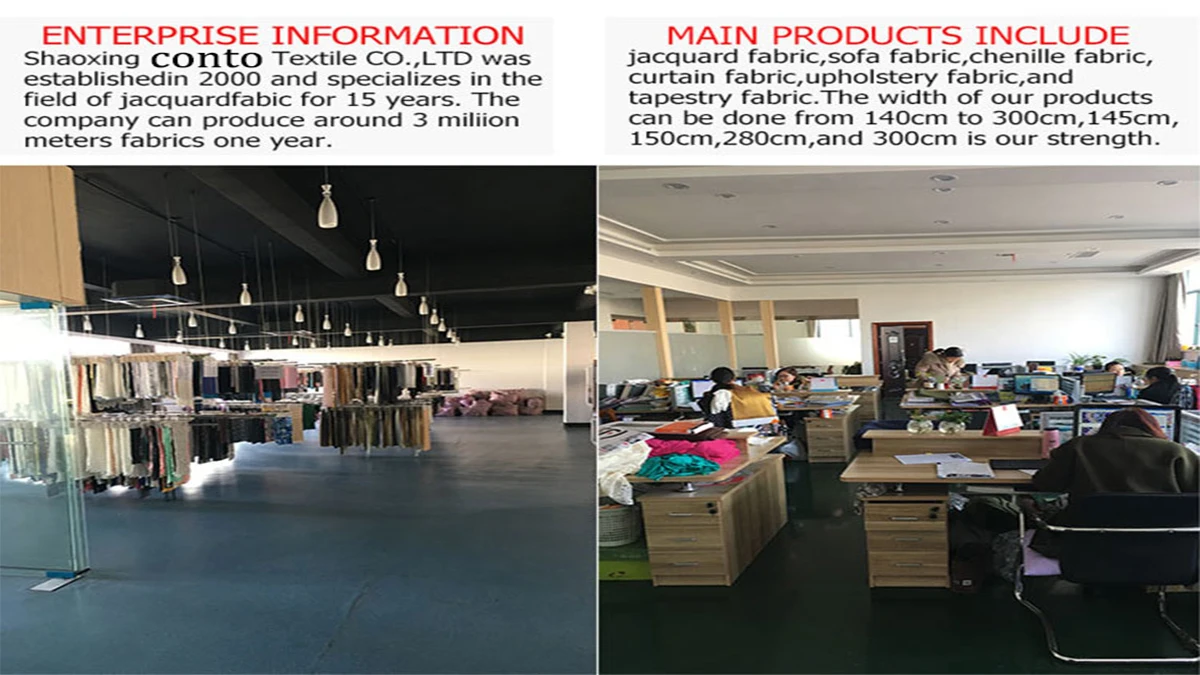
Shaoxing Keqiao Conto Textile Co., Ltd.
- Trading Company
- Zhejiang, China
- Lead time60 days
- Avg. response≤ 7h
Main productssofa fabric,garment fabric,flannel blanket,pu/pvc fabric,curtain
Main marketsSouth Asia(15.0%), Southern Europe(10.0%), North America(10.0%), Eastern Europe(10.0%), Northern Europe(10.0%), Domestic Market(5.0%), Africa(5.0%), Southeast Asia(5.0%), South America(5.0%), Central America(5.0%), Western Europe(5.0%), Eastern Asia(5.0%), Mid East(5.0%), Oceania(5.0%)

New Design Lace Dress Grey Cotton Fabric
Contact supplier
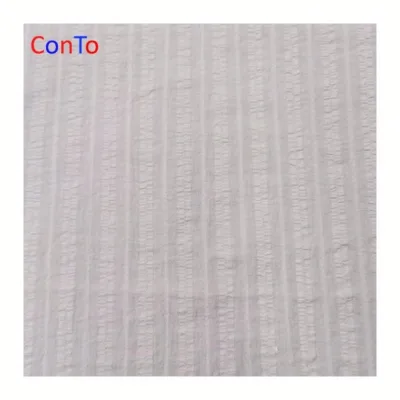
Latest Design Scarf Lace Fabric Cotton Liberty
Contact supplier
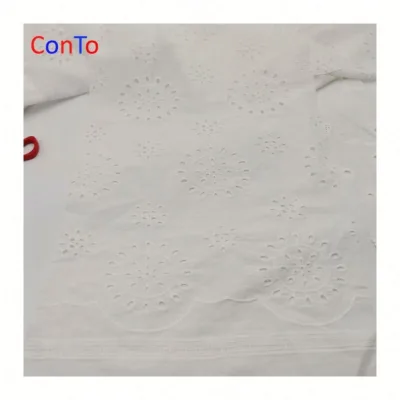
Brand New Wholesale Lace Plaid Fabric Cotton
Contact supplier

Shaoxing City Xinlan Textile CO., LTD.
- Verified by TUVRHEINLAND
- Combined
- China Zhejiang
- Lead time23 days
- Avg. response≤ 2h
Main productsHome Textile, Curtain, Cushion Cover, Shower Curtain, Macrame Handmade Products, Curtain Fabric, Tablecloth, Placemat, Blankets, Bedding
Main marketsNorth America

High-Quality Window Curtains Classic Lace Sheer Curtains for Bedroom Living Room Cafe
$2.28 - $2.95
MOQ: 100 Pieces

Lace Stylish Hotel Quality Curtains Affordable Luxury Curtains for Living Rooms
$2.28 - $2.95
MOQ: 100 Pieces

Affordable Luxury Lace Curtains Modern Floral Chic Lace Sheer Curtain for Living Room Bedding Room
$2.28 - $2.95
MOQ: 100 Pieces

Shaoxing Keqiao Yigao Textile Co., Ltd.
- Verified by BV
- Trading Company,Manufacturer/Factory
- China Zhejiang
- Lead time23 days
- Avg. response≤ 7h
Main productsKnitting Fabric, Printed Fabric, Single Jersey Jabric, Ponti Roma Fabric, Jacquard Fabric, Rib Fabric, Sports Wear Fabric, Suiting Fabric, Velvet Fabric, Yummy Fabric
Main marketsSouth America,Eastern Europe,Mid East,North America,Southeast Asia,Eastern Asia,Oceania,Western Europe,Africa


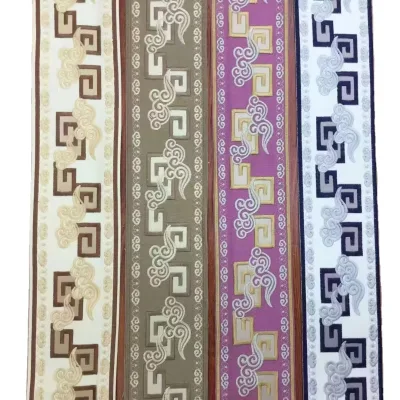
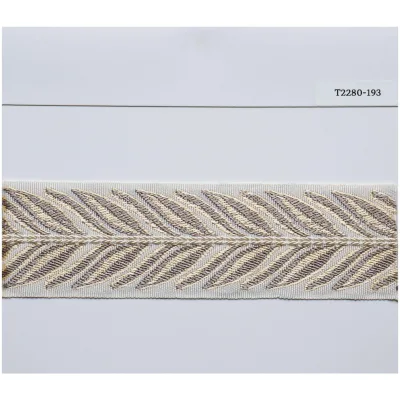
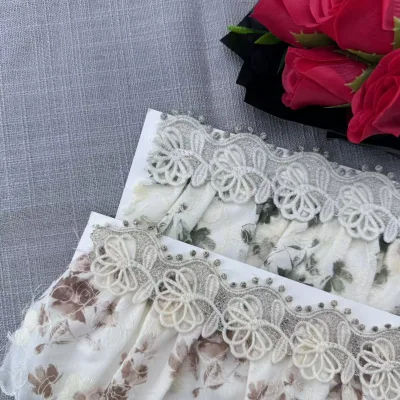
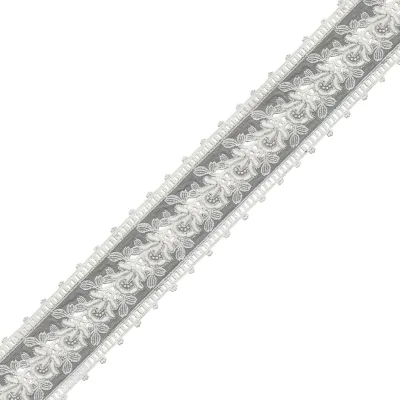


Comprehensive Sourcing Guide
China Mainland Curtain Lace Supplier Concentration and Factory Types
The available data indicates that suppliers for China Mainland Curtain Lace are concentrated in the Zhejiang province, specifically within the Ningbo area. This regional clustering suggests a mature industrial ecosystem where manufacturers and trading companies operate in close proximity to raw material sources and logistics hubs. Buyers should verify if a specific supplier operates from this Zhejiang location, as the provided facts confirm Ningbo as a point of origin for several lace products. The presence of both manufacturers and trading companies in this region offers distinct advantages; manufacturers often provide direct factory pricing and customization capabilities, while trading companies may offer a broader portfolio including interlining, sewing threads, and buttons alongside lace fabrics.
When evaluating the supplier type, it is crucial to distinguish between a Manufacturer/Factory and a Trading Company, as this impacts the supply chain structure. The observed facts show that some entities are classified as manufacturers capable of OEM services, while others operate as trading companies with verified credentials like TUVRHEINLAND. A manufacturer typically controls the production process, which can be beneficial for complex customizations such as specific embroidery techniques or dyeing processes. Conversely, a trading company might aggregate products from multiple factories, offering a wider variety of styles like woven, jacquard, or embroidered lace in a single transaction. Buyers must confirm the actual operational status of the supplier to understand who holds the inventory and who manages the production timeline.
How to Verify China Mainland Curtain Lace Suppliers
Verification of suppliers in the China Mainland Curtain Lace sector requires a rigorous check of system certifications and third-party audit results. The data confirms that some suppliers hold ISO 9001 system certification, which indicates a baseline commitment to quality management processes. Additionally, specific suppliers have undergone verification by recognized bodies such as TUVRHEINLAND, providing an external validation of their business legitimacy and operational standards. Buyers should not assume all suppliers possess these credentials; instead, they must request current certification documents and verify the scope of the audit to ensure it covers the specific lace manufacturing or trading activities relevant to the order.
Beyond certifications, response time and lead time serve as practical indicators of a supplier's operational efficiency and reliability. The observed response times range from approximately 9 hours to over 12 hours, while lead times vary between 15 and 23 days. A faster response time often correlates with better communication channels and a more agile production team, which is critical when addressing urgent design changes or quality concerns. Similarly, a shorter lead time suggests a more streamlined production process or higher inventory availability. Buyers should compare these metrics against their own project timelines and verify if the stated lead times apply to custom orders or standard stock items, as customization often extends the production window significantly.
What to Compare Across China Mainland Curtain Lace Suppliers
Comparing suppliers requires a detailed analysis of product specifications, material composition, and technical capabilities. The available product evidence highlights a variety of materials, including cotton, polyester, and blends, alongside different lace crafts such as embroidery, jacquard, and woven techniques. Buyers must verify the specific material composition for their intended application, as cotton offers breathability while polyester provides durability and cost efficiency. Furthermore, the technical attributes like dyeing methods and pattern styles (e.g., floral, dobby) must align with the final product requirements. It is essential to confirm if the supplier can accommodate specific customization requests, as the data shows customization is available but may vary in complexity and cost across different vendors.
Minimum Order Quantity (MOQ) and pricing structures are equally critical factors in the comparison process. The observed MOQs range significantly, from 300 units to 3,000 units, with prices varying from $0.10 to $3.25 per unit depending on the material and complexity. A lower MOQ might be preferable for testing new designs or small-batch production, while a higher MOQ could indicate better unit economics for large-scale orders. Buyers should also examine the packing standards, such as rolls of 20 yards or specific meter counts, as these affect shipping costs and inventory management. It is vital to request a detailed quotation that breaks down costs based on the specific material, technique, and order volume to ensure accurate budgeting and avoid hidden fees.
Common China Mainland Curtain Lace Sourcing Risks
One significant risk in sourcing China Mainland Curtain Lace involves the discrepancy between advertised capabilities and actual production capacity. While some suppliers claim OEM capabilities and customization availability, the actual ability to meet specific technical requirements like precise embroidery patterns or specific dyeing shades may vary. Buyers should verify the supplier's actual production equipment and quality control processes rather than relying solely on product descriptions. The presence of "Not Stock" items in some listings indicates that production is made-to-order, which increases the risk of delays if the supplier faces raw material shortages or production bottlenecks. Understanding the supplier's capacity to handle custom orders is essential to mitigate the risk of missed delivery dates.
Another risk relates to the variability in product standards and quality consistency across different batches. The data shows that while some products adhere to specific standards like 20 yards per roll, others are packed "As Requested," which can lead to inconsistencies if not clearly defined in the contract. Buyers must ensure that the agreed-upon specifications, including width, pattern, and material composition, are explicitly documented in the purchase order. The lack of standardized packing or production models for certain items can result in logistical challenges during shipping and receiving. To mitigate this, buyers should request pre-production samples and conduct third-party inspections to verify that the final product matches the agreed-upon quality standards before full-scale production begins.
China Mainland Curtain Lace Regional Sourcing and Logistics
The regional concentration of suppliers in Zhejiang, particularly Ningbo, offers logistical advantages for international buyers due to the proximity to major shipping ports. This location facilitates efficient export processes, with shipping options including air, sea, and rail transport as indicated in the product attributes. Buyers should leverage this geographic advantage to negotiate favorable freight terms and reduce transit times. However, the specific origin point, such as Ningbo, must be confirmed for each order, as it directly impacts the shipping route and associated costs. Understanding the logistics network of the supplier is crucial for planning the supply chain, especially when dealing with time-sensitive orders or large volumes that require specialized shipping arrangements.
Logistics planning also involves considering the packing standards and how they affect the overall shipping volume and cost. The data indicates various packing methods, such as 7 meters per piece, 10 meters per piece, or 50 yards per roll, which can significantly influence the number of containers required. Buyers should evaluate these packing configurations to optimize container utilization and minimize shipping expenses. Additionally, the availability of free samples, as noted in some product listings, can be a valuable tool for verifying product quality before committing to a large shipment. However, buyers must clarify who bears the cost of sample shipping and ensure that the sample production timeline aligns with the overall project schedule to avoid delays in the decision-making process.
China Mainland Curtain Lace Commercial Terms and Order Planning
Commercial terms for China Mainland Curtain Lace orders must be carefully negotiated to align with the supplier's production capabilities and the buyer's financial constraints. The observed price ranges and MOQs suggest that buyers should plan their orders to meet the minimum thresholds while maximizing cost efficiency. For instance, orders meeting the 300-unit MOQ might be suitable for small batches, while larger orders could leverage the lower price points associated with higher volumes. Buyers should also consider the payment terms and escrow options to ensure financial security, as the data does not explicitly confirm escrow availability for all suppliers. Establishing clear payment milestones linked to production progress can help manage cash flow and reduce financial risk.
Order planning should also account for the customization lead times and the potential for production delays. The data shows lead times ranging from 15 to 23 days, which must be factored into the overall project timeline. Buyers should build in buffer time for quality checks and potential rework, especially for custom orders involving specific embroidery or dyeing processes. It is also important to verify the supplier's ability to handle rush orders or expedited shipping if the project timeline is tight. By understanding the full scope of the commercial terms, including pricing, lead times, and customization capabilities, buyers can create a robust order plan that minimizes risks and ensures timely delivery of high-quality curtain lace products.
FAQs
What is the price range for curtain lace fabric from China?
Curtain lace fabric prices typically range from $0.10 to $3.25 per unit. The cost varies significantly based on material composition, such as cotton or polyester blends, and specific production techniques like embroidery or jacquard weaving. Buyers should verify exact pricing against their required quantity and customization needs.
What is the minimum order quantity for lace fabric suppliers?
Minimum order quantities vary by supplier and product type, ranging from 300 to 3000 units. Some manufacturers offer lower MOQs for custom embroidered lace, while standard woven or jacquard lace often requires higher volumes. Buyers must confirm the specific MOQ with the supplier before placing an order.
How long does production take for curtain lace orders?
Production lead times generally range from 15 to 23 days. This duration depends on the complexity of the lace design, material availability, and whether the order requires custom dyeing or embroidery. Buyers should confirm the exact timeline with the supplier to ensure it aligns with their project schedule.
Are Chinese lace suppliers ISO certified?
Yes, many lace suppliers hold ISO 9001 certification, ensuring quality management standards are met. Some suppliers also undergo third-party verification by organizations like TÜV Rheinland. Buyers should request valid certification documents to verify compliance before finalizing procurement agreements for curtain lace materials.
What materials are used in curtain lace fabric?
Curtain lace is commonly made from polyester, cotton, or cotton-polyester blends. Materials are selected for durability, breathability, and drape quality. Some products feature 100% polyester for cost-effectiveness, while others use cotton for a softer texture. Buyers should specify their material preference to ensure the fabric meets their design requirements.
Can I customize the lace pattern and color?
Customization is available for most lace products, including pattern, color, and width. Suppliers offer dyeing services to match specific color requirements and can produce custom embroidery or jacquard designs. Buyers should provide detailed specifications to ensure the final product meets their exact aesthetic and functional needs.