Christian Rosary Sterling Silver Bead Suppliers and Manufacturers
Source 13 verified suppliers for Christian Rosary Sterling Silver Bead items. Compare Zhejiang-based manufacturers and trading companies on lead times, MOQs, and certifications like REACH and BSCI. Filter results to identify suitable partners for your order; review the available evidence before requesting comparable quotations from suitable candidates.
Updated
Suppliers List

Yiwu Phonbon Import & Export Co., Ltd.
- Trading Company
- Zhejiang, China
- Lead time15 days
- Avg. response≤ 7h
Main productsmedal,lapel pin,metal coins,cross,rosary
Main marketsWestern Europe(16.67%), Southeast Asia(16.67%), Southern Europe(15.00%), Eastern Europe(15.00%), South America(10.00%), Africa(5.00%), Northern Europe(5.00%), Central America(5.00%), North America(5.00%), Mid East(3.00%), Eastern Asia(2.00%), South Asia(1.00%), Oceania(0.66%)
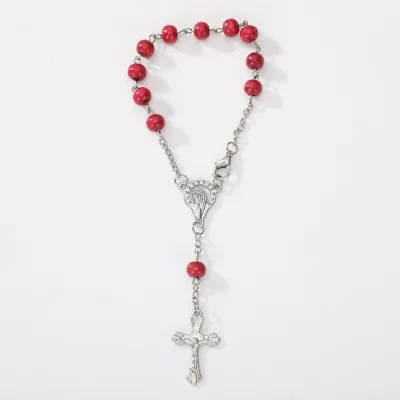
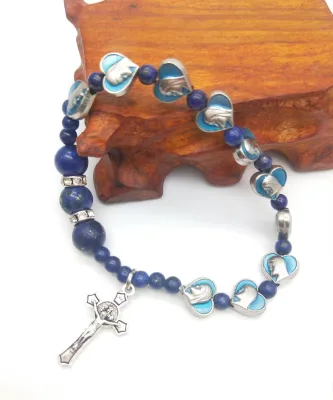
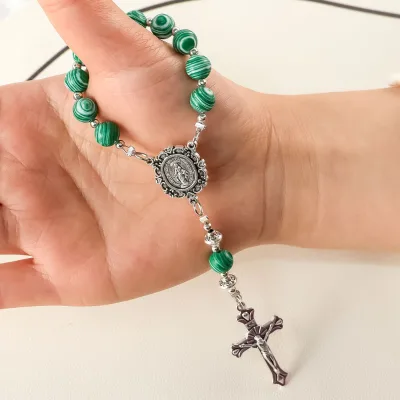
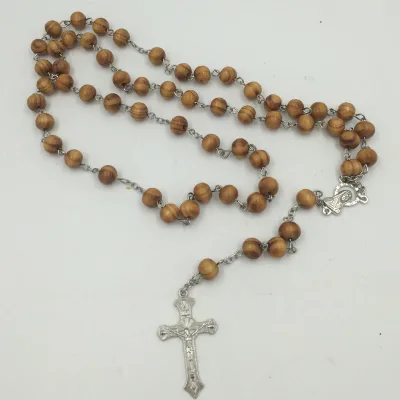
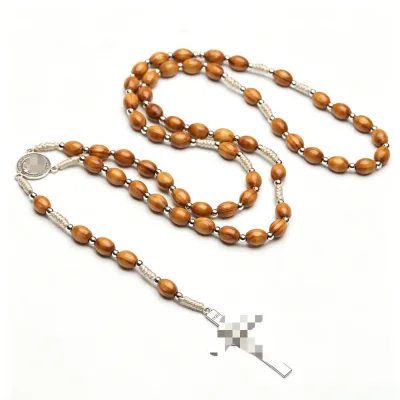
Catholic Christian Rosary Wood Bead Bracelet Religious Prayer Beads Rosaries
$0.45 - $0.60
MOQ: 5000 pieces
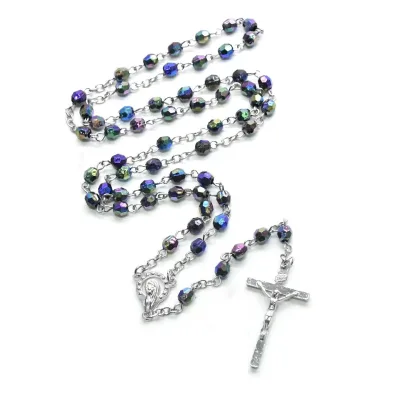
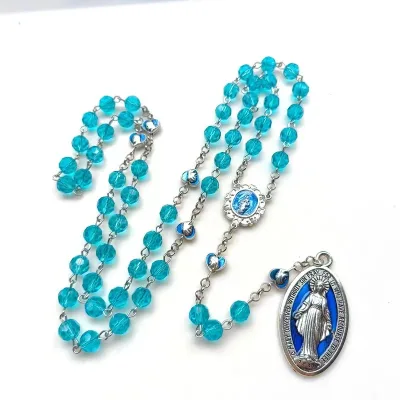
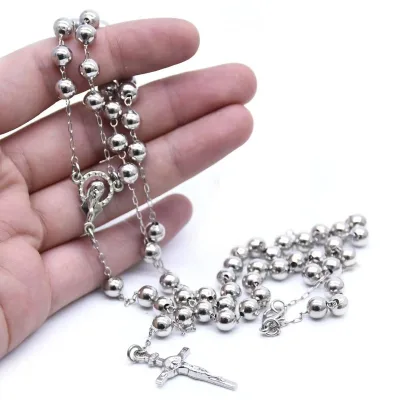
$1.25 - $1.98
MOQ: 500 Minimum
- Verified by TüVRheinland
- Manufacturer, Trading Company
- Lead time7 days
- Avg. response≤ 2h
Main productsFashion Jewelry
Main marketsNorth America(75%), South America(8%), Southeast Asia(7%)
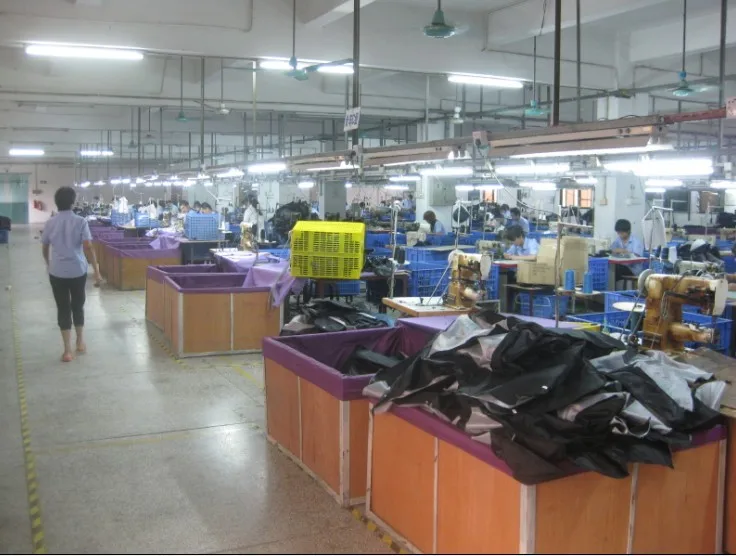
- Trading Company
- Zhejiang, China
- Lead time30 days
- Avg. response≤ 7h
Main productsReligion Crafts,Religion Products,Jewith products,Christian products,Catholic Products
Main marketsNorth America(30.00%), Western Europe(17.00%), Central America(9.00%), Africa(9.00%), South America(8.00%), Mid East(6.00%), Southern Europe(5.00%), Southeast Asia(3.00%), Oceania(3.00%), Domestic Market(3.00%), South Asia(2.00%), Eastern Europe(2.00%), Northern Europe(2.00%), Eastern Asia(1.00%)

Shenzhen Right Grand Jewelry Co., Ltd.
- Verified by SGS
- Manufacturer
- China Guangdong
- Lead time15 days
- Avg. response≤ 5h
Main productsNecklace, Bracelet, Earring, Ring, Nose Ring, Ear Piercing, Belly Ring, Nipple Ring
Main marketsSouth America,Europe,North America

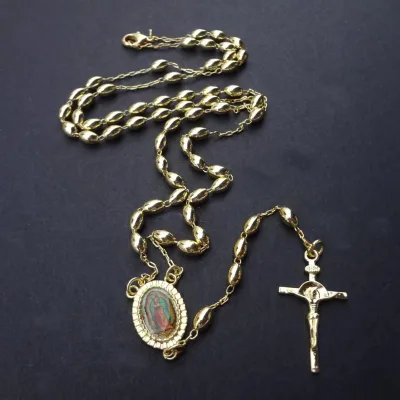
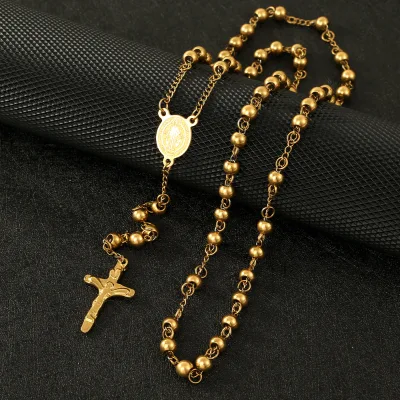
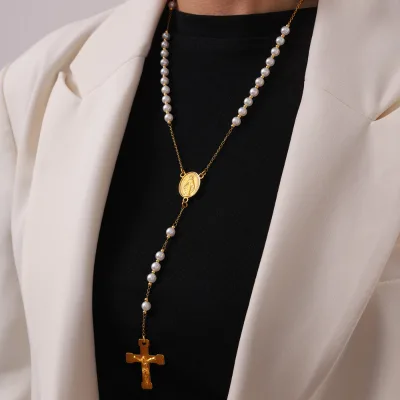
Stainless Steel Womans Prayer Necklace Christian Gold Plated Rosary Necklace
$2.56 - $3.23
MOQ: 10 Pieces


$1.31 - $1.75
MOQ: 10 Pieces


Wholesale Rosary Religious Stainless Steel Gold Arabic Pendant Beaded Islamic Muslim Allah Bracelet
$1.48 - $1.81
MOQ: 10 Pieces
Tongshan Dashun Crystal Crafts Co., Ltd.
- Verified by TüVRheinland
- Manufacturer, Trading Company
- Lead time0 days
- Avg. response≤ 3h
Main productsPlastic Rhinestone Trimming, Fashion Bracelets, Fashion Necklaces
Main marketsCentral America(23%), North America(22%), South America(15%)

Foshan Hongshi Technology Co., Ltd
- Verified by TUVRHEINLAND
- Manufacturer/Factory
- China Guangdong
- Lead time23 days
- Avg. response≤ 6h
Main productsMuslim Rosary, Muslim Prayer Beads, Bracelets, Bead Jewelry, Earring, Fashion Necklaces, Islamic Tasbih Bead, Necklace, 33 Beads Tasbih, Olive Wood Tasbih
Main marketsSouth America,Eastern Europe,Mid East,North America,Southeast Asia,Eastern Asia,Oceania,Western Europe,Africa

Prayer Beads New Designs Resin Prayer Beads Tasbih Rosary Gift Quality Bead
$1.28 - $1.30
MOQ: 10 Pieces

Hot Selling 6mm Crystal Rosary Muslim Beaded Rosary Islamic Prayer Bracelet
$0.50 - $0.60
MOQ: 10 Pieces


Hai Yang International Limited
- Verified by SGS
- Trading Company,Manufacturer/Factory
- China Zhejiang
- Lead time60 days
- Avg. response≤ 4h
Main productsWooden Toy, Montessori Material, Wooden Educational Toys, Wooden Puzzle, Wooden Blocks, Wooden Train Set, Wooden Nutcrackers, Wooden Crafts, Wooden Dolls, Wooden Chess
Main marketsEastern Europe,Mid East,North America,Southeast Asia,Eastern Asia,Oceania

Christian Prayer Beads for Catholicism Catholic Multi-Color Wooden Pearl Beads Rosary Necklace
$0.58 - $0.68
MOQ: 500 Pieces

Hot Sales Hand-Woven Wooden Rosary Necklace Jesus Cross Rosary Necklace, Wooden Beads Rosary
$0.58 - $0.68
MOQ: 500 Pieces
- Trading Company
- Zhejiang, China
- Lead time20 days
- Avg. response≤ 5h
Main productsgift,metal charm,craft,jewelry,DIY sets
Main marketsNorth America(40.00%), Western Europe(35.00%), Africa(20.00%), South America(5.00%)
Mecrt (Yiwu) International Trade Co., Ltd
- Trading Company
- Zhejiang, China
- Lead time15 days
- Avg. response≤ 2h
Main productsRosary,beads,Cross,Gifts,Jewelry
Main marketsNorth America(35.00%), Northern Europe(10.00%), Mid East(10.00%), South America(10.00%), Southern Europe(5.00%), Southeast Asia(5.00%), Central America(5.00%), Western Europe(5.00%), Eastern Europe(5.00%), Oceania(5.00%), Africa(5.00%)
Hubei Jingcan Glass Products Co., Ltd.
- Verified by TüVRheinland
- Manufacturer, Trading Company
- Lead time0 days
- Avg. response≤ 4h
Main productsGlass Product, Garment Accessories, Jewelry, Jewelry Accessories
Main marketsCentral America(25%), North America(20%), South America(15%)
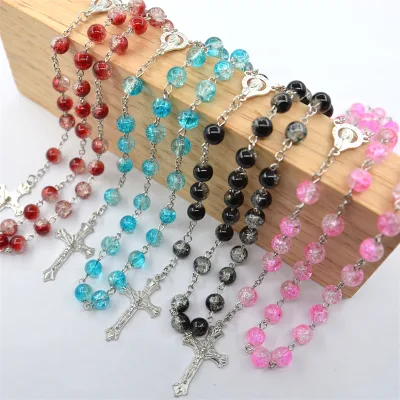
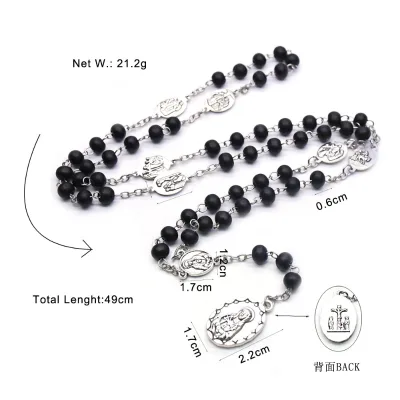
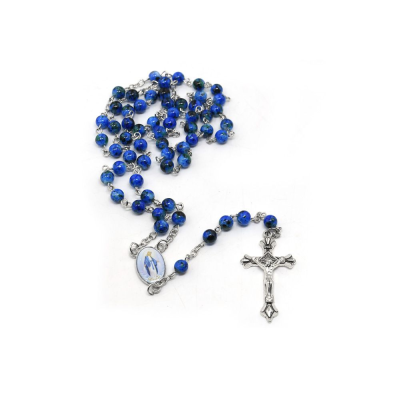
6mm Reto Cross Rosary Necklace Glass Beads Accessories Catholic Rosaries Christian Prayer Beads
$0.8524 - $0.9452
MOQ: 60 pieces
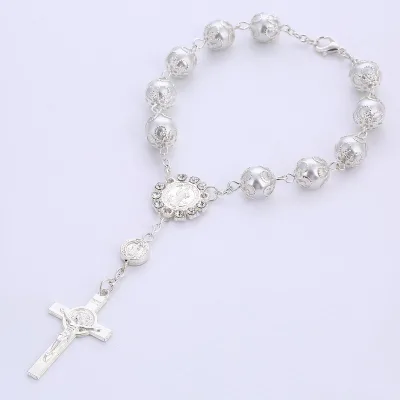
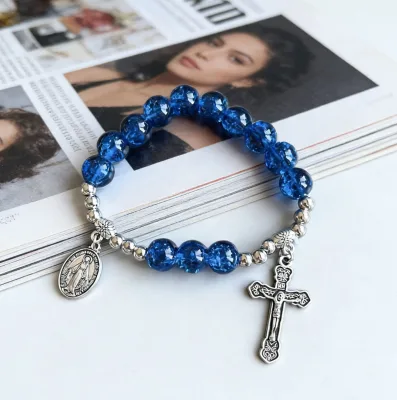
Rosary Bracelet Rosaries Religious Catholic Bracelet Rosarios Catolicos Prayer Beads
$0.64 - $0.74
MOQ: 10 pieces
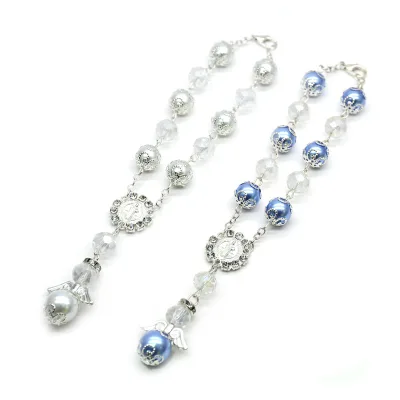
$0.6981 - $0.8628
MOQ: 50 pieces
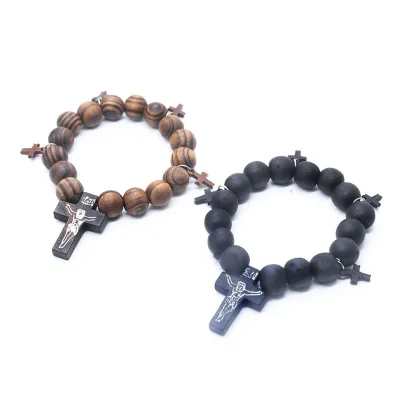

Yiwu Dreamwork Jewelry Co., Ltd.
- Manufacturer, Trading Company
- Zhejiang, China
- Lead time15 days
- Avg. response≤ 9h
Main productsJewelry,gift,Crafts,Bag,scarf
Main marketsNorth America(50.00%), Oceania(30.00%), Domestic Market(10.00%), Western Europe(5.00%), South America(5.00%)
Yiwu Jing Can Crystal Co., Ltd.
- Verified by SGS Group
- Manufacturer, Trading Company
- Lead time0 days
- Avg. response≤ 3h
Main productsCrystal Rhinestone, Glass Seed Beads, Clay Beads, Fashion Jewelry, DIY Accessories
Main marketsCentral America(25%), North America(20%), South America(20%)
Foshan Jiahua Jewelry Co., Ltd.
- Manufacturer, Trading Company, Distributor/Wholesaler
- Guangdong, China
- Lead time15 days
- Avg. response≤ 1h
Main productsprayer beads,Worship blanket,bracelets,packaging box,Muslim jewelry
Main marketsMid East(39.00%), Africa(10.00%), Southeast Asia(8.00%), Domestic Market(5.00%), South America(5.00%), South Asia(5.00%), North America(5.00%), Central America(5.00%), Eastern Asia(3.00%), Eastern Europe(3.00%), Southern Europe(3.00%), Northern Europe(3.00%), Oceania(3.00%), Western Europe(3.00%)

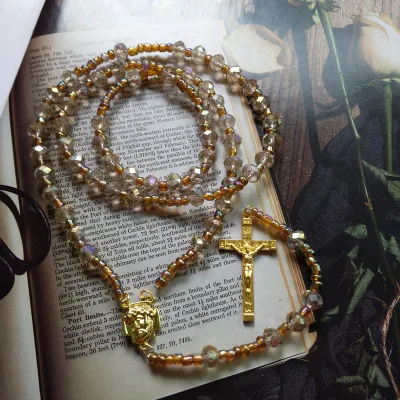
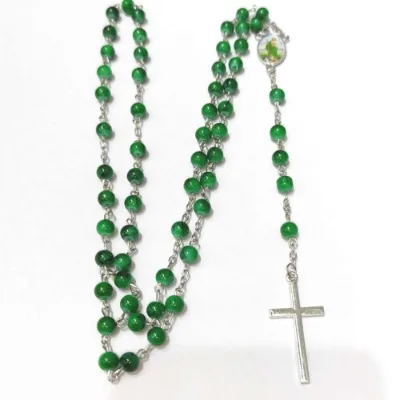
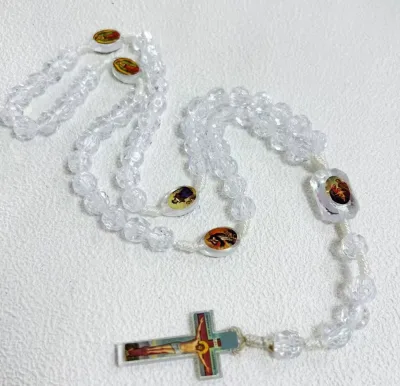
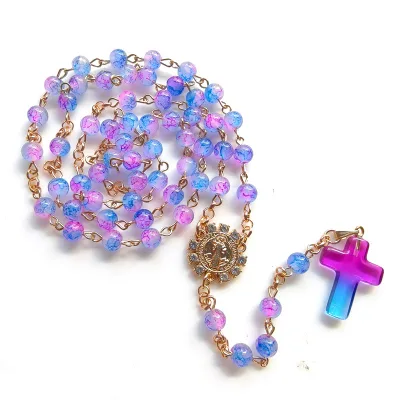
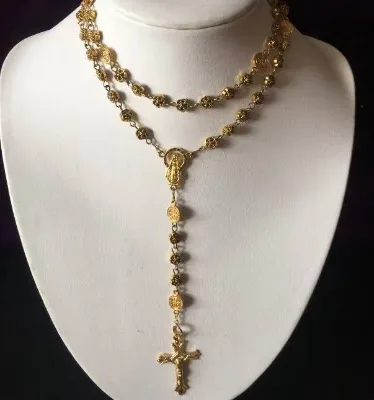
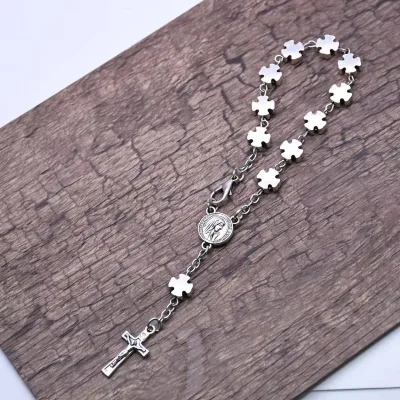
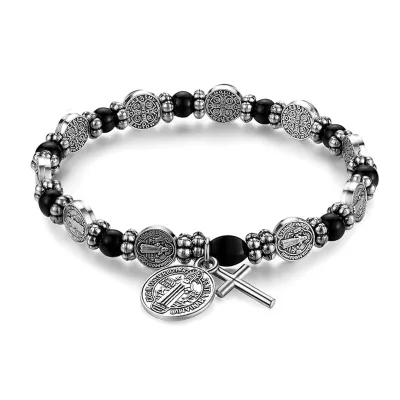
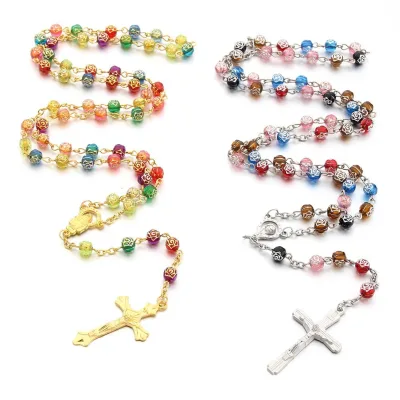
Comprehensive Sourcing Guide
Christian Rosary Sterling Silver Bead Supplier Concentration and Factory Types
Buyers searching for Christian Rosary Sterling Silver Bead products will encounter a supplier base that, in current results, is concentrated in Zhejiang, China. This province is a well-known center for fashion and religious jewelry production, and the listings observed here all declare Zhejiang as the place of origin. Because the category overlaps with broader rosary and religious jewelry manufacturing, the same suppliers typically list medals, lapel pins, metal coins, crosses, and rosaries alongside their bead products, which is useful when you want a single vendor for a wider devotional range. When your own search returns results without a location attribute, identify clusters by checking declared place-of-origin fields, product model number patterns, and whether multiple independent sellers ship from the same province before committing to sampling trips.
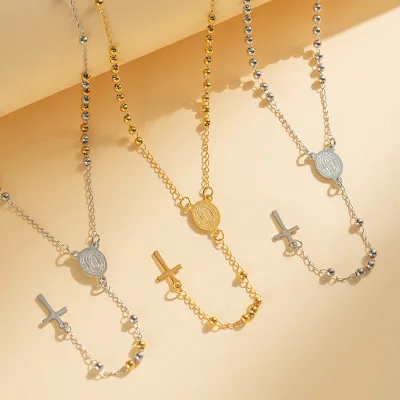
The supplier mix in this category includes both pure trading companies and combined manufacturer-plus-trading operations. Trading companies often carry breadth across rosary styles and can aggregate output from several workshops, which helps with variety but can add a communication layer. Manufacturer-traders advertise direct production plus in-house services such as sample processing, graphic processing, and customized on-demand development, which matters if you need custom centerpieces, stamped crosses, or proprietary bead finishes. Note that "sterling silver" appears in buyer searches while many listed products are actually zinc alloy, brass, or plated components, so confirm the actual metal composition with each supplier before assuming precious-metal content.
How to Verify Christian Rosary Sterling Silver Bead Suppliers
Verification should start with the platform-displayed credentials, then move to evidence you request directly. In the current results, one supplier holds a REACH system certification and carries TÜV Rheinland verification, which is a meaningful baseline for jewelry sold into European markets because REACH addresses restricted substances such as nickel release and lead content. Another product listing declares a BSCI certificate type, which relates to social compliance auditing rather than product safety, so treat these credentials as different layers: system certifications cover the factory's processes, while product-level certificates cover specific items. Do not assume every supplier on the page holds these; several listings explicitly declare no certificate type, meaning you must request documentation yourself.
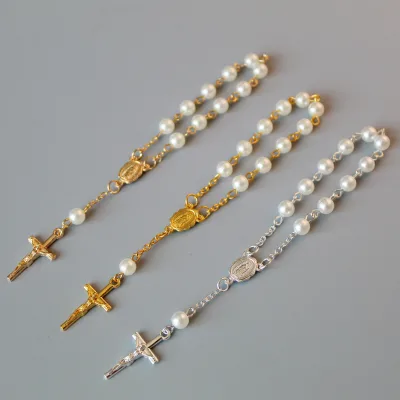
Practical verification steps for this category include: asking for material declarations distinguishing sterling silver, silver-plated brass, zinc alloy, resin, wood, glass, and stone beads; requesting plating specifications when silver or gold plating is claimed, since multiple listings advertise silver-plated and gold-plated finishes; confirming whether a BSCI audit report can be shared; and ordering a paid sample before any bulk commitment. Sample lead time is a good probe of real capability — one observed listing states a 15-day sample time, which you can benchmark against other quotes. Also verify whether the entity you are negotiating with is the manufacturer or an intermediary, since response speed often reveals this: observed response times in this result set range from about 2 hours to 7 hours.
What to Compare Across Christian Rosary Sterling Silver Bead Suppliers
Build a comparison sheet using the attributes actually displayed in supplier results, without assuming every seller shows every field. Useful dimensions in this category include: company type (trading company versus manufacturer plus trading company); verified status and any system certifications; location, which in current results is consistently Zhejiang, China; response time, where the observed gap between roughly 2 hours and 7 hours signals differences in sales-team staffing; and lead time, with observed values spanning 7 to 15 days depending on the listing. Lead time matters more for beaded rosaries than buyers expect, because hand-stringing, centerpiece attachment, and quality checks on dozens of small components are labor-intensive and seasonal demand around religious holidays can queue production.
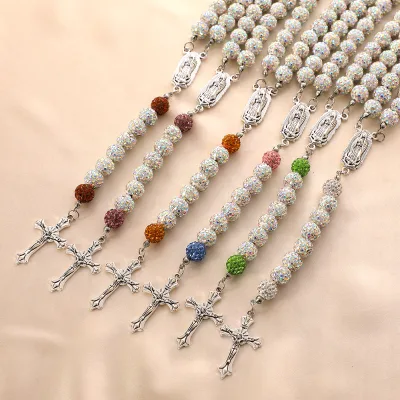
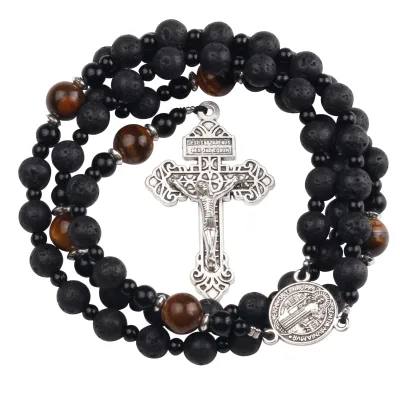
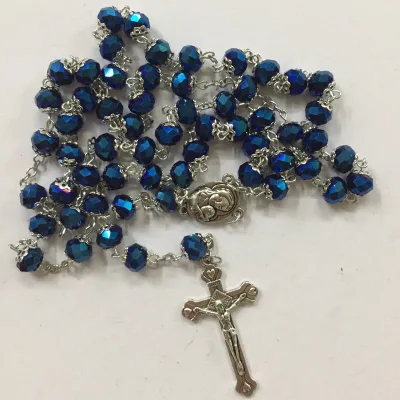
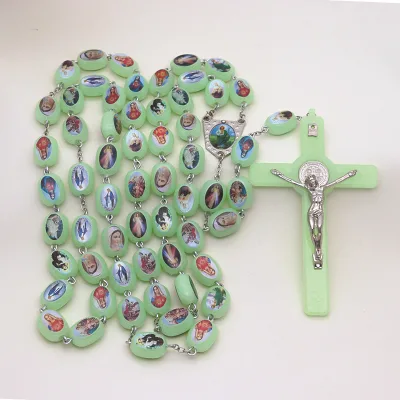
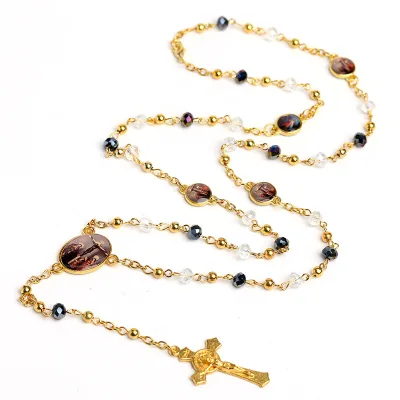
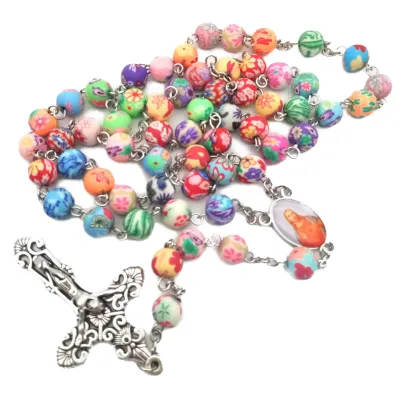
Beyond speed and structure, compare product-level economics. Observed minimum order quantities in this result set range from 500 pieces on a five-decade rosary listing up to 5,000 pieces on a wooden-bead rosary bracelet, a tenfold difference that should shape which supplier fits your volume tier. Displayed price bands also differ sharply between a lightweight wood-bead bracelet item and a crystal-bead Virgin Mary rosary, reflecting material and component costs. Check research and development capability where listed — sample processing, graphic processing, and customized on-demand services indicate whether a supplier can execute your own designs rather than only selling stock rosaries. Finally, compare packaging conventions (some listings specify individual poly bag packing) and single-package dimensions, which drive freight cost per unit.
Common Christian Rosary Sterling Silver Bead Sourcing Risks
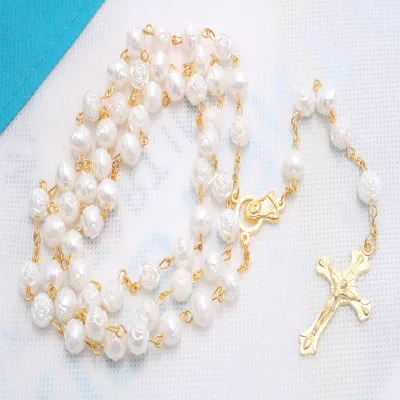
The most frequent risk in this category is material misalignment with the search term. Buyers searching for sterling silver will find many listings that are actually zinc alloy, brass, resin, plastic, wood, glass, or stone beads with silver or gold plating. One observed bracelet listing declares zinc alloy with a generic plating type, and several rosary listings declare plastic as the main jewelry material. If your market, pricing, or labeling requires genuine sterling silver, this must be specified contractually, not assumed from a product title. Related risks include inconsistent plating thickness, tarnishing, and nickel release on skin-contact items, which is precisely why a REACH system certification on one supplier is a useful differentiator when you see it.
Operational risks concentrate around small-component quality and order-scale mismatch. Beaded rosaries involve crimps, eye pins, chain links, and centerpieces that can fail in transit or during use; a 0.050 kg per-unit gross weight on one bracelet listing shows how light these goods are, making them vulnerable to damage and to dimensional-weight surprises in shipping. On the commercial side, watch for MOQ structures that exceed your needs — the observed 5,000-piece minimum on a bracelet-style item can trap capital on a first order — and for sample timelines that stretch to two weeks, delaying your launch. Mitigations include pre-shipment inspection of stringing and plating, written material specifications, and staged orders that test one supplier before consolidating volume.
Christian Rosary Sterling Silver Bead Regional Sourcing and Logistics
The current supplier results place every observed listing in Zhejiang, China, which simplifies regional logistics planning because you are likely consolidating shipments from one province regardless of which seller you choose. Concentration in a single cluster typically means shorter domestic legs to major export ports, denser availability of component suppliers such as bead makers, chain factories, and plating shops, and more competitive freight quotes from consolidators familiar with the jewelry trade. When your search results lack location data, triangulate clusters by comparing declared place-of-origin fields across listings, checking whether model number conventions repeat among sellers, and asking each supplier which port they normally ship from — the answer usually reveals the cluster behind the listing.
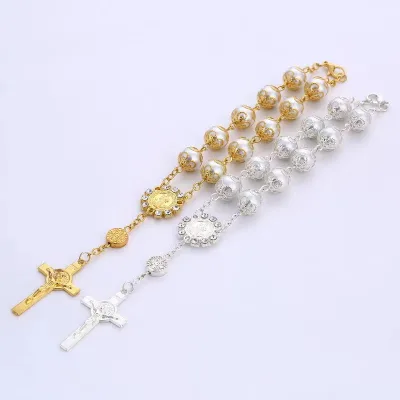
For logistics execution, exploit the small physical footprint of these goods. A single gross weight of 0.050 kg per bracelet and package dimensions around 15X10X8 cm mean air freight is viable for urgent replenishment, while sea freight or consolidated LCL shipments keep unit logistics costs low for bulk replenishment of 500- to 5,000-piece orders. Individual poly bag packing, as specified on one observed rosary listing, supports retail-ready delivery but adds packaging volume; confirm whether master cartons are used and how many units per carton. Always confirm incoterms, export documentation, and whether the supplier handles customs paperwork, since trading companies and manufacturers differ in export experience even within the same cluster.
Christian Rosary Sterling Silver Bead Commercial Terms and Order Planning
Order planning in this category should start from the MOQ spread visible in current results: 500 pieces for a five-decade crystal-bead rosary with a displayed price band of roughly 1.25 to 1.98 per unit, versus 5,000 pieces for a wood-bead rosary bracelet at roughly 0.45 to 0.60 per unit. This pattern is instructive: lower-value, simpler-bead products carry higher MOQs because margins are thin, while more elaborate rosaries are accessible at smaller volumes. Plan your first order at the lower MOQ tier from whichever supplier matches your product style, then scale. Ask each supplier how MOQ applies to custom designs versus stock models, since customization often raises minimums beyond displayed figures.
Negotiate terms around the observed lead-time and response benchmarks. With lead times of 7 to 15 days and response times between 2 and 7 hours in the current results, a supplier quoting weeks for stock items or days for replies is underperforming the field and deserves scrutiny. Request a written timeline covering deposit, production, sample approval if custom, quality inspection, and balance payment. Clarify price validity, plating guarantees, defect allowances for strung goods, and whether packaging costs are included. For repeat orders, lock a rolling forecast with a trusted supplier rather than re-quoting each time, and reserve escrow or platform-protected payment where offered, since the B2B escrow mechanism is a common safeguard for first transactions with an unverified trading company in this category.
(Word count: approximately 1,390)
FAQs
What is the typical lead time for custom rosary orders?
Manufacturers in Zhejiang, China generally require 7 to 15 days for production. This timeframe depends on order volume and customization complexity. Buyers should confirm specific delivery schedules with suppliers before finalizing agreements to ensure timely receipt of goods.
What is the minimum order quantity for rosary beads?
Minimum order quantities vary significantly by supplier. Some manufacturers require 500 pieces, while others set the threshold at 5000 units. Buyers must verify the specific MOQ with each supplier to align with their inventory needs and budget constraints.
How quickly do suppliers respond to sourcing inquiries?
Response times differ among suppliers, ranging from 2 to 7 hours. Faster response rates often indicate higher operational efficiency. Buyers should prioritize suppliers with quicker reply times to streamline communication and accelerate the sourcing process for religious jewelry items.
Are certifications available for religious jewelry products?
Certification availability depends on the specific manufacturer. Some suppliers hold BSCI certifications, while others may not provide formal certificates. Buyers should request proof of compliance and verify any claimed standards directly with the supplier to ensure product quality and ethical sourcing.
What materials are commonly used for rosary beads?
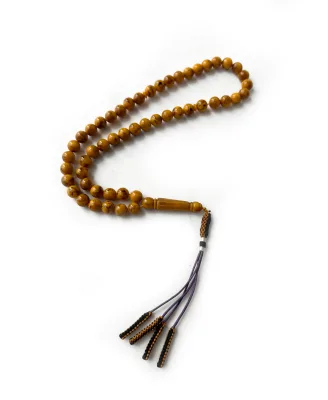
Common materials include wood, plastic, resin, stone, and zinc alloy. Some products feature silver or gold plating. Buyers should check product specifications for material details, as options range from natural beads to synthetic alternatives depending on the desired aesthetic and durability.
What is the price range for rosary necklaces?
Prices typically range from $0.45 to $1.98 per unit. Costs vary based on materials, plating, and order volume. Buyers should compare quotes from multiple suppliers to find competitive pricing while ensuring the quality meets their specific requirements for religious jewelry products.