Channel Setting Magnet Bracelet Suppliers and Manufacturers
Explore 22 verified options for Channel Setting Magnet Bracelet from China Fujian and Zhejiang. Compare response times, lead times, certifications like ISO 9001 and SGS, and MOQs ranging from 100 to 5000 units. Contact suppliers directly to request quotes; review the available evidence before requesting comparable quotations from suitable candidates.
Updated
Suppliers List

Xiamen Yuxiang Magnetic Materials Technology Co., Ltd.
- Trading Company
- China Fujian
- Lead time23 days
- Avg. response≤ 5h
Main productsNdFeB Magnet, SmCo Magnet, AlNiCo Magnet, Ferrite Magnet, Rubber Magnet, Fridge Magnet, Magnetic Powder, Magnetic Compound, Magnetic Core, Magnetic Materials
Main marketsSouth America,Africa,Southeast Asia/ Mideast,East Asia(Japan/ South Korea),Europe,Australia,North America

Hangzhou Lingke Material Co., Ltd.
- Verified by SGS
- Manufacturer/Factory
- China Zhejiang
- Lead time23 days
- Avg. response≤ 4h
Main productsMagnet, Neodymium Magnet, Pot Magnet, AlNiCo Magnet, Hook Magnet, Magnetic Name Badge, Rubber Coated Magnet, Ferrite Magnet, Magnetic Bar, Rubber Magnet
Main marketsSouth America,Eastern Europe,Mid East,North America,Southeast Asia,Eastern Asia,Oceania,Western Europe,Africa
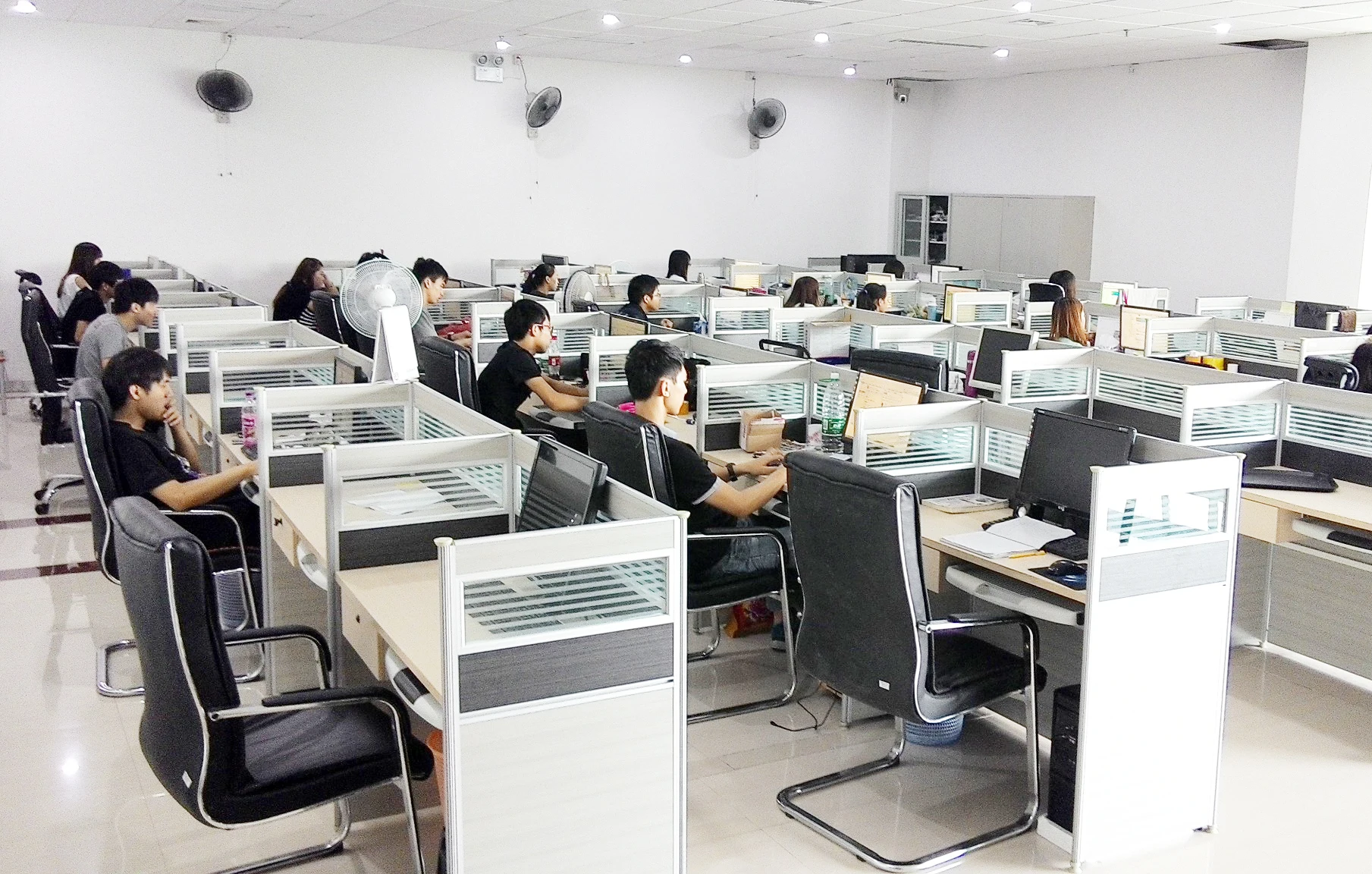
Guangzhou Aimeishi Jewelry Co., Ltd.
- Manufacturer
- Guangdong, China
- Lead time7 days
- Avg. response≤ 3h
Main productsBracelet,Ring,Earring,Necklace,Jewelry Set
Main marketsNorth America(35.00%), South America(15.00%), Southern Europe(10.00%), Northern Europe(10.00%), Western Europe(10.00%), Eastern Europe(10.00%), Southeast Asia(5.00%), South Asia(1.00%), Mid East(1.00%), Africa(1.00%), Central America(1.00%), Eastern Asia(1.00%)

Jinjiang Jiaxing Supply Management Co., Ltd.
- Verified by TUVRHEINLAND
- Trading Company
- China Fujian
- Lead time30 days
- Avg. response≤ 2h
Main productsEVA Clogs, Flip Flop, Shoe Charms, Shopping Bags, Wristbands, Gifts, Promotional Gifts, Slipper, Sport Cap, Ball
Main marketsNorth America

Guangzhou Quancheng Important And Export Co., Ltd.
- Trading Company, Distributor/Wholesaler
- Guangdong, China
- Lead time15 days
- Avg. response≤ 3h
Main productsmagnet,Sintered Ndfeb,Bonded Ndfeb,Flexible Ndfeb,Ferrite magnet
Main marketsNorth America(50.00%), Southern Europe(10.00%), Northern Europe(10.00%), Central America(10.00%), Western Europe(10.00%), Eastern Europe(10.00%)
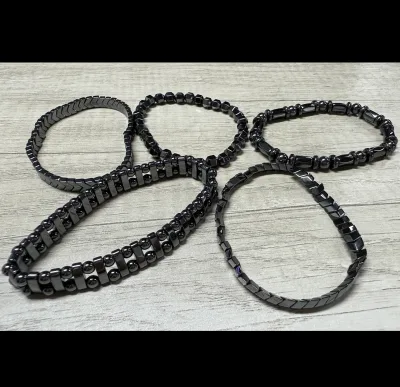
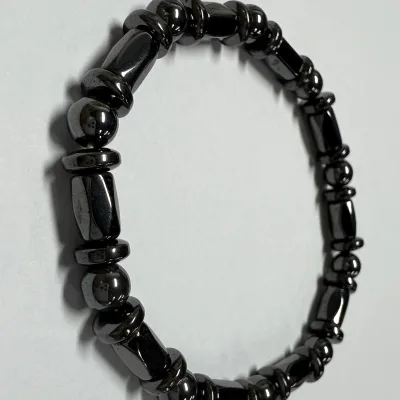
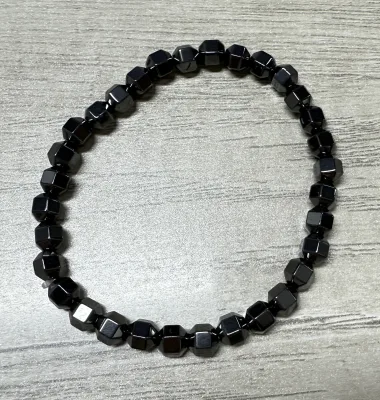
Wholesale Handmade 4PCS Black Stone Beaded Bracelets Set Natural Magnetic Healing Bracelets
$0.29 - $0.35
MOQ: 1000 pieces

Shenzhen Lambo Jewelry Co., Ltd.
- Manufacturer, Trading Company
- Guangdong, China
- Lead time30 days
- Avg. response≤ 3h
Main productsfashion jewelry,Biomagnetic jewelry,pure copper bracelet,magnetic therapy bracelet,other jewelry gifts
Main marketsNorth America(30.00%), Eastern Europe(10.00%), South Asia(5.00%), Southern Europe(5.00%), Northern Europe(5.00%), Central America(5.00%), Western Europe(5.00%), Eastern Asia(5.00%), Mid East(5.00%), Oceania(5.00%), Africa(5.00%), Southeast Asia(5.00%), South America(5.00%)
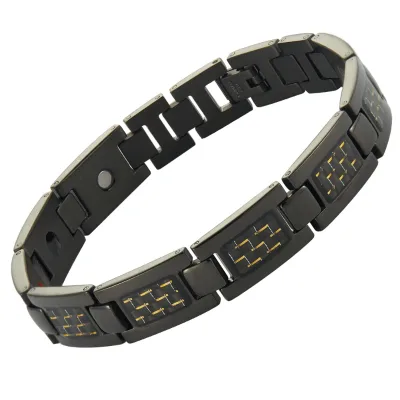
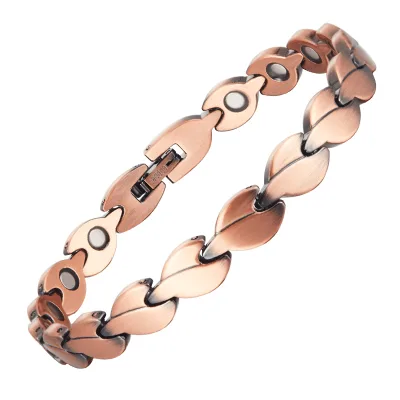
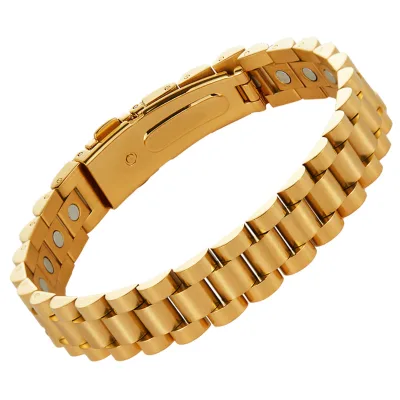
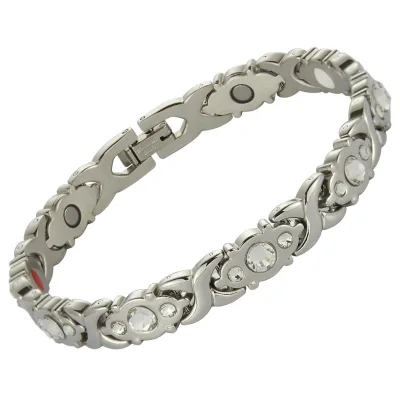
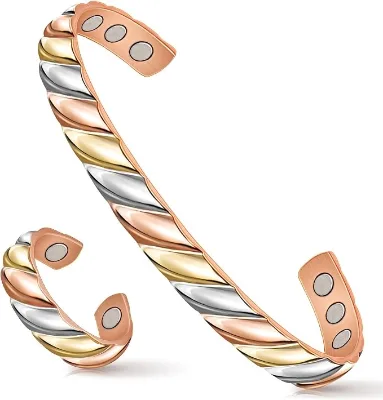
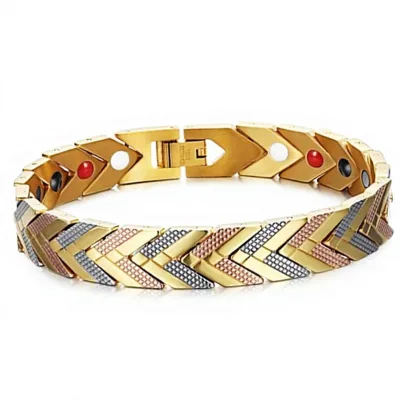
Magnetic Therapy Fine Jewelry Tensor Copper Bracelet with Piercing Chan El Fashion Charm Bracelets
$4.80 - $6.00
MOQ: 5 pieces
Dongguan Biomagnetic Jewelry Co., Limited
- Verified by Intertek
- Manufacturer, Trading Company
- Lead time45 days
- Avg. response≤ 2h
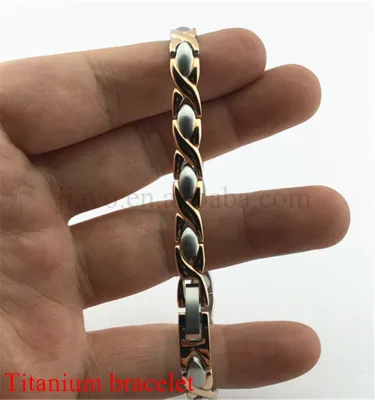
Main productsCopper Bracelets, Stainless Steel Bracelets, Titanium Bracelets, Copper Rings
Main marketsNorth America(60%), Western Europe(15%), Oceania(8%)

Guangzhou Canotiv Jewelry Co., Ltd.
- Trading Company
- Guangdong, China
- Lead time0 days
- Avg. response≤ 1h
Main productsEnergy Magnetic jewelry,Stainless steel jewelry,Leather bracelets,Outdoor Survival Sports Products,Anchor bracelets
Main marketsNorth America(30.00%), Western Europe(22.00%), South America(20.00%), Northern Europe(18.00%), Southern Europe(10.00%)
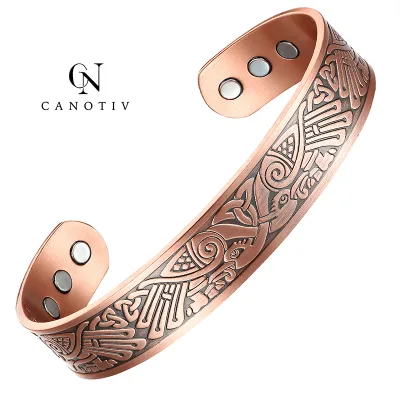

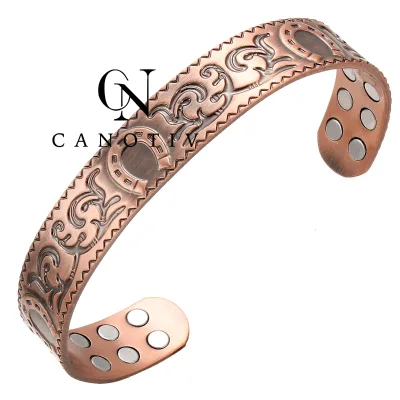
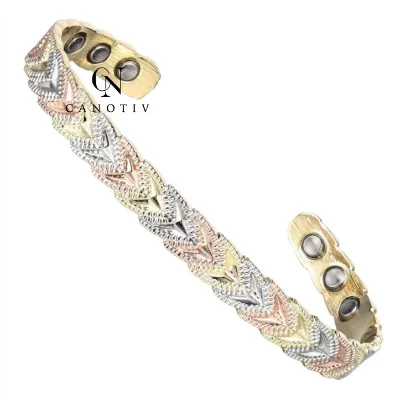
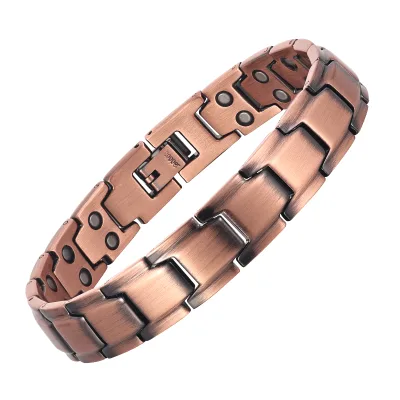
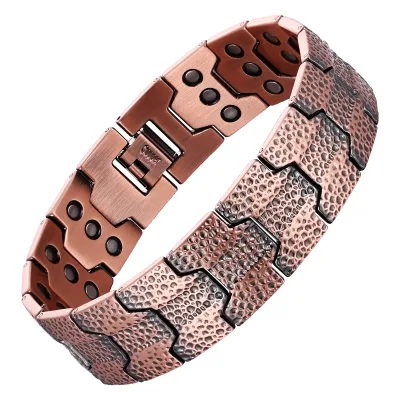
High Quality Wide Copper Cuff Magnet Bangles Mens Negative Ion Power Bracelet Adjustable
$3.65 - $4.36
MOQ: 50 Minimum
Shen Zhen E-Store Elec-Tech Co., Ltd.
- Verified by SGS Group
- Trading Company
- Guangdong, China
- Lead time7 days
- Avg. response≤ 5h
Main productsEnergy Pendant/Energy Bracelet, Anti Radiation Sticker, Face Roller, Alkaline Water
Main marketsNorth America(40%), Western Europe(20%), Southeast Asia(10%)

GOODLINESS JEWELLERY CO., LIMITED
- Verified by SGS
- Manufacturer
- China Guangdong
- Lead time23 days
- Avg. response≤ 7h
Main products925 Silver Ring, Brass Jewelry, 925 Silver Earring, 925 Silver Necklace, 925 Silver Set, 925 Silver Bangle, Customer's Design, 925 Silver Bracelet, Silver Accessory, Brass Accessory
Main marketsSoutheast Asia/ Mideast,Europe,North America

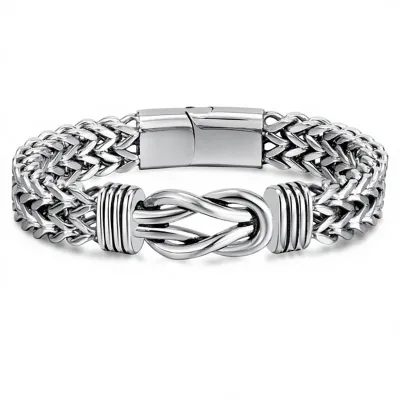
Adjustable Magnetic Chain Link Women String Rope Infinity Friendship Bracelet
$4.53 - $5.03
MOQ: 20 Pieces

Magnetic Adjustable Copper Gold Chain Pearl String Friendship Hand Bracelet
$3.24 - $5.61
MOQ: 20 Pieces

Dongguan Jiavo Electronic Technology Co., Ltd.
- Trading Company
- Guangdongsheng, China
- Lead time7 days
- Avg. response≤ 1h
Main productsEnergy Saver Card,Negative Ion Shower Head,Scalar Energy Pendant,Anti Radiation Sticker,Household water purifier
Main marketsAfrica(20.00%), Northern Europe(10.00%), North America(10.00%), Western Europe(10.00%), South America(10.00%), Domestic Market(5.00%), South Asia(5.00%), Southern Europe(5.00%), Oceania(5.00%), Central America(5.00%), Eastern Europe(5.00%), Eastern Asia(5.00%), Mid East(5.00%)

Dongguan Hongsheng Craft Gifts Co., Ltd.
- Verified by TUVRHEINLAND
- Trading Company
- China Guangdong
- Lead time30 days
- Avg. response≤ 5h
Main productsStainless Steel Ring, Stainless Steel Pendant Charm, Stainless Steel Leather Bracelet, Stainless Steel Bracelet Bangle, Stainless Steel Earring, Stainless Steel Chain, Leather Cord, Clothing Accessories, Key Chains, Rubber Products
Main marketsSouth America,Europe

Punk Bangle Fashion Simple Stainless Steel Charms Magnetic Clasp Leather Bracelet for Men
$3.90 - $4.20
MOQ: 50 Pieces

Wrap Twist Twisted Steel Wire Bangle Bracelet Adjustable Jewelry Cable Wire Bangle
$2.10 - $2.70
MOQ: 50 Pieces

Natural Stone Handmade Stainless Steel Magnet Clasp Multilayer Leather Bracelet
$3.50 - $3.80
MOQ: 50 Pieces

Shenzhen Hengda Xin Jewelry Co., Ltd.
- Verified by BV
- Combined
- China Guangdong
- Lead time15 days
- Avg. response≤ 2h
Main productsJewelry, Stainless Steel Fittings, Stainless Steel Jewelry, Necklace, Bracelet, Stud Earrings, Ring, Pendant, Fashion Jewelry, Fashion Accessories
Main marketsSoutheast Asia/ Mideast,East Asia(Japan/ South Korea),Domestic,Europe,Australia,North America

Shenzhen Jinshengrun Technology Co., Ltd.
- Manufacturer/Factory
- China Guangdong
- Lead time0 days
- Avg. response≤ 3h
Main productsStainless Steel Bracelets and Necklaces, Tungsten Steel Ring, Tungsten Ring, Smartwatch(Activity Tracker), Smart Ring, Titanium Steel Necklace, Necklace Pendant, Smart Glasses

- Manufacturer, Trading Company
- Zhejiang, China
- Lead time20 days
- Avg. response≤ 5h
Main productsBracelet,Necklace,Anklet,Key Ring
Main marketsNorth America(59.60%), Western Europe(37.80%), Africa(1.60%), Northern Europe(0.50%), Oceania(0.50%)

Ningbo Anklun Imp. & Exp. Co., Ltd.
- Verified by SGS
- Trading Company
- China Zhejiang
- Lead time30 days
- Avg. response≤ 3h
Main productsBags and Suitcase, LED Lights and LED Torches, Umbrellas, Toys and Inflatable Items, Stationeries and Gifts, Keychains and Bottle Openers, Kitchenwares&Dishwares, Tools, Daily Necessities General Merchandises, Promotional Items Gifts and Goods
Main marketsEurope


Silicone Rubber Colorful Fashion Sports Kids Promotion Advertising Gift Wristband Bracelet
$0.10 - $0.20
MOQ: 3000 Pieces

$0.10 - $0.20
MOQ: 3000 Pieces

Hot Selling High Quality Fashion Promotion Advertising Gift Bracelet Wrist Ribbon Webbing Straps
$0.10 - $0.20
MOQ: 5000 Pieces

Guangzhou Kemiya Nano-Tech Co., Ltd.
- Manufacturer
- Guangdong, China
- Lead time7 days
- Avg. response≤ 4h
Main productsEMF sticker,Bio Disc,Alkaline water products,Energy card,Quantum pendant
Main marketsNorth America(30.00%), Eastern Europe(15.00%), Northern Europe(10.00%), Central America(10.00%), Africa(10.00%), Southeast Asia(10.00%), South Asia(5.00%), Western Europe(5.00%), Oceania(5.00%)
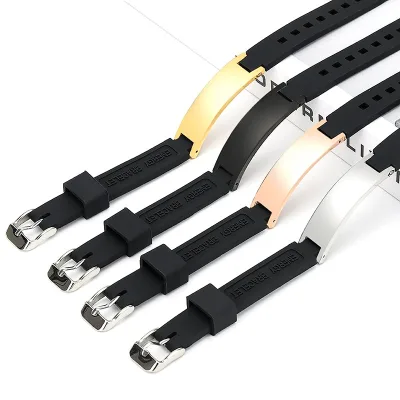
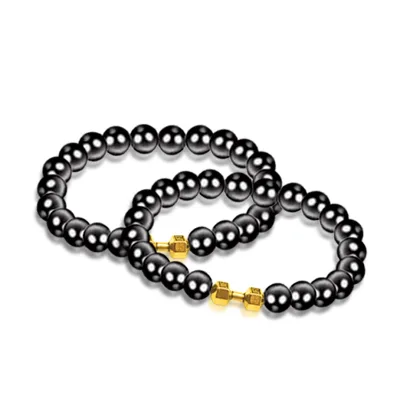
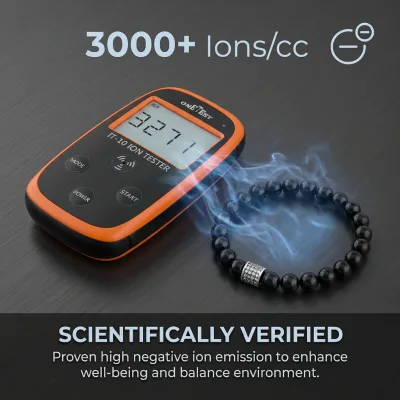
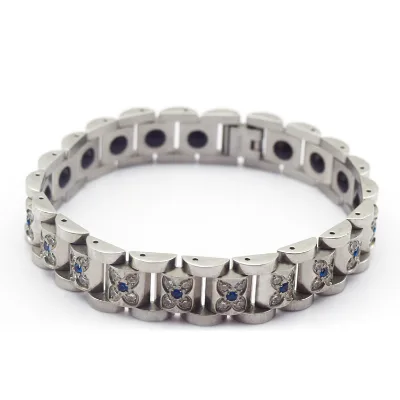
$14.28 - $17.50
MOQ: 5 Minimum

Zhongshan Xinyuan Silicone Rubber Co. Ltd
- Verified by TUVRHEINLAND
- Combined
- China Guangdong
- Lead time15 days
- Avg. response≤ 2h
Main productsSilicone Mold, Silicone Ice Cube Tray, Silicone Wristband, Silicone Tea Infuser, Silicone Bakeware, Silicone Keychain, Silicone Cup Coaster, Silicone Bag
Main marketsSouth America,Southeast Asia/ Mideast,Domestic,Europe,North America
Shenzhen Junhong Jewelry Gift Co.,ltd
- Trading Company, Distributor/Wholesaler
- Guangdong, China
- Lead time15 days
- Avg. response≤ 4h
Main productsfashion jewelry,body jewelry,stainless steel jewelry,titanium jewelry,copper jewelry
Main marketsNorth America(45.00%), Western Europe(12.00%), Southern Europe(8.00%), Central America(7.00%), Mid East(6.00%), Northern Europe(6.00%), Oceania(5.00%), Eastern Europe(4.00%), South America(3.00%), Eastern Asia(2.00%), Southeast Asia(2.00%)

Shenzhen Marvel Electronic Co., Ltd.
- Verified by TUVRHEINLAND
- Trading Company
- China Guangdong
- Lead time15 days
- Avg. response≤ 9h
Main productsCustom Jewelry, Silver Jewelry, Earring, Necklace, Bracelet, Nose Ring, Jewelry Set, Fashion Jewelry, Brooch
Main marketsEurope,North America

Dongguan Chengda Rubber and Plastic Co., Ltd
- Verified by SGS
- Trading Company,Manufacturer/Factory
- China Guangdong
- Lead time23 days
- Avg. response≤ 4h
Main productsSilicone Products, Machnie Part, Silicone Gifts, Silicone Bag, Medicial Products, Silicone Bra, Custom Silicone Product, Silicone Toy
Main marketsEastern Europe

Promotion Gifts Elastic Silicone Bracelets Custom Wristband Soft Link Chain Bracelet
$0.50 - $0.65
MOQ: 1000 Pieces

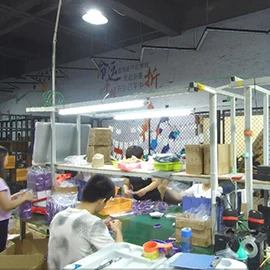
Foshan Craftwolf Jewelry Factory
- Manufacturer, Trading Company
- Guangdong, China
- Lead time1 days
- Avg. response≤ 1h
Main productsNecklaces,pendants,bracelets,earrings,RING
Main marketsDomestic Market(50.00%), Western Europe(20.00%), North America(15.00%), South America(5.00%), Southeast Asia(5.00%), Mid East(5.00%)




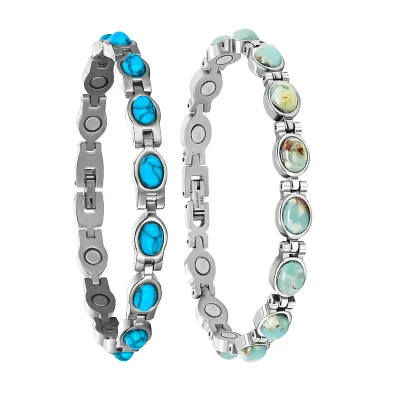


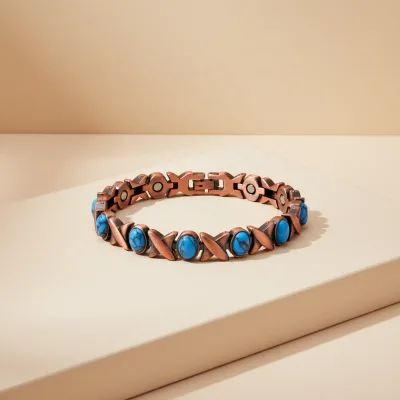
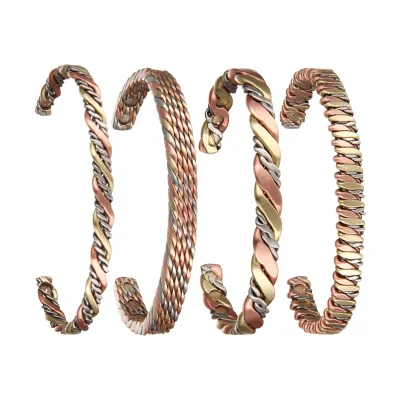
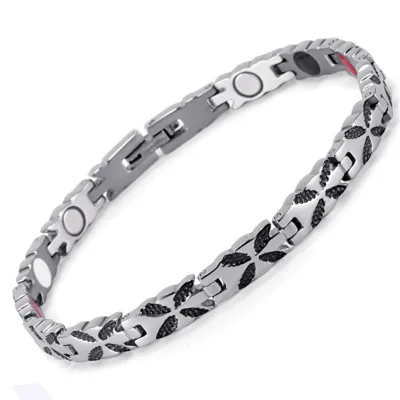
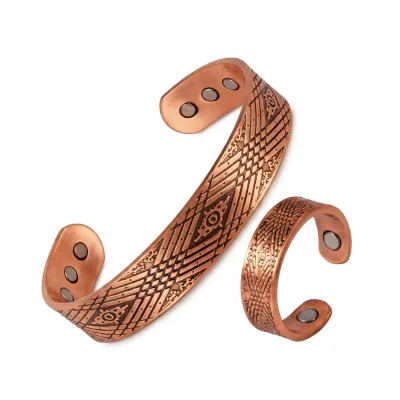
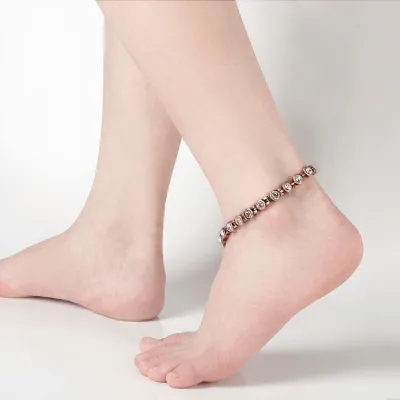
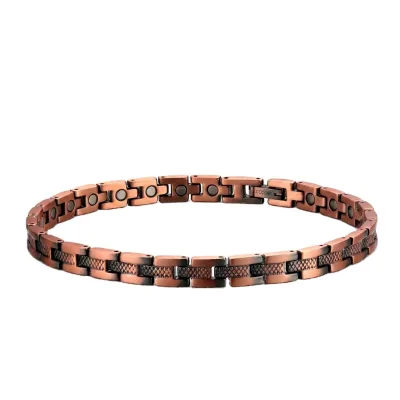
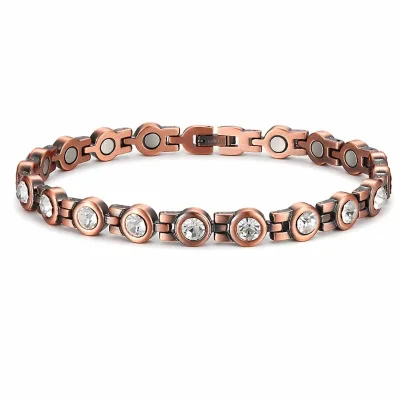






Comprehensive Sourcing Guide
Channel Setting Magnet Bracelet Supplier Concentration and Factory Types
The current supplier landscape for channel setting magnet bracelets reveals a distinct split between trading companies and direct manufacturers, each offering different advantages for sourcing. Evidence indicates that suppliers located in China Fujian operate primarily as trading companies, focusing on a broad array of magnetic materials including NdFeB, SmCo, and Ferrite magnets alongside finished jewelry items like therapy bracelets. These entities often aggregate products from various workshops, providing buyers with a wide selection of styles, such as crystal, jade, or rhinestone designs, without necessarily controlling the core manufacturing process. In contrast, suppliers based in China Zhejiang are identified as manufacturers or factories, specializing in the production of raw magnetic components like neodymium disc magnets and cylinder magnets. This structural difference is critical for buyers, as trading companies may offer faster access to diverse finished goods, while factories provide deeper control over the magnetic specifications and material grades used in the bracelet components.
Understanding these factory types helps buyers align their procurement strategy with their specific needs for customization and volume. Trading companies in Fujian often highlight customization availability for finished jewelry pieces, catering to brands that require specific aesthetic details like gold or silver colors and formal occasion styling. They may also offer lower minimum order quantities for finished goods, making them suitable for smaller batches or rapid prototyping of fashion jewelry. On the other hand, Zhejiang-based manufacturers focus on the technical aspects of the magnet itself, such as grade, coating, and tolerance, which are essential for buyers who intend to assemble their own bracelets or require specific magnetic performance for therapeutic or industrial applications. By recognizing whether a supplier is a trader or a factory, buyers can better anticipate the level of direct communication, the flexibility in design changes, and the potential for cost savings when sourcing channel setting magnet bracelets for their respective market segments.
How to Verify Channel Setting Magnet Bracelet Suppliers
Verifying the credibility and capabilities of suppliers requires a multi-layered approach that goes beyond simple product listings, focusing on certifications, response times, and verification badges. Buyers should prioritize suppliers who display recognized system certifications, such as ISO 9001, which indicates a standardized quality management system in place for manufacturing processes. Additionally, verification badges from third-party agencies like SGS provide an external layer of trust, confirming that the supplier’s operations and product claims have been independently assessed. For instance, some manufacturers in Zhejiang have been verified by SGS, which adds a significant layer of assurance regarding their production capabilities and compliance with international standards. Buyers should also pay close attention to the supplier’s response time, as a faster response often correlates with better communication channels and more attentive customer service, which is crucial when negotiating custom specifications for channel setting magnet bracelets.
Beyond certifications and response metrics, buyers must scrutinize the specific product attributes and origin details provided in the supplier’s catalog to ensure alignment with their quality requirements. Evidence shows that products may list specific standards such as ROHS, SGS, and CE, which are vital for ensuring that the materials used in the bracelets, including the magnets and any coatings, are safe and compliant with regulatory requirements in target markets. Buyers should verify that the stated origin, such as Fujian or Zhejiang, matches the supplier’s declared location and that the product attributes, like material composition and coating type, are clearly defined. It is also important to check if the supplier offers OEM capabilities, as this indicates their ability to produce custom designs rather than just off-the-shelf items. By cross-referencing these verification details with the product evidence, buyers can build a more accurate profile of each supplier’s reliability and technical competence, reducing the risk of partnering with entities that may not meet their quality or compliance standards.
What to Compare Across Channel Setting Magnet Bracelet Suppliers
When evaluating multiple suppliers, buyers should systematically compare key operational metrics such as lead times, minimum order quantities, and price ranges to determine the best fit for their business model. Lead times vary significantly, with some suppliers indicating a lead time of around 23 days, which is a crucial factor for inventory planning and meeting market demand deadlines. Minimum order quantities also differ, ranging from as low as 100 units for certain magnetic components to 2000 or more for finished jewelry items, allowing buyers to select suppliers that match their volume requirements. Price comparisons should consider both the unit cost and the total value, as prices for magnetic bracelets can range from $0.01 to $10.00 depending on the material, complexity, and customization level. By analyzing these metrics side-by-side, buyers can identify suppliers that offer the best balance of cost efficiency, speed, and volume flexibility for their specific Channel Setting Magnet Bracelet needs.
In addition to operational metrics, buyers should compare the range of main products and customization options offered by each supplier to ensure they can meet diverse customer demands. Some suppliers specialize in a wide variety of magnetic materials and finished jewelry, offering options for different styles, colors, and occasions, which is beneficial for buyers looking for a one-stop solution. Others may focus on specific technical specifications, such as neodymium magnet grades and cylinder shapes, which are ideal for buyers who require precise magnetic performance. Customization availability is another key differentiator, with many suppliers offering options for custom sizes, coatings, and packaging. Buyers should also consider the supplier’s ability to provide neutral packing or export-standard packaging, as this can impact branding and logistics costs. By thoroughly comparing these product and service attributes, buyers can make informed decisions that align with their brand identity, quality standards, and logistical requirements.
Common Channel Setting Magnet Bracelet Sourcing Risks
Sourcing channel setting magnet bracelets involves several potential risks that buyers must proactively manage to ensure a smooth procurement process. One significant risk is the discrepancy between advertised product attributes and the actual goods received, particularly regarding magnetic strength, material composition, and coating durability. For example, while suppliers may claim their magnets are of a specific grade, such as N35 or N52, buyers should verify these claims through independent testing or by requesting detailed test reports. Another risk is the variability in lead times, which can disrupt supply chains if not properly accounted for in planning. Suppliers may experience delays due to raw material shortages or production bottlenecks, so buyers should establish clear communication channels and contingency plans to mitigate these disruptions. Additionally, the risk of non-compliance with international standards, such as ROHS or CE, can lead to customs issues or product recalls, making it essential to verify certifications before placing large orders.
Quality control inconsistencies are another common risk, especially when dealing with trading companies that may source from multiple factories with varying quality standards. Buyers should implement strict quality assurance protocols, including pre-shipment inspections and sample approvals, to ensure that the final products meet their specifications. Packaging issues can also pose a risk, as improper packaging may lead to damage during transit, particularly for fragile components like crystal or jade settings. Buyers should verify that suppliers use appropriate packaging methods, such as neutral packing with wooden cases and paper cartons, to protect the products. Furthermore, the risk of intellectual property infringement exists if suppliers use unauthorized designs or trademarks, so buyers should ensure that all custom designs are properly protected and that suppliers adhere to ethical manufacturing practices. By identifying and addressing these risks early in the sourcing process, buyers can minimize potential losses and build a more resilient supply chain.
Channel Setting Magnet Bracelet Regional Sourcing and Logistics
Regional sourcing plays a crucial role in determining the logistics, costs, and overall efficiency of procuring channel setting magnet bracelets. Suppliers located in China Fujian and China Zhejiang represent two distinct manufacturing hubs, each with its own logistical advantages and characteristics. Fujian-based suppliers, often trading companies, may benefit from established export channels and experience in handling diverse product ranges, which can simplify logistics for buyers seeking finished jewelry items. Zhejiang-based manufacturers, on the other hand, may offer more direct control over the production process, potentially leading to more consistent quality and faster turnaround times for custom magnetic components. Buyers should consider the proximity of these regions to major ports and transportation networks, as this can impact shipping costs and delivery times. Additionally, regional differences in labor costs and regulatory environments can influence pricing and compliance requirements, making it important to evaluate these factors when selecting a sourcing location.
Logistics planning should also account for the specific packaging and handling requirements of magnetic bracelets, which may include special considerations for magnetic materials and fragile components. Suppliers often use standard export packaging or customized neutral packing, which can affect the efficiency of loading and unloading during transit. Buyers should work closely with their suppliers to ensure that packaging meets international shipping standards and protects the products from damage. Furthermore, buyers should consider the availability of freight forwarders and logistics partners in these regions, as established relationships can lead to better rates and more reliable service. By understanding the regional logistics landscape, buyers can optimize their supply chain, reduce transportation costs, and ensure timely delivery of channel setting magnet bracelets to their target markets. This strategic approach to regional sourcing and logistics helps buyers navigate the complexities of international trade and build a more efficient procurement process.
Channel Setting Magnet Bracelet Commercial Terms and Order Planning
Effective order planning for channel setting magnet bracelets requires a thorough understanding of commercial terms, including payment conditions, shipping responsibilities, and after-sales support. Buyers should negotiate clear terms regarding payment methods, such as letters of credit or escrow services, to protect their financial interests and ensure that payments are released only upon satisfactory delivery of goods. Shipping terms, such as FOB or CIF, should be carefully selected based on the buyer’s logistics capabilities and risk tolerance, with clear agreements on who bears the cost and responsibility for transportation and insurance. Additionally, buyers should establish clear expectations for after-sales support, including warranty policies and procedures for handling defective products or returns. By defining these commercial terms upfront, buyers can minimize disputes and ensure a smooth transaction process, fostering a more collaborative and trustworthy relationship with their suppliers.
Order planning should also incorporate strategies for managing inventory and demand fluctuations, particularly for products with varying minimum order quantities and lead times. Buyers should develop a flexible ordering strategy that allows them to adjust quantities based on market demand, while maintaining a buffer stock to mitigate supply chain disruptions. Regular communication with suppliers is essential for staying informed about production schedules, material availability, and potential delays, enabling buyers to make proactive adjustments to their plans. Furthermore, buyers should consider the total cost of ownership, including not only the unit price but also shipping, customs duties, and potential quality control costs, to make informed decisions about supplier selection and order sizing. By integrating these commercial and planning considerations into their sourcing strategy, buyers can optimize their procurement process, reduce costs, and enhance their competitiveness in the Channel Setting Magnet Bracelet market.
FAQs
What is the price range for magnetic bracelets?
Prices vary significantly based on material and customization. Options range from $0.01 to $10.00 per unit. Basic neodymium magnets start at $0.01, while fashion crystal or jade styles cost between $0.50 and $10.00. Buyers should check specific product listings for exact pricing tiers and volume discounts.
What is the minimum order quantity for these items?
MOQs depend on the specific product type and supplier. Neodymium magnet bracelets typically require a minimum of 100 to 5,000 pieces. Fashion jewelry styles often have MOQs of 1,000 or 2,000 units. Buyers must verify the exact MOQ on individual product pages before placing orders.
Where are these suppliers located?
Suppliers are primarily located in China, specifically in Fujian and Zhejiang provinces. Fujian suppliers often focus on fashion jewelry and therapy bracelets. Zhejiang manufacturers specialize in neodymium magnets and industrial components. Buyers can filter results by these specific regions to find relevant sourcing partners.
What certifications are available for magnetic bracelets?
Common certifications include ROHS, SGS, and CE for jewelry items. Neodymium magnet suppliers often hold ISO 9001 system certification and SGS verification. Buyers should request specific certification documents for each product to ensure compliance with international safety and quality standards for their target markets.
How fast do suppliers respond to inquiries?
Response times vary by supplier type and location. Trading companies in Fujian show average response times around 4.71 hours. Manufacturers in Zhejiang demonstrate faster response rates, averaging 3.68 hours. Buyers should expect quicker replies from factory-direct suppliers compared to trading companies for technical inquiries.
What materials are used in magnetic bracelets?
Materials include crystal, jade, rhinestones, and sintered neodymium-iron-boron. Fashion styles often use crystal or jade with permanent magnet compositions. Industrial options use nickel or epoxy-coated neodymium magnets. Buyers should select materials based on whether the product is for health therapy, decoration, or industrial application.