Chinese Style Ceramic Vase Suppliers and Manufacturers
Explore 15 verified options for Chinese Style Ceramic Vase from Guangdong, Fujian, and Shandong. Compare response times, lead times, certifications, and MOQs to find the right partner. Contact suppliers directly to request samples and confirm pricing; review the available evidence before requesting comparable quotations from suitable candidates.
Suppliers List
Chaozhou Jizhi Ceramics Co., Ltd
- Manufacturer, Trading Company
- Guangdong, China
- Lead time40 days
- Avg. response≤ 7h
Main productsFlower vase,ceramic pot,ceramic animal,table lamp,ceramic fruit plate
Main marketsNorthern Europe(30.00%), South America(20.00%), South Asia(10.00%), North America(10.00%), Eastern Asia(10.00%), Southeast Asia(10.00%), Eastern Europe(10.00%)

Jinjiang Jiayi Supply Chain Management Co., Ltd.
- Verified by BV
- Trading Company
- China Fujian
- Lead time30 days
- Avg. response≤ 1h
Main productsGift, Shoe, Garment, Machine
Main marketsDomestic

Handmade New Chinese Living Room Flower Arrangement Hydroponic Ceramic Vase
$6.15 - $6.20
MOQ: 200 Pieces

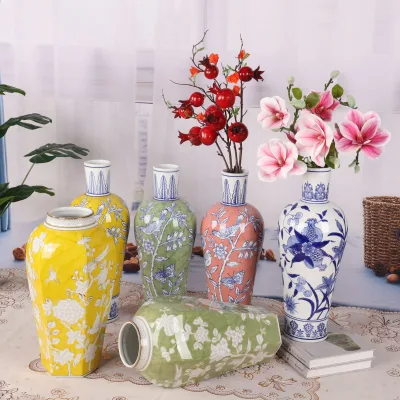
New Chinese High Sense Retro Blue and White Porcelain Octagonal Ceramic Vase
$4.78 - $4.80
MOQ: 200 Pieces


Golden Ace Industrial Co., Ltd.
- Verified by BV
- Combined
- China Shandong
- Lead time60 days
- Avg. response≤ 8h
Main productsGlassware, Kitchenware, Houseware, Glass Vase, Giftware
Main marketsAfrica,Southeast Asia/ Mideast,Europe,Australia,North America


Nordic Style Home Decoration Pear Shape Ceramic Vase
MOQ: 1000 Pieces

- Verified by BV
- Trading Company
- China Shandong
- Lead time30 days
- Avg. response≤ 2h
Main productsCeramic Mugs, Ceramic Dinnerware, Ceramic Tea Set, Ceramic Kitchen Ware, Custom Drum Shape Ceramic Coffee Mug, 24oz Large Capacity 3D Embossed Mug, Porcelain Cappuccino Cup and Saucer, 14oz Custom Souvenirs Ceramic Mug, 12 Sets Vintage Reactive Glazed Tableware, Custom Royal White Ceramic Milk Jar
Main marketsNorth America

Modern Ceramic Art Vase Ceramic Hand Flower Vase Unique Gift Porcelain Vase
$1.00 - $3.00
MOQ: 3000 Pieces

Chinese Factory Small Indoor Vase Green Plant Vase Custom Color Size Ceramic Flower Vase
$0.75 - $3.00
MOQ: 3000 Pieces


Black Decorative Vase Custom Color Ceramic Tall Vase Modern Flower Vase
$1.00 - $3.00
MOQ: 3000 Pieces

Round Ceramic Decorative Vase Custom Gift Flower Vase Modern Ceramic Vase
$1.00 - $3.00
MOQ: 3000 Pieces

- Trading Company
- China Zhejiang
- Lead time30 days
- Avg. response≤ 11h
Main productsHome Appliance, Cookware Set, Thermos, Home Storage, Furniture, Pet Supplies, Garden Tools, Outdoor Supplies, Baby Supplies, Houesehold Items
Main marketsSouth America,Africa,Southeast Asia/ Mideast,East Asia(Japan/ South Korea),Domestic,Europe,Australia,North America


Living Room Interior Home Decor Simple Decor Circular Modern Ceramic Flower Pot Vase
$2.13 - $3.54
MOQ: 1000 Pieces


Jinan Glass International Trade Co., Ltd.
- Manufacturer/Factory
- China Shandong
- Lead time15 days
- Avg. response≤ 6h
Main productsGlass Smoking Pipe, Glass Pipe, Printing and Package, Laboratory Glassware, Home Glassware, Machine, Sticker, Wall Decal
Main marketsSouth America,Eastern Europe,North America,Southeast Asia,Eastern Asia,Oceania,Western Europe,Africa

- Trading Company
- Fujian, China
- Lead time120 days
- Avg. response≤ 2h
Main productsA wide range of Ceramic/Porcelain/Stoneware items,such as Spring/Valentine/Easter/Summer/Autumn/Halloween/Christmas/Bathroom wares/Tableware/ Home Decor,Etc...
Main marketsEastern Europe(35.00%), Northern Europe(30.00%), Western Europe(20.00%), Southern Europe(10.00%), North America(5.00%)
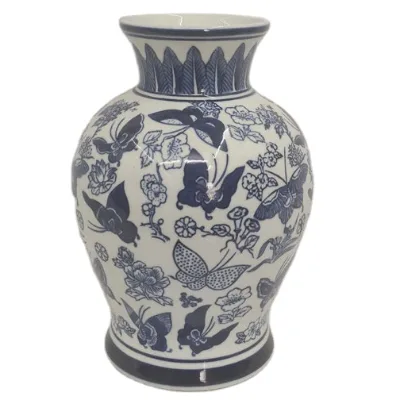
Flower Vase Blue and White Ceramic, New, Vintage, Chinese, Decorative Home
$9.01 - $33.45
MOQ: 300 Minimum
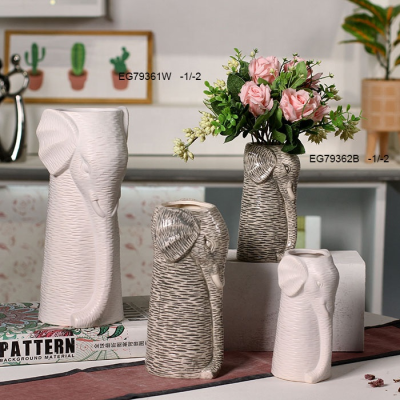

Ningbo H&G Home Decoration Limited
- Combined
- China Zhejiang
- Lead time60 days
- Avg. response≤ 9h
Main productsMetal Candle Lantern, Wood Candle Lantern, LED Candle Lantern, LED String Light Lantern, Metal Candle Holder, Candlestick, Wall Sconce Candle Holder, Flower Pot Stand, Metal Planter, Metal Plant Stand
Main marketsAfrica,Europe,Australia,North America


Ceramic Vase Ceramic Decoration Pot Ceramic Planter
MOQ: 500 Pieces
Fuzhou Saiqun Trading Co., Ltd.
- Trading Company
- Fujian, China
- Lead time10 days
- Avg. response≤ 5h
Main productsLed Candle,Fiber optic candle,Stress Ball,Promotional Toys,Squeeze toys
Main marketsNorth America(70.00%), Eastern Europe(15.00%), Oceania(10.00%), Eastern Asia(5.00%)

SHANGLI LIGHTING CRAFTS CO.,LTD
- Verified by BV
- Manufacturer/Factory
- China Guangdong
- Lead time30 days
- Avg. response≤ 10h
Main productsPortable Table and Floor Lamp, LED Lamp, Hotel Lamp, Chandelier Lamp, Pendant Lamp, Ceiling Lamp, Wall Lamp, Lampshade, Accessory, Mirror
Main marketsSouth America,Eastern Europe,Mid East,North America,Southeast Asia,Eastern Asia,Oceania,Western Europe,Africa

Handmade Chinese New Ceramic & Porcelain Vases Japanese Style Antique Ceramic
$12.00 - $28.00
MOQ: 1 Pieces


Shenzhen Guyun Ceramics Co., Ltd.
- Manufacturer, Trading Company, Distributor/Wholesaler
- Guangdong, China
- Lead time30 days
- Avg. response≤ 2h
Main productsceramic vase,ceramic pot,ceramic tableware,ceramic mug,ceramic wine bottle
Main marketsNorth America(20.00%), Southeast Asia(10.00%), Mid East(10.00%), Western Europe(10.00%), Central America(10.00%), Northern Europe(10.00%), Southern Europe(10.00%), South America(5.00%), Eastern Europe(5.00%), Eastern Asia(5.00%), South Asia(5.00%)

Ningbo General Union Co., Ltd.
- Verified by SGS
- Trading Company
- China Zhejiang
- Lead time45 days
- Avg. response≤ 9h
Main productsChristmas Tree, Party Supply, Christmas Ball, LED Light Strip, Halloween Product, Holiday Decoration, Santa Claus, Valentine's Day Product, Balloon Decoration, Birthday Decoration
Main marketsSouth America,Europe,North America


Ceramic Vase Set Simple White Unglazed Ceramic Vase Crafts Decoration Ornaments
$2.70 - $2.80
MOQ: 100 Pieces

Foshan Ciray Household Products Co., Ltd.
- Trading Company,Manufacturer/Factory
- China Guangdong
- Lead time45 days
- Avg. response≤ 18h
Main productsCeramic Plate, Ceramic Bowl, Ceramic Tray, Stainless Steel Tray, Stainless Steel Cutlery, Stainless Steel Plate, Coffee-Related Products, Ceramic Ornaments, Ceramic Tableware, Glass Tableware
Main marketsSouth America,Eastern Europe,North America,Oceania,Western Europe

Rizhao Baibo Packaging Co., Ltd.
- Verified by TUVRHEINLAND
- Trading Company
- China Shandong
- Lead time15 days
- Avg. response≤ 3h
Main productsGlass Vase, Glass Jar, Glass Bottle, Glass Beverage, Glass Candlestick Jar, Glass Lampshade
Main marketsNorth America

Ningbo Paiaopai Display Co., Ltd
- Verified by TUVRHEINLAND
- Combined
- China Zhejiang
- Lead time30 days
- Avg. response≤ 2h
Main productsMakeup Cosmetic Display Organizer Beauty, Jewelry Display Stand for Necklace Breclet Tray, Counter Display for Retial Store Sunglass, Buffet Display for Cake Dessert Party Stand, Funko Pop Acrylic Box Pokemon Etb Booster Pack, Acrylic Sign Label Price Tag Display Holder Fram, Juice Wine Display Racking Shelf Showcase, Acrylic Floor Display Pop up Display Side Table, House Decoration Display Stand Desktop Vase, Store Display Rack Supermarket Metal Acrylic PVC
Main marketsDomestic,North America




Comprehensive Sourcing Guide
Chinese Style Ceramic Vase Supplier Concentration and Factory Types
The supplier results for this category show a spread across several Chinese provinces rather than a single obvious cluster, so buyers should treat concentration as something to confirm rather than assume. Results include a supplier based in Guangdong whose main products are flower vases, ceramic pots, ceramic animals, table lamps and ceramic fruit plates, listed as both a manufacturer and a trading company. A second result is a trading company located in Fujian whose listed main products extend beyond ceramics into gifts, shoes, garments and machinery. A third is a combined-type company in Shandong whose main products centre on glassware, kitchenware, houseware, glass vases and giftware, with ODM and OEM capacity noted. This mix suggests buyers will encounter both specialist ceramic makers and diversified traders carrying vases within broader catalogues.
Because the visible results do not uniformly identify a dedicated ceramics cluster, the practical step is to infer concentration from evidence in listings. A supplier whose main products are dominated by ceramic vases, pots and tableware is more likely to sit in a production area for ceramics than one whose catalogue is mostly unrelated goods. Product titles also carry clues: one listing names a Chaozhou ceramic factory wholesale source, which points to a specific city-level production base worth mapping. Buyers should chart each supplier's stated province, catalogue composition and factory references to build their own concentration picture before shortlisting.
How to Verify Chinese Style Ceramic Vase Suppliers
Verification should start with the signals already displayed in supplier results, then move to checks the buyer requests directly. One Fujian-based trading company in the current results carries a BV verification badge, which is a third-party on-site audit mark and a meaningful starting signal, though it confirms the trading entity rather than ceramic quality. Company type also matters: the Guangdong result is labelled both manufacturer and trading company, while the Shandong result is combined and the Fujian result is purely trading. Ask each supplier directly whether they own a kiln and glazing line, or whether they subcontract ceramic production, because this changes who controls firing quality and repairs.
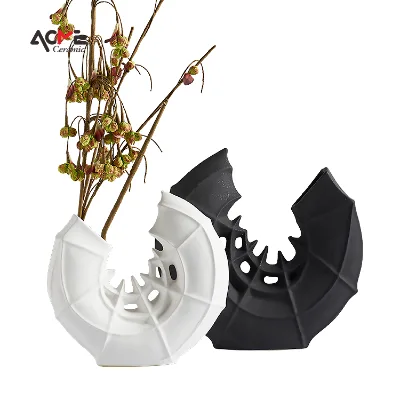
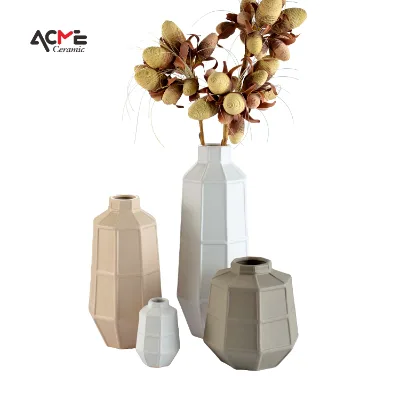
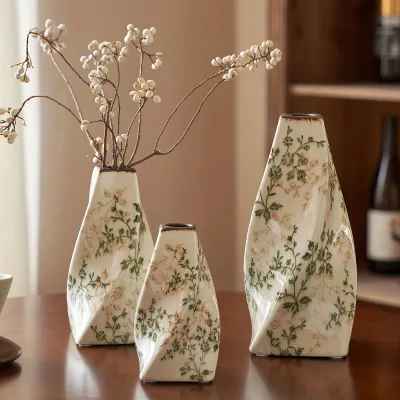
Beyond badges, verify capability through the products themselves. Listings such as handmade retro ceramic vases with artificial flowers, blue-and-white porcelain octagonal vases, and minimalist white vases from a named ceramic factory show stylistic range, but product photos are not proof of process. Request the factory's actual production evidence: recent videos of throwing, glazing and firing, samples from current tooling, and the ability to match glaze colour across a production run. For the Shandong supplier, the results show ISO9001:2015 and ISO14001:2015 system certificates; still confirm scope and validity dates directly, since system certificates cover management processes, not product safety testing. Finally, cross-check claimed origin: several listings state prod_origin China, but you should confirm the province and city where firing actually occurs, and reconcile that with the supplier's registered location.
What to Compare Across Chinese Style Ceramic Vase Suppliers
Build a comparison grid from the dimensions actually displayed, without assuming every supplier publishes every field. Lead times in the current results range from 30 days for the Fujian trading company to 40 days for the Guangdong manufacturer-trader and 60 days for the Shandong combined company, so allow roughly a month to two months of production before shipping. Response times differ sharply: one result shows a response time of under a fifth of an hour, while others show around 7 to 8 hours. For a category where glaze samples and colour approvals drive timelines, response speed affects how quickly revisions cycle.
Compare MOQ and price evidence next. Visible product MOQs run from 200 pieces on a hydroponic ceramic vase listing, 500 pieces on a retro handmade irregular floral vase, and 1000 pieces on a rustic antique-style vase, while one product attribute block states an MOQ of 10000, so confirm which figure applies before quoting. Price bands also vary widely: roughly 1.7 to 7 US dollars on the rustic antique vase, 5.8 to 8.7 on a vintage artstone-style ceramic piece, 1.9 to 11.5 on minimalist white factory-wholesale vases, and 25 to 27.5 on the higher-end handmade floral vase. Also compare main products and ODM/OEM capacity, since a ceramics-focused catalogue usually means deeper mould and glaze libraries than a trader carrying vases alongside shoes or machinery.
Common Chinese Style Ceramic Vase Sourcing Risks
The most frequent risk in this category is glaze and colour inconsistency between the approved sample and bulk production, especially for blue-and-white porcelain and colour-glazed finishes where small kiln variations are visible. A related risk is sample-versus-bulk substitution: handmade or irregular pieces look acceptable in small quantities but show variance across thousands of units. Mitigate by defining an acceptable tolerance for colour, size and surface defects in writing, and by retaining a signed golden sample before mass production starts.
Listing and structural risks deserve equal attention. Several current listings describe vases with artificial flowers included, plastic vases, and wooden vases, so confirm material composition line by line; a ceramic-intent buyer can otherwise order a composite or non-ceramic item by mistake. One Fujian listing shows a product attribute MOQ of 10000 against a listing-level MOQ of 200 — reconcile conflicting figures in writing before paying. Packing is another risk: one listing states each vase is packed in a polybag, which is insufficient protection for fired ceramic in mixed freight; specify inner boxes, dividers and drop-test standards. Customisation risk is real too: OEM is flagged on several listings, but confirm who owns the mould, whether mould fees apply, and whether the factory can reproduce a Chinese classical style accurately from drawings rather than photos. Finally, confirm lead-time assumptions: a 60-day result versus a 30-day one suggests capacity differences that show up as delays at peak season.
Chinese Style Ceramic Vase Regional Sourcing and Logistics
The three visible origins — Guangdong, Fujian and Shandong — all sit in coastal provinces with established export logistics, which matters for heavy, fragile cargo. Guangdong offers dense port access and, based on the product evidence naming a Chaozhou ceramic factory, likely proximity to ceramics production; Fujian likewise ships through major southern-eastern ports; Shandong's ports serve northern consolidation. For ocean freight, ceramic vases should be quoted by cubic volume, since irregular shapes and protective packaging inflate volume quickly. Ask each supplier which port they ship from and whether they routinely consolidate ceramic cargo, because experienced packers materially reduce breakage rates.
Mode selection should follow order size and urgency shown by lead-time data. With lead times of 30 to 60 days in the results, sea freight adds weeks but suits bulk orders at MOQs of 200 to 1000 pieces or more; air freight is only realistic for sample batches. For inland legs, confirm whether the quoted price includes delivery to port or door-to-door, and who insures fragile goods in transit. Regional comparison should also weigh catalogue fit: the Guangdong supplier's ceramic vase, pot and lamp range suggests local subcontracting of matching decor, while the Shandong combined supplier's glassware focus may mean ceramics are a secondary line with longer internal lead times. Verify warehouse location too, since a Fujian trading company may source ceramics from another province, adding internal transit before export.
Chinese Style Ceramic Vase Commercial Terms and Order Planning
Structure commercial terms around the evidence you can see, then negotiate what is missing. Use displayed price bands as anchor points — for example, minimalist white vases spanning roughly 1.9 to 11.5 US dollars depending on size, versus handmade porcelain pieces at 25 to 27.5 — and request tiered quotations at your intended volume against each supplier's stated MOQ. Clarify whether quoted prices include packing upgrades beyond a polybag, mould amortisation for custom shapes, and sample costs. Payment terms should balance cash exposure; because ceramic defects often appear only after firing and packing, tie a final payment portion to passed pre-shipment inspection rather than paying in full before dispatch.
Plan orders backward from lead times of 30, 40 and 60 days, adding sample approval cycles, which for colour-glazed ceramics commonly require two or three iterations. Order in stages on first cooperation: a pilot quantity near the minimum, then volume once breakage rates and colour consistency are confirmed. Where OEM is offered, agree mould ownership, tooling fees and reorder pricing in the contract. Confirm certificate scopes — such as the ISO9001:2015 and ISO14001:2015 systems shown for one supplier — and product-level test reports appropriate to your destination market before signing. Finally, document everything: signed golden sample, packing specification, tolerance sheet and incoterm, since these four documents resolve most disputes in fragile decor categories.
Word count check: approximately 1,380 words total across six sections, each within the 225–235-word band.
FAQs
Where are Chinese ceramic vase manufacturers located?
Manufacturers are located in Guangdong, China, Fujian, and Shandong. These regions host factories producing rustic, antique, and minimalist styles. Buyers should verify specific factory addresses to ensure proximity to ports for efficient shipping logistics.
What is the typical lead time for ceramic vase orders?
Lead times range from 30 to 60 days depending on the supplier. Some factories offer 30-day production while others require up to 60 days. Buyers must confirm the exact timeline with the specific vendor before placing a bulk order.
What are the minimum order quantities for ceramic vases?
Minimum order quantities vary significantly, starting from 1000 units for some items and reaching 10000 for others. Specific products may require 500 or 200 units. Buyers need to check the MOQ for each specific product model before negotiation.
Do suppliers offer customization services for ceramic vases?
Yes, many suppliers provide OEM and ODM services with customization available. Products can be customized with specific patterns, styles, and packing requirements. Buyers should confirm if the supplier accepts custom designs and what the associated costs might be.
What certifications do Chinese ceramic vase suppliers hold?
Some suppliers hold ISO9001:2015 and ISO14001:2015 certificates. Verification status like BV is also available for certain trading companies. Buyers should request current certification documents to ensure compliance with international quality and environmental standards.
How quickly do suppliers typically respond to inquiries?
Response times vary, with some suppliers responding within 0.18 hours and others taking up to 7 hours. Fast response is crucial for urgent sourcing needs. Buyers should prioritize suppliers with shorter response times for better communication efficiency.
What price ranges are available for Chinese ceramic vases?
Prices range from approximately 1.17 to 27.50 per unit depending on size and material. Specific models like plastic or wooden vases have different pricing tiers. Buyers should compare multiple listings to find the best value for their specific requirements.