Clothes Airer Suppliers and Manufacturers in China
Explore 24 verified suppliers offering Clothes Airer options with varying lead times, response speeds, and certifications. Buyers can compare locations in Henan, Zhejiang, and Guangdong alongside pricing and customization capabilities. Contact suppliers directly to request quotes for specific models; review the available evidence before requesting comparable quotations from suitable candidates.
Suppliers List

HENAN CLEMENT ALUMINUM CO., LTD.
- Combined
- China Henan
- Lead time30 days
- Avg. response≤ 6h
Main productsAluminum Profile, Telescopic Handle, Flag Pole, Tent Pole, Smart Clothes Drying Rack and Hanger
Main marketsSouth America,Southeast Asia/ Mideast,Europe,North America


Smart Foldable Wall Mounted Space Saving Retractable Clothesline Indoor Dryer Airer Hanger
$28.88 - $89.99
MOQ: 1 Pieces

High-End 10m/S Super Wind Power Heated Clothes Airer Dryer Ceiling Smart Electric Clothes Hanger
$28.88 - $89.99
MOQ: 1 Pieces
Hangzhou Doz Import & Export Co., Ltd.
- Manufacturer, Trading Company
- Zhejiang, China
- Lead time45 days
- Avg. response≤ 3h
Main productsRadiator,Towel Radiator,bathroom fitting,waste and trap,Radiator valve
Main marketsCentral America(8.0%), Western Europe(8.0%), Eastern Asia(8.0%), Mid East(8.0%), Oceania(8.0%), South Asia(8.0%), Southeast Asia(8.0%), Southern Europe(8.0%), Northern Europe(8.0%), North America(8.0%), Eastern Europe(7.000000000000001%), South America(7.000000000000001%), Domestic Market(5.0%), Africa(1.0%)

Guangdong Tianjun Intelligent Technology Co., Ltd.
- Verified by SGS
- Combined
- China Guangdong
- Lead time30 days
- Avg. response≤ 2h
Main marketsSoutheast Asia/ Mideast,East Asia(Japan/ South Korea),Europe


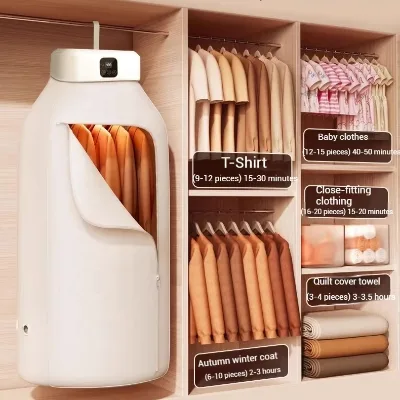
Efficient Baby Clothes Heated Drying Pod Airer with Quick Dry Technology
$23.50 - $25.00
MOQ: 600 Pieces


Efficient Heated Clothes Airer with Stylish Fabric Cover for Space Saving
$23.50 - $25.00
MOQ: 600 Pieces
Zhongshan Haoqizi Electric Appliance Co., Ltd.
- Manufacturer, Trading Company
- Guangdong, China
- Lead time25 days
- Avg. response≤ 6h
Main productsClothes Dryer
Main marketsDomestic Market(50.0%), South America(17.5%), Southeast Asia(15.0%), Southern Europe(10.0%), North America(2.5%), Africa(2.5%), South Asia(2.5%)
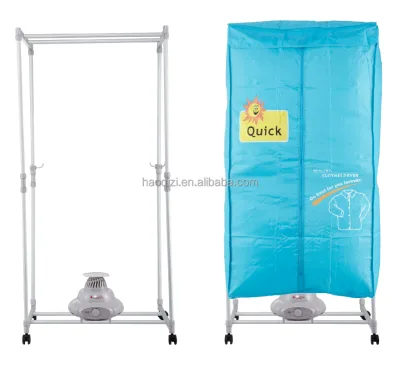
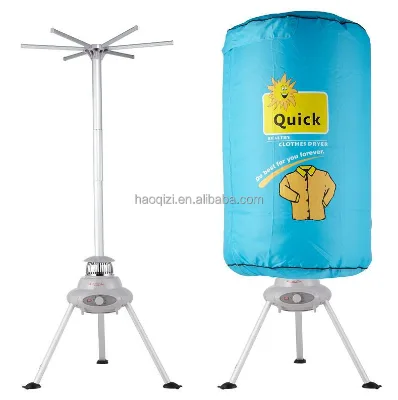
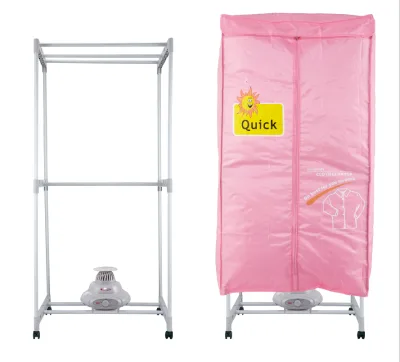
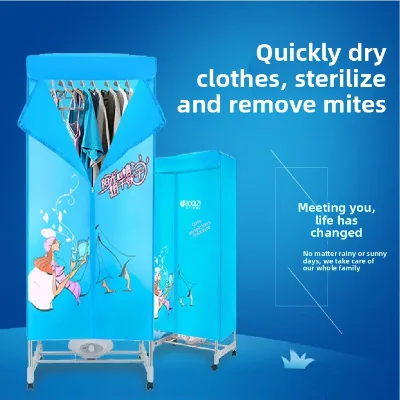
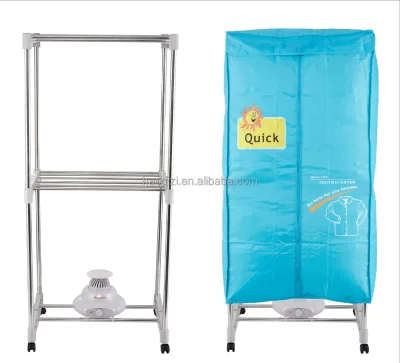
H-802F Single Layer Aluminum Rack Clothes Dryer
$20.00 - $25.00

Ningbo Soya Premium Home Products Co., Ltd.
- Verified by SGS
- Trading Company
- China Zhejiang
- Lead time15 days
- Avg. response≤ 1h
Main productsFolding Chair, Folding Table, Lounge Recliner, Furniture Set, Outdoor Shades, Outdoor Heater & Cooler, Awning, Camping Chair, Camping Van, Folding Bed
Main marketsEurope


Space-Saving Retractable Wall-Mounted Clothes Airer for Efficient Drying 100X50cm 6 Rods White
$6.90 - $14.58
MOQ: 20 Pieces


Space-Saving Wall-Mounted Retractable Clothes Airer with 6 Rods 120X60cm Black
$10.90 - $12.51
MOQ: 50 Pieces

Difanmax Tech Lianyungang Co., Ltd.
- Verified by BV
- Manufacturer/Factory
- China Jiangsu
- Lead time23 days
- Avg. response≤ 4h
Main productsConsumer Electronics, Kinesiology Tape Adhesive Tapes, Industrial Tools, Home & Garden, Gifts & Crafts, Sport Products Entertainment, Health & Medical, Auto Parts E-Bike Auto Tools & Components, Clothes Apparel, Bicycle Hardware Laboratory Measuring Protective
Main marketsSouth America,North America,Southeast Asia,Oceania,Western Europe
Zhongshan Honghao Electrical Appliances Co., Ltd.
- Manufacturer
- Lead time旺季: "1 - 1000":35,"1001 - 3000":45,"> 3000":"To be negotiated", 淡季: "1 - 1000":35,"1001 - 3000":45,"> 3000":"To be negotiated"
- Avg. response≤ 2h
Main productsClothes Dryer
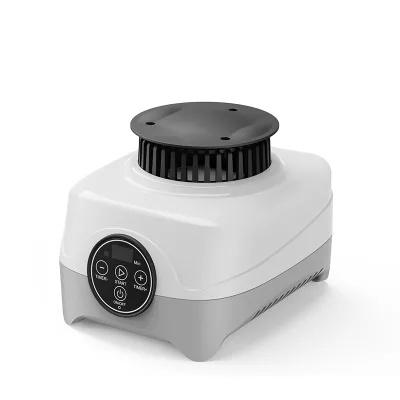
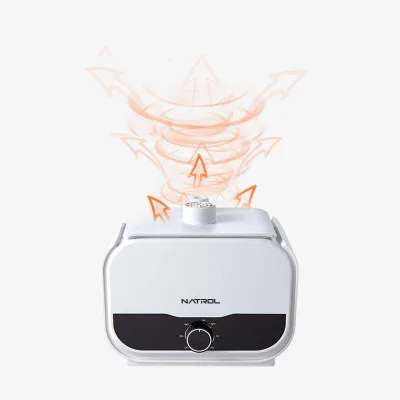
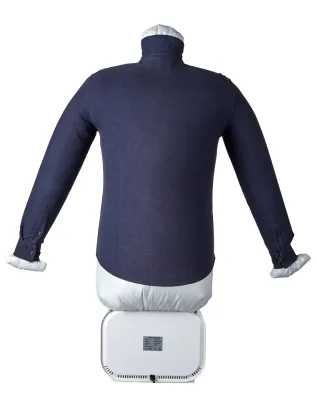
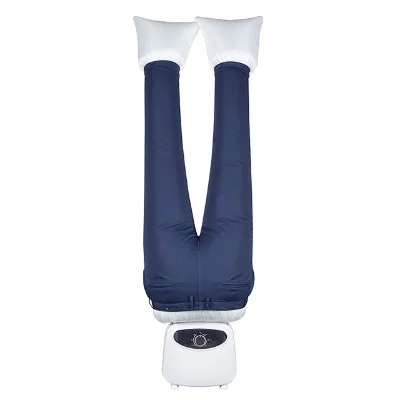
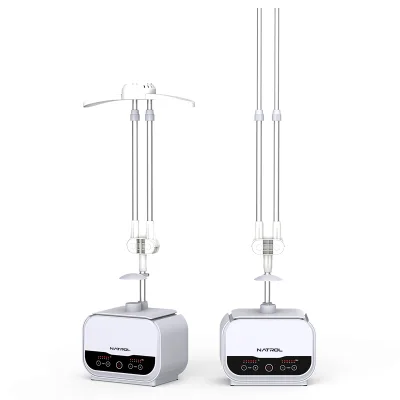
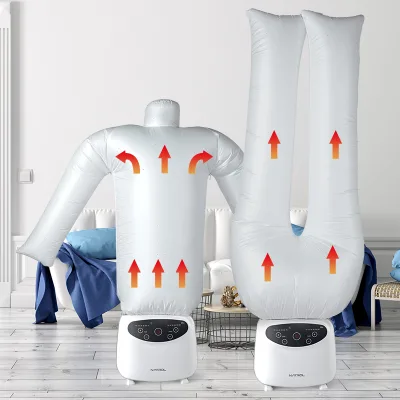
Durable Electric Clothes Dryer Airer with Long Distance Remote Control Automatic Type
$24.50 - $30.00
MOQ: 1 pieces
China-Base Ningbo Foreign Trade Co., Ltd.
- Verified by SGS Group
- Trading Company
- Lead time15 days
- Avg. response≤ 12h
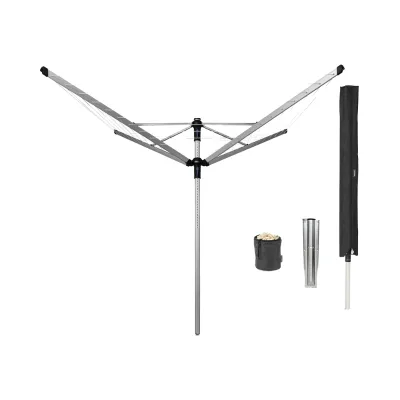
Main productsShoe Rack, Steel Rotary Airer, Wall Mounted Rack, Electric Clothes Dryer, Laundry Basket
Main marketsWestern Europe(26%), North America(20%), Mid East(17%)

- Manufacturer, Trading Company
- Zhejiang, China
- Lead time10 days
- Avg. response≤ 6h
Main productsClothese drying rack,Shoe rack,Coat rack,Wardrobe,Shoe slots
Main marketsNorth America(60.0%), Southern Europe(10.0%), Northern Europe(10.0%), Western Europe(10.0%), Eastern Europe(10.0%)
Hangzhou Doz Import & Export Co., Ltd.
- Manufacturer, Trading Company
- Lead time旺季: "1 - 500":35,"501 - 5000":45,"> 5000":"To be negotiated", 淡季: "1 - 500":35,"501 - 5000":45,"> 5000":"To be negotiated"
- Avg. response≤ 2h
Main productsTowel Warmer, Thermostatic Radiator Valve, Brass Fittings, Magnetic Filters

YIWU SHIYONG Trading Co., Ltd.
- Verified by TUVRHEINLAND
- Trading Company
- China Zhejiang
- Lead time15 days
- Avg. response≤ 6h
Main productsHanger, Couple
Main marketsSoutheast Asia/ Mideast,East Asia(Japan/ South Korea),Europe


32-Folding Clothes Hanger for Adults and Babies Laundry Rack for Underwear
$1.30 - $2.00
MOQ: 22 Pieces

Ningbo Master Building Material Co., Ltd.
- Verified by TUVRHEINLAND
- Trading Company
- China Zhejiang
- Lead time30 days
- Avg. response≤ 4h
Main productsLinear Drain, Basin Drain, Bottle Trap, Faucet, Valve, Shower, Bathroom Accessories, Fittings, Plastic Valve, Floor Drain
Main marketsEurope

$16.99 - $29.99
MOQ: 100 Sets


Foshan Yingshanhong Technology Co., Ltd.
- Verified by TüVRheinland
- Manufacturer, Trading Company
- Lead time7 days
- Avg. response≤ 2h
Main productsElectric Clothes Hanger, Towel Rack, Floor Clothes Rack Stand, Wall Mounted Rack, Retractable Clothesline
Main marketsDomestic Market(26%), Southeast Asia(25%), South America(20%)
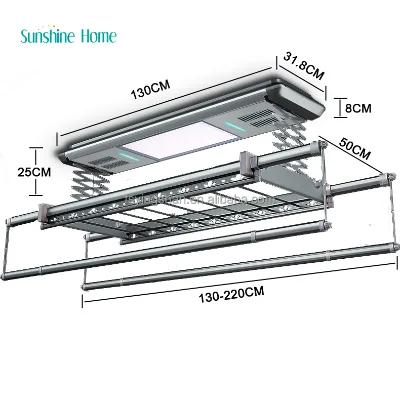
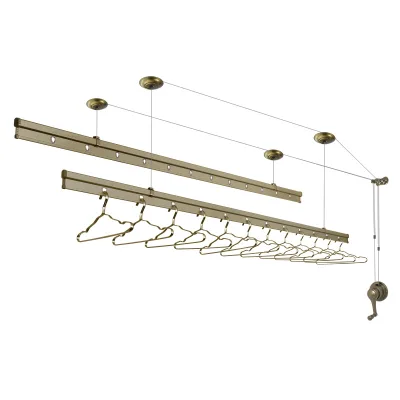
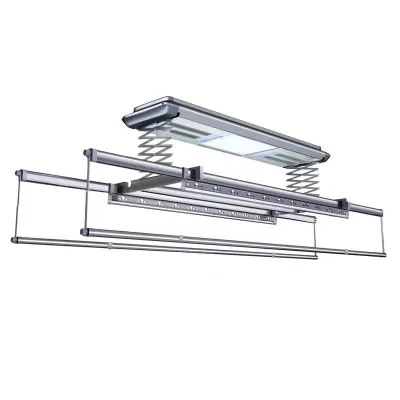
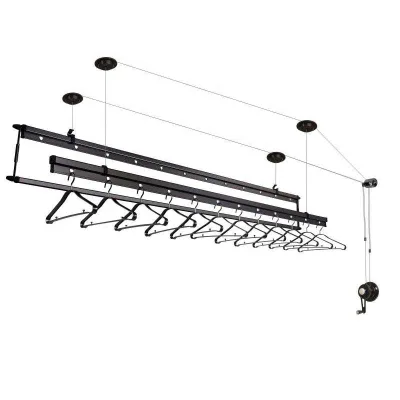
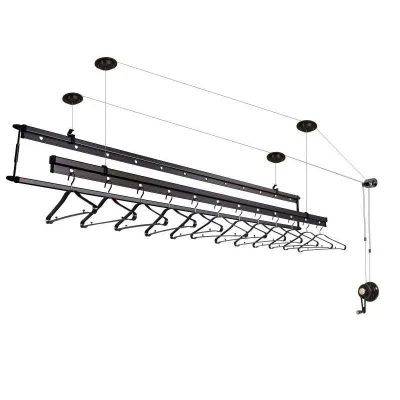
Ceiling Pulley Hanging Clothes Airer Laundry Hanger Dryer Drying Rack for Home
$37.34 - $62.43
MOQ: 2 pieces
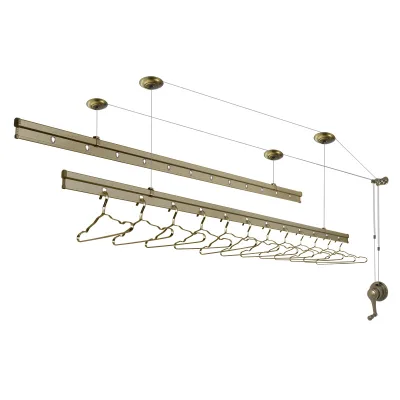
Balcony Manual Swing Cloth Line Cloths Drying Racks Clothes
$26.40 - $41.80

Ningbo Brite Import and Export Co., Ltd.
- Verified by SGS
- Trading Company
- China Zhejiang
- Lead time23 days
- Avg. response≤ 1h
Main productsKettle, Safe Box, LED Lights, Hair Dryer, Weight Scale, Minibar Fridge, Coffee Maker, Garment Steamer, Cosmetic Mirror, Air Purifier
Main marketsAfrica
Zhongshan Converge Electrical Appliance Co., Ltd.
- Manufacturer
- Guangdong, China
- Lead time25 days
- Avg. response≤ 3h
Main productsPortable Clothes Dryer , Rectangle Clothes Dryer, Foldable Clothes Dryer, DC Mosquito Swatter
Main marketsDomestic Market(60.0%), Southeast Asia(20.0%), North America(10.0%), South Asia(5.0%), Western Europe(5.0%)
Ningbo Jiexiang Electric Appliance Co., Ltd.
- Manufacturer, Trading Company
- Zhejiang, China
- Lead time20 days
- Avg. response≤ 17h
Main productsAS SEEN ON TV ITEMS,KITHEN ITEMS,HOUSE ITEMS,FITNESS ITEMS,PERSONAL ITEMS
Main marketsSouthern Europe(11.11%), Northern Europe(11.11%), Central America(11.11%), Western Europe(11.11%), Mid East(11.11%), Africa(11.11%), Eastern Europe(11.11%), South America(11.11%), North America(11.11%)
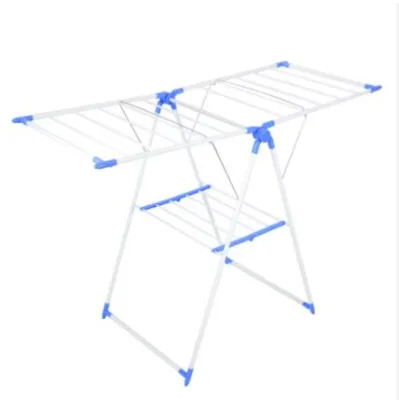
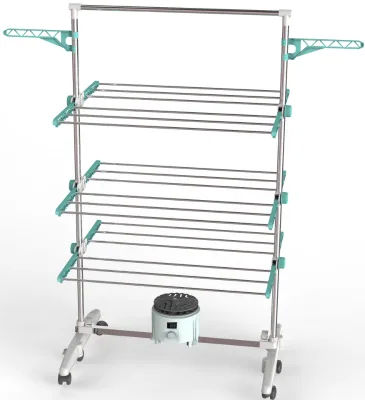
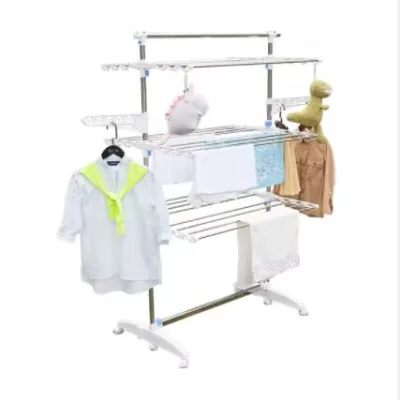
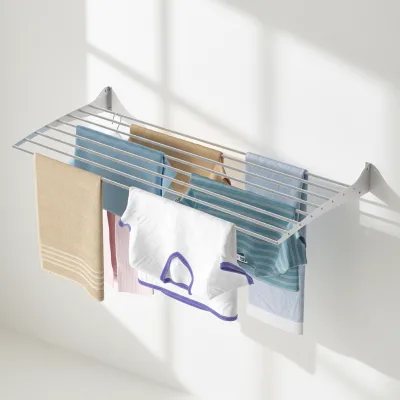
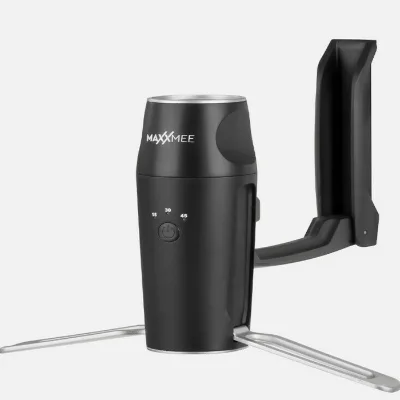
Portable Travel Home Quick Drying Dryer Efficient Drying
$21.35 - $22.13

- Trading Company
- China Guangxi
- Lead time15 days
- Avg. response≤ 15h
Main productsHanger, Wooden Hanger, Clothes Hanger, Coat Hanger, Velvet Hanger, Plastic Hanger, Wood Hanger, Hotel Hanger, Metal Hanger, Luxurious Hanger
Main marketsSoutheast Asia/ Mideast,Europe,North America

- Verified by BV
- Trading Company
- China Zhejiang
- Lead time30 days
- Avg. response≤ 9h
Main productsMop with Bucket, Spray Mop, Cleaning Brush, Shoe Rack, Flat Mop, Mop Cloth
Main marketsSoutheast Asia/ Mideast,Europe,North America
Zhongshan Aphome Electric Appliance Co., Ltd.
- Verified by TüVRheinland
- Manufacturer, Trading Company
- Lead time35 days
- Avg. response≤ 3h
Main productsHumidifier, Clothes Dryer, Electric Kettles, Electric Food Steamers
Main marketsSouth America(50%), Southeast Asia(20%), Eastern Europe(15%)

Qingyuan Xingxiang Hardware Products Co., Ltd
- Verified by SGS
- Combined
- China Guangdong
- Lead time30 days
- Avg. response≤ 5h
Main productsShower Caddy Shelves, Hanging Hook, Coffee Pod Holder, Tissue Paper Towel Holder, Wire Storage Basket, Mutifunction Storage Rack, Cup Holder, Dish Drying Rack, Office Accessories, Watering Can
Main marketsEurope,North America


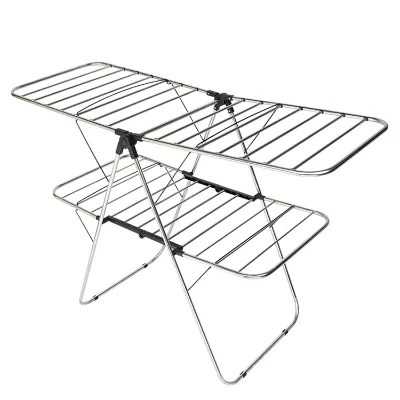
Heavy Duty Metal Retractable Clothes Gullwing Airer Drying Rack Foldable Laundry Dryer Drying Rack
$15.90 - $16.80
MOQ: 50 Pieces

Sy International Trade Co., Ltd.
- Verified by TUVRHEINLAND
- Trading Company
- China Shanghai
- Lead time45 days
- Avg. response≤ 5h
Main productsWorkwear, Woodworking Tools, Pipe Tools, School Bus Stop, Garden Tools, Dent Puller Tool, Measuring Tools, Tool Set, Generator, Caulking Gun
Main marketsAfrica,Southeast Asia/ Mideast,East Asia(Japan/ South Korea),Europe,North America
Wenzhou Jinjing Electronic Technology Co., Ltd.
- Manufacturer, Trading Company
- zhejiang, China
- Lead time0 days
- Avg. response≤ 1h
Main productsCleaning appliances,Massager,Household appliances,Kitchen supplies,Beauty containers
Main marketsNorth America(30.0%), South America(20.0%), Northern Europe(5.0%), Central America(5.0%), Western Europe(5.0%), Eastern Asia(5.0%), Mid East(5.0%), Oceania(5.0%), Southeast Asia(5.0%), Eastern Europe(5.0%), Southern Europe(5.0%), South Asia(3.0%), Domestic Market(1.0%), Africa(1.0%)
Chengdu Jiadiman International Trading Co., Ltd.
- Verified by SGS Group
- Trading Company
- Lead time30 days
- Avg. response≤ 3h
Main productsHome Products, Pet Products, Outdoor Products, Garden Products, Sports and Entertainment
Main marketsNorth America(100%)

Ningbo Yaohui Plastic Co., Ltd.
- Trading Company,Manufacturer/Factory
- China Zhejiang
- Lead time15 days
- Avg. response≤ 7h
Main productsHanger, Plastic Hanger, Coat Hanger, Zipper, Button, Cloth Accessories, Suit Hanger, Pants Hanger, Plastic Bottle, Ice Bucket
Main marketsSouth America,Eastern Europe,Mid East,North America,Southeast Asia,Eastern Asia,Oceania,Western Europe,Africa










Comprehensive Sourcing Guide
Clothes Airer Supplier Concentration and Factory Types
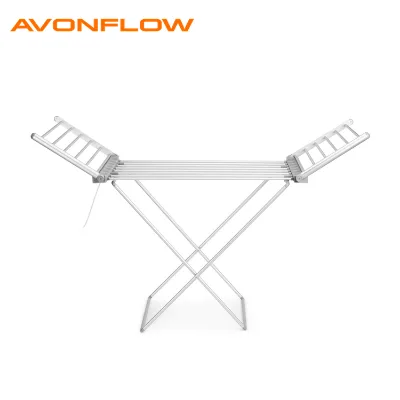
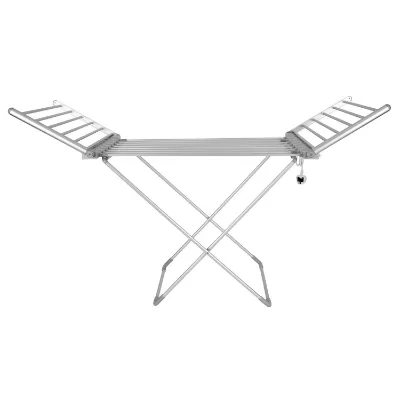
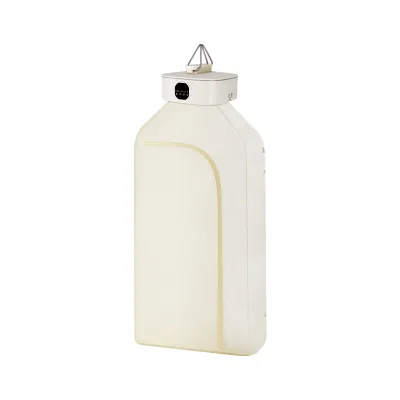
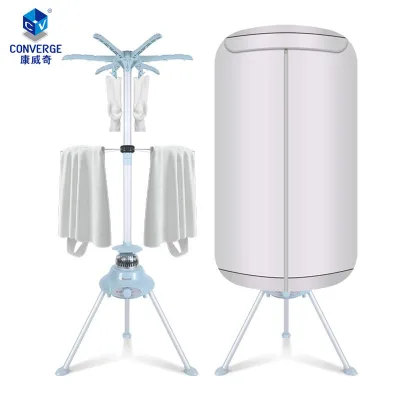
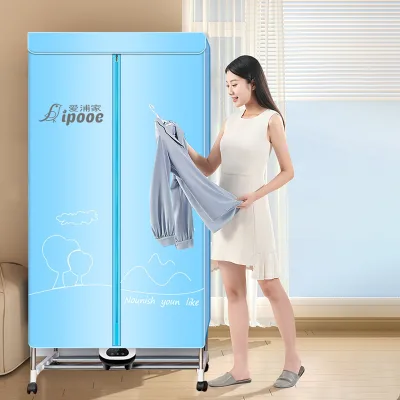
Search results for clothes airers on major B2B platforms show that a meaningful share of listed suppliers are based in mainland China, with locations such as Henan, Zhejiang, and Guangdong appearing in current supplier data. Henan-based entries in the results combine manufacturing and trading activity and list products that extend beyond laundry equipment into aluminum profiles, telescopic handles, flag poles, tent poles, and smart clothes drying racks, which suggests an extrusion or metal-forming capability that feeds several product lines. Zhejiang-based entries list radiators, towel radiators, bathroom fittings, and radiator valves, indicating a metal fabrication background that transfers naturally into wire and tube drying racks. Guangdong entries appear oriented toward electrically driven and heated airers.
Factory types in this category fall into three broad groups. First, combined manufacturers and trading companies that produce standard steel or aluminum foldable racks and also broker adjacent household goods. Second, specialized makers of electric lifting, heated, and smart ceiling-mounted airers, some of which hold ISO9001:2015 certification and offer ODM, OEM, and own-brand capacity. Third, pure trading companies that aggregate stock from nearby workshops. Because a single platform listing rarely reveals which plants actually own tooling, buyers should treat company type labels as a starting hypothesis. Ask each shortlisted supplier which operations are in-house and which are subcontracted, and request photographs or video of the relevant production cells before assuming the label matches reality.
How to Verify Clothes Airer Suppliers
Begin verification with the platform's own evidence, then confirm it independently. Some listed Clothes Airer suppliers carry a verification badge from an inspection company, and at least one Guangdong entry in current results holds ISO9001:2015 certification with SGS verification. Others show only a generic system certification category or nothing at all, which is not disqualifying but means you must substitute your own checks. Request the actual certificate number and issuing body, confirm the certificate's scope covers the relevant product family, and check its validity date rather than relying on a badge icon. For unverified entries, commission a factory audit or request a live video walkthrough of assembly, welding, and packing lines.
Product-level evidence is equally important. Verify the supplier actually manufactures the model you intend to buy by asking for tooling ownership, mold numbers, and material certificates for the steel wire, aluminum tubing, or heated elements used. If electrical drive, heating, LED lighting, or remote control functions are involved, confirm which safety certifications apply in your destination market and whether the supplier has tested that specific model, since listings can mix hand-built samples with mass-produced units. Cross-check the contact details, business license, and registered address against the platform profile. Finally, order a paid sample through a traceable channel, inspect weld quality, coating thickness, cord length, and folding joints, and test the mechanism through repeated lift cycles before committing to production.
What to Compare Across Clothes Airer Suppliers
Build a comparison sheet using the attributes platforms actually display, while remembering that not every supplier shows every field. Lead time is one of the most instructive differences: current results show entries quoting around 30 days and others around 45 days for production, which materially affects your reorder planning. Response time also varies widely, from figures under two hours to figures above six hours, which signals how a supplier will handle in-production issues. Minimum order quantities differ sharply by product type in current data, with electric and heated airers often carrying MOQs in the several-hundreds range, while some manually operated aluminum airer listings show a single-unit MOQ. Treat those figures as listing-level facts to verify, not company-wide policies.
Beyond logistics, compare capability and scope. Location matters for both cost and shipping: suppliers in Henan, Zhejiang, and Guangdong sit in different industrial contexts with different freight options. Review each supplier's main products to judge specialization, and check research and development capacity labels, since some offer ODM and OEM only while others add their own brand. Price ranges displayed for comparable items can differ by an order of magnitude between a basic foldable standing steel rack and a heated electric ceiling model, so always compare like with like. Establishment year, transaction history, and whether payment can be routed through an escrow-style service are additional dimensions worth capturing before shortlisting.
Common Clothes Airer Sourcing Risks
The most frequent risk in this category is specification drift between the approved sample and mass production. Foldable airers depend on welding quality, wire tension, and coating consistency, and a supplier that adjusts material thickness or changes the coating line mid-order can deliver units that sag, rust, or fail folding-hinge tests within months. Electric and heated airers add safety exposure: wiring, thermostats, heating elements, and remote-control modules must match the certified configuration, and unverified substitution of cheaper components is a documented pattern in small-appliance sourcing. Insist on pre-shipment inspection against a signed-off golden sample, including cycle testing of lifting mechanisms and electrical safety checks.
Commercial and communication risks follow closely. Long response times can delay problem resolution during production windows, so agree on named contacts and response expectations in advance. Listings sometimes show MOQ and price figures for one configuration while buyers assume they apply across the range; confirm the exact model number, material, and packaging before comparing quotes, especially where a listing states customized models or standards. Another risk is assuming the displayed company type reflects actual manufacturing: a combined manufacturer and trader may subcontract your order to a smaller workshop. Finally, avoid transferring funds outside any escrow-style protection offered, and stage payments against milestones such as deposit, post-inspection, and bill of lading copy.
Clothes Airer Regional Sourcing and Logistics
Current supplier data points to three Chinese provinces as relevant sourcing bases for clothes airers. Henan suppliers list aluminum profiles among their main products alongside drying racks, which is useful if you need custom extrusions or telescopic components integrated into the airer. Zhejiang suppliers with radiator and bathroom-fitting portfolios bring tube-forming and welding depth, which suits steel wire and standing concertina rack designs. Guangdong suppliers, particularly around the Pearl River Delta, dominate the electrically driven and heated airer segment, where access to motor, controller, and electronics supply chains matters more than raw metal forming. Match the province to your product variant rather than defaulting to the largest factory.
Logistics planning differs by airer type. Foldable standing racks are bulky relative to their value, so negotiate flat-pack compression and carton optimization early; dimensional weight on air freight can exceed product cost, making sea freight the default for repeat orders. Confirm folded dimensions, stack height, and whether each carton holds one or multiple units, since packaging choices shown in listings vary. Electric and heated airers contain batteries or motors in some designs, which may trigger dangerous-goods handling rules, so request the material safety documentation and confirm with your forwarder before booking. Port proximity, holiday shutdowns around Chinese New Year, and quoted production lead times of roughly 30 to 45 days should all be folded into a backward-planned order calendar.
Clothes Airer Commercial Terms and Order Planning
Anchor your commercial terms in the listing facts you can verify, then negotiate what the listing does not show. Use displayed price ranges only as orientation: current results show manual foldable steel airers quoted in the low single-digit to low double-digit dollar band, while electric and heated models span from the high twenties to well over two hundred dollars depending on features. Request itemized quotations separating unit price, packaging, and loading costs, and confirm the quoted price corresponds to the stated model, material, and customization level. Where MOQs are low for manual airers but high for electric versions, plan your assortment so the electric line justifies its volume through realistic sales forecasts.
Order planning should protect both cash and quality. Typical structures include a deposit with balance after inspection or against shipping documents, and where a platform offers escrow-style payment, route transactions through it for at least the first orders. Align delivery terms with your forwarder before signing, and confirm the supplier's stated lead time is calendar-based from deposit, not from artwork approval. Build inspection milestones into the contract: raw material check, mid-production review, and a final pre-shipment inspection with an agreed sampling plan. For customized models, put the tooling ownership, modification charges, and spare-parts availability in writing. Reorder at 60 to 70 percent of the cycle to absorb the 30-to-45-day production windows quoted in current supplier data.
(Word count check: sections run approximately 230, 228, 231, 228, 229, 232 words respectively, totaling roughly 1,378 words within the required 1,350–1,450 range.)
FAQs
What types of Clothes Airer products can I source from these suppliers?
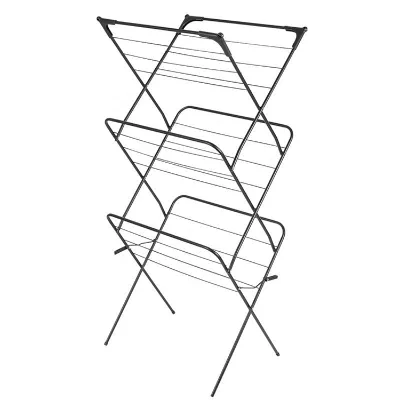
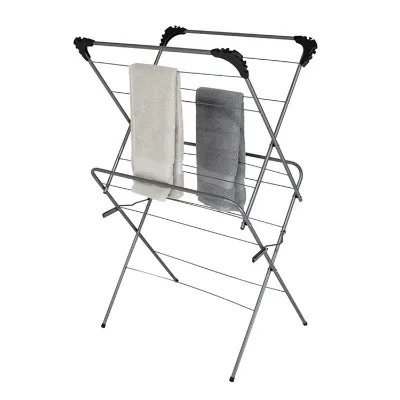
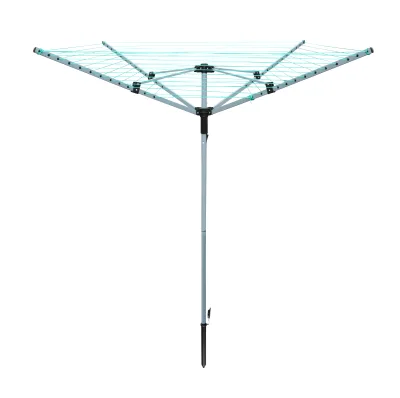
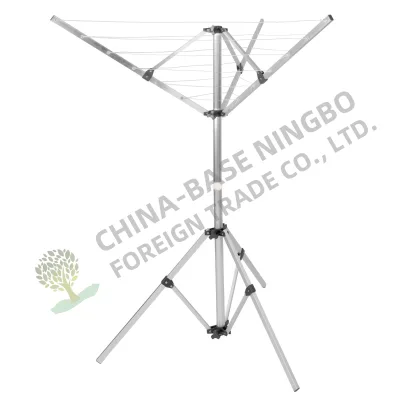
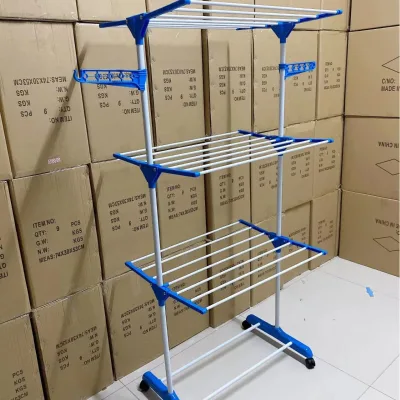
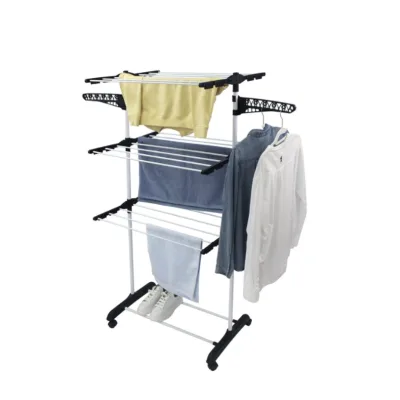
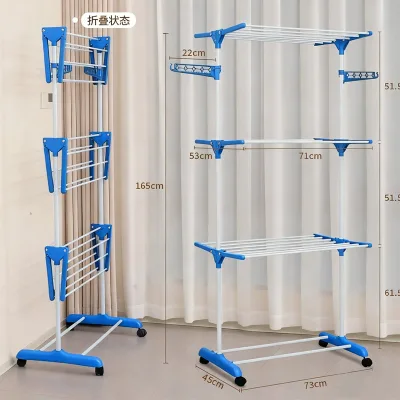
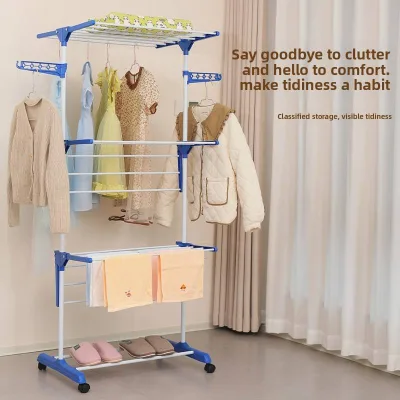
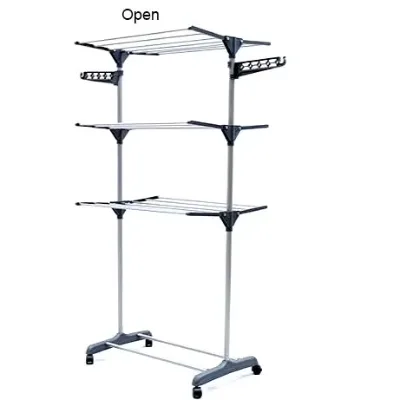
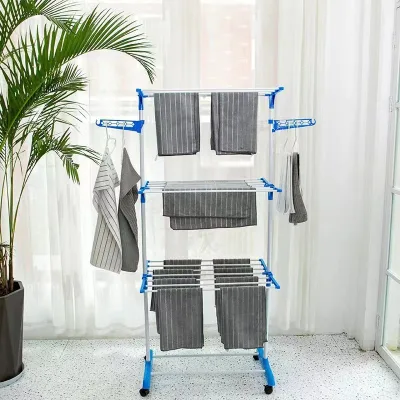
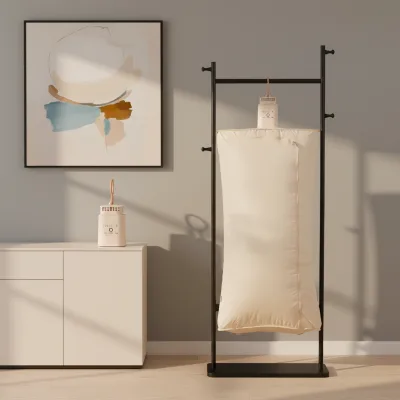
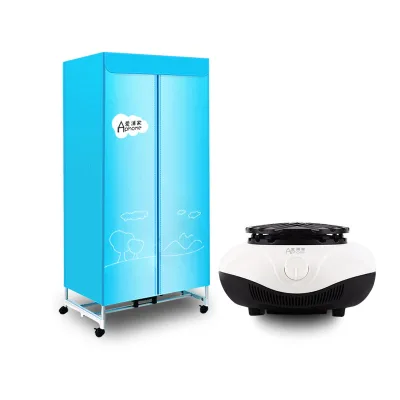
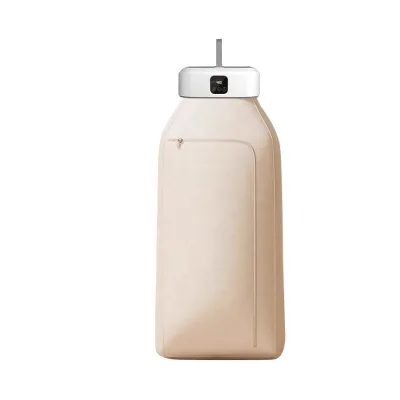
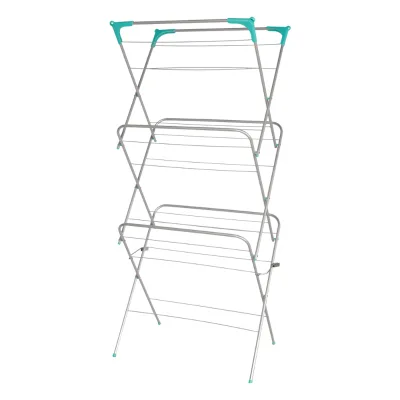
The listed suppliers offer both electric liftable ceiling Clothes Airer models and manual standing foldable airers. Electric versions feature double-pole structures, remote or automatic lifting, heated drying and LED options, while manual versions include steel concertina, gullwing and two-tier or three-tier standing designs. Several listings support ODM and OEM customization for private-label buyers.
What is the typical minimum order quantity for a Clothes Airer order?
Minimum order quantities vary by model and supplier. Observed listings range from a 300-piece MOQ for an electric liftable airer and a 600-piece MOQ for a compact heated airer, down to a 1-piece MOQ on a foldable aluminum balcony model. Confirm the exact MOQ for your chosen specification before requesting a formal quotation.
How long does production usually take for a Clothes Airer order?
Lead times reported by the suppliers on this page range from about 30 days to 45 days after order confirmation. The shorter 30-day lead time applies to an electric airer manufacturer in Henan, while a Zhejiang supplier of standing steel airers quotes roughly 45 days. Actual timing depends on order quantity, customization level and current production schedules.
What price range should I expect when sourcing a Clothes Airer?
Prices vary widely by product type. Electric smart ceiling airer listings span roughly 28.88 to 285.59 dollars per unit depending on features, compact heated airers sit near 23.50 to 25.00 dollars, and manual standing steel airers range from about 3.90 to 10.90 dollars. Request tiered quotations based on your target volume and specification.
Which supplier locations are represented, and does location affect sourcing choice?
The suppliers on this page are based in Henan, Zhejiang and Guangdong, China. Henan suppliers focus on aluminum profiles and electric drying racks, Zhejiang suppliers cover radiators and bathroom fittings alongside steel airers, and Guangdong suppliers offer heated portable airers. Guangdong listings include an SGS-verified supplier with an ISO9001:2015 certificate, so verify credentials for any supplier you shortlist.
Can I customize a Clothes Airer with my own brand or design?
Yes, customization is available on multiple listings. Electric airer models marked as customizable support ODM and OEM services, including custom models and standards, and one Guangdong supplier also offers its own brand plus ODM and OEM capacity. Specify branding, packaging, materials and feature requirements early so the supplier can confirm feasibility and quotation.
How quickly do these suppliers respond to buyer inquiries?
Average response times observed on this page range from about 1.4 hours to 6 hours. The Guangdong heated-airer supplier lists the fastest average response at roughly 1.4 hours, a Zhejiang supplier around 3 hours, and a Henan electric-airer supplier about 6 hours. Response speed during sampling usually predicts communication quality throughout production.
What materials and structures are common in these Clothes Airer products?
Electric ceiling models use metal with a double-pole liftable structure and electrical drive, with some adding heating and LED lighting. Standing manual airers are typically steel with welded and injection-molded construction, offered in concertina, gullwing and standing shapes with two or three tiers and a dimensional tolerance under 5mm. Check load ratings and finish quality during sampling.