Clog Suppliers and Manufacturers in China Fujian
Explore 17 verified Clog suppliers in China Fujian offering women, men, and children's options. Compare response times, lead times, prices, and customization capabilities to find the right partner. Contact suppliers directly to request samples and confirm MOQs; review the available evidence before requesting comparable quotations from suitable candidates.
Suppliers List

Quanzhou Deran Footwear Co., Ltd
- Verified by TUVRHEINLAND
- Trading Company
- China Fujian
- Lead time23 days
- Avg. response≤ 8h
Main productsClogs, Slippers, Shoe Charms, Mules, Sandals, Rain Boots
Main marketsNorth America

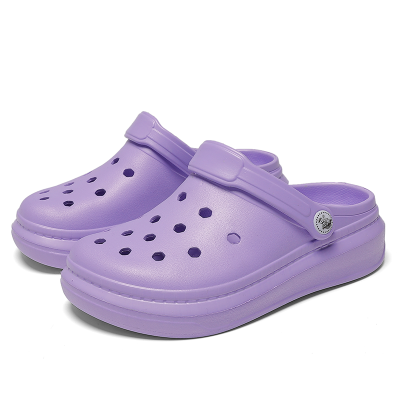
Comfortable Classic Clogs Shoes Slipper Women and Women EVA Injection Clogs for Clog
$1.99 - $2.50
MOQ: 800 Pairs


Deran OEM Stylish Garden Clogs for Outdoor Use, Anti-Slip Trendy Women Clog
$2.88 - $4.88
MOQ: 500 Pairs

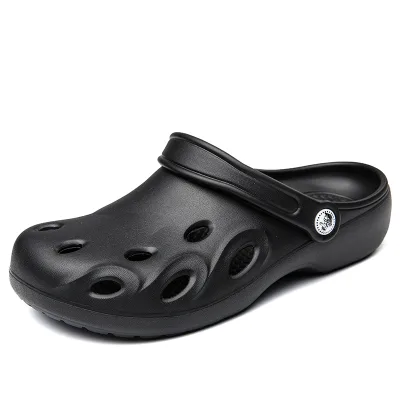
Deran OEM Hollow Breathable Clogs for Beach, Soft Sole Anti-Slip Wear-Resistant Men Clog
$1.74 - $2.35
MOQ: 500 Pairs


Fuzhou Benefit Trading Co., Ltd.
- Trading Company
- Fujian, China
- Lead time45 days
- Avg. response≤ 2h
Main productsSandals,Flip flops,Indoor slipper,Sneaker,Clogs
Main marketsEastern Europe(20.00%), South America(20.00%), Western Europe(20.00%), Central America(10.00%), North America(10.00%), Southeast Asia(10.00%), Mid East(5.00%), Africa(5.00%)
Fujian Jinjiang Neikeng Mingtai Shoes Co., Ltd.
- Manufacturer, Trading Company
- Fujian, China
- Lead time25 days
- Avg. response≤ 7h
Main productsEVA Slipper,Beach Sandals,EVA Raw Material,Patches,Moulds
Main marketsSouth America(30.00%), North America(30.00%), Western Europe(15.00%), Eastern Europe(15.00%), Northern Europe(10.00%)

- Verified by CTI
- Trading Company
- China Fujian
- Lead time45 days
- Avg. response≤ 5h
Main productsEVA Slippers, Slide Sandals, Beach Sandals, Canvas Shoes, PVC Slippers, PE Slippers, Garden Shoes, Clog, Boots, Flip-Flops
Main marketsEast Asia(Japan/ South Korea)

Water Proof EVA Injection Durable Non-Slip Safety Kitchen Outdoor Footwear Shoes Clog
$2.35 - $2.50
MOQ: 1000 Pairs

Wholesale Casual Lady Cute Cartoon Waterproof EVA Beach Indoor Wear Outdoor Shoes Clog
$1.55 - $1.70
MOQ: 1000 Pairs

One Pedal Is Light and Dual-Purpose Four Color EVA Hole Beach Shoes Clog
$2.40 - $2.60
MOQ: 1000 Pairs


Waterproof Slip Resistance Culinary Professionals Anti-Fatigue EVA Clogs with Ankle Cover
$3.80 - $4.10
MOQ: 1000 Pairs

- Verified by BV
- Trading Company
- China Fujian
- Lead time30 days
- Avg. response≤ 5h
Main productsSlippers, Flip Flops, Clogs, EVA Beach Slippers, Gift Slippers, Injection Slippers, Canvas Shoes, Sandals
Main marketsSouth America,Africa,Southeast Asia/ Mideast,Europe,North America

Cheap Factory Price High Quality New Design Anti Slip Whole Sale Clog Shoes Luxury Clog
$1.50 - $3.50
MOQ: 1000 Pairs


$1.00 - $3.00
MOQ: 1000 Pairs


$1.00 - $3.00
MOQ: 1000 Pairs

Putian Shenghui Sport Goods Co., Ltd.
- Verified by CTI
- Combined
- China Fujian
- Lead time15 days
- Avg. response≤ 2h
Main productssports goods
Main marketsSoutheast Asia/ Mideast,Domestic,North America
Jinjiang Great Shoes Tech Co., Ltd.
- Verified by TüVRheinland
- Manufacturer, Trading Company
- Lead time60 days
- Avg. response≤ 3h
Main productsSlippers, Sandle, Sport Shoes
Main marketsNorth America(20%), Mid East(15%), Eastern Europe(10%)
Xiamen Jerryfootprint Imp & Exp Co., Ltd.
- Verified by TüVRheinland
- Trading Company
- Lead time30 days
- Avg. response≤ 3h
Main productsEVA Recovery Slides, Cork Footbed Sandals, Semi-finished Cork Sandals (Components), Support & Orthotic Insoles, Ergonomic & Healthy Footwear
Main marketsEastern Asia(50%), North America(20%), Western Europe(15%)
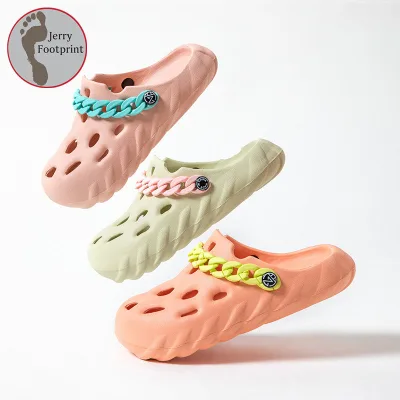
CUSTOM Lightweight Platform Thick Sole Outdoor EVA Cute Clog Garden Shoes for Women's Clogs Sandals
$5.16 - $5.69
MOQ: 30 pairs
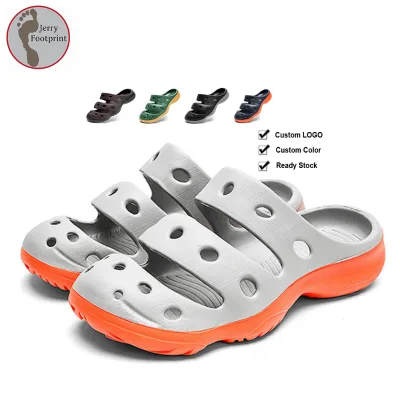
CUSTOM 35-48 Functional Recovery EVA Clog Shoe
$4.20 - $4.90
- Manufacturer, Trading Company
- Fujian, China
- Lead time0 days
- Avg. response≤ 3h
Main productsEVA slipper,EVA Sandals,flip-flops slippers,EVA Cotton slippers,EVA Clogs
Main marketsSouth America(30.00%), North America(30.00%), Eastern Europe(20.00%), Southern Europe(10.00%), Western Europe(10.00%)
Shantou-City Poocan Footwear Co., Ltd.
- Verified by TUVRHEINLAND
- Trading Company
- China Guangdong
- Lead time0 days
- Avg. response≤ 15h
Main productsLady Shoe, EVA Slipper, Flip Flop, Men Slipper, Kid' Sandal, Dress Shoe, PVC Shoe, Jelly Shoe, Pcu Sandal, Women Shoe

Xiamen Seatyle Import & Export Co., Ltd.
- Verified by TUVRHEINLAND
- Trading Company,Manufacturer/Factory
- China Fujian
- Lead time23 days
- Avg. response≤ 3h
Main productsHeadlamp, Flashlight, Camping Light, Solar Light, Outdoor Light, Bike Light, Water Shoes, Chef Shoes, Medical Shoes, Slippers
Main marketsSouth America,Eastern Europe,Mid East,North America,Southeast Asia,Eastern Asia,Oceania,Western Europe,Africa


High Quality Waterproof Summer Custom Men's and Women's Breathable Clog Shoes
$3.55 - $4.15
MOQ: 100 Pairs
- Verified by TUVRHEINLAND
- Trading Company
- China Fujian
- Lead time23 days
- Avg. response≤ 5h
Main productsYoga Set, Pet Supplies, Sneakers, Sportswear, Underwear, Swimsuit, Sports Equipment, Packaging, Outdoor Product, Solar Energy
Main marketsSoutheast Asia/ Mideast

Quanzhou Alex Sports Goods Co., Ltd.
- Verified by SGS
- Trading Company
- China Fujian
- Lead time15 days
- Avg. response≤ 1h
Main marketsSouth America,Southeast Asia/ Mideast,Europe,Australia,North America

Beijing Oriental Yuhong Waterproof Technology Co., Ltd.
- Manufacturer
- China Beijing
- Lead time15 days
- Avg. response≤ 16h
Main productsWaterproof Material, Coating, Polyurethane, Acrylic, Joint Sealant, Rigid Coating, Tpo, HDPE, Roofing Material, Roofing Membrane
Main marketsSoutheast Asia/ Mideast,East Asia(Japan/ South Korea)


MOQ: 1 Pieces

Linyi Jianxiang Food Co., Ltd.
- Verified by BV
- Combined
- China Shandong
- Lead time15 days
- Avg. response≤ 5h
Main productsPeanut, Blanched Peanut, Peeled Peanut, Spicy Peanut Kernels, Roasted Peanut Inshell, Red Peanut Kemeis, Peanut Kernels, Peanut Butter
Main marketsAfrica,Southeast Asia/ Mideast

MOQ: 18 Tons

MOQ: 18 Tons

MOQ: 18 Tons

Shenzhen Qianhai Jilian Trading Co., Ltd.
- Verified by BV
- Manufacturer/Factory
- China Guangdong
- Lead time15 days
- Avg. response≤ 16h
Main productsGlass Water Pipe, Glass Smoking Pipe, Glass Hand Pipe, DAB Rig, Glassware
Main marketsSouth America,Eastern Europe,Mid East,Southeast Asia,Eastern Asia,Oceania,Western Europe

Shenzhen Noise Control Co.,Ltd
- Verified by SGS
- Trading Company,Manufacturer/Factory
- China Guangdong
- Lead time45 days
- Avg. response≤ 3h
Main productsAcoustic Louver, Acoustic Door, Acoustic Louver Door, Anechonic Wedge, Raintrap Louver, Sandtrap Louver, Soundproof Blinds, Acoustic Enclosure, Noise Reduction Blinds, Sound Attenuating Duct
Main marketsSouth America,Mid East,Oceania,Western Europe


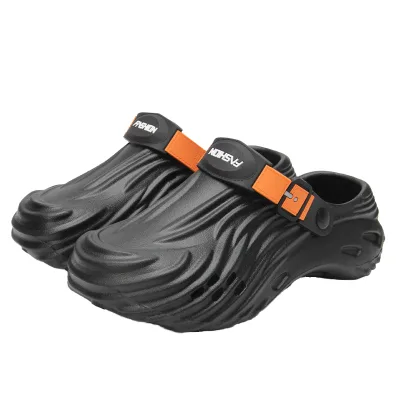


Comprehensive Sourcing Guide
Clog Supplier Concentration and Factory Types
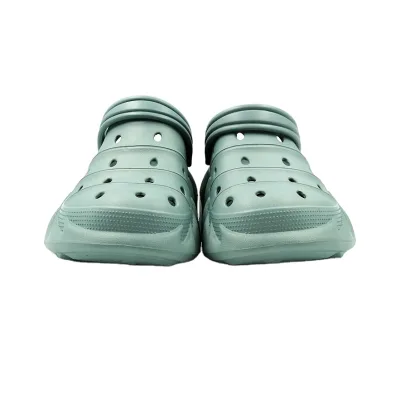
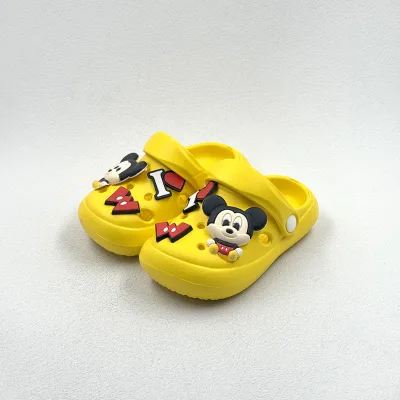
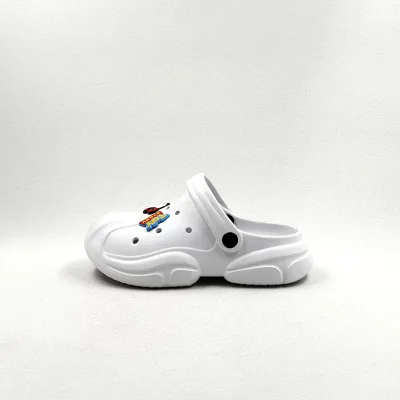
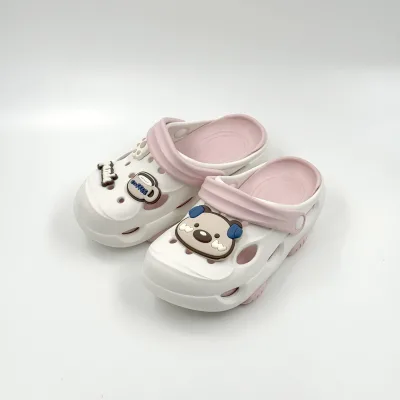
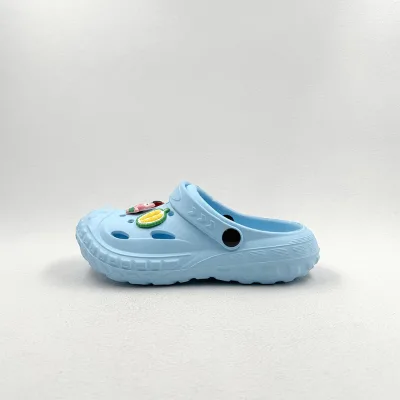
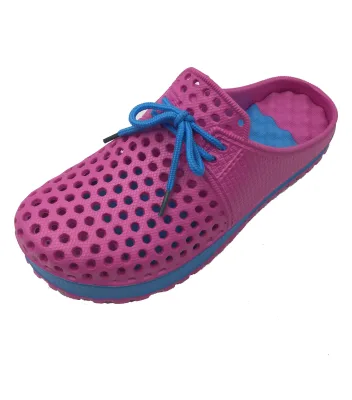
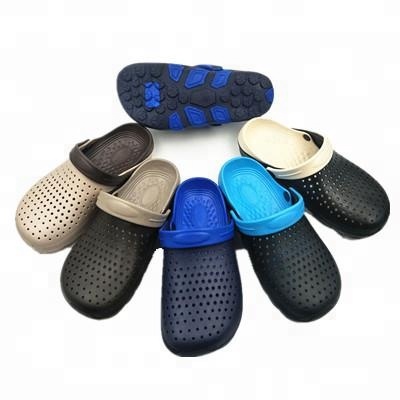
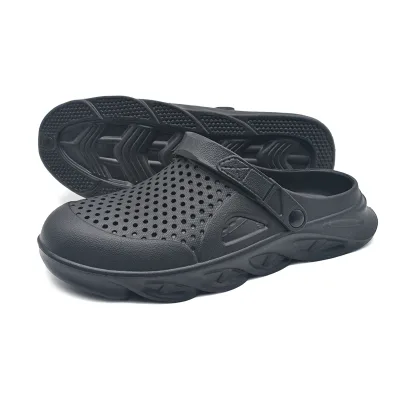
The current search results indicate a significant concentration of Clog manufacturers and trading companies located in Fujian, China. This region appears to be a primary hub for producing EVA-based footwear, including women's clogs, men's garden clogs, and children's sandals. When evaluating potential partners, buyers should look for suppliers explicitly stating their origin as Fujian or China to align with this established manufacturing cluster. The data shows a mix of company types, with some entities identified as trading companies that may source from various factories within the region. It is crucial to distinguish between a direct factory and a trading intermediary, as this distinction impacts communication efficiency and pricing structures.
Buyers must verify the specific operational model of each supplier before proceeding. While some listings highlight direct factory capabilities with custom logo services and OEM options, others are classified strictly as trading companies. The presence of trading companies does not inherently reduce quality but may introduce an additional layer in the supply chain. To identify the true manufacturing source, buyers should request detailed information about the production facility's location and capacity. If a supplier claims to be a factory but provides only trading company credentials, further verification is necessary to ensure the buyer is dealing with the actual production unit. This due diligence helps in understanding the true nature of the supply chain and potential cost implications.
How to Verify Clog Suppliers
Verification of Clog suppliers requires a rigorous check of their credentials and operational history. The available data indicates that some suppliers hold TUVRHEINLAND verification status, which serves as a third-party validation of their business legitimacy. Buyers should prioritize suppliers with such recognized verification badges to mitigate the risk of fraud. However, the absence of a specific certification like TUVRHEINLAND does not automatically disqualify a supplier, but it necessitates a deeper investigation into their business license and past performance records. It is essential to confirm that the verification status is current and applies to the specific entity being engaged for the Clog order.
Beyond verification badges, buyers should assess the supplier's responsiveness and communication reliability. The data shows response times varying significantly, with some suppliers responding within two hours while others take over seven hours. A faster response time often correlates with better customer service and operational efficiency. Buyers should test the supplier's communication channels before placing a large order to gauge their professionalism. Additionally, checking for established years of operation can provide insight into the supplier's stability. If this information is not explicitly listed, buyers should ask for the company's registration date or request references from long-term clients to confirm their longevity in the market.
What to Compare Across Clog Suppliers
When comparing Clog suppliers, buyers should focus on key operational metrics such as lead time, minimum order quantity (MOQ), and pricing structures. The observed data reveals lead times ranging from 23 days to 45 days, which can significantly impact inventory planning and market launch schedules. Buyers must align their order timelines with the supplier's stated lead time to avoid delays. Similarly, MOQs vary widely, with some suppliers requiring as few as 500 pairs while others demand 1,500 pairs or more. Understanding these thresholds is critical for small businesses or those testing new product lines, as high MOQs can tie up capital and increase storage costs.
Pricing is another vital factor in the comparison process, with unit costs ranging from approximately $1.21 to $5.00 depending on the product specifications and customization level. Buyers should analyze the price range relative to the product features, such as material quality, sole hardness, and design complexity. Some suppliers offer customization options for patterns and colors, which may influence the final price. It is also important to compare the product attributes, such as waterproofing, anti-slip properties, and breathability, to ensure the selected clogs meet the intended use cases. By systematically evaluating these dimensions, buyers can identify suppliers that offer the best value proposition for their specific needs.
Common Clog Sourcing Risks
One of the primary risks in sourcing clogs is the potential mismatch between product specifications and actual delivery. The data shows various product attributes, including shank strength, upper material, and sole features, which must be clearly defined in the purchase agreement. If a supplier provides vague descriptions or fails to specify critical details like the exact material composition or size ranges, the buyer risks receiving substandard goods. For instance, a Clog advertised as "soft" might arrive with a harder sole than expected, affecting comfort and usability. Buyers should insist on detailed product specifications and request samples to verify that the physical product matches the digital description before committing to a bulk order.
Another significant risk involves the reliability of the supply chain and the ability to meet delivery deadlines. Lead times in the data range from 23 to 45 days, and any deviation from these estimates can disrupt the buyer's business operations. Delays can occur due to raw material shortages, production bottlenecks, or logistical issues. To mitigate this risk, buyers should establish clear communication channels and set realistic expectations regarding production timelines. It is also advisable to include penalty clauses in the contract for late deliveries to hold the supplier accountable. Additionally, buyers should consider the supplier's capacity to handle rush orders or scale production if demand increases unexpectedly.
Clog Regional Sourcing and Logistics
Sourcing clogs from Fujian, China, offers logistical advantages due to the region's established infrastructure and proximity to major shipping ports. The concentration of manufacturers in this area facilitates efficient coordination between production and logistics, potentially reducing transit times and costs. However, buyers must account for the distance and shipping methods when planning their supply chain. The data indicates that products are often packed in carton boxes, which is standard for footwear but requires careful handling to prevent damage during transit. Buyers should verify the packaging standards and ensure that the supplier uses robust packaging to protect the clogs during long-distance shipping.
Logistics planning also involves understanding the customs and import regulations of the destination country. Different regions may have varying tariffs and duties on footwear, which can affect the final landed cost. Buyers should consult with freight forwarders to estimate shipping costs and transit times accurately. The data shows that some suppliers offer customization for outer packaging and tags, which can be leveraged to meet specific branding or regulatory requirements. It is essential to coordinate with the supplier to ensure that all necessary documentation, such as commercial invoices and packing lists, is prepared correctly to avoid delays at customs. Proper logistics planning ensures a smooth flow of goods from the factory to the buyer's warehouse.
Clog Commercial Terms and Order Planning
Commercial terms for Clog orders often include specific requirements regarding payment methods, escrow services, and order planning. While the data does not explicitly mention escrow availability for all suppliers, buyers should inquire about secure payment options to protect their financial interests. Using escrow services can provide a layer of security by holding funds until the goods are delivered and inspected. Buyers should also clarify the payment schedule, such as whether a deposit is required upfront or if payment is due upon shipment. Understanding these terms helps in managing cash flow and reducing the risk of financial loss in case of supplier default.
Order planning is equally critical, as it involves determining the optimal order quantity and timing to meet market demand. The data shows varying MOQs, which can influence the buyer's decision on how much to order initially. For new product launches, starting with a lower MOQ might be preferable to test the market before committing to larger volumes. Buyers should also consider the production lead time when planning their orders to ensure that stock is available when needed. Additionally, buyers should discuss the possibility of future orders and volume discounts with the supplier to build a long-term partnership. Effective order planning ensures that the supply chain remains agile and responsive to market changes.
FAQs
Where are the Clog suppliers located?
The Clog suppliers are located in Fujian, China. This region is a known manufacturing hub for footwear. Buyers should verify specific factory addresses before placing orders to ensure logistics compatibility with their distribution needs.
What is the minimum order quantity for clogs?
Minimum order quantities vary by product, ranging from 500 to 1500 pairs. Some listings require 800 pairs while others need 1500. Buyers must check the specific product page to confirm the exact MOQ required for their selected style.
How long does it take to receive Clog orders?
Lead times for Clog orders range from 23 to 45 days depending on the supplier. Some suppliers offer faster turnaround while others require a longer production window. Buyers should confirm the specific delivery schedule with the seller before finalizing payment.
Are the clogs waterproof and anti-slip?
Many Clog listings specify waterproof and anti-slip functions for indoor and outdoor use. These features are common in EVA material products. Buyers should verify the specific function claims on the product detail page to ensure they meet safety requirements.
What is the price range for wholesale clogs?
Wholesale Clog prices range from 1.21 to 5.00 USD per pair. The cost depends on the model, customization options, and order volume. Buyers should compare multiple listings to find the best price point for their specific budget and quality expectations.
Do suppliers offer customization for Clog designs?
Customization is available for many Clog products including patterns, colors, and logos. Buyers can request custom shoe accessories and packaging. The specific customization options vary by supplier, so buyers should discuss requirements directly with the seller to confirm feasibility.
What certifications do the Clog suppliers hold?
Some suppliers hold TÜV Rheinland verification status while others show no system certification listed. Buyers should request specific certification documents for their target market. Verification status does not guarantee product compliance, so independent testing may be necessary for safety standards.