Clothes Window Display Female Mannequin Suppliers and Manufacturers
Source 19 verified suppliers for Clothes Window Display Female Mannequin options. Compare grounded dimensions including lead times, MOQs, and production capabilities. Review product specifications and request quotes to streamline your procurement process; review the available evidence before requesting comparable quotations from suitable candidates.
Suppliers List

Quanzhou Hexing Display Products Co., Ltd.
- Verified by SGS
- Combined
- China Fujian
- Lead time15 days
- Avg. response≤ 5h
Main productsMannequin, Shoe Tree, Clothes Hanger
Main marketsSouth America,Africa,Southeast Asia/ Mideast,East Asia(Japan/ South Korea),Domestic,Europe,Australia,North America


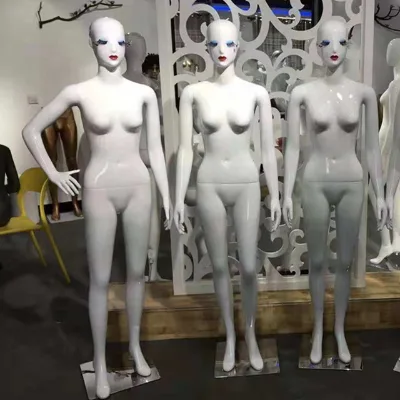
Boutique Window Clothing Mannequin Display Shop Women Full Body Mannequins Female Models
$98.00 - $125.00
MOQ: 5 pieces

Clothes Display Fashion Female Sitting Women Display Mannequin Wholesale Mannequin Doll
$98.00 - $125.00
MOQ: 5 pieces

Outdoor Window Clothes Display Female Mannequin Doll Fiberglass Full Body Sport Mannequins for Sale
$98.00 - $125.00
MOQ: 5 pieces

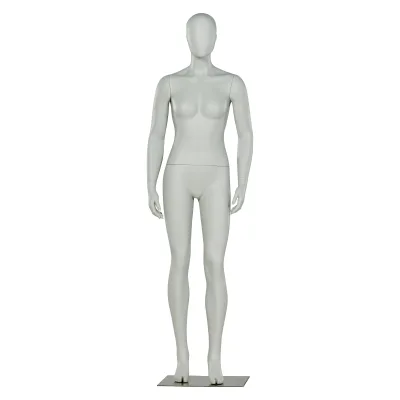
Mannequin Femme White Full Figure Sexy Lady Fiberglass Fashion Woman Mannequin
$95.00 - $125.00
MOQ: 5 pieces

Hot Sale Female Mannequin Fashion Clothes Display Fiberglass Full Body Mannequins Doll Adult Woman
$98.00 - $125.00
MOQ: 5 pieces

Taizhou Manikin Plastic & Mould Co., Ltd.
- Trading Company
- Zhejiang, China
- Lead time20 days
- Avg. response≤ 7h
Main productsPlastic mannequin,fiberglass mannequin,hanger,hologram fan,display props
Main marketsWestern Europe(30.00%), North America(30.00%), Domestic Market(10.00%), Central America(10.00%), South America(10.00%), Mid East(10.00%)
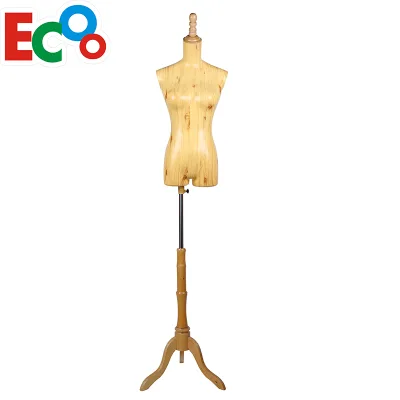
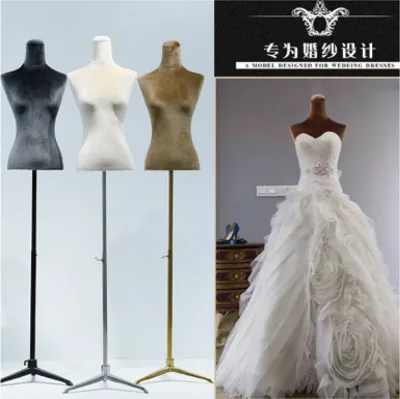
2018 Female Upper Body Mannequin Adjustable Wood Wholesaler Dress Mannequin
$18.28 - $22.35
MOQ: 20 pieces

$79.35 - $81.41
MOQ: 20 pieces
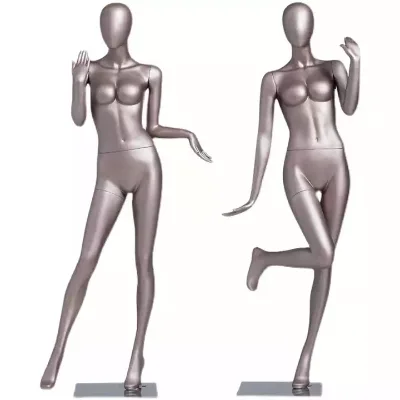
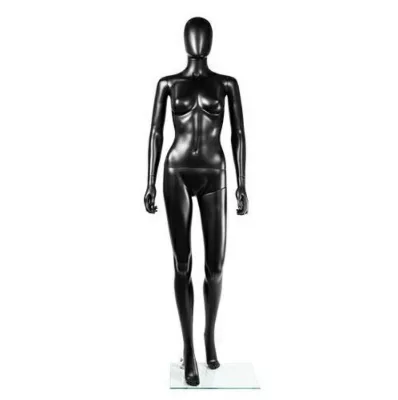
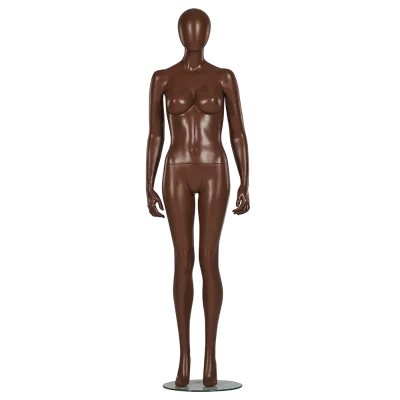
High Quality Black Egg Head Female Mannequin with Glass Base for Window Display
$30.91 - $41.22
MOQ: 5 pieces

Suzhou Kasa Fashion Model Props Co., Ltd
- Verified by CTI
- Trading Company
- China Jiangsu
- Lead time30 days
- Avg. response≤ 1h
Main productsMannequin, Dress Form, Female Mannequin, Male Mannequin, Child Mannequin, Half Body Mannequin, Full Body Mannequin, Display
Main marketsDomestic

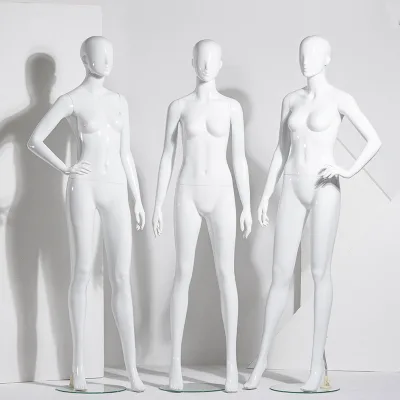
Female Mannequin Clothing Store Female Full Body White Models Window Display Mannequin
$52.00 - $65.00
MOQ: 20 Pieces

Boutique Garment Shop Woman Mannequin Clothing Store Fiberglass Female Mannequin
$123.00
MOQ: 20 Pieces


Full Body Mannequins for Clothing Store Male Mannequin for Window Display Mannequins
$58.00 - $78.00
MOQ: 20 Pieces

Full Body Standing Female Mannequins for Window Display Dummy Mannequins
$52.00 - $68.00
MOQ: 20 Pieces

Suzhou Kasa Fashion Model Props Co., Ltd.
- Verified by Intertek
- Manufacturer, Trading Company
- Lead time30 days
- Avg. response≤ 3h
Main productsMannequin, Hanger, Rack, Display, Crafts
Main marketsNorth America(32%), Africa(23%), Eastern Europe(19%)
Dongguan Jasmine Display Products Co., Ltd.
- Trading Company
- Guangdong, China
- Lead time15 days
- Avg. response≤ 2h
Main productsmannequin,hanger,display rack,dress form
Main marketsMid East(65.00%), North America(25.00%), Western Europe(10.00%)

PEIDA MACHINERY GROUP CO., LTD.
- Verified by BV
- Manufacturer/Factory
- China Anhui
- Lead time90 days
- Avg. response≤ 11h
Main productsBarge, Tugboat, Oil Tanker Ship, Cargo Ship, Tug Boat, Floating Crane Barge, Passenger Ship, Passenger Boat, Deck Barge, Oil Barge
Main marketsSouth America,North America,Southeast Asia,Western Europe,Africa


Clothes Display Shop Window Male Female Skin Color Full Body Skin Mannequin
$30.00 - $300.00
MOQ: 1 Pieces


Custom China Factory Plastic Mannequin Female Breast Clothing Mannequins for Clothes Display
$30.00 - $300.00
MOQ: 1 Pieces


Female Mannequin Durable Gold Head Matte Black Dress Form Realistic Display
$30.00 - $300.00
MOQ: 1 Pieces

Dongguan Yongzhao Hardware Products Co., Ltd.
- Combined
- China Guangdong
- Lead time15 days
- Avg. response≤ 8h
Main productsHanger, Plastic Hanger, Clothes Hangers, Mannequins, Fiberglass Mannequins, Clothing Hangers, Velvet Hangers, Rubber Coating Hanger, Lingerie Hanger, Swimwear Hanger
Main marketsSouth America,Southeast Asia/ Mideast,Europe,Australia,North America

Window Display Fiberglass Full Body Female Mannequin for Clothes Display
$81.00 - $95.00
MOQ: 20 Pieces


Ownway Display Equipment (guangzhou) Co., Ltd.
- Verified by TüVRheinland
- Trading Company
- Lead time25 days
- Avg. response≤ 2h
Main productsDisplay Hooks, Garment Rack, Mannequins, Tube Connectors, Display Showcase
Main marketsEastern Europe(15%), North America(10%), South America(10%)
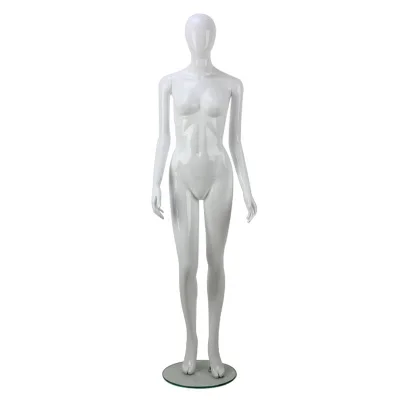
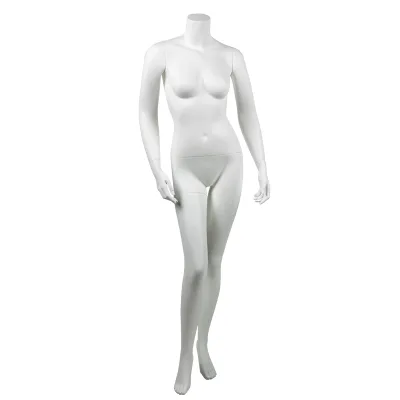
Fashion Female Window Display Headless Female Mannequin
$55.00 - $75.00
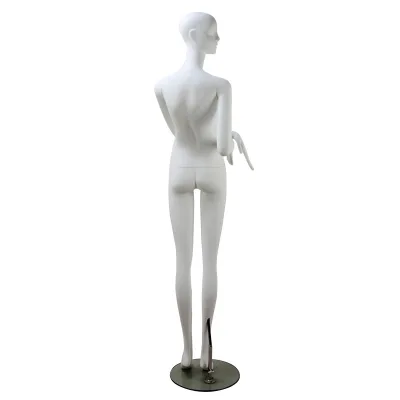
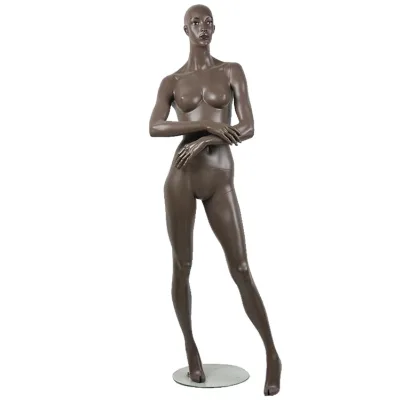
2019 Fashion design manikins female mannequin for sale
$115.00 - $134.00
Meizhou Jinbin Metal Products Co., Ltd.
- Verified by SGS Group
- Manufacturer, Trading Company
- Lead time15 days
- Avg. response≤ 7h
Main productsDisplay Shelf Series, Iron Pipe, Hook Series, Bracket Series, Mannequin Series
Main marketsMid East(30%), Africa(18%), Domestic Market(15%)
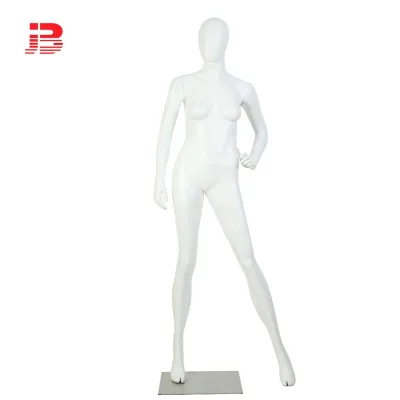
Cheap Female Fiberglass Mannequin with Standing Posture for Window Clothing Shop
$44.87 - $46.71
MOQ: 50 pieces
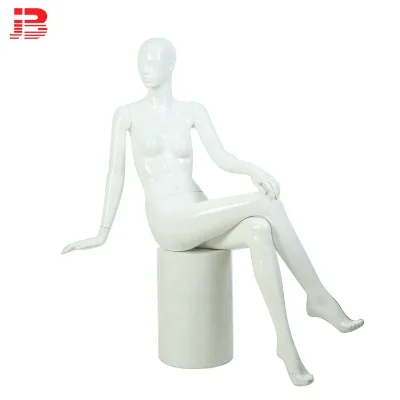
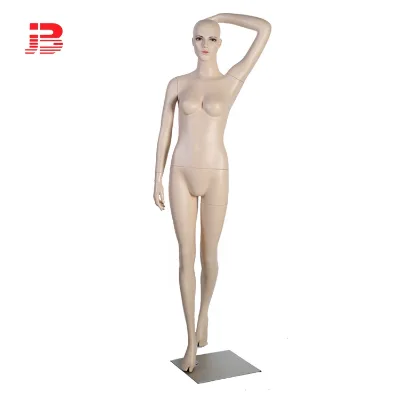
Glossy or Matte Finish Movable Hand XXL Size Female Mannequin for Window Display Props
$52.60 - $55.66
MOQ: 20 Minimum
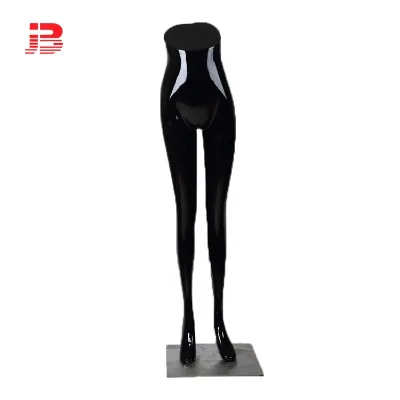
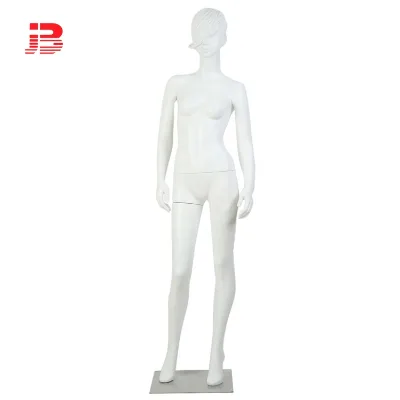
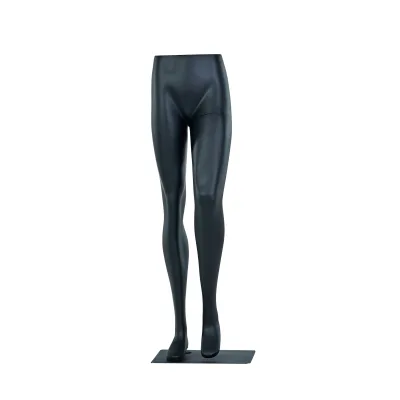
Window Display Glossy Fiberglass Lower-body Mannequins for Clothing Shop
$15.00 - $25.00
MOQ: 20 Minimum
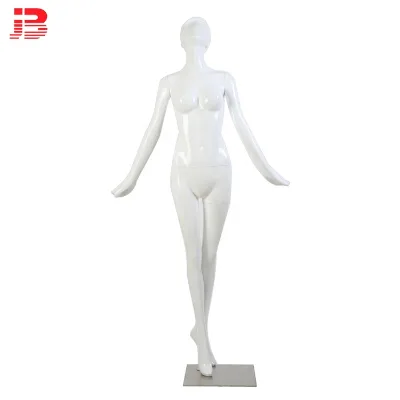
Quanzhou Hexing Display Factory
- Verified by TüVRheinland
- Manufacturer, Trading Company
- Lead time8 days
- Avg. response≤ 4h
Main productsMannequins, Clothes Hanger, Shoe Tree
Main marketsSouthern Europe(15%), North America(10%), Eastern Europe(10%)

Ownway Display Equipment (Guangzhou) Co., Ltd.
- Verified by TUVRHEINLAND
- Trading Company
- China Guangdong
- Lead time23 days
- Avg. response≤ 6h
Main productsDisplay Showcase, Retail Display Cabinet, Store Fixtures, Shop Furniture, Jewelry Display Cabinet, Cosmetic Display Cabinet, Optical Store Furniture, Retail Store Design, Display Rack, Mannequin
Main marketsOthers(foreignTradeCapacity.exportBusinessCapacityMarketOther),Southeast Asia/ Mideast,Domestic,North America

Wholesale Standing Full Body Female Mannequin for Women Clothes Display
$120.00 - $145.00
MOQ: 3 Pieces

Window Display Abstract Female Full Body Sitting Posing Mannequin Torso Lady Mannequin
$112.00 - $129.00
MOQ: 3 Pieces

New Fashion Clothing Window Display Mannequin Female Stand White Women Mannequin Full Body Dummy
$109.00 - $136.00
MOQ: 3 Pieces

Clothing Store Window Display Dummy Plastic Gold Mannequins Female Model
$110.00 - $159.00
MOQ: 3 Pieces

Wholesale Boutique Dress Display Mannequin Women Full Body Mannequins Fiberglass Mannequins Female
$109.00 - $136.00
MOQ: 3 Pieces

New Fashion Clothing Window Display Abstract Head Dummy Sitting White Fiberglass Mannequins Female
$109.00 - $136.00
MOQ: 3 Pieces

Suzhou Malltek Supply China Co., Ltd.
- Verified by BV
- Trading Company
- China Jiangsu
- Lead time15 days
- Avg. response≤ 2h
Main productsShopping Trolley, Shopping Bakset, Airport Trolley, Supermarket Cart, Supermarket Shelf, Mannequin, Wire Container, Storage Rack, Shopping Cart, Checkout Counter
Main marketsSouth America,Africa,Others(foreignTradeCapacity.exportBusinessCapacityMarketOther),Southeast Asia/ Mideast,East Asia(Japan/ South Korea),Europe,Australia,North America


Black Fiberglass Female Mannequin with Wooden Hands for Clothing Display
$78.00 - $80.00
MOQ: 5 Pieces

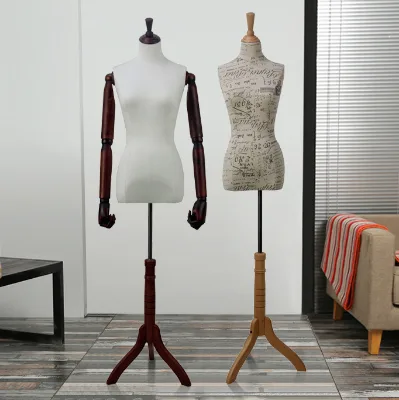
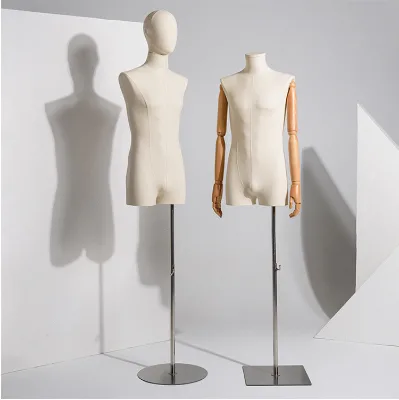
New Design Half Body Cloth Covered Mannequin for Window Display for Female Clothing
$70.00 - $90.00
MOQ: 50 Pieces

Garment Store Window Display Glossy White Plastic Mannequin with Metal Base
$52.00 - $68.00
MOQ: 5 Pieces

Changshu Fancaci Display Co., Ltd.
- Trading Company
- Jiangsu, China
- Lead time30 days
- Avg. response≤ 2h
Main productsmannequins,grinder head,shopping cart,machine parts,shopfitting
Main marketsNorth America(40.00%), Northern Europe(20.00%), Domestic Market(10.00%), South America(10.00%), Western Europe(10.00%), Africa(10.00%)

Suzhou Sigmetal Business Equipment Co., Ltd.
- Verified by SGS
- Trading Company
- China Jiangsu
- Lead time30 days
- Avg. response≤ 11h
Main productsDisplay Rack, Gondola Shelving, Store Fixtures, Shop Fitting, Checkout Counter, Shopping Trolley, Display Hook, Shopping Basket, Furniture Accessories, Supermarket Supporting Facilities
Main marketsEurope,Australia
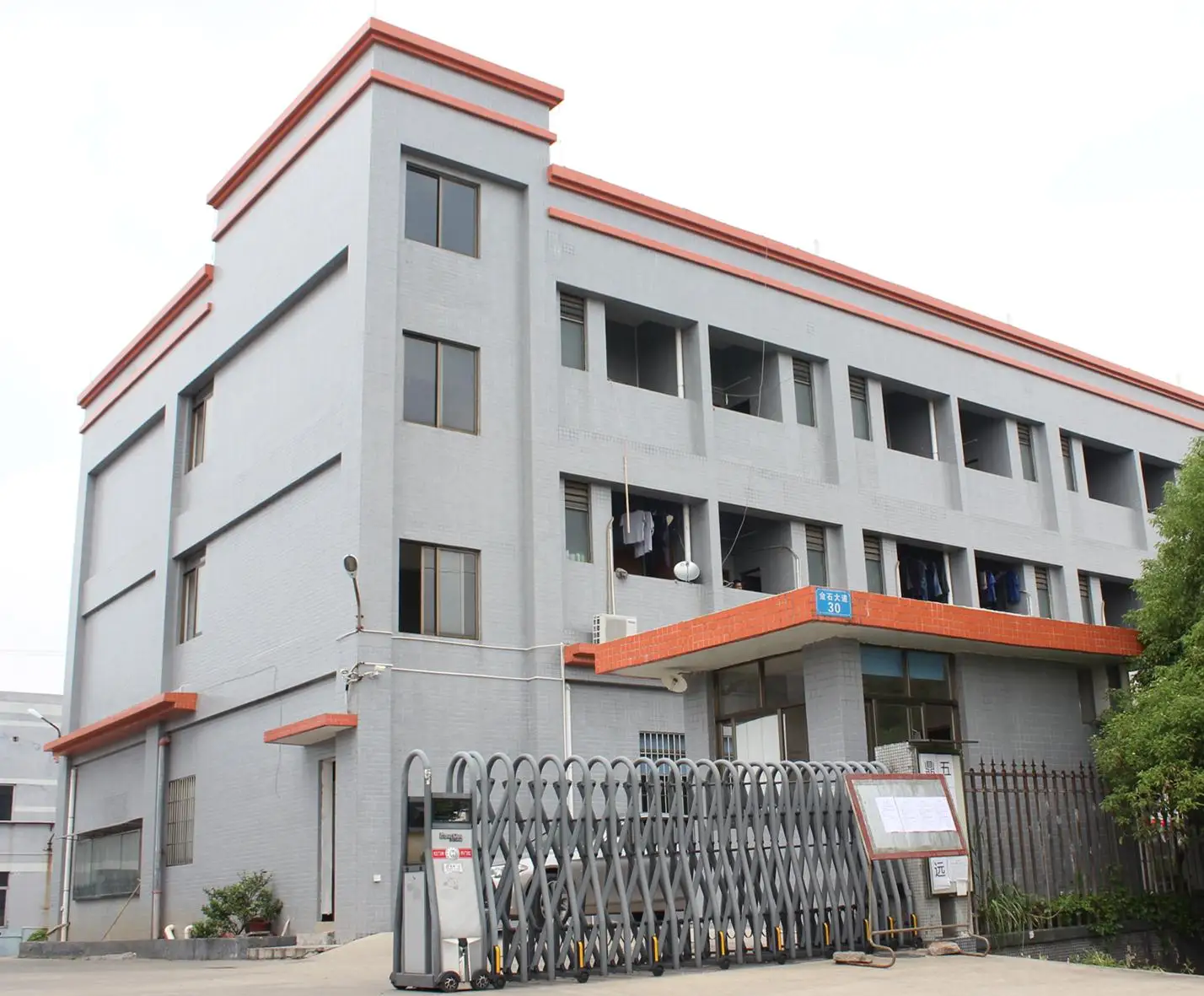
GUANGZHOU BEAUTIFUL HARDWARE MANUFACTURE LIMITED
- Manufacturer, Trading Company
- Guangdong, China
- Lead time25 days
- Avg. response≤ 5h
Main productsStore design,display rack,shopping basket,garment rack,display hook
Main marketsWestern Europe(26.20%), Oceania(11.90%), Domestic Market(10.70%), South America(9.25%), Eastern Asia(8.00%), Southern Europe(7.40%), Mid East(7.00%), North America(5.80%), Northern Europe(4.70%), Central America(4.00%), Eastern Europe(3.50%), Southeast Asia(0.79%), Africa(0.53%), South Asia(0.23%)
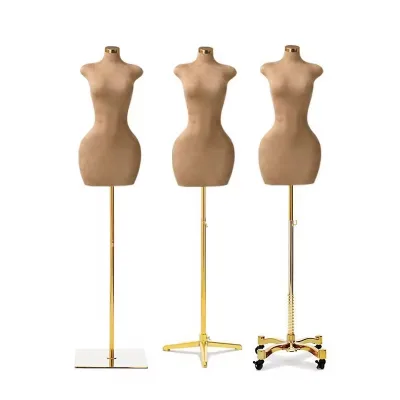
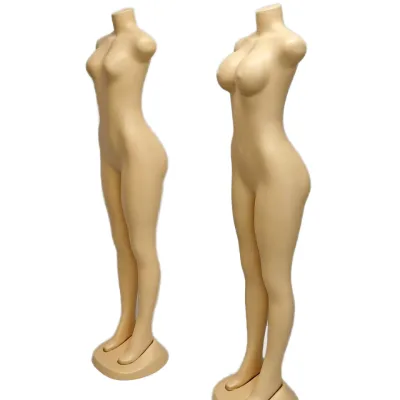
$22.38 - $25.22
MOQ: 20 pairs
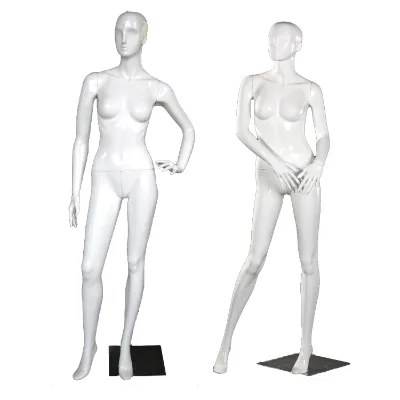
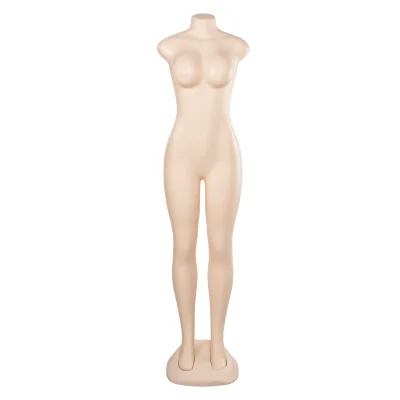
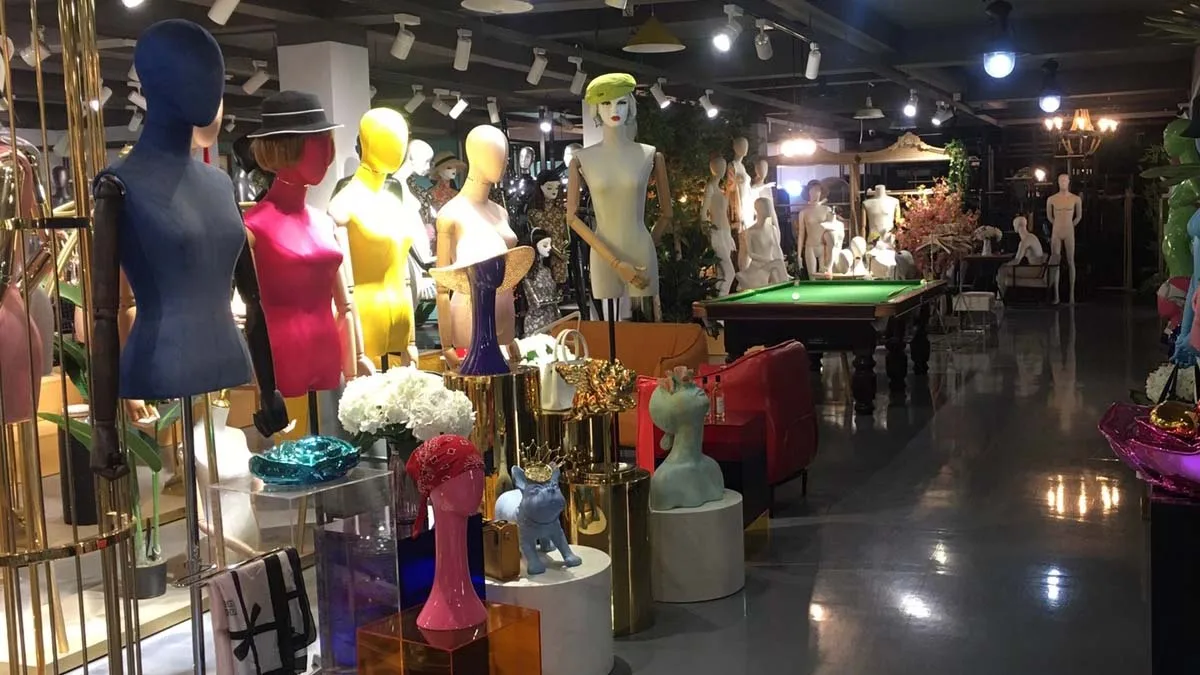
Guangzhou Meizi Model Crafts Co., Ltd.
- Manufacturer
- Guangdong, China
- Lead time0 days
- Avg. response≤ 3h
Main productstyson ballou,Female model,Child model,Torso model,Yoga clothes
Main marketsNorth America(50.00%), Southern Europe(10.00%), Western Europe(10.00%), Eastern Europe(10.00%), Northern Europe(10.00%), Central America(5.00%), South America(5.00%)
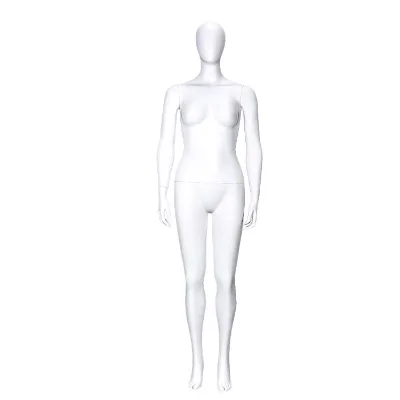
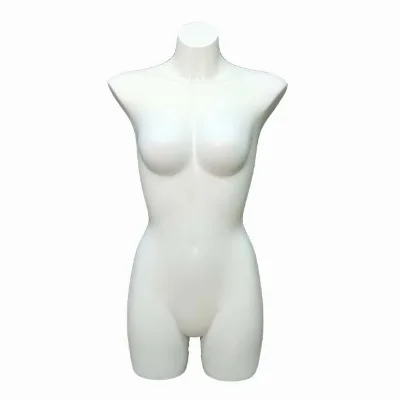
luxury mannequins clothes mannequins mannequins supplier
$70.00 - $80.00
Quanzhou Hexing Display Products Co., Ltd.
- Verified by TüVRheinland
- Manufacturer, Trading Company
- Lead time7 days
- Avg. response≤ 2h
Main productsMannequins, Shoe Tree, Clothes Hanger
Main marketsSouthern Europe(15%), North America(10%), Eastern Europe(10%)
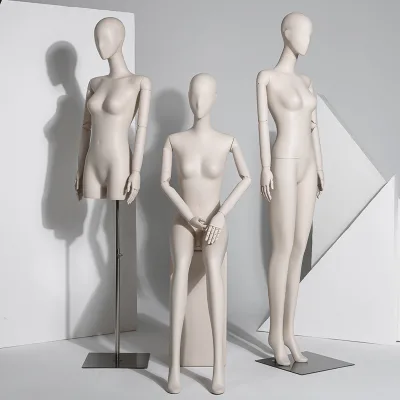
Fiberglass Fashion Abstract Head Lady Cloth Mannequin for Store Female Manikin Dummy
$95.00 - $125.00
MOQ: 5 pieces
Guangzhou Jieyao Display Shelf Co., Ltd.
- Manufacturer, Trading Company
- Guangdong, China
- Lead time15 days
- Avg. response≤ 1h
Main productsBoutique clothing display racks,Visualizer,Shoe store display stands,Mannequins,Cash register
Main marketsNorth America(25.00%), Mid East(15.00%), Oceania(15.00%), Western Europe(15.00%), Northern Europe(5.00%), Eastern Europe(5.00%), Central America(5.00%), Southeast Asia(3.00%), Domestic Market(2.00%), South Asia(2.00%), Southern Europe(2.00%), Eastern Asia(2.00%), Africa(2.00%), South America(2.00%)

Qingyuan County Hongyun Penindustry Co., Ltd.
- Combined
- China Zhejiang
- Lead time30 days
- Avg. response≤ 4h
Main productsWood Pencil Wood Color Pencil, Plastic Pencil Plastic Color Pencil, Wood-Free Pencil Wood-Free Color Pencil, Art Set Stationery Set, Wooden Easel Wooden Case, Brush Canvas Wooden Mannequin Wooden Manikins, Acrylic Paint Oil Paint Gouache Paint, Solid Tempera Paint Paint Stick, Gel Pen Marker Pen Watercolor Pen, Crayon Oil Pastel
Main marketsEast Asia(Japan/ South Korea),Europe,Australia
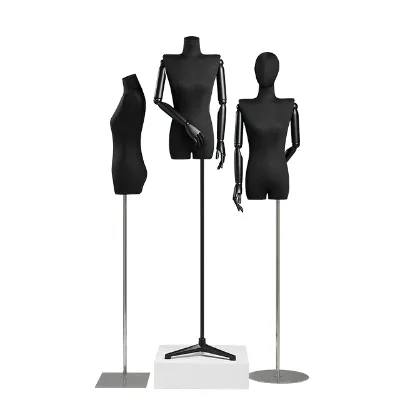
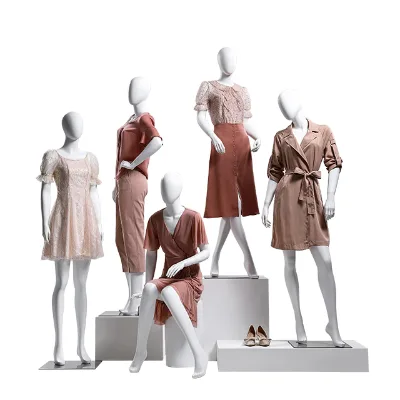
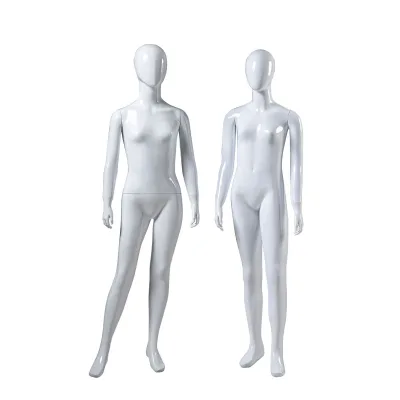
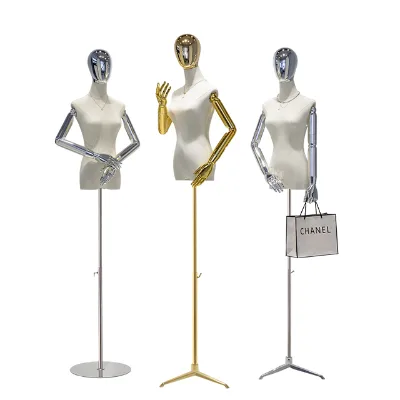
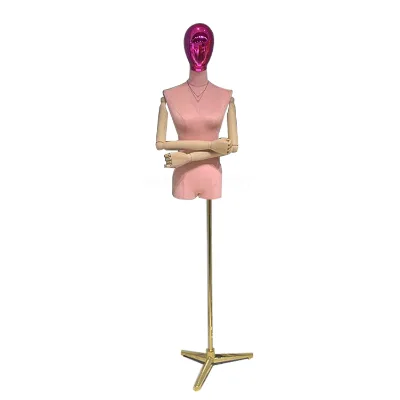
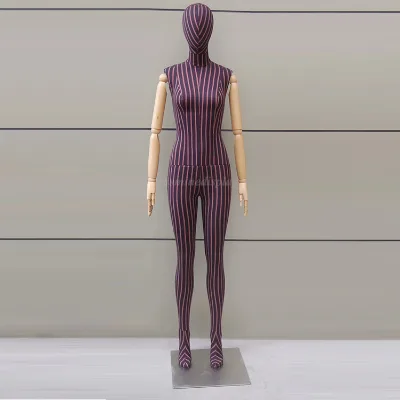
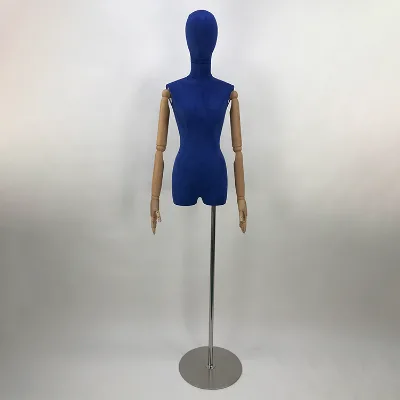
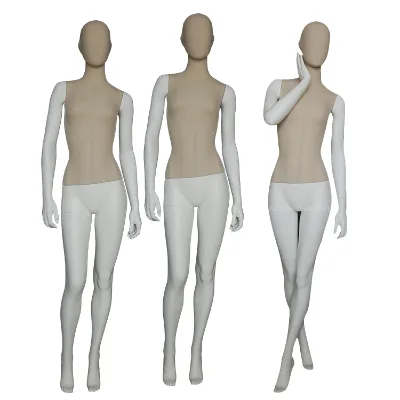



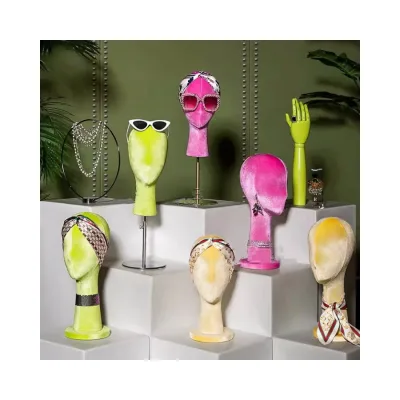



Comprehensive Sourcing Guide
Clothes Window Display Female Mannequin Supplier Concentration and Factory Types
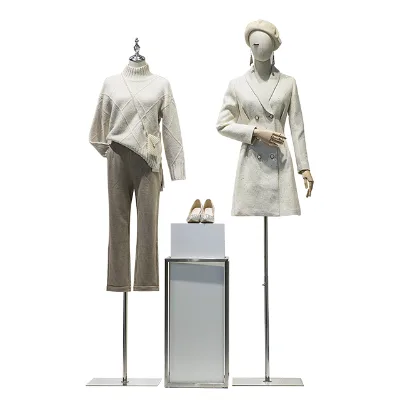
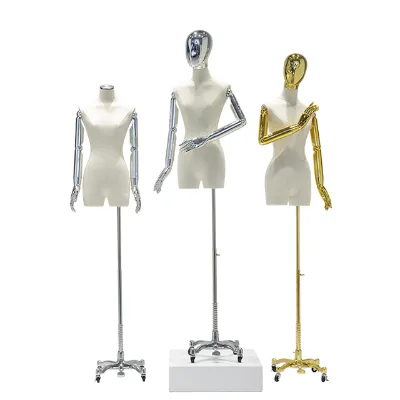
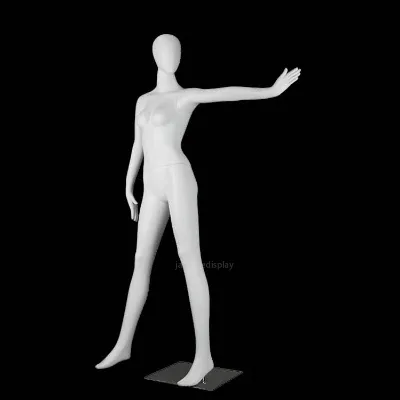
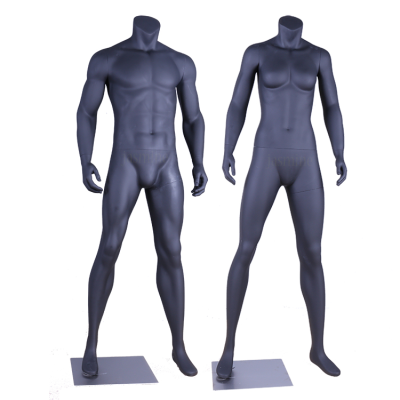
Sourcing results for this category show activity in two Chinese provinces that buyers should understand before shortlisting. Suppliers based in Fujian, China appear as combined-type companies whose listed main products cover mannequins, shoe trees and clothes hangers, with research and production capability listed as ODM, OEM and own brand. Their catalogues concentrate on fiberglass full-body female mannequins for window and clothing display, including abstract figures, plus-size forms, sport-style mannequins, seated poses and boutique window models, typically sold with a base included and packed in cartons. Zhejiang, China entries, by contrast, tend to be trading companies whose main products span plastic and fiberglass mannequins, hangers, hologram fans and general display props, suggesting a broader merchandising mix rather than a mannequin-only focus.
Because search results change, you should confirm the cluster picture yourself rather than assume it. When a location is displayed on a listing, treat it as a starting filter; when it is missing, check the origin field within product attributes, which in this category often states Fujian, China, and cross-check against the port of dispatch named in packaging details. Also read the company type label carefully: a combined manufacturer may offer deeper customization on fiberglass forms, while a trading company may aggregate multiple mannequin factories and materials. Neither structure is inherently better, but each changes who controls tooling, quality fixes and production scheduling when your window display deadline is fixed.
How to Verify Clothes Window Display Female Mannequin Suppliers
Verification should begin with the credibility signals already shown on a supplier listing and end with checks you commission yourself. Some entries in this category carry third-party verification, for example an SGS verification badge, while others list no system certification at all, so never assume an audit exists just because a profile looks complete. Confirm the legal company name behind the listing, the declared location, and whether the company type is manufacturer, trading company or combined. For mannequins, ask which production steps happen in-house, such as fiberglass molding, sanding, painting and base assembly, and which are subcontracted, because surface finishing quality is the most common failure point in this product.
Then verify capability with evidence rather than claims. Request the specific model numbers referenced in product attributes, such as the HX-series codes that appear in this category's listings, and ask whether the exact item shown in photos is the one quoted. Ask for recent production photos, a sample order, and confirmation of sample lead time, since some listings state that sample orders can be supported within days. Check that customization claims are real by requesting a bespoke pose, color or plus-size form and seeing how the supplier prices and schedules it. Finally, verify export experience by asking which markets the supplier currently ships to, and confirm the packing method in writing, because mannequins ship as single cartons per piece with internal protection for arms, legs and torso.
What to Compare Across Clothes Window Display Female Mannequin Suppliers
Build a comparison table from the dimensions actually displayed on supplier profiles, without assuming every supplier shows every attribute. In this category you can typically compare lead time, with some listings stating around fifteen days and others around twenty days; response time, which ranges from a few hours to about seven hours in current results; minimum order quantity, where fiberglass full-body female models are sometimes offered at as few as five pieces while plastic styles may require ten pieces per style; and location, which determines both shipping origin and whether you are dealing with a factory or a trading company. Main products matter too: a supplier listing mannequins alongside shoe trees and hangers may bundle display fittings into one order.
Go beyond the labels and compare the attributes inside product listings themselves. Compare material, since fiberglass and plastic behave differently in weight, finish and durability for window displays; compare base type and whether a base is included; compare packing dimensions and gross weight per piece, which directly drive freight cost; and compare stated production time windows, sample lead times, and any warranty period offered. Where a supply capacity figure is published, note it as an indicator of scale, but ask for proof that it applies to your chosen style. Score suppliers against the same checklist rather than impressions, and weight the criteria by what matters for your retail calendar, since a few days of lead time difference can decide whether a window campaign launches on schedule.
Common Clothes Window Display Female Mannequin Sourcing Risks
The most frequent risk in this category is a gap between the photographed mannequin and the delivered one. Fiberglass mannequins depend heavily on surface preparation, so defects such as uneven paint, visible seams, bubbling or yellowing under shop lighting may not appear until the goods are unpacked. Because customization is widely advertised, another risk is a supplier accepting a custom pose or finish without the tooling or skilled finishing capacity to execute it, resulting in delays that only surface after your order enters production. Ambiguous model references add to this: product listings carry specific model numbers, and quoting a style without locking its code invites substitution.
Logistics and paperwork create the second risk group. Mannequins are bulky relative to their value, so packing quality matters; weak cartons or missing internal padding lead to broken fingers, snapped poses and chipped bases in transit. Some listings omit system certifications entirely, meaning you cannot rely on displayed credentials and must request material declarations yourself, particularly for plastic components. Response time gaps also signal risk: a supplier who answers slowly before the order usually slows further during production problems. Finally, beware of treating a trading company's catalog breadth, which in this category can include unrelated items like hologram fans, as evidence of mannequin depth. Protect yourself with a pre-shipment inspection of finish and pose accuracy, written packing specifications, and a contract that fixes model numbers, colors and sizes before any deposit.
Clothes Window Display Female Mannequin Regional Sourcing and Logistics
Regional choices in this category carry concrete logistical consequences. Listings located in Fujian, China state the origin of the fiberglass full-body female mannequins directly in product attributes, and packaging details for such items describe single-piece carton packing with a stated package size per mannequin and a per-piece gross weight that can reach roughly twenty kilograms for a sports-style fiberglass figure. A Zhejiang-based trading company entry names Ningbo as the port of dispatch and provides container loading estimates, noting how many mannequins fit into a twenty-foot and forty-foot container depending on packing dimensions. These published numbers are exactly what you should collect from every shortlisted supplier.
Use those figures to model freight before ordering. Calculate your shipment in cartons using the stated single package size, then compare full-container, less-than-container and express sample shipments; sample orders are often supported with short lead times, which lets you validate finish quality before committing to volume. Confirm the actual dispatch port for your chosen factory, not just the trading company's office location, because inland trucking from the production site to the port adds cost and days. For window display projects with fixed launch dates, add buffer for finishing rework, since mannequins rejected at inspection cannot be replaced as quickly as soft goods. Ask each supplier to state who books freight, whether cartons are palletized, and how a damaged piece is handled in transit, and get the answers in writing.
Clothes Window Display Female Mannequin Commercial Terms and Order Planning
Commercial terms in this category are visible enough to plan around if you extract them systematically. Current listings show price ranges for fiberglass female full-body mannequins within roughly the mid-tens to low-hundreds of US dollars per piece, minimum order quantities as low as five pieces for some models and ten pieces per style for plastic ranges, and stated production times of seven to fifteen days alongside lead-time figures of about fifteen to twenty days depending on the supplier. Payment methods mentioned in product attributes include bank transfer, PayPal, credit card and letter of credit. Treat every one of these numbers as a quote-specific variable to reconfirm, not a category constant.
Plan orders so commercial terms match your display schedule. For a boutique rollout, a five-piece minimum on a fiberglass model lets you test a window concept cheaply, but confirm the price holds at that quantity and ask how unit cost moves at fifty or one hundred pieces. Fix the model number, color, finish and base in the proforma invoice, state the production window in days from deposit, and align the sample lead time so sample approval does not consume your production buffer. Ask whether escrow or platform-protected payment is available for first orders, since some suppliers on B2B platforms support it while others do not. Finally, agree on what happens if production slips past the stated window, and whether customization fees, tooling costs and re-shipping of rejected pieces are the supplier's responsibility before you release the balance.
Word count check: Section totals approximately 229+229+232+228+232+230 ≈ 1380 words. Within range.
FAQs
What MOQ should I expect for female mannequins for clothes window display?
MOQs for female mannequins are generally low, often starting at 5 pieces per style, and some suppliers set around 10 pieces per style. This makes them accessible for boutiques and small retailers. Confirm the MOQ per pose and finish, since abstract or customized sculpting styles may have different minimums than standard standing models.
How long does production take for full-body female mannequins?
Production for full-body female mannequins typically takes 7 to 15 days after order confirmation, with overall lead times of around 15 to 20 days depending on the supplier and quantity. Sample orders can often be supported on a faster 5 to 7 day schedule. Add shipping time when planning your window display launch date.
Which material is better for window display mannequins, fiberglass or plastic?
Fiberglass is the most common choice for window display female mannequins because it holds fine sculpted details and supports glossy or abstract finishes. Plastic mannequins are lighter and more economical for high-volume retail use. Check the base material, the listed finish color, and whether the model includes a metal or fitted base before ordering.
Can female mannequins be customized in pose, color, or size?
Yes, customization is commonly available for female display mannequins, including color choices such as gray, black, and white, plus-size features, and standing or sitting poses. Customization usually affects production time, so expect a longer schedule than standard catalog items. Ask for a sample first to verify the sculpting quality and finish match your store concept.
What price range should I budget per mannequin unit?
Female fiberglass full-body mannequins commonly list in a range of roughly 95 to 125 US dollars per unit before shipping. Price varies with pose complexity, finish, base type, and order quantity. Request quotes that itemize packaging, since each mannequin is usually packed in its own carton, and compare total landed cost rather than unit price alone.
How are mannequins packed and shipped to avoid damage?
Mannequins are normally packed one piece per carton, with plastic or EPE bags covering each arm, leg, and torso inside multi-layer heavy cardboard boxes. A single package often measures around 118 by 46 by 46 centimeters and can weigh about 20 kilograms. Confirm container loading quantities if you order full 20GP or 40HQ volumes.
Do suppliers offer ODM or OEM services for display mannequins?
Many mannequin suppliers in China operate as combined manufacturers offering ODM, OEM, and own-brand capabilities, so custom molds and private-label options are realistic to request. Verified suppliers with SGS verification can be prioritized during screening. Always confirm certification status directly, since some suppliers hold no system certification and rely on factory audits instead.
How quickly do mannequin suppliers usually respond to inquiries?
Response times vary noticeably between suppliers, with some averaging around 4 to 5 hours and others taking up to 7 hours. Faster responders are better when you need samples, quotes, and display renderings quickly before a store launch. Test responsiveness with a detailed inquiry covering MOQ, finish, and delivery port before committing to an order.