Commercial 380V Induction Soup Stove Suppliers and Manufacturers
Explore 19 verified suppliers offering Commercial 380V Induction Soup Stove units with varying lead times and certifications. Buyers can compare response times, MOQs, and product specifications like voltage and safety features before requesting quotes; review the available evidence before requesting comparable quotations from suitable candidates.
Suppliers List

Jiangsu Xinyuehai Commercial Kitchenware Co., Ltd
- Verified by SGS
- Combined
- China Jiangsu
- Lead time15 days
- Avg. response≤ 2h
Main productsCatering Equipment, Chinese Stove, Kitchen Equipment, Kitchen Appliance, Gas Stove, Ice Maker Machine, Stainless Steel Shelf, Kitchen Workbench, Refrigerator, Induction Cooker
Main marketsDomestic,Europe

Commercial Restaurant Electric Soup Noodle Induction Cooktop Cooking Stove
$895.00 - $945.00
MOQ: 1 piece


Commercial Freestanding Removable Type Cooking Stove Combination Induction Cooker
$338.00 - $388.00
MOQ: 1 piece

Induction Soup Stove Commercial Best Induction Range for Hotel and School Use
$338.00 - $388.00
MOQ: 1 piece

Shandong Boxing Wangquan Commercial Kitchenware Co., Ltd.
- Verified by SGS
- Combined
- China Shandong
- Lead time15 days
- Avg. response≤ 2h
Main productsStainless Steel Sink, Stainless Steel Table, Shelf, Stainless Steel Cabinet / Locker, Stainless Steel Cart and Trolley, Stinless Steel Tableware / Utensils
Main marketsDomestic

Zibo Ruilang International Trade Co., Ltd.
- Verified by SGS
- Combined
- China Shandong
- Lead time15 days
- Avg. response≤ 4h
Main productsCommercial Induction Cooktop, Induction Pot Cooker, Induction Large-Pot Cooker, Induction Fryer, Induction Noodle Boiler, Induction Griddle, Induction Steam Cabinet, Refrigerator, Display Refrigerator, Freezer
Main marketsDomestic

Dongguan Jingcheng Electric Energy Equipment Co., Ltd
- Verified by SGS
- Combined
- China Guangdong
- Lead time15 days
- Avg. response≤ 5h
Main productsPizza Oven, Kitchen Equipment, Restaurant Equipment, Catering Equipment, Induction Cooker, Food Processing Machine, Bakery Equipment, Commercial Dishwashers, Cooking Pot, Oven
Main marketsSouth America,Africa,Others(foreignTradeCapacity.exportBusinessCapacityMarketOther),Southeast Asia/ Mideast,East Asia(Japan/ South Korea),Domestic,Europe,Australia,North America


in Smart Commercial 8000 Watt High-Power Induction Cooker Induction Cooking Stove
$170.00 - $630.00
MOQ: 1 sets

Shandong Wilk Kitchen Equipment Co., Ltd
- Verified by SGS
- Trading Company
- China Shandong
- Lead time15 days
- Avg. response≤ 1h
Main productsStainless Steel Worktable, Stainless Steel Sink, Stainless Steel Shelf, Commercial Rice Steamer, Commercial Gas Stove, Refrigeration Equipment, Western Kitchen Equipment, Bakery Equipment, Cleaning&Sterilizing Equipment, Changing Room Equipment
Main marketsSoutheast Asia/ Mideast


Commercial Industrial Stove Chinese Cooking Range Double Burners Soup Cooking Stove
$50.00 - $140.00
MOQ: 10 Sets


Binzhou Daweite Import And Export Co., Ltd.
- Trading Company
- Shandong, China
- Lead time0 days
- Avg. response≤ 2h
Main productsgas cooker,Single-head Low Soup Stove,Electromagnetic oven,Electromagnetic seafood steaming cabinet,stainless steel work table
Main marketsSoutheast Asia(15.00%), Western Europe(10.00%), Mid East(10.00%), Oceania(10.00%), Africa(10.00%)
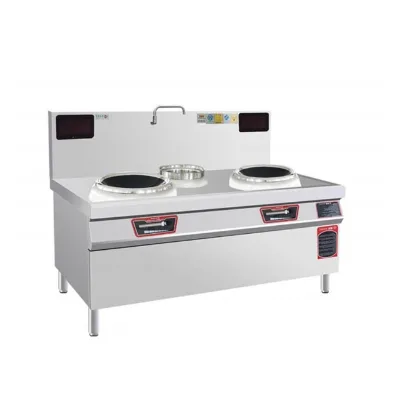
$760.00 - $790.00
MOQ: 1 Minimum
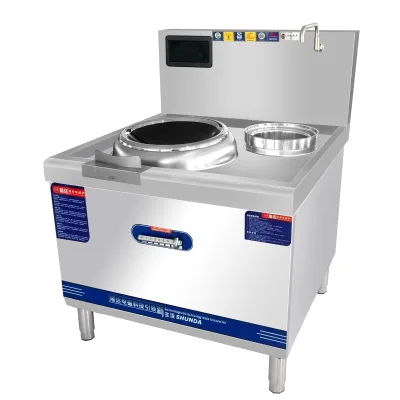
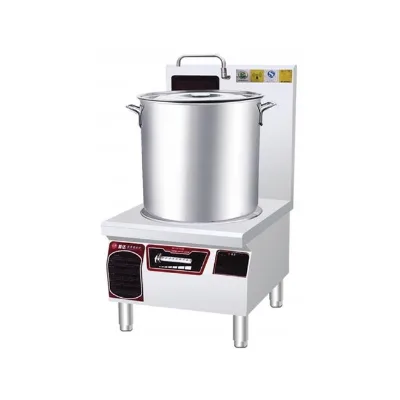

Binzhou Lanjet Commercial Electric Appliance Co., Ltd.
- Manufacturer/Factory
- China Shandong
- Lead time0 days
- Avg. response≤ 2h
Main productsdishwasher

Zhongshan Longstar Electrical Appliance Co., Ltd.
- Verified by BV
- Combined
- China Guangdong
- Lead time30 days
- Avg. response≤ 7h
Main productsInduction Cooker, Infrared Cooker
Main marketsSoutheast Asia/ Mideast

Commercial Hot Pot Induction Cooker 3 Burner Induction Cooker Induction Stove
$83.00 - $88.00
MOQ: 100 Pieces


Guangzhou Kunli Technology Co. Ltd.
- Verified by TUVRHEINLAND
- Combined
- China Guangdong
- Lead time30 days
- Avg. response≤ 2h
Main productsCommercial Kitchen Equipment, Roller Stir Frying Machine, Rice Cooker, Induction Cooker, Rice Steamming Machine, Bun Steammer, Deep Fryer, Porridge Cooker, Noodle Cooker, Dish Washer
Main marketsDomestic


Professional High Back Soup Stove 380V with Stock Pot and Stainless Steel
$430.00 - $1080.00
MOQ: 1 Pieces


High Back Soup Stove 380V with Reliable Stock Pot and Stainless Steel
$430.00 - $1080.00
MOQ: 1 Pieces


Guangzhou Reliable Catering Equipment Co., Ltd.
- Verified by BV
- Trading Company,Manufacturer/Factory
- China Guangdong
- Lead time23 days
- Avg. response≤ 3h
Main productsSnack Food Machine, Deep Fryer, Noodles Cooker, Restaurant Dishwasher, Griddle, Mixer, Waffle Maker, Commercial Kitchen Cooking Equipment, Commercial Baking Oven, Popcorn Machine
Main marketsSouth America,Eastern Europe,Mid East,North America,Southeast Asia,Eastern Asia,Africa

$400.00 - $800.00
MOQ: 1 Pieces

$680.00 - $800.00
MOQ: 1 Pieces

ZHONGSHAN AI LI PU ELECTRICAL APPLIANCE CO., LTD.
- Verified by TUVRHEINLAND
- Combined
- China Guangdong
- Lead time30 days
- Avg. response≤ 9h
Main productsInduction Cooker, Infrared Cooker, Halogen Cooker, Electric Pressure Cooker, Rice Cooker, Kettle, Commercial Induction Cooktop, Double Burns Induction Cooker, Double Burns Infrared Cooker, Four Burns Induction Cooker
Main marketsDomestic

Commercial Induction Stove Hotel Reataurant Use Electric Induction Cooker
$58.80 - $73.00
MOQ: 100 Pieces

Electric Induction Cooktop Portable Cooking Stove Single Burner Induction Cooker
$14.50 - $16.30
MOQ: 600 Pieces

Guangdong Jieguan Kitchen Equipment Manufacturing Co., Ltd.
- Combined
- China Guangdong
- Lead time30 days
- Avg. response≤ 7h
Main productsCombi Oven, Convection Oven, Fryer, Griddle, Induction Cooker, Coffee Maker, Chicken Rotisserie, Food Warmer, Bain Marie, Pasta Cooker and Cooking Range
Main marketsSouth America,Africa,Others(foreignTradeCapacity.exportBusinessCapacityMarketOther),Europe,Australia

Commercial Induction Cooker Stove with Oven 4 Burners Eco-Friendly Equipment
$1320.00 - $1460.00
MOQ: 5 Pieces


GGMGASTRO (QINGDAO) INTERNATIONAL CO., LTD.
- Verified by BV
- Trading Company,Manufacturer/Factory
- China Shandong
- Lead time23 days
- Avg. response≤ 4h
Main productsCommercial Refrigerator, Kitchen Equipment, Catering Equipment, Bakery Eqipment, Ice Maker, Stainless Steel Sink, Meat Slicer, Fryer, Induction Cooker, Contact Grill
Main marketsSouth America,Eastern Europe,Mid East,Southeast Asia,Western Europe

Jiangmen SHT Metal Products Co., Ltd.
- Manufacturer
- China Guangdong
- Lead time30 days
- Avg. response≤ 2h
Main productsPizza Oven, BBQ Grill, Outdoor Kitchen, Gas Grill, Kitchen Cabinet, Barbecue Grill, Charcoal Grill, BBQ Gas Grill, Outdoor Grill, Gas Pizza Oven
Main marketsEurope,Australia,North America

Kaesid Kitchen Equipment (Shenzhen) Co., Ltd.
- Verified by TUVRHEINLAND
- Manufacturer/Factory
- China Guangdong
- Lead time0 days
- Avg. response≤ 6h
Main productsKitchen Equipment, Catering Equipment, Kitchen Furniture, Ice Cream Maker, Refrigerator, Bakery Equipment, Ice Maker, Home Appliances, Electric Griddle, Electric Pressure Cooker

Restaurant Kitchen Equipment Electric Induction Cooker Stove with 6 Burners
$950.00 - $1510.00
MOQ: 1 Sets


$950.00 - $1510.00
MOQ: 1 Sets

Zhongshan Daofey Electrical Co., Ltd.
- Verified by TUVRHEINLAND
- Combined
- China Guangdong
- Lead time30 days
- Avg. response≤ 9h
Main productsInduction Cooker, Infrared Cooker, Built in Cooker, Induction Cooktop, Ceramic Cooker, Built Induction Cooker, Built Ceramic Cooker, Hot Plate
Main marketsOthers(foreignTradeCapacity.exportBusinessCapacityMarketOther),Europe

Good Quality Household Electric Stove Mini Induction Stove Commercial Cooker
$10.00 - $14.00
MOQ: 1000 Pieces

220V Multifunctional 2 Burner Induction Cooker Cooktop Built in Touch Control Induction Stove
$10.00 - $14.00
MOQ: 1000 Pieces

High Performance Electric Cooker Induction Stove for Culinary Enthusiasts
$48.00 - $50.00
MOQ: 400 Pieces

Versatile Induction Cooker: High-Performance Electric Stove for Chefs
$10.00 - $14.00
MOQ: 1000 Pieces


Guangzhou Nantian Sources Co., Ltd.
- Manufacturer/Factory
- China Guangdong
- Lead time15 days
- Avg. response≤ 5h
Main productsKitchen Equipment, Kitchenware, Food Machine, Kitchen Appliance, Glassware, Food Machinery, Bakery Equipment, Dinnerware, Kitchen Utensils, Food Processor
Main marketsSouth America,Mid East,Southeast Asia,Eastern Asia,Oceania,Africa

FOSHAN KITCHENSTAR ELECTRICAL APPLIANCES CO., LTD.
- Combined
- China Guangdong
- Lead time30 days
- Avg. response≤ 13h
Main productsInduction Hob
Main marketsSoutheast Asia/ Mideast,Europe,North America

New Launched 4 Zones Induction Hobs Cooker Cooktop Induction Grill Stove
$73.00 - $77.00
MOQ: 50 Pieces


Guangzhou Zengxing Commercial Equipment Manufacturing Co., Ltd.
- Verified by SGS
- Combined
- China Guangdong
- Lead time15 days
- Avg. response≤ 8h
Main productsElectric Fryer, Vacuum Tumbler, Toaster, Gas Fryer, Oil Filter Car, Griddle, Egg Cooker, Gas Ranges, Breading Table, Vacuum Packaging Machine
Main marketsOthers(foreignTradeCapacity.exportBusinessCapacityMarketOther)


Comprehensive Sourcing Guide
Commercial 380V Induction Soup Stove Supplier Concentration and Factory Types
Current data indicates that manufacturers of commercial 380V induction soup stoves are concentrated in specific Chinese provinces, with Jiangsu and Shandong emerging as key production hubs. Suppliers in Jiangsu often list main products including catering equipment, gas stoves, and various kitchen appliances, suggesting a diverse manufacturing base capable of handling complex electrical components. In contrast, facilities in Shandong frequently specialize in stainless steel sinks, tables, and storage solutions, which may indicate a supply chain strength in metal fabrication and structural integrity for heavy-duty commercial units. These regional clusters allow buyers to source complete kitchen setups or specialized components from a single geographic area, potentially reducing logistics complexity.
The supplier types observed in this sector vary significantly, ranging from combined entities that handle both manufacturing and trading to specialized factories offering ODM and OEM services. Some suppliers possess their own brands and in-house R&D capabilities, while others focus on customizing existing models for specific client requirements. This variation means that a buyer seeking a standard commercial unit might find a trading company sufficient, whereas a request for a unique voltage configuration or custom control interface requires a factory with verified R&D capacity. Understanding whether a supplier is a manufacturer or a trader is critical, as it directly impacts the ability to modify product specifications like voltage, power source, or control methods to meet specific operational needs.
How to Verify Commercial 380V Induction Soup Stove Suppliers
Verification of suppliers in this category requires a rigorous check of their system certifications and product-specific compliance documents. While some suppliers in the current results display ISO9001:2015 and ISO14001:2015 certificates, others may show no system certification listed, necessitating a direct request for these documents before proceeding. Product-level certifications are equally vital; specific models have been observed to carry 3C and CE certifications, which are essential for electrical safety and market entry in many regions. Buyers must confirm that the certification applies to the exact model number and voltage configuration, as a 380V unit may have different safety requirements than a standard 220V appliance.
Beyond documentation, the verification process should include assessing the supplier's response time and verification status through third-party platforms. Data shows response times can vary, with some suppliers responding within 1.15 hours while others take nearly two hours, which can impact the speed of negotiation and technical clarification. Additionally, checking if a supplier is verified by agencies like SGS provides an external layer of trust regarding their business legitimacy and operational history. Buyers should also examine the product attributes listed, such as the presence of timing devices, fireout protection, and computer control methods, to ensure the supplier's claims match the technical specifications required for a commercial kitchen environment.
What to Compare Across Commercial 380V Induction Soup Stove Suppliers
When evaluating multiple suppliers, the primary comparison points should include lead times, minimum order quantities, and pricing structures. Lead times in the current dataset show a standard duration of 15 days, but this can vary based on customization levels and production capacity. Minimum order quantities also differ significantly; some listings indicate an MOQ of just one unit, while others require a minimum of 20 units, which directly affects the feasibility of small-scale testing or large-scale deployment. Pricing ranges are equally diverse, with observed minimum prices starting as low as 338.00 and reaching up to 1000.00 depending on the model features, material quality, and included accessories like adjustable stove legs or specific control panels.
Technical specifications and customization options form the second critical comparison dimension. Buyers must compare attributes such as voltage requirements, power sources, and control methods across different suppliers. For instance, some units feature computer control with timing devices, while others operate without timing functions or use different gearshift configurations. Material quality is another key differentiator, with options ranging from standard stainless steel to specific grades like 201# or 304#. Additionally, the availability of customization for dimensions, such as standard sizes of 600800800mm versus custom-built units, allows buyers to match the equipment precisely to their kitchen layout. Comparing these technical details ensures the selected supplier can meet the specific operational demands of the intended commercial setting.
Common Commercial 380V Induction Soup Stove Sourcing Risks
One significant risk in sourcing commercial 380V induction soup stoves is the potential mismatch between advertised specifications and actual product capabilities. Suppliers may list general attributes like "Electric" power sources or "Computer Control" without specifying the exact voltage tolerance or the reliability of the control system under heavy load. This ambiguity can lead to equipment failure if the unit is not compatible with the local power grid or if the control logic is insufficient for continuous commercial use. Buyers must verify that the voltage, such as the 380V standard, is explicitly confirmed for the specific model and that the power source matches the intended installation environment to avoid costly retrofits or replacements.
Another major risk involves the inconsistency in certification and safety features across different suppliers. While some products explicitly list 3C and CE certifications along with safety protections like fireout protection, others may lack these critical safety markers entirely. The absence of a system certification like ISO9001:2015 in some supplier profiles suggests a potential gap in quality management processes, which could result in inconsistent product quality or safety hazards. Furthermore, the variation in warranty terms, with some suppliers offering only a one-year warranty, highlights the need for buyers to carefully review after-sales support and service agreements to mitigate the risk of prolonged downtime in a commercial kitchen setting.
Commercial 380V Induction Soup Stove Regional Sourcing and Logistics
Sourcing from specific regions like Jiangsu and Shandong offers distinct logistical advantages and challenges that buyers must consider. Suppliers in Jiangsu often provide a wide range of kitchen appliances, which can simplify the procurement of complementary items like refrigerators or workbenches, potentially consolidating shipping costs. However, the distance from these manufacturing hubs to international ports can impact transit times and freight costs. Similarly, suppliers in Shandong, known for stainless steel fabrication, may offer robust structural components but could have different shipping logistics depending on their proximity to major export ports. Buyers should evaluate the origin of the product, as indicated by attributes like "China" or specific provinces, to estimate shipping durations accurately.
Logistics planning must also account for the specific packaging and handling requirements of heavy commercial equipment. Product attributes often specify packing methods such as sea freight, container shipping, or wooden frames and boxes, which are crucial for protecting the induction stoves during transit. The dimensions of the units, ranging from compact 400x700x940mm models to larger 20002000400mm configurations, directly influence the number of containers required and the overall shipping volume. Buyers should verify the packing details with the supplier to ensure that the equipment is secured against damage and that the shipping method aligns with the delivery timeline and budget constraints of the project.
Commercial 380V Induction Soup Stove Commercial Terms and Order Planning
Order planning for commercial 380V induction soup stoves requires careful attention to payment terms, delivery schedules, and customization lead times. The observed lead time of 15 days serves as a baseline, but this can extend significantly if the order involves custom modifications such as unique dimensions or specialized control interfaces. Buyers should clarify whether the quoted price includes all necessary accessories, such as timing devices or specific burner configurations, to avoid unexpected costs later. Additionally, understanding the supplier's capacity for handling large orders is essential, as some suppliers may have limited production capacity for custom models compared to standard stock items.
Commercial terms also encompass the warranty and after-sales support provided by the supplier. While some listings mention a one-year warranty, the scope of this coverage, including parts and labor, must be clearly defined in the contract. Buyers should also verify the supplier's ability to provide technical support for installation and troubleshooting, especially for complex units with computer control systems. The presence of escrow services or other payment protection mechanisms can further mitigate financial risks, ensuring that funds are only released once the goods are delivered and meet the agreed-upon specifications. Clear communication of these terms at the outset of the negotiation process is vital for a successful procurement outcome.
FAQs
What voltage do commercial 380V induction soup stoves require?
Most commercial 380V induction soup stoves listed for restaurant use operate on a 380V three-phase supply. Confirm your site's wiring capacity before ordering, since higher-power burners draw significant current. Some models also list computer control and timing functions, so check whether the control panel needs an additional low-voltage connection during installation.
Is customization available for induction soup stoves?
Yes, customization is available on the commercial induction soup stove models shown, including custom dimensions and configurations. Stainless steel bodies, burner counts, and funnel setups can be adapted to kitchen layouts. Ask suppliers to confirm customized specifications in writing, and request drawings before production starts so requirements like adjustable legs and computer control match your kitchen plan.
What certifications should these induction stoves have?
The listed induction stoves carry 3C and CE certification, and one electric model is also marked CE. Certification documents should be requested before ordering, since commercial kitchens often require proof for inspections. Verify that the certificate number matches the exact model you buy, because certification usually applies per model rather than across an entire product range.
What are typical prices for commercial induction soup stoves?
Listed prices for commercial induction stoves range from about $338 to $1,021 per unit depending on size, burner count, and features. Smaller smoke-free cooktops sit at the lower end, while freestanding combination cookers cost more. Prices vary with customization, stainless steel grade, and order quantity, so request an updated quotation based on your exact configuration.
What is the minimum order quantity for these stoves?
Minimum order quantities vary by model, with some induction soup stoves listed at a single-unit MOQ and other stove products at twenty units. Single-unit MOQ suits restaurants testing equipment or replacing one burner. Ask each supplier to confirm current MOQ and whether trial orders qualify for the same unit price as larger repeat purchases.
What is the typical lead time and response time?
Listed suppliers show lead times around 15 days and average response times under two hours. Actual production time depends on customization level, order size, and factory workload, so confirm the schedule in writing before paying. For urgent kitchen openings, ask whether sea-freight packing on pallets or in wooden boxes is ready for immediate booking.
Which materials are used in commercial induction stoves?
Stainless steel is the standard body material, with some models specifying 201# or 304# grade and adjustable stove legs. Higher-grade 304 stainless resists corrosion better in wet soup-cooking environments. Confirm the grade in the purchase contract, and ask whether welded seams are polished, since rough seams trap food residue and complicate daily cleaning in busy kitchens.
Do suppliers offer warranty and safety protection?
Some listed models state a one-year warranty and fire-out protection as a safety feature, alongside computer control. Warranty terms differ by supplier and model, so confirm coverage for the induction coil, control board, and labor before ordering. Also ask whether spare parts are available after the warranty period, since control components often fail first in commercial use.