Colorful Whirling Plastic Toy Windmill Suppliers and Manufacturers
Source 20 verified suppliers for Colorful Whirling Plastic Toy Windmill products. Compare key dimensions including lead times, MOQs, certifications, and response rates to identify suitable partners. Review product specifications and request quotes directly from the listed factories; review the available evidence before requesting comparable quotations from suitable candidates.
Suppliers List

Guangdong Chuanghui Foodstuffs Co., Ltd.
- Verified by BV
- Combined
- China Guangdong
- Lead time30 days
- Avg. response≤ 3h
Main productsCandy, Toy Candy, Lollipop, Soft Candy, Bubble Gum, Jelly, Cc Stick, Pressed Candy, Popping Candy, Chocolate
Main marketsSouth America,Southeast Asia/ Mideast,Domestic,Europe

- Verified by BV
- Manufacturer/Factory
- China Guangdong
- Lead time15 days
- Avg. response≤ 6h
Main productsOutdoor and Indoor Lighting, Bar Lights, Festival Lights, Pet Products, Kid Toys
Main marketsSouth America,Eastern Europe,Mid East,North America,Southeast Asia,Eastern Asia,Oceania,Western Europe,Africa

Factory Direct Luminous Cartoon Children Party Toys Gift Colorful Windmill Flash Animal LED Windmill
$0.30 - $0.80
MOQ: 500 Pieces

Guangdong Chuanghui Foodstuffs Co., Ltd.
- Verified by SGS Group
- Manufacturer, Trading Company
- Lead time30 days
Main productsPop Rocks popping candy, 16g Flat lollipop with Popping candy, 2 in 1 Double Flavors Lollipop, Sour powder filled Rainbow Gummy, Straw gummy candy with sour powder
Main marketsDomestic Market(30%), South America(15%), Central America(14%)

- Combined
- China Guangdong
- Lead time23 days
- Avg. response≤ 3h
Main productsPromotion Gift, Toy, Flashing Item, Free Gift, Business Gift, Novelty
Main marketsAfrica,Europe,North America


Children's Glowing Toy Cartoon Mermaid Flashing Windmill Rainbow Lights Music Spinning Magic Wand
$1.59 - $1.65
MOQ: 200 Pieces


New Rotating Flash Windmill Colorful Rotating Flash Stick Children's Outdoor Festival Flash Toy
$1.69 - $1.82
MOQ: 1000 Pieces

New Children's Flash Toy Rotating Flash Windmill Colorful Rotating Flash Stick
$1.69 - $1.82
MOQ: 1000 Pieces
- Manufacturer, Trading Company
- Zhejing, China
- Lead time7 days
- Avg. response≤ 2h
Main productsWindmill Toys,Soft Glue Toys,Garden decorations,Wooden toys,Metal handicrafts
Main marketsNorth America(60.00%), Southeast Asia(20.00%), Eastern Europe(10.00%), South America(10.00%)

Hunan Double Bulls Gifts Co., Ltd.
- Trading Company
- Hunan, China
- Lead time15 days
- Avg. response≤ 9h
Main productsSTATIONERY PRODUCT,SPORTS PRODUCTS,PLASTIC TOYS,PLASTIC PRODUCTS,CLOTHING PRODUCTS
Main marketsSoutheast Asia(20.00%), Eastern Europe(20.00%), South America(15.00%), North America(15.00%), Southern Europe(10.00%), Western Europe(10.00%), Oceania(2.00%), Africa(2.00%), Domestic Market(1.00%), South Asia(1.00%), Eastern Asia(1.00%), Northern Europe(1.00%), Central America(1.00%), Mid East(1.00%)

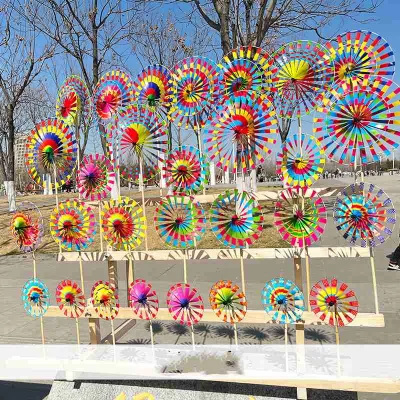
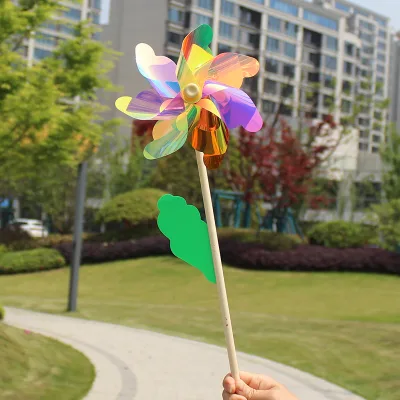
Cartoon Decorative Windmill Children's Educational Toys Wholesale Colorful Windmill
$0.24 - $0.30
MOQ: 1000



- Trading Company
- Jiangsu, China
- Lead time10 days
- Avg. response≤ 5h
Main productswhatsapp:15161989378,Silicone Toy,Squeeze Toy,Flippy chain toy,Educational Toy
Main marketsDomestic Market(15.00%), South America(15.00%), North America(15.00%), Southern Europe(10.00%), Northern Europe(10.00%), Central America(10.00%), Western Europe(10.00%), Eastern Europe(10.00%), Mid East(5.00%)


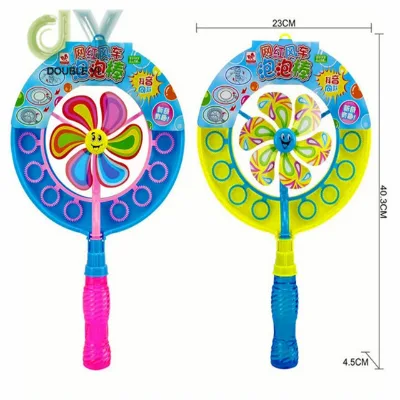
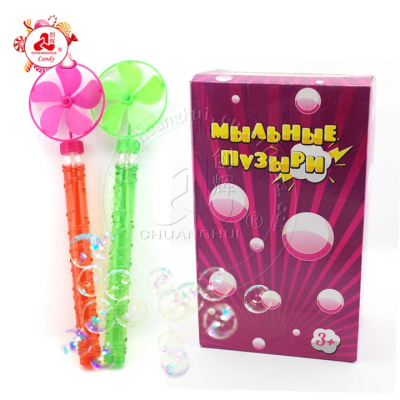
Net Red Colorful Windmill Bubble Machine fairy Children's Porous Bubble Wand Toy
$0.62 - $0.81
MOQ: 100 Minimum

$5.14 - $5.76
MOQ: 40 Minimum
Yiwu Hannuo Import And Export Co., Ltd.
- Verified by TüVRheinland
- Trading Company
- Lead time0 days
Main productsBanner, Flags, Advertising Tent, Promotional Gifts
Main marketsNorth America(26%), South America(12%), Mid East(12%)
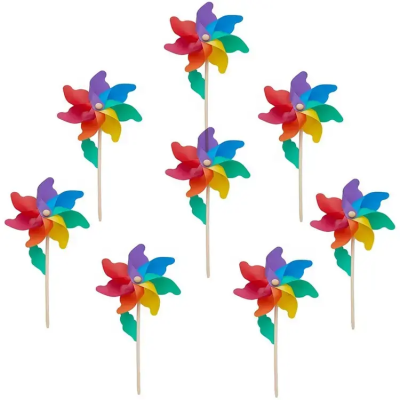

$0.25 - $0.35
MOQ: 500 pieces
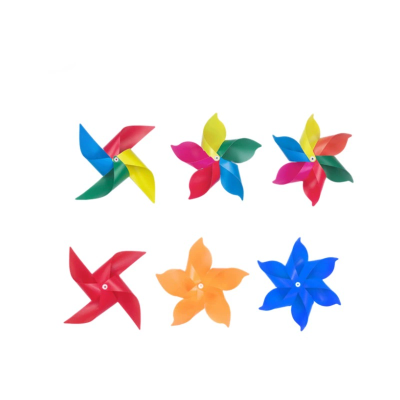

Wholesale Custom logo Plastic Mini Garden Windmills Wind Spinner Decorative Windmill
$0.30 - $0.54
MOQ: 100 pieces


- Manufacturer/Factory
- China Guangdong
- Lead time30 days
- Avg. response≤ 5h
Main productsCandy, Marshmallow Candy, Gummy Candy, Lollipop Hard Candy, Liquid Candy Chocolate Egg, Jelly Candy Chocolate Candy, Bubble Gum, Chewy Candy, Candy Powder, Candy Toy
Main marketsSouth America,Eastern Europe,Mid East,North America,Southeast Asia,Eastern Asia,Oceania,Western Europe,Africa


New Cheap Mix Color Snail Windmill Fan Toy Sweet Fruit Flavor Swirl Twist Hard Candy Lollipop
$8.00 - $10.00
MOQ: 300 Boxes


Zhejiang Beima Education & Technology Co., Ltd.
- Trading Company
- China Zhejiang
- Lead time30 days
- Avg. response≤ 25h
Main productsToy, Building Toy, Education Toy, Building Block, DIY Toy, Puzzle Game, Children Toy, Preschool Toy, Plastic Toy, Plastic Building Toy
Main marketsEast Asia(Japan/ South Korea),Domestic,Europe,North America


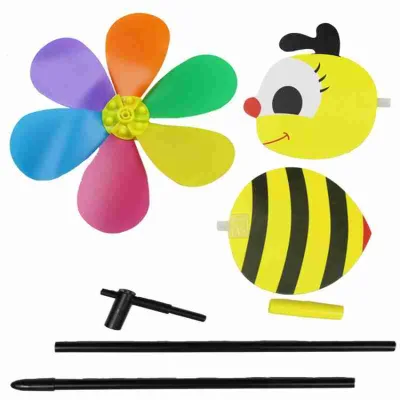
EVA Foam Rolling Windmill DIY Game for Kids
MOQ: 12 Sets
Guangzhou Baolilong Toys Trading Co., Limited
- Trading Company
- Guangdong, China
- Lead time45 days
- Avg. response≤ 7h
Main productspromotion toys,dollar chain shop toys,OEM and ODM,candy toy,capsule toy
Main marketsNorthern Europe(35.00%), Mid East(25.00%), Eastern Europe(25.00%), South Asia(10.00%), South America(5.00%)

- Verified by SGS
- Trading Company
- China Zhejiang
- Lead time15 days
- Avg. response≤ 8h
Main productsYiwu Sourcing Agent, DIY Toys, DIY Jewelry, Travel Souvenirs, Stationery, School Furtiture, Outdoor Products, Caps & Shoes & Socks, Costumes & Props, Beauty Tools
Main marketsAfrica,East Asia(Japan/ South Korea),North America
Chaozhou Burton Foodstuff Co., Ltd.
- Verified by SGS Group
- Trading Company
- Guangdong, China
- Lead time30 days
- Avg. response≤ 6h
Main productsSoft Gummy Candy, Chocolate, Lollipop , Toy Candy, Jelly Pudding
Main marketsMid East(25%), Central America(25%), Southeast Asia(20%)

Guangdong Jusicylove Food Technology Co., Ltd
- Verified by TUVRHEINLAND
- Trading Company
- China Guangdong
- Lead time30 days
- Avg. response≤ 5h
Main productsToy, Candy Toy, Lollipop, Marshmallow, Bubble Gum, Popping Candy, Chocolate.
Main marketsOthers(foreignTradeCapacity.exportBusinessCapacityMarketOther)

Hot Selling Snail Windmill Fan Toy Candy Swirl Twist Hard Lollipop Candy
$26.00 - $29.00
MOQ: 100 Boxes

Hot Selling Colorful Windmill Sun Flower Toy with Fruit Flavour Lollipop Hard Candy
$23.00 - $25.00
MOQ: 100 Pieces

Bulk Wholesale Plastic Double Windmill Whistle Toys with Sweet Popping Candy
$21.00 - $23.00
MOQ: 100 Boxes
Shenzhen City Botree Toys Factory
- Manufacturer, Distributor/Wholesaler
- Guangdong, China
- Lead time15 days
- Avg. response≤ 5h
Main productsPlastic Toys,Promotional Toys,Capsule Toys,DIY Toys,Pull Back Car Toys
Main marketsMid East(60.00%), Southeast Asia(35.00%), Africa(5.00%)

- Verified by TUVRHEINLAND
- Trading Company,Manufacturer/Factory,Other
- China Guangdong
- Lead time0 days
- Avg. response≤ 15h
Main productsCandy, Lollipop, Biscuit, Chewing Gum, Olivary Gum, Pectol Mint Candy, Bubble Gum, Toy Candy, Hard Candy, Jelly


Funny Small Fruit Windmill Toy Candy for Children
MOQ: 100 Boxes

Windmill Toy Candy with Press Candy
MOQ: 100 Boxes


Factory Wholesale Windmill Toy Bubble Water for Children
MOQ: 500 Boxes
Yiwu Guanran Import And Export Co., Ltd.
- Trading Company
- Zhejiang, China
- Lead time15 days
- Avg. response≤ 5h
Main productstoys,eduction,party,pets toys
Main marketsNorth America(20.00%), Africa(11.00%), Southeast Asia(10.00%), South America(10.00%), Southern Europe(9.00%), South Asia(8.00%), Central America(6.00%), Eastern Europe(6.00%), Domestic Market(6.00%), Mid East(6.00%), Oceania(3.00%), Western Europe(2.00%), Eastern Asia(2.00%), Northern Europe(1.00%)
Shenzhen Goldshine Electronics Co.,ltd
- Verified by SGS Group
- Manufacturer, Trading Company
- Lead time20 days
Main productsLED Glow Sticks, LED Bottle Sticker, LED Wristband, LED Cups, Party Suppliers
Main marketsEastern Asia(25%), Southeast Asia(20%), Domestic Market(18%)

- Verified by TUVRHEINLAND
- Trading Company,Manufacturer/Factory
- China Guangdong
- Lead time45 days
- Avg. response≤ 1h
Main productsDancing Figures, Magic Wand, Bubble Wand, Party Favors, LED Spinner, LED Stick LED Sword LED Gun, Light up Christmas Toy Gift, Light up Halloween Toy Gift, Easter Toy Gift, Electric Toy
Main marketsSouth America,Eastern Europe,Mid East,North America,Southeast Asia,Eastern Asia,Oceania,Western Europe,Africa
Chaozhou Chaoan Dongdong Plastic Toys Co., Ltd.
- Manufacturer, Trading Company
- Guangdong, China
- Lead time7 days
- Avg. response≤ 3h
Main productsCapsule Toys,Pull Back Toys,DIY Assembled Toys,Candy Toys,Mini Toys
Main marketsDomestic Market(60.00%), Eastern Asia(10.00%), Southeast Asia(10.00%), Africa(10.00%), Mid East(5.00%), South Asia(5.00%)













Comprehensive Sourcing Guide
Colorful Whirling Plastic Toy Windmill Supplier Concentration and Factory Types
The current supplier landscape for colorful whirling plastic toy windmills reveals a distinct split between combined trading entities and dedicated manufacturing factories. Data indicates that suppliers are primarily located in China, with Guangdong serving as a key production hub for these items. This regional concentration suggests that buyers seeking direct factory access should prioritize verifying the company type, as some listings labeled as manufacturers may actually operate as trading companies with outsourced production. The presence of both combined companies and pure manufacturers means that sourcing strategies must adapt to the specific entity structure. Combined companies often offer a broader range of related products, such as candy toys or general classic toys, which can simplify logistics for buyers looking to consolidate orders. In contrast, manufacturer-focused suppliers typically specialize in specific categories like outdoor lighting or pet products, potentially offering deeper expertise in material handling and mold creation for plastic components.
Understanding the distinction between these supplier types is crucial for evaluating quality control and communication efficiency. Manufacturers with in-house production lines, such as those holding BSCI or ISO 9001 certifications, often provide more transparent oversight of the manufacturing process. These entities may also display specific capabilities like OEM and ODM services, allowing for greater customization of the windmill’s design, color, and functional elements. Buyers should carefully review the company type field to determine if the supplier has direct control over the production floor. This verification step helps in assessing the reliability of lead times and the ability to handle complex customization requests. Furthermore, the diversity in main products among suppliers indicates that some may be better suited for bulk commodity orders, while others might excel in niche, high-value customized windmill designs.
How to Verify Colorful Whirling Plastic Toy Windmill Suppliers
Verification of suppliers requires a multi-layered approach that goes beyond basic profile reviews. Buyers should prioritize suppliers who have undergone third-party verification processes, such as BV (Bureau Veritas) checks, which provide an additional layer of trust regarding the company’s legal existence and operational capacity. It is essential to cross-reference the supplier’s claimed certifications with the actual product attributes listed. For instance, while some suppliers may claim general system certifications, specific product lines might require more rigorous standards like ISO, HACCP, FDA, or HALAL, especially if the windmill is combined with edible components. Buyers must scrutinize the product evidence to ensure that the certifications listed for the toy component align with safety regulations in their target market, particularly for items intended for children aged 3-8 years.
In addition to certifications, buyers should assess the supplier’s responsiveness and verification status to gauge their reliability. A quick response time, such as under three days, can indicate a more agile and customer-focused operation, which is beneficial for resolving queries about customization or shipping details. However, response speed alone is not a guarantee of quality; it must be paired with concrete evidence of past performance. Buyers should look for detailed product attributes, including material specifications like PVC or plastic, and specific model numbers that can be used to trace production batches. Verifying the presence of quality control measures, such as pre-delivery inspections or specific shipping reports like MSDS, provides further assurance of the supplier’s commitment to safety and compliance. This thorough verification process helps mitigate the risk of engaging with unreliable partners.
What to Compare Across Colorful Whirling Plastic Toy Windmill Suppliers
When evaluating multiple suppliers, buyers must compare key operational metrics to determine the best fit for their specific needs. Lead times vary significantly, with some suppliers offering a 15-day turnaround while others may require up to 30 days. This difference can impact inventory planning and market launch schedules, making it a critical factor in supplier selection. Alongside lead times, the Minimum Order Quantity (MOQ) is another vital comparison point. Some suppliers may have an MOQ of 150 units, which is suitable for smaller test orders, while others might require 500 units or more, catering to larger volume buyers. Understanding these thresholds helps buyers align their order sizes with their financial capacity and storage capabilities, ensuring that they do not overcommit to inventory that may not sell quickly.
Price and customization options also play a significant role in the comparison process. Prices for similar items can range from approximately 9.00 to 44.00, depending on the complexity of the design, materials used, and additional features like LED lights or edible components. Buyers should analyze whether the price difference justifies the added value, such as enhanced safety certifications or more durable materials. Customization availability is another key differentiator; some suppliers offer full OEM/ODM services, allowing for unique branding and design changes, while others may only provide standard products with limited logo printing options. By systematically comparing these dimensions, buyers can identify suppliers that offer the best balance of cost, speed, and flexibility, ensuring that their sourcing strategy aligns with their business goals and customer expectations.
Common Colorful Whirling Plastic Toy Windmill Sourcing Risks
One of the primary risks in sourcing colorful whirling plastic toy windmills is the potential mismatch between claimed certifications and actual product safety standards. Suppliers may list broad certifications like ISO, but specific toys intended for children often require compliance with stricter regional standards such as EN71 or ASTM F963. If a supplier fails to provide detailed test reports or if the certifications listed are not applicable to the specific toy component, buyers face significant regulatory risks. This is particularly relevant for windmills that include small parts or electronic components like LEDs, which must meet specific safety criteria to prevent injury or malfunction. Buyers must ensure that the supplier can provide comprehensive documentation that covers all aspects of the product, including materials and electrical safety, to avoid customs delays or product recalls.
Another significant risk involves the reliability of lead times and the consistency of product quality. Suppliers may promise short lead times, but actual production delays can occur due to material shortages or capacity constraints. This inconsistency can disrupt supply chains and lead to missed market opportunities. Additionally, the quality of plastic materials and the durability of the windmill mechanism can vary widely between suppliers. Some products may use low-quality PVC that degrades quickly or breaks easily, leading to customer dissatisfaction and returns. Buyers should request samples to physically assess the build quality, color vibrancy, and functionality of the windmill before committing to large orders. Verifying the supplier’s quality control processes, such as pre-shipment inspections, can help mitigate these risks and ensure that the final products meet the expected standards.
Colorful Whirling Plastic Toy Windmill Regional Sourcing and Logistics
Sourcing from regions like Guangdong, China, offers access to a mature manufacturing ecosystem with established supply chains for plastic toys and related components. This concentration of suppliers in specific industrial clusters can lead to competitive pricing and faster production cycles due to the availability of raw materials and specialized labor. However, buyers must also consider the logistical implications of shipping from this region. The distance to major international markets can impact shipping costs and transit times, making it essential to plan logistics carefully. Buyers should evaluate the supplier’s experience with international shipping and their ability to handle documentation such as MSDS for air freight or standard reports for sea freight. These documents are crucial for ensuring smooth customs clearance and compliance with international trade regulations.
Furthermore, the choice of shipping method can significantly affect the overall cost and delivery timeline. Air freight is faster but more expensive, making it suitable for urgent or high-value orders, while sea freight is more cost-effective for bulk shipments but requires longer lead times. Buyers should work with suppliers who have a clear understanding of these logistics options and can provide accurate estimates based on the order size and destination. Additionally, the packaging of the windmills, whether in carton boxes or individual bags, can impact shipping efficiency and product protection. Proper packaging is essential to prevent damage during transit, especially for fragile components like the windmill blades or electronic parts. By understanding the regional advantages and logistical challenges, buyers can make informed decisions that optimize their supply chain efficiency and reduce overall costs.
Colorful Whirling Plastic Toy Windmill Commercial Terms and Order Planning
Effective order planning requires a clear understanding of the commercial terms offered by suppliers, including payment methods, warranty policies, and after-sales support. Buyers should negotiate terms that protect their interests, such as using escrow services for secure transactions or establishing clear penalties for late deliveries. The MOQ and price tiers should be aligned with the buyer’s sales forecast to avoid excess inventory or stockouts. For instance, if a supplier offers a lower price for orders above 500 units, buyers should assess whether their market demand justifies this volume. Additionally, buyers should clarify the customization process, including design approval timelines and sample costs, to ensure that the final product meets their specifications. This proactive planning helps in managing cash flow and minimizing financial risks associated with large orders.
Another critical aspect of commercial terms is the handling of defects and returns. Buyers should establish a clear protocol for addressing quality issues, including the supplier’s responsibility for replacing defective items or providing refunds. This agreement should be documented in the purchase contract to avoid disputes later. Furthermore, buyers should consider the long-term relationship with the supplier, as consistent quality and reliable service can lead to better pricing and priority treatment in future orders. By carefully reviewing and negotiating these commercial terms, buyers can create a robust sourcing strategy that supports their business growth and ensures customer satisfaction. This attention to detail in order planning and contract management is essential for building a sustainable and profitable supply chain for colorful whirling plastic toy windmills.
FAQs
What certifications do toy windmill candies have?
Toy windmill candies typically hold ISO, HACCP, FDA, and HALAL certifications. These credentials ensure the product meets international safety and quality standards for both the edible components and the plastic toy parts included in the package.
What is the minimum order quantity for these items?
Minimum order quantities vary by product design. Some windmill candy models require a minimum of 150 units, while others with more complex packaging or features may require a minimum order of 500 units for bulk purchasing.
How long does production take for these toys?
Production lead times generally range from 15 to 30 days depending on the specific manufacturer and order volume. Suppliers in Guangdong, China, often provide these timelines for standard orders of colorful whirling plastic toy windmills.
Can I customize the logo or packaging?
Customization is available for many toy candy products. Buyers can often request custom logos printed in simple colors or specific packaging materials like plastic or boxes. Confirm availability directly with the supplier for your specific design requirements.
What is the shelf life of the candy inside?
The candy component inside these windmill toys typically has a shelf life of 12 months. It is recommended to store the product at room temperature or refrigerated to maintain freshness and ensure the toy remains functional.
Are these toys suitable for young children?
Many of these windmill toys are designed for children aged 3 to 8 years. They are classified as classic toys or light-up toys, making them suitable for recreation and party gifts while ensuring age-appropriate safety standards are met.