Control Cable Outer Casing Suppliers and Manufacturers
Source 21 verified suppliers for Control Cable Outer Casing. Compare IATF 16949 certifications, Hebei and Guangdong origins, and pricing from $0.05 to $1.62. Review lead times and MOQs to identify the right partner for your procurement needs; review the available evidence before requesting comparable quotations from suitable candidates.
Suppliers List
Hebei Junxiang Auto Spare Parts Co., Ltd.
- Verified by Intertek
- Manufacturer, Trading Company
- Lead time45 days
Main productsAuto Control Cable, Motorcycle Control Cable, Truck Control Cable, Auto Weatherstrip, Cable Outer Casing
Main marketsSouth Asia(38%), Domestic Market(14%), South America(10%)

Guangzhou Futengda Import & Export Trading Co., Ltd.
- Verified by TUVRHEINLAND
- Trading Company
- China Guangdong
- Lead time45 days
- Avg. response≤ 16h
Main productsMotorcycle Brake Cable and Auto Brake Cable, Throttle Cable, Gear Shift Cable, Speedometer Cable, Clutch Cable, Auto Pto Cable, Mototcycle Chock Cable, Auto Push Pull Cable, Motorcycle Speed Cable, Tansmission Shfter Cable
Main marketsSoutheast Asia/ Mideast

Hebei Peijie Trading for Import and Export Co., Ltd
- Verified by SGS
- Combined
- China Hebei
- Lead time15 days
- Avg. response≤ 19h
Main productsMotorcycle Spare Parts, Cable, Filter, Light for Bajaj 3 Wheelers
Main marketsAfrica,Others(foreignTradeCapacity.exportBusinessCapacityMarketOther)
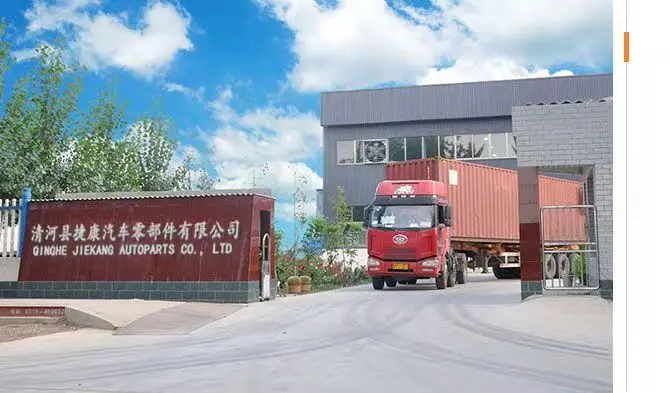
Qinghe Jiekang Auto Parts Co., Ltd.
- Manufacturer, Trading Company
- Hebei, China
- Lead time30 days
- Avg. response≤ 14h
Main productsauto control cable,push pull cable,gearshift cable,clutch cable,brake cable
Main marketsAfrica(30.0%), Mid East(20.0%), South Asia(20.0%), Southeast Asia(15.0%), Domestic Market(10.0%), Eastern Asia(5.0%)

Xingtai Tianjiu Bicycle Parts Co., Ltd
- Verified by SGS
- Combined
- China Hebei
- Lead time30 days
- Avg. response≤ 4h
Main productsBicycle Parts, Bicycle, Bicycle Crank&Chainwheel, Bicycle Brake Sets, Saddle, Pedal, Bicycle Accessories, Bicycle Tire, Children Toy Vehicle, Bike Parts
Main marketsAfrica,Domestic,Europe

Wenzhou Mogen Electric Co., Ltd.
- Verified by TUVRHEINLAND
- Combined
- China Zhejiang
- Lead time15 days
- Avg. response≤ 2h
Main productsTerminal Block, Terminals, Insulated Terminals, Cable Ties, Cable Lug, Terminal Ends, Connectors, Wire Joints, Power Fitting, Nylon Cable Ties
Main marketsSoutheast Asia/ Mideast

Hebei Zhichen Auto Parts Co., Ltd.
- Manufacturer, Trading Company
- Hebei, China
- Lead time7 days
- Avg. response≤ 2h
Main productscar/Motorcycle cable component,steel wire rope,Motorcycle /car control cable,Customized hardware components,Control cable outer pipe
Main marketsNorth America(9.0%), Domestic Market(7.000000000000001%), South Asia(7.000000000000001%), Southern Europe(7.000000000000001%), Northern Europe(7.000000000000001%), Central America(7.000000000000001%), Western Europe(7.000000000000001%), Eastern Asia(7.000000000000001%), Mid East(7.000000000000001%), Oceania(7.000000000000001%), Africa(7.000000000000001%), Southeast Asia(7.000000000000001%), Eastern Europe(7.000000000000001%), South America(7.000000000000001%)
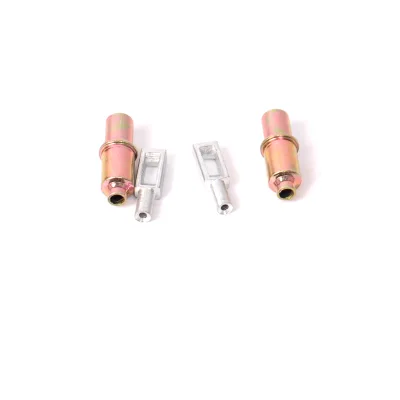
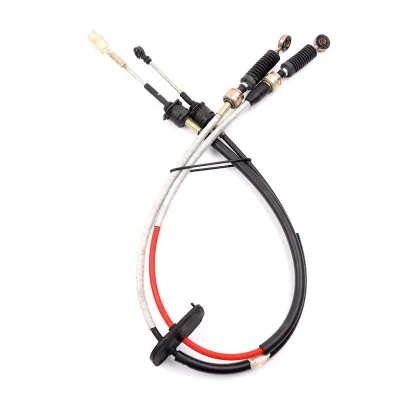
Auto Control Cable Customized Gear Shift Selector Cable Push Pull Transmission Cable
$0.70 - $0.80
Moq: 200

- Verified by SGS
- Combined
- China Shandong
- Lead time15 days
- Avg. response≤ 5h
Main productsXLPE Cable, PVC Cable, Power Cable, Electric Cable, Wire, Electric Wire, Medium Voltage Cable, Flexible Wire, Rubber Cable, Overhead Conductor
Main marketsEurope

Protection Stable Cable Connector Electric Cable Electrical Cable Electrical Performance
$4.50 - $6.00
Moq: 1000


Protection Stable Electrical Cable Electrical Cable Performance Cost Effective Solution
$4.50 - $6.00
Moq: 1000
- Verified by BV
- Group Corporation
- China Henan
- Lead time15 days
- Avg. response≤ 3h
Main productsPower Cable, Thhn Cable, Rubber Cable, Welding Cable, Electric Wires, ACSR Cable, AAAC Cable, ABC Cable, AAC Cable, Control Cable
Main marketsAfrica,Southeast Asia/ Mideast,North America

Henan Jinshui Wire & Cable Co., Ltd.
- Manufacturer
- China Henan
- Lead time30 days
- Avg. response≤ 16h
Main productsPVC Cable, Cable, ABC Cable, XLPE Cable, Wire, Electric Cable, Control Cable, Electric Wire, ACSR, Power Cable
Main marketsSouth America,Africa,Southeast Asia/ Mideast,Domestic,Australia,North America
- Verified by BV
- Trading Company
- China Henan
- Lead time15 days
- Avg. response≤ 7h
Main productsBare Conductors - AAC AAAC ACSR Acar. ., ABC Cables / Overhead Aerial Bundle Cable, PVC/XLPE Insulated Power Cables, Electrical Wire, Concentric Cable, Control Cable, Galvanized Steel Wire/Strand, Aluminum Clad Steel Wire/Strand, Copper Clad Steel Wire/Strand, Welding Cable
Main marketsSouth America,Africa,Southeast Asia/ Mideast,East Asia(Japan/ South Korea),Europe,North America

Shenzhen Grandtop Electronics Co., Ltd.
- Trading Company,Manufacturer/Factory
- China Guangdong
- Lead time30 days
- Avg. response≤ 15h
Main productsPCB Assembly, Robotic Control PCB Assembly, Industrial Control PCBA, Medical PCBA, Financial PCBA, Contract Manufacturer, Automatic Control PCB Assembly, OEM &ODM PCBA, Turnkey Service PCBA, One Stop PCB Assembly
Main marketsSouth America,Eastern Europe,Mid East,North America,Southeast Asia,Eastern Asia,Western Europe,Africa
Dongguan Saisonic Electronics Co., Ltd
- Verified by SGS
- Combined
- China Guangdong
- Lead time30 days
- Avg. response≤ 6h
Main productsWire Harness, Custom Cable Assembly, Wire Cable, Over Molded Cable Assemblies, USB Cable, Medical Cable Harness Assembly, Aux Audio and Video Cable, Automotive Wiring Harness, Computer Cable, Home Appliances Wiring Harness
Dongguan Access Star Co., Ltd.
- Verified by SGS
- Combined
- China Guangdong
- Lead time30 days
- Avg. response≤ 8h
Main productsWire Harness, Cable Assembly, PCB Assembly, Box Build, USB Cable, Power Cable, Charging Cable, Plastic Parts, Die Casting Parts, Stamping Parts
Main marketsOthers(foreignTradeCapacity.exportBusinessCapacityMarketOther),East Asia(Japan/ South Korea),Domestic,Europe,Australia,North America
- Verified by TUVRHEINLAND
- Combined
- China Hebei
- Lead time15 days
- Avg. response≤ 3h
Main productsPower Cable, Control Cable, Electric Wire, Solar Cable, Rubber Cable, Aerial Bundle Cable, High Temperature Cable, Automotive Cable, EV Cable
Main marketsSouth America,Africa,Southeast Asia/ Mideast,East Asia(Japan/ South Korea),Domestic,Europe,Australia,North America
SHENZHEN XIANGTIANZHONG TECHNOLOGY CO., LTD.
- Manufacturer/Factory
- China Guangdong
- Lead time23 days
- Avg. response≤ 3h
Main productsUSB C Type Series Cable, USB Series Connector, Wire Harness Cable, HDMI Cable, Displayport Cable
Main marketsSouth America,Eastern Europe,Mid East,North America,Southeast Asia,Eastern Asia,Oceania,Western Europe,Africa
Nantong Shenwei Steel Wire Rope Co., Ltd.
- Verified by BV
- Combined
- China Jiangsu
- Lead time30 days
- Avg. response≤ 3h
Main productsSteel Wire Rope, Wire Rope
Main marketsSouth America,Southeast Asia/ Mideast,Domestic,Europe
- Verified by BV
- Combined
- China Guangdong
- Lead time15 days
- Avg. response≤ 11h
Main productsTouch Screen, LCD Panel, Ideck Monitor, Gaming Button, PCB Board, Touch Controller Board, 3m Gaming Capacitive Touch Screen, Other
Main marketsSouth America,Southeast Asia/ Mideast,East Asia(Japan/ South Korea),Europe,Australia,North America

Nantong Hwatek Wires and Cable Co., Ltd.
- Verified by TUVRHEINLAND
- Combined
- China Jiangsu
- Lead time30 days
- Avg. response≤ 5h
Main productsElectric Wire, Electrical Wire, Electric Cable, Multi-Core Cable, Flexible Cable, Flexible Wire
Main marketsSoutheast Asia/ Mideast,Domestic,Europe,North America
Anhui Zhishang Cable Technology Co., Ltd.
- Verified by TUVRHEINLAND
- Combined
- China Anhui
- Lead time30 days
- Avg. response≤ 3h
Main productsCable
Main marketsDomestic
Shandong Tianzhan Fitness Equipment Co., Ltd.
- Verified by BV
- Combined
- China Shandong
- Lead time30 days
- Avg. response≤ 7h
Main productsGym Equipment, Fitness Equipment, Strength Machines, Exercise Bike, Body Building Machines, Commercial Fitness Equipment, Motorized Treadmill, Fitness Equipment Gym Machine, Free Weight Accessories, Treadmill
Main marketsSouth America,Southeast Asia/ Mideast,East Asia(Japan/ South Korea),Europe,Australia,North America




Comprehensive Sourcing Guide
Control Cable Outer Casing Supplier Concentration and Factory Types
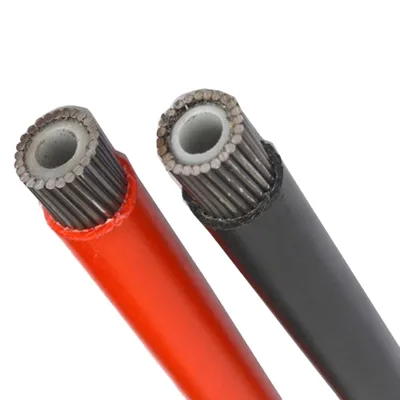
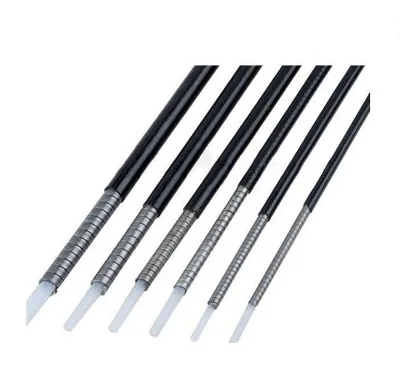
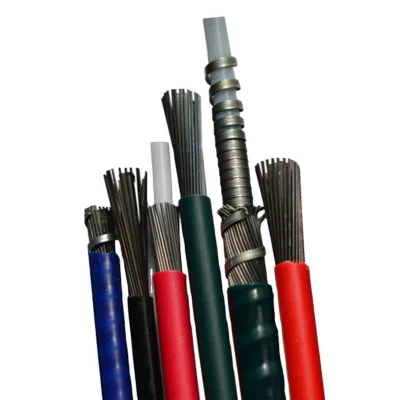
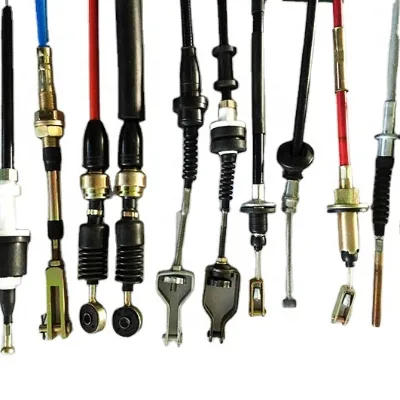
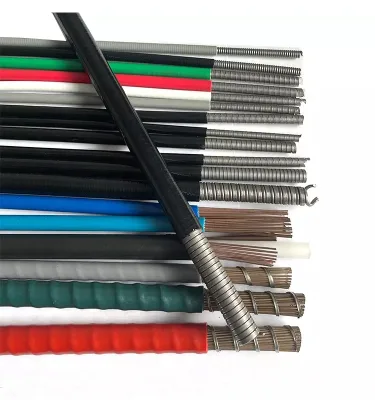
The current supplier landscape for control cable outer casings reveals a mix of manufacturing and trading entities, with a notable concentration of production facilities originating from Hebei, China. Specific product evidence indicates that many manufacturers in this region specialize in steel and PVC composite materials, offering customized outer casings for automotive and motorcycle applications. These factories often list main products that include auto control cables, motorcycle control cables, and truck control cables, suggesting a specialized cluster focused on vehicle component manufacturing. Buyers should verify if a supplier's primary operation is a factory or a trading company, as this distinction impacts direct communication with production lines and the ability to customize specifications like liner materials or outer diameters.
In addition to the Hebei cluster, some supplier data points to Guangdong Province as a secondary location for trading companies and manufacturers. These entities often handle a broader range of vehicle parts, including throttle cables, gear shift cables, and speedometer cables, alongside the core outer casing products. The presence of both manufacturer and trading company types means buyers must distinguish between direct factory pricing and intermediary markups. While some suppliers offer customized on-demand processing and graphic processing capabilities, others may focus on standard SKUs with fixed sizes. Understanding the specific company type is essential for determining the flexibility of the supply chain and the depth of technical support available for complex vehicle control cable requirements.
How to Verify Control Cable Outer Casing Suppliers
Verification of suppliers in this category relies heavily on third-party audit reports and specific certification standards. Evidence shows that many suppliers hold IATF 16949:2016 certification, which is critical for automotive supply chains, alongside RoHS compliance for environmental standards. Some suppliers have undergone verification by Intertek, while others display verification from TÜV Rheinland, indicating a commitment to quality assurance processes. Buyers should request current audit reports to confirm that the IATF 16949 certification is active and covers the specific manufacturing sites producing the outer casings. Relying solely on self-declared certifications without third-party validation can lead to compliance risks, especially when supplying to major automotive manufacturers who require strict adherence to these standards.
Beyond certifications, buyers must assess the physical and operational verification status of the supplier. The data indicates that some suppliers are verified by major inspection bodies, which adds a layer of trust regarding their business legitimacy and production capacity. For trading companies, verification is particularly important to ensure they have direct access to the factories they represent. Buyers should also check for specific product attributes listed in the supplier's catalog, such as material composition (Steel+PVC+Parts) and warranty terms like "2 years or 60,000 KM." These details serve as tangible evidence of the supplier's capability to deliver consistent quality. If a supplier cannot provide clear verification documents or specific product test results, it is advisable to proceed with caution and request samples for independent testing before placing a large order.
What to Compare Across Control Cable Outer Casing Suppliers
When evaluating multiple suppliers, the primary comparison points should include lead times, minimum order quantities, and response speeds. Available data indicates a standard lead time of 45 days for production, though this can vary based on customization needs. Some suppliers list a supply ability of 40,000 pieces per day, which is a significant metric for high-volume buyers, while others may have lower capacity limits. Minimum order quantities also vary, with some suppliers requiring 3,000 units as a baseline, whereas others might offer more flexible terms for smaller batches. Buyers must compare these figures against their own inventory requirements to avoid overstocking or facing production delays that could disrupt their assembly schedules.
Response time and pricing structures are equally critical factors in the comparison process. Evidence suggests response times can range significantly, with some suppliers showing a response time of approximately 15.46 hours, while others may be slower. Pricing data shows a wide range, with unit costs varying from as low as $0.05 to over $1.60 depending on the specific model, size, and material composition. Buyers should compare the price per unit against the specified warranty terms, such as the "2 years or 60,000 KM" guarantee, to ensure value alignment. Additionally, comparing the packaging details, such as roller packing versus carton packing, and the single gross weight helps in calculating accurate shipping costs. A comprehensive comparison requires looking at the total cost of ownership, including logistics, rather than just the base unit price.
Common Control Cable Outer Casing Sourcing Risks
One significant risk in sourcing control cable outer casings is the inconsistency in material specifications and quality assurance. While many suppliers claim to use Steel+PVC+Parts, the actual quality of the PVC liner or the steel core can vary between batches. Some product evidence lists specific certifications like IATF16949:2016, but without regular third-party testing, there is a risk that the materials may not meet the rigorous demands of automotive applications. Buyers must be vigilant about verifying the raw material sources and ensuring that the "Guarantee" terms, such as the 2-year warranty, are backed by robust quality control processes at the factory level. Failure to verify these details can lead to premature cable failure in vehicles, resulting in costly recalls or reputation damage.
Another major risk involves the reliability of shipping and logistics, particularly when dealing with suppliers from different regions. The data indicates that shipping methods are typically by sea, with dispatch ports including Tianjin, Qingdao, and Shanghai. However, delays can occur due to port congestion or logistical bottlenecks, especially if the supplier does not have a dedicated logistics team. The single package size and gross weight vary significantly, from 0.300 kg to 2.001 kg, which affects container loading efficiency and freight costs. Buyers should assess the supplier's ability to handle packaging requirements, such as bulk packages or carton packages, to prevent damage during transit. Additionally, the lack of standardized model numbers across different suppliers can lead to confusion and errors in ordering, making it essential to have clear technical drawings and specifications before finalizing any purchase.
Control Cable Outer Casing Regional Sourcing and Logistics
Regional sourcing strategies should focus on the identified manufacturing clusters in Hebei and Guangdong, China, where the majority of Control Cable Outer Casing production is concentrated. Hebei-based manufacturers often specialize in high-volume production of steel and PVC casings, offering competitive pricing for standard sizes like 5mm to 12mm. Buyers sourcing from this region should expect a lead time of around 45 days and should plan their inventory accordingly. For those requiring faster turnaround or specialized trading services, Guangdong-based suppliers may offer more flexible options, though potentially at a higher cost. Understanding the geographic distribution of suppliers helps in optimizing shipping routes and reducing lead times, as proximity to major ports like Tianjin and Qingdao can facilitate faster export processes.
Logistics planning must account for the specific shipping requirements and packaging details provided by each supplier. Most suppliers utilize sea freight, with dispatch ports including Tianjin, Qingdao, and Shanghai, which are well-connected to global shipping lanes. The single package size and gross weight vary, influencing the number of units that can be loaded into a container and the overall freight cost. Buyers should verify the packing details, such as roller packing or carton packing, to ensure the products arrive in good condition. Additionally, the supply ability of 40,000 pieces per day for some suppliers indicates a high capacity for large orders, but buyers must confirm if this capacity is sustainable during peak seasons. Proper logistics planning involves coordinating with the supplier to ensure timely dispatch and accurate documentation to avoid customs delays.
Control Cable Outer Casing Commercial Terms and Order Planning
Commercial terms for control cable outer casings often include specific warranty conditions and payment structures that buyers must carefully review. Evidence shows that many suppliers offer a warranty of "2 years or 60,000 KM," which provides a baseline for quality assurance. However, buyers should clarify the terms of this warranty, including what constitutes a defect and the process for claims. Payment terms may vary, and buyers should negotiate favorable conditions that align with their cash flow needs. It is also important to confirm the minimum order quantity, which can range from 3,000 units to higher thresholds depending on the supplier. Understanding these commercial terms helps in avoiding unexpected costs and ensures a smooth transaction process.
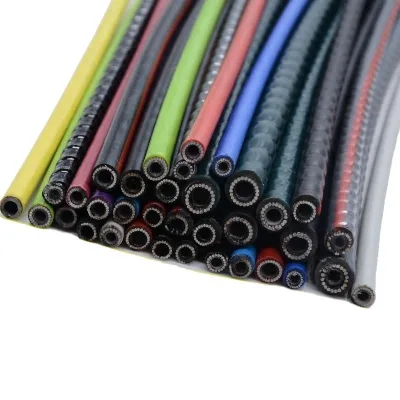
Order planning requires a detailed assessment of the supplier's production capacity and lead times to ensure timely delivery. With a standard lead time of 45 days, buyers should place orders well in advance to accommodate production schedules and shipping times. For suppliers with a supply ability of 40,000 pieces per day, buyers can plan for larger orders, but they must verify if this capacity is available during their specific order window. Additionally, buyers should consider the customization options available, such as different outer diameters or colors, and factor these into their production planning. Clear communication with the supplier regarding order specifications, delivery dates, and quality expectations is essential to prevent misunderstandings and ensure that the final product meets the required standards for automotive and motorcycle applications.
FAQs
What certifications do control cable outer casings have?
Most listed products carry IATF 16949:2016 and RoHS certifications. Some suppliers also provide ISO 9001 quality assurance. These standards ensure the steel and PVC materials meet automotive safety requirements for durability and environmental compliance in vehicle applications.
What is the typical lead time for these cables?
The standard lead time observed for manufacturing and shipping is 45 days. This duration applies to customized orders and sample processing. Buyers should confirm specific delivery schedules with the manufacturer before placing bulk orders for auto or motorcycle parts.
Where are these control cable components manufactured?
Products originate primarily from Hebei, China, with some suppliers located in Guangdong Province. The materials used include steel, PVC, and nylon. Buyers can verify the specific place of origin for each item to ensure it matches their regional sourcing preferences.
What is the minimum order quantity for outer casings?
One specific listing requires a minimum order quantity of 3000 pieces. Other suppliers may offer customized demands or sample processing without a fixed high MOQ. Always check the specific product details to confirm the exact purchasing threshold for your needs.
How long is the warranty period for these cables?
The standard warranty provided is two years or 60,000 kilometers. Some listings specify a 24-month guarantee period. This coverage applies to the Control Cable Outer Casing used in brake, throttle, and gear shift applications for both cars and motorcycles.
What materials are used to make the outer casing?
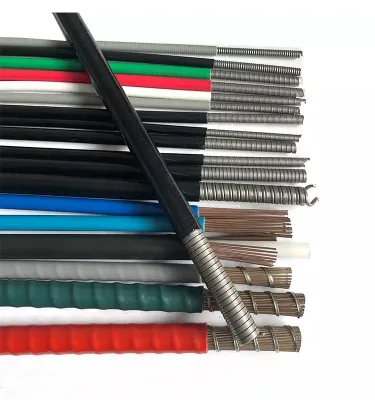
Common materials include steel, PVC, nylon, PE, and rubber. The construction often features a steel core with a PVC or HDPE liner. These combinations ensure the cable remains durable while protecting the internal wire from wear and environmental damage during use.
What is the price range for these outer casings?
Prices typically range from 0.05 to 1.62 units of currency per piece depending on size and specifications. Some bulk listings show prices between 0.09 and 0.39. The final cost varies based on the diameter, material composition, and order volume requested by the buyer.