Diecast Toy Transformer Suppliers and Manufacturers
Explore 24 verified options for Diecast Toy Transformer products from Guangdong, China. Compare response times, lead times, certifications, and prices to find suitable suppliers. Contact suppliers directly to request quotes and verify product details; review the available evidence before requesting comparable quotations from suitable candidates.
Suppliers List
Shantou Huateng Toys Co., Ltd.
- Trading Company
- Guangdong, China
- Lead time15 days
- Avg. response≤ 6h
Main productsLearning Machine,Summer Toys,Pretend Play Toys,DIY Toys,Outdoor & Indoor Sport Toys
Main marketsSoutheast Asia(70.00%), North America(8.00%), Eastern Europe(5.00%), Southern Europe(5.00%), Eastern Asia(5.00%), Western Europe(3.00%), Mid East(2.00%), Northern Europe(2.00%)

Fuchun Industry Development Co., Ltd. Shenzhen
- Trading Company,Manufacturer/Factory
- China Guangdong
- Lead time120 days
- Avg. response≤ 21h
Main productsWater Turbine Generator, Sluice Gate, Transformer, Control Panel, Valve, Hydro Power Plant
Main marketsSouth America,Eastern Europe,Mid East,North America,Southeast Asia,Eastern Asia,Oceania,Western Europe,Africa

Contact supplier

Contact supplier

Shaanxi Shaanchuang Electric Power Equipment Co., Ltd
- Verified by SGS
- Manufacturer/Factory
- China Shaanxi
- Lead time23 days
- Avg. response≤ 4h
Main productsElectrical Insulating Gloves, Insulation Rubber Sheet, Insulated Ladder, Protective Mask, Retractable Fence, Cable Reels, High Altitude Safety Belt, Insulated Clothing
Main marketsSouth America,Eastern Europe,Mid East,North America,Southeast Asia,Eastern Asia,Oceania,Western Europe,Africa
- Verified by CTI
- Manufacturer/Factory
- China Sichuan
- Lead time60 days
- Avg. response≤ 2h
Main productsPower Transformer, Dry-Type Transformer, Oil-Immersed Transformer, Distribution Transformer, American Pad-Mounted Transformers, Single/Three Phase Transformer
Main marketsSouth America,Eastern Europe,Mid East,North America,Southeast Asia,Eastern Asia,Oceania,Western Europe,Africa

- Verified by BV
- Trading Company
- China Guangdong
- Lead time15 days
- Avg. response≤ 3h
Main productsPlastic Toys, Baby Toys, Educational Toys, Plush Toys, Pretend Play Toys, RC Toys, Doll Toys, Bubble Toys, DIY Toys, B/O Toys
Main marketsSouth America,Southeast Asia/ Mideast,East Asia(Japan/ South Korea),Europe,Australia,North America


$1.34 - $1.37
MOQ: 720 Pieces


- Verified by SGS
- Combined
- China Anhui
- Lead time30 days
- Avg. response≤ 8h
Main productsSMD Inductors, Choke Coils, Power Transformers, SMPS Transformers, Inductance Coils, Current Transformers, Reactors, Rod/Air Coils, Power Inductors, High Frequency Transformers
Main marketsSoutheast Asia/ Mideast,Europe,North America
- Verified by TüVRheinland
- Trading Company
- Lead time15 days
- Avg. response≤ 5h
Main productsRC Cars, Novelty & Gag Toys, Toy Guns, Bubble Toys, Kitchen & Food Toys
Main marketsNorth America(40%), South America(30%), Eastern Europe(30%)
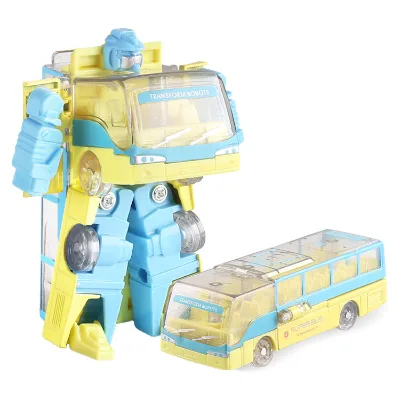
Kids Toddlers Gift Die Cast Mini Bus Vehicle Deformation Robot Bus Toy Transform Alloy School Bus
$1.17 - $1.82
MOQ: 3 pieces
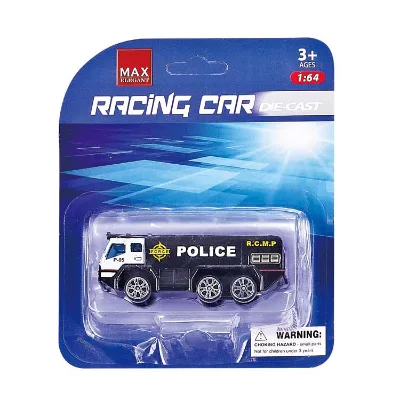

Shantou Chenghai Xaqi Toys Industrial Co., Limited
- Verified by BV
- Combined
- China Guangdong
- Lead time23 days
- Avg. response≤ 4h
Main productsRemote Control Car, Educational Toy, Sport Toy, Pretend Play Toys, Remote Contro Toy, Baby Toy, Summer Toy, B/O Toy
Main marketsSoutheast Asia/ Mideast,Domestic,Europe
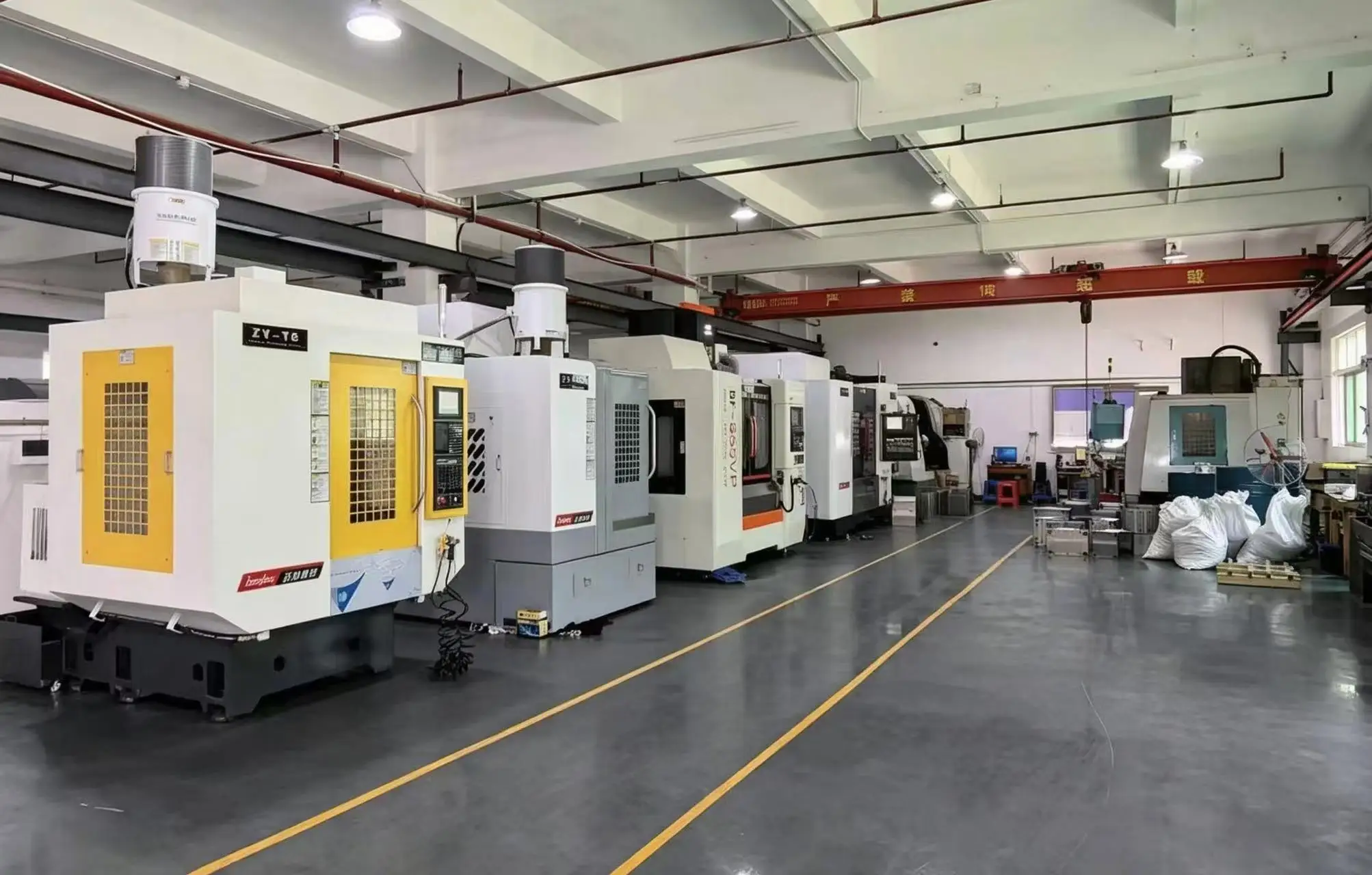
Shenzhen Idea Animation Co., Ltd
- Manufacturer, Trading Company
- Guangdong, China
- Lead time30 days
- Avg. response≤ 10h
Main productstoys,models,figures,gifts,crafts
Main marketsWestern Europe(20.00%), Eastern Asia(20.00%), Oceania(20.00%), Southeast Asia(20.00%), North America(20.00%)

Hengjun Plastic Toys Manufactory
- Verified by CTI
- Manufacturer/Factory
- China Guangdong
- Lead time15 days
- Avg. response≤ 24h
Main productsEducational Toys, RC Toys, Bo Toys, Candy Toys, Die Cast Toys, Baby Toys, Summer Toys, Promotion Toys & Gifts, Pretend Play Toys, Outdoor & Sport Toys
Main marketsSouth America,Eastern Europe,Mid East,North America,Southeast Asia,Eastern Asia,Oceania,Western Europe

Toy Truck Diecast Model Mini Construction Truck Diecast Metal Alloy Car Toy Model Car
$0.92 - $0.98
MOQ: 1000 Pieces


$0.77 - $0.85
MOQ: 5000 Pieces


Shantou Xinxin Technology Co., Ltd
- Verified by CTI
- Trading Company
- China Guangdong
- Lead time15 days
- Avg. response≤ 3h
Main productsToys, RC Toys, Children's Cosmetics, Drone, Remote Control Toy, Plasticene, Superlight Clay, Electrical Toys, Remote-Control-Toys, Toy
Main marketsSouth America,Southeast Asia/ Mideast,Europe,North America

Guangdong qunlong technology co., ltd
- Manufacturer
- China Guangdong
- Lead time15 days
- Avg. response≤ 1h
Main productsOEM/Design Toys, Plastic Products
Main marketsDomestic

- Verified by TUVRHEINLAND
- Trading Company,Manufacturer/Factory
- China Guangdong
- Lead time23 days
- Avg. response≤ 9h
Main productsToys, Children Toys, Track Car Toys, Candy Toys, Kid Play Tent, Small & Fun Toys, Family Toys, Boy Toys, Girl Toys, Plastic Toys
Main marketsSouth America,Eastern Europe,North America,Southeast Asia,Eastern Asia,Western Europe
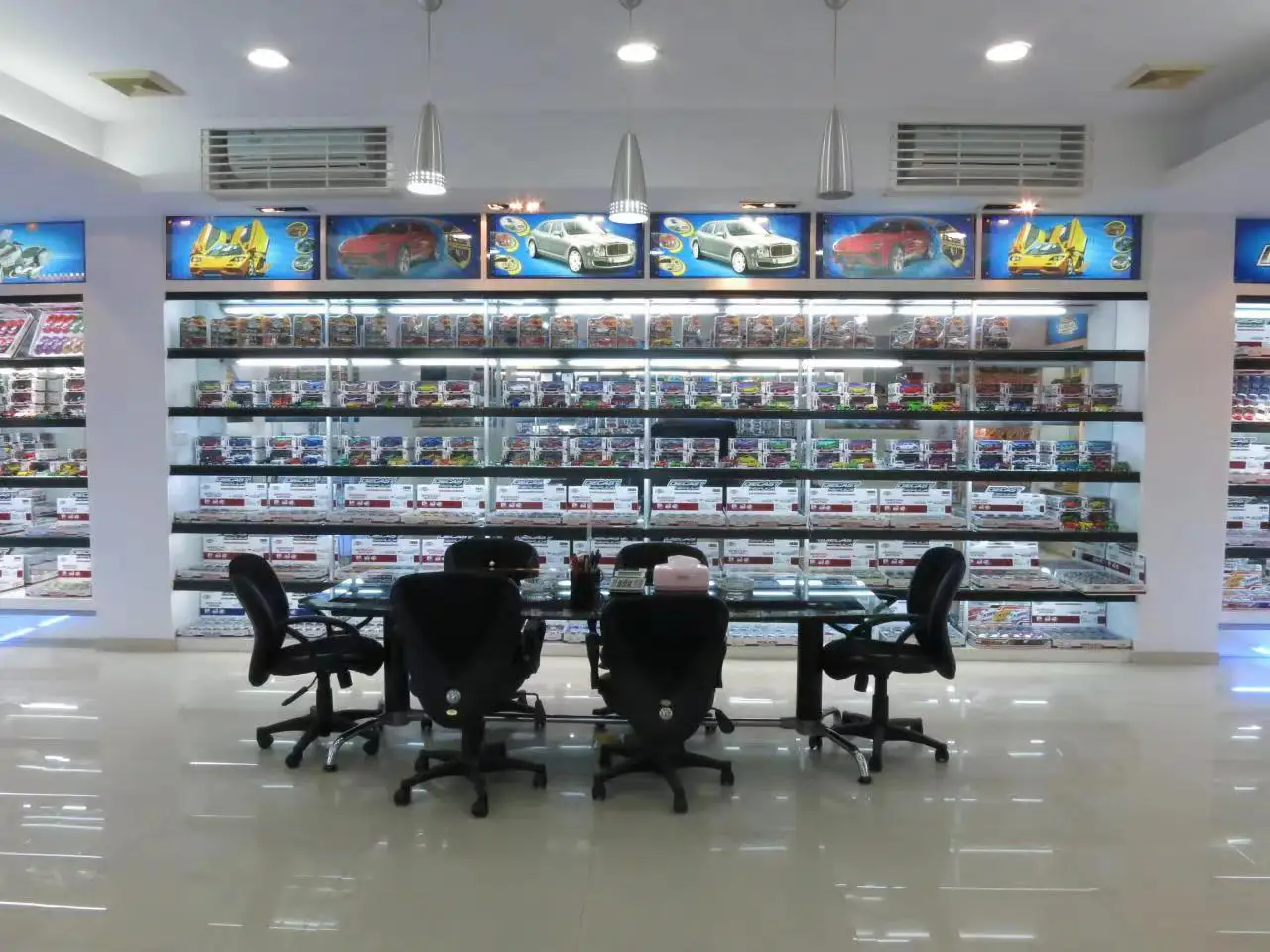
Jilin Province Zhengfeng Trading Co., Ltd.
- Trading Company
- Jilin, China
- Lead time30 days
- Avg. response≤ 10h
Main productsDiecast toys,Model car,Anime action figure,Gifts and crafts,RC toy
Main marketsSouth America(35.00%), North America(35.00%), Southern Europe(5.00%), Northern Europe(5.00%), Western Europe(5.00%), Eastern Asia(5.00%), Southeast Asia(5.00%), Eastern Europe(5.00%)
SHANTOU BHX TECHNOLOGY CO., LTD.
- Verified by SGS Group
- Manufacturer, Trading Company
- Guangdong, China
- Lead time5 days
- Avg. response≤ 3h
Main productsBaby Toy, Radio Control Toy, Play Set Toy, Outdoor Toy, Educational Toy
Main marketsNorth America(15%), South America(10%), Mid East(10%)

Shantou Kaixin Trading Co., Ltd
- Verified by BV
- Manufacturer
- China Guangdong
- Lead time23 days
- Avg. response≤ 7h
Main productsToy, Educational Toy, Remote Control Toy, Pretend Play Toy Set, Summer Toy, Vehicle Toy, Doll, Promotion Toy, Baby Toy, Game Toy


Deformation Robot Car Transformation Car Toys Juguete Transform Robot Toy Car
$1.50 - $3.00
MOQ: 480 Pieces

Shantou Chenghai De'er Toy Factory
- Manufacturer
- Guangdong, China
- Lead time45 days
- Avg. response≤ 4h
Main productsRemote control toys,Plush toys,Toy car,Souptoys,Baby toys
Main marketsSoutheast Asia(25.00%), South America(15.00%), North America(12.00%), Eastern Europe(10.00%), Africa(10.00%), Northern Europe(9.00%), Mid East(5.00%), South Asia(5.00%), Western Europe(5.00%), Southern Europe(4.00%)
Jinjiang Zhengzheng Technology Co., Ltd.
- Trading Company
- China Fujian
- Lead time0 days
- Avg. response≤ 2h
Shandong Dongsheng Supply Chain Co., Ltd
- Verified by SGS
- Manufacturer
- China Shandong
- Lead time23 days
- Avg. response≤ 2h
Main productsPower Transformer, Distribution Transformer, Oil Immersed Transformer, Dry Type Transformer, Substation, Compact Substation, Switchgear, Ring Main Unit, Turnkey Substation, Power Distribution Solution
Main marketsAfrica,Domestic
Shantou Chenghai Surprise Toy Company
- Verified by SGS
- Trading Company
- China Guangdong
- Lead time15 days
- Avg. response≤ 5h
Main productsToy Car, Plastic Toys, Diecast Toy Car, Alloy Car Model, Scene Toys, Toys Customization, Metal Tow Truck, Pretend Play, Educational Toys, Toy Diecast
Main marketsNorth America

Wholesale 1: 64 Diecast Model Car Alloy Toys Motorcycle Toys Children Gifts
$0.67 - $0.75
MOQ: 960 Pieces

1: 64 Diecast Toy Car Collection Metal Truck Toy Alloy Model Car Wholesale Toys
$0.79 - $0.85
MOQ: 360 Pieces

Shantou Nanhuang Toys Co., Ltd.
- Verified by TUVRHEINLAND
- Trading Company
- China Guangdong
- Lead time15 days
- Avg. response≤ 5h
Main productsToys
Main marketsSoutheast Asia/ Mideast,Europe
Shantou Chenghai District Xingli Run Toy Shop
- Trading Company
- China Guangdong
- Lead time0 days
- Avg. response≤ 9h
Main productsAlloy Car Toy, Building Blocks Toy, Remote Control Car Toy, Educational Toy

Guangzhou Combuy Toys Co., Ltd.
- Trading Company
- Guangdong, China
- Lead time30 days
- Avg. response≤ 3h
Main productsEducational Toy,Building blocks,Baby Toy,Summer Toy,RC Toys
Main marketsMid East(20.00%), Eastern Europe(20.00%), South America(20.00%), North America(20.00%), Western Europe(10.00%), Eastern Asia(10.00%)
Shantou City Chengzhan Trade Ltd
- Trading Company
- Guangdong, China
- Lead time15 days
- Avg. response≤ 7h
Main productsDiecast toy,light up toys,RC toys,Bubble toys,Building Blocks
Main marketsEastern Europe(15.00%), Northern Europe(15.00%), Mid East(15.00%), Africa(10.00%), North America(10.00%), South America(5.00%), Central America(5.00%), Eastern Asia(5.00%), Southeast Asia(5.00%)




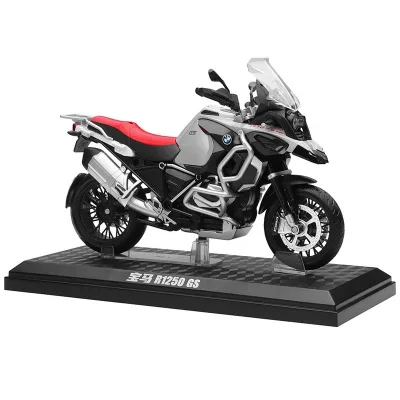
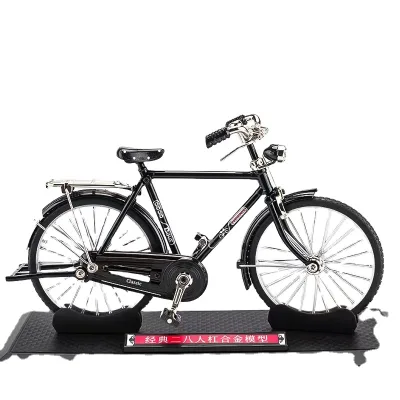
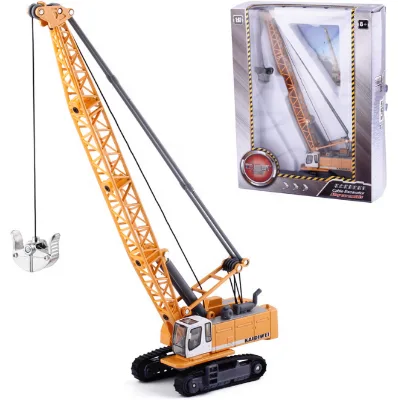
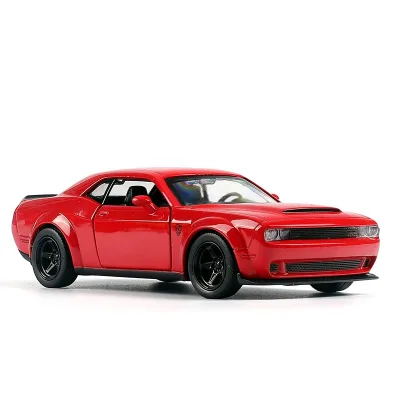


Comprehensive Sourcing Guide
Diecast Toy Transformer Supplier Concentration and Factory Types
Sourcing results for Diecast Toy Transformer products point strongly to Guangdong, China as the dominant listed location, and this matters because Guangdong, with Shantou noted as a dispatch port in product data, is one of the most densely listed toy-manufacturing regions in supplier databases. When a supplier listing shows a Guangdong location together with toy categories such as Learning Machine, Summer Toys, Pretend Play Toys, DIY Toys, and Outdoor & Indoor Sport Toys, that combination usually signals a supplier embedded in a wider toy ecosystem where tooling shops, die-casting partners, and packaging printers are within short distances. Buyers should treat the listed location as a starting filter rather than a guarantee: confirm the actual production address, because a trading company may register in one city while sub-contracting casting and assembly elsewhere in the same province.
Supplier type labels in the results show two distinct models. One listed toy supplier identifies as a Trading Company, while suppliers in adjacent industrial categories appear as Trading Company combined with Manufacturer/Factory, or pure Manufacturer/Factory. For this category, a trading company may offer broader product variety and faster communication, while a factory can give direct control over die-cast alloy quality, plastic injection, and finishing. Buyers should ask each candidate whether it owns the die-casting tooling and assembly line, or whether it brokers production, and request evidence such as workshop photos, a business-scope extract from its license, and a sample produced in-house rather than resold.
How to Verify Diecast Toy Transformer Suppliers
Verification should begin with the attributes the platform actually displays, not with assumptions. In the current results, one supplier carries SGS verification and another carries CTI verification, and system certifications shown include ISO 9001 and, for one industrial supplier, ANSI/ESD plus ISO 14001. None of these credentials is automatically attached to a toy supplier, so buyers must check each listing individually and treat missing certification labels as a verification task, not a disqualifier. For Diecast Toy Transformer items intended for children, ask directly for the safety test reports relevant to your destination market — such as mechanical and physical safety, heavy-metal migration on the alloy and paint, and electrical safety if the transforming car is battery-powered — and verify the reports name the supplier and the exact product model.
Beyond documents, use behavioral evidence. Response time figures in the results range from roughly 1.2 hours to over 20 hours, so record how quickly each candidate answers technical questions, not just price questions. Verify the entity itself: obtain the registered company name, cross-check it against the license number, and confirm the bank account belongs to that entity before paying a deposit. Order pre-production samples from the shortlisted suppliers and compare them side by side for casting finish, paint durability, and how reliably the transformation mechanism survives repeated cycles. Finally, request a video call inside the workshop or a third-party inspection during production; a supplier that resists reasonable inspection requests should be treated as higher risk regardless of how polished its listing appears.
What to Compare Across Diecast Toy Transformer Suppliers
Build a comparison sheet from the dimensions actually shown on listings, since not every supplier displays every attribute. Useful fields include location, company type, main products, response time, lead time, MOQ, establishment year, escrow availability, and verification or certification labels. In the observed results, a toy supplier shows a 6-hour response time and 15-day lead time, while other suppliers show response times from roughly 1 to 21 hours and lead times of 23, 60, or 120 days — a spread wide enough to change your entire reorder calendar. Record response speed separately from production speed: a supplier answering in one hour but needing 60 days of lead time serves a different buying model than one answering in six hours with a 15-day turnaround.
Compare product evidence alongside commercial terms. One listed diecast toy product shows a price range of 3.10 to 3.50 per unit with an MOQ of 2, which is sample-friendly, while an industrial transformer listing shows an MOQ of 1 at a fixed 498.00 — the pattern to note is that MOQ and price floors vary enormously across categories and suppliers, so always quote the specific SKU. Main products matter too: a supplier whose catalog centers on toys will understand toy packaging, age grading, and carton marks better than a generalist. Also compare supply capacity where stated — one toy listing shows a supply ability of 1000 boxes per day — and weigh customization depth: several listings state customization is available, but ask what that means in practice, such as custom paint schemes, packaging, or fully bespoke tooling with distinct cost and timeline consequences.
Common Diecast Toy Transformer Sourcing Risks
The most consequential risk in this category is product safety non-compliance, because Diecast Toy Transformer items combine alloy castings, painted surfaces, small mechanical parts, and often electronic components. Pinch points in the transforming mechanism, paint chips, and detachable small parts that fail small-parts tests are the classic failure modes for toys aimed at the age ranges shown in listings, which include 5 to 7 years, 8 to 13 Years, and 14 Years & up — note that age grading on a listing is a marketing attribute, not a test result. A second risk is specification drift: a supplier ships a later batch with thinner alloy, a lighter magnet, or a weaker spring, and the transformation mechanism stops working after limited cycles. Lock the approved sample and define cycle-test expectations in writing.
Commercial and identity risks are equally real. Listings show company types spanning Trading Company to Manufacturer/Factory, so a buyer expecting factory pricing may actually be paying a broker's margin, while a buyer expecting trading-company flexibility may face a factory that refuses small mixed orders. Response time figures that look excellent on a listing may reflect a sales team rather than decision-making access, causing delays at critical moments. Watch for the gap between "in-stock" labels — one listing marks condition as In-Stock Items — and actual availability, which can change between listing update and purchase order. Finally, verify that the character styling and packaging do not infringe third-party intellectual property; some listings reference popular character names, and importing unlicensed goods can cost you the entire shipment.
Diecast Toy Transformer Regional Sourcing and Logistics
The location evidence in the results places toy suppliers in Guangdong, China, with Shantou explicitly named as the port of dispatch on a diecast vehicle listing. That single detail is logistically meaningful: a Shantou dispatch point implies access to one of China's principal toy-export corridors, and buyers should ask each Guangdong-based supplier which port it ships from, whether it quotes FOB from that port, and how inland trucking to the port is handled. Product data can also inform freight math before you commit — one listing shows a single package size of 20.8 by 8.7 by 7.7 cm and a single gross weight of 0.323 kg, the kind of figure you should collect from every candidate to calculate how many units fit per carton and per container.
Lead-time data in the results varies sharply by supplier — 15 days for one toy supplier versus 23, 60, or 120 days for others — so confirm what the quoted lead time covers: tooling, sample approval, production only, or production plus quality inspection. Ask about peak-season congestion around Chinese New Year and the pre-Christmas export rush, when toy production queues lengthen across Guangdong. If you source outside a known cluster, use the general method: search supplier databases by province and industrial-zone keywords, check where competing listings for the same product ship from, and use shipping-notice data on competitor packaging when visible. Whatever the region, confirm Incoterms, carton markings, and whether the supplier consolidates mixed-SKU orders before you finalize the shipping plan.
Diecast Toy Transformer Commercial Terms and Order Planning
Structure your first order so commercial exposure stays low while you learn the supplier's real capabilities. Where the listing shows a low MOQ — one toy product lists an MOQ of 2 at 3.10 to 3.50 per unit — use that to buy samples or a pilot batch before committing to a production run, and expect the unit price, packaging, and terms to change at production quantities. Negotiate payment in stages tied to verifiable events: a deposit after contract signing, a second payment after pre-shipment inspection passes, and the balance against the bill of lading copy. Ask whether the platform supports escrow or trade assurance for your order, since the results reference escrow as a comparison dimension but do not show it uniformly across suppliers, and confirm in writing who owns the die-cast tooling if you fund it.
Plan reorders around the lead times and capacities actually quoted. If a supplier states 15 days of lead time and a supply ability of 1000 boxes per day, build your safety stock around the quoted figures but add inspection and shipping time; if a different candidate quotes 60 days, either plan further ahead or keep a second qualified supplier. Put the agreed price validity window, artwork approval process, defect-rate allowance, and remedy for failed inspections into the purchase order itself. Finally, document the confirmed specification — model number, materials, age grading, package dimensions, gross weight, and port of dispatch — in an appendix, so any future batch can be audited line by line against what you originally paid for.
FAQs
What is the price range for diecast toy transformers?
Diecast toy transformers typically range from 3.10 to 3.50 USD per unit based on current listings. Some specialized models like electric deformation cars may have different pricing structures. Buyers should verify specific unit costs and minimum order quantities before finalizing any purchase agreement with suppliers.
How long does it take to receive diecast toy orders?
Lead times for diecast toy orders vary significantly between suppliers, ranging from 15 to 120 days. Some manufacturers offer faster turnaround times of around 23 days for specific items. Buyers must confirm the exact delivery schedule with their chosen vendor to ensure timely arrival of goods.
What is the minimum order quantity for these toys?
The minimum order quantity for diecast toy transformers can be as low as 2 units for certain products. Other items may require a single unit minimum depending on the supplier. It is essential to check the specific MOQ requirements for each product listing before placing an order.
Where are the diecast toy manufacturers located?
Most diecast toy manufacturers are located in Guangdong, China, with some operations in Shaanxi and Sichuan provinces. These regions are known for their robust manufacturing capabilities in the toy industry. Buyers should verify the specific location of their supplier to understand shipping logistics and potential tariffs.
Are these toys suitable for specific age groups?
Diecast toy transformers are available for various age ranges including 2 to 4 years, 5 to 7 years, and 8 to 13 years. Some products are also designed for teenagers and adults aged 14 and up. Always check the age range specifications on the product page to ensure safety and suitability.
Do suppliers offer customization for diecast toys?
Many suppliers offer customization options for diecast toy transformers, including design and manufacturing services. Some manufacturers provide OEM and ODM capabilities to meet specific buyer requirements. Buyers should inquire about customization availability and any associated costs before proceeding with a custom order.
What certifications do the toy suppliers hold?
Some suppliers hold certifications such as ISO 9001, ISO 14001, and ANSI/ESD standards. Verification services like SGS and CTI may also be available for certain manufacturers. Buyers should request proof of certification to ensure the products meet required safety and quality standards.