Cookware Utensil Polishing Machine Suppliers and Manufacturers
Explore 14 verified suppliers offering cookware utensil polishing machines with varying lead times, certifications, and response speeds. Compare specifications like voltage, capacity, and customization options to find the right fit for your production needs; review the available evidence before requesting comparable quotations from suitable candidates.
Suppliers List

Foshan Youngmax Machine Co.LTD
- Manufacturer/Factory
- China Guangdong
- Lead time60 days
- Avg. response≤ 5h
Main productsDeep Drawing Hydraulic Press, Metal Polishing and Buffing Machine, Stamping Press for Kitchenware, Cookware Manufacturing Equipment, Metal Forming Machine, Kitchen Appliance Production Equipment, Cookware Production Line, Trimming and Beading Machine, Metal Spinning Machine, Powder Coating Line
Main marketsMid East,Southeast Asia,Eastern Asia,Africa

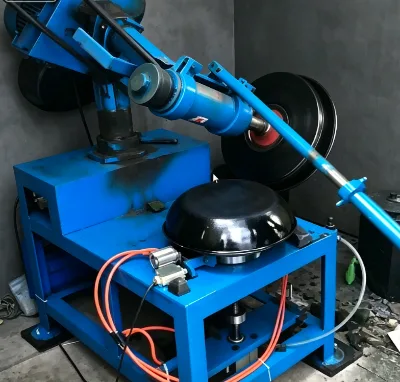
Suitable for Aluminum Plate Polishing Machine Cookware Utensil Polishing Machine
$13000.00 - $150000.00
Moq: 1


GUANGZHOU SHANGGUAN MACHINERY CO.LTD
- Verified by TUVRHEINLAND
- Combined
- China Guangdong
- Lead time60 days
- Avg. response≤ 7h
Main productsPolishing Machine, Hydraulic Press, Cookware Making Machine, Cookware Production Line, Pot Making Machine, Pot Production Line, Glass Lid Making Machine, Glass Lid Production Line, Kitchenware Making Machine, Kitchenware Production Line
Main marketsOthers(foreignTradeCapacity.exportBusinessCapacityMarketOther)

Suitable for Aluminum Plate Polishing Machine Cookware Utensil Polishing Machine
$20584.00 - $20684.00
Moq: 1


- Verified by BV
- Combined
- China Guangdong
- Lead time30 days
- Avg. response≤ 12h
Main productsInduction Heating Machine, Steel Wire Bending Machine, Resistance Welding Machine, Automatic Welding Machine, Tube Producing Machine, Automatic Straight Seam Welding Machine, Rolling Seam Welding Machine, Spot and Projection Welding Machine, Tube Butt Welding Machine, Butt Welding Machine
Main marketsSoutheast Asia/ Mideast,East Asia(Japan/ South Korea),Europe,North America


Automatic Bowl Inside Polishing Machine
Contact supplier

Contact supplier
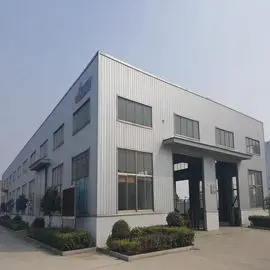
Qingdao Coloreeze Eco-Protection Technologies Co., Ltd.
- Trading Company
- Shandong, China
- Lead time30 days
- Avg. response≤ 3h
Main productsPowder coating booth,Powder coating machine,Powder coating line,Powder coating oven,Spray booth
Main marketsSouth America(30.0%), Domestic Market(30.0%), Oceania(15.0%), Eastern Europe(10.0%), North America(5.0%), Western Europe(5.0%), Africa(5.0%)

Jiangmen Yingsheng Intelligent Equipment Co., Ltd.
- Verified by SGS
- Combined
- China Guangdong
- Lead time30 days
- Avg. response≤ 11h
Main productspolishing machine
Main marketsDomestic


Automatic Polishing Machine Production Line for Stainless Steel Cookware
$25000.00 - $550000.00
Moq: 1
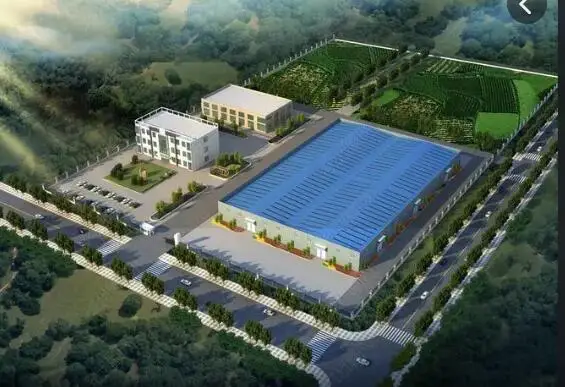
Shandong Pinjia Machinery Technology Co., Ltd.
- Manufacturer, Trading Company
- Shandong, China
- Lead time3 days
- Avg. response≤ 4h
Main productsForklift,excavator,seed planting,spayer machine,construction machine
Main marketsSoutheast Asia(25.0%), Africa(21.0%), Eastern Europe(14.000000000000002%), North America(12.0%), Domestic Market(8.0%), South America(8.0%), Mid East(6.0%), Oceania(3.0%), Northern Europe(3.0%)
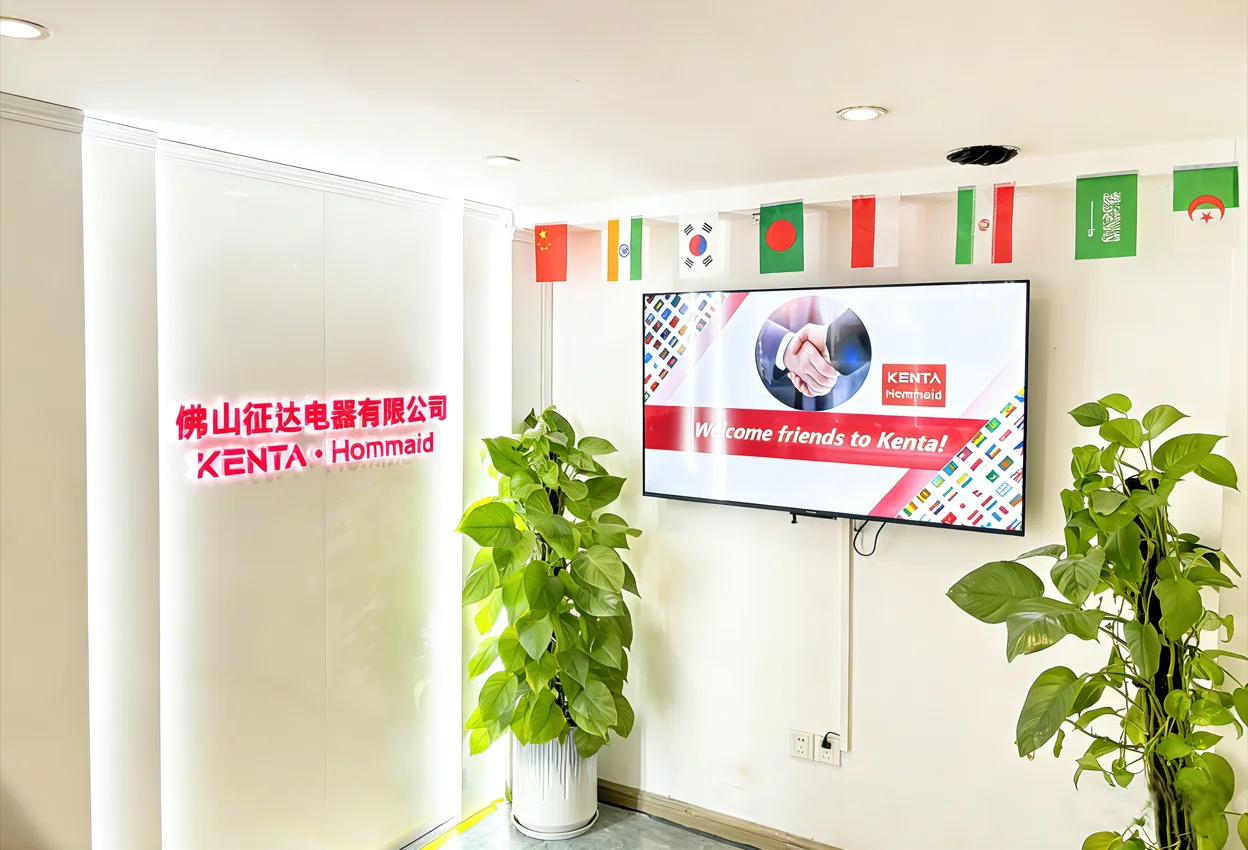
Foshan Kenta Appliances Co., Ltd.
- Trading Company
- Guangdong, China
- Lead time45 days
- Avg. response≤ 4h
Main productsElectric Kettle Production Line,Blender Mixer Production Line,Home Appliances Production Line,Cookware Production Line,SKD/CKD Spare parts for home appliances and cookware
Main marketsSoutheast Asia(70.0%), Eastern Asia(15.0%), Eastern Europe(7.000000000000001%), Africa(4.0%), Mid East(4.0%)
Huzhou Norden Machinery Co., Ltd.
- Trading Company
- Zhejiang, China
- Lead time7 days
- Avg. response≤ 3h
Main productsVibratory Polishing Machine,Centrifugal Disc finishing machine,3 in 1 Jewelry Polishing Machine,Steel Ball,grinding media
Main marketsSoutheast Asia(40.0%), Eastern Europe(30.0%), North America(20.0%), South America(5.0%), Mid East(5.0%)
Dongguan Jinzhu Machine Equipment Co., Ltd.
- Verified by Intertek
- Manufacturer, Trading Company
- Lead time15 days
- Avg. response≤ 2h
Main productsMetal Polishing Machine, Sanding Machine, Cutlery Polishing Machine, Stainless Steel Polishing Machine, CNC Polishing Machine

Nanjing Likesmile New Energy Technology Co., Ltd.
- Verified by TUVRHEINLAND
- Trading Company
- China Jiangsu
- Lead time30 days
- Avg. response≤ 7h
Main productsMetal Processing Machine, Heat Exchanger Machine, Wire Rope Machine, Corrugated Pipe Machine, Flexible Conduit Machine, Copper Products Machine, Wheel and Rim Machine
Main marketsAustralia
Shandong keruide Heavy Machinery co.,ltd
- Verified by TüVRheinland
- Manufacturer, Trading Company
- Lead time3 days
- Avg. response≤ 5h
Main productsExcavator, Forklift, Skid Steer Loader, Tricycle, Road Roller
Main marketsDomestic Market(25%), North America(20%), Eastern Europe(20%)
Shanghai Honggang Machinery Manufacturing Co., Ltd.
- Verified by TüVRheinland
- Manufacturer, Trading Company
- Lead time5 days
- Avg. response≤ 4h
Main productsEngineering&Construction Machine, Agricultural Machine, Boring And Welding Machinery, Punching And Woodworking Machine, Forklift
Main marketsNorth America(23%), Eastern Europe(20%), Africa(20%)
Guangzhou Yiliang Trading Co., Ltd.
- Trading Company
- Guangdong, China
- Lead time30 days
- Avg. response≤ 2h
Main productsAbrasive Belt,Abrasive Paper,Buffing Wheel,Nylon Wheel,Polishing Machine
Main marketsEastern Asia(14.29%), Eastern Europe(14.29%), South America(14.29%), South Asia(14.29%), North America(12.8%), Africa(11.0%), Domestic Market(10.0%), Mid East(9.0%)
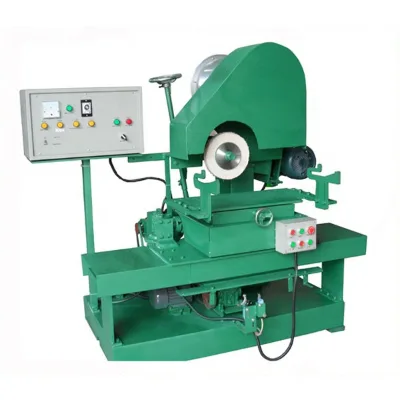
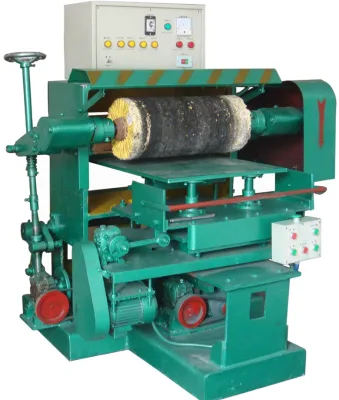
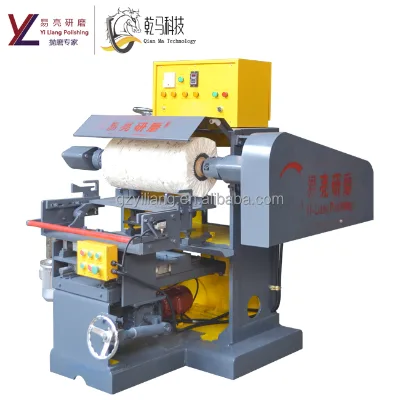
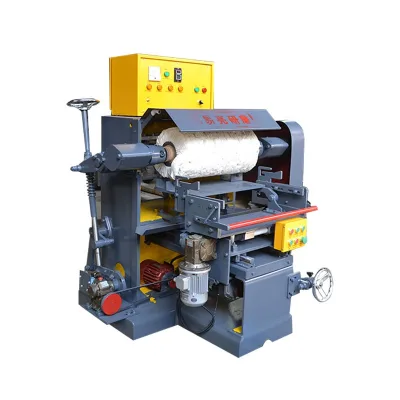
Metal Tableware Fork Flat Metal Automatic Polishing Machine
$4100.00 - $4200.00
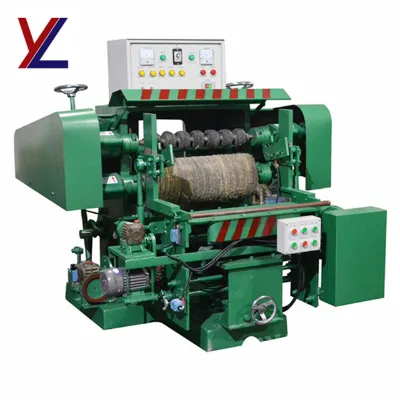
Stainless Steel Spoon, Fork and Knife Surface Polishing Grinding Machine
$6300.00 - $6400.00

Huzhou Antron Machinery Co., Ltd.
- Verified by BV
- Trading Company
- China Zhejiang
- Lead time30 days
- Avg. response≤ 4h
Main productsSurface Finishing Machine, Vibratory Finishing machine, Plastic Polishing Mdeia, Centrifugal Polishing Machine, Wheel Repair Machine, Wheel Polishing Machine, Industrial Wide Belt Sander, Polishing Liquid, Steel Tube Polishing Machine, Ceramic Polishing Mdeia
Main marketsOthers(foreignTradeCapacity.exportBusinessCapacityMarketOther),Southeast Asia/ Mideast,Australia,North America
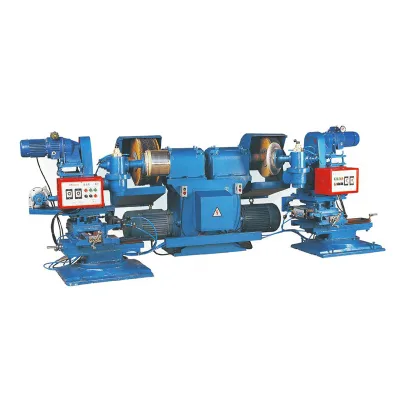
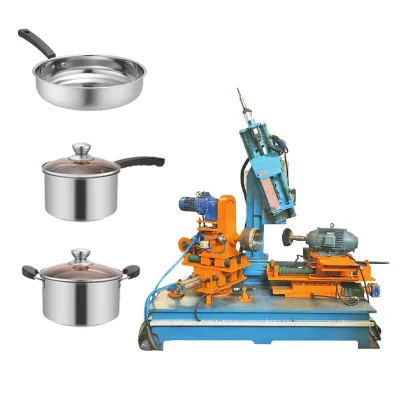
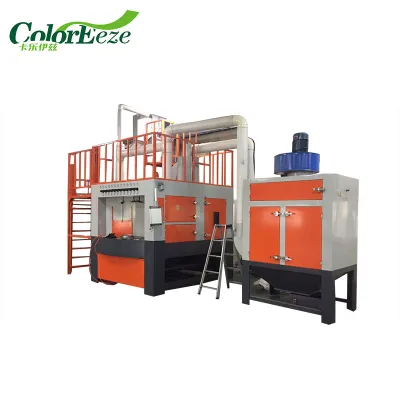
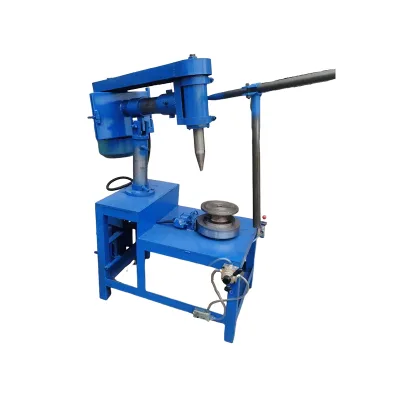
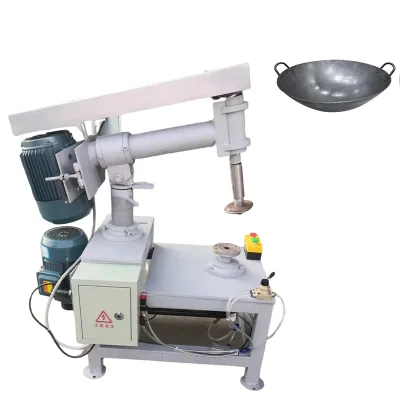
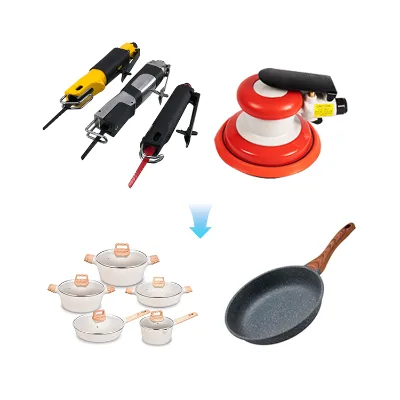
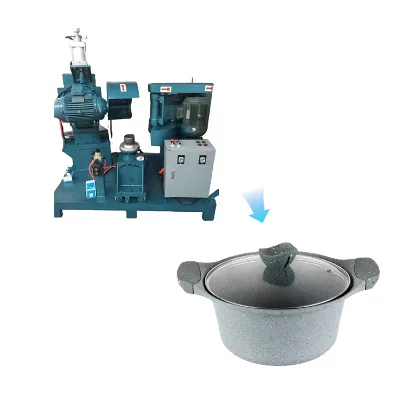
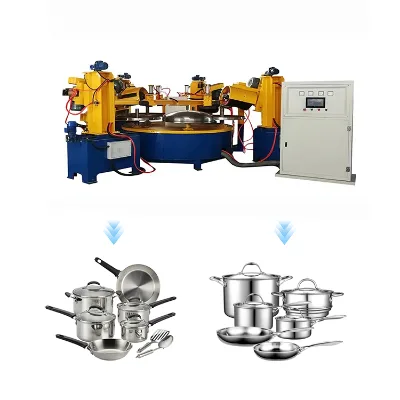
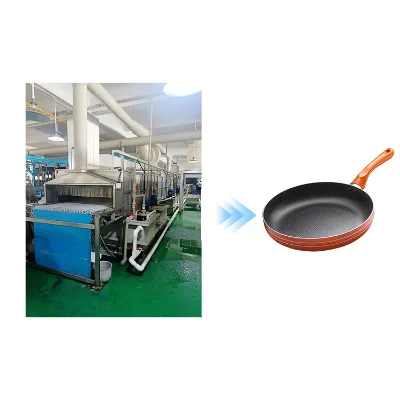
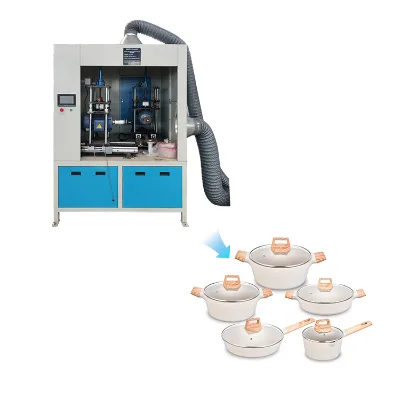
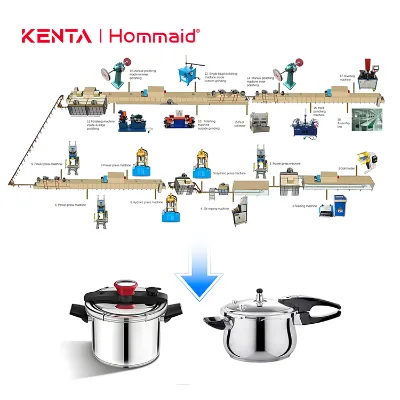
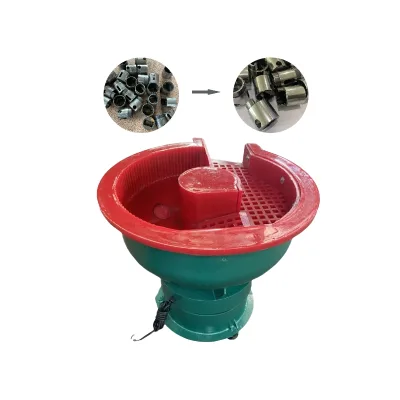
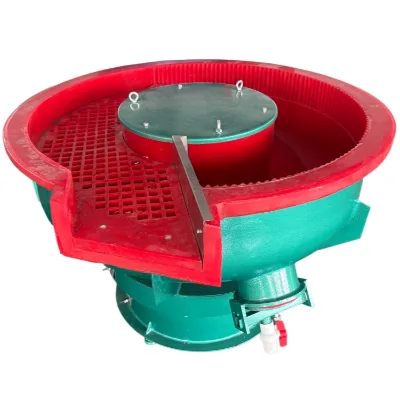
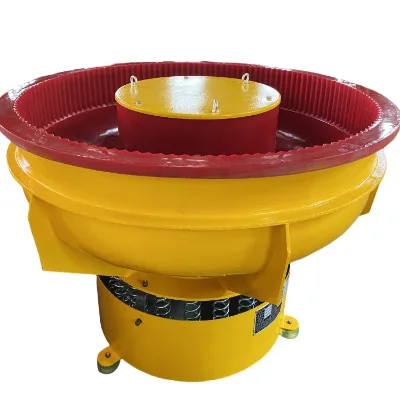
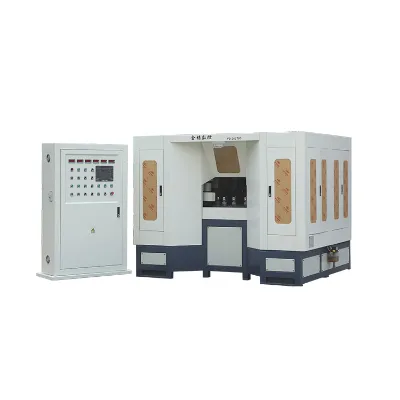




Comprehensive Sourcing Guide
Cookware Utensil Polishing Machine Supplier Concentration and Factory Types
The available data indicates a significant concentration of manufacturing capabilities within China Guangdong, where multiple suppliers list their primary operations. This region hosts a mix of Manufacturer/Factory entities and Combined company types, suggesting a diverse ecosystem of production partners. Buyers observing results from this area should note that the primary product focus often includes Deep Drawing Hydraulic Presses, Metal Polishing and Buffing Machines, and complete Cookware Production Lines. The presence of Own Brand capabilities, such as Youngmax, alongside OEM and ODM services, highlights the region's capacity for both private labeling and custom manufacturing solutions.
When assessing factory types, it is crucial to distinguish between pure manufacturers and combined entities that may blend trading and production functions. The observed supplier profiles show a strong emphasis on metal forming and finishing equipment, including Trimming and Beading Machines and Metal Spinning Machines. This specialization suggests that suppliers in this cluster possess deep technical expertise in metalworking processes essential for cookware finishing. Buyers should verify if a supplier's "Combined" status implies direct factory access or if they function primarily as intermediaries, as this distinction impacts quality control and communication efficiency during the sourcing process.
How to Verify Cookware Utensil Polishing Machine Suppliers
Verification of supplier credentials requires a careful review of system certifications and third-party audit results found in the search data. Several suppliers display OHSAS/OHSMS 18001, ISO 9000, and ISO 9001 certifications, which are standard indicators of quality management systems. However, some entries list system certifications as NIL, necessitating a direct request for valid documentation before proceeding. Additionally, specific verification marks like TUVRHEINLAND appear for certain entities, providing an external layer of trust regarding their operational compliance. Buyers must confirm that these certifications are current and applicable to the specific machinery being sourced, rather than assuming they cover all product lines.
Beyond certifications, response times and product evidence serve as practical verification tools for supplier reliability. The data shows response times ranging from 4.21 to 6.20, which can indicate the efficiency of the communication channel. A faster response time often correlates with better project management and readiness to address technical queries. Furthermore, detailed product attributes such as voltage specifications (440V or 380V), control systems (PLC Control), and workpiece applications (Kitchenware, Cookware, Pot) provide concrete evidence of the supplier's actual inventory and technical capability. Buyers should cross-reference these specific product details with their own requirements to ensure the supplier can deliver the exact configuration needed for their production line.
What to Compare Across Cookware Utensil Polishing Machine Suppliers
Comparing suppliers requires a structured analysis of lead times, minimum order quantities, and pricing structures to determine the best fit for the project. Lead times observed in the data include a specific value of 60 days, which serves as a benchmark for production scheduling. Buyers must clarify if this duration applies to standard models or custom configurations, as customization availability is frequently listed as "Available" across multiple product entries. Minimum Order Quantities (MOQ) vary, with some suppliers offering an MOQ of 1, while others may have higher thresholds depending on the machine type. Understanding these constraints is vital for inventory planning and cash flow management.
Pricing and technical specifications form another critical comparison dimension. The observed price ranges for polishing machines span from approximately 12,000 to 150,000, with specific models like the Cookware Surface Finishing Machine listed at 12,000 and others reaching 23,932. These figures must be evaluated against the machine's capacity, such as 2000-2500 pieces per 8 hours, and physical dimensions like 3575mm1256mm1275mm. Buyers should also compare warranty terms, with some suppliers offering a 1-year warranty, and after-sales service provisions, including the availability of engineers for overseas service. A comprehensive comparison ensures that the selected supplier offers the optimal balance of cost, capacity, and long-term support.
Common Cookware Utensil Polishing Machine Sourcing Risks
One significant risk involves the variability in certification status and the potential for incomplete product documentation. While many suppliers list ISO or CE certifications, the presence of entries with "NIL" system certifications indicates a gap in verified quality management systems. Buyers face the risk of receiving machinery that does not meet international safety or operational standards if they do not rigorously verify these documents. Additionally, product attributes such as voltage (440V vs 380V) and application scope (Metal Tube vs Metal Sheet) must be strictly matched to the buyer's facility infrastructure. Mismatches in these technical parameters can lead to costly retrofitting or operational failures upon installation.
Another risk pertains to the ambiguity of company types and the potential for misaligned expectations regarding production capacity. The distinction between Manufacturer/Factory and Combined entities can affect the depth of technical support and the speed of problem resolution. If a supplier operates as a combined entity, they may rely on third-party factories, introducing potential delays or quality inconsistencies. Furthermore, the availability of customization and the specific features like "Convenient Manipulation" or "Low Noise" must be confirmed in writing. Relying on general marketing keywords without verifying the specific engineering capabilities can result in receiving equipment that does not perform as expected in a high-volume production environment.
Cookware Utensil Polishing Machine Regional Sourcing and Logistics
The concentration of suppliers in China Guangdong presents specific logistical considerations for international buyers. This region is a known hub for industrial machinery, offering a dense network of suppliers specializing in metal polishing and cookware manufacturing equipment. The proximity of these factories to major shipping ports can facilitate efficient export processes, but buyers must account for the specific dimensions and weights of the machinery. For instance, some machines have weights around 2.3 tons and dimensions exceeding 3.5 meters in length, which impacts container loading and freight costs. Understanding the local logistics infrastructure is essential for accurate shipping estimates and delivery timelines.
Logistics planning must also address the specific packing requirements observed in the product data. Suppliers utilize various packing methods, including metal frames with film wrapping, plywood boxes, and wood packs, to ensure safe transit. The choice of packing material directly influences the protection of the machinery during long-distance shipping and must be verified to prevent damage. Buyers should confirm that the packing standard aligns with the destination port's handling capabilities and that the supplier provides detailed packing lists. Additionally, the origin location being Guangdong implies that buyers should be aware of potential regional shipping schedules and customs procedures specific to this manufacturing cluster to avoid unexpected delays.
Cookware Utensil Polishing Machine Commercial Terms and Order Planning
Commercial terms and order planning are heavily influenced by the observed lead times and payment structures associated with the machinery. With a lead time of 60 days noted for certain suppliers, buyers must integrate this duration into their production schedules and inventory forecasts. The availability of OEM and ODM services suggests that custom orders may require additional time for design and prototyping, which should be factored into the overall project timeline. Buyers should also consider the impact of customization on the final price, as the range from 12,000 to 150,000 indicates significant variance based on specifications. Clear communication regarding these timelines is essential to avoid production bottlenecks.
Order planning must also account for the specific commercial attributes such as warranty periods and after-sales service commitments. Some suppliers offer a 1-year warranty and provide engineers for overseas service, which are critical components of the total cost of ownership. Buyers should negotiate these terms explicitly to ensure that maintenance and repair support are available when needed. Furthermore, the MOQ of 1 allows for flexibility in initial orders, but buyers should evaluate the cost implications of ordering single units versus bulk quantities. Establishing a clear understanding of these commercial terms, including shipping methods like sea shipping and specific product dimensions, ensures a smoother transaction and reduces the risk of unforeseen costs or delays.
FAQs
What is the typical lead time for cookware polishing machines?
The typical lead time for these machines is 60 days. This duration applies to standard manufacturing orders from suppliers in China Guangdong. Buyers should confirm specific timelines with the manufacturer before placing an order to ensure production schedules align with project needs.
Do suppliers offer customization for cookware polishing equipment?
Yes, customization is available for most cookware polishing machines listed. Buyers can request specific voltage settings, control systems, or workpiece dimensions to match their production line requirements. This flexibility allows manufacturers to adapt the equipment for different kitchenware types like pots or utensils.
What certifications do these polishing machines typically hold?
Many machines carry ISO 9001, ISO 9000, and OHSAS 18001 certifications. Some models also feature CE certification for safety compliance. Buyers should verify the specific system certifications for each supplier to ensure the equipment meets international quality and safety standards for industrial use.
What is the minimum order quantity for these machines?
The minimum order quantity is often one unit for these polishing machines. This low MOQ allows buyers to test equipment performance before scaling up production. It is suitable for small workshops or businesses looking to add a single automated polishing station to their existing line.
Where are the manufacturers of these machines located?
Manufacturers are primarily located in Guangdong, China. This region is a major hub for industrial machinery production. Buyers sourcing from this location should consider shipping logistics and potential lead times associated with international freight from this specific manufacturing center.
What voltage options are available for these machines?
Common voltage options include 380V and 440V for these industrial machines. Buyers must select the correct voltage to match their local power supply infrastructure. Confirming the voltage specification is critical before installation to prevent electrical damage or operational failures in the polishing process.
How quickly do suppliers typically respond to inquiries?
Response times vary, with some suppliers averaging around 4 to 6 hours. Fast response ensures quicker clarification on technical specifications and pricing. Buyers should expect prompt communication from verified manufacturers to facilitate efficient decision-making during the sourcing process.