Copper CCT Tunable LED Strip Suppliers and Manufacturers
Compare 25 verified suppliers offering Copper CCT Tunable LED Strip with details on certifications, lead times, and response rates. Review product specs like voltage and IP ratings before contacting factories in China Guangdong for quotes; review the available evidence before requesting comparable quotations from suitable candidates.
Updated
Suppliers List

Shenzhen Maxblue Lighting Co., Ltd.
- Manufacturer/Factory
- China Guangdong
- Lead time15 days
- Avg. response≤ 3h
Main productsLED Track Light, LED Downlight, LED Strip Light, LED Panel Light, LED Linear Light, LED Lighting, LED Ceiling Spotlight, LED High Bay Light, LED Controller, LED Neon Flex
Main marketsSouth America,Eastern Europe,Mid East,North America,Southeast Asia,Eastern Asia,Oceania,Western Europe,Africa

- Combined
- China Guangdong
- Lead time15 days
- Avg. response≤ 5h
Main productsLED Strip, LED Aluminium Profile, LED Neon Tube, LED Grow Light, COB LED Strip Light, Aluminium Profile, LED Strip Light, SMD2216 LED Strip Light, RGBW LED Strip Light, Neon Tube Light
Main marketsSoutheast Asia/ Mideast,Europe,North America


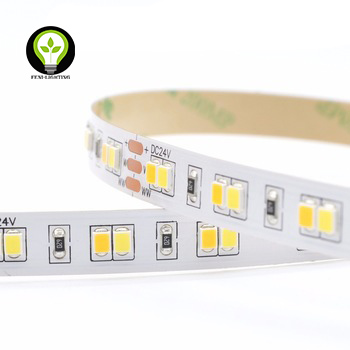
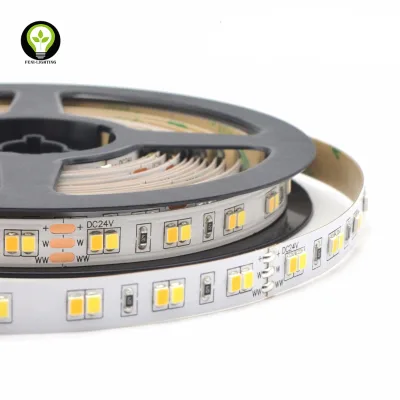
Non-Waterproof Dual Tunable White CCT Flexible LED Strip for Indoor Deracotion
$3.00 - $3.30
MOQ: 10 Meters
Shenzhen Longsheng Photoelectric Technology Co., Ltd.
- Manufacturer, Trading Company, Distributor/Wholesaler
- Guangdong, China
- Lead time10 days
- Avg. response≤ 2h
Main productsLED strip Light,LED Tube Light,LED Neon Light,LED Power Supply,LED downlight
Main marketsSouthern Europe(15.00%), Northern Europe(15.00%), Western Europe(10.00%), South America(10.00%)
Guangzhou Goldbo Lighting Co., Ltd.
- Verified by SGS Group
- Trading Company
- Guangdong, China
- Lead time7 days
- Avg. response≤ 1h
Main productsCOB LED Strip, LED Strip Light, Addressable RGB LED Strip, LED Neon Strip, LED Module
Main marketsNorth America(30%), Western Europe(20%), South America(20%)
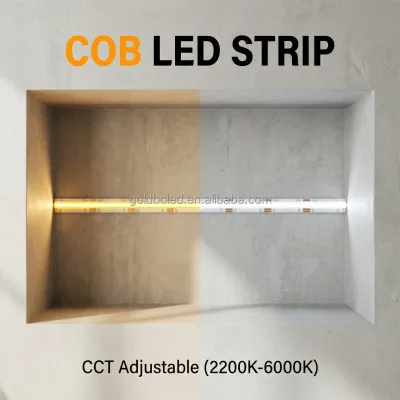
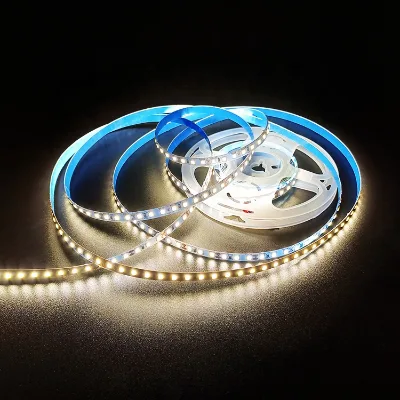
$0.6272 - $0.8129
MOQ: 20 meters
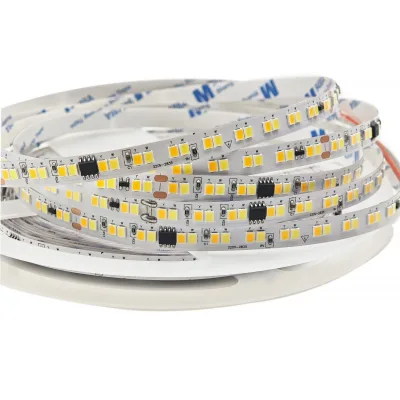
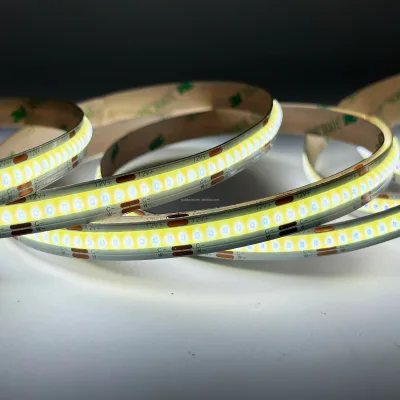
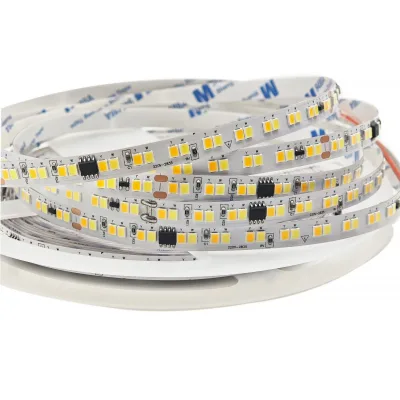
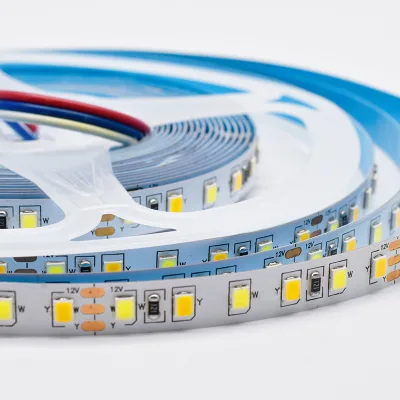
Shenzhen Golden Ocean Lighting Co., Ltd.
- Verified by SGS Group
- Manufacturer, Trading Company
- Lead time4 days
- Avg. response≤ 2h
Main productsLED Strip Lights, Silicone Neon Lights, LED Aluminum Profile, Cabinet Lights, Smart Controller
Main marketsSouth America(40%), North America(10%), Eastern Asia(10%)

Shenzhen Kediya Technology Co., Ltd.
- Trading Company,Manufacturer/Factory
- China Guangdong
- Lead time15 days
- Avg. response≤ 3h
Main productsLED Strip Light, LED Rope Light, LED Neon Light, Alluminum Profile, LED Controllers, LED Driver, Smart LED Products, Linear Light, Pixel LED Strip Light, LED Connectors
Main marketsSouth America,Eastern Europe,North America,Western Europe


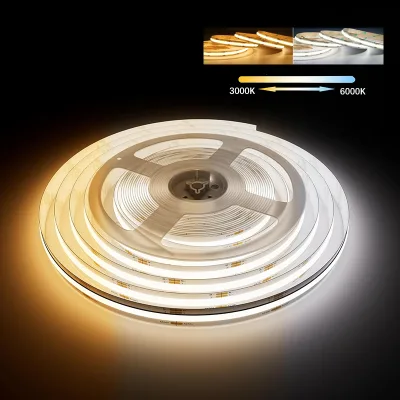
CCT COB LED Strip Light DC12V 24V Tunable White 2700K-6500K Flexible LED Tape
$1.36 - $3.00
MOQ: 50 Meters


Shenzhen Didio Optoelectronics Co., Ltd.
- Trading Company
- Guangdong, China
- Lead time3 days
- Avg. response≤ 3h
Main productsCOB LED Strip, Neon LED Strip, LED Pixel Light, LED Module, LED Matrix Light
Main marketsNorth America(40.00%), Western Europe(30.00%), Oceania(10.00%), South America(5.00%), Northern Europe(5.00%), Mid East(5.00%), Southeast Asia(5.00%)
Shenzhen Fredlighting Technology Limited
- Verified by TüVRheinland
- Manufacturer, Trading Company
- Lead time7 days
- Avg. response≤ 2h
Main productsLED Neon Sign, LED Strip Light, LED Down Light Panel Light, Outdoor Solar Lamp
Main marketsNorth America(26%), South America(16%), Northern Europe(16%)
Shenzhen Grilight Technology Co., Ltd.
- Verified by TüVRheinland
- Trading Company
- Lead time12 days
- Avg. response≤ 3h
Main productsLED Strip Light, LED Driver, LED Neon Light, LED Aluminum Profile, LED Power Supply
Main marketsNorth America(35%), Western Europe(20%), South America(15%)
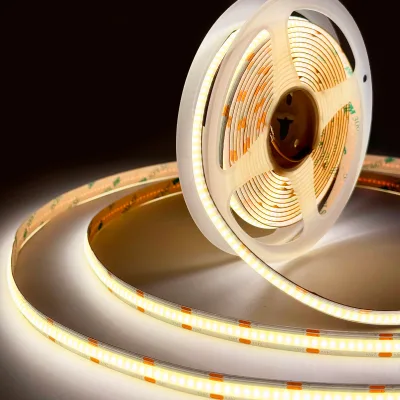
$1.60 - $1.73
MOQ: 500 meters
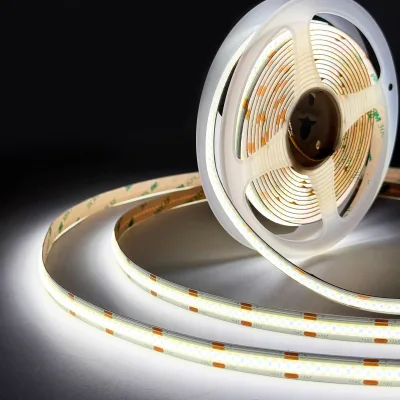
$1.28 - $1.39
MOQ: 500 meters
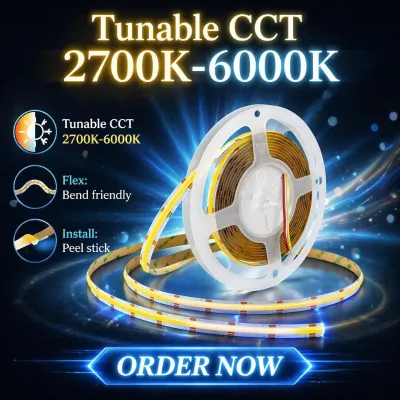

Forelux Lighting Technology Co., Ltd.
- Verified by CTI
- Trading Company,Manufacturer/Factory
- China Guangdong
- Lead time15 days
- Avg. response≤ 2h
Main productsCustom LED Strip, SMD LED Strip, Neon LED Strip, COB LED Strip, Scob LED Strip, LED Linear Light, LED Grazer Light
Main marketsSouth America,Eastern Europe,Mid East,North America,Southeast Asia,Eastern Asia,Oceania,Western Europe,Africa

Energy Efficient CCT Tunable Lighting Solution 130lm/W CRI Ra90+ Cuttable LED Light Strips
$3.48 - $4.09
MOQ: 100 Meters

High CRI Ra90 2700K+6500K CCT White Tunable Spotless 24VDC 640LEDs/M COB LED Strip
$2.00 - $2.28
MOQ: 100 Meters

$2.00 - $2.28
MOQ: 100 Meters

New Design 24VDC 14LEDs Per Cut 280LEDs/M CCT Tunable White Flex Light Strips 2110 SMD
$3.28 - $3.77
MOQ: 100 Meters

$2.85 - $3.20
MOQ: 500 Meters

- Verified by BV
- Trading Company
- China Hunan
- Lead time15 days
- Avg. response≤ 3h
Main productsLED Strip, LED Aluminum Profile, LED Driver, LED Power Supplier, LED Neon Light, LED Linear Light, LED Controller, LED Light Strip
Main marketsSouth America,Africa,Others(foreignTradeCapacity.exportBusinessCapacityMarketOther),Europe,Australia,North America

DC24V 2835 SMD 120 LEDs/M LED Strip CCT Tunable LED Flexible Strip Dual White LED Strip Light
$2.26 - $2.36
MOQ: 500 Meters


LED Light Strip 2835 CCT LED Strip Light 60LED 10W Non-Waterproof LED Strip Light
$1.52 - $1.55
MOQ: 100 Meters


Shenzhen Dblebud Technology Co., Ltd
- Manufacturer
- Guangdong, China
- Lead time15 days
- Avg. response≤ 1h
Main productsCOB LED Strips,Neon LED Strips,RGB LED Strips,LED Light Strip Diffuseres
Main marketsDomestic Market(10.00%), Mid East(10.00%), South America(10.00%), North America(10.00%), Southeast Asia(5.00%), Northern Europe(5.00%), Western Europe(5.00%), Eastern Europe(5.00%), Africa(5.00%)

- Manufacturer/Factory
- China Guangdong
- Lead time15 days
- Avg. response≤ 16h
Main productsFlexible LED Strip, LED Modules for Sign, LED Neon Light, RGB Controller, LED Driver, Rigid LED Strip, LED Dimmer, Aluminium LED Profile, Sign LED Tube
Main marketsSouth America,Eastern Europe,Mid East,North America,Southeast Asia,Eastern Asia,Oceania,Western Europe,Africa


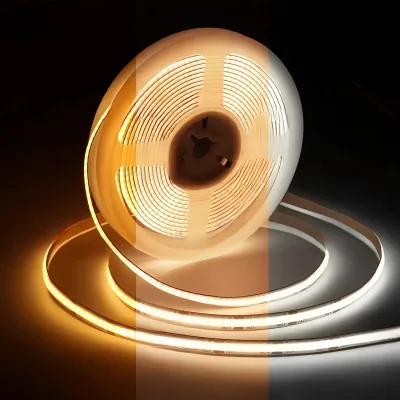
New Dual White COB LED Strip with CCT Tunable 2700K-6500K, CRI 90, 12V/24V, 14W/M
$1.20 - $2.50
MOQ: 50 Meters


CCT Tunable White 2700K-6500K Flexible IP68 LED Strip Light for Wet Location Applications
$0.50 - $1.20
MOQ: 100 Meters


Shenzhen Bryson Science Technology Co., Ltd.
- Trading Company
- Guangdong, China
- Lead time15 days
- Avg. response≤ 1h
Main products3D Hologram Fan,LCD screen,LED strip
Main marketsNorth America(30.00%), Western Europe(25.00%), South America(15.00%), Oceania(10.00%), Eastern Asia(10.00%), Mid East(10.00%)
Guangzhou Houde Lighting Appliance Co., Ltd.
- Verified by SGS Group
- Trading Company
- Lead time7 days
- Avg. response≤ 2h
Main productsLED Modules, LED Strips, COB LED Strips, Addressable Pixel RGB LED Strips, LED Neon Lights
Main marketsNorth America(30%), Western Europe(20%), South America(20%)
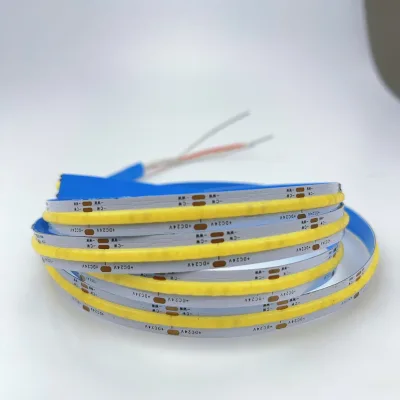
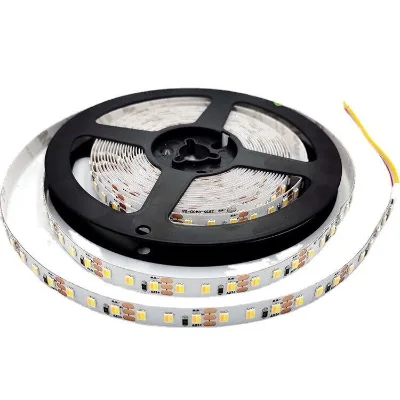
$0.6048 - $0.8099
MOQ: 100 meters
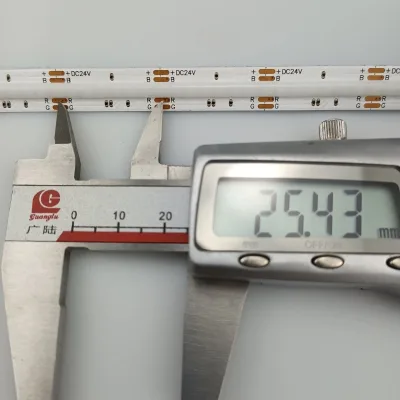
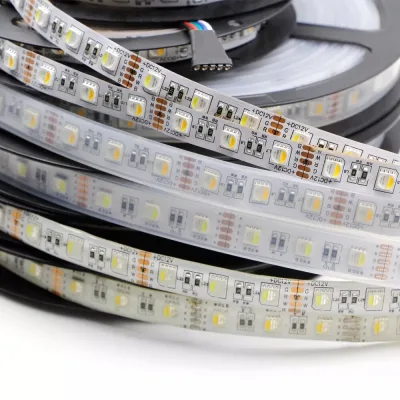
4-in-1 Muti Color RGBW RGBCW CCT LED Light Strip 60/96Leds 12/24V 5050 SMD IP20/65/67/68
$1.39 - $1.49
MOQ: 100 meters
Shenzhen Btf-Lighting Technology Co., Limited
- Verified by SGS Group
- Manufacturer, Trading Company
- Lead time0 days
- Avg. response≤ 4h
Main productsLED Strip, FCOB LED Strip, LED Pixel String, LED Controller, LED Panel
Main marketsNorth America(40%), Western Europe(12%), Eastern Europe(10%)

Shenzhen Led Home Opto-Electronics Co., Ltd.
- Verified by TUVRHEINLAND
- Combined
- China Guangdong
- Lead time30 days
- Avg. response≤ 5h
Main productsLED Profile, LED Flexible Strip, LED Downlight, LED Linear Light, LED Neon Flex Strip, LED Rigid Strip, Slim Silicon LED Neon Flex, Silicon Extrusion Integrated LED Strip
Main marketsSoutheast Asia/ Mideast,Domestic,Europe,North America


$1.80 - $2.10
MOQ: 100 Meters

Super Dense 720LEDs/M LED Strips CCT FPCB Width Flexible LED Strip Lighting
$2.11 - $5.20
MOQ: 50 Meters

Shenzhen Creelux Technology Co., Ltd.
- Manufacturer, Trading Company
- Guangdong, China
- Lead time15 days
- Avg. response≤ 4h
Main productsLED Strip,Neon Light,Mirror Light,Cabinet Light,COB Strip
Main marketsWestern Europe(25.00%), Eastern Europe(23.00%), Domestic Market(13.00%), North America(10.00%), South America(8.00%), Southern Europe(7.00%), Southeast Asia(6.00%), Central America(5.00%), Mid East(3.00%)

Shenzhen Hua Yu Lighting Manufacturing Co., Ltd.
- Verified by CTI
- Combined
- China Guangdong
- Lead time15 days
- Avg. response≤ 5h
Main productsLED Strip, LED Neon, LED Wall Light, LED Ceiling Light, LED Strip Light, Flexible LED Strip, Flexible LED Neon
Main marketsSouth America,Southeast Asia/ Mideast,East Asia(Japan/ South Korea),Domestic,Europe,Australia,North America
- Trading Company
- Lead time旺季: "1 - 500":20,"501 - 5000":25,"5001 - 20000":30,"> 20000":"To be negotiated", 淡季: "1 - 500":20,"501 - 5000":25,"5001 - 20000":30,"> 20000":"To be negotiated"
- Avg. response≤ 2h
Main productsLED Strip Light, LED Module, LED Bar, Flex Neon, LED Power Supply
Shenzhen King Saro Lc Photoelectric Co., Ltd.
- Manufacturer, Trading Company
- Guangdong, China
- Lead time15 days
- Avg. response≤ 1h
Main productsLed Strip/Light Module/LED Bulbs/Rigid Led Strip/LED Fluorescent Tube,neon strip light,cob led strip
Main marketsNorth America(20.00%), South America(15.00%), Eastern Europe(8.00%), Southeast Asia(7.00%), Domestic Market(5.00%), South Asia(5.00%), Southern Europe(5.00%), Northern Europe(5.00%), Central America(5.00%), Western Europe(5.00%), Eastern Asia(5.00%), Mid East(5.00%), Oceania(5.00%), Africa(5.00%)
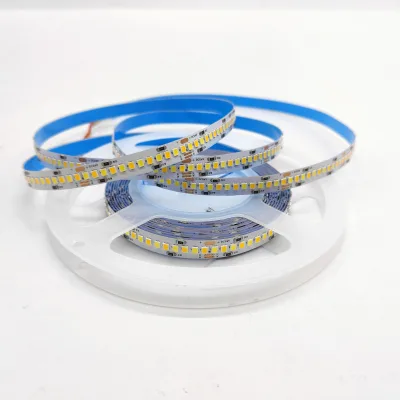
$1.1302 - $1.4386
MOQ: 500 meters
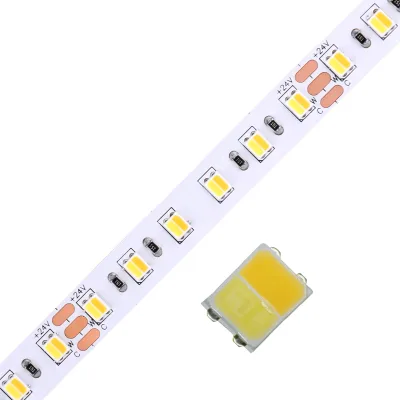
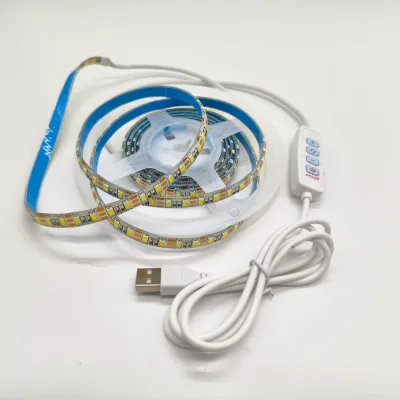
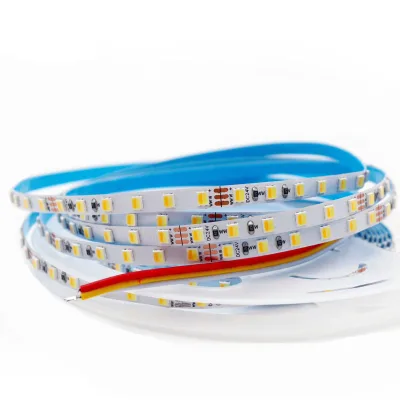
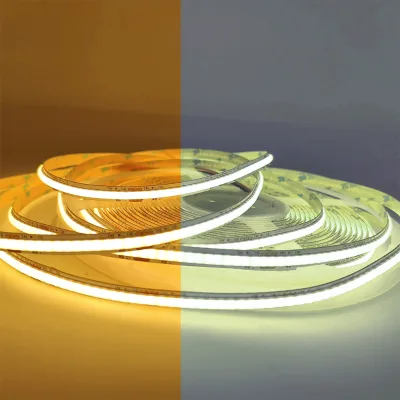
$0.9446 - $1.3338
MOQ: 100 meters

Shanghai Wellshow Opto Electronics Co., Ltd
- Verified by SGS
- Combined
- China Shanghai
- Lead time15 days
- Avg. response≤ 4h
Main productsLED Neon Light, LED COB/SMD Strip Light, LED Shelf/Cabinet Light, LED Power Track System, LED Wall Washer Light, LED Aluminum Linear Lights, LED Jewelry Light, LED Skyline Light
Main marketsSouth America,Africa,Southeast Asia/ Mideast,East Asia(Japan/ South Korea),Domestic,Europe,Australia,North America

CCT 1800K-6500K Adjustable Color 12V/24V LED Strip Light 5050 Flex Tunable White
$5.00 - $8.00
MOQ: 10 Meters


Shenzhen Guoye Optoelectronics Co., Limited
- Trading Company
- Guangdong, China
- Lead time5 days
- Avg. response≤ 4h
Main productsLED Strip Light, LED Neon Flex, Aluminum Profile LED Light, LED Power Supply, LED Controller
Main marketsNorth America(10.00%), Western Europe(10.00%), Southern Europe(10.00%), Africa(10.00%), Eastern Europe(10.00%), Domestic Market(10.00%), Mid East(10.00%), Oceania(6.00%), Eastern Asia(5.00%), South America(5.00%), Central America(5.00%), Northern Europe(5.00%), South Asia(2.00%), Southeast Asia(2.00%)
Shenzhen Longshine Technology Co., Ltd.
- Manufacturer, Trading Company
- Guangdong, China
- Lead time15 days
- Avg. response≤ 4h
Main productsLED neon strip,led strip light,led module light,led pixel light,led power supply
Main marketsNorth America(50.00%), Northern Europe(15.00%), Western Europe(15.00%), Oceania(10.00%), Domestic Market(1.00%), South Asia(1.00%), Southern Europe(1.00%), Eastern Europe(1.00%), Central America(1.00%), South America(1.00%), Eastern Asia(1.00%), Mid East(1.00%), Southeast Asia(1.00%), Africa(1.00%)
Shenzhen Czine Light Technology Co., Ltd.
- Manufacturer, Trading Company
- Lead time旺季: "1 - 100":7,"101 - 500":10,"> 500":"To be negotiated", 淡季: "1 - 100":7,"101 - 500":10,"> 500":"To be negotiated"
- Avg. response≤ 4h
Main productsSMD LED Strip, COB Strip, Neon Strip


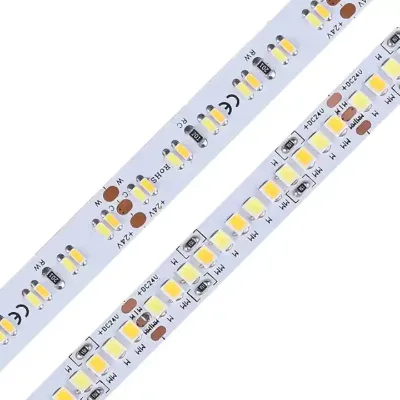
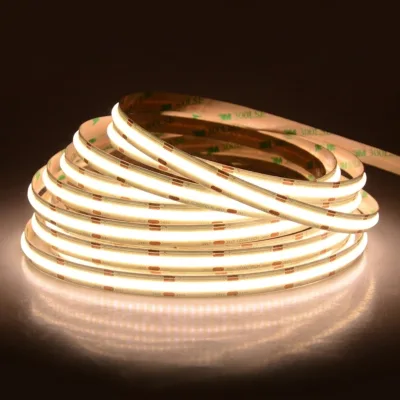

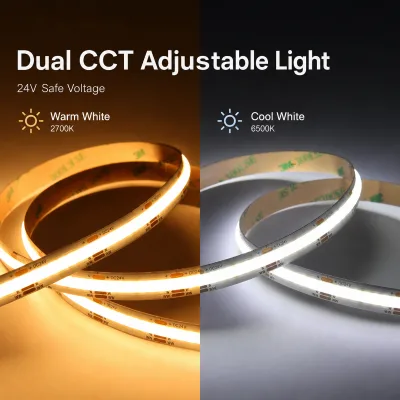
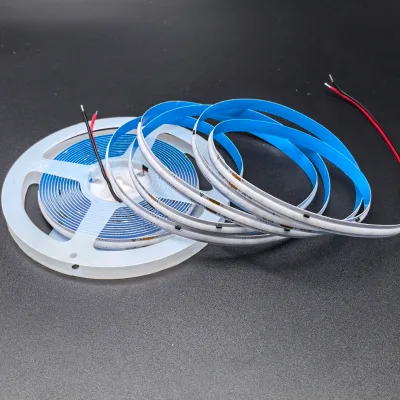
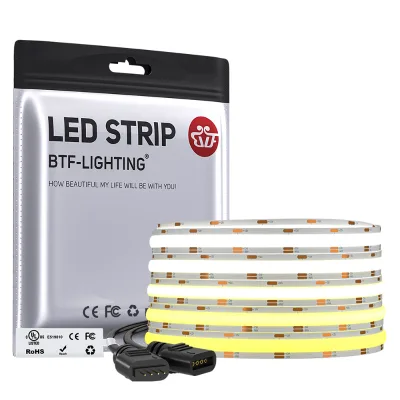
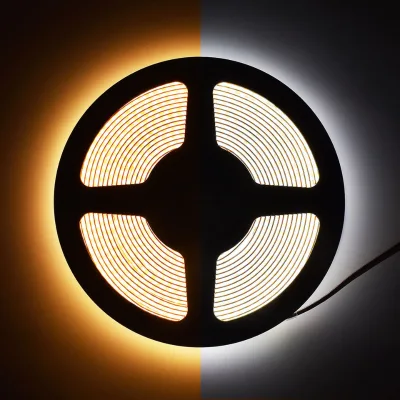
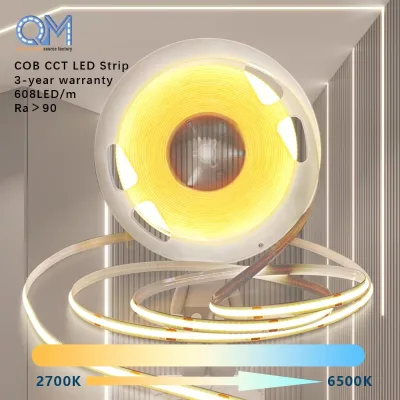
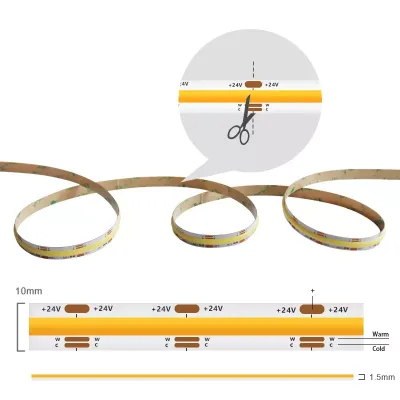


Comprehensive Sourcing Guide
Copper CCT Tunable LED Strip Supplier Concentration and Factory Types
When researching Copper CCT Tunable LED Strip suppliers, location data in supplier listings is your first filter for understanding manufacturing concentration. In current results, suppliers are located in China's Guangdong province, with product origin details pointing to Shenzhen specifically. This matters because Shenzhen and the wider Pearl River Delta host one of the world's densest ecosystems for flexible strip lighting: LED chip distributors, PCB laminate houses, reflow assembly lines, and controller makers sit within short logistics distances of one another. A buyer sourcing tunable white strip products from this region is therefore typically buying from manufacturers embedded in a mature supply chain rather than from isolated assemblers, which tends to shorten development loops and component replacement times.
Supplier type is the second structural variable. Listings in this category show both manufacturers operating their own factories and combined manufacturer-trading entities. Manufacturer/factory entries list LED track lights, downlights, panel lights, and strip lights among their main products, and hold system certifications including ISO 9001, ISO 14001, and BSCI. Combined-type entries list strip lights, aluminium profiles, neon tubes, and grow lights. Neither structure is inherently better: factories may offer deeper process control on the copper-based PCB and BIN selection of CCT LEDs, while combined entities may consolidate mixed orders. Verify which structure a candidate actually operates by checking business registration records and asking for factory address proof before assuming any label reflects reality.
How to Verify Copper CCT Tunable LED Strip Suppliers
Verification starts with documents, not conversation. Ask each candidate for a valid business license and cross-check the registered scope against LED lighting manufacturing. For system-level claims, request current certificates: some suppliers in this category list ISO 9001, ISO 14001, and BSCI, while others show no system certification at all, so never assume uniform credentialing. Product-level certifications such as CE, RoHS, EMC, UL, LVD, SAA, GS, and VDE appear on individual tunable strip listings, but certificate numbers can expire or be reused across models. Verify certificate validity through the issuing body's public database and confirm the certificate covers the exact product model, wattage, and voltage you intend to order.
Second, verify manufacturing capability directly. Suppliers here advertise OEM and ODM capacity, so request evidence: photos or a live video walkthrough of SMT lines, aging racks, and CCT BIN sorting stations. For tunable white products specifically, ask how they control color consistency between warm and cool channels across reels, and request a sample from a production run rather than a hand-prepared sample. Third, verify the listing details against quotations: listed products in this category carry attributes such as 12V/24VDC input, 19.2W/M or 22W wattage, CRI 80/90, and 3-year warranties. If a quotation contradicts the published specification sheet, require a signed specification annex before any deposit. Finally, test responsiveness claims yourself by logging reply times across several working days.
What to Compare Across Copper CCT Tunable LED Strip Suppliers
Build a comparison grid from the attributes suppliers actually display, without assuming every candidate reports every field. Current listings allow comparison on these dimensions: lead time, where one manufacturer advertises 15 days; MOQ, which ranges dramatically in this category from as low as 5 units on a 3528-based dual white strip to 500 units on a COB CCT model; response time, where displayed figures range roughly from about 2 hours to nearly 5 hours; and company type, whether manufacturer/factory or combined entity. Location is another displayed dimension, with Guangdong entries dominating, and main products reveal whether strip lighting is a core line or a side category among track lights, panel lights, and high bays.
Price and technical specification complete the grid. Listed tunable strip prices span roughly 2.10 to 5.80 per meter depending on technology: SMD5050 2-in-1 strips, COB strips with 576 or 608 chips per meter, and SMD2835-based 120 LEDs/m designs differ in dotless appearance, CRI options of 80+ or 90, and power draws from 12W to 22W. Normalize comparisons by technology type before comparing price, since a COB strip at 608 chips/m is not equivalent to a 3528 dual-row design. Also compare customization availability, which is flagged as available on most listings, and warranty length, where 3 years appears on several products but should be contractually confirmed rather than assumed from a listing attribute.
Common Copper CCT Tunable LED Strip Sourcing Risks
The most frequent risk in this category is CCT inconsistency between production batches. Tunable white strips mix two LED channels, and BIN drift between reels produces visible color mismatch when a project installs strips from different delivery lots. Mitigate this by specifying BIN tolerance in writing, requiring dated reel labeling, and requesting strips from consecutive production runs for multi-phase projects. A second risk is specification drift between listing and shipment: published attributes such as 19.2W/M, 120 LEDs/m, or CRI 80/90 must appear in a signed spec sheet, because MOQ and price concessions are sometimes financed by downgrading chip grade or copper PCB weight.
Third, watch for certification mismatches. Listings cite CE, RoHS, EMC, UL, LVD, SAA, GS, and VDE across different models, but a supplier's certificate may cover one model family while you order another; always map certificates to model numbers like those published in listings, and check expiry dates. Fourth, warranty enforcement is a practical risk: several products advertise 3-year warranties, yet remedies depend on the supplier remaining solvent and cooperative. Define claim procedures, defect thresholds, and replacement logistics in the contract. Fifth, low MOQs as small as 5 units can signal sample-grade or leftover stock rather than production capacity, so treat unusually low MOQs as a prompt to ask about reel sourcing and production date. Finally, response-time display figures are averages; slow actual replies during technical Q&A often predict slower after-sales support.
Copper CCT Tunable LED Strip Regional Sourcing and Logistics
Current supplier results place the sourcing base in Guangdong, China, with Shenzhen cited as product origin, so logistics planning should start from South China's export infrastructure. Shipments from this region typically consolidate through nearby seaports and the international airports serving the Pearl River Delta, giving buyers choices between sea freight for full-reel container volumes, air freight for urgent replenishment, and rail or multimodal options depending on destination. Because flexible strip products are lightweight relative to volume, dimensional weight rules matter: reels packed 5 meters per reel, as several listings specify, should be quoted on volumetric basis with your forwarder before comparing supplier prices.
When location data is not available for a candidate, identify clusters yourself by triangulating three signals: the shipping port named on quotations, the factory address on the business license, and the origin field on product specification sheets. Discrepancies among these indicate a trading intermediary or a subcontracted factory. For freight planning, note that this category's listings pack strips in antistatic bags and reels, which supports both air-freight compliance and moisture protection; still, request desiccant packing and sealed bags for sea shipments to humid destinations. Confirm the advertised 15-day lead time applies to your customized configuration, since custom CCT BINs, PCB widths such as 10mm, and special voltages typically extend production. Finally, ask suppliers which Incoterms they support and whether they can ship under your forwarder's consolidation, which is standard practice from Guangdong-based suppliers.
Copper CCT Tunable LED Strip Commercial Terms and Order Planning
Order planning for this category should anchor on three commercial levers: MOQ, lead time, and customization scope. Displayed MOQs range from 5 to 500 depending on product type, with COB-based tunable models at the higher end and SMD-based designs at the lower end, so match your pilot order size to the technology you select. The displayed 15-day lead time offers a planning baseline, but add buffer for BIN sorting on tunable products and for certification-driven modifications. Where customization is advertised as available, expect negotiation over who bears tooling or programming costs for controller-matched configurations, and record the outcome in the purchase agreement.
On terms, structure payment to balance risk: modest deposits against balance after pre-shipment inspection is a common default, and where escrow-style protection is available through your sourcing channel, use it for first orders with unverified suppliers. Put price validity in writing, since listed ranges like 2.10 to 5.80 fluctuate with LED chip markets. Fix the specification annex, warranty duration such as the advertised 3 years, reel packing format, and marking requirements. For repeat orders, negotiate a rolling forecast with a locked price window, and agree a defect allowance with replacement terms. Finally, align reorder cadence with the supplier's production calendar around regional holidays in Guangdong, which reliably extends effective lead times even when quoted production days remain unchanged. Confirm every commercial promise in a signed document.
FAQs
What is the price range for CCT tunable LED strips?
Prices for these strips typically range from $2.10 to $5.80 per unit. The final cost depends on the specific LED chip density, wattage, and certification requirements. Buyers should verify the exact pricing for their desired quantity and customization needs directly with the supplier.
What certifications are available for these LED strips?
Common certifications include CE, RoHS, EMC, UL, LVD, SAA, and GS. Some products also carry VDE or ETL marks. These certifications ensure compliance with international safety and environmental standards. Buyers must confirm which specific certificates apply to their target market before ordering.
What is the minimum order quantity for these products?
MOQs vary significantly, ranging from 5 units to 500 units. Lower MOQs are often available for standard items, while higher volumes may be required for custom configurations. Buyers should check the specific MOQ for the model they intend to purchase to ensure it fits their budget.
How long does production take for these orders?
The standard lead time is approximately 15 days. This duration may vary based on order volume and customization requirements. Buyers should confirm the exact production schedule with the supplier to ensure timely delivery for their specific project deadlines and logistical planning.
Where are these LED strips manufactured?
These products are manufactured in Guangdong, China, with origins often listed as Shenzhen. This region is a major hub for electronics and lighting production. Buyers should verify the specific factory location and capabilities to ensure alignment with their supply chain and quality control requirements.
What is the typical response time from suppliers?
Supplier response times generally range from 2.20 to 4.96 hours. Faster responses indicate active sales teams ready to assist with inquiries. Buyers should expect prompt communication but should still verify current availability and specific product details directly with the supplier before finalizing orders.