Cream Lip Care Kit with Scrub and Mask Suppliers and Manufacturers
Explore 23 verified options for Cream Lip Care Kit with Scrub and Mask from Shaanxi, China. Compare response times, lead times, MOQs, and pricing to find the right partner. Contact suppliers directly to request samples and verify certifications; review the available evidence before requesting comparable quotations from suitable candidates.
Updated
Suppliers List
Shaanxi Imika Biotech Co., Ltd.
- Trading Company
- Shaanxi, China
- Lead time15 days
- Avg. response≤ 3h
Main productsBeauty equipment,Skin care products,Cosmetics,Oral care,Nail supplies
Main marketsWestern Europe(10.00%), Southern Europe(10.00%), Central America(10.00%), Oceania(10.00%), Northern Europe(10.00%), Southeast Asia(10.00%), Eastern Europe(10.00%), South America(10.00%), North America(10.00%), Mid East(5.00%), Africa(2.00%), Domestic Market(1.00%), South Asia(1.00%), Eastern Asia(1.00%)
Health & Beyond Health Technology (suzhou) Co., Ltd.
- Verified by SGS Group
- Manufacturer, Trading Company
- Lead time35 days
- Avg. response≤ 5h
Main productsBody Care, Skin Care, Oral Care, Hair Care, Baby Care
Main marketsWestern Europe(24%), Domestic Market(18%), North America(11%)
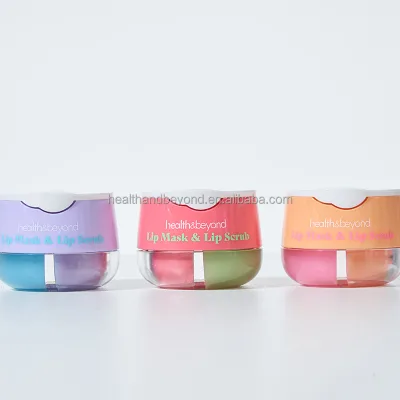
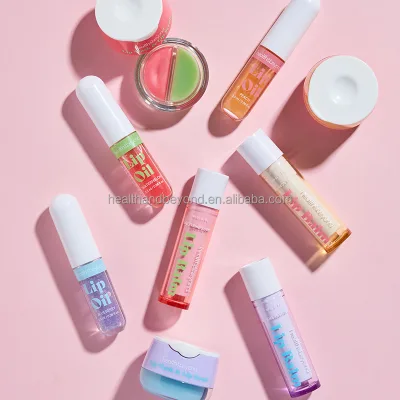
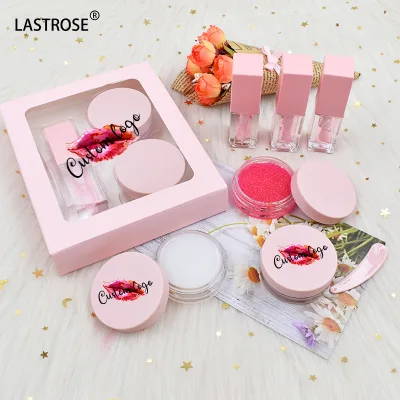
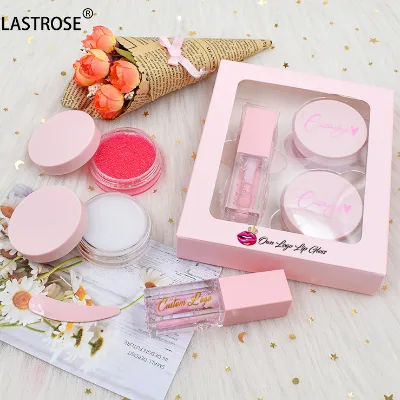
Customer logo Lip Care Supplier Exfoliating Nourishing moisturizer Lip Scrub&lip Mask Set
$1.97 - $1.99
MOQ: 10000
Jialide (Guangzhou) Technology Co., Ltd.
- Verified by SGS Group
- Trading Company
- Lead time3 days
- Avg. response≤ 3h
Main productsHair Fiber, Makeup, Hair Styling, Body Care
Main marketsNorth America(35%), Western Europe(30%), South Asia(8%)
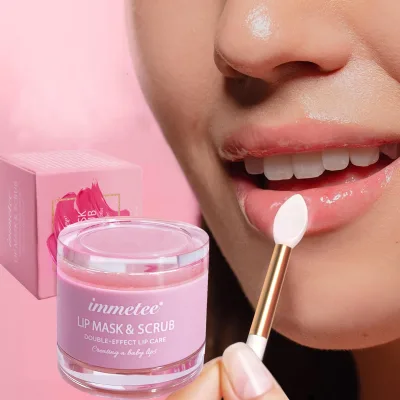
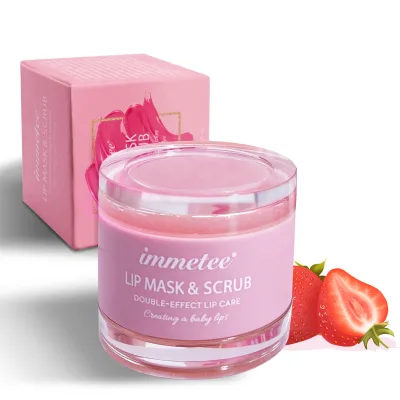
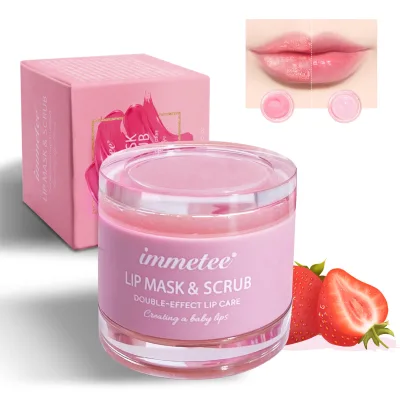
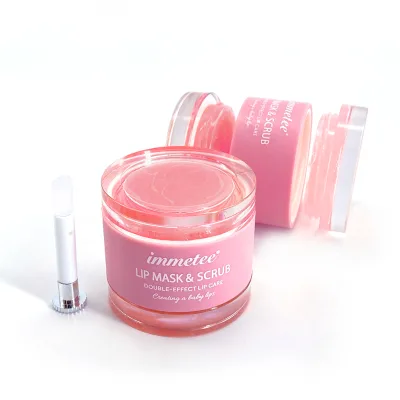
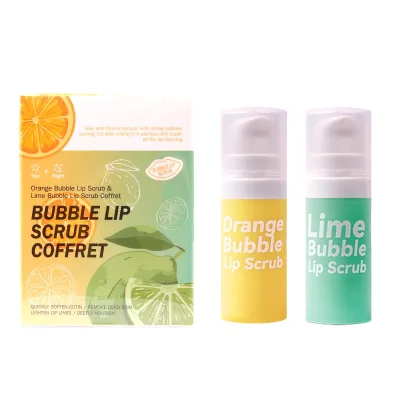
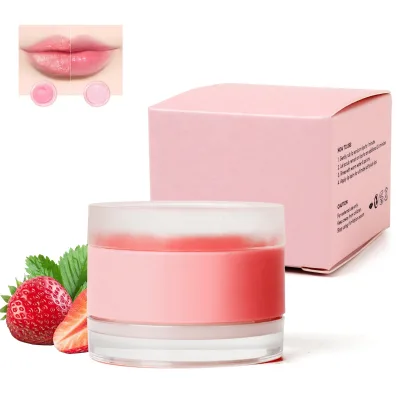
OEM/ODM Lip Care Lip Mask 2 in 1 Organic Strawberry Nourishing Repair Lip Scrub and Balm Set
$0.85 - $1.20
MOQ: 1000 pieces

Shenzhen Fundy Cosmetics Co., Ltd.
- Verified by TUVRHEINLAND
- Manufacturer/Factory
- China Guangdong
- Lead time30 days
- Avg. response≤ 5h
Main productsEyeshadow, Lipgloss, Foundation, Lipstick, Blusher, Highlighter, Makeup, Makeup Tool, OEM/ODM
Main marketsSouth America,Eastern Europe,Mid East,North America,Southeast Asia,Eastern Asia,Oceania,Western Europe,Africa


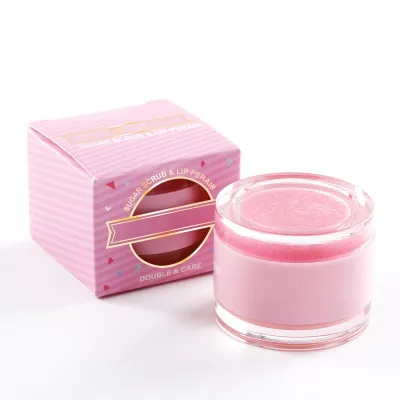
Moisturizing Vegan Cruelty Free Pink Colors Custom Lip Balm and Lip Scrub Set
$3.30 - $4.50
MOQ: 50 pieces
Shenzhen Branpac Technology Co., Ltd.
- Verified by SGS Group
- Trading Company
- Lead time旺季: "1 - 50":8,"51 - 300":9,"301 - 500":16,"> 500":"To be negotiated", 淡季: "1 - 50":8,"51 - 300":9,"301 - 500":16,"> 500":"To be negotiated"
- Avg. response≤ 3h
Main productsEyeshadow, Lipgloss, Foundation, Lipstick, Loose Powder
Shenzhen Hengfengyi Technology Co., Ltd.
- Trading Company
- Guangdong, China
- Lead time3 days
- Avg. response≤ 3h
Main productsHome Use Beauty Machine,Facial Cleansing Brush,Makeup Products,Cosmetic,Lipgloss
Main marketsSouth America(30.00%), North America(30.00%), Eastern Europe(20.00%), Domestic Market(5.00%), Southeast Asia(5.00%), Africa(2.00%), Oceania(1.00%), South Asia(1.00%), Southern Europe(1.00%), Northern Europe(1.00%), Central America(1.00%), Western Europe(1.00%), Eastern Asia(1.00%), Mid East(1.00%)
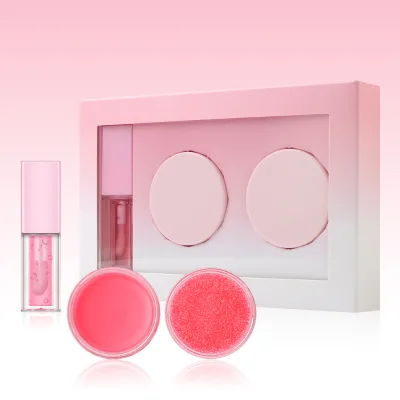
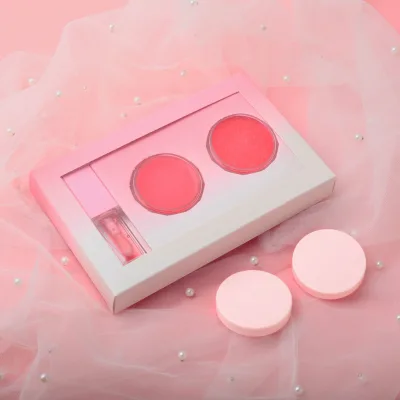
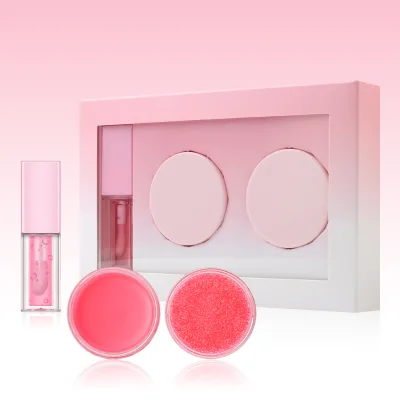
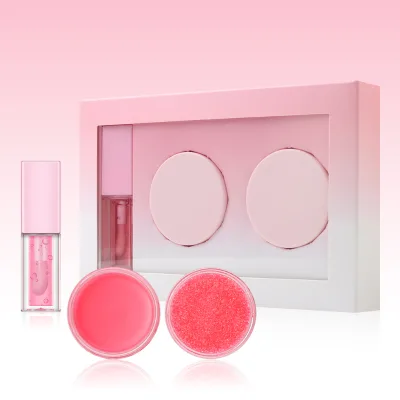
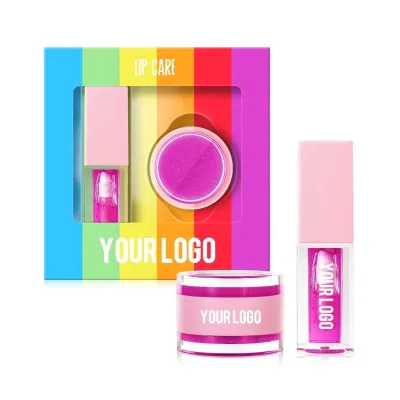
Lip Scrub/mask/oil Nourishing Lips Care Kit Moisturizing Lip Care Set With Gift Packaging
$2.0733 - $4.1452
MOQ: 50 pieces
Guangzhou Elov Cosmetics Co., Ltd.
- Verified by SGS Group
- Manufacturer, Trading Company
- Lead time20 days
- Avg. response≤ 8h
Main productsMask, Eye Pad, Body Cream, Facial and Body Spray, Foot and Hand Mask
Main marketsDomestic Market(40%), North America(12%), Western Europe(10%)
Xuchang Jinbang Hair Products Co., Ltd.
- Verified by SGS Group
- Manufacturer, Trading Company
- Lead time15 days
- Avg. response≤ 3h
Main productsLip cosmetics, Face cosmetics, Eye cosmetics, False eyelash, Make up & tools
Main marketsNorth America(50%), Western Europe(20%), South America(10%)
- Verified by SGS Group
- Manufacturer, Trading Company
- Lead time30 days
- Avg. response≤ 2h
Main productsLipstick, Blusher, Mascara, Eye shadow, Anti slip chain for car
Main marketsNorth America(40%), Western Europe(30%), Eastern Europe(20%)

Guangzhou Mebamy Cosmetics Co., Ltd.
- Verified by TUVRHEINLAND
- Manufacturer/Factory
- China Guangdong
- Lead time15 days
- Avg. response≤ 2h
Main productsFace Serum, Soap, Face Cream, Sunscreen, Eyelash Growth Serum, Teeth Whitening, Face Mask, Facial Cleanser, Essential Oil, Hair Care Series
Main marketsNorth America,Western Europe
Guangzhou Doriff Cosmetics Co., Ltd.
- Verified by SGS Group
- Manufacturer, Trading Company
- Lead time35 days
- Avg. response≤ 4h
Main productsLipstick, Lipgloss, Lipbalm, Eyeshadow, Foundation
Main marketsNorth America(25%), Africa(16%), Mid East(15%)

Guangzhou Olehana Biotechnology Co., Ltd
- Verified by BV
- Manufacturer/Factory
- China Guangdong
- Lead time45 days
- Avg. response≤ 7h
Main productsFace Serum, Face Cream, Skin Care Set, Hair Growth, Beauty Device, Lip Gloss, Lip Stick, Lip Balm, Beard Care, Body Care
Main marketsEastern Europe,North America,Western Europe
Ningbo Healsunny Technology Co., Ltd.
- Trading Company
- Zhejiang, China
- Lead time15 days
- Avg. response≤ 5h
Main productsTire,Medical Product,Beauty Product,LED Light,Car Auto Parts
Main marketsWestern Europe(15.00%), North America(15.00%), Northern Europe(10.00%), South America(9.00%), Eastern Europe(8.00%), Southern Europe(8.00%), South Asia(7.00%), Mid East(7.00%), Eastern Asia(5.00%), Africa(5.00%), Southeast Asia(5.00%), Central America(4.00%), Oceania(1.00%), Domestic Market(1.00%)
$1.223 - $2.5689
MOQ: 3 boxes
$1.5554 - $3.8159
MOQ: 3 pieces
Xuchang Jinbang Hair Products Co., Ltd.
- Manufacturer, Trading Company
- Lead time旺季: "1 - 100":13,"101 - 1000":14,"1001 - 3000":15,"> 3000":"To be negotiated", 淡季: "1 - 100":13,"101 - 1000":14,"1001 - 3000":15,"> 3000":"To be negotiated"
- Avg. response≤ 3h
Main productsFalse Eyelashes, Eyelash Packaging, Cosmetics Products, Makeup Tools, Lip Makeup
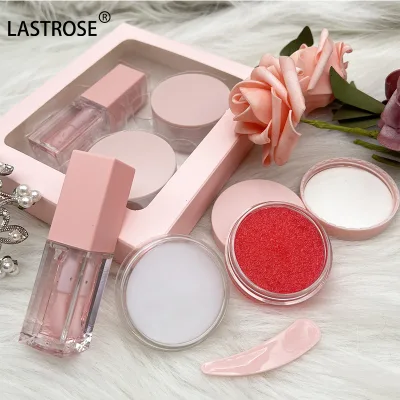
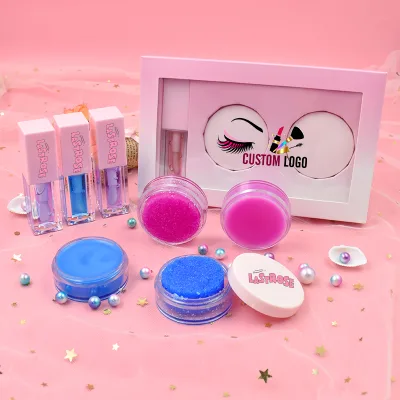
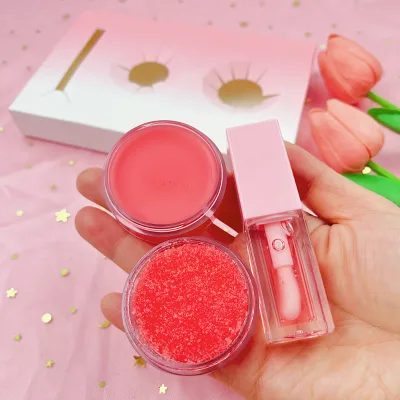
Hot Selling Deep Moisturizing Lip Care Kit Lip Scrub Mask and Lip Pumper Oil Vegan Private Label
$3.40 - $4.50
MOQ: 10 sets
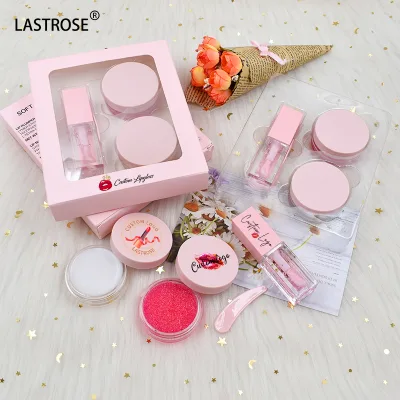
Lip Scrub and Balm Set Lip Mask Lip Care Kit Long-term Hydration Private Label Pink Lipoil
$2.90 - $3.80
MOQ: 10 sets
Shenzhen Fundy Cosmetics Co., Ltd.
- Verified by SGS Group
- Trading Company
- Lead time4 days
- Avg. response≤ 3h
Main productsLip gloss, Lip liner, Lipstick, Blush, Eye Shadow
Main marketsNorth America(50%), South America(10%), Eastern Europe(10%)

Rhine International Biotechnology (Guangdong) Co., Ltd.
- Verified by CTI
- Manufacturer/Factory
- China Guangdong
- Lead time23 days
- Avg. response≤ 7h
Main productsSkin Care, Face Serum, Face Cream, Eye Cream, Body Lotion, Cosmetics, Makeup, Lipstick, Lip Gloss, Lip Balm
Main marketsSouth America,Eastern Europe,Mid East,North America,Southeast Asia,Eastern Asia,Oceania,Western Europe,Africa


Custom Natural Vanilla Vegan Nourish Dry Lips Hydrating Lip Scrub Lip Mask
$2.80 - $5.00
MOQ: 2 Pieces

Vegan Lip Clean Exfoliates Private Label Sugar Lip Scrub Hydrating Lip Mask
$3.00 - $4.80
MOQ: 1000 Sets
Zhejiang Congrats Beauty Cosmetics Co.,Ltd
- Verified by SGS Group
- Manufacturer, Trading Company
- Lead time15 days
- Avg. response≤ 3h
Main productsLipgloss, Eyeshadow, Blusher, Foundation, Highlighter
Main marketsNorth America(45%), Western Europe(30%), South America(5%)
Guangzhou Kailulin Cosmetic Co., Ltd.
- Manufacturer, Trading Company
- Guangdong, China
- Lead time30 days
- Avg. response≤ 2h
Main productsLipstick,Lip Gloss,Eyeshadow,Eyebrorw,Eyelash
Main marketsNorth America(10.50%), South America(10.20%), Northern Europe(10.00%), Mid East(9.80%), Southern Europe(9.80%), Central America(9.00%), Western Europe(8.30%), Africa(8.00%), Eastern Europe(7.50%), Southeast Asia(6.00%), Oceania(3.50%), South Asia(3.20%), Eastern Asia(2.20%), Domestic Market(2.00%)
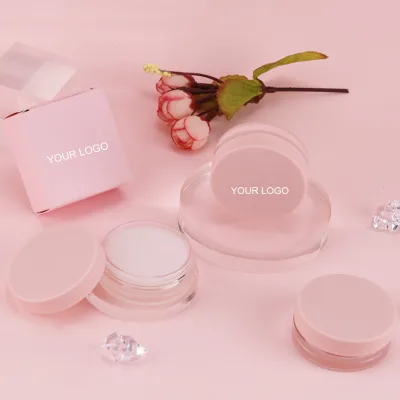
$0.8428 - $1.4177
MOQ: 12 pieces
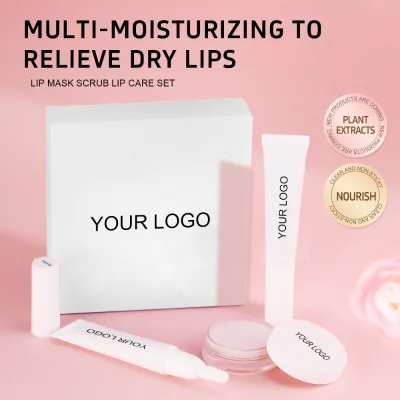
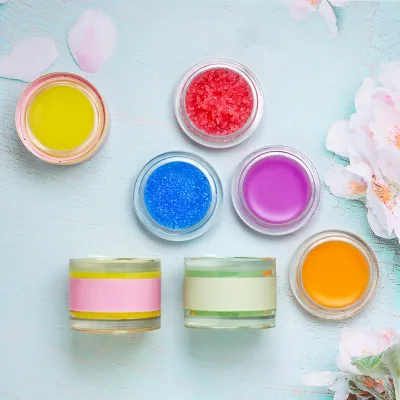
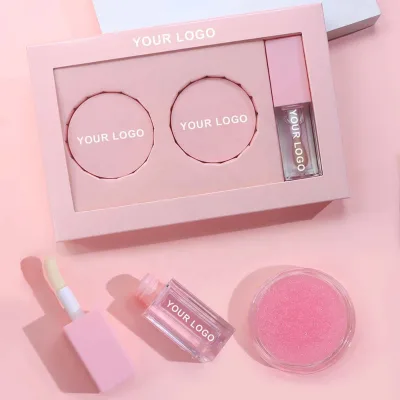
Wholesale Organic Vegan Lip Scrub and Balm Set with Vitamin C Moisturizer Cream Lip Mask Balms
$1.3862 - $1.8488
MOQ: 100 pieces

Shanxi Binduo Technology Co., Ltd.
- Trading Company
- Shanxi, China
- Lead time7 days
- Avg. response≤ 7h
Main productsSkin care,cosmetic,health Care,make up tool,Hair Care
Main marketsNorth America(35.00%), Western Europe(12.00%), Southeast Asia(10.00%), Central America(10.00%), Eastern Europe(5.00%), Mid East(5.00%), Northern Europe(5.00%), South America(5.00%), Southern Europe(3.00%), Africa(3.00%), South Asia(2.00%), Eastern Asia(2.00%), Oceania(2.00%), Domestic Market(1.00%)
Shantou City Hanya Cosmetics Co., Ltd.
- Verified by SGS Group
- Manufacturer, Trading Company
- Lead time5 days
- Avg. response≤ 4h
Main productsFoundation, Eyeliner, Lipstick, Eyeshadow, Mascara
Main marketsNorth America(20%), South America(15%), Eastern Europe(15%)
Xuchang Eyelashion Beauty Co., Ltd.
- Verified by SGS Group
- Manufacturer, Trading Company
- Lead time0 days
- Avg. response≤ 3h
Main productsMakeup, Makeup Tools, False Eyelashes, False Eyelashes Tools
Main marketsNorth America(50%), Oceania(8%), South America(5%)
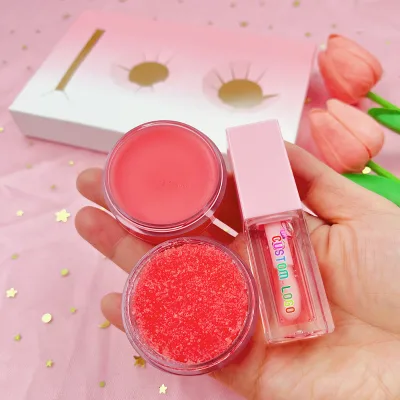
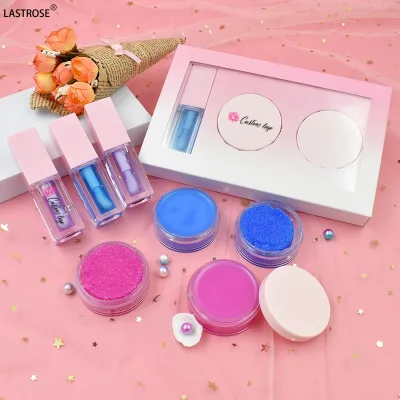
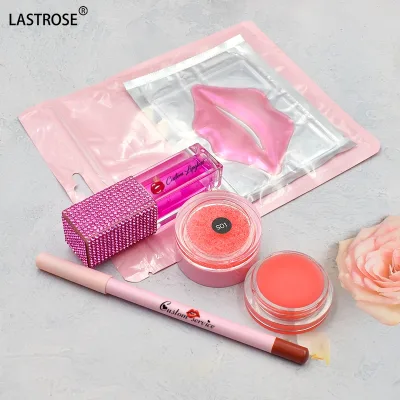
$3.6272 - $4.6632
MOQ: 10 pieces
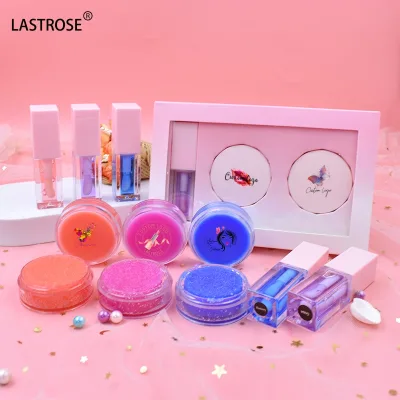
Wholesale Private Brand 3 in 1 Lip Mask Lip Oil Lip Care Set Does Not Stimulate Fruit Oil Suppliers
$3.5224 - $4.6632
MOQ: 10 sets
Shenzhen Beauty Swan Tech Co., Limited
- Verified by TüVRheinland
- Trading Company
- Lead time0 days
- Avg. response≤ 2h
Main productsLipgloss, Foundation, Face Serum, Face Mask, Facial Cleanser
Main marketsNorth America(50%), Africa(20%), South America(10%)
Shantou Bosuya Cosmetic Co., Ltd.
- Trading Company
- Guangdong, China
- Lead time10 days
- Avg. response≤ 3h
Main productsPersonal Care,Perfume Body Mist,Skincare,Makeup,Body Care
Main marketsSouth America(20.00%), Mid East(20.00%), Africa(10.00%), Southeast Asia(10.00%), North America(10.00%), Northern Europe(5.00%), Southern Europe(5.00%), Western Europe(5.00%), Eastern Asia(5.00%), South Asia(5.00%), Central America(3.00%), Domestic Market(1.00%), Eastern Europe(1.00%)




Comprehensive Sourcing Guide
Cream Lip Care Kit with Scrub and Mask Supplier Concentration and Factory Types
The current supplier landscape for cream lip care kits with scrub and mask reveals a distinct concentration of manufacturing activity in Shaanxi, China, where a significant portion of the available inventory originates. This regional clustering suggests a specialized ecosystem for beauty equipment, skin care products, cosmetics, oral care, and nail supplies, providing buyers with a dense network of potential partners in close geographic proximity. The predominant company type observed among these suppliers is the Trading Company, which indicates that many entities may act as intermediaries rather than direct manufacturers. This structural reality requires buyers to carefully distinguish between factories that hold production capabilities and trading firms that facilitate logistics and sourcing. Understanding this distinction is crucial for negotiating better margins and ensuring direct communication regarding production nuances. The presence of OEM and ODM supply types further highlights the flexibility available in this market, allowing brands to customize products extensively. Many suppliers offer private label services, enabling businesses to create unique brand identities without needing to develop formulations from scratch. This model is particularly appealing for startups or established brands looking to expand their lip care lines quickly. The trading company structure often brings added value through consolidated shipping and diversified product portfolios, but it may also introduce layers of communication that can slow down problem-solving. Buyers must assess whether the benefits of a trading company’s logistical support outweigh the potential costs and reduced transparency. The focus on OEM branding suggests that most suppliers are equipped to handle custom packaging, labeling, and formulation adjustments. This capability is essential for brands seeking to differentiate their cream lip care kits in a crowded market. The ability to produce under private labels allows for greater control over brand perception and customer experience. However, it also necessitates rigorous quality control measures to ensure that the final product meets the brand’s standards. The concentration of these capabilities in Shaanxi provides a convenient hub for sourcing, but it also means that buyers should be prepared to navigate a competitive environment. Evaluating the specific strengths of each supplier within this cluster is vital for identifying partners who align with the brand’s values and operational needs. The diversity of main products offered by these suppliers often extends beyond lip care, which can be advantageous for buyers seeking a one-stop-shop for various beauty and personal care items. This breadth of inventory can simplify the sourcing process but may also dilute the supplier’s focus on lip care specifics. Therefore, buyers should prioritize suppliers who demonstrate deep expertise in lip care formulations and packaging solutions. The trading company model often leverages this breadth to offer comprehensive solutions, but it requires careful vetting to ensure quality consistency across all product lines.
How to Verify Cream Lip Care Kit with Scrub and Mask Suppliers
Verifying the legitimacy and capability of suppliers for cream lip care kits with scrub and mask requires a multi-faceted approach that goes beyond surface-level profile reviews. Buyers should prioritize suppliers who provide clear evidence of their manufacturing processes and quality control measures. One critical aspect to verify is the response time, which serves as an indicator of operational efficiency and customer service quality. In the current market, a response time of three days is observed, which buyers should consider when evaluating the supplier’s responsiveness. A slower response time may indicate a lack of dedicated customer service teams or inefficient internal processes, which could lead to delays in communication and order fulfillment. It is essential to establish clear communication channels early in the sourcing process to ensure that any issues can be addressed promptly. Another key verification step involves assessing the supplier’s ability to provide samples. Many suppliers offer sample provision services, which allow buyers to evaluate the product quality before committing to large orders. Buyers should request samples to test the texture, scent, and efficacy of the lip care kits. This hands-on evaluation is crucial for ensuring that the product meets the brand’s standards and customer expectations. Additionally, buyers should verify the supplier’s certifications and compliance with relevant industry standards. While specific certification details may not always be explicitly stated, buyers should inquire about the supplier’s adherence to Good Manufacturing Practices (GMP) and other relevant regulations. This verification process helps mitigate the risk of receiving substandard or non-compliant products. Furthermore, buyers should check the supplier’s establishment year and track record in the industry. A longer history in business often correlates with greater stability and experience. However, newer suppliers may offer innovative solutions and competitive pricing, so a balanced assessment is necessary. Buyers should also verify the supplier’s main products to ensure they specialize in lip care and related items. A supplier with a diverse range of main products may have less focus on lip care specifics. Finally, buyers should consider the supplier’s location and logistics capabilities. Suppliers located in Shaanxi, China, may have different logistical advantages and challenges compared to those in other regions. Understanding these factors helps buyers make informed decisions about shipping costs and delivery times. By combining these verification steps, buyers can build a robust supplier evaluation framework that minimizes risk and maximizes the potential for successful partnerships.
What to Compare Across Cream Lip Care Kit with Scrub and Mask Suppliers
When comparing suppliers for cream lip care kits with scrub and mask, buyers should focus on key operational metrics that directly impact cost, quality, and delivery. One of the most critical factors is the minimum order quantity (MOQ), which varies significantly across suppliers. For instance, some suppliers may have an MOQ of just two units, making them ideal for small businesses or testing new products, while others may require an MOQ of fifty units, which is more suitable for established brands with higher volume needs. Understanding these MOQ differences is essential for aligning supplier capabilities with the buyer’s production and sales forecasts. Another important metric to compare is the lead time, which indicates how long it takes for the supplier to fulfill an order. A lead time of fifteen days is observed in the current market, which buyers should factor into their inventory planning. Shorter lead times can provide greater flexibility in responding to market demand, while longer lead times may require more advanced planning and larger safety stocks. Buyers should also compare the price ranges offered by different suppliers. Prices for cream lip care kits can vary based on factors such as ingredient quality, packaging complexity, and order volume. For example, some suppliers may offer prices ranging from $1.12 to $2.52 per unit, while others may have slightly different pricing structures. It is crucial to evaluate the total cost of ownership, including shipping, tariffs, and any additional fees, rather than just the unit price. Additionally, buyers should compare the response speed of suppliers, as this can impact the efficiency of the sourcing process. Suppliers with faster response times are generally more reliable and easier to work with. Buyers should also assess the supplier’s product attributes, such as the main ingredients, shelf life, and packaging options. For instance, some suppliers may offer products with organic, mineral, and vegan ingredients, while others may focus on specific functional benefits like moisturizing or anti-wrinkle properties. Comparing these attributes helps buyers identify suppliers whose products align with their brand’s positioning and customer preferences. Finally, buyers should consider the supplier’s service offerings, such as OEM/ODM capabilities and private label services. Suppliers who offer comprehensive customization options can provide greater value by helping brands create unique and differentiated products. By systematically comparing these factors, buyers can make data-driven decisions that optimize their sourcing strategy and enhance their competitive advantage in the market.
Common Cream Lip Care Kit with Scrub and Mask Sourcing Risks
Sourcing cream lip care kits with scrub and mask from international suppliers, particularly those in Shaanxi, China, involves several inherent risks that buyers must proactively manage. One significant risk is the potential for quality inconsistencies, especially when dealing with trading companies that may not have direct control over the manufacturing process. Without rigorous quality assurance protocols, there is a risk of receiving products that do not meet the specified standards for ingredients, packaging, or efficacy. Buyers should mitigate this risk by requesting detailed product specifications and conducting thorough sample testing before placing large orders. Another common risk is the delay in lead times, which can disrupt supply chains and lead to stockouts. A lead time of fifteen days may seem manageable, but any delays in production or shipping can have cascading effects on inventory levels. Buyers should establish clear communication channels and set realistic expectations with suppliers regarding production schedules and delivery dates. Additionally, buyers should be aware of the risks associated with intellectual property infringement, particularly when working with suppliers who offer OEM/ODM services. There is a risk that suppliers may share proprietary formulations or designs with competitors, undermining the brand’s unique value proposition. To mitigate this risk, buyers should implement strict confidentiality agreements and monitor the market for unauthorized use of their intellectual property. Another risk is the variability in response times, which can hinder effective communication and problem-solving. A response time of three days may be acceptable for routine inquiries, but it may be too slow for urgent issues. Buyers should prioritize suppliers with faster response times and establish clear escalation protocols for critical matters. Furthermore, buyers should be cautious of suppliers who do not provide transparent pricing or hidden fees. Unexpected costs can erode profit margins and complicate financial planning. Buyers should request detailed quotes that include all costs, such as shipping, tariffs, and packaging fees. Finally, buyers should be aware of the risks associated with regulatory compliance, particularly in different target markets. Products must meet local safety and labeling requirements, and non-compliance can result in legal penalties and brand damage. Buyers should verify that suppliers adhere to relevant regulations and provide necessary documentation. By identifying and addressing these risks, buyers can build a more resilient and reliable sourcing strategy.
Cream Lip Care Kit with Scrub and Mask Regional Sourcing and Logistics
The regional concentration of suppliers in Shaanxi, China, presents both opportunities and challenges for buyers sourcing cream lip care kits with scrub and mask. This location is part of a broader manufacturing cluster that specializes in beauty equipment, skin care products, cosmetics, oral care, and nail supplies, offering buyers access to a diverse range of products and capabilities. However, the logistical implications of sourcing from this region must be carefully considered. Shipping from Shaanxi to international destinations involves complex supply chain dynamics, including transit times, customs clearance, and potential tariffs. Buyers should work with experienced freight forwarders who can navigate these complexities and optimize shipping routes. The presence of trading companies in this region can simplify logistics by consolidating shipments from multiple suppliers, but it may also add layers of cost and complexity. Buyers should evaluate the total logistics cost, including inland transportation, ocean or air freight, and destination port fees. Additionally, buyers should consider the impact of seasonal variations on shipping availability and costs. Peak seasons, such as holidays and major shopping events, can lead to capacity constraints and higher freight rates. Buyers should plan their orders well in advance to avoid these bottlenecks. Another logistical consideration is the packaging requirements for cream lip care kits, which must protect the product during transit. Suppliers often provide packaging specifications, but buyers should verify that the packaging meets international shipping standards. Proper packaging can prevent damage and reduce the risk of product returns. Furthermore, buyers should be aware of the regulatory requirements for importing cosmetics and personal care products into their target markets. Different countries have varying regulations regarding ingredient restrictions, labeling, and safety testing. Buyers should ensure that their suppliers comply with these regulations and provide necessary documentation. The regional focus on OEM/ODM services also means that buyers may need to coordinate closely with suppliers on packaging design and labeling to meet local requirements. This coordination can add time to the sourcing process but is essential for market entry. Finally, buyers should consider the environmental impact of their sourcing decisions. Sustainable packaging and ethical manufacturing practices are increasingly important to consumers. Buyers should prioritize suppliers who demonstrate a commitment to sustainability and can provide evidence of their practices. By understanding the logistical and regulatory landscape of Shaanxi, buyers can make informed decisions that balance cost, quality, and compliance.
Cream Lip Care Kit
FAQs
What is the price range for lip care kits?
Prices for these kits typically range from $1.12 to $2.76 per unit. The final cost depends on the specific product configuration and order volume. Buyers should check the minimum order quantity to determine the exact per-unit price for their specific requirements.
What is the minimum order quantity for these kits?
The minimum order quantity varies by supplier, with some requiring as few as two units while others require fifty. Buyers should verify the specific MOQ for each product listing to ensure it aligns with their initial procurement needs and budget constraints.
How long does production take for these orders?
Standard lead times for these lip care kits are approximately fifteen days. This timeframe allows for manufacturing and quality checks. Buyers should confirm the exact delivery schedule with the supplier to ensure it meets their specific project deadlines and inventory requirements.
Do suppliers offer private label services?
Yes, many suppliers provide OEM and ODM services for private labeling. Buyers can customize logos, packaging, and product formulations. This service allows brands to create unique products that align with their specific market positioning and customer expectations effectively.
What ingredients are commonly used in these kits?
Common ingredients include collagen, jojoba oil, vitamin C, and shea butter. Some products also feature aloe vera, hyaluronic acid, and glycerine. These components are selected for their moisturizing, exfoliating, and nourishing properties to effectively treat dry and cracked lips.
Where are these lip care kits manufactured?
These products are primarily manufactured in Shaanxi, China. This region is known for its beauty equipment and cosmetics production capabilities. Buyers sourcing from this location can access a wide variety of formulations and packaging options for their specific needs.
What is the shelf life of these products?
The shelf life for these lip care kits is typically three years. This duration ensures product stability and efficacy until use. Buyers should always check the expiration date on the packaging to guarantee freshness and optimal performance for their end customers.