Crochet Coffee Cup Sleeve Suppliers and Manufacturers
Find 29 verified suppliers offering Crochet Coffee Cup Sleeve products with varying lead times, certifications, and locations. Compare dimensions, materials, and response times to select the right partner for your order; review the available evidence before requesting comparable quotations from suitable candidates.
Suppliers List

Xuzhou Fenn Import And Export Trading Co., Ltd.
- Manufacturer, Trading Company
- Jiangsu, China
- Lead time60 days
- Avg. response≤ 2h
Main productsbeanie hat,handmade toys,sweater,crochet toys,Hooded clothing
Main marketsNorth America(25.00%), Eastern Europe(20.00%), Northern Europe(10.00%), Mid East(10.00%), South America(10.00%), Central America(5.00%), Southeast Asia(5.00%), Western Europe(5.00%), Southern Europe(3.00%), Oceania(3.00%), Eastern Asia(2.00%), Africa(2.00%)
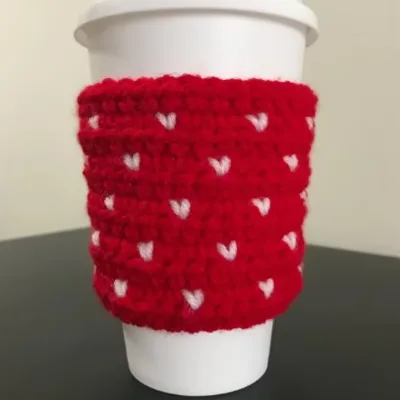
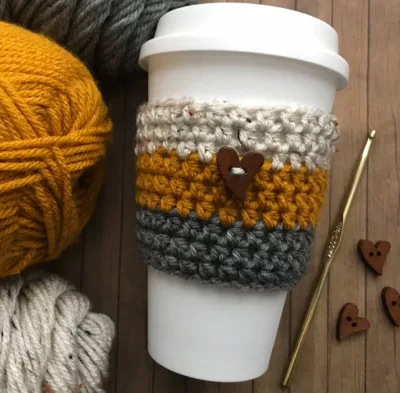
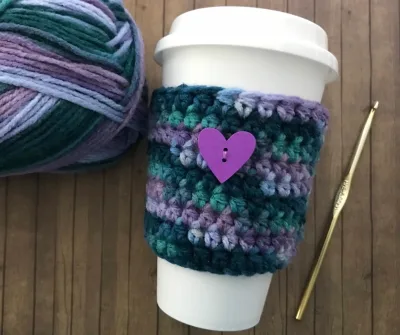
$1.54 - $2.16
MOQ: 100 pieces
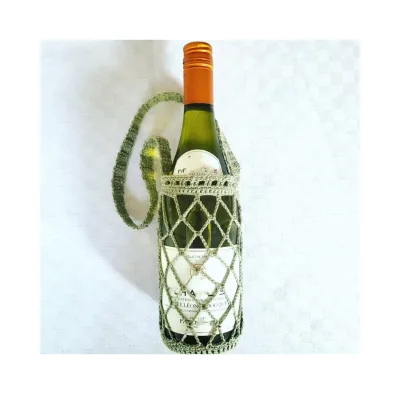
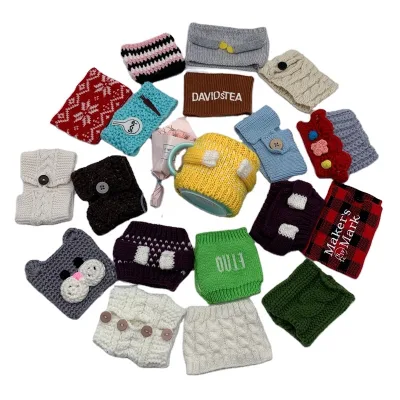
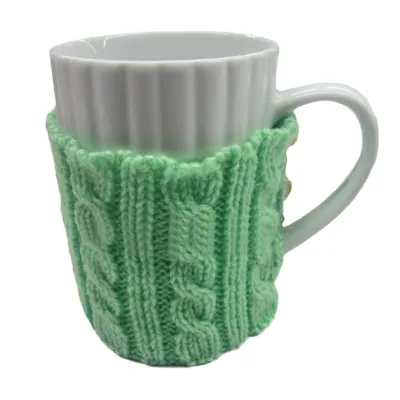
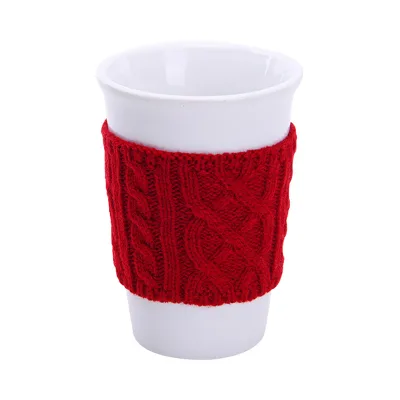
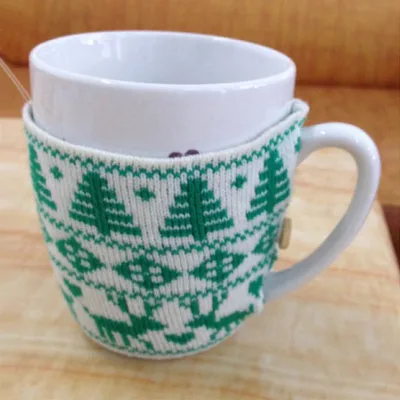
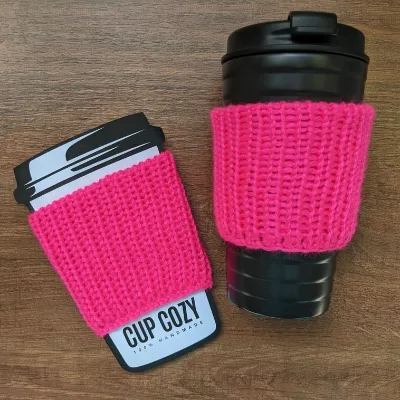
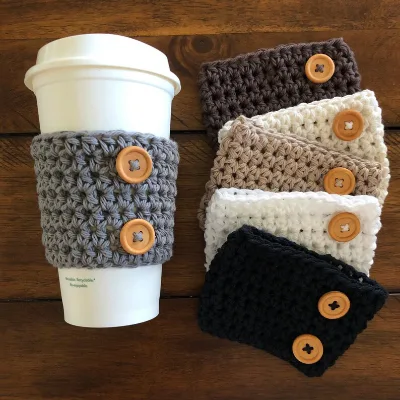
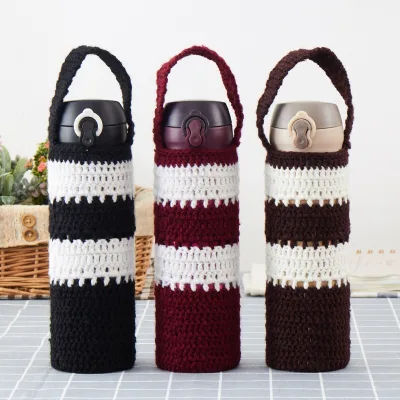
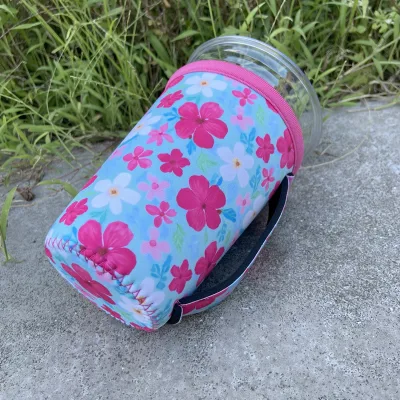
Hot Sale Custom Handmade Knitted Cup Cover Mug Sweater Crochet Mug Sleeve
$1.02 - $4.10
MOQ: 200 pieces
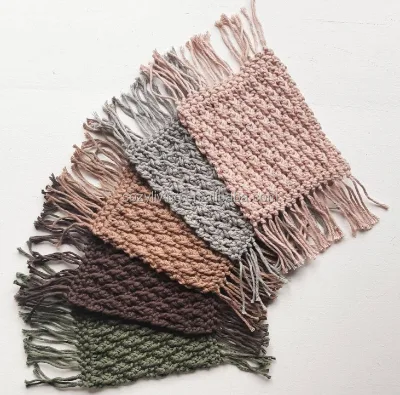

Hefei Hyde Environment Protection Technology Co., Ltd.
- Verified by TUVRHEINLAND
- Trading Company,Manufacturer/Factory
- China Anhui
- Lead time23 days
Main productsPaper Cups, Ice Cream Paper Cup, Kraft Shopping Paper Bags, Ripple Wall Cup, Paper Bread Bags, Double Wall Cups, Paper Salad Bowl, Paper Pizza Box, Paper Soup Cup, Paper Plates
Main marketsSouth America,Eastern Europe,Mid East,North America,Southeast Asia,Eastern Asia,Oceania,Western Europe,Africa
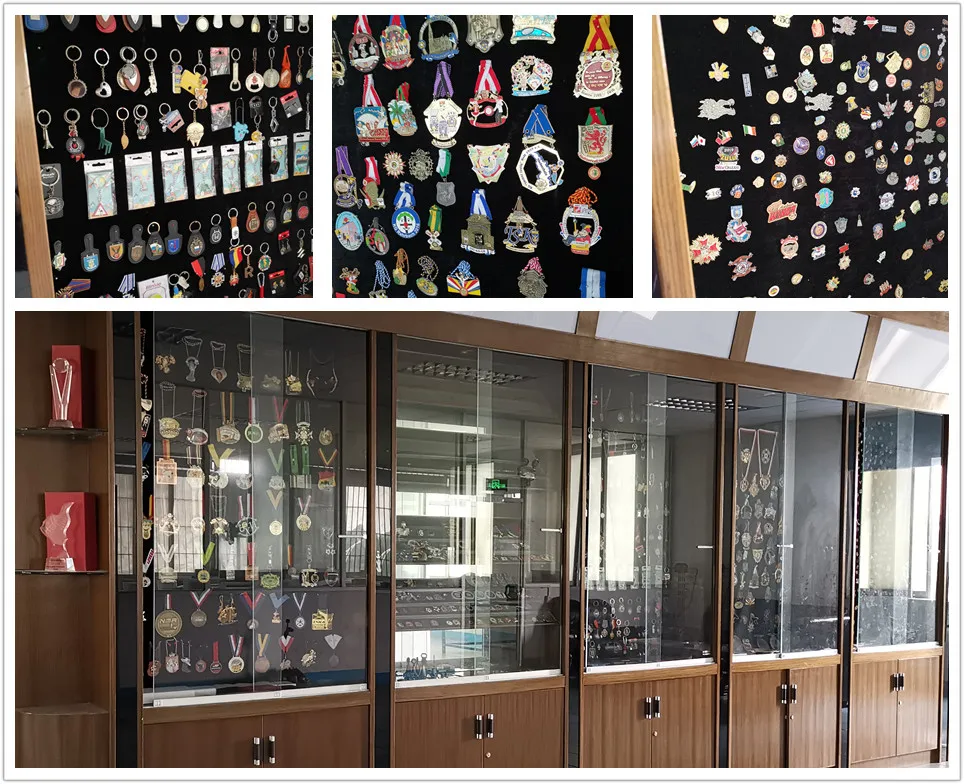
Zhongshan Chuangyu Gift Co., Ltd.
- Manufacturer
- Guangdong, China
- Lead time15 days
- Avg. response≤ 2h
Main productskeychain,lapel pin,medal,coin,fridge magnet
Main marketsNorth America(35.00%), Western Europe(25.00%), Northern Europe(10.00%), Eastern Europe(5.00%), Central America(5.00%), South America(5.00%), Eastern Asia(5.00%), Oceania(5.00%), Africa(5.00%)
Hefei Yuanchuan Package Technology Co., Ltd.
- Verified by SGS Group
- Manufacturer, Trading Company
- Lead time15 days
- Avg. response≤ 2h
Main productsPaper Cup Sleeve, Paper Cup and Bowl, Paper Food Package Box, Paper Bag, Wooden and Bamboo Products
Main marketsWestern Europe(35%), North America(35%), Mid East(20%)
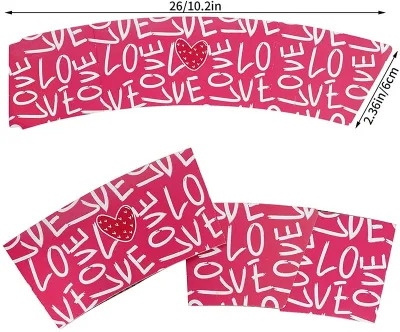
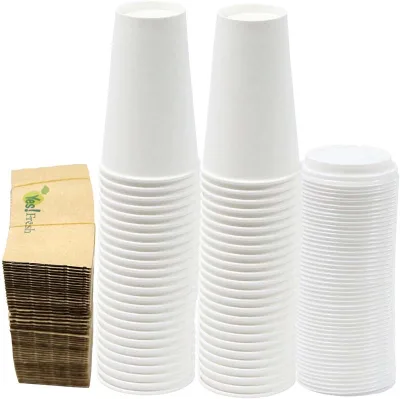
Kraft Paper Coffee Cup Sleeve for Cold and Hot Drins with Customized Printing and Design
$0.01
MOQ: 30000 pieces
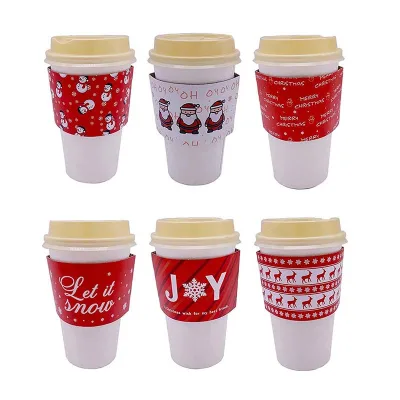
EVER GREATER IMP. & EXP. CO., LIMITED
- Verified by TUVRHEINLAND
- Trading Company
- China Zhejiang
- Lead time15 days
Main productsDisposable Cup, Paper Cup, Pet Cup, PLA Cup, Sleeve, Coaster, Food Packag Box, Pizza Box, Cake Box, Paper Box
Main marketsSoutheast Asia/ Mideast,Europe,Australia,North America

Personalized Eco-Friendly Cup Sleeve with Customizable Artwork Coffee Cup Sleeve
$0.04
MOQ: 3000 Pieces


Suzhou Honychem Specialties Manufacture Co., Ltd.
- Verified by BV
- Trading Company,Manufacturer/Factory
- China Jiangsu
- Lead time15 days
Main productsSilicone Seal, Rubber Seal, Silicone Parts, Silicone Tube, Rubber O Ring, Silicone Keyboard, Silicone Rubber Keyboard Button, Rubber Gasket, Silicone Rubber, Rubber Parts
Main marketsSouth America,Eastern Europe,Mid East,North America,Southeast Asia,Eastern Asia,Oceania,Western Europe,Africa


Heat Resistant Silicone Cup Sleeve Different Design Coffee Cup Silicone Holder
$0.15 - $0.30
MOQ: 500 Pieces


Thick Design 4.7cm Height Heat Resistant Black Silicone Rubber Coffee Cup Sleeve
$0.15 - $0.30
MOQ: 500 Pieces

Zhongshan Xinyuan Silicone Rubber Co. Ltd
- Verified by TUVRHEINLAND
- Combined
- China Guangdong
- Lead time15 days
Main productsSilicone Mold, Silicone Ice Cube Tray, Silicone Wristband, Silicone Tea Infuser, Silicone Bakeware, Silicone Keychain, Silicone Cup Coaster, Silicone Bag
Main marketsSouth America,Southeast Asia/ Mideast,Domestic,Europe,North America
Xiamen Neway Rubber & Plastic Products Co., Ltd.
- Verified by BV
- Combined
- China Fujian
- Lead time15 days
Main productsPlastic Injection Molding, Plastic Parts, Silicone Rubber Parts, Gasket Seals, Rubber Grommet, Mould, O Ring, Extrusion Strip, Metal Parts, Suction Cup
Main marketsSouth America,Africa,Southeast Asia/ Mideast,East Asia(Japan/ South Korea),Europe,Australia,North America
Dongguan KINYORK Knitwear Co., Ltd.
- Manufacturer, Trading Company
- Guangdong Province, China
- Lead time0 days
- Avg. response≤ 3h
Main productsWomen sweater,knitted sweater,Festive party supplies,- Christmas decorations
Main marketsNorth America(90.00%), Northern Europe(80.00%), Western Europe(80.00%)
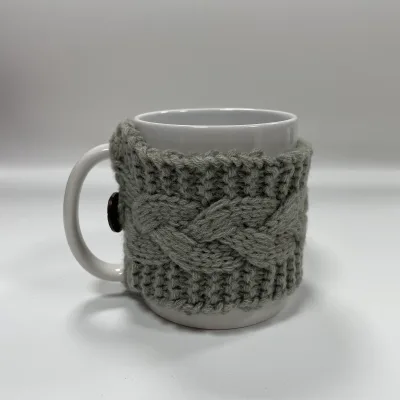
$1.32 - $1.94
MOQ: 100 pieces
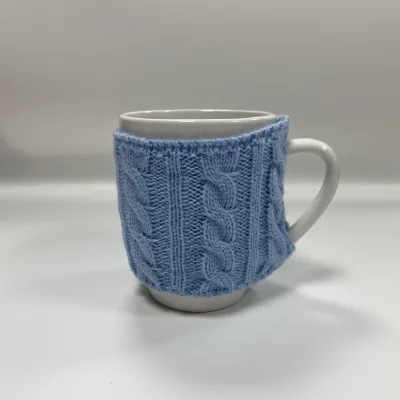
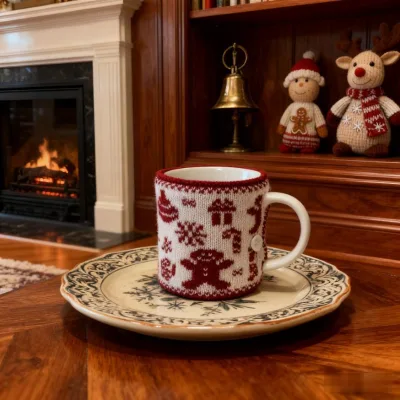
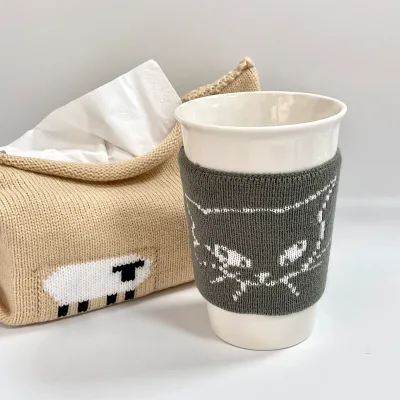
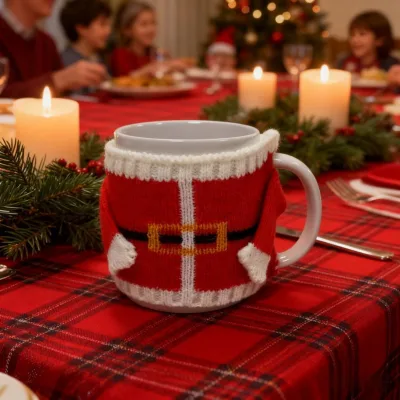
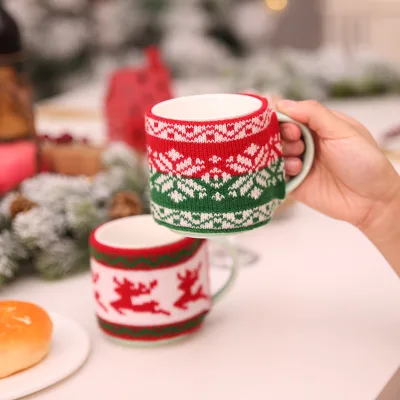
Wholesale Custom Home Decoration Knitted Cup Sleeve Ceramic Coffee Cup Water Knit Cup Sleeve
$1.33 - $1.95
MOQ: 100 pieces
$1.33 - $1.94
MOQ: 100 pieces
Zhangzhou Taki Industry and Trade Co., Ltd
- Verified by BV
- Manufacturer/Factory
- China Fujian
- Lead time23 days
Main productsPackaging Paper Bag, Packaging Paper Box, Products Box, Fold Boutique Gift Box, Shopping Paper Bag, Fruit Packaging Cartons Box, Kraft Paper Bags Food Bag, Plastic Box Pet PVC Boxes, Paper Sleeves with Brand Design, One-Stop Packaging Supplier
Main marketsSouth America,Eastern Europe,Mid East,North America,Southeast Asia,Eastern Asia,Oceania,Western Europe,Africa

Custom Coffee Cups Sleeve for Cups Custom Printed Logo Coffee Cup Sleeve
$0.15 - $0.84
MOQ: 500 Pieces

High Quality Business Brand Custom Paper Coffee Cup Sleeve Paper Cup Sleeve
$0.15 - $0.84
MOQ: 500 Pieces

Quanzhou Changyi Crafts Gifts Limited
- Verified by TUVRHEINLAND
- Manufacturer/Factory
- China Fujian
- Lead time23 days
Main productsBallpoint Pen, Silicone Bracelet, Name Card Holder, Luggage Tag, Gift Set, Mobile Phone Accessory, Passport Cover, Ceramic Coaster, Gift Bag, Gift Box
Main marketsSouth America,Mid East,North America,Southeast Asia,Eastern Asia,Oceania,Western Europe,Africa

Custom Fabric Cup Prevention Cover Milky Tea Coffee Cup Sleeve Cover Cup Sleeve
$0.05 - $0.12
MOQ: 50 Pieces


Huaian Sunland International Trading Co., Ltd.
- Trading Company
- Jiangsu, China
- Lead time20 days
- Avg. response≤ 3h
Main productsFUNERAL SUPPLIES,COFFIN INTERIOR,CASKET/COFFIN HANDLES,CASKET CORNER,FITTINGS
Main marketsNorth America(40.00%), Southeast Asia(10.00%), Eastern Europe(10.00%), Western Europe(10.00%), South America(5.00%), Eastern Asia(5.00%), Northern Europe(4.00%), Central America(3.00%), South Asia(3.00%), Africa(3.00%), Domestic Market(2.00%), Southern Europe(2.00%), Mid East(2.00%), Oceania(1.00%)
Acki (Shenzhen) Holding Co., Ltd.
- Verified by Intertek
- Trading Company
- Guangdong, China
- Lead time30 days
- Avg. response≤ 4h
Main productsCrochet hat, crochet bikini, crochet flower, crochet dolls
Main marketsNorth America(60%), Southeast Asia(10%), Oceania(10%)
Shenzhen Osea Technology Co., Ltd.
- Verified by BV
- Trading Company
- China Guangdong
- Lead time15 days
Main productsPromotional Gift, Office & Bussiness Gifts, Craft, Home Garden, Sport Products, Customized Gifts
Main marketsSouth America,Eastern Europe,Mid East,North America,Southeast Asia,Eastern Asia,Oceania,Western Europe,Africa


Customized Holder Cover Tea Sleeves Bottle Iced Neoprene Cup Sleeve Coffee Sleeve
$0.07 - $0.16
MOQ: 500 Pieces
- Verified by SGS
- Trading Company
- China Anhui
- Lead time30 days
Main productsPeper Cup, Plastic Cup, Paper Bowl, Biodegrable Cup, Straw, Paper Bag, Cup Carry Tray, Cup Sleeves
Main marketsSoutheast Asia/ Mideast,Europe,Australia,North America


Hot Paper Cup Sleeve Custom Paper Coffee Cup Sleeve with Logo Coffee Paper Cups
$0.03 - $0.05
MOQ: 50000 Pieces


Hangzhou Renmin Eco-Tech Co., Ltd.
- Verified by TUVRHEINLAND
- Trading Company,Manufacturer/Factory,Other
- China Zhejiang
- Lead time23 days
Main productsPaper Cup, Paper Cup Fan, Paper Cup Roll, Coffee Paper Cup, Plastic Cup, Plastic Lid, PE Coated Paper, Kraft Paper Bowl, Kraft Paper Box, Paper Food Container
Main marketsSouth America,Eastern Europe,Mid East,North America,Southeast Asia,Eastern Asia,Oceania,Western Europe,Africa

Changsha Mingkai Paper Products Co., Ltd.
- Combined
- China Hunan
- Lead time30 days
Main productsCoffee Cup, Disposable Plastic Cup, OPP Bag, Brown Craft Paper Cup
Main marketsSouth America,Africa,Southeast Asia/ Mideast,East Asia(Japan/ South Korea),Domestic,Europe,Australia,North America

Hot Paper Cup Sleeve, Custom Paper Coffee Cup Sleeve with Logo, Coffee Paper Cups
$0.02 - $0.04
MOQ: 50000 Pieces

Wuhan Amity Eco Tech Co., Ltd.
- Verified by TUVRHEINLAND
- Trading Company
- China Hubei
- Lead time30 days
Main productsPaper Cup, Paper Bowl, Paper Bag, Plastic Cup, Aluminum Foil Bowl, Kraft Soup Container, Disposable Soup Cups, Ice Cream Cone, Coffee Lids, Paper or Plastic Straw
Main marketsSouth America,Eastern Europe,Mid East,North America,Southeast Asia,Eastern Asia,Oceania,Western Europe

Wholesale Take Away Drinking Sleeve Reusable Corrugated Paper Coffee Cup Sleeve
$0.01
MOQ: 30000 Pieces

Disposable Cup Sleeve Custom Printing Paper Holders Coffee Cup Sleeve for Hot Drinks
$0.01
MOQ: 30000 Pieces


Guangzhou Mousse Packaging Co., Ltd.
- Verified by SGS
- Trading Company
- China Guangdong
- Lead time30 days
Main productsPaper Box, Paper Cup, Coffee Cup, Paper Gift Bag, Chocolate Gift Box, Pizza Burger Box, Cake Box, Ice Cream Cup, Takeaway Bag, Paper Bag
Main marketsEurope,North America

Custom Printing Eco-Friendly Reusable Paper Cup Sleeve for Hot Coffee Paper Cup
$0.01 - $0.02
MOQ: 30000 Pieces

Shenzhen Ediom Technology Co., Ltd.
- Manufacturer
- Guangdong, China
- Lead time10 days
- Avg. response≤ 4h
Main productsNeoprene Can Koozy,Neoprene Cup Sleeve,Neoprene Makeup Bag,Neoprene Lunch Tote,Neoprene Laptop Sleeve
Main marketsNorth America(62.00%), Central America(5.00%), Oceania(5.00%), Western Europe(5.00%), South America(5.00%), Southeast Asia(4.00%), Northern Europe(3.00%), Domestic Market(3.00%), Eastern Europe(3.00%), Africa(2.00%), Southern Europe(2.00%), South Asia(1.00%)

Dongguan Jianjia Craft Toys Co., Ltd.
- Manufacturer, Trading Company
- Guangdong, China
- Lead time35 days
- Avg. response≤ 2h
Main productsDress Up Pretend Play,Baby Toddler Toys,Crafts and DIY toys,Baby fitness toy,Play house toy
Main marketsNorth America(50.00%), Eastern Europe(20.00%), Mid East(10.00%), Southern Europe(5.00%), Northern Europe(5.00%), Western Europe(5.00%), Oceania(5.00%)

XinMao Packaging Products Dongguan Co., Ltd.
- Verified by SGS
- Manufacturer
- China Guangdong
- Lead time15 days
Main productsNeoprene Bag, Laptop Sleeve, Bottle / Can Cooler, Phone / Camera Bag, Ice / Lunch Bag, Key Chain / Glasses Holder, Neoprene Gloves, Shopping Bag, Cosmetic/Pennies/Stationery Pouch, Felt Bag
Main marketsEurope,Australia

Pink Rhinestone Bowknot Lovely Style Water Bottle Sleeve and Coffee Cup Sleeve.
$0.46 - $0.59
MOQ: 500 Pieces

Customized Coffee Cup Sleeve Drink Cup Cover Mug Cover and Drink Carrier Feature Eco-Friendly
$0.34 - $0.46
MOQ: 500 Pieces

Exquisitely Customized Pure Color Cup Sleeve Insulated Easy-to-Carry Cup Sleeves
$0.48 - $0.81
MOQ: 500 Pieces


Fuzhou Haomin Imp. & Exp. Co., Ltd.
- Verified by SGS
- Manufacturer/Factory
- China Fujian
- Lead time23 days
Main productsBackpacks, Beach Bags, School Bags, Shopping Bags, Canvas Bags, Sports Bags, Cosmetic Bags, Pet Bags, Cotton Bag, Travel Bag
Main marketsSouth America,Eastern Europe,Mid East,North America,Southeast Asia,Eastern Asia,Oceania,Western Europe,Africa

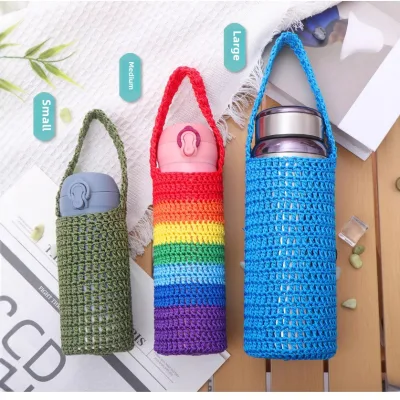
Neoprene Printing Cup Holder 3 Size Coffee Cup Sleeve with Handle for Beverages
$0.46 - $0.58
MOQ: 500 Pieces


Changsha Changlong Tongfei Electronic Technology Co., Ltd.
- Verified by Intertek
- Manufacturer, Trading Company
- Lead time30 days
- Avg. response≤ 2h
Main productsCrochet Flower Artificial Flower, Bags, Festival Gifts and Decorations, Fashion Accessories, Cable
Main marketsNorth America(20%), Mid East(15%), Northern Europe(13%)
- Verified by SGS
- Combined
- China Fujian
- Lead time15 days
Main productsSilicone Keypad, Silicone Toy, Silicone Band, Silicone Pipe, Silicone Mouthguard, Silicone Handle
Main marketsAfrica
Kunshan Krell Cultural Development Co., Ltd.
- Verified by SGS Group
- Trading Company
- Lead time15 days
- Avg. response≤ 2h
Main productsArylic Keychain, Plush Toy Keychain, Photo Card Holder, Enamel Pin, Lanyard
Main marketsNorth America(70%), Eastern Asia(30%)

- Verified by TUVRHEINLAND
- Trading Company,Manufacturer/Factory
- China Chongqing
- Lead time38 days
Main productsBaseball Cap, Beanie Hat, Trucker Hat, Bucket Hat, Snapback Hat, Scarf, Gloves, Apron, Sock, T Shirt&Polo Shirt
Main marketsSouth America,Eastern Europe,Mid East,North America,Southeast Asia,Eastern Asia,Oceania,Western Europe,Africa

Wholesale Custom Jacquard Knit Decorative Coffee Mug Cozy, Cute Hand Cup Sleeve
$0.60 - $1.50
MOQ: 500 Pieces

Custom Logo Printed Knit Cup Holder, Promotion Polyester Reusable Coffee Cup Sleeve Cozy
$0.60 - $1.50
MOQ: 500 Pieces

Guangzhou Fu Li Ya Industry Co., Ltd.
- Verified by TUVRHEINLAND
- Combined
- China Guangdong
- Lead time30 days
Main productsShopping Bag, Promotional Bag, Canvas Bag, Polyester Bag, Cotton Bag, Tote Bag, Non Woven Bag, Garment Bag, Cooler Bag, Hand Bag
Main marketsEurope,North America
Dongying Miguo Decoration Materials Co., Ltd.
- Trading Company
- Shandong, China
- Lead time0 days
- Avg. response≤ 10h
Main productsShimmer Wall Panels,Artifical Flowers
Main marketsNorth America(30.00%), Domestic Market(20.00%), Southern Europe(10.00%), Northern Europe(10.00%), Western Europe(10.00%), South America(5.00%), Africa(5.00%), Southeast Asia(5.00%), Eastern Europe(5.00%)










Comprehensive Sourcing Guide
Crochet Coffee Cup Sleeve Supplier Concentration and Factory Types
The available data indicates a concentration of manufacturing activity in Jiangsu, China, where specific suppliers list their location as a primary operational base. This region hosts a mix of Manufacturer and Trading Company entities that specialize in handmade toys, sweaters, and crochet items, including the specific product category of cup sleeves. Buyers should note that while some suppliers explicitly state their location in Jiangsu, others may list broader origins like China or Anhui, requiring careful verification of the specific factory address before committing to an order. The presence of both direct manufacturers and trading companies suggests a layered supply chain where some entities produce the goods while others handle distribution and logistics.
When evaluating the factory type, it is essential to distinguish between entities that own the production lines and those that act as intermediaries. The observed supplier profiles include companies classified as both Manufacturer and Trading Company, which impacts how buyers should approach quality control and communication. A manufacturer typically offers more direct control over the production process and customization options, whereas a trading company might provide a broader range of products but with less direct oversight of the manufacturing floor. Buyers must verify the actual production capability by requesting factory audits or video tours, as the company type label alone does not guarantee the depth of in-house manufacturing capabilities for specialized crochet items.
How to Verify Crochet Coffee Cup Sleeve Suppliers
Verification of supplier credibility begins with checking for recognized system certifications such as CE, BSCI, and ISO 9001, which appear in the profiles of certain suppliers in this category. These certifications indicate adherence to specific safety, social compliance, and quality management standards, providing a baseline for trust. Additionally, third-party verification badges like TUVRHEINLAND serve as concrete evidence of a supplier's commitment to meeting international standards. Buyers should not assume all suppliers possess these credentials; instead, they must explicitly request proof of certification documents and cross-reference them with the issuing bodies to ensure authenticity before proceeding with any transaction.
Beyond certifications, buyers should assess the supplier's response time and sample availability as indicators of operational efficiency and reliability. The data shows response times as low as two days and sample preparation periods ranging from one to three days, which are strong signals of a responsive supply chain. However, these metrics vary by supplier, and a slow response time may indicate potential bottlenecks in communication or production scheduling. Buyers should test the supplier's responsiveness by sending specific inquiries and measuring the turnaround time for samples, ensuring that the supplier can meet the urgency of the project requirements before placing a bulk order.
What to Compare Across Crochet Coffee Cup Sleeve Suppliers
Comparing suppliers requires a detailed analysis of key operational metrics such as minimum order quantity (MOQ), lead times, and pricing structures. The observed data reveals MOQs ranging from 100 pieces to 200 pieces, with lead times varying significantly from 23 days to 60 days depending on the supplier and order complexity. Buyers must align these figures with their own inventory needs and production schedules, as a supplier with a lower MOQ might have a longer lead time, while a faster supplier may require a higher volume commitment. It is crucial to compare these specific numbers across multiple vendors to find the optimal balance between cost, volume, and delivery speed.
Pricing and material composition are also critical comparison points that directly affect the final product value and cost structure. The price range for these items spans from approximately $1.01 to $4.10 per unit, influenced by factors such as material type, which includes cotton, acrylic, and blends. Buyers should compare the unit price against the material specifications to ensure they are receiving fair value for the quality of materials used. Additionally, the availability of customization options, such as logo printing and color variations, should be evaluated, as some suppliers offer these services while others may have limited flexibility, impacting the overall cost and branding potential of the final product.
Common Crochet Coffee Cup Sleeve Sourcing Risks
One significant risk in sourcing crochet coffee cup sleeves is the variability in material quality and consistency, which can lead to product defects or customer dissatisfaction. The product attributes indicate materials like cotton and acrylic, but without standardized testing results or specific quality control protocols, the durability and texture of the finished sleeves may vary between batches. Buyers should mitigate this risk by requesting physical samples that match the exact specifications of the bulk order and conducting rigorous quality checks upon receipt. Establishing clear quality standards and inspection criteria before production begins is essential to prevent receiving substandard goods that do not meet the expected market requirements.
Another potential risk involves the reliability of delivery timelines and the ability to meet production deadlines. Lead times in this category can range from 23 to 60 days, and any delays in the supply chain can disrupt the buyer's inventory planning and sales schedule. Suppliers may face challenges due to raw material shortages, labor issues, or logistical bottlenecks, which can extend the lead time beyond the initial agreement. To manage this risk, buyers should include penalty clauses for late deliveries in their contracts and maintain open communication channels to monitor production progress. Regular updates and milestone checks can help identify potential delays early, allowing for contingency planning and minimizing the impact on the overall supply chain.
Crochet Coffee Cup Sleeve Regional Sourcing and Logistics
Regional sourcing decisions should be guided by the specific locations of the suppliers, with Jiangsu, China, emerging as a notable hub for this product category. Suppliers in this region often benefit from established logistics networks and proximity to major ports like Shanghai, Ningbo, and Lianyungang, which facilitate efficient export operations. However, buyers must verify the exact port of dispatch for each supplier, as this can significantly impact shipping costs and transit times. Understanding the geographic distribution of suppliers helps buyers optimize their logistics strategy, ensuring that goods are sourced from locations that offer the best balance of cost, speed, and reliability for their specific market needs.
Logistics planning also requires attention to packaging details and shipping units, which affect the overall cost and handling of the goods. The product attributes indicate packaging methods such as OPP bags, with single package sizes varying from 8x8x24 cm to 21x10x0.5 cm. These dimensions influence the number of units that can be loaded into a container, directly impacting freight costs. Buyers should calculate the total shipping volume based on the supplier's packaging specifications and negotiate freight terms that align with their budget. Additionally, understanding the supply chain from the factory to the port is crucial for managing transit times and ensuring that goods arrive on schedule, especially when dealing with international shipments that may face customs delays or other logistical challenges.
Crochet Coffee Cup Sleeve Commercial Terms and Order Planning
Commercial terms for crochet coffee cup sleeves often include specific requirements for payment, customization, and order volume that buyers must carefully review. The data shows that suppliers may accept customized logos and offer OEM/ODM services, but these options often come with specific MOQs and lead times that differ from standard orders. Buyers should clarify the terms for customization, including any additional costs or time extensions, before finalizing the order. Understanding the supplier's policies on sample fees, deposit requirements, and payment milestones is essential for effective financial planning and risk management throughout the procurement process.
Order planning must account for the production capacity and supply ability of the supplier to ensure timely delivery. Some suppliers list a supply ability of 20,000 pieces per month, while others may have different capacities that could limit the volume of orders they can fulfill. Buyers should assess the supplier's ability to scale production to meet their demand, especially during peak seasons or when placing large orders. It is also important to consider the sample lead time, which ranges from 1 to 5 days, and factor this into the overall project timeline. By aligning the order volume with the supplier's capacity and planning for potential delays, buyers can ensure a smooth procurement process and maintain a reliable supply of crochet coffee cup sleeves for their business.
FAQs
What is the typical lead time for crochet cup sleeves?
The typical lead time for these products is 60 days based on current supplier data. Some suppliers offer faster options with a 23-day lead time for specific paper or mixed orders. Buyers should confirm exact timelines with the manufacturer before placing large orders to ensure timely delivery.
What are the minimum order quantities for these items?
Minimum order quantities vary by product, starting at 100 pieces for some cotton cup covers. Other listings require a minimum of 200 pieces for acrylic or custom designs. Buyers must check specific product pages to verify the exact MOQ required for their chosen color and size options.
Which materials are commonly used for handmade cup sleeves?
Common materials include cotton and acrylic for durable, reusable cup sleeves. Some products feature cotton with acrylic accents for specific designs. Buyers should review product attributes to confirm the material composition, as options range from pure cotton blends to acrylic-based custom shapes.
Do suppliers offer customization for colors and sizes?
Yes, many suppliers accept customized colors and sizes for crochet cup sleeves. Options include specific color combinations like brown, blue, green, and pink. Buyers can request custom shapes and logos, though they must verify specific customization limits and sample times with the manufacturer directly.
What is the price range for wholesale crochet cup sleeves?
Wholesale prices typically range from 1.02 to 4.10 USD per piece depending on material and order volume. Specific listings show ranges between 1.50 and 2.90 USD for standard cotton or acrylic options. Buyers should request a quote for their exact quantity to confirm the final unit price.
Where are the manufacturers of these products located?
Manufacturers are primarily located in Jiangsu, China, with some facilities in Anhui. These regions host both manufacturers and trading companies specializing in crochet toys and cup accessories. Buyers should verify the specific origin listed on product pages to ensure accurate shipping calculations and logistics planning.
How quickly do suppliers respond to inquiries?
Suppliers generally respond within 2 days to buyer inquiries regarding product details. This response time helps facilitate quick communication about samples and customization requests. Buyers should expect a reply within this window but should also check individual supplier profiles for any variations in service speed.