Custom Shape CMYK Instruction Labels Suppliers and Manufacturers
Explore 17 verified options for Custom Shape CMYK Instruction Labels from Guangdong, Fujian, and Jiangsu. Compare response times, lead times, certifications, and MOQs to find the right factory. Contact suppliers directly to request samples and confirm production details; review the available evidence before requesting comparable quotations from suitable candidates.
Suppliers List
Dongguan Yongsheng Anti-Counterfeiting Technology Co., Ltd.
- Manufacturer, Trading Company
- Guangdong, China
- Lead time6 days
- Avg. response≤ 5h
Main productsAnti-counterfeiting document printing,hologram sticker,Security ticket,Watermark fiber paper,Hologram label
Main marketsNorth America(20.00%), Africa(18.00%), Southeast Asia(10.00%), Northern Europe(10.00%), South America(8.00%), Southern Europe(5.00%), Eastern Europe(5.00%), Central America(5.00%), Western Europe(5.00%), South Asia(5.00%), Oceania(5.00%), Domestic Market(2.00%), Mid East(2.00%)
Xiamen Xili Industry and Trade Co., Ltd.
- Verified by BV
- Combined
- China Fujian
- Lead time15 days
- Avg. response≤ 3h
Main marketsDomestic

Custom Cmyk Printing Recyclable Paper Label with Screen Printed Graphics Design
$0.09 - $0.30
MOQ: 500 Pieces

OEM Cmyk Printing Label for Food or Beverage Product Custom Full Color Label Sticker Design Adhesive
$0.04 - $0.06
MOQ: 500 Pieces

Custom Cmyk Color Printed Label with Flexographic Print and Waterproof Backing
$0.09 - $0.30
MOQ: 500 Pieces

Custom Size Cmyk Printing Adhesive Label with Screen Print and Matte Lamination
$0.09 - $0.30
MOQ: 500 Pieces

Custom Cmyk Color Printed Waterproof Label with Embossed Logo Service Available
$0.09 - $0.30
MOQ: 500 Pieces

Custom Design Cmyk Color Printing Label with Water Resistant Eco Friendly Adhesive
$0.09 - $0.30
MOQ: 500 Pieces

Jiangsu Itech Packaging Printing Co., Ltd.
- Verified by BV
- Combined
- China Jiangsu
- Lead time15 days
- Avg. response≤ 5h
Main productsLabel, Adhesive Sticker, Adhesive Roll Label, Multi Layer Label, Adhesive Sheet Label, Reel Label, Printer Ribbon, Die Cut Sticker, Printer, Anti-Counterfeit Sticker
Main marketsAfrica,Southeast Asia/ Mideast

Custom Multi-Language Support Label Durable Synthetic Paper Product Instruction Labels
$0.01 - $0.08
MOQ: 3000 Pieces


Custom Size Cmyk Pantone Color Vial Label for Medicine Bottle Pharmaceutical Industry
$0.02 - $0.05
MOQ: 3000 Pieces


Hunan Colorway Technology Co., Ltd.
- Verified by SGS
- Manufacturer/Factory
- China Hunan
- Lead time15 days
- Avg. response≤ 4h
Main productsPackaging Box Gift Box Paper Box Packing Box, Label Sticker Adhesive Label Cosmetic Label, Paper Label PVC Label Vinyl Label Hologram Label, Perfume Label Drug Label Bottle Label, Epoxy Dome Sticker Vinyl Sticker Car Decal, Hologram Sticker Security Sticker Void Label, Security Ticket Coupon Voucher Scratch off Card, Nameplate Membrane Keyboard Graphic Overlay, Hang Tag Paper Card Leaflet Woven Label, Blister Tays Blister packaging Aluminum Foil Bag
Main marketsSouth America,Eastern Europe,Mid East,North America,Southeast Asia,Eastern Asia,Oceania,Western Europe,Africa
Guangzhou Andeli Industries Co. LTD
- Manufacturer
- Guangdong, China
- Lead time5 days
- Avg. response≤ 2h
Main productsMetal Urn,Stainless steel Sculpture,Pet Urn
Main marketsNorth America(35.00%), Domestic Market(28.00%), Western Europe(17.00%), Northern Europe(15.00%), Southern Europe(15.00%), Southeast Asia(10.00%), Oceania(10.00%), South Asia(9.00%), Eastern Europe(8.00%), Africa(7.00%), Mid East(7.00%), Eastern Asia(6.00%), South America(5.00%), Central America(5.00%)
Dongguan Duojiabao Printing Co., Ltd.
- Verified by Intertek
- Manufacturer, Trading Company
- Lead time7 days
- Avg. response≤ 1h
Main productsSelf-adhesive Label, Packaging Label
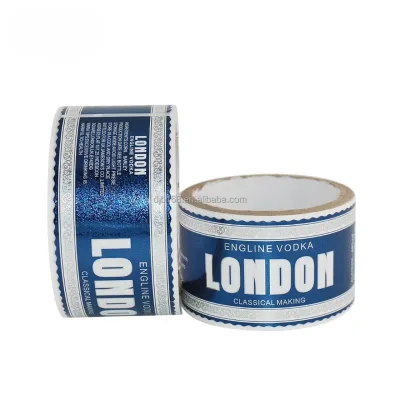
Custom Labels Screen Printed Textured Vinyl Labels Waterproof Adhesive Packaging Labels
$0.02 - $0.10
MOQ: 1000 pieces
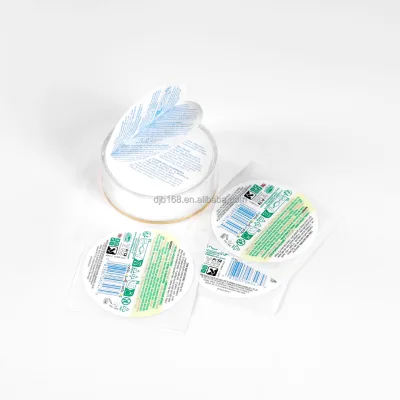
$0.04 - $0.06
MOQ: 500 pieces
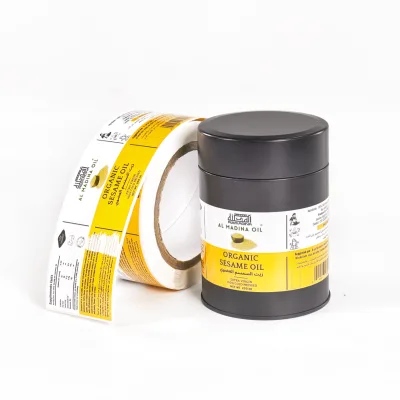

Xiamen ZRF Media Turnkey Co., Ltd.
- Verified by SGS
- Trading Company
- China Fujian
- Lead time23 days
- Avg. response≤ 3h
Main productsPaper Boxes, Gift Packaging Boxes, Paper Bags, Shopping Paper Bags, Labels&Stickers, PP Container
Main marketsSouth America,East Asia(Japan/ South Korea),Europe,North America

Dongguan Miao Xin Craft Co., Ltd.
- Verified by BV
- Trading Company
- China Guangdong
- Lead time15 days
- Avg. response≤ 5h
Main productsPaper Box, Gift Box, Tissue Paper, Sticker, Jewelry Box, Corrugated Carton, Paper Bag, Booklet, Name Card, Playing Card
Main marketsNorth America

Your Logo Custom Clothing Labels Clothing Tags Customized Hang Tags Custom Price Tag Thank You
$0.02 - $0.11
MOQ: 500 Pieces

Embossed Hangtags Colored Price Tags Hang Paper Tag Brand Name Tags Custom Labels for Clothing Brand
$0.02 - $0.11
MOQ: 500 Pieces


Dongguan Fison Packaging Co., Ltd.
- Verified by CTI
- Trading Company
- China Guangdong
- Lead time23 days
- Avg. response≤ 1h
Main productsPaper Bag Paper, Gift Box, Gift Wrapping Paper, Self-Adhesive Labels, Clothing Labels, Hang Tags, Garment Accessories
Main marketsSoutheast Asia/ Mideast,Europe
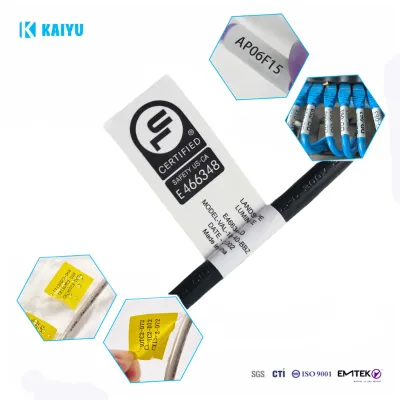
Shenzhen Kaiyu Electronic Technology Co., Ltd.
- Manufacturer
- Guangdong, China
- Lead time0 days
- Avg. response≤ 2h
Main productscustom printing sticker,Wire & Cable Labels,PCB & Circuit Board label,Die Cutting Tape,high-temperature tape
Main marketsDomestic Market(30.00%), North America(30.00%), Southeast Asia(20.00%), Eastern Asia(10.00%), Central America(5.00%), Northern Europe(5.00%)

Foshan Yiersan Label Technology Co., Ltd.
- Verified by SGS
- Combined
- China Guangdong
- Lead time15 days
- Avg. response≤ 2h
Main productsAdhesive, Labels, Stickers, OPP, BOPP, Shrink Sleeves
Main marketsAfrica

- Verified by TUVRHEINLAND
- Manufacturer/Factory
- China Guangdong
- Lead time23 days
- Avg. response≤ 3h
Main productsThermal Paper, Receipt Paper, NCR Paper, Cash Register Paper, Jumbo Paper, Carbonless Paper, Thermal Label, Offset Label, Thermal Ttranfer Label
Main marketsSouth America,Eastern Europe,Mid East,North America,Southeast Asia,Eastern Asia,Oceania,Western Europe,Africa
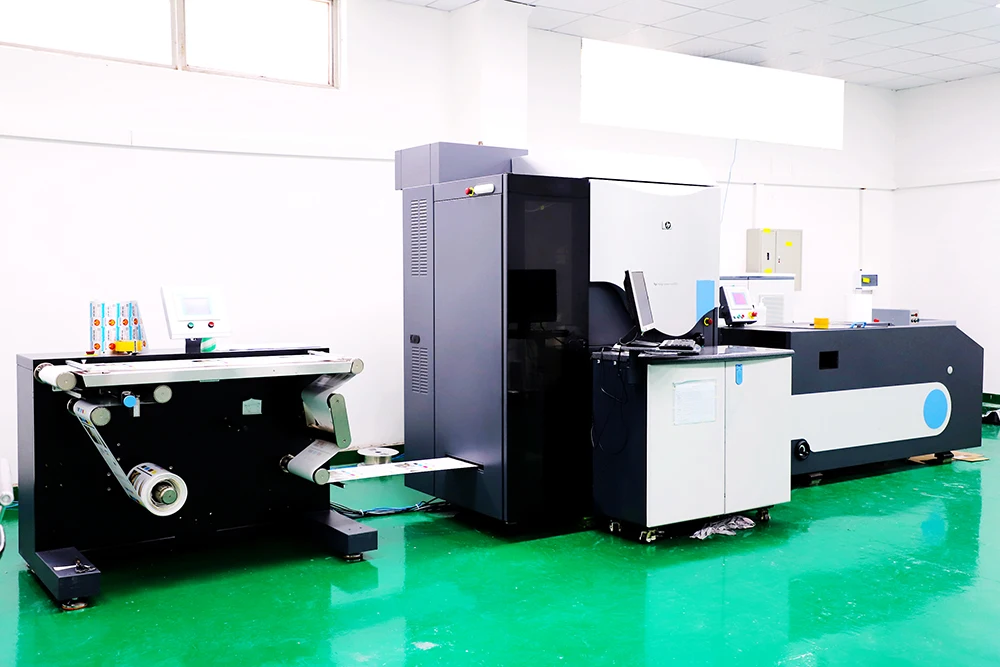
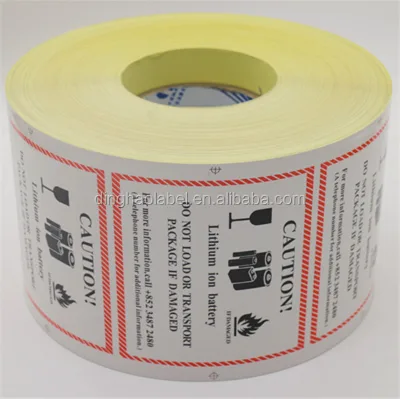
Shenzhen Dinghao Paper Product Packaging Corp. Ltd.
- Manufacturer, Trading Company
- Guangdong, China
- Lead time7 days
- Avg. response≤ 6h
Main productsPackaging Label,Stickers,Paper Products,Packing Box,Custom Printing
Main marketsSoutheast Asia(35.00%), North America(17.00%), Western Europe(10.00%), Oceania(8.00%), South Asia(5.00%), Eastern Asia(5.00%), Domestic Market(5.00%), Africa(5.00%), South America(5.00%), Northern Europe(3.00%), Mid East(2.00%)

Guangzhou Jinfeng Paper Co., Ltd.
- Combined
- China Guangdong
- Lead time15 days
- Avg. response≤ 3h
Main productsThermal Label, Sticker, Customized Printing Label, Packaging Label, Carbonless Paper, Thermal Paper Roll, A4 Copy Paper, Bond Paper, Adhesive Label, Multi-Layer Label
Main marketsSoutheast Asia/ Mideast,Europe,North America


Custom Color Printing Price Card Label Price Tag for Supermarket Display Cabinets
$0.55 - $0.64
MOQ: 1000 Rolls

- Verified by TUVRHEINLAND
- Combined
- China Jiangsu
- Lead time15 days
- Avg. response≤ 3h
Main productsPackaging Label, Sticker Label, Thermal Label, Die Cut Sticker, Shipping Label, Logo Label, Computer Continuous Paper, Thermal Paper, ECG Paper, Medical Recording Paper
Main marketsEurope

Compostable Packaging Instruction Labels for Various Product Packaging
$1.75 - $2.87
MOQ: 10000 pieces


Shenzhen Huibochen Technology Co., Ltd.
- Verified by SGS
- Manufacturer/Factory
- China Guangdong
- Lead time23 days
- Avg. response≤ 2h
Main productsCustom Sticker, Thermal Paper Roll, Sticker, Eggshell Sticker, Self Stick Paper, Thermal Printer Label, Private Label, Thermal Sensitive Label, Label Sticker, Hologram Sticker
Main marketsSouth America,Eastern Europe,Mid East,North America,Southeast Asia,Eastern Asia,Oceania,Western Europe,Africa

High-Quality Colored Labels for Quick Product Identification and Tagging
$2.99 - $3.20
MOQ: 1000 Rolls

Premium Antistatic Labels with Universal Safety Compliance for Industries
$3.50 - $3.56
MOQ: 1000 Rolls

Shenzhen Seaory Technology Co., Ltd.
- Manufacturer/Factory
- China Guangdong
- Lead time0 days
- Avg. response≤ 8h
Main productsRFID Card/ PVC Card, Smart Card, Payment Kiosk, Information Kiosk, Card Printer, IC/ID Card, Comsumables / Ribbon, Self Service Kiosk, Vending Kiosk, Touch Screen Kiosk
Main marketsSouth America,Eastern Europe,Mid East,North America,Southeast Asia,Eastern Asia,Oceania,Western Europe,Africa

Multi-Scene Flexible Metal Resistant Label for Factory Automation and Intelligent Asset Management
$0.08 - $0.25
MOQ: 1000 Pieces

$0.08 - $0.25
MOQ: 1000 Pieces
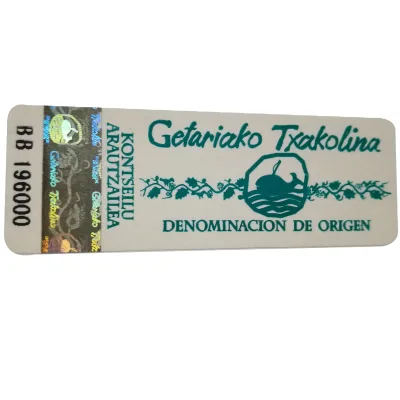






Comprehensive Sourcing Guide
Custom Shape CMYK Instruction Labels Supplier Concentration and Factory Types
The current supplier landscape for Custom Shape CMYK Instruction Labels shows a concentration of manufacturing capabilities in Guangdong, China, where specific factories list this region as their place of origin. These facilities often operate as both manufacturers and trading companies, offering a hybrid model that can streamline communication while maintaining direct production control. Some suppliers in this cluster specialize in anti-counterfeiting document printing and hologram stickers, indicating a technical capacity for complex label applications that may extend to high-security instruction labels. The presence of these diverse product lines suggests that the region hosts a mature ecosystem capable of handling varied printing requirements, from standard adhesive stickers to specialized security features.
In contrast, other verified suppliers are located in Fujian and Jiangsu provinces, introducing different operational profiles to the market. A supplier in Fujian is identified as a combined entity with BV verification, suggesting a structured approach to quality assurance and business legitimacy. Meanwhile, the Jiangsu-based supplier focuses on multi-layer labels and synthetic paper products, with a specific emphasis on durable synthetic materials suitable for industrial or medical applications. These regional differences imply that buyers should not assume a uniform manufacturing standard across all results. Instead, the buyer must identify the specific factory type and location for each potential partner to ensure the production environment matches the technical demands of custom shape instruction labels.
How to Verify Custom Shape CMYK Instruction Labels Suppliers
Verification of suppliers for Custom Shape CMYK Instruction Labels requires a rigorous check of their stated credentials and operational history. For instance, a supplier in Fujian has been verified by BV, a third-party inspection body, which provides a baseline of trust regarding their business registration and operational stability. Buyers should prioritize suppliers who display such external verification badges, as these indicate a commitment to transparency and adherence to international business standards. However, the absence of a specific verification badge does not automatically disqualify a supplier, but it necessitates a deeper inquiry into their business license and past performance records. The buyer must actively request proof of these credentials rather than relying solely on the platform's default display.
Beyond external verification, the buyer must assess the supplier's response time and communication efficiency as a proxy for their operational reliability. Data indicates that response times can vary significantly, with some suppliers responding within 2.79 hours while others may take up to five hours. A faster response time often correlates with a more active sales team and a higher likelihood of timely project management. Additionally, the supplier's main product list should be scrutinized to ensure they possess the specific machinery required for custom shapes and CMYK printing. For example, a supplier listing "Label Machine Printing" and "Die Cutting Printing" as their handling capabilities is better positioned to fulfill complex shape requirements than one focusing solely on offset printing.
What to Compare Across Custom Shape CMYK Instruction Labels Suppliers
When comparing suppliers, the lead time is a critical metric that directly impacts project scheduling and inventory planning. The available data shows a wide variance in production schedules, with some suppliers offering a lead time of six days while others require up to fifteen days. This difference can be decisive for time-sensitive orders, such as those for food or beverage products where packaging deadlines are strict. Buyers must explicitly confirm the lead time for their specific order volume and design complexity, as the quoted time may vary based on the need for custom tooling or special finishing processes like varnishing or embossing.
Another essential comparison point is the Minimum Order Quantity (MOQ) and the associated pricing structure. Suppliers may set MOQs ranging from 500 pieces to 3000 pieces, depending on their production setup and cost structure. For example, one supplier lists an MOQ of 500 units with a price range between 0.09 and 0.30 per unit, while another requires 3000 pieces for their custom multi-language support labels. Buyers should calculate the total cost of ownership, including the impact of higher MOQs on cash flow and storage. Furthermore, the supplier's capacity for customization, such as accepting custom orders for size and shape, must be verified against the buyer's specific design requirements to avoid unexpected production delays or additional costs.
Common Custom Shape CMYK Instruction Labels Sourcing Risks
One significant risk in sourcing Custom Shape CMYK Instruction Labels is the potential mismatch between the supplier's claimed capabilities and their actual production output. While some suppliers list extensive printing handling options like laser engraving, cold stamping, and flexographic printing, the actual execution of these techniques may vary in quality. A supplier might advertise "Waterproof" features and "Anti-Counterfeit" capabilities, but without specific test results or certification documentation, these claims remain unverified. Buyers must request physical samples or detailed technical data sheets to confirm that the materials, such as PVC or PET, meet the durability and adhesion standards required for the intended application.
Another risk involves the reliability of the supply chain and the consistency of the delivery schedule. The data indicates that some suppliers offer shipment via DHL, UPS, or FedEx, while others specify ports like Shanghai, Wuxi, or Ningbo. This variation can lead to logistical complexities, especially if the buyer is unfamiliar with the specific shipping routes or customs requirements of the supplier's location. Additionally, the lack of a standardized establishment year or long-term track record for some suppliers makes it difficult to predict their ability to handle large-scale orders or resolve disputes. Buyers should mitigate this risk by establishing clear communication channels and setting strict milestones for production and delivery in their contracts.
Custom Shape CMYK Instruction Labels Regional Sourcing and Logistics
Regional sourcing decisions should be guided by the specific location of the supplier and the associated logistics infrastructure. Suppliers in Guangdong, China, are well-positioned for export due to their proximity to major ports and a dense network of logistics providers. This location advantage often translates to faster shipping times and more competitive freight rates for international buyers. However, buyers must verify the specific shipping port mentioned by the supplier, as some may list multiple options like Shanghai or Ningbo, which could affect the final delivery timeline and cost. Understanding the geographic origin helps in estimating the transit time and planning the inventory replenishment cycle accurately.
For suppliers located in Fujian or Jiangsu, the logistics landscape may differ slightly, requiring careful coordination with freight forwarders. A supplier in Jiangsu might utilize ports like Wuxi or Ningbo, which are also major hubs but may have different scheduling frequencies compared to Guangdong. The buyer should confirm the supplier's preferred shipping method, whether it is air freight via DHL or UPS, or sea freight via container. Additionally, the packaging specifications, such as rolls, sheets, or boxes, must be aligned with the logistics plan to prevent damage during transit. Ensuring that the packaging is robust enough for the specific route and mode of transport is essential for maintaining the quality of the custom shape labels upon arrival.
Custom Shape CMYK Instruction Labels Commercial Terms and Order Planning
Commercial terms for Custom Shape CMYK Instruction Labels often include specific payment methods and certification requirements that must be clearly defined before order placement. Some suppliers accept payment via T/T, PayPal, or Western Union, while others may have specific terms related to their certification status, such as ISO9001 or SGS. Buyers should verify these payment terms and ensure they align with their company's financial policies and risk management strategies. Additionally, the supplier's acceptance of artwork formats like AI, PDF, CDR, or PSD should be confirmed to avoid delays in the design approval process. Clear communication regarding these terms prevents misunderstandings and ensures a smooth transaction flow.
Order planning for custom shape labels requires a detailed understanding of the supplier's capacity and customization capabilities. Suppliers may offer free samples, which is a valuable resource for validating the quality of the product before committing to a large order. The buyer should also consider the supplier's ability to handle custom sizes and shapes, as well as their proficiency in various printing techniques like offset, flexographic, or screen printing. By aligning the order volume with the supplier's MOQ and lead time, buyers can optimize their production schedule and minimize costs. It is crucial to plan for potential variations in production time and to have a contingency plan in place to address any unforeseen delays or quality issues that may arise during the manufacturing process.
FAQs
What is the typical lead time for Custom Shape CMYK Instruction Labels?
Manufacturers in Guangdong, China typically require 6 days for production, while suppliers in Fujian may need up to 15 days. These timelines depend on order volume and printing complexity. Buyers should confirm specific delivery windows with the supplier before placing an order to ensure production schedules align with project deadlines.
What is the minimum order quantity for custom adhesive labels?
Minimum order quantities vary significantly by supplier. Some manufacturers accept orders as low as 500 pieces, while others require a minimum of 3000 pieces. Buyers should verify the specific MOQ with the supplier to ensure the order size meets their production needs and budget constraints effectively.
How quickly do suppliers respond to inquiries for custom labels?
Response times generally range from 2.79 to 5 hours. Faster response rates are often associated with suppliers in Fujian, while those in Guangdong may take slightly longer. Quick communication helps buyers clarify design details and pricing structures efficiently during the initial sourcing phase.
What materials are used for waterproof custom instruction labels?
Common materials include PVC and PET, which offer durability and water resistance. Some suppliers also provide recyclable paper options with waterproof coatings. These materials ensure labels remain intact in various environments, making them suitable for food, beverage, and medicine packaging applications.
What printing methods are available for custom CMYK labels?
Suppliers offer various printing methods including offset, flexographic, digital, and screen printing. CMYK and Pantone color matching are standard. Additional finishing options like varnishing, embossing, and holographic effects are available to enhance brand protection and visual appeal for custom instruction labels.
Are custom labels available with anti-counterfeiting features?
Yes, many manufacturers specialize in anti-counterfeiting document printing and hologram stickers. Features include watermark fiber paper, laser engraving, and unique holographic effects. These security measures help protect brand integrity and prevent product tampering or unauthorized replication of instruction labels.