Custom Printed Manicure Nail File Suppliers and Manufacturers
Source from 28 verified suppliers offering Custom Printed Manicure Nail File options with OEM capabilities. Compare key dimensions such as lead times, MOQs, and response rates to identify suitable partners. Review product specifications and pricing details to streamline your procurement process effectively.
Suppliers List

- Trading Company
- Zhejiang, China
- Lead time35 days
- Avg. response≤ 4h
Main productsNail File,Foot file,Manicure Set,Beauty Scissors,Eyebrow Trimmer
Main marketsDomestic Market(56.00%), North America(18.00%), Southeast Asia(8.00%), Africa(5.00%), Eastern Europe(5.00%), Oceania(3.00%), South America(2.00%), Mid East(1.00%), South Asia(1.00%), Eastern Asia(1.00%)

Ningbo Yoheng Imp & Exp Co., Ltd.
- Verified by SGS
- Trading Company
- China Zhejiang
- Lead time30 days
- Avg. response≤ 5h
Main marketsEurope

FUZHOU LIWANG ELECTRONIC TECHNOLOGY CO., LTD.
- Combined
- China Fujian
- Lead time15 days
- Avg. response≤ 19h
Main productsMicromotor, Nail Drill, Jewelry Tools, Nail Drill Bits
Main marketsSouth America,Africa,Southeast Asia/ Mideast,East Asia(Japan/ South Korea),Europe,Australia,North America

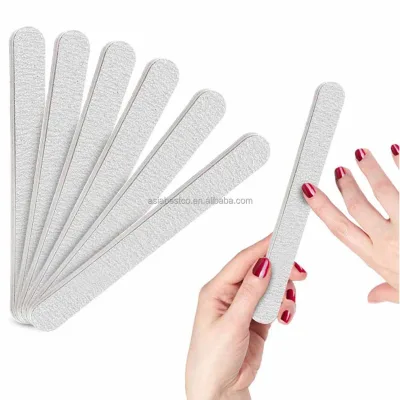
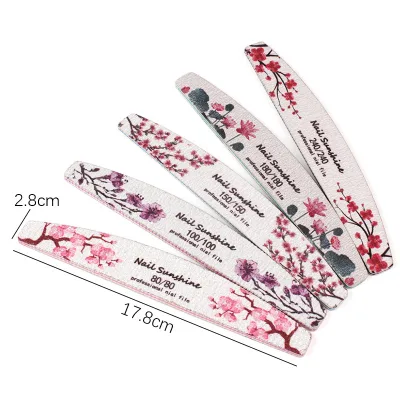
Finger Nail Files Custom Printed Logo Manicure Nail File Professional Nail Art Tool
$0.49 - $0.56
MOQ: 100 Pieces

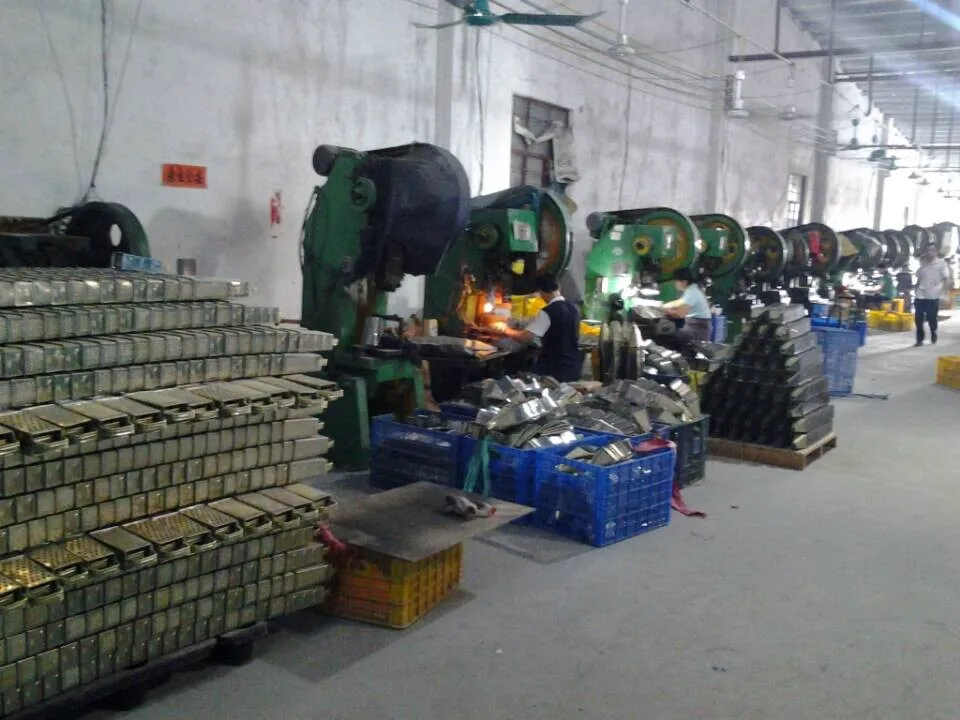
Huorun Import & Export Co., Ltd. (ASIA BEST BRANCH)
- Trading Company
- Guangdong, China
- Lead time30 days
- Avg. response≤ 6h
Main productsKitchen Knife & Scissor,Kitchen Tools,BBQ Tools,Wooden Cutting Boards,Manicure & Beauty Tools
Main marketsWestern Europe(45.00%), South America(20.00%), Eastern Asia(10.00%), Northern Europe(10.00%), Eastern Europe(5.00%), Central America(5.00%), North America(5.00%)
Hefei Leyimei Trading Co., Ltd.
- Trading Company
- Anhui, China
- Lead time10 days
- Avg. response≤ 3h
Main productsnail lamp,nail drill,nail brush,nail file,nail tool
Main marketsNorth America(50.00%), Western Europe(15.00%), South America(10.00%), Eastern Europe(10.00%), Southern Europe(10.00%), Northern Europe(5.00%)

- Verified by SGS
- Trading Company
- China Zhejiang
- Lead time15 days
- Avg. response≤ 12h
Main marketsEurope
Yiwu Felice Cosmetic Co., Ltd.
- Manufacturer, Trading Company
- Zhejiang, China
- Lead time15 days
- Avg. response≤ 5h
Main productsNail Files, Nail Stickers, Nail Machine, Nail Tips, Nail Art Tools
Main marketsNorth America(30.00%), North America(30.00%), Eastern Europe(15.00%), Eastern Europe(15.00%), Oceania(10.00%), Southern Europe(10.00%), Northern Europe(10.00%), Mid East(10.00%), Oceania(10.00%), Southern Europe(10.00%), Northern Europe(10.00%), Mid East(10.00%), Western Europe(5.00%), Western Europe(5.00%), South America(4.00%), South America(4.00%), Central America(3.00%), Central America(3.00%), Eastern Asia(2.00%), Eastern Asia(2.00%), Africa(1.00%), Africa(1.00%)
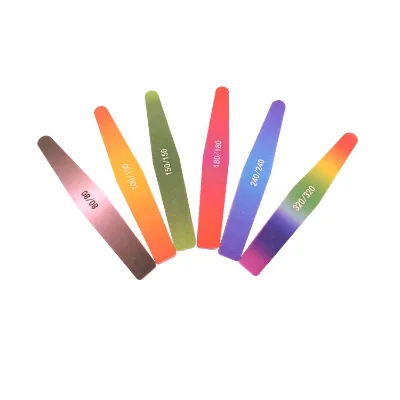
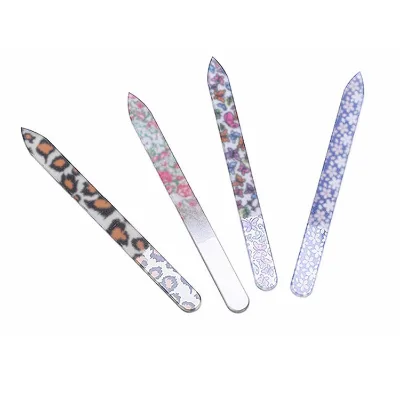
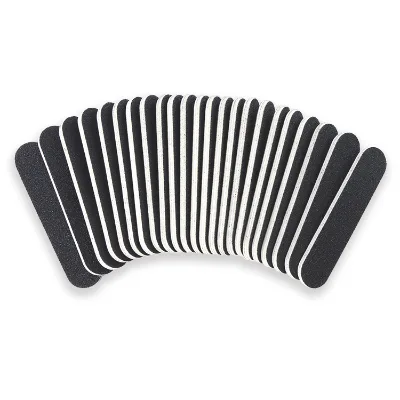
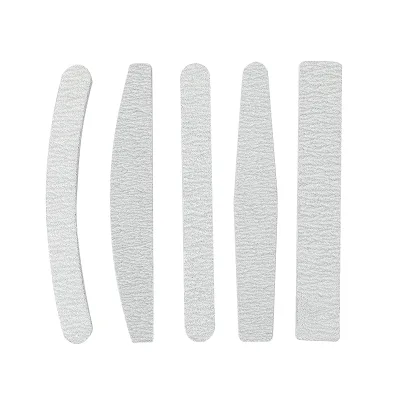
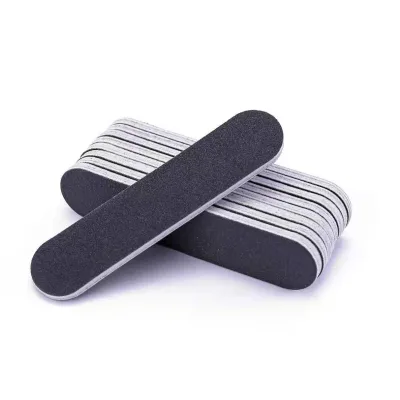
Black Disposable Mini Nail Files 80/80 Grit Nail Files Professional Custom Printed Nail Files
$0.07 - $0.12
MOQ: 500 pieces
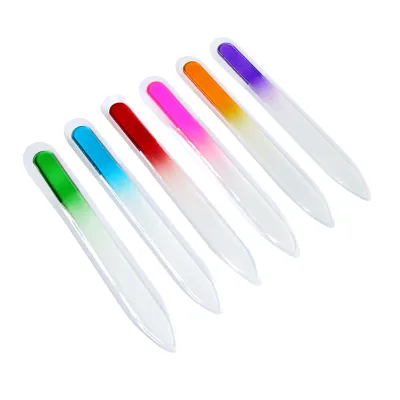
Yangjiang Kaigu Nail Care Products Co., Ltd.
- Manufacturer, Trading Company
- Lead time旺季: "1 - 1000":31,"> 1000":"To be negotiated", 淡季: "1 - 1000":31,"> 1000":"To be negotiated"
- Avg. response≤ 2h
Main productsBeauty And Manicure Tool, Plastic Products, Glass Products, Oral Care Tool, Personal Care Tool
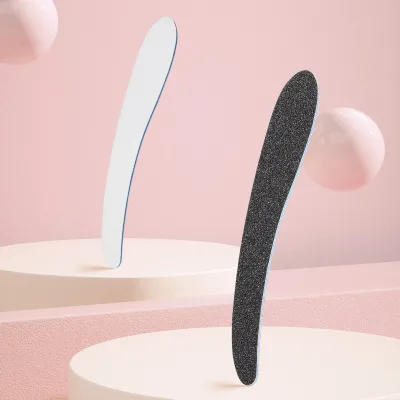
$0.03 - $0.15
MOQ: 1000 pieces
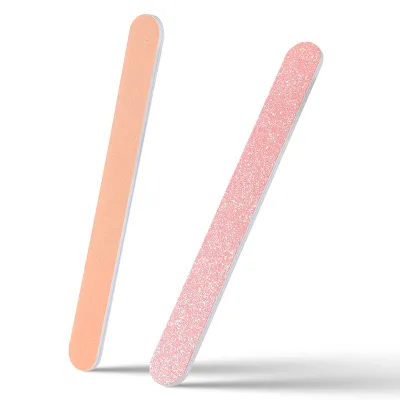
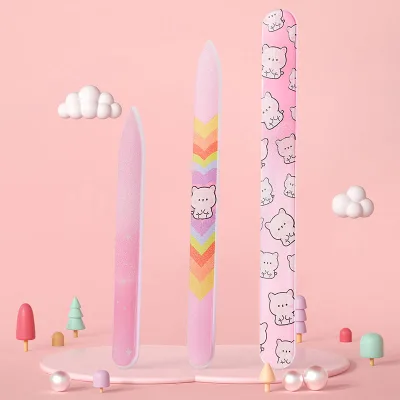
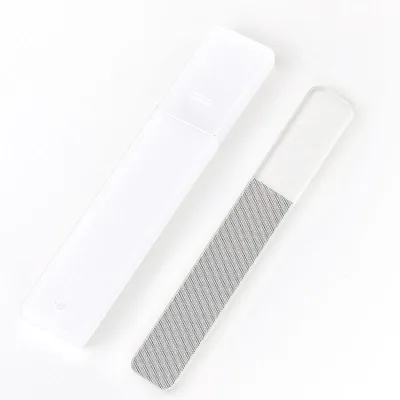
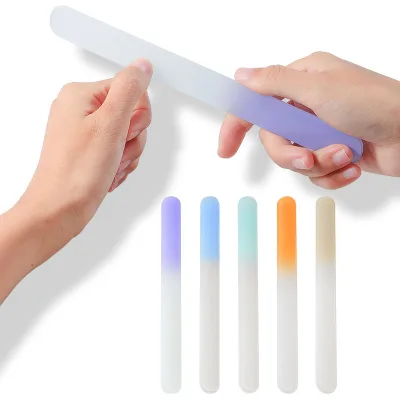
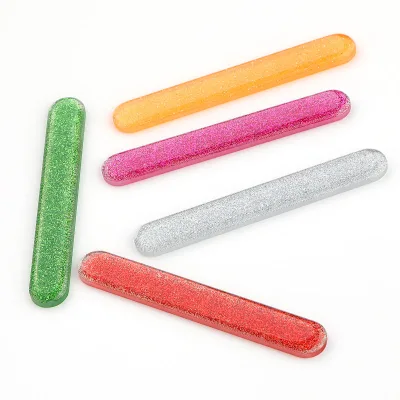
Foshan Yuli Cosmetic Supplies Co., Ltd.
- Manufacturer, Trading Company
- Lead time旺季: "1 - 1000":20,"> 1000":"To be negotiated", 淡季: "1 - 1000":20,"> 1000":"To be negotiated"
- Avg. response≤ 2h
Main productsNail File, Nail Buffer, Pedicure Set, Foot File, Manicure Set
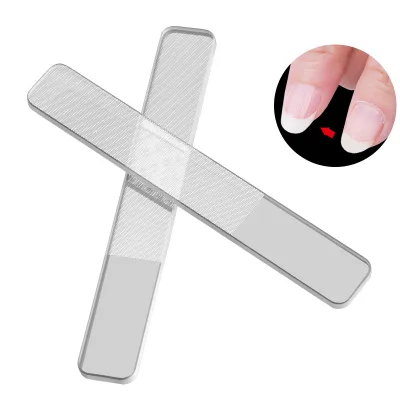
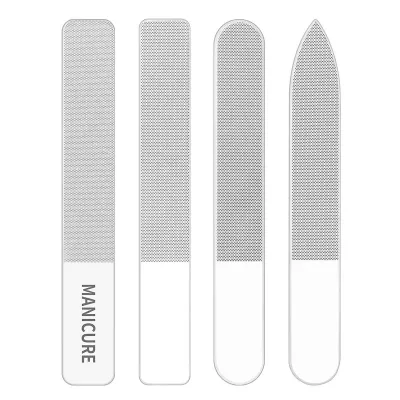
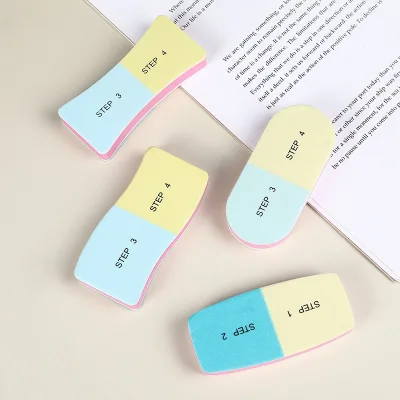
Custom Printed Logo Oem Manicure Nail Rasp Polisher Private Label Glass Nail File
$0.09 - $0.12
MOQ: 3000 pieces
$0.13 - $0.14
MOQ: 1000 pieces

Jinjiang Lingyuan Suiquan Crafts Firm
- Verified by BV
- Trading Company
- China Fujian
- Lead time23 days
- Avg. response≤ 4h
Main productsPromotional Gift Products, Timing Belt, Diamond Tools
Main marketsSouth America,Eastern Europe,Mid East,North America,Southeast Asia,Eastern Asia,Oceania,Western Europe,Africa

- Verified by BV
- Manufacturer/Factory
- China Fujian
- Lead time15 days
- Avg. response≤ 25h
Main productsWater Bottle, Kitchen Ware, Shoes, Plastic Product, Bag, Toy
Main marketsSouth America,Eastern Europe,Mid East,North America,Southeast Asia,Eastern Asia,Oceania,Western Europe,Africa
Guangzhou Fantastic Beauty Nail Co., Ltd
- Verified by SGS Group
- Manufacturer, Trading Company
- Lead time7 days
- Avg. response≤ 3h
Main productsNail File, , Nail Sticker, Nail Stamping Plate, Nail Art Tool
Main marketsNorth America(15%), Western Europe(13%), South America(10%)

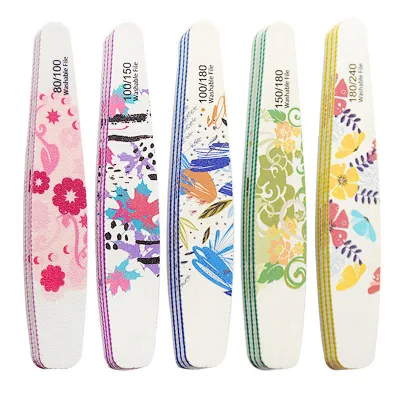
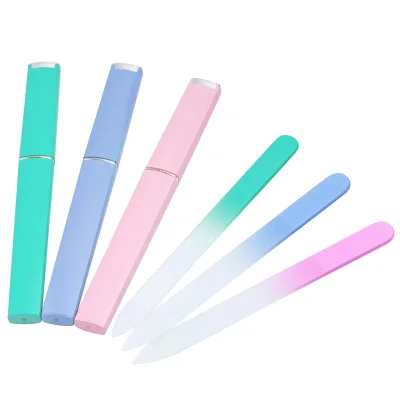
Custom Double-head Crystal Glass Nail File Manicure Cuticle Remover Tool Round Glass Nail File
$0.66 - $0.72
MOQ: 1 pieces


Guangzhou Minejin Trading Co., Ltd.
- Trading Company
- Guangzhou, China
- Lead time15 days
- Avg. response≤ 2h
Main productsnail charm,nail rhinestone,nail sequins,nail glue,nail powder
Main marketsNorth America(50.00%), Western Europe(10.00%), Africa(10.00%), Southeast Asia(10.00%), Eastern Europe(10.00%), Mid East(5.00%), Eastern Asia(5.00%)

YIWU BEAUTYPLUS ART NAIL CO., LTD.
- Verified by BV
- Trading Company
- China Zhejiang
- Lead time30 days
- Avg. response≤ 25h
Main productsNail Art, UV Lamp, Nail File, Nail Tips, Nail Care, Nail Tools, Acrylic Brush, Nail Drill, LED UV Lamp, Nail Decorations
Main marketsSouth America,Europe,Australia,North America

Nail Clean Brush Tool File Manicure Pedicure Soft Nail Brush
MOQ: 200 Pieces

Crystal Glass Nail File Durable Manicure Polish Nail Art Tools
MOQ: 1000 Pieces


Fashion Nail File Durable Crystal Glass Nail Art Tool File
MOQ: 1000 Pieces

Professional Nail Files Two Ways Nail Buffer Nail Beauty Tools
MOQ: 2000 Pieces
Ningbo Howay Industrial Trading Co., Ltd.
- Verified by TüVRheinland
- Manufacturer, Trading Company
- Lead time30 days
- Avg. response≤ 2h
Main productsMakeup Sponge, Powder Puff, Eyelash Curler, Hair Accessories, Tanning Gloves
Main marketsNorth America(46%), Western Europe(15%), Southern Europe(15%)
Ningbo General Union Co., Ltd.
- Trading Company
- Lead time旺季: "1 - 10000":30,"> 10000":"To be negotiated", 淡季: "1 - 10000":30,"> 10000":"To be negotiated"
- Avg. response≤ 4h
Main productsCosmetic Brush; Power Puff; Mirror, Comb, Nail Accessories

- Verified by TUVRHEINLAND
- Trading Company
- China Guangdong
- Lead time15 days
- Avg. response≤ 2h
Main productsBeauty Tools, Tweezer, Eyelash Curler, Manicure Set, Cosmetic Mirror, Implement, Pedicure, Make up
Main marketsEurope

Double Side Nails Buffer Mini Metal Manicure Pedicure Supplies Tools Nail Art File with Leather Case
$0.20 - $0.45
MOQ: 100 Pieces

Personal Care Foot Nail File Nails Art Buffer Pedicure Manicure Supplies Tool Kit
$0.38 - $0.50
MOQ: 1000 Pieces

Diamond Stainless Steel Double Side Nail File Metal Manicure Pedicure Tools Foot Nail Files
$1.10 - $1.50
MOQ: 100 Pieces

Mini Nano Professional Manicure Foot Polisher Sets Wholesale Custom Glass Nail Art File with Case
$0.31 - $0.39
MOQ: 100 Pieces

Foshan Fengdeli Nail Clippers Manufacturing Co., Ltd.
- Trading Company,Manufacturer/Factory
- China Guangdong
- Lead time45 days
- Avg. response≤ 7h
Main productsNail Clipper, Manicure Set, Tweezers, Pedicure Implements, Baby Gifts, Scissors, Beauty Set, Key Rings, Nail Files, Promotion Gifts
Main marketsSouth America,Eastern Europe,Mid East,North America,Southeast Asia,Western Europe,Africa


New Style Manufacturers Safety Nail File with Plastic Case for Makeup Products
$0.76 - $0.85
MOQ: 3000 Pieces

MOQ: 7200 Pieces
Yangjiang Funshion Hardware And Plastic Products Co., Ltd.
- Verified by TüVRheinland
- Manufacturer, Trading Company
- Lead time0 days
- Avg. response≤ 8h
Main productsEyelash Curler, Acne Needle, Scissor, Eyebrow Clip, Manicure Set
Main marketsNorth America(30%), Southeast Asia(30%), Domestic Market(15%)

$0.37 - $0.39
MOQ: 3 pieces
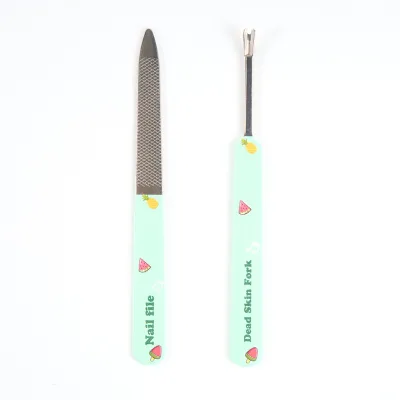
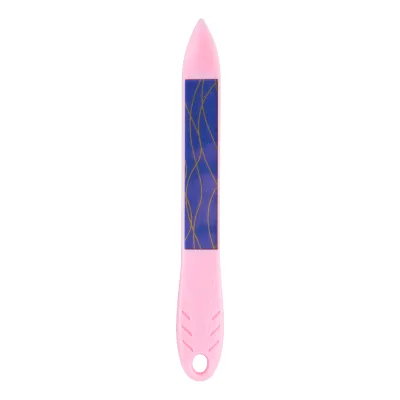
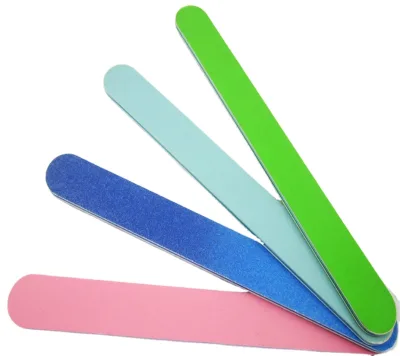
High Quality Nail File Professional Colorful Double Sides Premium Washable Nail File for Nail Care
$0.29 - $0.83
MOQ: 3 Minimum

Guangzhou Skyrann Electronic Tech Co., Ltd.
- Verified by TUVRHEINLAND
- Trading Company,Manufacturer/Factory
- China Guangdong
- Lead time15 days
- Avg. response≤ 16h
Main productsNail Lamps&Nail Dryers, UV Gel&Gel Polish, Nail Drills, Nail Tools, Nail Art Decoration, Nail Brushes, Nail Files&Buffers
Main marketsSouth America,Eastern Europe,North America,Southeast Asia,Eastern Asia,Western Europe,Africa

Dalian Makeauty Technology Co., Ltd
- Verified by TUVRHEINLAND
- Trading Company
- China Liaoning
- Lead time30 days
- Avg. response≤ 4h
Main productsSalon Gel Nail Tips, Nail File Buffers, Gel Polish, Nail Stickers Wraps, Nail Manicure Tools, Nail Lamps, Press on Artificial Nails
Main marketsEurope,North America
Shanghai Chiyan Abrasives Co., Ltd.
- Trading Company
- Lead time旺季: "1 - 3000":5,"3001 - 5000":7,"5001 - 10000":14,"> 10000":"To be negotiated", 淡季: "1 - 3000":5,"3001 - 5000":7,"5001 - 10000":14,"> 10000":"To be negotiated"
- Avg. response≤ 3h
Main productsNail Brush, Nail Sanding Band, Nail Drill Bits, Nail Drill Machine, Nail Tool

Jiangmen Xinwei Cosmetics Co., Ltd.
- Manufacturer/Factory
- China Guangdong
- Lead time45 days
- Avg. response≤ 4h
Main productsParaffin Wax, Depilatory Wax, Hard Wax, Wet Wipes, Neck Paper, Waxing Paper Roll, Cosmetics Products
Main marketsEastern Europe,Mid East,North America,Southeast Asia,Eastern Asia,Africa

Yangzhou Top Daily Chemical Co., Ltd.
- Verified by SGS
- Trading Company
- China Jiangsu
- Lead time30 days
- Avg. response≤ 3h
Main marketsSoutheast Asia/ Mideast,East Asia(Japan/ South Korea),Domestic,Europe,Australia


Professional Manufacturers Sell Custom Logo 3 Sides Nail File Nail Care Tool
$0.07 - $0.08
MOQ: 5000 Pieces


Hubei Zhongtai Abrasive Tools Co., Ltd.
- Verified by SGS
- Combined
- China Hubei
- Lead time30 days
- Avg. response≤ 14h
Main productsSand Paper, Sanding Sponge Block, Abrasive Cloth Roll
Main marketsSouth America,Southeast Asia/ Mideast,East Asia(Japan/ South Korea),Europe


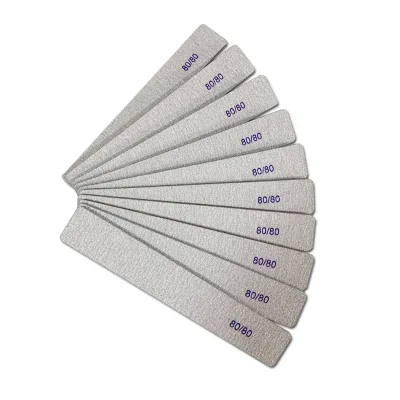
Wholesale Professional Cusotm Double-Sided Nail Files 100 180 Grit Nail File with Logo
$0.06 - $0.10
MOQ: 3000 Sheet
Guangzhou Jiaji Biotechnology Co., Ltd.
- Manufacturer, Trading Company, Distributor/Wholesaler
- Lead time旺季: "1 - 1000":8,"> 1000":"To be negotiated", 淡季: "1 - 1000":8,"> 1000":"To be negotiated"
- Avg. response≤ 3h
Main productscuticle oil,gel polish,base coat,top coat,painting nail gel

Yiwu Jianyue Toiletries Co., Ltd.
- Trading Company
- Zhejiang, China
- Lead time5 days
- Avg. response≤ 5h
Main productsmakeup,makeup brush,beauty tools,eyebrow comb,eye pads
Main marketsNorth America(30.00%), South America(20.00%), Southern Europe(15.00%), Western Europe(15.00%), Eastern Europe(15.00%), Northern Europe(5.00%)
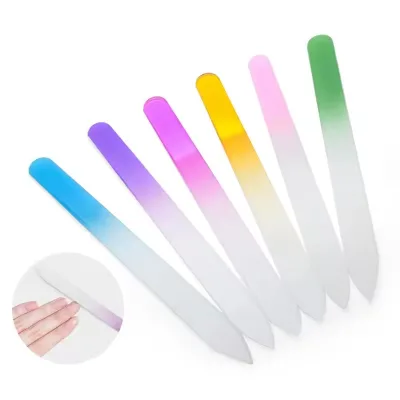
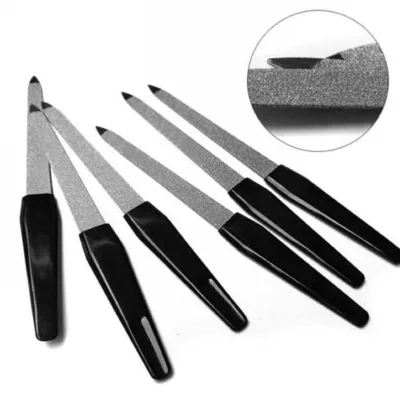
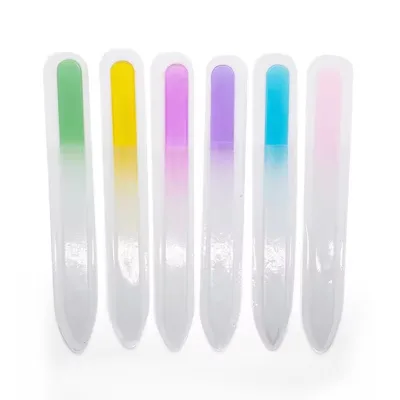
Metal Double-sided High Quality Nail File for Manicure & Pedicure Polishing Scrub Sharpening
$0.05 - $0.09
MOQ: 50 pieces
Guangzhou Be Beauty Tools Commodity Co., Ltd.
- Trading Company
- Guangdong, China
- Lead time30 days
- Avg. response≤ 2h
Main productsManicure and Pedicure Kit,Nail Art Tools,Shoe Shine Kit,Personal Care Tools,Make Up Tools
Main marketsSouth America(26.00%), North America(25.00%), Western Europe(14.00%), Mid East(13.00%), Eastern Europe(10.00%), Eastern Asia(10.00%), Southern Europe(2.00%)












Comprehensive Sourcing Guide
Custom Printed Manicure Nail File Supplier Concentration and Factory Types
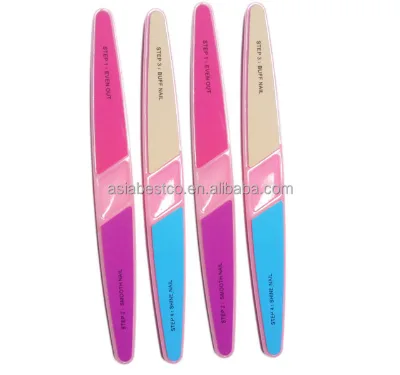
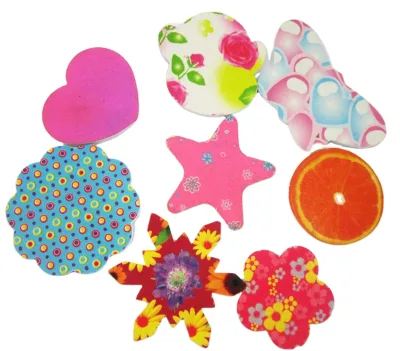
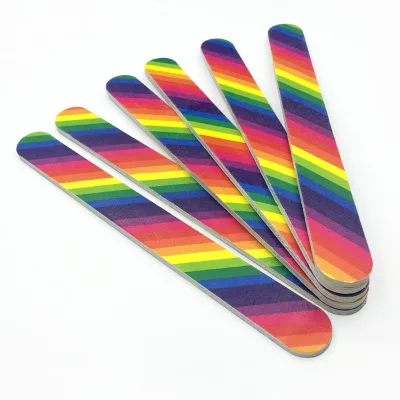
The current supplier landscape for custom printed manicure nail files shows a distinct concentration of manufacturing activity within Zhejiang, China, alongside specific operations in Guangdong. This geographic clustering suggests that buyers seeking these specific beauty tools should prioritize regions where the supply chain for EVA, sandpaper, and glass materials is already established. While some results indicate a Trading Company structure, others imply direct manufacturing capabilities for items like the double-sided crystal files or sandpaper buffers. The presence of a Trading Company type in the data suggests that some intermediaries may aggregate products from various factories, potentially offering a wider range of styles but requiring careful verification of the actual production source.
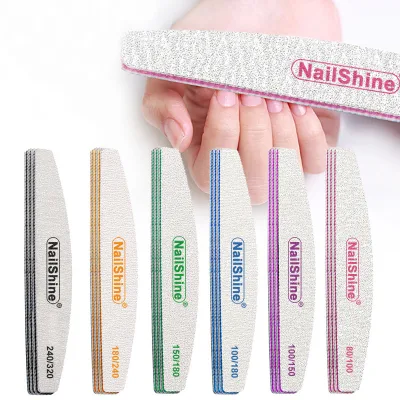
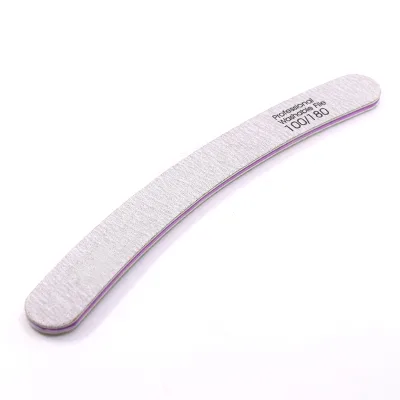
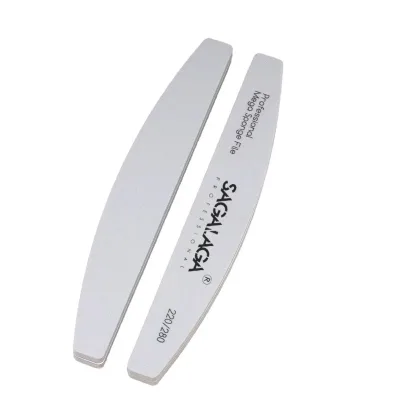
When evaluating the factory types, buyers must distinguish between entities that simply resell goods and those that manage the production process for custom branding. The data reveals suppliers offering OEM logo printing, which is a critical capability for custom printed orders. However, the specific nature of the material, such as the transition from EVA and sandpaper to glass or sponge, often dictates the factory's specialization. A supplier listing a main product of nail files alongside beauty scissors may have a broader scope, but the core competency for custom printing on specific grits like 100/180 requires a dedicated production line. Buyers should verify if the supplier's primary focus aligns with the specific material and customization depth required for their order.
How to Verify Custom Printed Manicure Nail File Suppliers
Verification of suppliers for custom printed manicure nail files requires a rigorous check of their operational credentials and response capabilities. The data indicates that some suppliers have achieved SGS verification status, which serves as a tangible indicator of quality management systems, though other entries show a NIL certification status. Buyers should not assume all suppliers possess the same level of third-party validation and must explicitly request current certification documents before proceeding. Additionally, the response time metric, which varies from approximately four hours to nearly five hours, offers a preliminary gauge of communication efficiency. A supplier with a slower response time may struggle with the rapid iteration often needed for custom logo proofs and design adjustments.
Beyond certifications and speed, buyers must validate the actual production capacity and material specifications against their requirements. The product evidence shows specific attributes like "EVA+sandpaper+PP Board" or "Glass" materials, which must match the buyer's technical specifications. It is essential to confirm that the supplier can consistently produce the requested grit, such as 100/180, and that the custom printing process does not compromise the structural integrity of the file. Buyers should also check the "Sample Acceptable" status to ensure the supplier is willing to provide physical prototypes before mass production. This step is crucial for verifying that the printed logo adheres correctly and that the file functions as intended for manicure care applications.
What to Compare Across Custom Printed Manicure Nail File Suppliers
Comparing suppliers requires a detailed analysis of key commercial and operational dimensions, including lead times, minimum order quantities, and pricing structures. The observed data reveals significant variation in lead times, ranging from 30 to 35 days, which directly impacts inventory planning and market responsiveness. Similarly, the Minimum Order Quantity (MOQ) fluctuates widely, with some suppliers requiring as few as 10 pieces while others demand 3,000 units. This disparity means that buyers with smaller budgets or those testing new designs must carefully filter suppliers based on their specific volume needs. Price points also vary, with unit costs ranging from approximately $0.04 to $0.50 depending on the material complexity and customization level.
In addition to cost and volume, buyers should compare the specific product attributes and packaging details offered by different vendors. The data highlights differences in packaging, such as OPP bags versus plastic boxes, and varying single package sizes that affect shipping costs. Some suppliers offer customized packaging options, while others stick to standard individual packages. The ability to accept OEM logos is a common feature, but the specific requirements, such as a minimum of 6,000 pieces for logo customization on certain items, must be clearly understood. Buyers should also evaluate the supply ability, noting that some suppliers can produce 1,000 pieces per day, which is a critical factor for meeting tight deadlines.
Common Custom Printed Manicure Nail File Sourcing Risks
One of the primary risks in sourcing custom printed manicure nail files is the inconsistency in material quality and the potential for substandard printing results. The product evidence lists various materials, including plastic, glass, and sponge, each with different durability characteristics. A supplier might claim a product is eco-friendly or high quality, but without specific test results or standardized certifications, these claims remain unverified. Buyers face the risk of receiving files that break easily or have logos that peel off after minimal use, which can damage their brand reputation. It is vital to request physical samples that undergo stress testing to ensure the printed design and the file structure meet the required standards.
Another significant risk involves the reliability of the supply chain and the accuracy of the stated lead times. The data shows lead times of 30 to 35 days, but these figures can be optimistic if the supplier faces raw material shortages or production bottlenecks. The variation in response times, from four to nearly five hours, may also indicate inconsistent communication channels, leading to delays in resolving production issues. Furthermore, the presence of trading companies introduces an additional layer of complexity, as they may not have direct control over the factory floor. Buyers must ensure that the supplier has a clear contingency plan for delays and that the payment terms, such as Western Union or PayPal, offer sufficient protection against non-delivery.
Custom Printed Manicure Nail File Regional Sourcing and Logistics
Regional sourcing for custom printed manicure nail files is heavily influenced by the concentration of manufacturers in Zhejiang and Guangdong, China. These regions provide access to a robust supply chain for the necessary raw materials, including sandpaper, EVA, and glass. The proximity of these manufacturing hubs to major ports like Ningbo and Shanghai facilitates efficient logistics and reduces shipping times for international buyers. However, buyers must verify the specific port of dispatch for each supplier, as this can vary even within the same region. Understanding the logistics network is essential for calculating accurate landed costs and ensuring that the goods arrive in a timely manner.
Logistics planning also involves considering the packaging dimensions and weight, which directly impact freight charges. The product data indicates single package sizes ranging from 16x2x1 cm to 17.8x2x0.4 cm, with varying gross weights. These dimensions are critical for optimizing container space and minimizing shipping costs, especially for high-volume orders. Buyers should work with suppliers to consolidate packaging where possible, such as using cartons for bulk shipments instead of individual bags. Additionally, the availability of customized packaging options can help streamline the logistics process by reducing the need for secondary packaging at the destination. Proper planning of these logistical details ensures a smoother supply chain from the factory floor to the final customer.
Custom Printed Manicure Nail File Commercial Terms and Order Planning
Commercial terms for custom printed manicure nail files vary significantly, with payment methods including Western Union, TT, PayPal, and Moneygram. Buyers must carefully evaluate these options to ensure they align with their risk management strategies and financial policies. The data shows that some suppliers accept samples, which is a positive indicator of flexibility, but the specific terms for sample costs and shipping must be clarified before ordering. Additionally, the MOQ requirements, which range from 10 to 3,000 pieces, play a crucial role in order planning. Buyers need to balance their inventory needs with the supplier's minimum thresholds to avoid overstocking or incurring unnecessary costs.
Order planning also requires a clear understanding of the production timeline and the specific customization requirements. The lead times of 30 to 35 days must be factored into the overall project schedule, allowing ample time for design approval, sample production, and mass manufacturing. Buyers should also consider the supply ability, noting that some suppliers can produce 1,000 pieces per day, which may be sufficient for urgent orders. It is essential to establish a clear communication channel for tracking production progress and addressing any issues that arise. By carefully managing these commercial terms and planning the order timeline, buyers can ensure a successful procurement process for their custom printed manicure nail files.
FAQs
What is the typical lead time for custom printed nail files?
Lead times for these products generally range from 30 to 35 days. This duration covers the production of the custom printed designs and the necessary quality checks. Buyers should confirm the exact timeline with the supplier based on their specific order volume and design complexity.
What are the common materials used for these nail files?
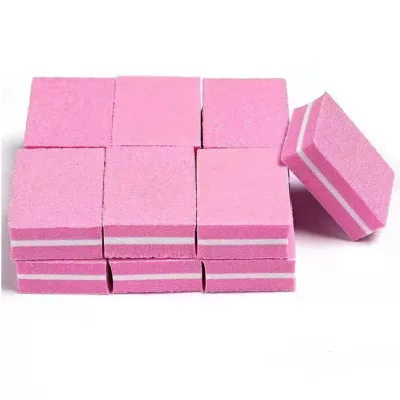
Suppliers offer nail files made from various materials including EVA, sandpaper, PP board, glass, and sponge. The choice of material affects the durability and the specific grit level available. Buyers should select the material that best suits their target market's preference for smoothness or strength.
Can I request custom logo printing on the nail files?
Yes, custom logo printing is widely available for these products. Suppliers support OEM logo prints and can accommodate specific design requirements. This allows brands to create a unique identity for their manicure tools. Ensure the design files are provided in the correct format for the printing process.
What is the minimum order quantity for custom nail files?
Minimum order quantities vary significantly by product type and supplier. Some items have a low MOQ of 10 pieces, while others require 50 or 100 pieces. Bulk orders for printed files may have higher thresholds. Buyers should check the specific MOQ for each product listing to plan their inventory.
Where are these nail file suppliers typically located?
Most suppliers for these products are located in China, with a strong presence in Zhejiang and Guangdong provinces. These regions are known for their manufacturing capabilities in beauty and personal care tools. Sourcing from these areas often provides competitive pricing and established export logistics.
What packaging options are available for these nail files?
Packaging options include individual OPP bags, plastic boxes, and cartons. Some products are sold as single items, while others are packed in bulk quantities like 50 pieces per bag. Customized packaging is often available to meet specific retail or e-commerce requirements. Verify the packaging details before placing an order.
Do suppliers provide samples before placing a bulk order?
Many suppliers accept sample requests to allow buyers to verify quality and design. This is a standard practice in B2B sourcing for custom products. Requesting a sample helps ensure the final bulk order meets expectations. Check the supplier's policy on sample fees and shipping costs.