Vintage Micro Insert Anklet Suppliers and Manufacturers
Source 16 verified suppliers for Vintage Micro Insert Anklet products. Compare key dimensions including Zhejiang location, response times, lead times, and MOQs. Review specific product attributes and pricing to identify suitable partners for your procurement needs; review the available evidence before requesting comparable quotations from suitable candidates.
Suppliers List

Yiwu Baiyao Clothing Accessories Co., Ltd.
- Manufacturer, Trading Company
- Zhejiang, China
- Lead time15 days
- Avg. response≤ 13h
Main productsJewelry, Clothing Accessories, Brooch Accessories
Main marketsNorth America(60.00%), Southeast Asia(10.00%), Western Europe(6.00%), South America(5.00%), Eastern Europe(5.00%), Southern Europe(4.00%), Northern Europe(4.00%), Oceania(2.00%), Africa(2.00%), Eastern Asia(1.00%), Mid East(1.00%)
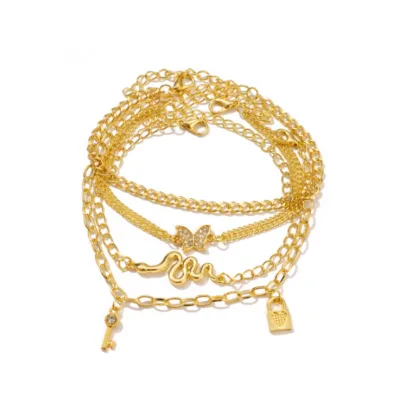
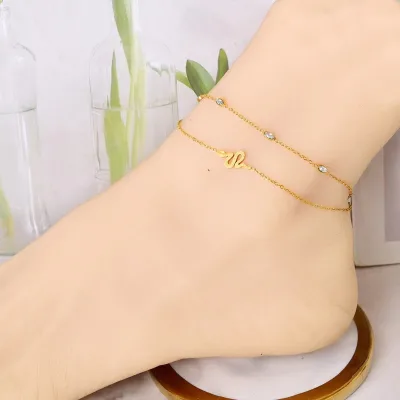
Vintage Multi-element Snake Full Drill Butterfly Lock-buckle Pendant Combination Anklet
$0.62 - $0.78
MOQ: 2 sets
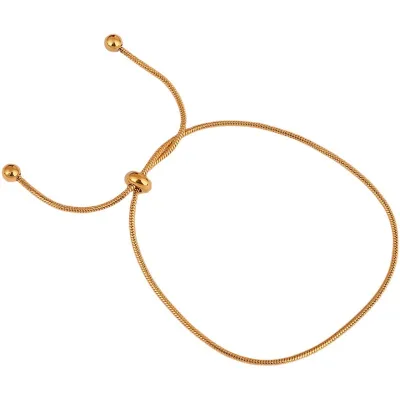
Feminine Sense Niche Design Titanium Steel Light Luxury Retro Pull Adjustable Anklet
$0.80 - $0.91
MOQ: 2 Minimum
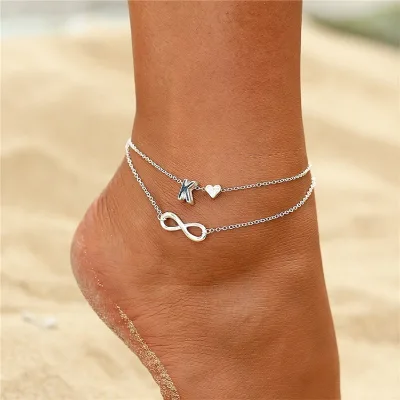
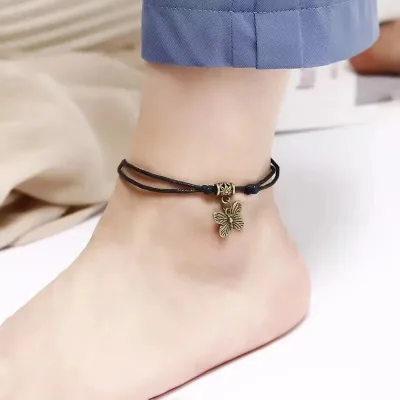
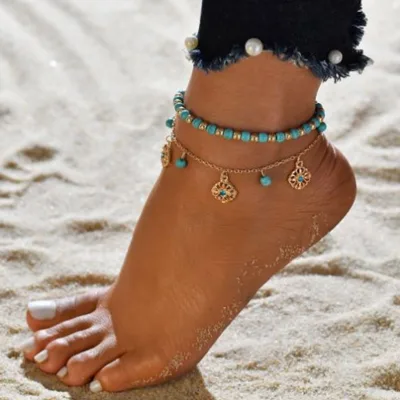
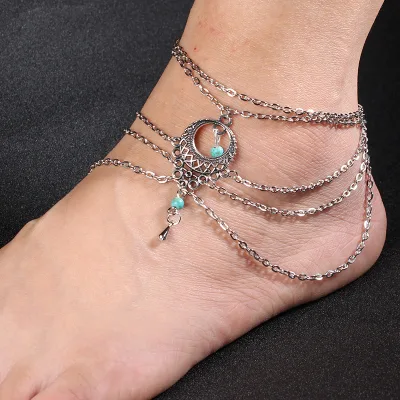
Bohemian Anklet Blue Turquoise Beaded Drill Flower Plate Tassel Combination Anklet
$0.67 - $0.74
MOQ: 3 Minimum

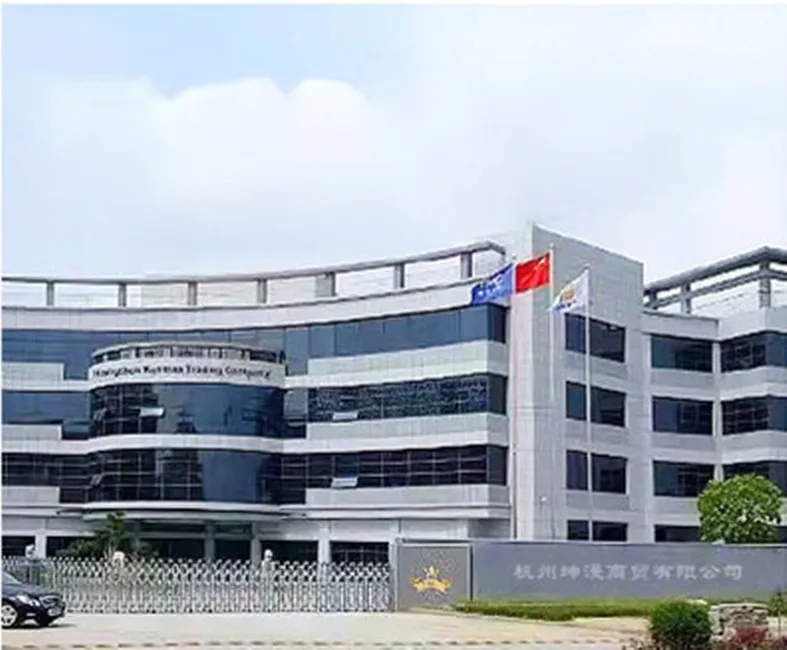
Hangzhou Queenmann Trading Co., Ltd.
- Trading Company
- Zhejiang, China
- Lead time0 days
- Avg. response≤ 3h
Main productsJewelry,Whatch,Glasses,Hair accessories,Jewelry accessories
Main marketsOceania(20.00%), North America(20.00%), South America(10.00%), Central America(10.00%), Eastern Europe(10.00%), Southern Europe(6.00%), Western Europe(5.00%), Eastern Asia(5.00%), Northern Europe(5.00%), South Asia(2.00%), Africa(2.00%), Domestic Market(2.00%), Southeast Asia(2.00%), Mid East(1.00%)

- Manufacturer, Trading Company
- Zhejiang, China
- Lead time20 days
- Avg. response≤ 6h
Main productsBracelet,Necklace,Anklet,Key Ring
Main marketsNorth America(59.60%), Western Europe(37.80%), Africa(1.60%), Northern Europe(0.50%), Oceania(0.50%)
Hainan Huashitong Trading Co., Ltd.
- Trading Company
- Hainan, China
- Lead time0 days
- Avg. response≤ 2h
Main productsSilver necklace,Tremella ornament,Silver bracelet,Silver bracelet,Silver ring
Main marketsNorth America(60.00%), Southeast Asia(10.00%), South America(10.00%), Eastern Asia(5.00%), Northern Europe(5.00%), Africa(5.00%), Mid East(3.00%), Domestic Market(2.00%)
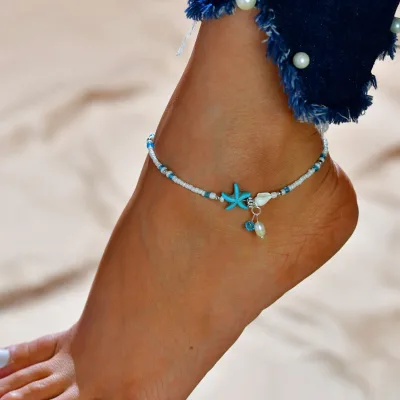
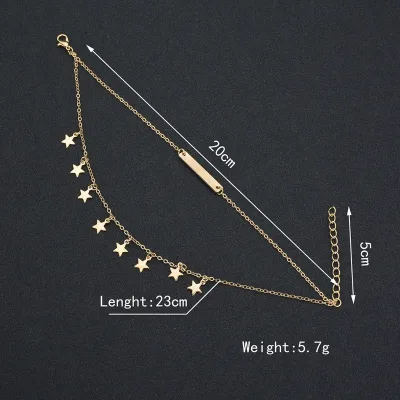
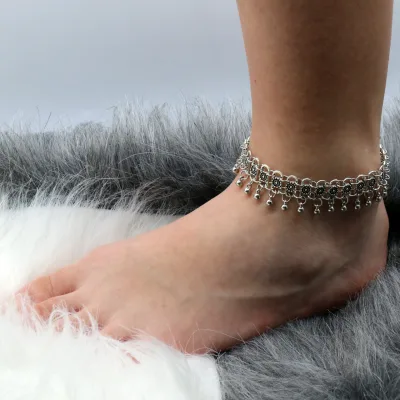
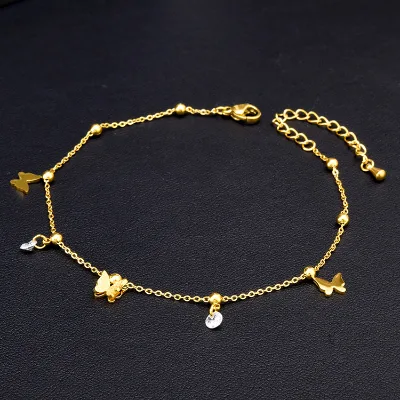
Fashion Frosted butterfly Zircon Anklets Titanium Steel Non-fading Gold Plated Anklets
$1.77 - $1.87
MOQ: 2 pieces
- Trading Company
- Zhejiang, China
- Lead time10 days
- Avg. response≤ 2h
Main productsEarrings,stainless steel Necklace,stainless steel Bracelet,zircon ring,necklace bracelet earrings jewelry sets
Main marketsEastern Europe(20.00%), South America(20.00%), North America(20.00%), Africa(10.00%), Southeast Asia(10.00%), Eastern Asia(5.00%), Mid East(5.00%), Oceania(5.00%), Domestic Market(1.00%), South Asia(1.00%), Northern Europe(1.00%), Central America(1.00%), Western Europe(1.00%)

- Verified by CTI
- Trading Company
- China Zhejiang
- Lead time23 days
- Avg. response≤ 14h
Main productsEarring, Vase, Scented Candles, Hair Ties, Bags
Main marketsSouth America,Europe,North America


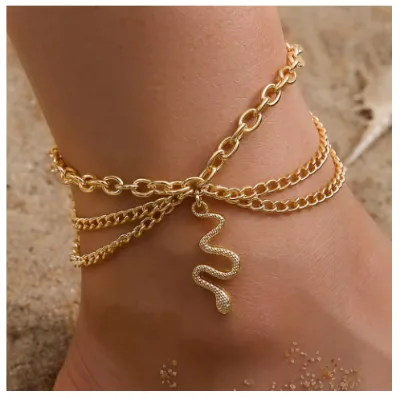
Vintage Gold Snake Anklet Multilayer Silver Color Butterfly Chain Anklets
$1.29 - $1.49
MOQ: 12 Pieces

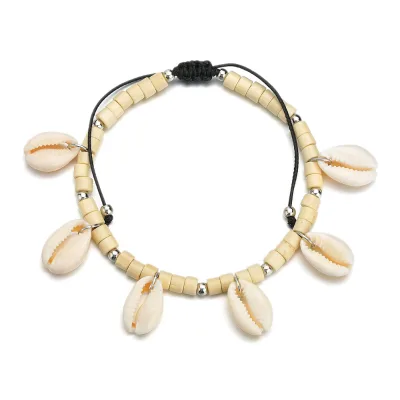
Bohemian Style Woven Rope Anklet Adjustable Color Women's Anklet Fashion Jewelry
$0.75 - $0.89
MOQ: 12 Pieces

Bohemia Multilayered Lock Snake Chain Anklet Gold Butterfly Shell Anklets
$0.99 - $1.19
MOQ: 12 Pieces

Bohemia Multilayered Lock Snake Chain Anklet Gold Butterfly Shell Anklets
$0.92 - $1.12
MOQ: 12 Pieces
Yiwu Baiyi Trading Company Ltd.
- Verified by SGS Group
- Trading Company
- Lead time18 days
- Avg. response≤ 4h
Main productsNecklaces, Jewelry Accessories, Bracelets, Earrings, Anklet
Main marketsNorth America(30%), Western Europe(25%), South America(10%)
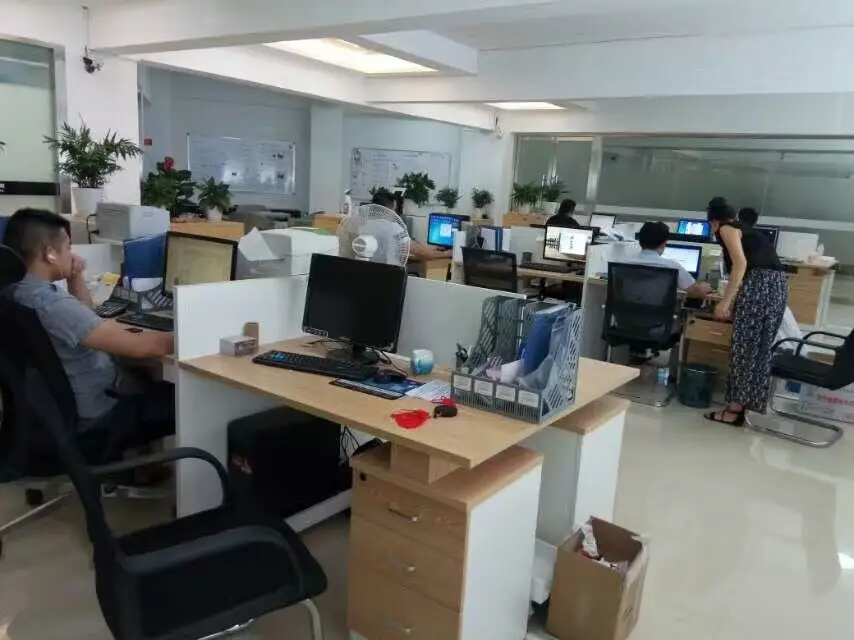
Yiwu Feiling Jewelry Co., Ltd.
- Trading Company
- Zhejiang, China
- Lead time15 days
- Avg. response≤ 3h
Main productsbracelet,necklace,earring,rings,sunglasses
Main marketsNorth America(30.00%), South America(15.00%), Central America(10.00%), Western Europe(8.00%), Eastern Europe(7.00%), Southern Europe(6.00%), Northern Europe(5.00%), Africa(5.00%), Southeast Asia(5.00%), Mid East(5.00%), South Asia(2.00%), Eastern Asia(2.00%)
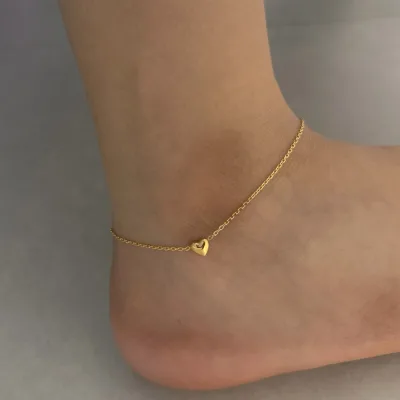
Non Tarnish Stainless Steel Tiny Heart Anklet Summer Waterproof Gold Plated Anklet for Women Girl
$1.95 - $2.05
MOQ: 6 pieces
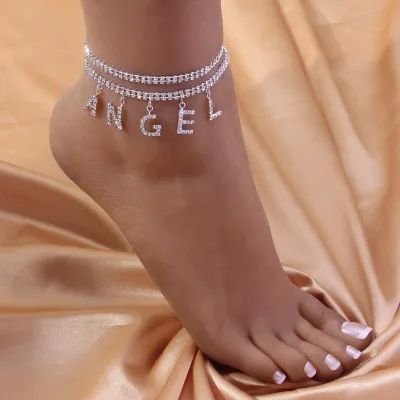
Layer Sexy Letters Fashion Design Crystal Anklets Women Nasty Anklet for Adjustable
$2.25 - $2.62
MOQ: 2 pieces
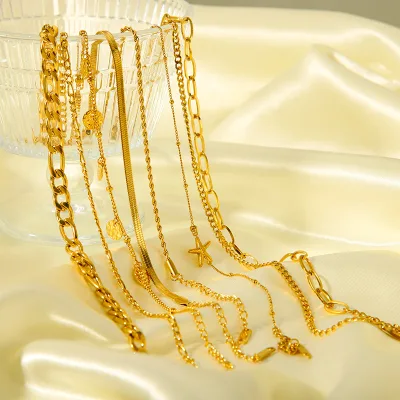
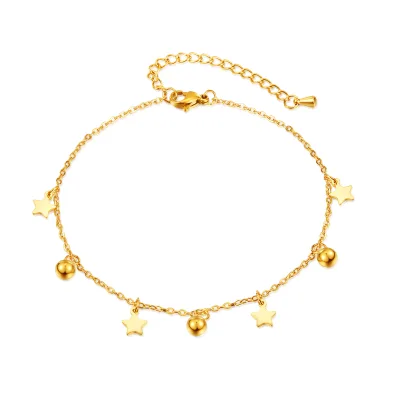
Fade Resistant Stainless Steel Star Pendant Anklet Foot Ankle s for Women Leg Chain
$0.67 - $3.29
MOQ: 2 Minimum
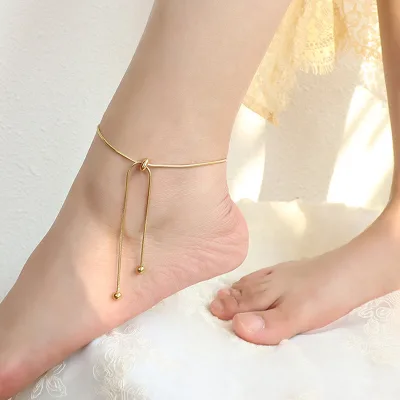
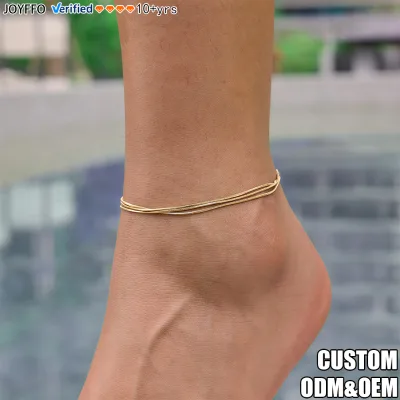
No Fade Super Simple Adjustable Stainless Steel Snake Chain Anklet Gold Plating Ankle
$2.40 - $2.60
MOQ: 2 pieces
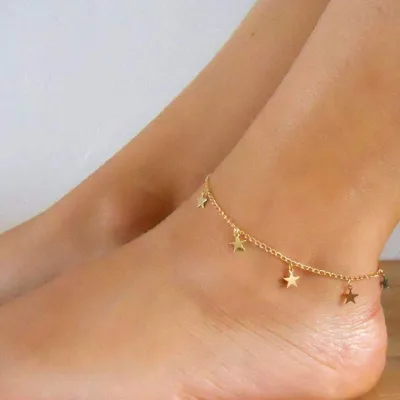
Delicate Gold Plated Little Star Pendant Anklet Stainless Steel Adjustable Star Ankle Anklets
$1.33 - $2.11
MOQ: 12 Minimum
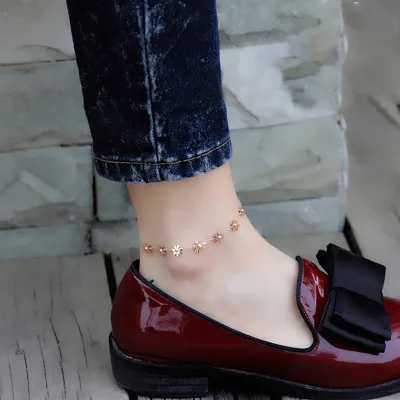
Wholesale Korean Style Simple Women Stainless Steel Anklets Flower Anklet Yiwu Vendor
$3.10 - $3.40
MOQ: 6 pieces
Yiwu Jingyue Jewelry Co., Ltd.
- Verified by SGS Group
- Manufacturer, Trading Company
- Lead time0 days
- Avg. response≤ 3h
Main products925 Sterling Silver, Stainless Steel Jewelry, Alloy Jewelry, Keychain, Handcraft Jewelry
Main marketsNorth America(60%), Western Europe(15%), Eastern Europe(10%)
Yiwu Alianna Accessories Co., Ltd.
- Verified by TüVRheinland
- Manufacturer, Trading Company
- Lead time0 days
- Avg. response≤ 3h
Main productsEarrings, Hair Accessories, Necklaces, Rings, Bracelets
Main marketsNorth America(41%), Western Europe(11%), Eastern Europe(10%)
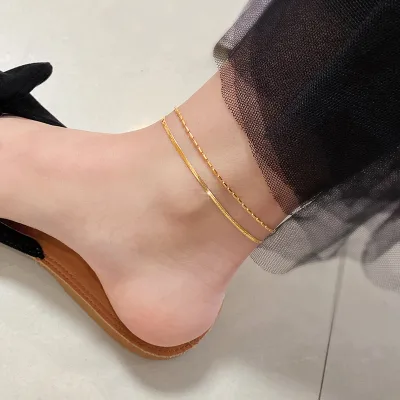
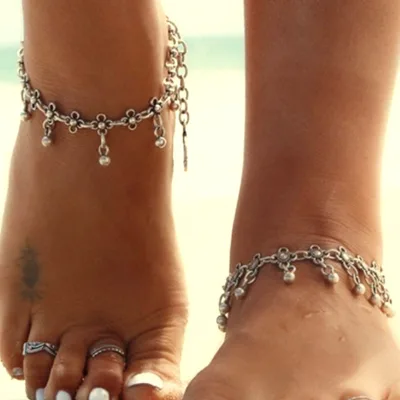
$0.63 - $0.75
MOQ: 5 Minimum

Pingxiang Ai Mei Jewelry Co., Ltd.
- Trading Company
- Jiangxi, China
- Lead time15 days
- Avg. response≤ 2h
Main productsStainless Steel Jewelry,Metal keychains,Rubber Cartoon keychains,925 Sterling Silver Jewelry,Brass Jewelry
Main marketsNorth America(60.00%), Northern Europe(20.00%), Southern Europe(10.00%), Western Europe(10.00%)
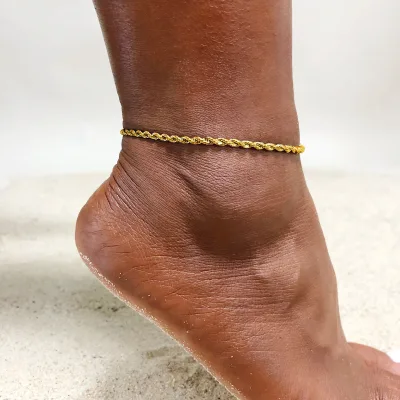
Wholesale Stainless Steel Rhinestone Anklets Twist Anklet 3MM Simple Ladies Fashion Foot Gold Anklet
$1.63 - $1.95
MOQ: 2 pieces
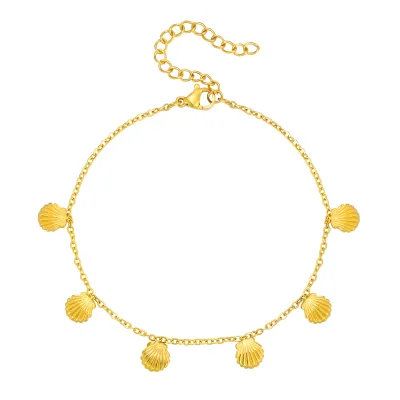
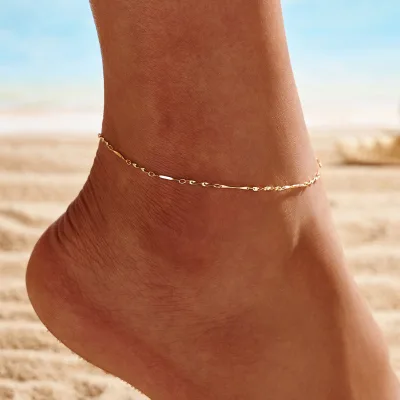
Yiwu Zhuofang Jewelry Co., Ltd.
- Manufacturer, Trading Company
- Lead time旺季: "1 - 2000":31,"> 2000":"To be negotiated", 淡季: "1 - 2000":31,"> 2000":"To be negotiated"
- Avg. response≤ 2h
Main productsNecklace , Earring, Rings, Bracelet , Brooch
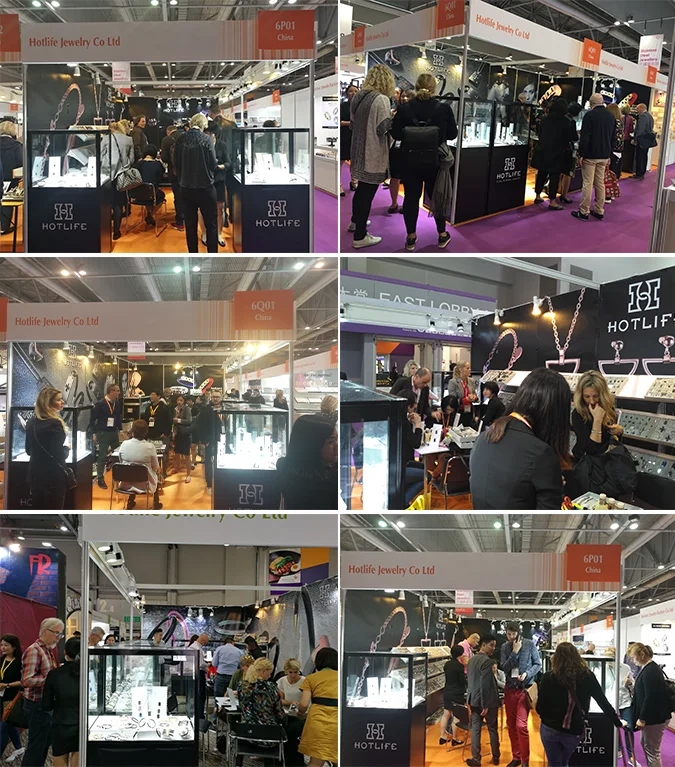
Guangzhou Hotlife Jewelry Co., Ltd.
- Trading Company
- Guangdong, China
- Lead time15 days
- Avg. response≤ 2h
Main productsNecklace jewelry, Stainless steel bracelet, Stainless steel necklace, Stainless steel ring, Stainless steel earrings
Main marketsNorth America(42.00%), Western Europe(30.00%), Southern Europe(7.00%), Northern Europe(6.00%), South America(4.00%), Central America(3.00%), Eastern Europe(2.00%), South Asia(1.00%), Eastern Asia(1.00%), Oceania(1.00%), Africa(1.00%), Mid East(1.00%), Southeast Asia(1.00%)
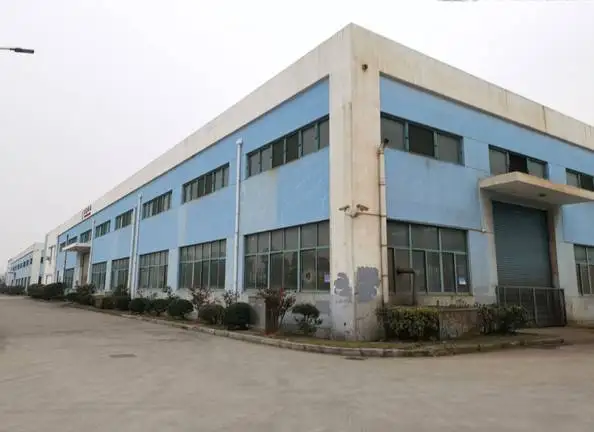
Huizhou Mairuidi Trade Co., Ltd.
- Trading Company
- Guangdong, China
- Lead time0 days
- Avg. response≤ 8h
Main productsdiy jewelry,earring,necklace,sunglasses
Main marketsNorth America(70.00%), Domestic Market(5.00%), Southern Europe(5.00%), Northern Europe(5.00%), Western Europe(5.00%), Eastern Europe(5.00%), South America(5.00%)
Dongguan Changan Fantasy Accessories Factory (Individual Business)
- Verified by TüVRheinland
- Trading Company
- Guangdong, China
- Lead time7 days
- Avg. response≤ 1h
Main productsStainless Steel Rings, Stainless Steel Earings, Stainless Steel Necklaces, Stainless Steel Bracelets & Bangles, Fashion Jewelry Sets
Main marketsNorth America(25%), Northern Europe(15%), Eastern Asia(10%)
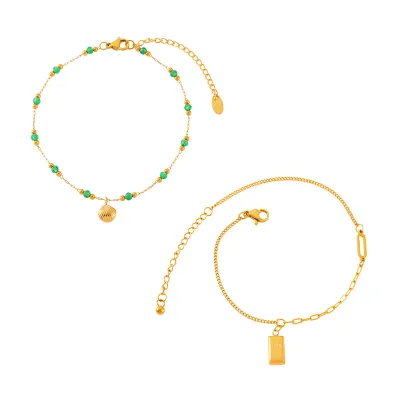
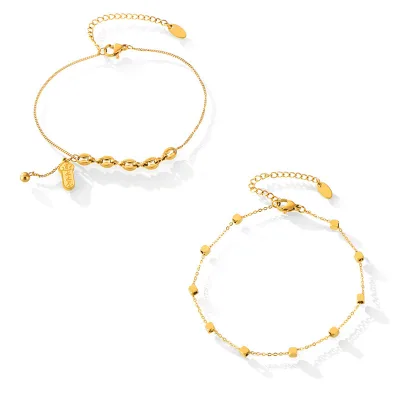
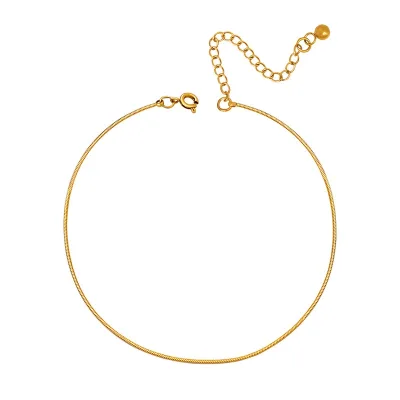
$2.30 - $2.50
MOQ: 200 pieces
- Verified by TüVRheinland
- Manufacturer, Trading Company
- Lead time15 days
- Avg. response≤ 5h
Main productsNecklace, Earring, Bracelet, Ring, Accessory
Main marketsNorth America(40%), Domestic Market(20%), Western Europe(15%)
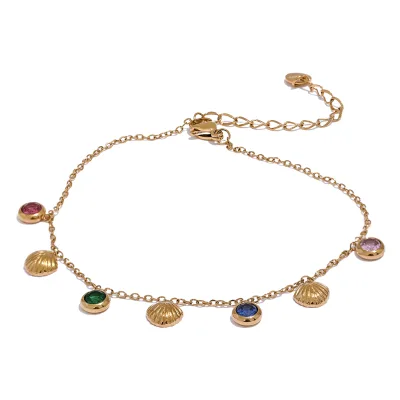
16k Gold Stainless Steel Gold Thin Chain Colorful Anklet Summer Fashion Simple Diamond Anklet
$3.06 - $3.60
MOQ: 50 pieces
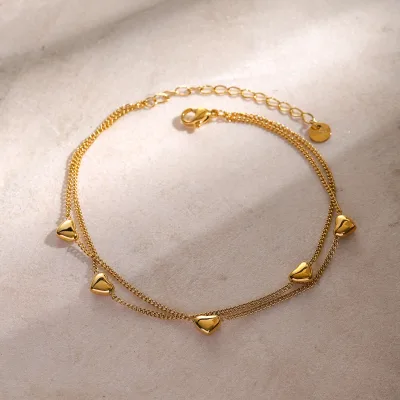
High Quality Classic Simple Stainless Steel Waterproof Double Layer Chain Heart Anklets
$3.60 - $3.90
MOQ: 10 pieces
Comprehensive Sourcing Guide
Vintage Micro Insert Anklet Supplier Concentration and Factory Types
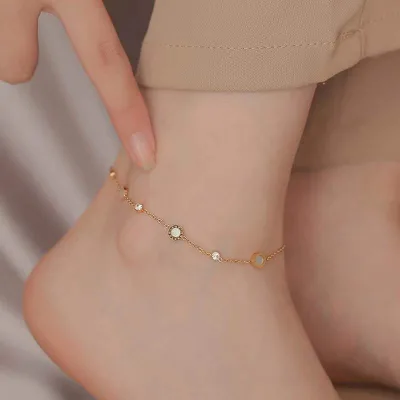
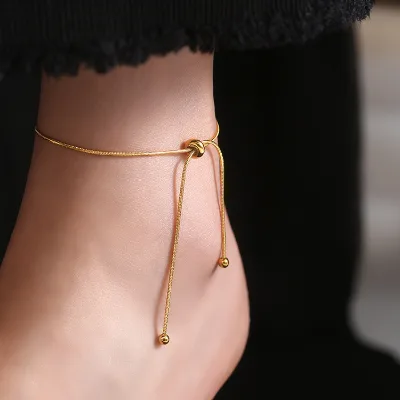
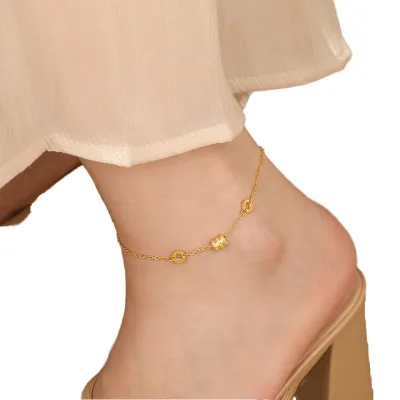
The available data indicates a specific manufacturing cluster for vintage micro insert anklets located in Zhejiang, China. This region appears as the primary origin for multiple product listings, suggesting a concentrated supply chain for fashion jewelry components. Buyers should prioritize verifying this location when assessing potential partners, as the concentration of manufacturers and trading companies in this area often correlates with specialized tooling for micro-insert techniques. The presence of both manufacturers and trading companies in the results suggests a diverse ecosystem where direct factory access may be available alongside intermediaries who aggregate supply.
When evaluating the company types, it is essential to distinguish between entities that produce the jewelry and those that facilitate trade. The observed results include suppliers identified as manufacturers, which implies direct control over the production process, as well as trading companies that may source from various factories. For vintage micro insert anklets, a manufacturer might offer more customization on the micro-insert technology, while a trading company could provide a broader range of styles. Buyers must confirm the actual operational status of the supplier to ensure they are dealing with the intended entity type, as this distinction impacts quality control and communication efficiency.
How to Verify Vintage Micro Insert Anklet Suppliers
Verification begins with confirming the physical location and operational history of the supplier. The data shows specific attributes like "Zhejiang, China" as a place of origin, which serves as a baseline for verification. Buyers should request proof of address and business licenses that match the claimed location to ensure the supplier is not merely a virtual entity. Additionally, checking the response time metrics provided in supplier profiles can indicate operational readiness. A response time of 13 hours or 3 hours, as seen in the data, offers a tangible metric for evaluating communication speed, which is critical for resolving issues regarding micro-insert details.
Beyond location and speed, buyers must scrutinize product attributes and certifications to validate claims. Some listings mention "Third Party Appraisal" as a certificate type, which is a specific credential that can be verified. However, other entries list "None" for certificate types, requiring buyers to independently request quality reports or material certifications. The presence of specific model numbers, such as "WTKJ-120" or "B-1133," allows for traceability. Buyers should ask suppliers to provide documentation linking these model numbers to the specific Vintage Micro Insert Anklet designs they intend to source, ensuring the product matches the claimed specifications before any financial commitment is made.
What to Compare Across Vintage Micro Insert Anklet Suppliers
Comparing suppliers requires a focus on lead times and minimum order quantities (MOQ) to align with inventory planning. The observed data reveals a wide range of lead times, with some suppliers listing 15 days, others 20 days, and some showing 0 days, which may indicate stock availability or a specific production mode. Similarly, MOQs vary significantly, with some products requiring only 2 pieces while others demand 20 pieces. Buyers must calculate the total cost of ownership by factoring in these MOQs, as a lower unit price might be offset by the need to purchase larger quantities than necessary for a test order.
Response time and main product focus are also critical comparison points. A supplier with a 3-hour response time may offer better support for urgent vintage micro insert orders than one with a 13-hour response time. Furthermore, the main products listed, such as "Jewelry, Clothing Accessories" or "Bracelet, Necklace, Anklet," indicate the supplier's specialization. A supplier whose primary focus includes anklets and jewelry accessories is likely more experienced with the specific nuances of vintage micro insert designs than a generalist. Buyers should create a scoring matrix that weighs these operational metrics against their specific project requirements to identify the most suitable partner.
Common Vintage Micro Insert Anklet Sourcing Risks
One significant risk involves the discrepancy between claimed product attributes and actual delivery. The data shows varied color options, ranging from specific shades like "Silver" and "Gold" to extensive lists of letters representing multiple colors. This variability can lead to confusion regarding the exact vintage micro insert design delivered. Buyers must ensure that the "Design" and "Color" attributes in the contract match the physical sample exactly, as the "as shown" or letter-based descriptions in listings may not translate to the final product without clear visual confirmation.
Another risk is the inconsistency in certification and material claims. While some listings mention "Third Party Appraisal," others list "None" or generic terms like "Alloy" without specifying the metal content. For vintage micro insert anklets, the material quality is paramount to ensure durability and aesthetic appeal. Relying solely on the "Main Stone" or "Plating" fields without independent verification can result in receiving substandard goods. Buyers should insist on material test reports for every batch, especially when the supplier's profile does not explicitly display a recognized certification standard, to mitigate the risk of receiving products that do not meet quality expectations.
Vintage Micro Insert Anklet Regional Sourcing and Logistics
The concentration of suppliers in Zhejiang, China, dictates specific logistics considerations for international buyers. Sourcing from this region typically involves shipping via sea or air freight, with transit times varying based on the destination country. The lead time data, which includes values like 15 or 20 days, represents the production duration but does not include shipping time. Buyers must calculate the total delivery window by adding the estimated transit time from Zhejiang to their local port or warehouse. This calculation is crucial for planning inventory replenishment and avoiding stockouts, especially for seasonal Vintage Micro Insert Anklet collections.
Logistics planning also requires attention to packaging and handling. Product attributes such as "Single package size" and "Single gross weight" provide data for freight cost estimation. For instance, a package size of 5x5x5 cm with a weight of 0.018 kg suggests lightweight, compact shipping, which can reduce freight costs. However, buyers must verify if the supplier uses protective packaging suitable for delicate micro-insert jewelry during transit. Inconsistent packaging can lead to damage, particularly for items with intricate designs. Buyers should request photos of the packaging process and confirm that the supplier uses materials that prevent scratching or breaking during the journey from the factory to the final destination.
Vintage Micro Insert Anklet Commercial Terms and Order Planning
Commercial terms must be clearly defined regarding pricing and payment structures. The data indicates a price range from approximately $0.11 to $0.91 per unit, depending on the specific design and material. Buyers should negotiate based on volume tiers, as the MOQs vary from 2 to 20 pieces. Understanding the price floor and ceiling helps in budgeting for large orders. It is essential to confirm whether the quoted price includes shipping, taxes, or duties, as these costs can significantly impact the final landed cost. Buyers should request a detailed proforma invoice that breaks down all costs to avoid hidden fees later in the transaction.
Order planning should also account for the supplier's capacity and response capabilities. A supplier with a 0-day lead time might be able to fulfill urgent orders, but this could come at a premium or with limited customization options. Conversely, a 20-day lead time allows for more complex production but requires earlier planning. Buyers should align their order schedules with the supplier's response time to ensure timely communication. Establishing a clear timeline for sample approval, production, and shipping is vital. Buyers must also verify if the supplier offers escrow services or other payment protections to secure their investment, ensuring that funds are only released upon satisfactory delivery of the vintage micro insert anklets.
FAQs
What is the price range for vintage micro insert anklets?
Prices for these anklets typically range from $0.11 to $0.91 per unit. The lowest costs apply to simple woven designs, while intricate multi-element styles with full drill details command higher rates. Buyers should expect variation based on material complexity and plating choices.
What is the minimum order quantity for these anklets?
Minimum order quantities vary significantly by supplier and design. Some manufacturers accept orders as low as two pieces, while others require a minimum of twenty units. Buyers should verify the specific MOQ for their chosen style before placing an order to ensure alignment with their inventory needs.
Where are these anklets manufactured?
These anklets are primarily manufactured in Zhejiang, China. This region is a known hub for fashion jewelry production, offering a wide variety of styles including bohemian, punk, and vintage designs. Buyers sourcing from this location can access a diverse range of materials and plating options.
How quickly do suppliers respond to inquiries?
Supplier response times generally range from three to thirteen hours. Faster response rates are often associated with trading companies, while manufacturers may take slightly longer. Quick communication is essential for negotiating custom designs and confirming production schedules efficiently.
What is the typical lead time for production?
Production lead times typically range from fifteen to twenty days. Some suppliers may offer faster turnaround times, while others require additional time for complex designs. Buyers should confirm the exact lead time with their supplier to ensure timely delivery for their specific orders.
What certifications are available for these anklets?
Certification availability varies by supplier. Some products come with third-party appraisal certificates, while others have no specific certification type listed. Buyers requiring specific compliance documentation should verify the certificate status directly with the supplier before finalizing their purchase.