Heat Resistant Vulcanized Tire Sticker Suppliers and Manufacturers
Explore 11 verified suppliers offering Heat Resistant Vulcanized Tire Sticker options with varying lead times, certifications, and customization capabilities. Buyers can compare response times, MOQs, and material specs before requesting quotes directly from factories in China; review the available evidence before requesting comparable quotations from suitable candidates.
Suppliers List

Dongguan Gaofei Electronic Technology Co., Ltd.
- Verified by SGS
- Combined
- China Guangdong
- Lead time15 days
- Avg. response≤ 4h
Main productsLabel Printer Scanner
Main marketsSoutheast Asia/ Mideast,Domestic,Europe,Australia,North America


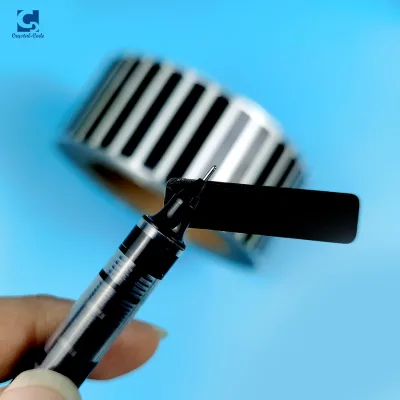
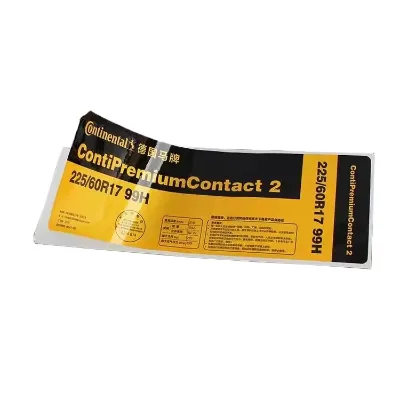
Tire Vulcanizing Label High Temperature Resistant Vulcanization Label
$0.01 - $0.01
MOQ: 100000 Pieces


Crystal Code Technology (Shanghai) Co.,Ltd.
- Verified by TüVRheinland
- Trading Company
- Lead time10 days
- Avg. response≤ 4h
Main productsSticker, Label, Tattoo Paper
Main marketsNorth America(30%), Southeast Asia(15%), South America(10%)

Qingdao Chenghaoda Science and Technology Co., Ltd.
- Verified by BV
- Manufacturer/Factory
- China Shandong
- Lead time15 days
- Avg. response≤ 13h
Main productsCustom Packaging Paper Bag, Custom Packaging Paper Box, Corrugated Carton/Gift Box, Custom Notebook, Decorative Books, Book/Booklet/Brochure/Catalog/Magazine Printing, Disposable Dishware
Main marketsNorth America,Eastern Asia,Western Europe

$0.00 - $0.01
MOQ: 100 Pieces


$0.00 - $0.01
MOQ: 100 Pieces

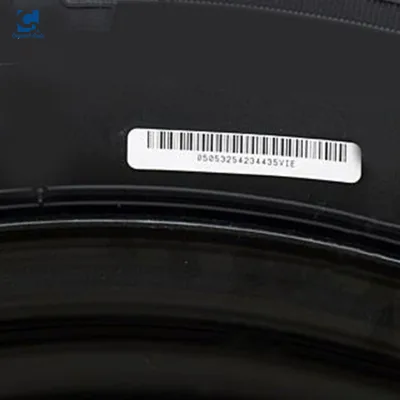
Barcode Readable High Heat Temperature Strong Adhesive Vulcanization Tire Labels
$0.00 - $0.01
MOQ: 100 Pieces


Dongguan Gaofei Electronic Technology Co., Ltd.
- Manufacturer
- Guangdong, China
- Lead time3 days
- Avg. response≤ 4h
Main productsLabel,Ribbon,Printer,Labeling Machine,Scanner
Main marketsSouth America(30.00%), North America(15.00%), Southeast Asia(10.00%), Eastern Europe(10.00%), South Asia(5.00%), Southern Europe(5.00%), Northern Europe(5.00%), Central America(5.00%), Western Europe(5.00%), Eastern Asia(5.00%), Mid East(5.00%)
Fy Packing Material (shanghai) Co., Ltd.
- Verified by TüVRheinland
- Trading Company
- Lead time20 days
- Avg. response≤ 4h
Main productsSticker, Label, Tatto Paper
Main marketsNorth America(30%), Southeast Asia(15%), South America(10%)


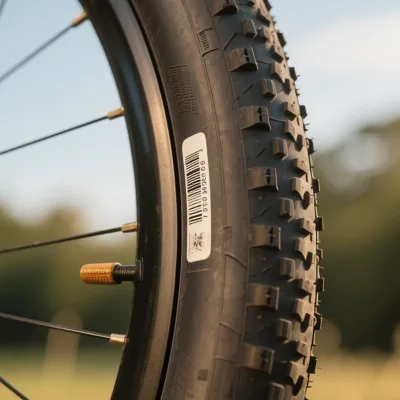
$0.10 - $0.50
MOQ: 1000 Minimum
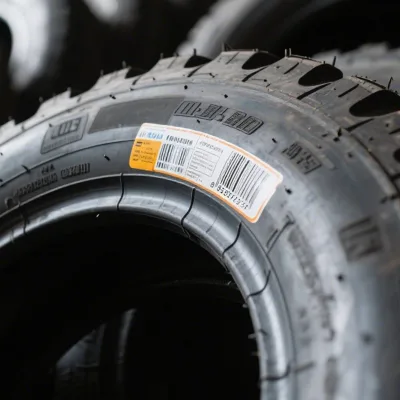



Guangzhou Jinfeng Paper Co., Ltd.
- Combined
- China Guangdong
- Lead time15 days
- Avg. response≤ 2h
Main productsThermal Label, Sticker, Customized Printing Label, Packaging Label, Carbonless Paper, Thermal Paper Roll, A4 Copy Paper, Bond Paper, Adhesive Label, Multi-Layer Label
Main marketsSoutheast Asia/ Mideast,Europe,North America


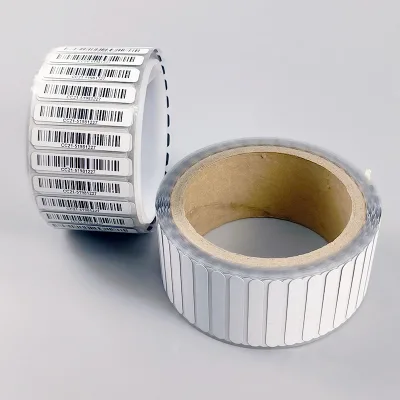
Custom Aluminized Strong Adhesive Rubber Tyre Tire Adheres to Rough, Wrinkled Surfaces Label Sticker
$2.80 - $3.00
MOQ: 100 Rolls

Jiangsu Itech Packaging Printing Co., Ltd.
- Verified by BV
- Combined
- China Jiangsu
- Lead time15 days
- Avg. response≤ 5h
Main productsLabel, Adhesive Sticker, Adhesive Roll Label, Multi Layer Label, Adhesive Sheet Label, Reel Label, Printer Ribbon, Die Cut Sticker, Printer, Anti-Counterfeit Sticker
Main marketsAfrica,Southeast Asia/ Mideast

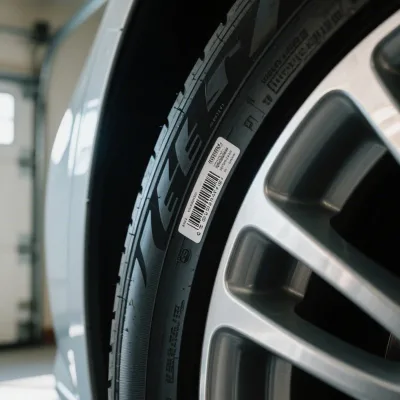
Strong Adhesive Weather Resistant Scratch-Resistant Wheel Tire Label for Car Industry
$0.02 - $0.05
MOQ: 3000 Pieces


Guangzhou Xinzhu Adhesive Sticker Materials Co., Ltd.
- Verified by TüVRheinland
- Manufacturer, Trading Company
- Lead time15 days
- Avg. response≤ 4h
Main productsCoated Paper, Synthetic Paper, Direct Thermal Paper, Baggage Tag, Dissolvable Paper
Main marketsDomestic Market(48%), Mid East(30%), Eastern Europe(8%)
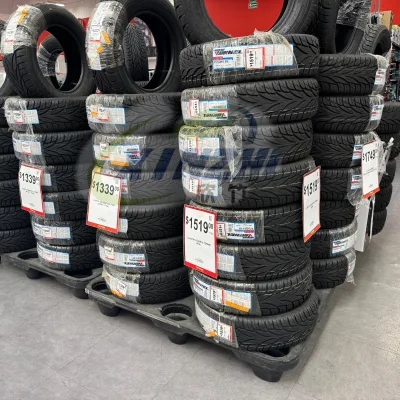
$0.64 - $0.69
MOQ: 500 Minimum
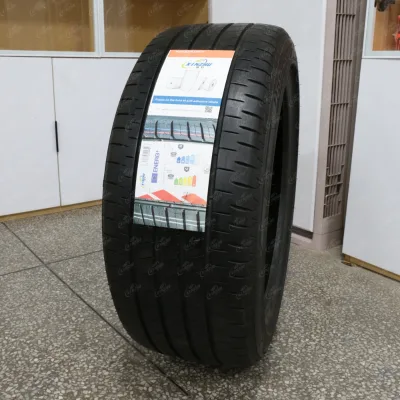
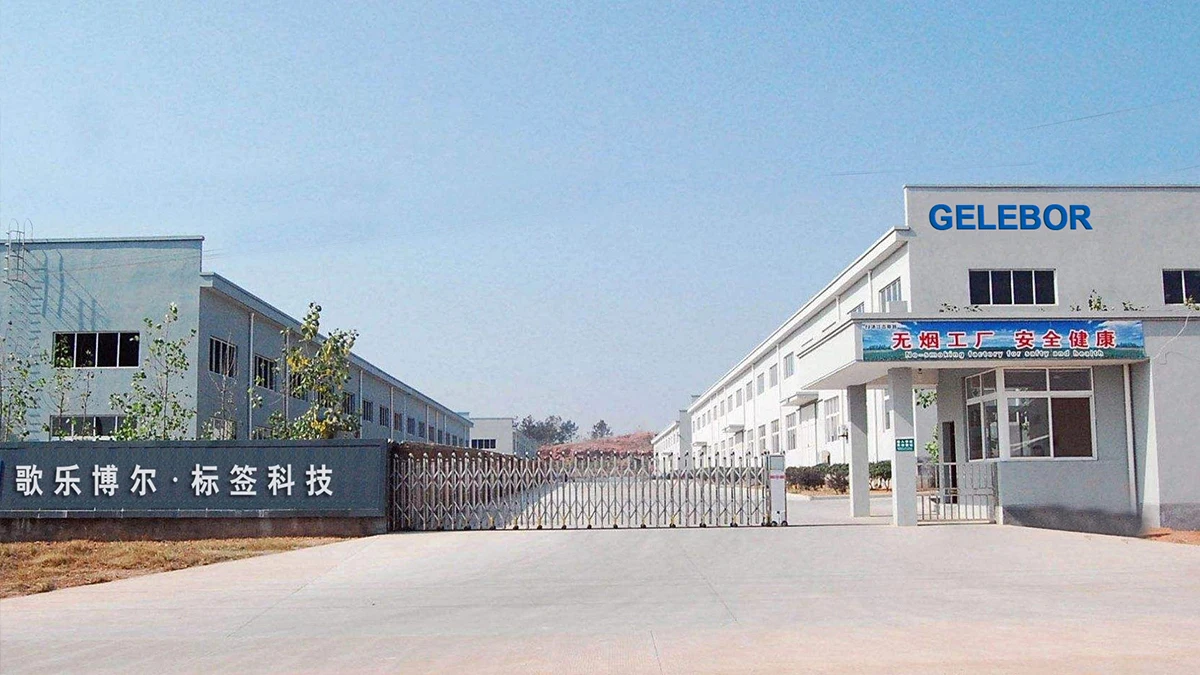
Hefei Gelebor Adhesive Products Co., Ltd.
- Manufacturer, Trading Company
- Anhui, China
- Lead time15 days
- Avg. response≤ 3h
Main productsSelf-Adhesive Labels,Packing Box,Hand Bags,Card Tags,Propaganda Album
Main marketsDomestic Market(95.00%), North America(1.00%), Southern Europe(1.00%), Eastern Asia(1.00%), Mid East(1.00%), Eastern Europe(1.00%)
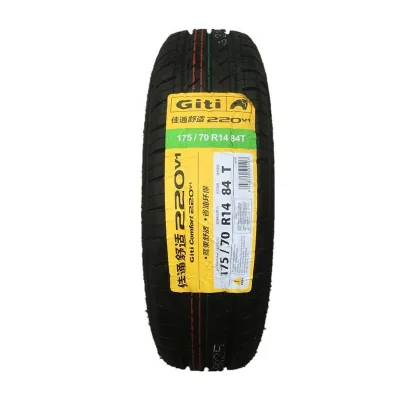
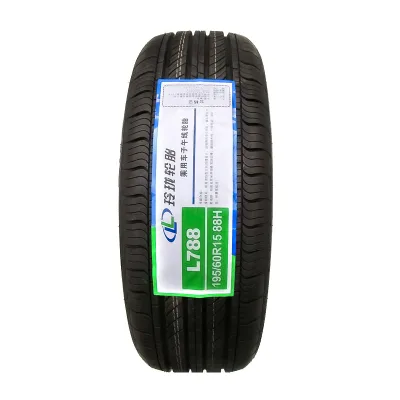
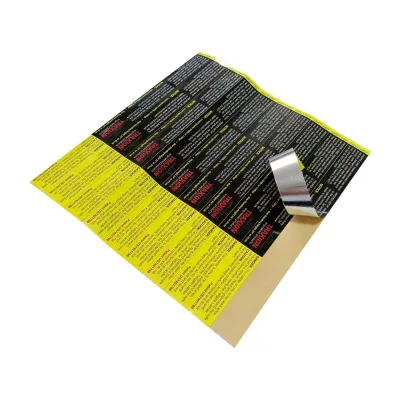
Outdoor High Temperature Resistant Super Glue Vulcanized Tire PET PP Self-adhesive Label
$0.02 - $0.32
MOQ: 500 pieces
$0.02 - $0.32
MOQ: 500 pieces
$0.02 - $0.32
MOQ: 500 pieces
$0.02 - $0.32
MOQ: 500 pieces
$0.02 - $0.32
MOQ: 500 pieces
$0.02 - $0.32
MOQ: 500 pieces

Shenzhen Johnson New Materials Co., Ltd.
- Verified by BV
- Combined
- China Guangdong
- Lead time15 days
- Avg. response≤ 15h
Main productsWine Label Materials, Self Adhesive Paper, Direct Thermal PP Label Sticker, Linerless Label, Solvent-Free UV Acrylic Adhesive, Tire Adhesive Frozen Removable Adhesive, Self Adhesive Films PP BOPP Pet PE, Hologram BOPP Sticker Paper, Digital Inkjet Printable Sticker Paper, Aluminum Foil Sticker Paper
Main marketsSouth America,Africa,Southeast Asia/ Mideast,Europe,Australia,North America

$0.80 - $0.95
MOQ: 3000 Square Meters


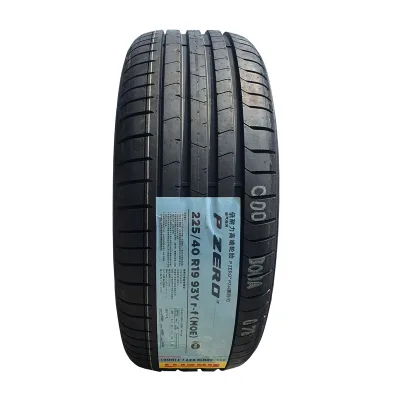
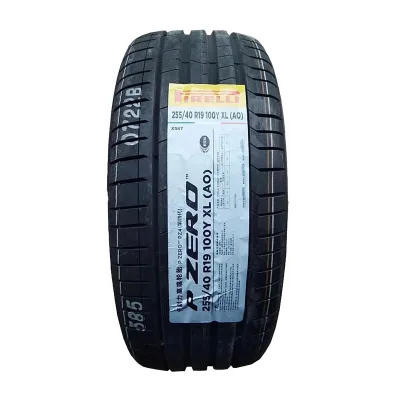
Car Rubber Tires Glossy Waterproof Self Adhesive Vulcanization Label Stickers
$0.80 - $0.95
MOQ: 3000 Square Meters


Waterproof Tyre Sticker Self Adhesive Label for Tire, Customized Tyre Sticker
$0.80 - $0.95
MOQ: 3000 Square Meters

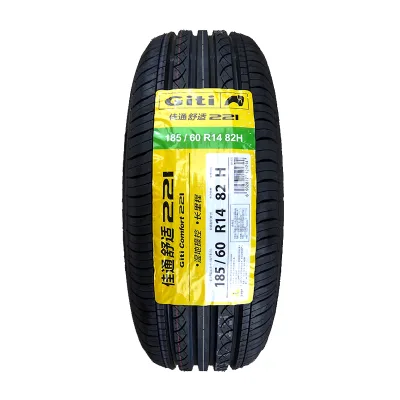
Waterproof Tyre Sticker Letter, Factory Self Adhesive Label for Tire, Customized
$0.80 - $0.95
MOQ: 3000 Square Meters

Lianyungang Zhehan Printing Co., Ltd.
- Verified by BV
- Combined
- China Jiangsu
- Lead time15 days
- Avg. response≤ 2h
Main productsPrinting, Sticker Label, Packaging Boxes, Poster Customization, Company Brochures, Foldouts, Single-Page Designs, Gift Box, Jewel Box, Label
Main marketsDomestic

Custom Durable Tire Label Stickers for Enhanced Packaging and Branding Packaging Printing
$0.00 - $0.10
MOQ: 1000 Pieces



Comprehensive Sourcing Guide
Heat Resistant Vulcanized Tire Sticker Supplier Concentration and Factory Types
Current data indicates a concentration of suppliers in China Guangdong, where combined company types and trading companies operate to serve the global market for heat resistant vulcanized tire stickers. These entities often list main products including label printers, scanners, and various sticker types, suggesting a localized ecosystem capable of handling both manufacturing and distribution needs. The presence of combined company types implies some suppliers may integrate production capabilities with trading functions, while others operate strictly as trading companies focusing on sourcing and logistics. This mix allows buyers to access a range of service models depending on their specific volume and customization requirements.
When evaluating the factory types available, buyers should note that some suppliers offer ODM, OEM, and own brand capabilities, which is critical for those needing custom specifications. Others may focus on sample processing, graphic processing, and customized on-demand services, indicating a flexibility in handling smaller or highly specialized orders. The distinction between a combined entity and a pure trading company affects the depth of technical support and the ability to manage complex production runs. Buyers must verify the actual production capacity of the supplier rather than assuming all listed company types have equivalent manufacturing depth, as this directly impacts the feasibility of large-scale orders for heat resistant vulcanized tire stickers.
How to Verify Heat Resistant Vulcanized Tire Sticker Suppliers
Verification of suppliers for heat resistant vulcanized tire stickers relies heavily on third-party audit results and system certifications found in the current data. Several suppliers display SGS verification status, while others hold TüVRheinland verification, providing a baseline of trust regarding their operational integrity. Additionally, system certifications such as ISO9001:2015, EN 71, (EU) 2015/863, REACH, CPC, RoHS, and CE are present in the records, indicating adherence to specific quality and safety standards. These credentials are essential for ensuring that the tire stickers meet international regulatory requirements, particularly for applications involving high temperatures and chemical resistance.
Beyond certifications, buyers should scrutinize the response times and lead times provided in supplier profiles to gauge operational reliability. Response times in the observed data range from 3.32 to 4 hours, which serves as a metric for communication efficiency and potential support availability. Lead times vary between 10 and 15 days, offering insight into the production scheduling and capacity of the supplier. A shorter lead time does not automatically guarantee better quality, but it suggests a streamlined process. Buyers must cross-reference these metrics with the specific product evidence, such as heat resistance up to 260 degrees or specific material compositions like PET and Vinyl PVC, to ensure the supplier can deliver the exact technical specifications required for their vulcanization processes.
What to Compare Across Heat Resistant Vulcanized Tire Sticker Suppliers
Comparing suppliers requires a detailed analysis of product attributes, pricing structures, and minimum order quantities (MOQ) to determine the best fit for specific project needs. The data shows significant variation in product specifications, with sizes ranging from 30x11mm to 44mm x 8mm and materials including Polyester PET, Glassine, and Vinyl PVC. Pricing also fluctuates widely, with some items listed at as low as 0.004 per unit while others reach 0.20 per unit, reflecting differences in material quality, printing techniques, and customization levels. Buyers must align these price points with their budget constraints and the technical demands of their tire manufacturing or labeling applications.
MOQ requirements present another critical comparison point, with observed values ranging from 5 units to 100,000 units depending on the product configuration. Some suppliers offer flexible options with an MOQ of 5, suitable for prototyping or small batch testing, while others require bulk commitments of 50,000 or 100,000 units, which may be necessary for cost-effective mass production. The quantity per roll also varies, with options like 5,000 PCS/Roll or 10,000 PCS/Roll affecting inventory management and storage logistics. Buyers should evaluate whether the supplier's MOQ aligns with their production cycle and whether the price per unit justifies the volume commitment, ensuring that the selected supplier offers the most economical solution for their specific order size.
Common Heat Resistant Vulcanized Tire Sticker Sourcing Risks
One significant risk in sourcing heat resistant vulcanized tire stickers involves the discrepancy between advertised customization capabilities and actual production feasibility. While many suppliers list customization as available, the specific attributes such as label shape, backing paper type, and adhesive properties must be rigorously validated against the supplier's technical capacity. For instance, claims of high-temperature resistance up to 260 degrees or waterproof features need to be confirmed through physical testing rather than relying solely on product descriptions. Inconsistent material specifications, such as the use of PET versus Polyethylene, can lead to product failure in harsh vulcanization environments if not properly verified before order placement.
Another risk stems from the variability in lead times and response speeds, which can disrupt supply chain planning if not managed proactively. Although some suppliers report lead times of 10 to 15 days, these figures may not account for potential delays in raw material sourcing or production bottlenecks. Similarly, response times ranging from 3.32 to 4 hours indicate a baseline for communication, but actual resolution times for complex technical queries may vary. Buyers should be cautious of suppliers who promise rapid turnaround without clear evidence of their capacity to handle urgent requests. Establishing clear communication channels and setting realistic expectations regarding delivery schedules is essential to mitigate the risk of production delays that could impact overall manufacturing timelines.
Heat Resistant Vulcanized Tire Sticker Regional Sourcing and Logistics
The primary sourcing hub identified in the current data is China Guangdong, which serves as a central location for many suppliers offering heat resistant vulcanized tire stickers. This region hosts a mix of combined companies and trading companies, providing a dense network of potential partners for international buyers. The concentration of suppliers in this area suggests established logistics infrastructure and access to raw materials, which can facilitate efficient shipping and reduced transit times. However, buyers should also consider the presence of suppliers in Shanghai, China, as indicated by specific product origins, which may offer alternative sourcing options with different logistical advantages depending on the destination market.
Logistics planning must account for the specific packaging and shipping requirements associated with these products, as evidenced by details like carton packing and single package sizes. The variation in product dimensions and weights, such as single gross weights of 0.010 kg, influences freight costs and container utilization. Buyers should verify the shipping terms and Incoterms with each supplier to understand who bears the responsibility for freight, insurance, and customs clearance. Additionally, the origin of the product, whether from Guangdong or Shanghai, may impact the availability of direct shipping routes and the overall cost of transportation. Understanding these regional nuances helps in optimizing the supply chain and minimizing unexpected logistics expenses.
Heat Resistant Vulcanized Tire Sticker Commercial Terms and Order Planning
Commercial terms for heat resistant vulcanized tire stickers vary significantly based on the supplier's capacity and the specific product configuration. Buyers must carefully review the pricing models, which can range from fixed unit prices to tiered structures based on order volume. The observed price ranges, from 0.004 to 0.20 per unit, highlight the importance of negotiating terms that reflect the true cost of materials and production. Additionally, the availability of customization options often comes with specific conditions, such as minimum order quantities or additional setup fees, which should be clearly defined in the purchase agreement to avoid unexpected costs.
Order planning should also consider the establishment years and verification status of the suppliers to ensure long-term reliability. While specific establishment years are not provided in the current data, the presence of certifications like ISO9001:2015 and verification by SGS or TüVRheinland suggests a level of operational maturity. Buyers should prioritize suppliers with a proven track record of meeting quality standards and delivering on time. Furthermore, the use of escrow services or secure payment methods can provide an additional layer of protection for the buyer. By aligning commercial terms with the supplier's capabilities and verifying their credentials, buyers can establish a stable and efficient procurement process for heat resistant vulcanized tire stickers.
FAQs
What is the price range for heat resistant vulcanized tire stickers?
Prices for these labels typically range from $0.004 to $0.20 per unit depending on specifications. Bulk orders of 50,000 pieces start around $0.004, while smaller custom rolls may cost up to $0.20. Buyers should verify exact pricing based on size and material requirements.
What is the minimum order quantity for these tire labels?
Minimum order quantities vary significantly by product type. Some high-volume options require 50,000 or 100,000 pieces, while smaller custom rolls may have an MOQ of just 5 units. Buyers must check specific product listings to confirm the applicable minimum order quantity for their needs.
How long does production take for these labels?
Production lead times generally range from 10 to 15 days. Suppliers with faster turnaround times often have established manufacturing capabilities in China. Buyers should confirm specific delivery schedules with suppliers before placing orders to ensure alignment with their production timelines.
What certifications do these tire label suppliers hold?
Suppliers often hold ISO9001:2015 certificates for quality management. Some also possess EN 71, REACH, RoHS, and CE certifications for material safety. Verification by SGS or TüV Rheinland is common. Buyers should request valid certificates to ensure compliance with international standards.
What materials are used for heat resistant tire labels?
Common materials include Polyester PET, Vinyl PVC, and Polyethylene. These materials provide high temperature resistance up to 260 degrees Celsius. Labels often feature permanent adhesives and are designed to withstand vulcanization processes. Buyers should select materials based on specific chemical and thermal requirements.
Can these labels be customized for specific tire sizes?
Yes, customization is widely available for size, shape, and printing. Suppliers offer ODM and OEM services to meet specific requirements. Sizes like 38x5mm or 40x5mm are common, but custom dimensions are supported. Buyers should provide detailed specifications to ensure accurate manufacturing.