Custom Silk Screen Printing Notebook Suppliers and Manufacturers
Compare 25 verified suppliers offering Custom Silk Screen Printing Notebook options with varying lead times, MOQs, and certifications. Review response times and product specs to select a partner, then request samples for validation; review the available evidence before requesting comparable quotations from suitable candidates.
Updated
Suppliers List

Jinjiang Jiayi Supply Chain Management Co., Ltd.
- Verified by BV
- Trading Company
- China Fujian
- Lead time30 days
- Avg. response≤ 1h
Main productsGift, Shoe, Garment, Machine
Main marketsDomestic

Guangzhou Zhongtian Paper Product Co., Ltd.
- Verified by TUVRHEINLAND
- Trading Company,Manufacturer/Factory,Group Corporation
- China Guangdong
- Lead time38 days
- Avg. response≤ 4h
Main productsBible, Book, Children Book, Paper Box, Jigsaw Puzzle, Notebook Printing, Board Game, Calendar, Paper Bags, Seed Paper Cards
Main marketsSouth America,Eastern Europe,Mid East,North America,Southeast Asia,Oceania,Western Europe,Africa


Linen Fabric Notepad Notebook Custom Cover with Embossed Pattern Printing
$0.88 - $1.98
MOQ: 500 Pieces


Guangzhou Weiye Color Printing Co., Ltd.
- Verified by BV
- Combined
- China Guangdong
- Lead time15 days
- Avg. response≤ 3h
Main productsPaper Box, Packing Box, Paper Bag, Gift Bag, Picture Album, PVC/Pet Box, Envelope, Sticker, Hag Tag, Red Packets/Greeting Card
Main marketsEurope

Shenzhen Longyin Printing Packing Co., Ltd.
- Verified by SGS
- Trading Company
- China Guangdong
- Lead time15 days
- Avg. response≤ 2h
Main marketsSouth America,Africa,Southeast Asia/ Mideast,East Asia(Japan/ South Korea),Domestic,Europe,Australia,North America

GUANGZHOU MIYI PRINTING CO., LTD
- Verified by BV
- Trading Company,Manufacturer/Factory
- China Guangdong
- Lead time0 days
- Avg. response≤ 9h
Main productsBook Printing, Custom Magazine, Catalog, Paper Bag, Paper Box, Packageing Box, Toy Box, Sticker, Label, School Supplies
Main marketsSouth America,Eastern Europe,Mid East,North America,Southeast Asia,Eastern Asia,Oceania,Western Europe,Africa


Promotional Diary Customized Logo Notebook Custom Printing Spiral Binding Notebook
$0.05 - $0.10
MOQ: 100 Pieces

Promotional Diary Customized Logo Notebook Custom Printing Spiral Binding Notebook
$0.75 - $0.85
MOQ: 500 Pieces
Shenzhen Gift Joint Promo Co., Ltd.
- Verified by SGS Group
- Trading Company
- Lead time20 days
- Avg. response≤ 3h
Main productsCar Sunshade, Beach Ball, Stress Ball, Letter Opener, Kraft Notebook
Main marketsNorth America(30%), South America(10%), Eastern Europe(10%)
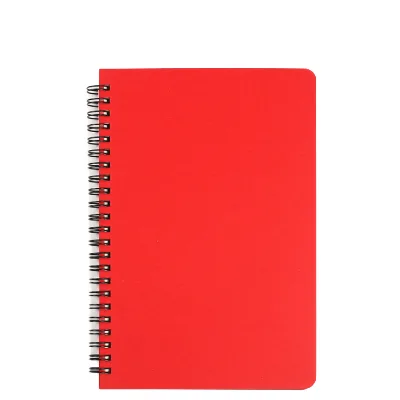
2024 Notebooks Wholesale Cheap Bulk Custom Promotional Notebook Custom Printed Notebook
$0.3593 - $0.7081
MOQ: 100 pieces
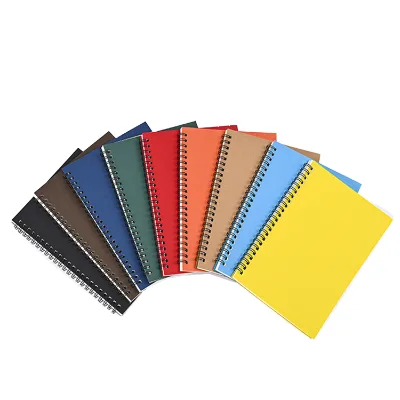
Custom LOGO PVC Notebook Cover Custom Notebook With Logo Planner Wholesale School Notebook
$0.3593 - $0.7081
MOQ: 500 pieces

Shanghai David International Trade Co., Ltd.
- Verified by TUVRHEINLAND
- Combined
- China Shanghai
- Lead time15 days
- Avg. response≤ 7h
Main productsPromotional Gifts, Gift Sets, Tshirts, Hats, Hot Packs, Hot Cold Packs, Ice Packs, Bags, Umbrellas, Water Bottles
Main marketsSouth America,Africa,Southeast Asia/ Mideast,East Asia(Japan/ South Korea),Domestic,Europe,Australia,North America
Wenzhou Bonvan Stationery & Gifts Co., Ltd.
- Verified by TüVRheinland
- Trading Company
- Lead time25 days
- Avg. response≤ 3h
Main productsMarkers, Pens, School Stationery, Office Stationery, Art Material
Main marketsNorth America(20%), Domestic Market(20%), Western Europe(15%)
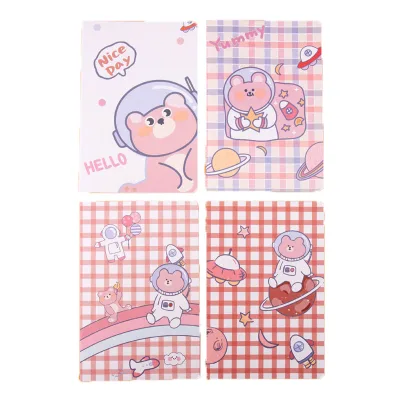
Hot Sale Custom Printed Educational Notebooks Creative Diary Notebook for School Use
$0.16 - $0.26
MOQ: 1000 pieces
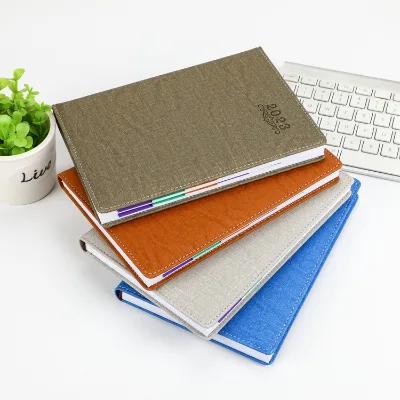
Wenzhou Base Camp Cultural Goods Co., Ltd.
- Manufacturer, Trading Company
- Zhejiang, China
- Lead time20 days
- Avg. response≤ 2h
Main productsNotebook,Yearly Calendar
Main marketsDomestic Market(100.00%), South Asia(100.00%), Southern Europe(100.00%), Northern Europe(100.00%), Central America(100.00%), Western Europe(100.00%), Eastern Asia(100.00%), Mid East(100.00%), Oceania(100.00%), Africa(100.00%), Southeast Asia(100.00%), Eastern Europe(100.00%), South America(100.00%), North America(100.00%)
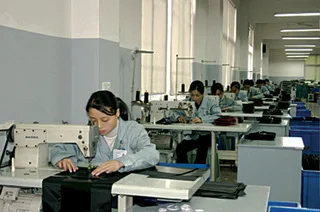
Yiwu Qian You Stationery Co., Ltd.
- Manufacturer, Trading Company
- Zhejiang, China
- Lead time20 days
- Avg. response≤ 4h
Main productsnotebook,Gift items,PU notebook,Gift set,Name card Holder
Main marketsSouth Asia(10.00%), Southern Europe(10.00%), Oceania(10.00%), Northern Europe(10.00%), North America(9.00%), Southeast Asia(8.00%), Eastern Europe(8.00%), South America(8.00%), Eastern Asia(5.00%), Mid East(5.00%), Africa(5.00%), Central America(5.00%), Western Europe(5.00%), Domestic Market(2.00%)

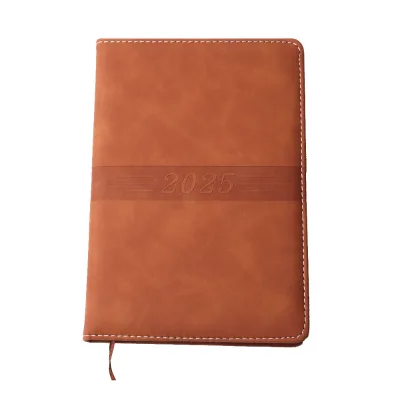
A5 Round Buckle Simple Office Notebook Business Notebook with Custom logo Print
$2.60 - $3.80
MOQ: 300
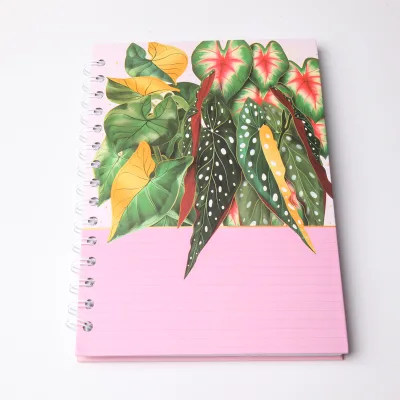
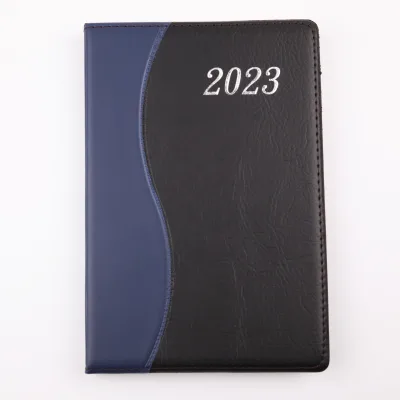
$0.95 - $1.20
MOQ: 540 Minimum
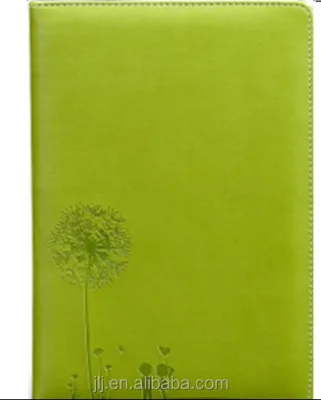
2021 New Design Office Good Quality Notebook, Moleskin Style A5 Leather Lined Notebook
$1.5045 - $1.8129
MOQ: 100 pieces
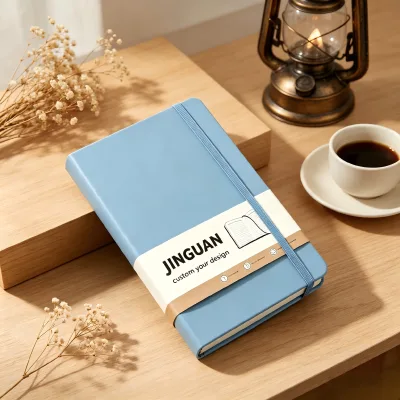
Guangzhou Jinguan Printing Co., Ltd.
- Manufacturer, Trading Company
- Lead time旺季: "1 - 50":15,"51 - 1000":16,"1001 - 5000":22,"> 5000":"To be negotiated", 淡季: "1 - 50":15,"51 - 1000":16,"1001 - 5000":22,"> 5000":"To be negotiated"
- Avg. response≤ 2h
Main productsPlaying Card, Notebook, Gift Box, Board Game, Children's Books
Hefei Skyfly Enterprise Co., Ltd.
- Verified by Intertek
- Manufacturer, Trading Company
- Lead time30 days
- Avg. response≤ 2h
Main productsExercise Book, Notebook, PU Leather Book, Book Printing, Paper Bag Printing
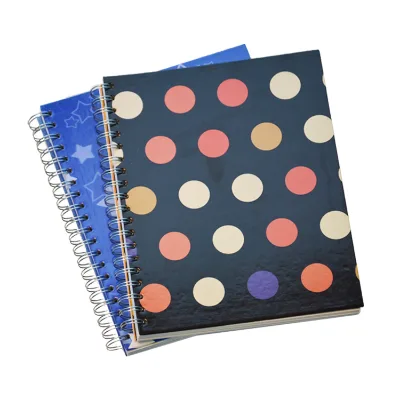
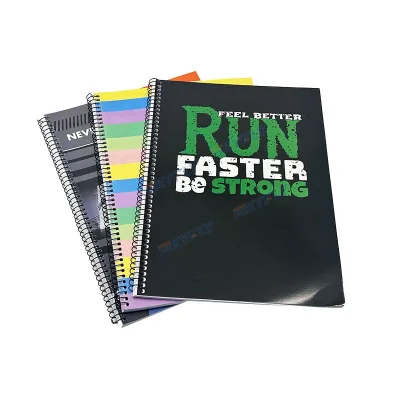
Custom Printed Spiral Notebooks for Events Suitable for Corporate Gatherings School Functions
$0.35 - $0.45
MOQ: 40000 pieces
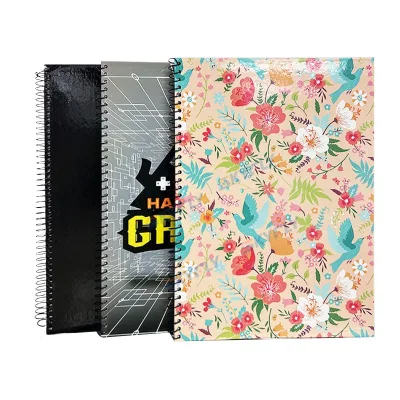
Durable Spiral Notebooks with Thick Paper for Daily Office Tasks Student Assignments
$0.35 - $0.45
MOQ: 40000 pieces
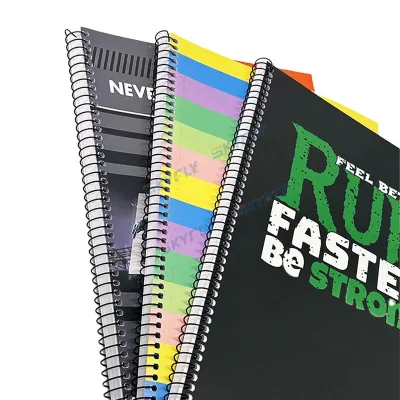
Spiral Notebooks with Leather Cover Stylish for Business Professionals Student Use
$0.35 - $0.45
MOQ: 40000 pieces
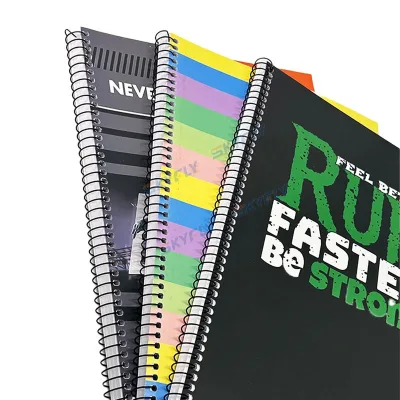
Spiral Notebooks with Pen Holder Convenient for On-the-Go Note Taking in School Office
$0.3683 - $0.4731
MOQ: 40000 pieces
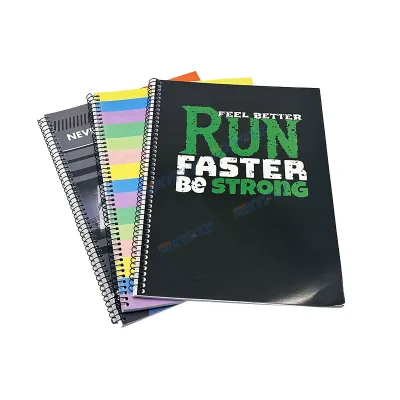
Spiral Notebooks with Dividers Organized for Subject Notes Office Projects
$0.3608 - $0.4641
MOQ: 40 pieces

Wenzhou Yanhe Technology Co., Ltd.
- Verified by BV
- Combined
- China Zhejiang
- Lead time30 days
- Avg. response≤ 4h
Main productsNotebook
Main marketsSouth America,Africa,Southeast Asia/ Mideast,East Asia(Japan/ South Korea),Europe,Australia,North America


Customizable Journal Planner Notebooks Printed Spiral Notebook Agenda Diary Notebooks
$0.50 - $3.00
MOQ: 300 pieces

High Quality Customized Spiral Coil Notebook with Strap Design Grid Inner Page
$0.50 - $1.50
MOQ: 300 pieces

Zhangzhou Mass Paper Printing Co., Ltd.
- Verified by SGS
- Combined
- China Fujian
- Lead time15 days
- Avg. response≤ 2h
Main marketsDomestic


Custom Printing Notebook with Spiral Binding for Creative Professionals
$0.55 - $2.00
MOQ: 1000 Pieces


Custom Printing Stylish Floral Notebook with Elastic Band for Professionals and Gift - Giving.
$0.55 - $2.00
MOQ: 1000 Pieces

Xiamen Hongju Industry and Trade Co., Ltd.
- Verified by TUVRHEINLAND
- Combined
- China Fujian
- Lead time15 days
- Avg. response≤ 5h
Main productsPaper Boxes, Packaigng Boxes, Gift Boxes, Card Game, Card Deck, Books Printing, Paper Printing Service, Custom Journals, Custom Planners, Notebooks
Main marketsEurope,North America

Custom Printing Hardcover A5 Diary Notebook Journal Planner and Notebook
$0.99 - $2.99
MOQ: 250 Pieces

Journal Printing Custom Hardcover Linen Fabric Cover Personalized Self Care Journal Notebook
$0.99 - $2.99
MOQ: 250 Pieces
Guangzhou Bonroy Cultural Creativity Co., Ltd.
- Verified by SGS Group
- Trading Company
- Lead time8 days
- Avg. response≤ 3h
Main productsCard game, Paper box, Book printing, Notebook, Paper bag
Main marketsNorth America(41%), Oceania(25%), South America(10%)
Wenzhou Myway Arts & Crafts Co., Ltd.
- Verified by TüVRheinland
- Manufacturer, Trading Company
- Lead time15 days
- Avg. response≤ 2h
Main productsNotebook, Stationery Set, Notepad, Card, Sticker
Main marketsNorth America(32%), Domestic Market(30%), South America(5%)
Dongguan Qishi Saidebao Leather Goods Produce Factory
- Manufacturer, Trading Company
- Guangdong, China
- Lead time15 days
- Avg. response≤ 5h
Main productsnotebook,portfolio,passport holder,card holder,certificate holder
Main marketsSouthern Europe(12.00%), Central America(10.00%), North America(10.00%), Western Europe(8.00%), Northern Europe(8.00%), Eastern Europe(7.00%), South Asia(7.00%), South America(7.00%), Mid East(6.00%), Africa(6.00%), Eastern Asia(5.00%), Domestic Market(5.00%), Southeast Asia(5.00%), Oceania(4.00%)
Guangzhou Mike Printing & Packaging Co., Ltd
- Verified by Intertek
- Manufacturer, Trading Company
- Lead time5 days
- Avg. response≤ 3h
Main productsCustom Hardcover Book, Custom Children Book, A5 Notebook, Paper Box, Custom Textbook
Main marketsNorth America(33%), Africa(33%), South America(13%)

Fujian Juhui Printing Co., Ltd.
- Verified by BV
- Combined
- China Fujian
- Lead time15 days
- Avg. response≤ 5h
Main productsBooks Printing, Notebooks / Journals / Planners / Diaries / Memo, Paper Packaging, Specialty & Premium Printing, Children's Books / Coloring Books, Food Packaging, Notebook & Stationery Printing, Card & Game Printing, Paper Bags, Posters / Business Cards / Postcards / Booklets
Main marketsSoutheast Asia/ Mideast,Europe,Australia,North America
Taizhou Eego Industry And Trade Co., Ltd.
- Verified by TüVRheinland
- Manufacturer, Trading Company
- Lead time30 days
- Avg. response≤ 2h
Main productsNotebooks, Journals, Pens, Planner, Corporate Gift Sets
Main marketsNorth America(45%), South America(12%), Western Europe(10%)
Yiwu Yilan Stationery Co., Ltd.
- Verified by Intertek
- Trading Company
- Lead time15 days
- Avg. response≤ 3h
Main productsNotebook, Pen, Sticky Note, Gift Set, Cups
Main marketsNorth America(40%), Western Europe(30%), Domestic Market(10%)
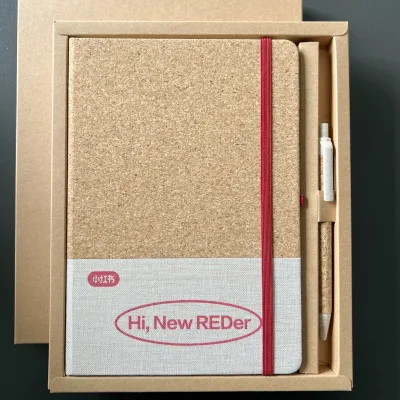
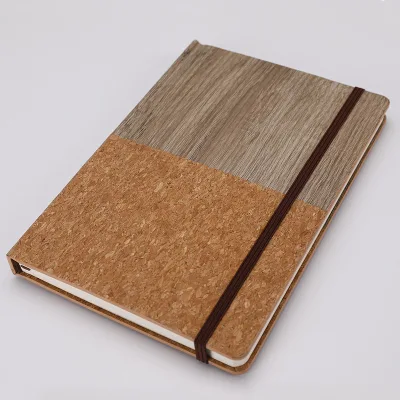
$1.018 - $1.4057
MOQ: 500 Minimum
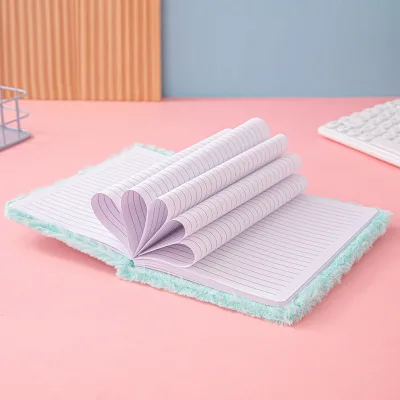

- Verified by BV
- Trading Company,Manufacturer/Factory
- China Shanghai
- Lead time23 days
- Avg. response≤ 1h
Main productsBook Printing, Book, Children's Book, Paper Bag, Gift Boxes, Puzzle, Board Game, Tabletop Game, Playing Card
Main marketsSouth America,Eastern Europe,Mid East,North America,Southeast Asia,Eastern Asia,Oceania,Western Europe,Africa
Guangzhou Tomas Crafts Co., Limited
- Trading Company
- Lead time旺季: "1 - 100":15,"> 100":"To be negotiated", 淡季: "1 - 100":15,"> 100":"To be negotiated"
- Avg. response≤ 3h
Main productsPromotional Gift,Souvenir Gifts,Medals & Trophies Suppliers,Luggages & Bags,Party Supplies
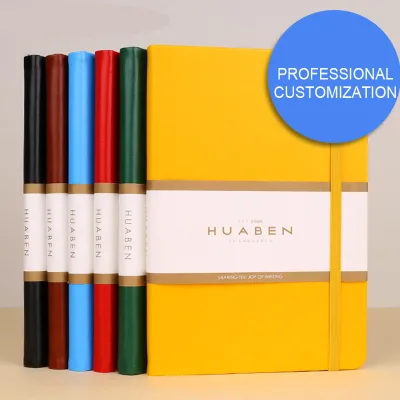
$0.29 - $3.05
MOQ: 100 Minimum
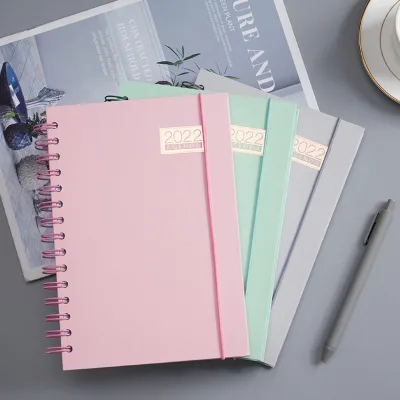
Hot Sale Spiral Notebook, With High Quality Professional Printing Planner Journal Notebook/
$0.56 - $2.88
MOQ: 100 Minimum

- Verified by SGS
- Trading Company
- China Shaanxi
- Lead time15 days
- Avg. response≤ 5h
Main productsBusiness Gift Set, Corporate Gift Set, Promotion Gift Set, Notebook Gift Set, Weeding Gift Set for Guests, Birthday Gift Set, Gift Sets, Custom Gift Set, Notebook with Pen, Gifts
Main marketsAfrica,Southeast Asia/ Mideast,Europe,Australia,North America


Notebook Business with Pen Card Holder Key Chain Marketing Office Company Corporate
$6.39 - $6.89
MOQ: 100 pieces






Comprehensive Sourcing Guide
Custom Silk Screen Printing Notebook Supplier Concentration and Factory Types
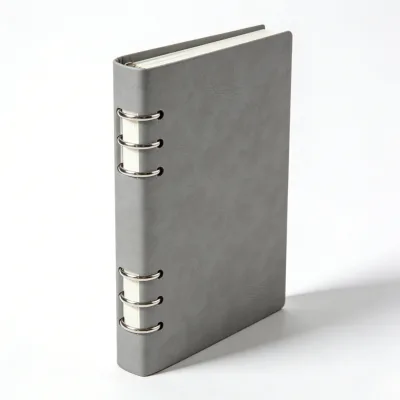
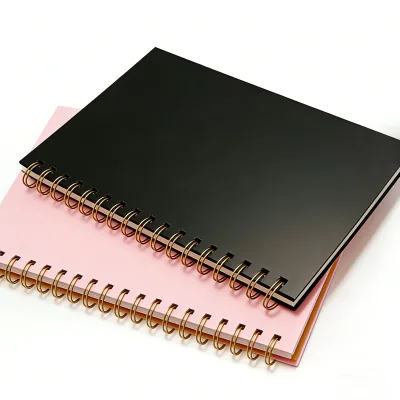
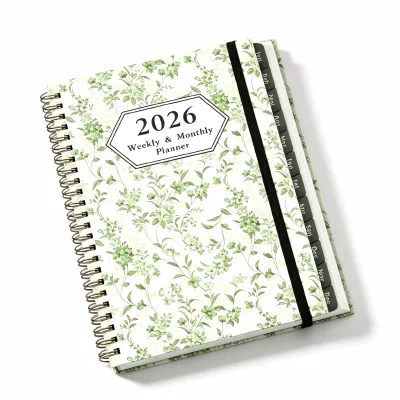
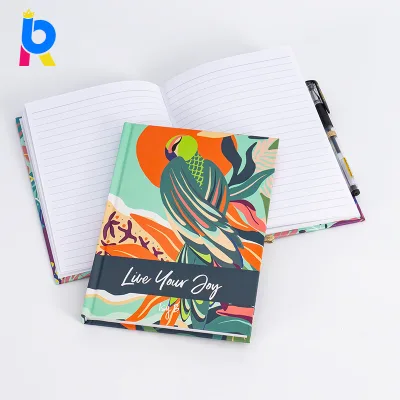
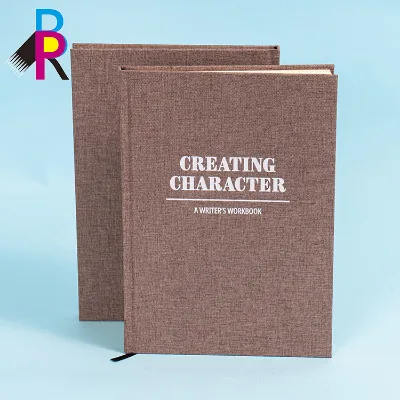
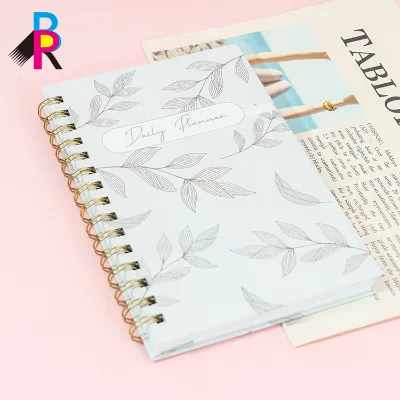
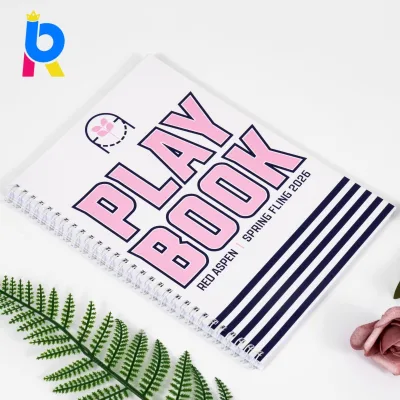
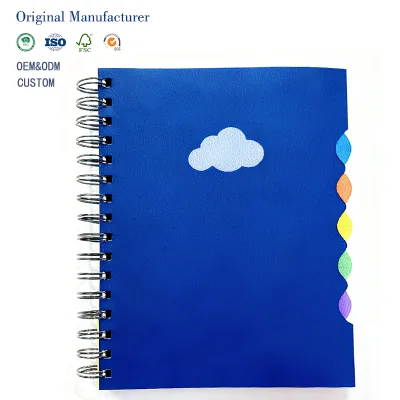
Current data indicates a concentration of suppliers in China, specifically within the Fujian and Guangdong provinces. These regions host a mix of trading companies and manufacturers capable of handling custom notebook production. Some entities operate as group corporations or factories, while others function strictly as trading intermediaries. The main product categories observed include gift items, school supplies, and various stationery types like notebooks and diaries. This diversity suggests that buyers can find specialized partners for specific needs, such as hardcover printing or fabric-covered journals, within these established industrial clusters.
When evaluating the factory type, buyers should distinguish between direct manufacturers and trading companies. Manufacturers often possess in-house capabilities for binding, cover material selection, and printing processes, which can streamline production for complex custom orders. Trading companies may offer a broader range of products but might outsource the actual manufacturing. The presence of certifications like ISO 9001 and SEDEX among some suppliers indicates a commitment to quality management systems. Buyers must verify if the supplier's primary business model aligns with their volume requirements and quality expectations before proceeding with a partnership.
How to Verify Custom Silk Screen Printing Notebook Suppliers
Verification is a critical step when sourcing custom silk screen printing notebooks, as the market contains both verified and unverified entities. Some suppliers display verification badges from recognized third-party agencies such as BV or TÜV Rheinland. These badges provide a layer of assurance regarding the company's business legitimacy and operational stability. However, the absence of a specific badge does not automatically disqualify a supplier, but it does necessitate a more rigorous due diligence process. Buyers should request current verification documents directly from the supplier to confirm their status before sharing sensitive design files or depositing funds.
Beyond basic verification, buyers should assess the supplier's response time and communication efficiency. Data shows response times varying significantly, with some suppliers responding within minutes while others take longer. A rapid response often correlates with a dedicated sales team and efficient internal processes, which are vital for custom projects requiring quick turnaround. Additionally, checking for established certifications like ISO 9001 can indicate a supplier's adherence to international quality standards. Buyers should also inquire about the supplier's experience with specific printing techniques, such as silk screen printing, to ensure they possess the technical expertise required for high-quality results.
What to Compare Across Custom Silk Screen Printing Notebook Suppliers
Comparing suppliers requires a detailed analysis of several key dimensions, including lead time, minimum order quantity (MOQ), and pricing structures. Lead times observed in the current data range from approximately 30 to 38 days, which can significantly impact project timelines. Buyers must clarify if these times include design approval, sample production, and mass manufacturing. MOQs also vary widely, with some suppliers requiring orders as low as 200 units while others demand 1,000 or even 10,000 units. Understanding these thresholds is essential for budgeting and inventory planning, especially for startups or small businesses with limited capital.
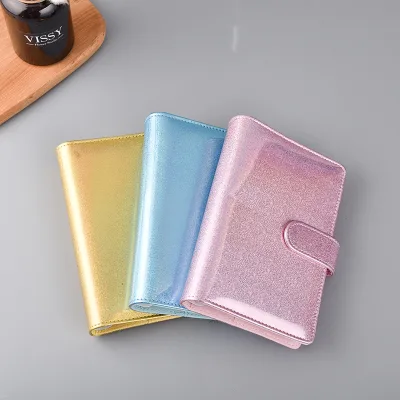
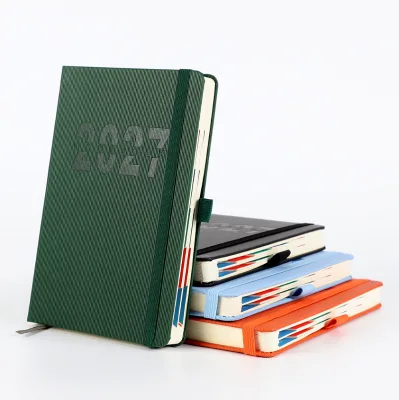
Pricing and product specifications are equally important factors in the comparison process. Unit prices can fluctuate based on material choices, such as leather, fabric, or hard paper covers, and the complexity of the custom printing. Some suppliers offer prices as low as $0.50 per unit, while others charge upwards of $6.50 depending on the features like binding type or page count. Buyers should compare the total cost of ownership, including packaging and shipping, rather than just the unit price. Additionally, evaluating the supplier's main product focus helps determine if they are a generalist or a specialist, which can influence the quality and innovation of the final notebook product.
Common Custom Silk Screen Printing Notebook Sourcing Risks
One significant risk in sourcing custom notebooks is the discrepancy between sample quality and mass production output. Suppliers may provide high-quality samples that do not reflect the consistency of the final batch, particularly regarding print alignment and color accuracy. Silk screen printing requires precise setup, and any deviation in the production line can lead to defects. Buyers should insist on pre-production samples that match the final order specifications and verify these samples against the agreed-upon design files. Establishing clear quality control checkpoints throughout the production process can mitigate this risk and ensure the final product meets expectations.
Another risk involves the reliability of delivery timelines and the potential for hidden costs. While some suppliers list lead times of 30 to 38 days, delays can occur due to material shortages or production bottlenecks. Buyers should verify the supplier's capacity to handle their specific order volume and ask about contingency plans for delays. Furthermore, unclear terms regarding packaging and shipping can lead to unexpected expenses. Some suppliers pack items in individual polybags, while others use carton boxes, which affects shipping costs and product protection. Clarifying these details in the initial contract prevents disputes and ensures a smooth transaction from order placement to final delivery.
Custom Silk Screen Printing Notebook Regional Sourcing and Logistics
Sourcing from China, particularly from Fujian and Guangdong, offers access to a robust supply chain for notebook manufacturing. These regions benefit from established logistics networks and proximity to major ports, which can facilitate efficient shipping to global markets. However, buyers must account for the distance and potential transit times when planning their inventory. The location of the supplier can also influence the cost of raw materials and labor, which may be reflected in the final product price. Understanding the regional strengths helps buyers select suppliers who can deliver the best balance of cost, quality, and speed for their specific needs.
Logistics planning should also consider the packaging standards and shipping methods offered by the supplier. Some suppliers use polybags for individual protection, while others opt for carton boxes for bulk shipping. The choice of packaging affects the durability of the product during transit and the overall shipping volume. Buyers should confirm the packaging details to ensure the notebooks arrive in perfect condition. Additionally, verifying the supplier's experience with international shipping regulations and customs documentation is crucial. A supplier familiar with these processes can help navigate potential hurdles and ensure a seamless delivery experience for the buyer.
Custom Silk Screen Printing Notebook Commercial Terms and Order Planning
Commercial terms for custom silk screen printing notebooks often include specific requirements for payment, delivery, and quality assurance. Buyers should review the supplier's terms regarding deposits, balance payments, and escrow services to protect their financial interests. Some suppliers may require a significant upfront deposit, while others offer more flexible payment schedules. Understanding these terms is vital for cash flow management and risk mitigation. Additionally, buyers should clarify the warranty or return policy in case the product does not meet the agreed specifications, ensuring there is a recourse if issues arise post-delivery.
Order planning must align with the supplier's production capacity and lead times to avoid delays. With lead times ranging from 30 to 38 days, buyers should place orders well in advance of their required delivery dates. It is also important to consider the MOQ requirements, as ordering below the minimum may result in higher unit costs or order rejection. Buyers should plan their inventory levels carefully to balance the cost of holding stock with the risk of stockouts. By aligning their order planning with the supplier's capabilities and commercial terms, buyers can ensure a smooth and efficient sourcing process for their custom notebook needs.
FAQs
What is the typical lead time for custom notebooks?
Manufacturers in China generally require 30 to 38 days for production. This timeframe covers material sourcing, printing, binding, and quality checks. Buyers should confirm specific delivery schedules with suppliers before placing orders to ensure alignment with project deadlines.
What is the minimum order quantity for custom notebooks?
Minimum order quantities vary significantly by supplier and product type. Some factories accept orders as low as 200 units, while others require 1,000 or 5,000 pieces. Buyers should verify the specific MOQ for their chosen notebook style and customization level.
How fast do suppliers typically respond to inquiries?
Response speeds differ among suppliers, with some replying within 0.32 hours and others taking up to 3.69 hours. Faster response times often indicate higher operational efficiency. Buyers should prioritize suppliers with quick reply rates for smoother communication during the sourcing process.
Are custom notebooks available with specific cover materials?
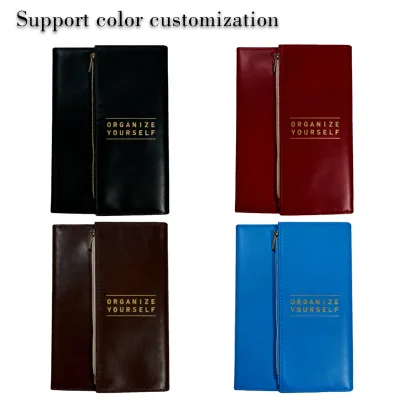
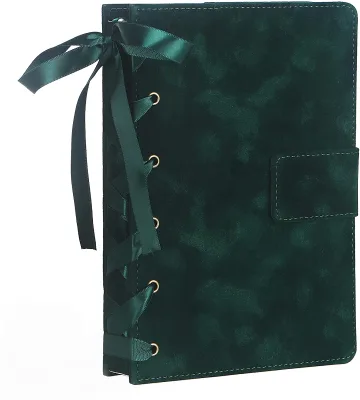
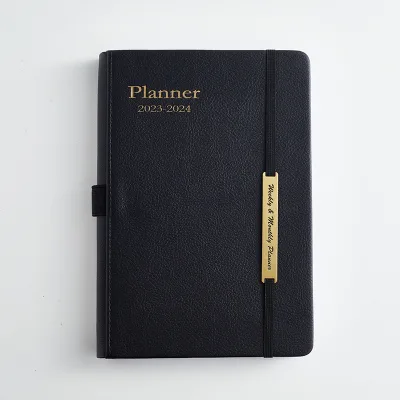
Yes, suppliers offer various cover options including PU leather, hard paper, cloth fabric, and soft paper. These materials support different aesthetic and durability requirements. Buyers can select materials based on their brand identity and the intended usage of the final notebook product.
What certifications do notebook manufacturers hold?
Reputable manufacturers often hold ISO 9001 and SEDEX certifications. These credentials verify adherence to quality management and social responsibility standards. Buyers seeking compliant suppliers should verify these certifications directly with the factory to ensure ethical and quality production practices.
What is the price range for custom notebooks?
Prices typically range from $0.50 to $6.50 per unit depending on complexity. Factors influencing cost include cover material, binding method, and inner page count. Buyers should request detailed quotes based on their specific design and quantity requirements to get accurate pricing.